
Reviewed · COOKING CLASSES
Near Fushimiinari: Kyoto Home Cooking Class & Supermarket tour
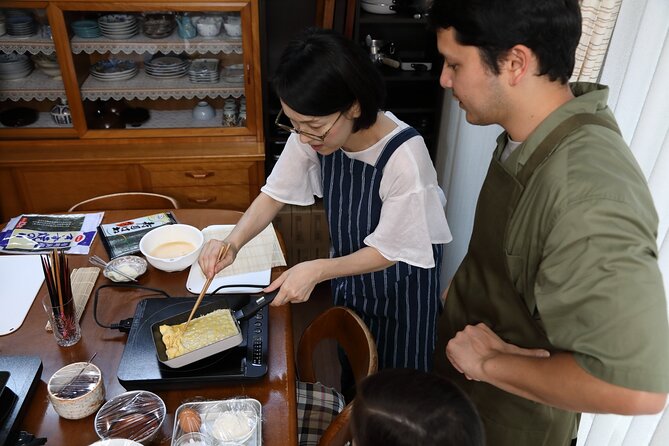
5 dishes, one dashi secret, and mochi. This Kyoto cooking class near Fushimiinari puts you in a real home kitchen, with Miho guiding you through Japanese staples like dashi and helping you make about five dishes. You also get to eat in a traditional room with a garden view, plus take home recipes.
The main tradeoff is timing. It starts at 9:30 am and it is a hands-on cooking plus a short supermarket stop, so you will want comfy shoes and a little stamina. Also, drinks are not included, so plan on purchasing water or tea if you want it with lunch.
Key points at a glance
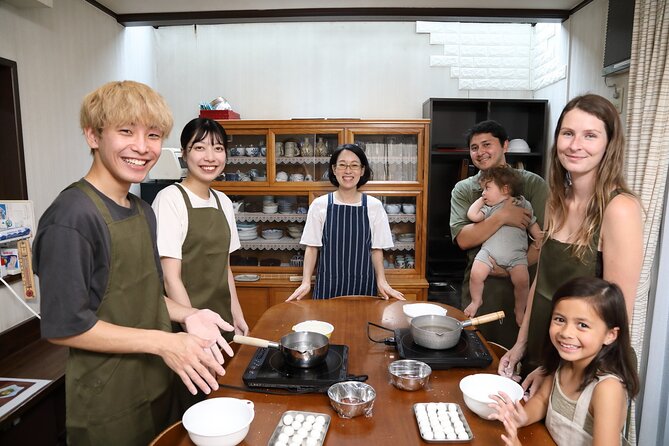
- Small group (max 6) means more time with the instructor and less waiting around
- Dashi is the focus first, then you cook about five dishes hands-on
- Lunch in a tatami room with garden view makes the meal feel special, not rushed
- A 30 minute supermarket tour helps you match ingredients to what you cooked
- English instruction throughout, taught by licensed guide interpreters
- Take-home recipes plus the option to buy ingredients for round two at home
Kyoto home cooking near Fushimiinari, with a real supermarket shortcut
If you are doing Kyoto on foot and you like experiences that feel local, this one has a smart rhythm. You cook in a Japanese house near Fushimiinari, eat a full lunch, then walk over to a nearby market to find the same ingredients you used. That combination matters because Japanese cooking is ingredient driven. Knowing what to look for makes your home results much more consistent.
I also like that the class is designed for small groups. With a maximum of six people, you get real attention while you cook. And since the instruction is in English, you do not have to do any mental translation just to follow the steps.
One more plus: the structure is practical. You learn basics that show up across Japanese meals, then you apply them immediately with hands-on cooking.
More Cooking Classes in Kyoto
- Ramen Cooking Class at Ramen Factory in Kyoto
★ 5.0 · 1,937 reviews - Kyoto: Ramen Cooking Class at a Ramen Factory with Souvenir
★ 4.9 · 532 reviews - Kyoto: Ramen, Gyoza, and Onigiri Cooking Class
★ 5.0 · 445 reviews
The 4-hour flow: cook, eat, then shop for your ingredients
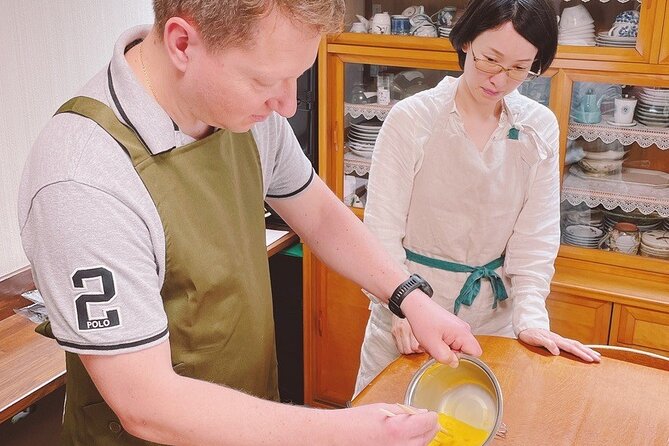
This experience is about four hours long. It runs from 9:30 am, and it ends back at the meeting point.
Meeting at the Fushimi area kitchen
You start at 38-4 Fukakusa Watamorichō, Fushimi Ward, Kyoto, 612-0022. The location is described as near public transportation, which is important in Kyoto, where the walking can be great, but time slips away fast. You will want to arrive a bit early so you can settle in before cooking starts.
Hands-on cooking in a traditional Japanese house
You begin by learning about dashi, Japanese soup stock, and how it shows up across many dishes. After that intro, you prepare about five dishes yourself or with your partner. The instructor demonstrates some steps in front of you first, then you move into the cooking.
From the dish mix that is commonly described in the class, you might make miso soup, matcha items, sushi, a spinach salad, tempura, and a sweet finish like mochi. Even if your exact menu varies, the teaching approach stays the same: learn the base, then practice the techniques.
What makes this section valuable is the pace. It is not a quick show-and-tell. The class is built so you are actively doing the work, not just watching from the sidelines.
Same corner of Japan, a different kind of day:
- PERFECT KYOTO 1-Day Bus Tour
★ 5.0 · 13,518 reviews - Kyoto: Fushimi Inari, Kinkakuji, Bamboo Grove 1 Day Bus Tour
★ 4.8 · 4,316 reviews - Kyoto: Tea Ceremony in a Traditional Tea House in Kiyomizu
★ 4.9 · 3,519 reviews - Kyoto Geisha Walking Tour: Gion District & Hidden Gems
★ 4.7 · 3,273 reviews
Lunch in a traditional room with a garden view
After you cook, you all sit down and enjoy the meal in a traditional Japanese room. There is a garden view, and the vibe is calm. This is where the experience stops feeling like a class and starts feeling like you are actually eating like someone who lives here.
Also, because you cooked most of the lunch, you understand what you are tasting. That turns lunch into the lesson, instead of just a reward at the end.
A short supermarket tour to connect cooking with shopping
After lunch, you head out together to a local supermarket for about 30 minutes. The goal is simple: find the ingredients you used in class. If you want to recreate the dishes at home, this is the moment to learn what the ingredients look like and how to ask or select them.
One practical detail I like: the instructor explains the shop contents patiently. That matters in Japan, where packaging and ingredient lists can be tricky if you do not already know what you are looking for.
The tour gives you the option to buy ingredients for your family and friends, so your shopping time is not wasted sightseeing time.
What you learn while you cook: dashi, techniques, and how Japanese dishes build
Japanese cooking can look complicated on paper. The trick is that many meals share the same building blocks. This class starts with dashi, which is one of the most important. Once you understand that base, you see how flavors connect across different dishes.
The cooking portion is described as building around instructor demonstrations and then hands-on prep for roughly five dishes. That approach helps in two ways:
- You get guided technique before you start, so you are not guessing your way through the steps.
- You get repetition, because you are making multiple dishes rather than just one.
The dishes highlighted in the experience include items that teach different skills. Miso soup and other dashi-based items teach flavor layering. Tempura teaches batter and frying basics. Matcha and sushi teach how Japanese meals can be both simple and precise. And mochi, when it is part of your session, is a fun finish because it is hands-on and memorable.
There is also a note that the class can cater to vegetarians. That is huge if you want Japanese home cooking but still need flexibility.
Miho’s role and why the instruction feels clear
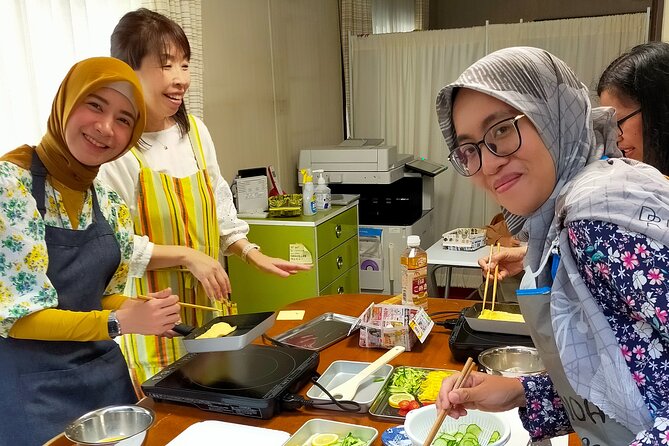
The instructor name that comes up in the provided info is Miho. In the feedback, she is described as friendly, careful, and professional, with English that is easy to understand. That is not just a nice-to-have. In a cooking class, unclear instruction is the fastest way to lose confidence in the kitchen.
Another point that helps: the instructors are licensed guide interpreters. So the class is not only cooking instruction, it also includes translation and explanation at a level that lets everyone follow.
If you are coming solo, this kind of teaching style is especially helpful. You are likely to ask questions. And with a max group size of six, your questions actually get answered, instead of feeling like an interruption.
Lunch and the recipe handoff: what you take home
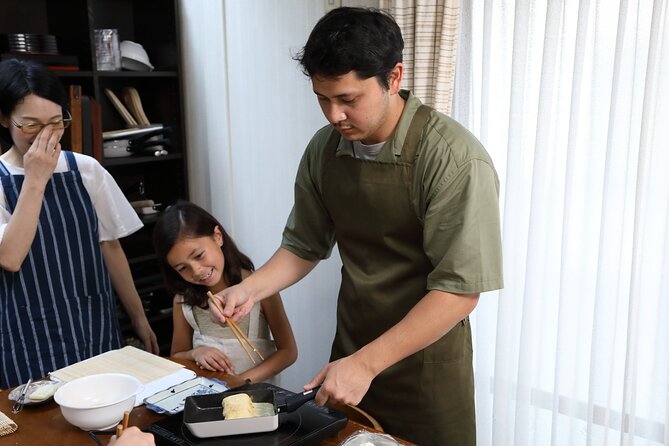
You eat lunch as part of the experience, and all seasonings and ingredients for cooking are included. That is a big value point, because Japanese ingredients add up quickly once you start buying specialty items.
You also take home recipes. In other words, you do not just leave Kyoto with a full stomach. You leave with a plan you can cook from later, which is the difference between a nice meal and something you can recreate.
One more subtle benefit: because you shop after cooking, your recipes make more sense. When you later look for an ingredient at home, you remember what the instructor used and how it was discussed in the shop.
The supermarket tour: how it improves your chances of cooking again
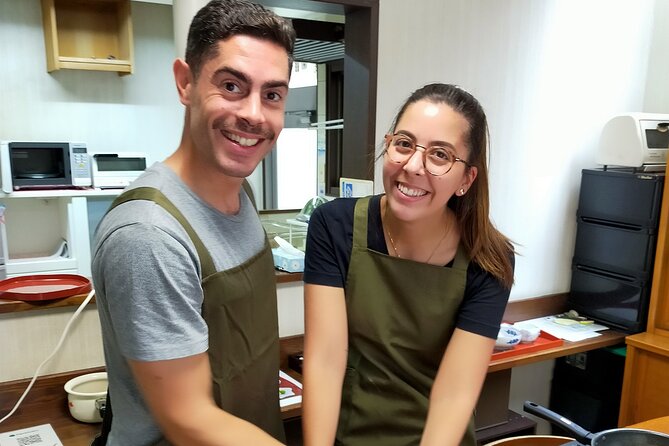
The supermarket stop is only about 30 minutes, so it is not a shopping marathon. But it is timed perfectly. You just cooked with the ingredients, so you know what names you need and what items to look for.
This section matters because Japanese grocery stores are not organized like typical Western stores. Even if you can read labels, you may not recognize what something is meant to be used for. The class solves that by showing ingredients in context of real dishes.
I also like that the tour can be useful even if you are not planning to shop again later. You still learn how products are laid out and what to look for next time.
Small group size and the hands-on factor that makes it worth it
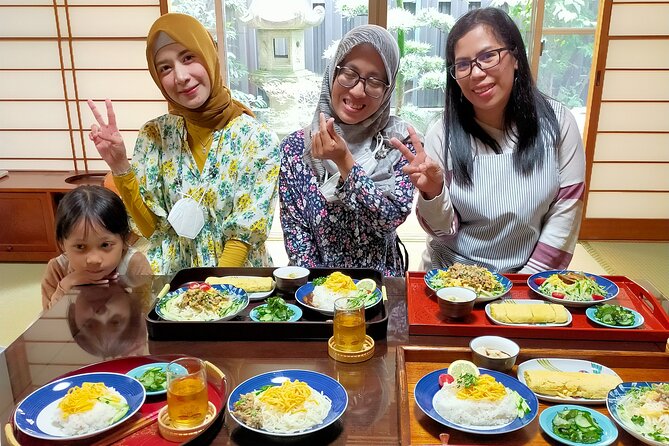
A maximum of six people is not just a comfort detail. It changes the whole learning experience.
In practice, smaller groups help you:
- get attention while you work on dishes
- ask follow-up questions during cooking
- avoid long gaps where you are waiting for the instructor to move to the next step
This is a class you will feel more confident taking on after. And confidence is what turns a cooking class into a skill, not just a memory.
Price and value: what you get for $118.92
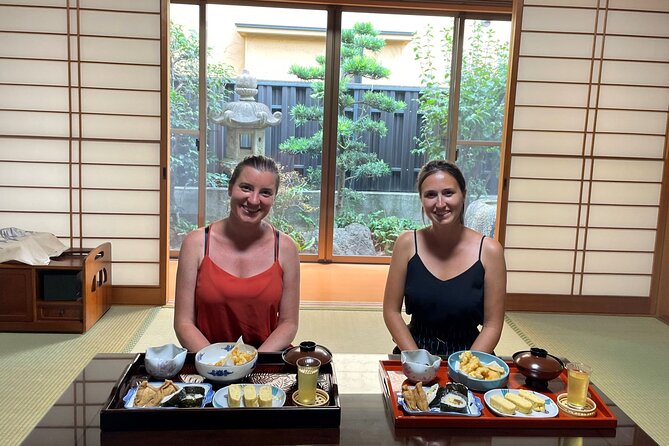
At $118.92 per person for about four hours, you are paying for a full package: lunch, ingredients and seasonings for cooking, an English-speaking licensed instructor, and a local supermarket tour. That is already a lot more than the typical “hands-on tasting” model.
Here is why it reads as good value for the right traveler:
- Lunch is included, and it is the meal you cook.
- Ingredients and seasonings are included, so you are not paying extra for supplies.
- You also get take-home recipes, which stretches the value beyond the day of the class.
- The supermarket portion gives you practical purchasing knowledge, which is what makes home cooking work.
If you only want to watch cooking from a distance, this price may feel high. If you like learning by doing, it tends to land well.
Who should book this Kyoto cooking class near Fushimiinari
This is a great fit if you want a calmer Kyoto day that still feels authentic. It is also a strong choice for solo visitors who want conversation and a structured activity.
It is especially appealing if you:
- want Japanese home cooking you can repeat later
- care about learning core flavors like dashi
- would like guidance in English
- appreciate small groups and hands-on instruction
- may need vegetarian-friendly options
If you are traveling with someone who is picky about menus, the class’s focus on multiple Japanese dishes may help, because you are not locked into only one dish.
Practical tips for your 9:30 start (so the day feels easy)
Start time is 9:30 am. That means you should plan breakfast accordingly, because the lunch is included and the cooking portion takes real effort. Wear comfy shoes, especially since you will move between the house and the supermarket.
Since drinks are not included, decide ahead of time whether you will budget for water or tea. If you prefer to keep costs controlled, you can bring a drink only if that is allowed by the host, but the only fact given here is that drinks are not included in the tour price.
Bring your curiosity. The best results come when you ask questions. A core theme in the teaching style is answering questions patiently, and with a max group size of six, your questions actually fit into the flow.
Should you book this Kyoto Home Cooking Class & Supermarket tour?
I would book it if you want Japanese food that goes beyond sushi-by-default and tempura-by-default. This class gives you a foundation ingredient like dashi, hands-on practice across multiple dishes, a traditional lunch in a Japanese house, and then a supermarket walk that helps you buy what you learned.
Skip it if you only want a quick highlight of Japanese cuisine and you do not want to cook. Also consider that drinks are not included and the start is early, so it works best when you are ready for a hands-on morning.
If you want a Kyoto experience that is practical, social in a small-group way, and rooted in how people actually cook and shop, this one is an easy yes.
FAQ
How long is the Kyoto Home Cooking Class & Supermarket tour?
The class runs for about 4 hours.
Where is the meeting point?
The meeting point is at 38-4 Fukakusa Watamorichō, Fushimi Ward, Kyoto, 612-0022, Japan.
What time does the experience start?
The start time is 9:30 am.
What is included in the price?
Lunch is included, along with all fees and taxes, all seasonings and ingredients for cooking, an English-speaking instructor, and a supermarket tour for about 30 minutes.
Is the class taught in English?
Yes. The class is conducted entirely in English, and the instructors are licensed guide interpreters.
How many people are in the group?
The tour has a maximum of 6 travelers.
What happens if the weather is poor?
This experience requires good weather. If it is canceled due to poor weather, you will be offered a different date or a full refund.
Fresh options around Kyoto
- Kyoto Aquarium Admission Ticket★ 4.7 · 12 reviews
- Kyoto Gion Photoshoot – Private Session | Pro Photographer★ 5.0 · 12 reviews
- Gyoza Cooking Class in Kyoto: Traditional Japanese Dumplings★ 5.0 · 12 reviews
- Kyoto: Guided Food Tour with 12 Dishes & 3 Drinks★ 5.0 · 12 reviews
- Kyoto: Avoid the Crowds at the Hidden Gems of Arashiyama★ 4.9 · 13 reviews
- Kyoto Early Bird English Tour: Gion & Higashiyama(Private opt)★ 5.0 · 13 reviews
- Otsu-e Folk Art Workshop & Local Culture Walk Near Kyoto★ 5.0 · 13 reviews
- Kyoto, Osaka, Nara Full Day tour by Car English speaking Driver★ 3.5 · 13 reviews
Cooking Classes, compared.
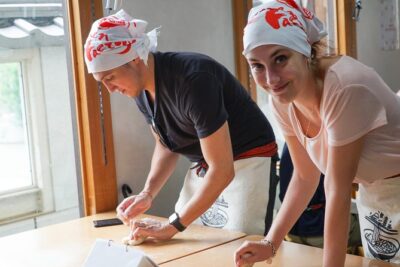
Ramen Cooking Class at Ramen Factory in Kyoto
Read our review →
Ramen & Gyoza Cooking Class in Tokyo with Local Supermarket Visit
Read our review →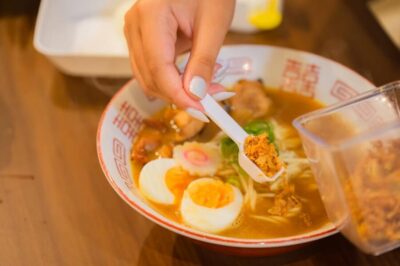
Ramen Cooking Class at a Ramen Factory with Souvenir
Read our review →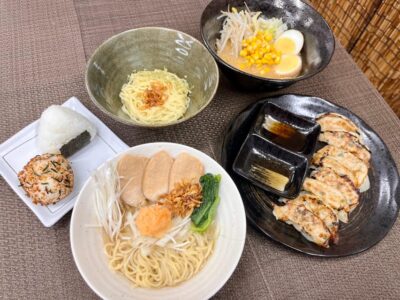
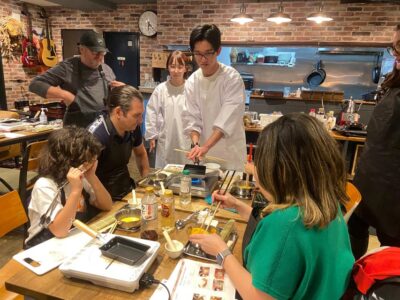
Japanese Washoku Bento Small Group Cooking Class
Read our review →
Easy Ramen Cooking Experience in Kabukicho, Shinjuku
Read our review →
Ramen and Sushi Cooking Class with Sake Pairing Set in Tokyo
Read our review →Browse the lists this tour appears in