
Reviewed · MARKETS
Master the art of Sushi : Toyosu Market Tour & Tuna Cutting
Early morning tuna is a whole thing.
This tour takes you into Toyosu Market, Tokyo’s modern fish hub, then backs it up with a hands-on tuna cutting and nigiri session. I especially like the mix of street-level market sights and a real sushi chef workflow you can copy at home. You also get time to compare the Toyosu setup with the older Tsukiji Jogai Market feel.
The best part for me is the practical side: you watch how fish is chosen and you see different tuna parts, not just pretty plates. I also like that lunch is included, with tuna and sushi you make yourself, so you get to taste what you learned right away.
One possible drawback: this is a 7:00 am start, and you’ll spend a chunk of time moving between areas by subway or bus, with transportation costs not included. If you hate early starts or tight schedules, plan your energy and expect public-transit time.
Key takeaways before you go
- Toyosu first, Tsukiji second: you’ll see how Japan’s seafood industry looks in two eras and formats.
- Live tuna cutting: more than a show, you’ll learn what goes into sushi-grade preparation.
- Hands-on nigiri making: you’re not only watching, you’re building and eating.
- Lunch included: tuna and sushi made by yourselves means less decision fatigue mid-tour.
- Small group size (max 6): you can ask questions without feeling lost in the crowd.
- Buying and sampling time: you get chances to try market sushi and purchase fish at the wholesaler.
Toyosu tuna cutting, not just another food tour
If you like food culture, this is one of those experiences that makes Japan’s seafood make sense fast. Toyosu Market is the modern successor to Tsukiji, and it shows you the industrial side of sushi without the theatre. You get a live tuna-cutting moment where the focus is on fish selection, freshness, and the standards that separate everyday cuts from sushi-ready ones.
What I like is the balance. You get the visual education of a major market, then you transition to a chef-led workflow at a restaurant in Azabujuban. That handoff matters. A market visit alone can turn into a photo sprint. A class alone can become too abstract. Here, the market context makes the cutting techniques easier to understand.
Just keep your expectations practical. This is not a slow, wandering gourmet stroll. It’s an early, guided food day with real instruction and real movement.
More Market Tours in Tokyo
- Tokyo Tsukiji Fish Market Food and Culture Walking Tour
★ 5.0 · 3,184 reviews - Tokyo: Tsukiji Fish Market Food and Walking tour
★ 5.0 · 1,724 reviews - Tokyo: Tsukiji Fish Market Guided Walking Tour
★ 4.9 · 1,397 reviews
Meeting at 7:00 am, and how to plan your morning
The tour starts at 7:00 am from Shijo-mae Sta., 6 Chome-3, Toyosu (Koto City). It ends in Azabujuban, around 3-chome-3-4 Azabujūban (Minato City). The whole experience runs about 4 hours.
That early start is the price of admission for a market tour that actually feels alive. Markets are not at their best later in the day. If you tend to wake up slowly on trips, fix that at home. Bring water, wear comfortable shoes, and set aside time to grab breakfast before you meet, not during the scramble.
Also note the practical detail that can affect your day: transportation within the tour is by subway or bus, and that transit cost is not included. The day includes time for moving between areas, so it’s worth assuming you will be on transit longer than you might expect, especially in the first half.
Group size is capped at 6 travelers, which usually means smoother pacing and more chances to ask questions. It also means the guide can keep everyone together while you’re walking, shopping, and eating.
Stop 1: Toyosu Market, where the fish buying feels real
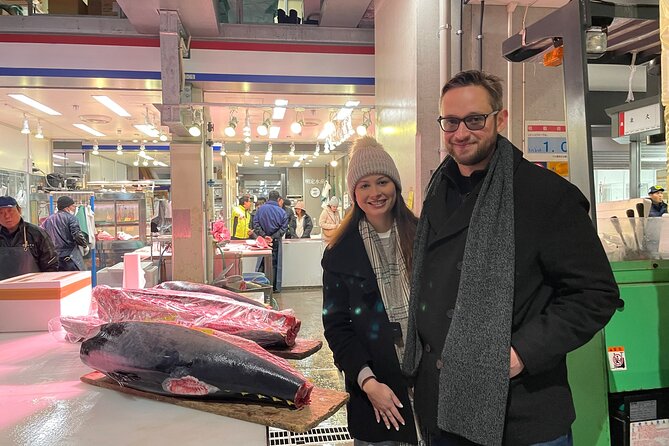
Your morning begins at Toyosu Market with a guided visit to a Toyosu wholesaler market area. You can purchase fish at the wholesaler, and you’ll have about 45 minutes here. Admission for this stop is free in the tour framing.
This is where you get the industry context. You’re not just seeing seafood as a menu item, you’re seeing it as product. The guide helps you make sense of what you’re looking at, and you’ll get rare behind-the-scenes insight from the live tuna-cutting show later in the day’s flow.
One small but important point: you should treat this as a place to buy or sample only if you’re ready to commit. Toyosu is not a place where you casually pick up one snack and drift. The best use of your time is to watch, ask, and decide while you’re there.
If shopping is part of your goal, go in with a plan. Know what you’ll realistically carry, and think about what you can use after the tour ends. If you’re just here for the food education, you can focus on sampling the market sushi and letting the live cutting set the tone.
Stop 2: Tsukiji Jogai Market, comparing old-school market energy
Next you head to Tsukiji Jogai Market for about 1 hour, with admission included. This is the stop that lets you compare Tokyo’s fish-market culture across time and layout.
You’ll walk around while enjoying shopping and eating, and the guide helps you notice differences between Tsukiji and Toyosu. That comparison is more valuable than it sounds. Toyosu tends to feel more like the business side of seafood, while Tsukiji Jogai has a more traditional shopping street vibe. Seeing both helps you understand why the industry had to evolve, and what parts of market life stayed human.
Food-wise, this is a good place to sample without overcommitting. You’ll likely find bite-size options that are perfect between segments. The key is to pace yourself. The day includes a class component after this, and you don’t want to arrive stuffed and unfocused.
If heat or crowds are your stress point, build in tolerance. The day is structured with movement between areas, so you’ll be outside and walking more than you would on a typical sit-down food tour.
More Sushi Making Classes in Tokyo
- Sushi Making Tokyo Roll and Authentic Japanese Sushi Class
★ 5.0 · 3,971 reviews - Tokyo: Roll and Authentic Sushi Making Class in Asakusa
★ 4.9 · 1,957 reviews - Make Sushi and Create Unforgettable Memories in Tokyo
★ 5.0 · 1,413 reviews - Tokyo: Sushi Making Class in a Happi Coat near a Famous Spot
★ 4.9 · 1,377 reviews
Stop 3: Azabujuban tuna cutting and nigiri you make yourself
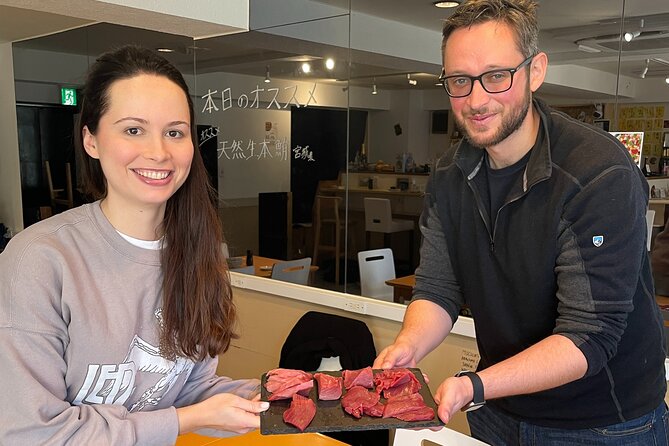
The final stretch is the most hands-on part, in Azabujuban at a Japanese restaurant. You’ll spend about 1 hour 30 minutes here. Admission is free for this portion, and the big value is what happens in the room.
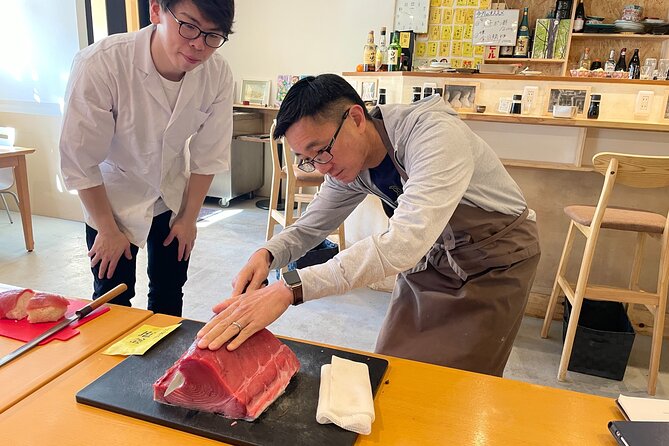
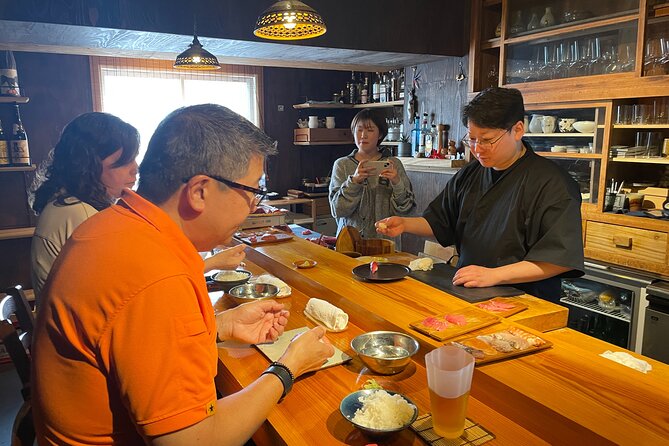
You experience the tuna cutting process and then make nigiri sushi with a sushi chef. This is where you compare different tuna parts. You’ll learn how chefs approach selection, how the tuna is portioned, and how different cuts change how they taste.
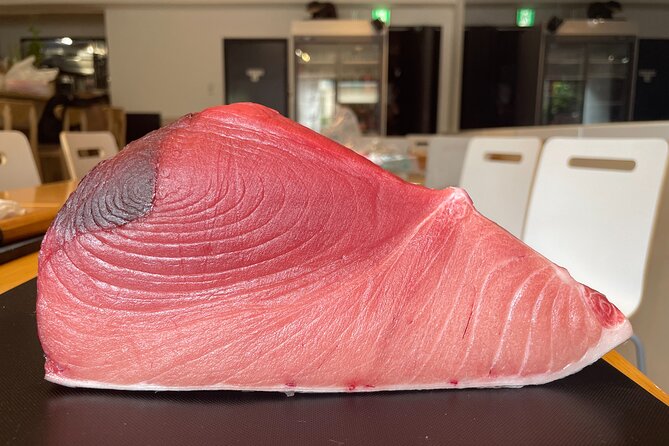
One detail that makes this stage click is the chance to try different ways of eating tuna. When you taste fatty versus lean parts side by side, sushi stops being a mystery. You start thinking in texture and fat content, not just price and hype.
Lunch is included as part of this segment. The tour includes tuna and sushi made by yourselves, and you eat what you make. That matters because it turns instruction into a meal with instant feedback. If something doesn’t make sense while you’re cutting, you find out quickly when you taste.
Practical tip: go light on extra market snacks before the restaurant session. You want enough appetite to enjoy the sushi learning, not just to survive the day.
What you’ll learn about fish quality and sushi-grade standards
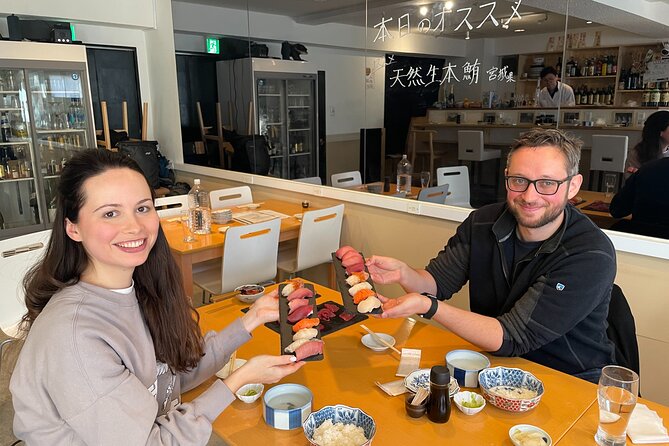
The heart of the experience is the live tuna-cutting show and the chef-led cutting session. Even if you never plan to cut tuna at home, you’ll leave with a framework for how sushi-grade preparation works.
Here’s what the day emphasizes:
- Freshness and selection: you’ll hear how fish quality is judged and why cutting matters.
- Tuna part differences: you’ll see and taste fatty, middle, and lean areas during your class time.
- Technique for nigiri: you’ll follow along as sushi is built, not just plated.
This isn’t about memorizing terms. It’s about understanding why certain cuts behave differently in your mouth. Fatty tuna tends to feel smoother and richer. Lean cuts often feel cleaner and more direct in flavor. When you combine that with basic nigiri technique, you get something you can actually use.
Also, expect sushi prep tips you can try at home. The tour doesn’t promise magic, but it does give you real, observable steps. You’ll come away knowing what to watch for when you buy fish, and what to practice if you want to make sushi that doesn’t fall apart.
Buying and sampling: how to use the market time wisely
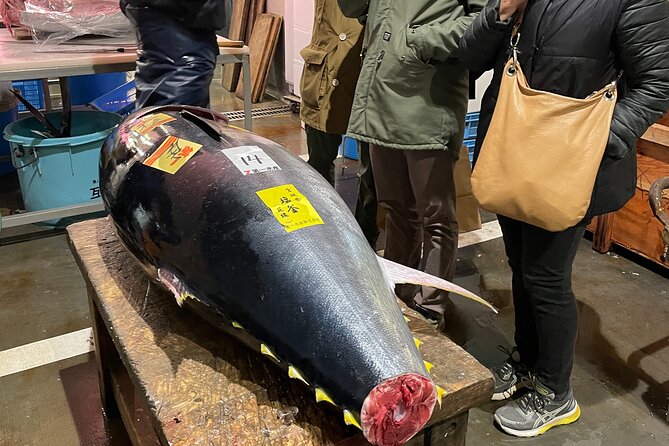
One of the highlights is the chance to buy and sample sushi-related things. At Toyosu, you can purchase fish at the wholesaler. During the market stops, you also have opportunities to try what’s available.
Here’s how I’d approach it so you don’t waste your limited time:
- Decide early if you want to buy fish or only sample food. Doing both can be tough in a short 4-hour day.
- If you buy, think about how you’ll transport and store it.
- If you sample, go for smaller bites so you can still enjoy lunch after.
This kind of market exposure is valuable even if you never buy anything. It teaches you how vendors think, how fish is presented, and how a market day shapes what ends up in a sushi counter later.
And yes, it’s fun to try market sushi. Just keep it realistic. This is education with food, not a buffet with no structure.
Price, value, and what you truly get for $297.23
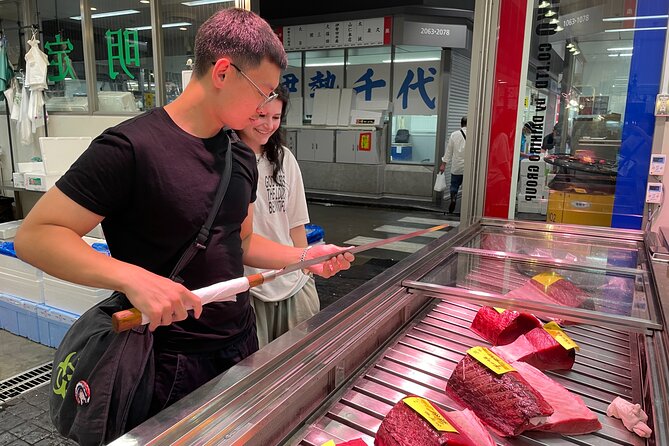
At $297.23 per person, this isn’t the kind of tour you book on a whim. But it can make sense if you care about sushi more than generic sightseeing.
So what are you paying for?
- Access to Toyosu Market with a guided visit
- An English guide
- A guided comparison stop at Tsukiji Jogai Market
- A chef-led tuna cutting and nigiri session
- Lunch included, featuring tuna and sushi you make
In other words, a big chunk of the cost is the hands-on restaurant time and the structure that keeps you on track between market areas. That’s also why the group is small. With only up to 6 people, you’re more likely to get questions answered and a smoother experience during the cutting and eating portion.
Where value can dip: transportation costs are not included, and you may spend over an hour commuting between destinations. If you’re already paying transit, budget a bit extra. Also, if you hate early mornings, you may feel the day costs more in energy than in dollars.
Still, if sushi and tuna technique matter to you, the price is easier to justify than it looks. You’re not just buying a meal. You’re buying a skill-and-context experience, plus lunch.
Who should book this tuna and sushi day?
This tour is a strong fit if you:
- Love tuna and want to understand part differences
- Want sushi instruction you can translate into home practice
- Like the market side of Japanese food culture, not just restaurants
- Prefer a small group with an English guide
It’s less ideal if you:
- Want a slow pace with minimal transit
- Can’t handle a 7:00 am start
- Have very strict dietary rules, since tuna and sushi are central to the lunch and class format
If you’re traveling as a couple or solo and you want something more interactive than a basic food walk, this is a great candidate. If you’re with kids, it could still work, but the early start and active timing may be challenging.
Quick decision: should you book it?
I think this is worth booking if your goal is to understand sushi quality from the source, then learn how it’s built. The combo of Toyosu market context, Tsukiji comparison, and a chef-led tuna cutting plus nigiri class is the kind of structure that leaves you with takeaways, not just photos.
I’d only hesitate if the transit time and early start would ruin your mood. If you’re the type who plans your day down to the minute, you might love it. If you want a relaxed vacation with zero scheduling stress, you may find this brisk.
If you do book, show up rested, wear comfy shoes, and decide how you’ll handle sampling versus buying fish. Then you’ll get the best out of the day.
FAQ
How long does the tour last?
The tour runs about 4 hours.
What time does the tour start, and where does it end?
It starts at 7:00 am at Shijō-mae Sta. 6 Chome-3 Toyosu, Koto City, Tokyo, and it ends in Azabujūban at 3-chōme-3-4 Azabujūban, Minato City, Tokyo.
What’s included in the tour price?
The tour includes an English guide and lunch. Lunch comes with tuna and sushi made by yourselves.
Is transportation included?
No. Transportation within the tour is by subway or bus, and those costs are not included.
How many people are in the group?
The tour has a maximum of 6 travelers.
Are there market admissions included or free?
Admission is free for the Toyosu Market stop and free for the Azabujuban stop. Admission for the Tsukiji Jogai Market stop is included.
More Shopping Tours in Tokyo
- Tokyo: Tsukiji Fish Market Sushi Making Class with Pro Chef
★ 4.9 · 506 reviews - Tokyo Food Tour Taste Fresh Delights at Tsukiji Market
★ 5.0 · 429 reviews - Tokyo Tsukiji Fish Market Tour and Sushi Making Lesson
★ 5.0 · 390 reviews - Tsukiji Fish Market: Street Food & Culture Walking Tour
★ 4.8 · 259 reviews
More Markets in Tokyo
- Tsukiji Fish Market Guided Tour and Sushi Making with Pro Chef
★ 5.0 · 775 reviews - Tokyo: Tsukiji Fish Market Food and Culture Walking Tour
★ 4.7 · 757 reviews - Tsukiji Fish Market: Street Food & Culture Walking Tour
★ 5.0 · 669 reviews - Tsukiji Fish Market Small-Group Food Walking Tour
★ 5.0 · 621 reviews
Fresh options around Tokyo
- Tokyo: Nikko Kegon Falls Lake Chuzenji Toshogu Temple & More★ 4.9 · 12 reviews
- Tokyo: Samurai History Walking Tour★ 5.0 · 12 reviews
- Harajuku: Kawaii Fashion and Pop-Culture Tour★ 4.7 · 12 reviews
- Tokyo: Mt. Fuji & Lake Kawaguchi Instagram Full Day Trip★ 4.1 · 12 reviews
- Shibuya Tokyo: Modern Kintsugi Workshop in Shibuya★ 5.0 · 12 reviews
- Tokyo: GTR Guided Daikoku Experience at Night★ 5.0 · 12 reviews
- Tokyo: Daikoku JDM Car Culture Tour★ 4.6 · 12 reviews
- Mt Fuji Private Day Trip from Tokyo with English speaking driver★ 5.0 · 13 reviews
Markets, compared.
Tokyo Tsukiji Fish Market Food and Culture Walking Tour
Read our review →
Nishiki Market Brunch Walking Tour (7 Tastings + Brunch)
Read our review →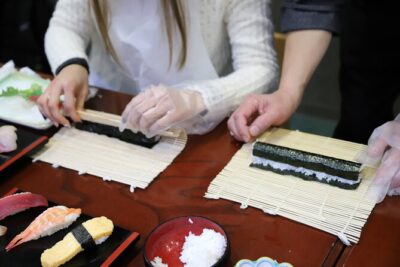
Tsukiji Fish Market Guided Tour and Sushi Making with Pro Chef
Read our review →Tsukiji Fish Market Food and Culture Walking Tour
Read our review →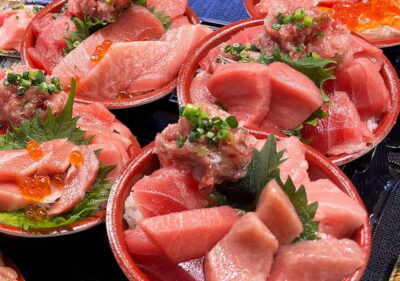
Tsukiji Fish Market: Street Food & Culture Walking Tour
Read our review →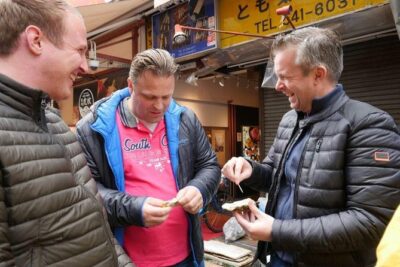
Tsukiji Fish Market Small-Group Food Walking Tour
Read our review →Browse the lists this tour appears in