
Reviewed · FOOD & DRINK
Tokyo: Tsukiji Fish Market Food and Culture Walking Tour
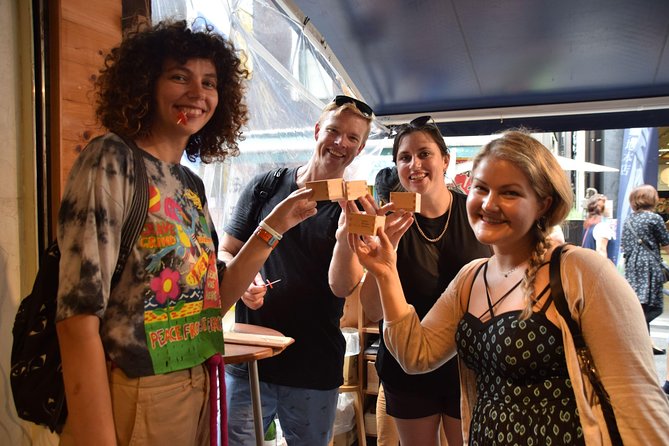
Tsukiji food smells like a plan. In just a few hours, you get guided access to the Tsukiji Outer Market maze, with tastings that connect street snacks to Tokyo’s food habits and daily chef supply runs. You also start at a real landmark, Tsukiji Honganji-Temple, not some generic plaza.
My favorite part is the food variety, especially high-grade wagyu beef skewers plus the end-of-tour fish bowl or sushi. The other big win is the small-group feel, where guides can steer you through what to order and how to talk to vendors, with people like Kenji, Miki, and Nazu showing up as standout guide names. One thing to consider first: this tour is not set up for vegetarian, vegan, halal, or gluten-free requests.
Key highlights to look for
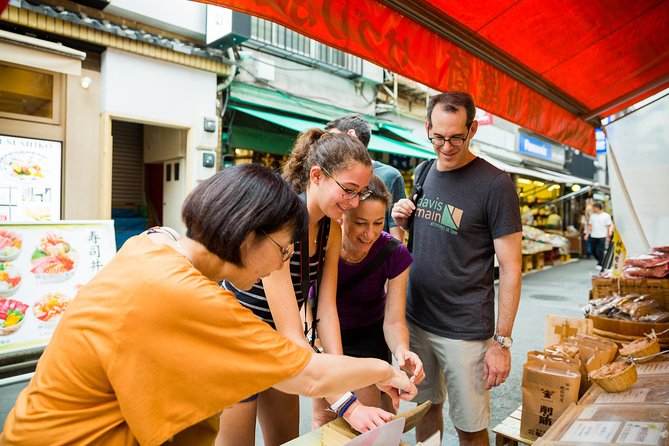
- Small group size (2 to 8) means less chaos and more time asking questions while you snack
- Wagyu beef skewers are a top highlight, with many tastings that go beyond one simple stop
- Sushi or seafood bowl at the finish, served as a proper wrap-up, not just another bite
- Walk-and-taste format helps you handle Tsukiji crowds and confusing stall choices without guessing
- History and culture context comes with the food, so it feels more than eating on the move
- Plan around market closures, since specific items can switch off on certain closed days
Tsukiji Outer Market, still the fastest way to understand Tokyo food
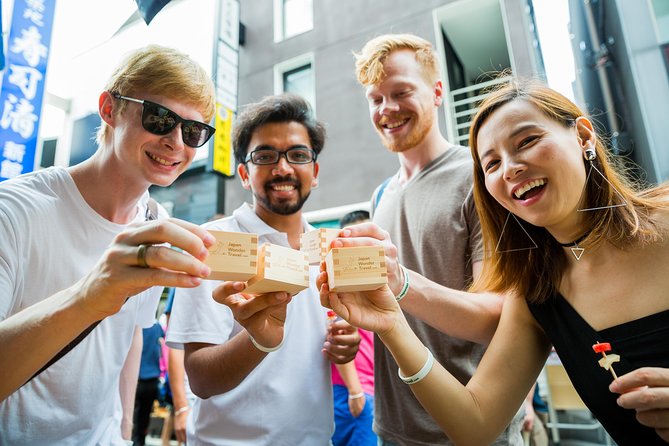
Tsukiji is not just a market you visit, it is a system you watch. Even when you are only in the outer area, you still see the supply energy that chefs count on every day. This tour leans into that idea: you are walking, tasting, and learning why the best places keep doing the same smart moves year after year.
I like that the tour does not treat food as trivia. You get explanations tied to what you are eating, like how different seafood stalls work, what chefs look for, and how Japanese food culture treats quality as normal, not special-occasion luck. If you enjoy street food but hate wasting time guessing at menus in a crowded place, this format fits you well.
The tour is also short enough to feel doable on a busy Tokyo schedule. At 3 hours, it is basically a morning mission. You will still have time later to explore on your own if you want to return to a stall you loved.
More Food Tours in Tokyo
- Tokyo: Shinjuku Food Tour (13 Dishes at 4 Local Eateries)
★ 5.0 · 6,603 reviews - Tokyo Tsukiji Fish Market Food and Culture Walking Tour
★ 5.0 · 3,184 reviews - Tokyo: Shinjuku Food Tour (15 Dishes and 4 Eateries)
★ 4.9 · 2,033 reviews
Start smart: meeting at Tsukiji Honganji-Temple and getting oriented fast
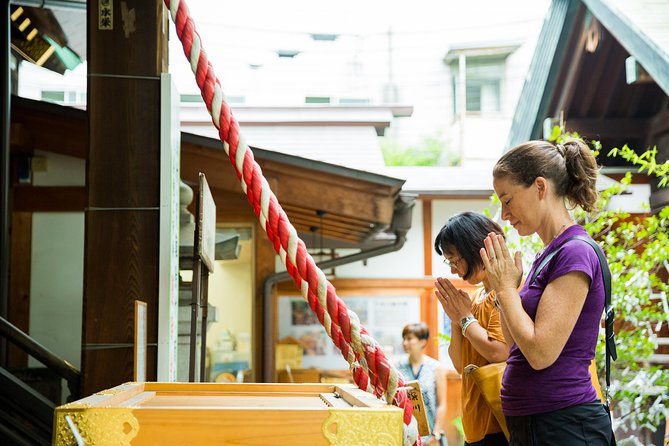
You meet your guide at the main gate of Tsukiji Honganji-Temple (浄土真宗本願寺派 築地本願寺). That matters more than it sounds. It is an easy-to-find gathering point with a calm beginning, right before you step into the tight lanes and high-volume stalls.
From there, the day flows like this: you begin with a quick setup and an initial look at the outer market area for about half an hour. That first stretch is your chance to get your bearings, learn how the guide wants you to move as a group, and get a feel for the smell and sound level you are walking into.
A few guide-led details can add meaning beyond food. Some tour experiences include shrine etiquette moments at the start, and one guide example described doing a cleansing ceremony. Even if your day does not include that exact ritual, the takeaway is consistent: your guide is treating the area with respect, not just chasing snacks.
Practical note: the walking is described as moderate, and it is not wheelchair-friendly. If you have mobility limitations, this is not the right fit based on what is explicitly stated.
The outer market walk: how a guide turns crowd chaos into a route
Tsukiji’s outer lanes can feel like they are designed to test your patience. Stalls cluster together, lines form quickly, and it is hard to know what you should try first. This tour solves that problem by keeping you on a guided path with scheduled tastings.
You spend about 2.5 hours on the main guided loop in the outer market. That long block is where the best value happens. You are not just passing stalls, you are stopping, tasting, and getting context for what you are seeing.
Expect a lot of variety as you move through the maze:
- fish and shellfish stalls and related snack counters
- fried items and seafood-based bites
- fruit stands when the day is open for the expected menu
- cooked egg and fish cake options, depending on the market day
One underrated advantage is that guides often help with vendor interaction. Multiple guide examples mention that meeting and ordering feels effortless. In practice, that means you spend less time doing awkward pointing and more time learning what makes a stall worth it.
And yes, you will need comfortable shoes. The market is dense, and you will be walking more than you expect for a 3-hour tour.
What you eat: wagyu skewers plus the big finish of sushi or a seafood bowl
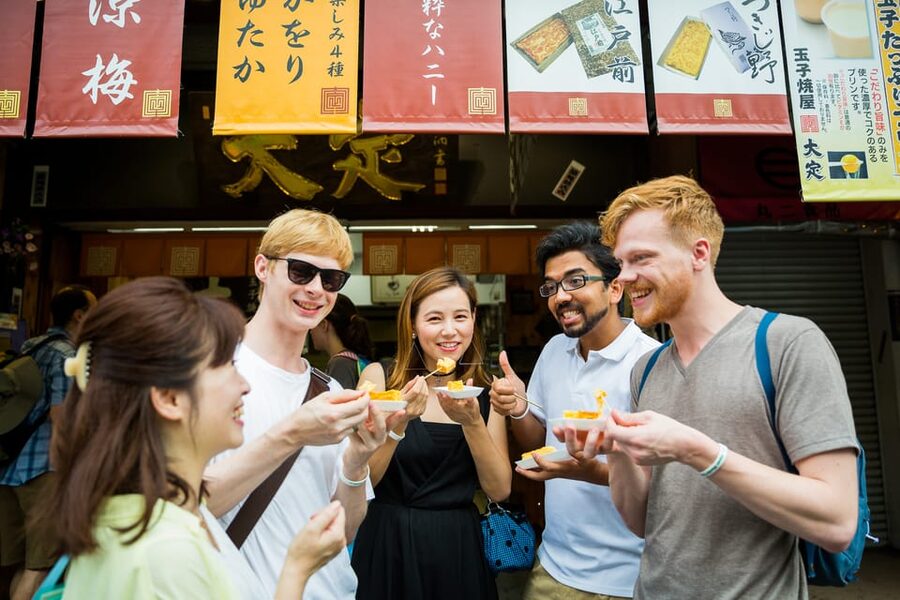
This tour is built around a very specific tasting set, with a clear centerpiece: high-grade wagyu beef skewers. In the guide examples, wagyu comes up again and again as the memorable bite. If you love beef, or if you want to try something you would not automatically order on your own, this is your anchor.
The included menu items are:
- wagyu beef skewers
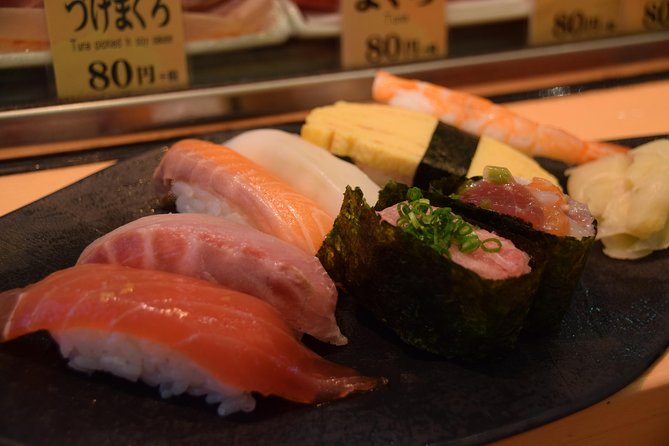
- fresh fish bowl or sushi at the end, depending on the day
- Japanese omelet (tamagoyaki-style)
- seasonal fruits
- fried fish cake
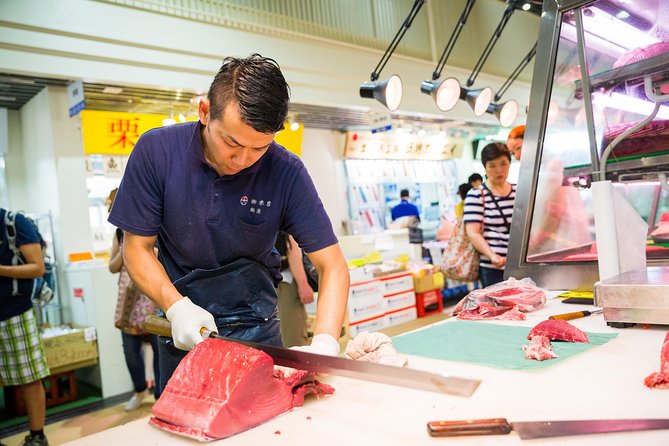
Your end stop is the moment that turns snacks into a meal. The tour wraps up with either a sushi serving or a seafood bowl, and several guide experiences also described chef-style fish preparation. One example even mentioned a sushi chef demonstrating fish cutting before serving the bowl. That kind of short “how it works” moment is exactly why guided tours can beat a solo food wander.
More Market Tours in Tokyo
- Tokyo: Tsukiji Fish Market Food and Walking tour
★ 5.0 · 1,724 reviews - Tokyo: Tsukiji Fish Market Guided Walking Tour
★ 4.9 · 1,397 reviews - Tokyo Sushi Making Class in Tsukiji with Professional Chef
★ 5.0 · 1,177 reviews - Tsukiji Fish Market Guided Tour and Sushi Making with Pro Chef
★ 5.0 · 775 reviews
When the day changes the menu
Tsukiji’s market schedule can affect what you get. The fish market (Uogashi wholesaler market) is closed on Wednesdays, Sundays, and other closed market days.
On those closed days, the tour notes that Japanese omelet, fish cake, and fruits cannot be served because shops are closed. Also, depending on day and time, you either get sushi or a seafood bowl.
If a restaurant unexpectedly cannot provide the meal, the tour says they will provide an alternative. That is useful to know if you are planning around exact food cravings.
The culture lesson you actually use in Tokyo
Food tours can get stuck in the facts. This one tries to connect facts to choices you can make later.
You will learn:
- the history of the Tsukiji area and how it developed
- Japanese food culture through what chefs do on daily visits
- how different stalls think about ingredients and freshness
- practical tips about local culinary culture
The value here is not that you memorize dates. It is that you leave knowing how to interpret what you see. For example, once you understand how chefs approach ingredient sourcing, you can walk away from the market thinking in terms of freshness and specialty, not just tourist-friendly menus.
You also get help deciding what is worth trying in a place where everything looks tempting. In very practical terms, that saves you money and stomach space. Several guide examples stressed that the tastings are satisfying and that you should not end up hungry after the tour.
Small group touring (2 to 8): why it improves taste and learning
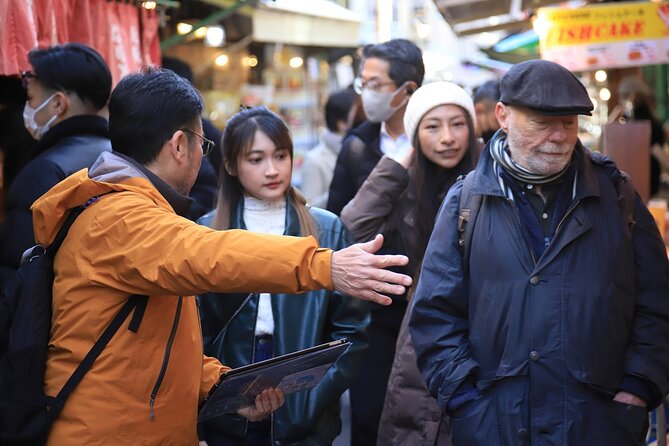
The group size is one of the biggest reasons this tour earns strong feedback. It is small, listed as 2 to 8 people. That changes everything.
With a tiny group:
- your guide can stop longer at the stalls you care about
- it is easier to hear explanations, even in noisy lanes
- you can ask quick questions without feeling rushed
- you are less likely to lose the route
One guide example described a very personal feel with only four people in the group. Another called out that the guide catered to different interests. That is the kind of outcome you want if your Tokyo plan includes food but also includes learning.
Downside of small groups: the group moves at a single pace. If you like slow strolling and frequent breaks, you might feel the “move along” rhythm. The walking is described as moderate, so build in the expectation that you will be on your feet for most of the 3 hours.
Crowds, rain, and when to go for easier listening
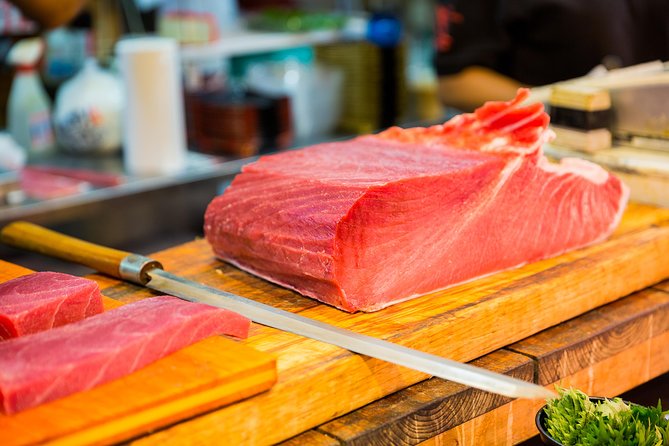
Tsukiji gets busy. Even with a guide route, it can feel crowded and loud, especially in drizzle when people pack closer under awnings.
If you have flexibility, consider midweek timing. One strong guide example recommended midweek because Saturday morning can be very crowded. Another example talked about rain adding to the crowd crush and making it harder to hear.
So here is how you set yourself up:
- keep close to the guide when explanations happen
- plan for noise, not quiet classrooms
- pack a camera and something for wet weather if your season is rainy
- consider that umbrellas can block sight lines, so keep yours controlled
This is not a sit-down tasting class. It is a walking food mission, and the pace reflects that.
Price and value: is $96 for 3 hours a fair trade?
At $96 per person for about 3 hours, you are paying for three things at once:
- access to a guided route in a crowded market
- a structured set of included tastings plus the sushi or seafood bowl finish
- a professional local guide who handles the confusing parts for you
If you priced this out as solo shopping, it would likely cost you more than you think, because Tsukiji snacks add up quickly. You would also spend extra time figuring out what to try, where to stand, and how to order. For many food-first travelers, time is the real currency.
The tour also includes higher-end items in the tasting set. Wagyu skewers and the fish bowl or sushi at the end are not filler. Several guide experiences described wagyu as the highlight, with one person saying it was some of the best they had ever tasted.
So the value question depends on you:
- If you love street food and want a curated route, it is strong value.
- If you want a flexible menu where you pick everything a la carte, you might prefer doing Tsukiji solo.
- If you need strict dietary accommodations, this tour is not designed for you, which affects value.
Who this tour suits best
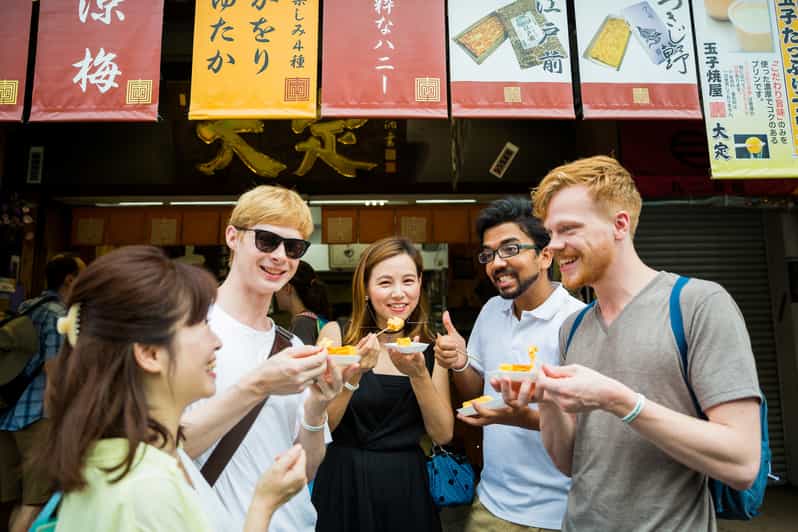
This one fits best if you:
- want a guided route through Tsukiji Outer Market without guessing
- love seafood and want to try multiple classic snack types
- specifically want to try wagyu beef skewers
- enjoy cultural context, not just eating
It may not fit if you:
- use a wheelchair or have mobility impairments, since it is not suitable for that
- avoid certain foods based on dietary needs, since it does not accommodate vegetarian, vegan, halal, or gluten-free requests
Should you book Tsukiji Fish Market food and culture?
I think you should book if you want the easiest path to a great first Tsukiji experience. The combination of a small group route, multiple tastings, and the sushi or seafood bowl finish makes this a “do it once with a guide” kind of tour. It helps you avoid the two common Tsukiji mistakes: spending too long figuring things out, and missing the best stalls because you did not know where to look.
Book it particularly if wagyu and seafood are high on your Tokyo checklist. If you are going on a Wednesday or Sunday, go in with realistic expectations about menu changes, since omelet, fish cake, and fruits cannot be served on closed market days. And if you have dietary restrictions or mobility challenges, look for another option.
FAQ
How long is the Tsukiji Fish Market food and culture walking tour?
The tour lasts 3 hours, with a small group format.
Where do we meet the guide?
You meet your guide at the main gate of Tsukiji Honganji-Temple (浄土真宗本願寺派 築地本願寺).
What food is included in the tour?
Included tastings are high-grade wagyu beef skewers, a fresh fish bowl or sushi depending on the day, Japanese omelet, seasonal fruits, and fried fish cake.
Is the tour suitable for vegetarians, vegans, halal, or gluten-free diets?
No. The tour does not accommodate vegetarian, halal, or gluten-free requests.
What happens on days when the market is closed?
The fish market (Uogashi wholesaler market) is closed on Wednesdays, Sundays, and other closed market days. On those days, Japanese omelet, fish cake, and fruits cannot be served because shops are closed. Sushi or a seafood bowl is still provided depending on the day.
What should I bring for the walking portion?
Bring comfortable shoes and comfortable clothes, and if you like, a camera.
More Markets in Tokyo
- Tsukiji Fish Market: Street Food & Culture Walking Tour
★ 5.0 · 669 reviews - Tsukiji Fish Market Small-Group Food Walking Tour
★ 5.0 · 621 reviews - Tokyo: Tsukiji Fish Market Sushi Making Class with Pro Chef
★ 4.9 · 506 reviews - Tokyo Food Tour Taste Fresh Delights at Tsukiji Market
★ 5.0 · 429 reviews
More Walking Tours in Tokyo
- Tokyo: Imperial Palace and Shogun Historical Walking Tour
★ 5.0 · 2,251 reviews - Tokyo: Shinjuku Local Bar and Izakaya Guided Walking Tour
★ 4.9 · 1,794 reviews - Tokyo: Asakusa Walking Tour with Sensoji Temple Visit
★ 4.8 · 1,583 reviews - Tokyo Castle & Imperial PalaceーShogun Walking Tour
★ 4.7 · 1,068 reviews
Fresh options around Tokyo
- Tokyo: Nikko Kegon Falls Lake Chuzenji Toshogu Temple & More★ 4.9 · 12 reviews
- Tokyo: Samurai History Walking Tour★ 5.0 · 12 reviews
- Harajuku: Kawaii Fashion and Pop-Culture Tour★ 4.7 · 12 reviews
- Tokyo: Mt. Fuji & Lake Kawaguchi Instagram Full Day Trip★ 4.1 · 12 reviews
- Shibuya Tokyo: Modern Kintsugi Workshop in Shibuya★ 5.0 · 12 reviews
- Tokyo: GTR Guided Daikoku Experience at Night★ 5.0 · 12 reviews
- Tokyo: Daikoku JDM Car Culture Tour★ 4.6 · 12 reviews
- Mt Fuji Private Day Trip from Tokyo with English speaking driver★ 5.0 · 13 reviews
Food & Drink, compared.
Shinjuku Food Tour (13 Dishes at 4 Local Eateries)
Read our review →
Tokyo Tsukiji Fish Market Food and Culture Walking Tour
Read our review →
Shinsekai Food Tour with 13-15 Dishes at 5 Eateries
Read our review →
Osaka Food Tour: 13 Dishes at 5 Local Eateries
Read our review →
Shinjuku Food Tour (15 Dishes and 4 Eateries)
Read our review →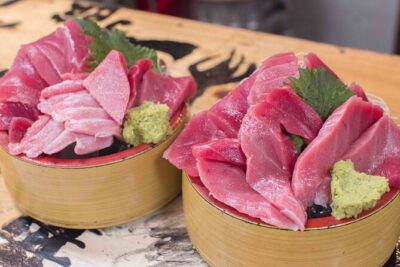
Best of Shinjuku: Izakaya Food Tour (4 Stops, 14+ Tastings)
Read our review →
Kyoto Night Foodie Tour in Gion (9+ dishes + 6 Sake tastings)
Read our review →
Hungry Osaka Street Food Tour:15 Tastings & 3 Drinks with a Local
Read our review →Browse the lists this tour appears in