
Reviewed · COOKING CLASSES
Kyoto Wagashi(Japanese sweets) Cooking Class near Fushimiinari
Mochi making beats the souvenir hunt. This Kyoto class feels like a quiet invitation into Japanese home life, with traditional rooms and small-group instruction near Fushimi Inari. The only real catch is practical, there is no hotel pickup, and the class depends on good weather.
What I like most is that you do not just watch, you make about three wagashi yourself, then relax with matcha in the same traditional space. Everything runs in English with licensed guide interpreters, and you’ll get the recipes to recreate the sweets at home.
Key things to know before you go
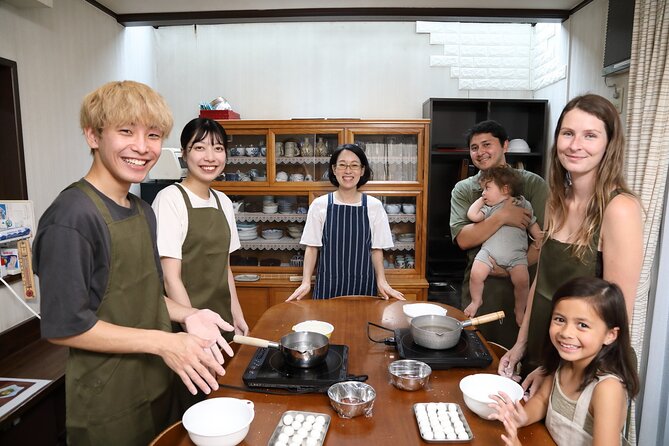
- Max 6 people so you get real attention while you cook
- Traditional house setting with a chance to unwind in Japanese rooms
- Hands-on wagashi practice preparing about three different sweets
- English-led class taught by licensed guide interpreters
- Vegetarian and vegan friendly if you share dietary needs in advance
Entering a Kyoto wagashi workshop near Fushimi Inari
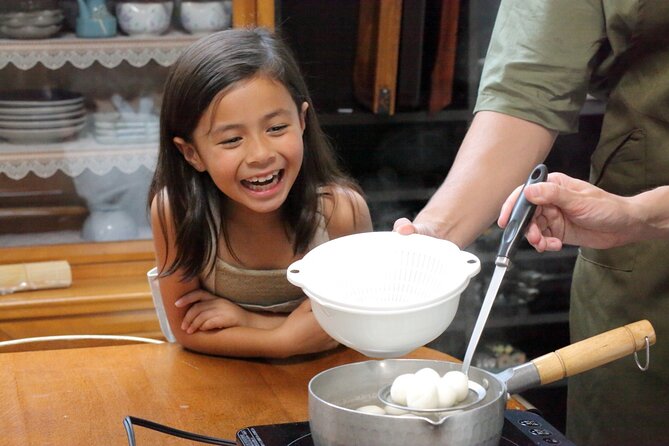
If you’re pairing Kyoto sightseeing with something food-focused, this is the kind of stop that makes the trip feel personal. The meeting point is at 38-4 Fukakusa Watamorichō, Fushimi Ward, Kyoto 612-0022, and the area is listed as near public transportation. You’ll arrive at an authentic Japanese-style house, not a crowded commercial cooking studio. That matters, because it keeps the experience calm and respectful, the way wagashi itself is meant to be.
You also get a mobile ticket, so you’re not stuck chasing paper confirmations while you’re navigating side streets. The class runs about 2 hours 30 minutes, long enough to actually learn technique, but not so long that it drains your whole afternoon. Group size caps at 6 travelers, which is a big deal in cooking classes, it usually means less waiting and more help when your hands go a bit sticky.
One more thing: the experience is weather-dependent. That’s not unusual in Kyoto, but it’s worth knowing so you don’t plan your day like everything is guaranteed no matter what.
More Cooking Classes in Kyoto
- Ramen Cooking Class at Ramen Factory in Kyoto
★ 5.0 · 1,937 reviews - Kyoto: Ramen Cooking Class at a Ramen Factory with Souvenir
★ 4.9 · 532 reviews - Kyoto: Ramen, Gyoza, and Onigiri Cooking Class
★ 5.0 · 445 reviews
Inside the traditional rooms, tea first, then cooking
When the class starts, you begin by relaxing in a traditional Japanese room. Think tatami-style calm, simple seating, and the feeling that you’re being hosted rather than processed. You’ll also get to enjoy your sweets and a cup of matcha together later, and the space includes a garden view. That combo, cooking plus a quiet tasting moment, is why this class is more than just calories and recipes.
They also include coffee and/or tea, which helps if you arrive a bit hungry from your Kyoto walking. It’s a small inclusion, but it changes the flow. You’re not trying to concentrate on texture and measurements while your energy is running low.
The instructor sets the pace in a way that works well for mixed experience levels. The class is conducted entirely in English, and the instructors are licensed guide interpreters, so you’re not left guessing. You can listen, ask, and follow steps without the usual communication drag that can happen when a cooking class is taught in another language.
The core of the lesson: you cook about three wagashi
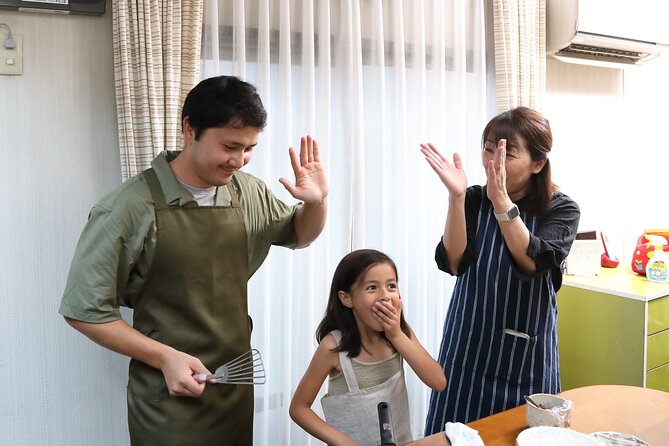
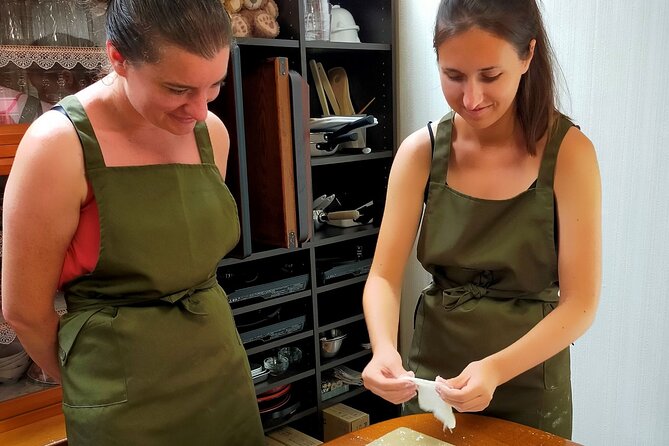
The structure is straightforward and, frankly, very tourist-friendly. First, the instructor demonstrates techniques in front of you. Then you shift into making the desserts yourself, either on your own or with a partner, with guidance as you go.
Since you’re preparing about three types of wagashi, you get variety without turning the afternoon into a marathon of one complicated thing. Wagashi can look delicate, but the methods are practical. What you’re really learning is how to:
- handle soft dough and sticky components
- understand how sweetness and texture balance works in Japanese sweets
- follow shaping steps without panicking when it looks slightly imperfect
The group experience also helps. In a small class, you’ll see how others interpret the steps, and you’ll pick up small cues. Even if your first attempt is a little messy, the process is designed to get you to an edible, shareable outcome.
After cooking, you sit down together to enjoy what you made with matcha in the traditional room. That tasting is not an afterthought, it’s when the learning clicks. You can connect the smell and texture you noticed during cooking to what it should taste like.
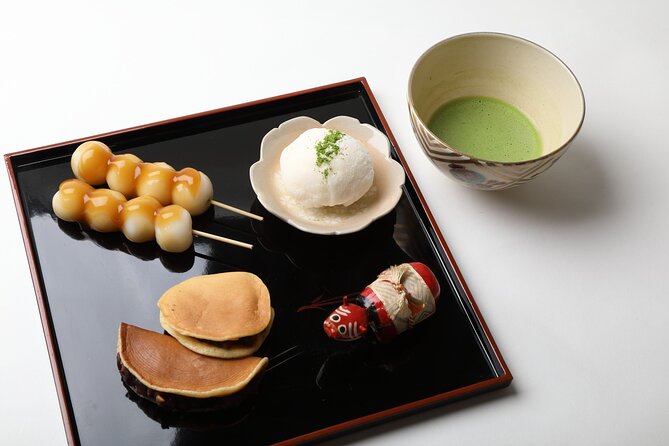
What you might make: black sesame mochi and Mitarashi dango
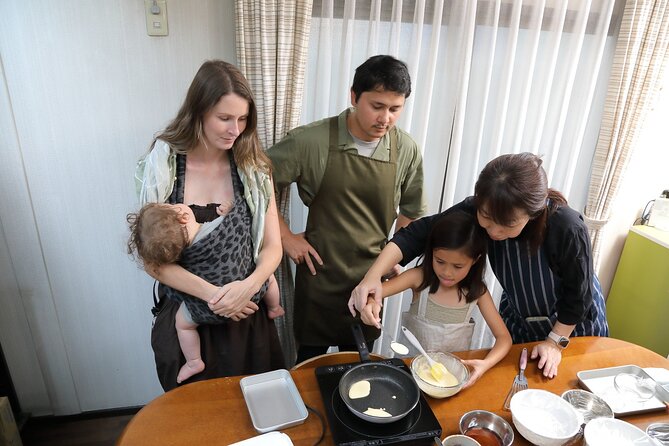
The class focuses on wagashi you’ve likely seen referenced in Japanese anime or manga, and the sweets are meant to feel familiar once you see them up close. The exact three desserts are not listed in the details, but you can look at the examples from the class experience you’ll likely encounter.
Two standouts show up often in similar sessions tied to this format:
- Black sesame mochi, loved for its deep, nutty flavor and chewy texture
- Mitarashi dango, known for soft dumplings paired with a sweet soy-based glaze
If black sesame is on your radar, this is a smart choice. It’s not always a default flavor you try when you’re speed-walking through Kyoto markets, and it can become your new obsession after one good bite. The same goes for Mitarashi dango, it’s simple in concept, but the glaze and stickiness level are where quality shows.
You’ll also learn tips for preparing three popular Japanese desserts. Even when you don’t know the exact name of every ingredient in advance, wagashi often follows a gentle logic: sweetness, texture, and presentation. Your class time gives you the process behind that logic, not just the final plate.
And the best part for value is take-home support. You get all the recipes of the desserts you prepare together, so you can recreate them for family and friends back home without relying on memory.
Same corner of Japan, a different kind of day:
- PERFECT KYOTO 1-Day Bus Tour
★ 5.0 · 13,518 reviews - Kyoto: Fushimi Inari, Kinkakuji, Bamboo Grove 1 Day Bus Tour
★ 4.8 · 4,316 reviews - Kyoto: Tea Ceremony in a Traditional Tea House in Kiyomizu
★ 4.9 · 3,519 reviews - Kyoto Geisha Walking Tour: Gion District & Hidden Gems
★ 4.7 · 3,273 reviews
English in the kitchen, with licensed guide interpreters
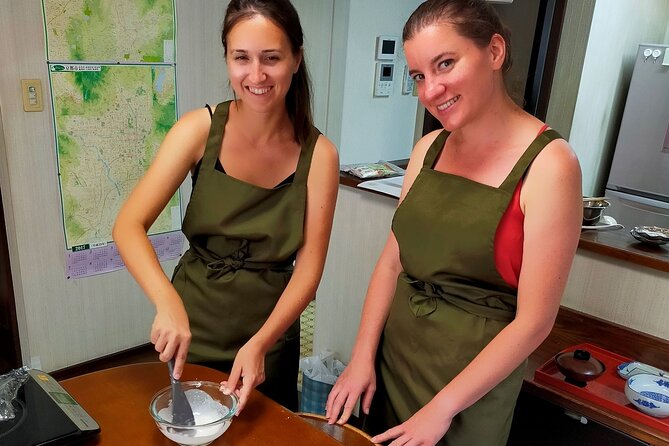
Cooking classes can be stressful when language is a barrier. Here, you get a big advantage: the class is conducted entirely in English. On top of that, the instructors are described as licensed guide interpreters, so explanations are clear and consistent.
That means you can focus on the actual cooking rather than translating in your head. It also helps if you’re traveling with non-English speakers, because the format is meant to work for both English and non-English participants.
If you’re the kind of traveler who learns best by asking questions, this setup is ideal. You can point out where you got confused, and you can get corrections before your steps turn into a dough-shaped problem.
Wagashi for vegetarians and vegans, with a heads-up
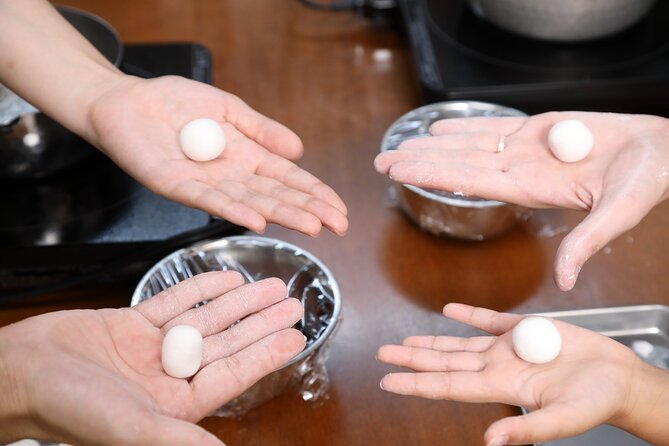
One of the most useful parts of the class info is that vegetarians are welcome, and it’s also vegan friendly. The key detail is that you should let the provider know in advance about dietary restrictions. That’s the responsible way to handle it, especially in food experiences where ingredients matter.
So what should you do if you’re vegan or vegetarian? Message ahead and be explicit about what you avoid. The class is designed to accommodate, but it needs that notice to plan substitutions correctly.
For many people, this is also a practical travel win. Kyoto has plenty of food options, but finding a hands-on cooking experience that works with plant-based diets can take extra effort. Here, you can spend your time learning wagashi techniques instead of hunting for suitable street food.
Price and value: what $79.26 buys you in real cooking time
At $79.26 per person for about 2.5 hours, this isn’t a budget-only activity. But wagashi classes are labor-heavy, and this one includes a lot of what typically costs extra elsewhere.
You get:
- all seasonings and ingredients for cooking
- an English-speaking instructor
- all fees and taxes
- coffee and/or tea
- recipes for everything you make
What you do not get is hotel pickup and drop-off, and gratuity is not included. That means you’ll want to plan your own route to the meeting point near Fushimi Inari. It’s not a dealbreaker, but it does affect convenience.
Where the value really lands is in the combination of small group size, hands-on cooking, and the take-home recipes. You’re paying for skill transfer, not just a plate of sweets. If you’ve ever bought snacks in Kyoto and then wondered how they’re actually made, this is the difference between tasting and learning.
Should you book this Kyoto wagashi class near Fushimi Inari?
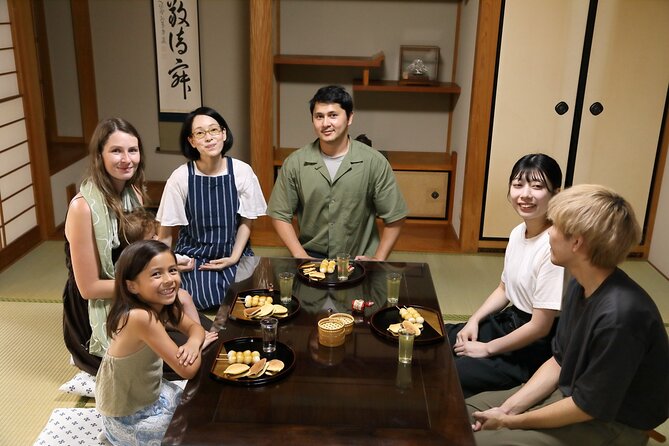
Book it if you want a Kyoto experience that is genuinely interactive. This fits well for food lovers, anime and manga fans who want to connect wagashi to real-world techniques, and people who like learning a skill they can repeat later. It also works as a family-friendly activity because the pacing is relaxed, and the instructor guidance helps you end with something you can be proud of.
You might skip it if you prefer sightseeing-heavy afternoons where you do not want to cook at all, or if you really need door-to-door convenience. There is no hotel pickup, and weather can affect whether the session runs as planned.
If you’re a vegetarian or vegan, this is also a strong contender, just remember to flag dietary needs in advance.
FAQ
Where is the meeting point for the Kyoto wagashi class?
The meeting point is listed as 38-4 Fukakusa Watamorichō, Fushimi Ward, Kyoto, 612-0022, Japan. The activity ends back at the meeting point.
How long is the cooking class?
The class duration is about 2 hours 30 minutes.
What is the group size limit?
The class has a maximum of 6 travelers.
Is the class taught in English?
Yes. The class is conducted entirely in English, and instructors are described as licensed guide interpreters.
Is it vegetarian or vegan friendly?
Vegetarians are welcome, and it is also vegan friendly. You should let them know in advance about any dietary restrictions.
What is included in the price, and what is not?
Included are all seasonings and ingredients, an English-speaking instructor, all fees and taxes, and coffee and/or tea. Not included are gratuity and hotel pick-up and drop-off.
Fresh options around Kyoto
- Kyoto Aquarium Admission Ticket★ 4.7 · 12 reviews
- Kyoto Gion Photoshoot – Private Session | Pro Photographer★ 5.0 · 12 reviews
- Gyoza Cooking Class in Kyoto: Traditional Japanese Dumplings★ 5.0 · 12 reviews
- Kyoto: Guided Food Tour with 12 Dishes & 3 Drinks★ 5.0 · 12 reviews
- Kyoto: Avoid the Crowds at the Hidden Gems of Arashiyama★ 4.9 · 13 reviews
- Kyoto Early Bird English Tour: Gion & Higashiyama(Private opt)★ 5.0 · 13 reviews
- Otsu-e Folk Art Workshop & Local Culture Walk Near Kyoto★ 5.0 · 13 reviews
- Kyoto, Osaka, Nara Full Day tour by Car English speaking Driver★ 3.5 · 13 reviews
Cooking Classes, compared.
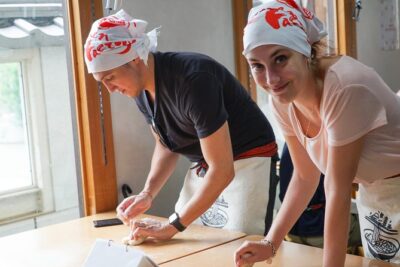
Ramen Cooking Class at Ramen Factory in Kyoto
Read our review →
Ramen & Gyoza Cooking Class in Tokyo with Local Supermarket Visit
Read our review →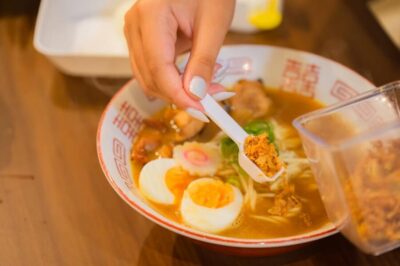
Ramen Cooking Class at a Ramen Factory with Souvenir
Read our review →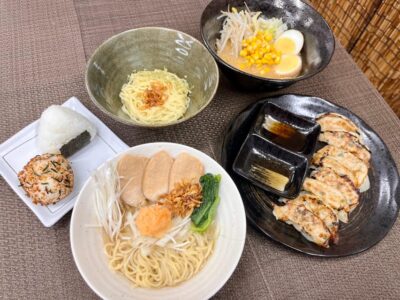
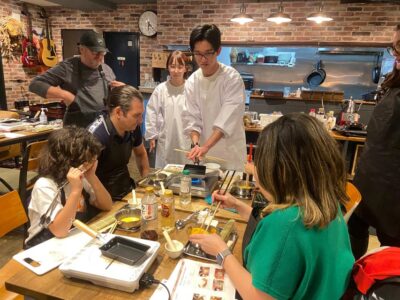
Japanese Washoku Bento Small Group Cooking Class
Read our review →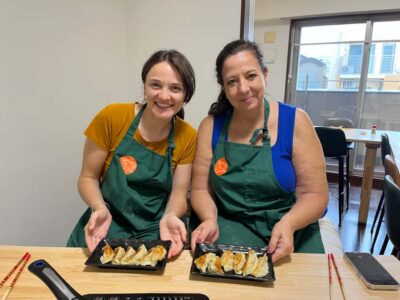
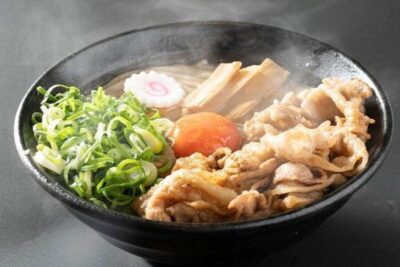
Easy Ramen Cooking Experience in Kabukicho, Shinjuku
Read our review →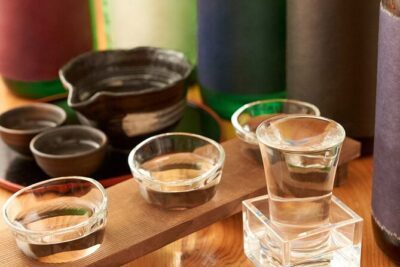
Ramen and Sushi Cooking Class with Sake Pairing Set in Tokyo
Read our review →Browse the lists this tour appears in