Reviewed · KYOTO TOURS
Kyoto: Traditional Concert at Townhouse or Bathhouse
Kyoto can sound like a living room. In this traditional concert, you hear professional koto and shamisen performances in a townhouse or a historic bathhouse hall, with English and Japanese explanations plus time to ask questions.
I love two things most: the instrument introductions that help you follow what you are hearing, and the way the music changes with the venue, from quiet solo sets to more dramatic duet programs.
One thing to plan for, the location can be a bit tricky to find, especially at night, so use the provided map pin or coordinates and give yourself a few extra minutes.
Key highlights before you go
Small rooms, close listening: Townhouse shows hold up to about 11 guests, so you catch details you would miss in a big hall.
Bilingual guidance from the start: You get mini-commentary in Japanese and English, not just a label on a wall.
Two venue styles, different sound: A cozy home atmosphere versus a tiled bathhouse hall with naturally resonant acoustics.
Q&A with the artists: After the music, you can ask questions and learn the stories behind pieces.
Optional hands-on koto workshop: Available only at the townhouse option, and it is beginner-friendly with sanitized instruments.
Artist-chosen programs: Repertoire rotates by performer and season, mixing classical and modern works plus original compositions.
Townhouse vs. Bathhouse: Two Kyoto Rooms, Two Musical Personalities
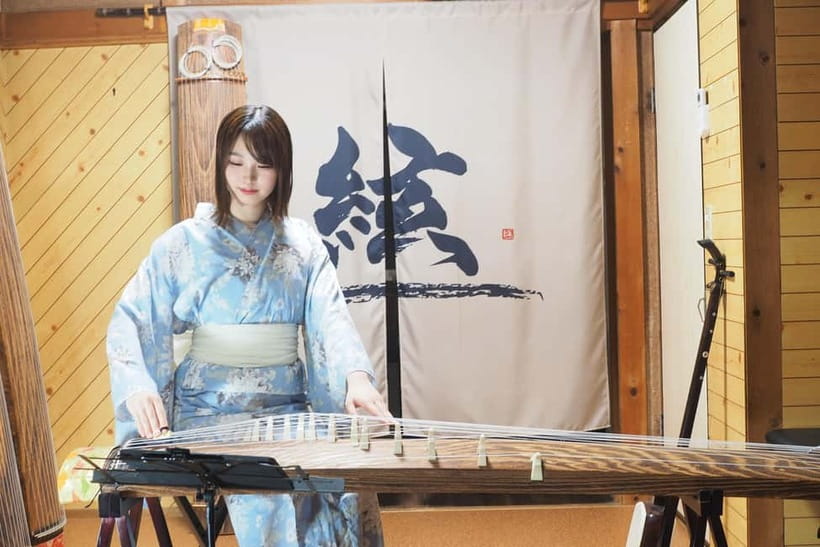
This is one of those Kyoto experiences where the building matters as much as the music. You pick a venue option, or do both if you want a full “greatest hits” night of traditional sound.
Option 1: Traditional Townhouse (solo, cozy, small group). Think warm, home-like, living-room energy. These sessions cap at about 11 guests. The format leans toward solo performance, with the musician playing 4 to 5 pieces that include Japanese classical material and contemporary works. If you like quiet focus and up-front explanations, the townhouse is the easier choice.
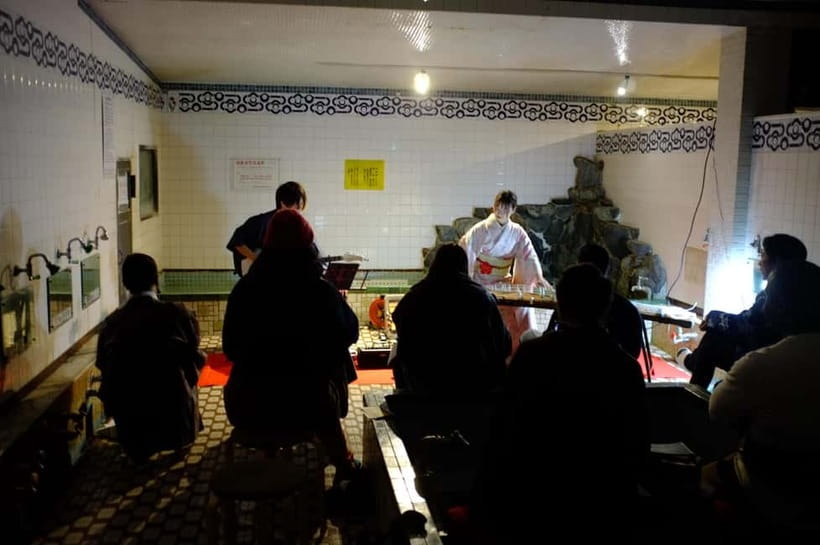
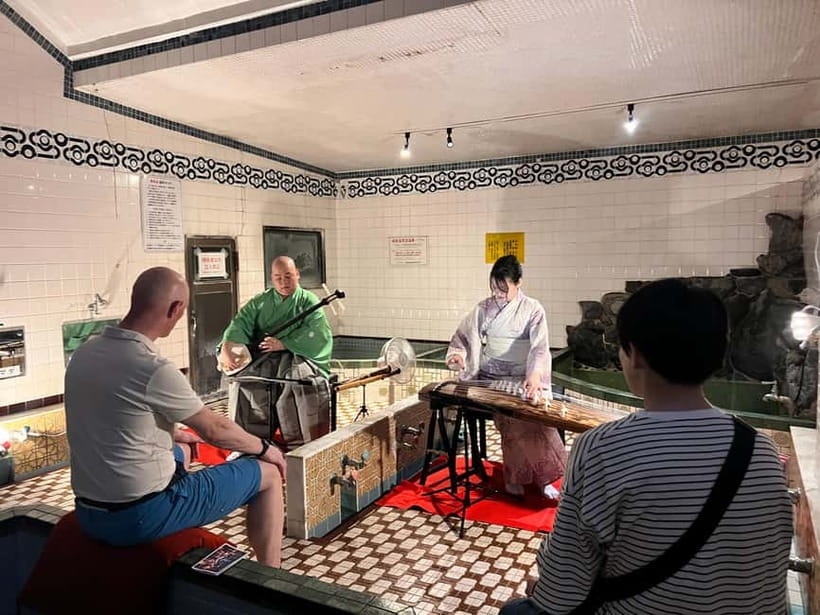
Option 2: Historic Bathhouse Hall (duets, resonant, larger group). Here the vibe is more theatrical. Capacity is up to about 30 guests, and the hall’s tiled walls create a natural reverb that makes the sound feel bigger. The program features koto duets paired with another instrument such as shamisen, shakuhachi, taishōgoto, flute, or guitar. The bathhouse option runs irregularly on Mondays, so check the calendar carefully for the exact date.
If you are short on time, I would choose based on your mood. Want “quiet, close, and conversational”? Townhouse. Want “bigger sound and duet interplay”? Bathhouse.
A few more Kyoto days worth comparing
- PERFECT KYOTO 1-Day Bus Tour
★ 5.0 · 13,518 reviews - Kyoto: Fushimi Inari, Kinkakuji, Bamboo Grove 1 Day Bus Tour
★ 4.8 · 4,316 reviews - Kyoto: Tea Ceremony in a Traditional Tea House in Kiyomizu
★ 4.9 · 3,519 reviews
The First 20 Minutes: How You Learn to Hear the Music
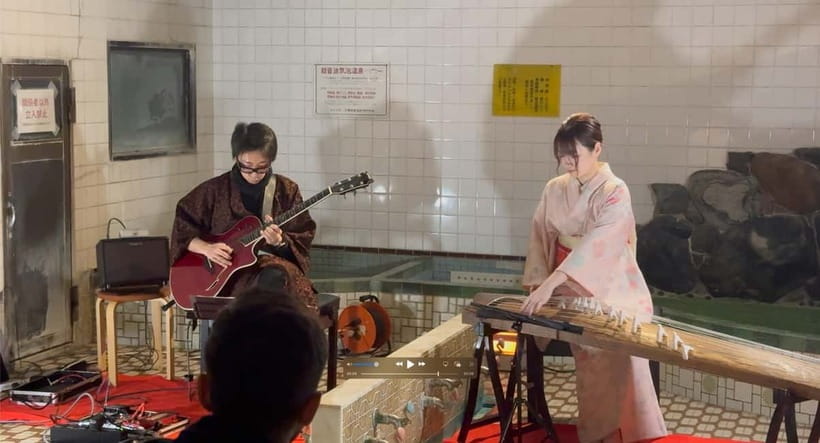
The whole event has a simple flow, and it helps you catch what matters even if you know nothing about Japanese instruments.
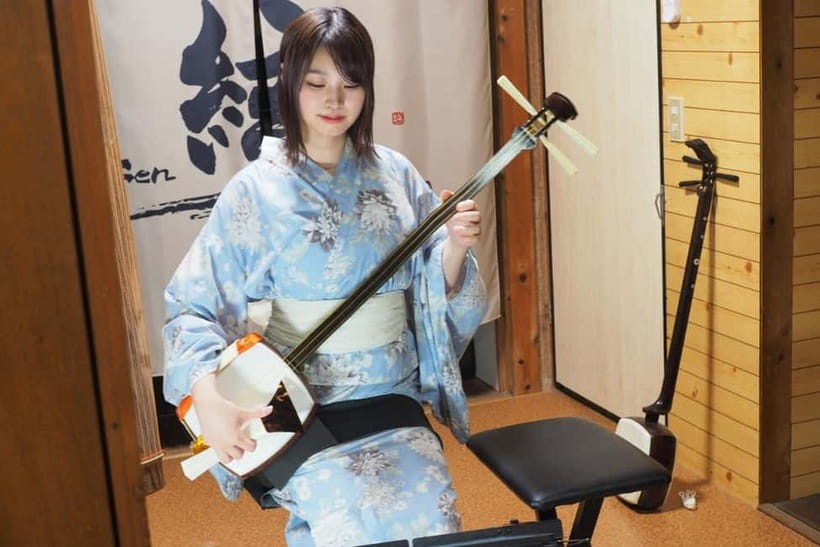
You start with check-in and seating (about 5 to 10 minutes). Then you get an instrument introduction (10 to 15 minutes). This is where the hosts earn their keep. In past sessions, hosts like Gen, Samuel, or Shoei have explained how koto and shamisen are played, including practical details such as how the instruments are held, what parts make the sound, and how musicians read the notation.
Here is why that matters for you. Traditional music can sound “mysterious” if you only hear notes. But when you understand things like picks and bridges on the koto, or how the shamisen is approached physically, the performance becomes legible. You are not guessing. You are listening.
You will also get venue etiquette before anyone performs. It is not formal or stiff. It just sets expectations so the evening stays calm and respectful. One of the best things about this setup is that it treats first-timers kindly. No background knowledge is required.
The Concert Program: Solo Sets in the Townhouse, Duets in the Bathhouse
The music portion is typically 25 to 30 minutes, and you will hear a total set of about 4 to 5 pieces. A host will guide you with short commentary, and you will get bilingual mini-explanations in Japanese and English.
Townhouse repertoire: solo pieces, 4 to 5 works
In the townhouse option, the performer plays solo koto and shamisen sets, usually around 4 to 5 pieces. The selection is artist-driven, meaning it reflects the performer’s personal style and virtuosity, and it rotates by season.
Some example piece titles that have appeared include:
- Kajimakura
- Chidorino Kyoku
- Kaede no Hana
You can also expect a mix of classical, contemporary, and original compositions. For me, that balance is the secret sauce. If you only hear one style, traditional concerts can feel like a museum exhibit. Here, the music changes pace and mood, so you stay engaged.
Same corner of Japan, a different kind of day:
- Kyoto Geisha Walking Tour: Gion District & Hidden Gems
★ 4.7 · 3,273 reviews - Kyoto: Tea Ceremony Ju-An at Jotokuji Temple
★ 4.9 · 3,207 reviews - Kyoto: Gion Magical Night Walking Tour with Geisha Trivia
★ 4.9 · 2,393 reviews - Kyoto: 45-Minute Tea Ceremony Lesson Experience
★ 4.3 · 2,378 reviews
Bathhouse repertoire: koto duets plus another instrument
In the bathhouse hall option, you get solo and duet programming across 4 to 5 pieces. This generally includes solo works plus collaborations, and the duets pair the koto with another instrument such as shamisen, shakuhachi, taishōgoto, flute, or guitar.
This matters because duets are where Japanese instruments become less “separate” and more “in conversation.” The koto’s sound can feel airy and precise, while the paired instrument can add breathiness, punch, or melody support. The tiled room makes those interactions even more audible, because sound lingers and overlaps in a way that a plain room would not.
After the Music: Q&A and Photo Time That Actually Feels Personal
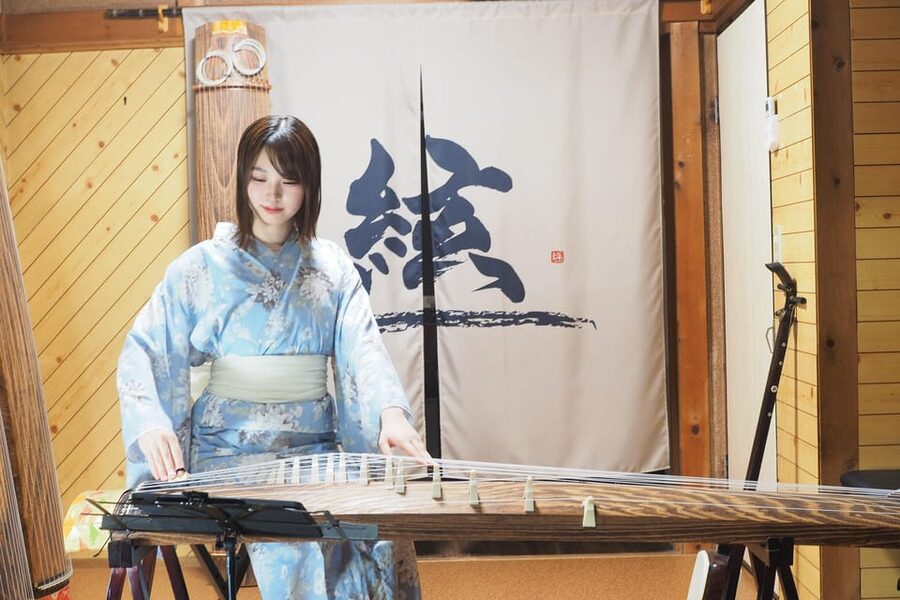
A lot of concerts end right when your brain starts to get curious. This one gives you time to ask.
After the performance, there is Q&A and photos (about 5 to 10 minutes). You meet the musicians, and the host helps translate or clarify. Based on how these sessions are run, the best questions are usually simple:
- What makes this piece sound like this?
- Are there specific techniques we should notice?
- How do you approach the transition between classical and modern works?
This is also when stories often come out, such as why certain pieces are chosen or what an audience should listen for next time they hear a similar sound. It is a small moment, but it turns the concert from passive listening into actual learning.
Also, you do get a photo opportunity with the performers during the scheduled time. That is a nice touch, because it keeps people from rushing the moment the last note lands.
Hands-On Koto Workshop: The Townhouse Only, and Beginner-Friendly
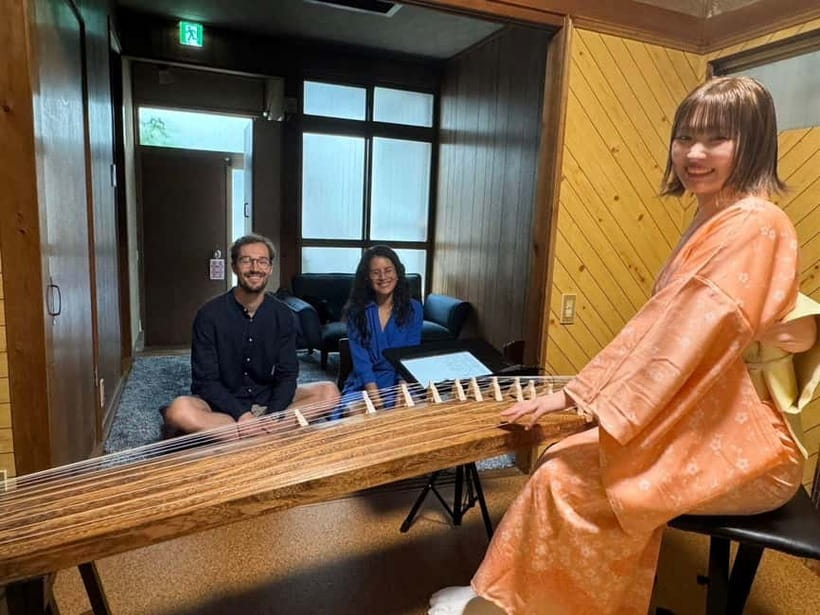
If you choose the townhouse option, there is an optional hands-on koto workshop (about 35 to 40 minutes). This is not a “try it for 30 seconds” gimmick.
The workshop uses sanitized instruments and structured guidance. You learn basic techniques and then try a short phrase on the koto. The goal is not virtuosity. It is familiarization. You get the feel of sitting properly, plucking technique, and how the instrument responds.
In past sessions, hosts guided beginners through the basics patiently, and even first-timers often left saying it was more fun than they expected, because you start to hear your own attempt as real music, not noise.
If you are the type who likes doing something with your hands, this is the main reason to pick the townhouse show even if you also want the bathhouse later.
Finding the Venue and Building a Perfect Kyoto Evening
Kyoto nights can be chaotic if you let them. This concert is one of the few plans that naturally slows you down, but you still need logistics that work.
One thing you should know: the location can be a bit hard to pinpoint using an address alone. I recommend plugging in the provided map pin or coordinates rather than relying only on the text address. People have found that this saves time and stress.
Now, how to pair it with sightseeing nearby.
Easy add-ons before or after
The activity sits in a convenient zone for several popular stops:
- Arashiyama (about 25 minutes). Walk to Saiin Station, take Hankyu to Katsura, then transfer to the Randen Line. You can do this either before the concert or after if your evening schedule is flexible.
- Nijō Castle (about 20 minutes). One stop from Saiin on the Tozai subway line. Great if you want history by day and music at night.
- Kinkaku-ji (about 20 minutes). Bus from Nishioji Sanjō for about 16 minutes, plus a short walk. Combine it with a quick golden pavilion visit and then head to the concert for a calmer finish.
- Nishiki Market (about 25 minutes). Direct Hankyu ride to Karasuma or Kawaramachi, ideal for quick shopping and casual bites around the same time window.
Practical tip: because the concert is fairly short and you are sitting closely, I would not schedule anything that requires an exact arrival time right before it. Give yourself breathing room.
Price and Value: Why $32 Feels Fair for What You Get
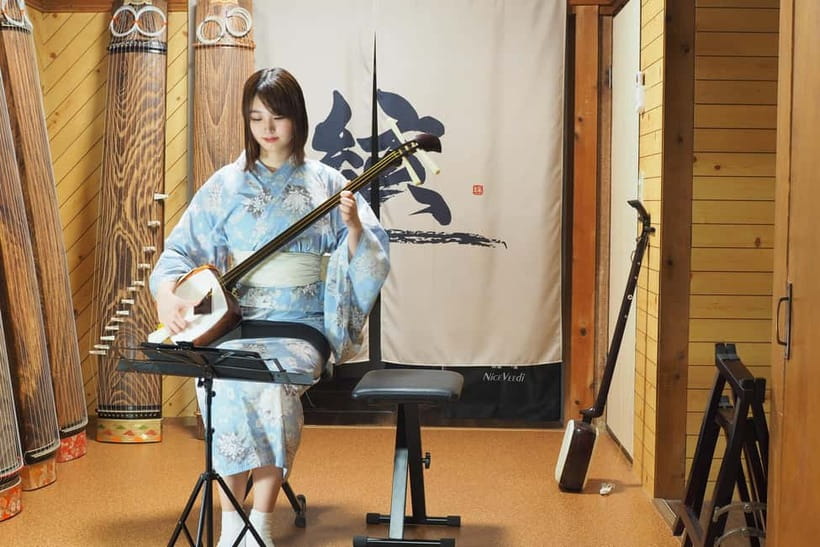
The price is $32 per person, and the duration ranges from 45 to 105 minutes depending on which option you pick and whether you add the workshop.
At first glance, it might feel small compared to big museum tickets. But the value is in what you are buying:
- Professional performances of koto and shamisen
- Bilingual mini-commentary that helps you understand what you are hearing
- A structured Q&A with the musicians
- A small setting that keeps the experience personal
- Optional hands-on workshop with sanitized instruments at the townhouse venue
In other words, you are not paying for a crowd. You are paying for access, guidance, and attention. In the townhouse option especially, capacity is tiny, and that close listening tends to make people feel like the concert is made for them, not for the masses.
Who This Concert Is Best For (and When to Skip It)
This works best if you want a cultural experience that feels quiet, human, and focused. The event is also designed for people who have little prior knowledge of Japanese instruments. You do not need to be a music nerd. You just need curiosity and the willingness to listen carefully for patterns and tone.
You might particularly enjoy this if:
- You want a break from Kyoto’s constant walking and temple lines
- You like learning while you watch
- You enjoy small-group evenings, not stage-and-bleachers events
- You are traveling with someone who likes arts, not just checklists
When not to choose it: the event is not suitable for babies under 1. For everyone else, it is a low-stress cultural plan, especially if you keep expectations realistic about volume and timing. This is not a nightclub. It is a performance where details matter.
Should You Book This Koto and Shamisen Concert?
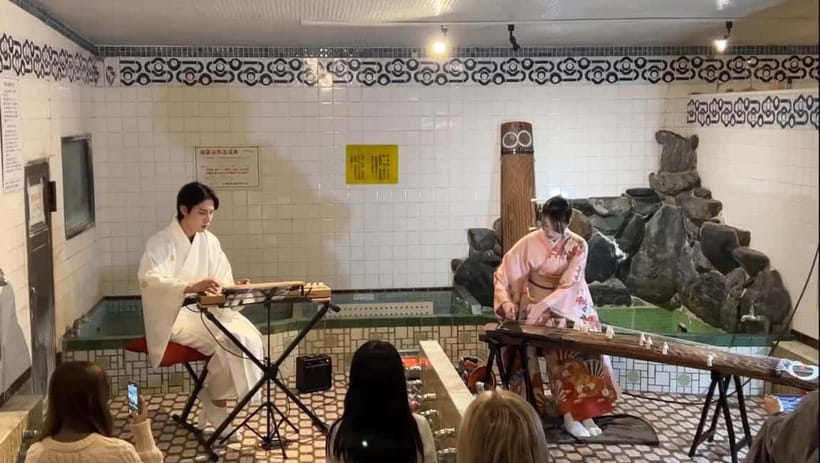
Yes, if your goal is to experience Kyoto’s traditional music in a way that feels close and understandable. The townhouse option is ideal for first-timers who want explanations and might want the hands-on workshop. The bathhouse option is a great pick if you want duets and a bigger acoustic space.
If you are deciding between the two and you only have time for one, choose based on your listening style:
- Pick townhouse for comfort, intimacy, and the workshop chance.
- Pick bathhouse for duet interplay and a room that naturally amplifies sound.
Either way, you are getting a short evening with professional musicians, structured guidance, and a real chance to ask questions. That is not common in Kyoto, and it is exactly why this one earns strong recommendations.
FAQ
How long does the concert last?
The experience runs from about 45 to 105 minutes depending on the option you book and whether you add the hands-on workshop. The concert itself is typically around 25 to 30 minutes.
What languages are used during the event?
The guidance is available in English and Japanese. There is also bilingual mini-commentary (Japanese and English) during the program.
What is included in the ticket price?
You get a live concert performance by professional koto and shamisen artists (about 4 to 5 pieces), bilingual mini-commentary, a post-concert Q&A, a photo opportunity time with the performers, and venue seating.
Is the hands-on koto workshop included?
It is optional and is available at the traditional townhouse venue only. The workshop uses sanitized instruments and includes beginner-friendly instruction.
Do I have to choose just one venue?
No. You can book the townhouse option only, the bathhouse option only, or do both if you want two different programs and ambiances.
How big are the groups in each venue?
The traditional townhouse holds up to about 11 guests, while the historic bathhouse hall holds up to about 30 guests.
When is the bathhouse hall performance offered?
The bathhouse hall program is offered irregularly on Mondays, so you should check the calendar for the next dates.
Is this activity suitable for young children?
It is not suitable for babies under 1 year old.
What time should I plan to arrive?
Plan to arrive for the scheduled check-in and seating, which is about 5 to 10 minutes before the main part of the program. Giving yourself a little extra time helps, since the location can be tricky to find.
Fresh options around Kyoto
- Kyoto Aquarium Admission Ticket★ 4.7 · 12 reviews
- Kyoto Gion Photoshoot – Private Session | Pro Photographer★ 5.0 · 12 reviews
- Gyoza Cooking Class in Kyoto: Traditional Japanese Dumplings★ 5.0 · 12 reviews
- Kyoto: Guided Food Tour with 12 Dishes & 3 Drinks★ 5.0 · 12 reviews
- Kyoto: Avoid the Crowds at the Hidden Gems of Arashiyama★ 4.9 · 13 reviews
- Kyoto Early Bird English Tour: Gion & Higashiyama(Private opt)★ 5.0 · 13 reviews
- Otsu-e Folk Art Workshop & Local Culture Walk Near Kyoto★ 5.0 · 13 reviews
- Kyoto, Osaka, Nara Full Day tour by Car English speaking Driver★ 3.5 · 13 reviews
Kyoto Tours, compared.
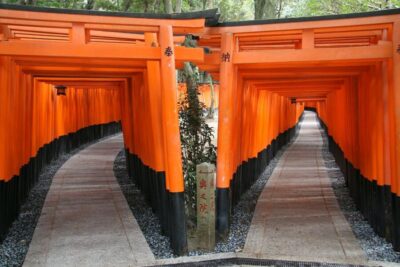
Fushimi Inari, Kinkakuji, Bamboo Grove 1 Day Bus Tour
Read our review →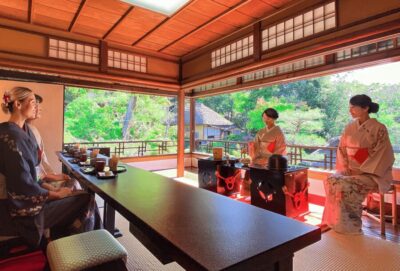
Tea Ceremony in a Traditional Tea House in Kiyomizu
Read our review →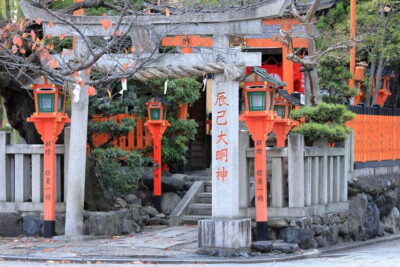
Kyoto Geisha Walking Tour: Gion District & Hidden Gems
Read our review →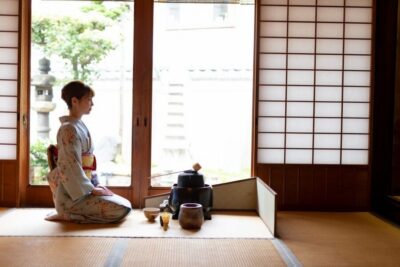
Gion Magical Night Walking Tour with Geisha Trivia
Read our review →