Ready for real whitewater near Kyoto? This Hozugawa River rafting trip pairs 5 km rapids with nature time, plus an option to swim and do a 3-meter cliff jump. I like that it is easy to get to from Kyoto Station and that the team runs in Japanese, English, and Nepali, with guides like Milan and Rosan in the spotlight. The only drawback is that you will end up wet, and you cannot wear jeans or sandals, so pack a change of clothes and towel.
Most days run about 210 minutes. You meet at KilaKila Rafting near JR Umahori, change in the on-site rooms, and then get escorted to the launch point for a safety briefing before you start paddling at 9:45 or 14:45, depending on whether you choose the morning or afternoon course.
Key things that make this Hozugawa rafting stand out
- Close to Kyoto by train: Kyoto Station to JR Umahori Station is about 25 minutes, then it is a short walk to the meeting point
- Included gear, low hassle: shoes, helmets, and life jackets are provided, so you just bring a towel and clothes you do not mind getting wet
- More than just paddling: you can swim in the river and try a 3-meter cliff jump if you want
- A real 5 km run: you raft a full stretch of the Hozugawa River, not a short splash-and-go loop
- Guides that manage both fun and safety: several guides are praised for clear instruction and a calm, safety-minded style
- It can be canceled for small groups: if there are no more than 2 participants, the tour will not be held
Getting to Hozugawa, quick, clean, and simple from Kyoto
This is one of those Kyoto activities that does not eat half your day just getting there. You ride the train from Kyoto Station to JR Umahori Station, which takes about 25 minutes. From there, it is only a short walk to the rafting center.
Your meeting point is at KilaKila Rafting. It is about a 3-minute walk from JR Umahori Station, and there is a clear sign with the company logo on the building. If you are the type who likes to arrive without stress, this is a big win. You can plan around the activity instead of building your whole day like a logistics puzzle.
One small thing to watch: the rafting schedule matters. Morning and afternoon tours start at different times, and you do not want to be sprinting from the platform. With a short walk, you still should show up a bit early so you can change comfortably.
A few more Kyoto days worth comparing
- PERFECT KYOTO 1-Day Bus Tour
★ 5.0 · 13,518 reviews - Kyoto: Fushimi Inari, Kinkakuji, Bamboo Grove 1 Day Bus Tour
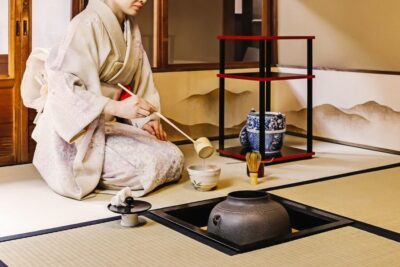
★ 4.8 · 4,316 reviews - Kyoto: Tea Ceremony in a Traditional Tea House in Kiyomizu
★ 4.9 · 3,519 reviews
Meeting point and gear: what you handle, and what they handle
The first part of your experience is very practical. When you arrive at KilaKila Rafting, you have access to changing rooms and restrooms. You change into your rafting clothes there, and you can store valuables and luggage at their facility.
Then the gear. You do not need to bring your own helmet or life jacket, and you will not be figuring out water shoes the hard way either. Rafting shoes, helmets, and life jackets are included in the participation fee, along with safety equipment. This matters more than it sounds. It reduces the number of items you have to pack, and it also means everyone is outfitted the same way for river safety.
What you should bring is simple:
- a change of clothes
- a towel
What you cannot wear matters too. Avoid jeans, high-heeled shoes, and sandals or flip-flops. Plan for wet feet and wet clothing, and then pack like you are going to leave the river feeling chilly if the weather turns cool.
Also, they have rules that keep the day moving and safe: no food and drinks during the experience, no drones, no smoking, and no jewelry. If you wear contacts, glasses, or small items, plan to keep them secure and use what they provide if available.
Morning vs afternoon rafting: how to pick the right slot
You can choose a morning course or an afternoon course. The start times are:
- 9:00 AM morning course
- 2:00 PM afternoon course
From there, the day flows in a predictable rhythm. After meeting, you walk to the starting point (about 10 minutes on foot). You get a safety briefing and instruction on how to paddle.
Then the rafting begins at:
- 9:45 AM morning
- 2:45 PM afternoon
One reason I like this schedule is how easy it makes the rest of Kyoto. Morning gives you the day’s energy first, so you can still do dinner and evening strolls. Afternoon lets you sleep in a bit, then get your adrenaline fix before the city winds down.
If you have kids, the timing can be a little psychological too. A shorter, half-day style adventure often feels easier for family energy levels than committing to an all-day excursion.
From safety briefing to first paddles: the calm part before the splash
Right after you reach the starting area, your guide handles the part that keeps everyone confident. You will get a safety briefing and clear instructions on paddling.
The guide escort matters here. You are not just dropped at a ramp and told good luck. Once you are on the boat, you learn how to work as a team: when to paddle, how to hold position, and how to react when the river gets pushy.
In the experience notes you will see a common pattern: guides are praised for being friendly and understandable, even when English support is needed. Names like Milan and Rosan show up with the same theme, clear communication paired with a steady, safety-conscious approach.
Also, the rafting is designed to be fun, not a test. Guides include games and playful moments while still running the trip with control. That balance is a big deal if you are going with first-timers, because you get confidence, not chaos.
Same corner of Japan, a different kind of day:
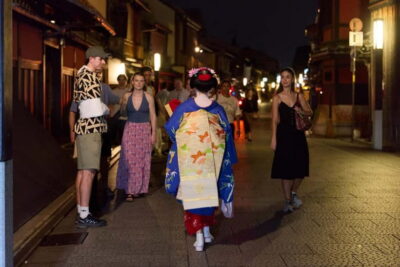
- Kyoto Geisha Walking Tour: Gion District & Hidden Gems
★ 4.7 · 3,273 reviews - Kyoto: Tea Ceremony Ju-An at Jotokuji Temple
★ 4.9 · 3,207 reviews - Kyoto: Gion Magical Night Walking Tour with Geisha Trivia
★ 4.9 · 2,393 reviews - Kyoto: 45-Minute Tea Ceremony Lesson Experience
★ 4.3 · 2,378 reviews
Rafting the Hozugawa: the 5 km of rapids and why it feels manageable
The main event is the Hozu River rafting stretch, about 5 km. You are out on the water long enough to feel like you actually did a rafting trip, not just a quick novelty.
You can expect rapids that bring water over your head. That is part of the charm. You are not trying to stay dry. You are trying to ride the river.
At the same time, it is not presented as extreme whitewater. One important nuance shows up in the experience notes: at least on lower water levels, the rapids may feel less intense. That is useful if you are curious but nervous about going too big.
This matters for value, too. If you are paying for an adventure, you want it to meet you where you are. You get thrills, and you also get a guided experience that keeps things under control.
Then there is the nature factor. This river stretch is also about scenery and wildlife, and several experiences mention spotting animals like deer and birds during the trip. That combination is what makes the day feel more than just adrenaline.
River swim time and the 3-meter cliff jump
Here is where the day shifts from paddling to choosing your own level of bravery.
You have an option to swim in the river. Swimming is scheduled for about 15 minutes and is offered for those who want it. The current is described as gentle for safety, which means it is not just “go jump in and hope.”
After that, there is the cliff jump option. You can jump off a cliff about 3 meters high. It is scheduled later in the trip, so you get a chance to settle into the day before deciding.
A practical note if you are on the fence: do it only if you are comfortable with sudden water impact and you trust your footing and the guide’s direction. The good news is that you are not forced into it. You can swim, or you can stay on the sidelines and enjoy the ride.
Also, bring the right attitude. People who love physical activities tend to have the best time here. People who prefer comfort can still enjoy the paddling and the nature, and the swim and jump are optional add-ons.
The return train and the included photo file
When you finish rafting, you arrive at the rafting finish point, and there is a train station nearby. You take the train back to the meeting area.
Back at KilaKila Rafting, you change again. Then your guide shows you photos taken that day. You receive a free photo file, and the fee includes a commemorative photo as well.
This part is a quiet win for travelers who hate chasing photos. You do not have to worry about waterproofing your phone. The guides handle the photo moments, and you get the file afterward.
Timing-wise, the day ends like this:
- Morning course concludes around 12:30 PM
- Afternoon course concludes around 5:30 PM
So you are not left scrambling for dinner plans. You should just have a towel ready, because you will still be in river mode when you get off the train.
Price and value: why $61 can work for real rafting
At $61 per person for a roughly half-day adventure, the big value question is what you are actually buying. Here, you are buying more than a seat on a boat.
Your fee covers:
- a guide
- insurance
- tax
- safety equipment, plus rafting shoes and helmets
- photos, including a free photo file
That is worth it if you compare to the cost and effort of assembling your own gear and arranging a self-guided day. You also get multilingual instruction support, which can matter a lot if your group includes kids or non-Japanese speakers.
What you pay for is a guided, structured experience that keeps you moving: briefing, paddling, river time with optional swim and cliff jump, then train return and photos. In other words, you are paying for the river logistics as much as the thrill.
One consideration on value: the tour will not be held if there are no more than 2 participants. If you are traveling on a quiet weekday or low season, check before you plan your schedule tightly.
Who this tour fits best, and who should skip it
This rafting experience is best for people who want active fun without spending your whole day commuting around.
It requires:
- participants 8 years or older
- participants under 104 kg
- participants at least 110 cm tall
It is not suitable for some conditions listed by the operator, including:
- pregnancy
- wheelchair users
- people with epilepsy
- people with diabetes
- people who currently have a cold
- people over 80
- people who have had recent surgery
There are also practical “not for today” rules:
- no intoxication
- no pets
- no weapons or sharp objects
- no food or drinks during the activity
- do not bring extra items that could get in the way or violate safety rules
If you are traveling as a family, the experience notes suggest it works well for kids when they are comfortable with water and listening to the guide. Several people mention kids doing flips in the water and enjoying the games on board, which points to a guide style that keeps things lively.
If you are nervous about rafting, this might still work, especially because the rapids intensity can be gentler depending on water conditions. You just need to be ready to follow instructions and accept that you will get wet.
Should you book this Hozugawa River rafting trip?
If you want a real Kyoto adventure that is close to the city, this is a strong yes. The combination of easy train access, included gear, and optional extras like river swimming and a 3-meter cliff jump makes it feel like good value, not a gimmick.
I would skip it if your group does not handle wet conditions well, or if anyone in your party falls under the listed medical or physical limits. Also, if you are planning around a very tight schedule, keep in mind that the tour may not run for very small group counts.
If you decide to book, pack smart. Bring a change of clothes and a towel, wear footwear that works for water, and leave valuables minimal. Then you can focus on the real point of the day, a guided run down the Hozugawa with enough thrill to feel like a memory, and enough structure to feel safe.
FAQ
Where is the meeting point for the rafting tour?
You meet at KilaKila Rafting, which is about a 3-minute walk from JR Umahori Station. You can search for KilaKila Rafting on Google Maps, and look for the logo sign on the meeting point building.
How do I get there from Kyoto Station?
Take the train from Kyoto Station to JR Umahori Station. The train ride is about 25 minutes, and then you walk a short distance to the rafting center and meeting point.
What time does the morning course and afternoon course start?
The morning course starts at 9:00 AM, and the afternoon course starts at 2:00 PM.
How long is the experience?
The total duration is about 210 minutes.
What should I bring, and what can’t I wear?
Bring a change of clothes and a towel. Jeans are not allowed. High-heeled shoes are not allowed. Sandals or flip-flops are not allowed.
Can I swim or do the cliff jump during the tour?
Yes. River swimming is available for those who wish to participate, and there is also a cliff jump option from about a 3-meter-high rock.
What are the age and weight requirements?
Participants must be 8 years or older. Participants weighing over 104 kg will not be allowed. The tour also notes people under 110 cm tall are not eligible.
Fresh options around Kyoto
- Kyoto Aquarium Admission Ticket★ 4.7 · 12 reviews
- Kyoto Gion Photoshoot – Private Session | Pro Photographer★ 5.0 · 12 reviews
- Gyoza Cooking Class in Kyoto: Traditional Japanese Dumplings★ 5.0 · 12 reviews
- Kyoto: Guided Food Tour with 12 Dishes & 3 Drinks★ 5.0 · 12 reviews
- Kyoto: Avoid the Crowds at the Hidden Gems of Arashiyama★ 4.9 · 13 reviews
- Kyoto Early Bird English Tour: Gion & Higashiyama(Private opt)★ 5.0 · 13 reviews
- Otsu-e Folk Art Workshop & Local Culture Walk Near Kyoto★ 5.0 · 13 reviews
- Kyoto, Osaka, Nara Full Day tour by Car English speaking Driver★ 3.5 · 13 reviews
Kyoto Tours, compared.
Fushimi Inari, Kinkakuji, Bamboo Grove 1 Day Bus Tour
Read our review →
Tea Ceremony in a Traditional Tea House in Kiyomizu
Read our review →
Kyoto Geisha Walking Tour: Gion District & Hidden Gems
Read our review →
Gion Magical Night Walking Tour with Geisha Trivia
Read our review →