Reviewed · KYOTO TOURS
Kyoto: Discover Every Bit of Kyoto Imperial Palace
A palace tour you can actually finish. This guided walk through the Kyoto Imperial Palace brings Japan’s imperial traditions to life, from ceremony architecture to quiet garden paths. I love how the guide explains what ceremony halls meant, not just what they look like, and I love the focus on the Emperor’s world and daily court rhythm around the buildings. One possible drawback: the visit is relatively short, so if you want to linger for hours on your own, plan to spend extra time elsewhere after the tour.
You’ll meet at the Hamaguri Gomon Gate and get straight into the setting in Kyoto’s Gyoen National Garden. Even the route matters here, because starting at the main gate helps you understand how the palace layout works and why certain spaces feel formal and hushed. If your guide is strong, this tour can feel like a fast, well-worded history lesson you can walk through. If your guide is weak, you may leave wanting more context than a simple walkthrough provides.
This is priced at about $38 per person, and the entry is included, so you are paying mainly for a live explanation and pacing. Done well, that’s good value for a place that can feel confusing if you read signs without guidance.
Key things you will notice on this Kyoto Imperial Palace tour
- Hamaguri Gomon Gate start, which gives you a clear entry point to the palace grounds
- Shishinden main hall focus, where important ceremonies were conducted
- Garden time that feels intentional, not rushed landscaping photography
- Court life explanations at the Emperor’s personal residence, beyond big-picture dates
- English guide Q and A style, with some guides praised for answering lots of questions
- Short, efficient tour length, great for first-timers, but limited for deep wandering
Kyoto Imperial Palace, what you are really seeing in Gyoen National Garden
Kyoto Imperial Palace is the former residence of Japan’s imperial family, before the capital shifted to Tokyo in 1869. Today, it sits inside Kyoto’s Gyoen National Garden, so you get a rare blend: palace history plus that well-tended, calm garden atmosphere Japan does so well.
The biggest thing I noticed is that the palace complex is not one single building. It is a collection of structures used for ceremonies and official functions, and that helps you understand why people treat the spaces differently. Some areas feel built for formality, while the gardens and landscaped edges help slow your pace so the setting can sink in.
This is also one of those places where your “mental map” matters. The guided approach helps you connect building names and functions to what you are standing in front of. Without that, you might still admire the architecture, but miss the meaning behind why each hall exists.
A few more Kyoto days worth comparing
- PERFECT KYOTO 1-Day Bus Tour
★ 5.0 · 13,518 reviews - Kyoto: Fushimi Inari, Kinkakuji, Bamboo Grove 1 Day Bus Tour
★ 4.8 · 4,316 reviews - Kyoto: Tea Ceremony in a Traditional Tea House in Kiyomizu
★ 4.9 · 3,519 reviews
Starting at Hamaguri Gomon Gate, where the tone changes immediately
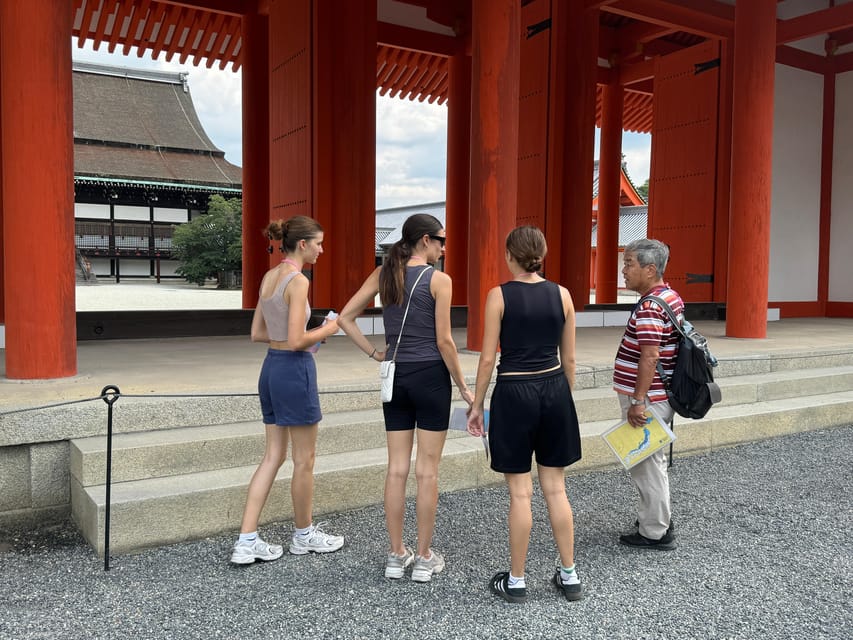
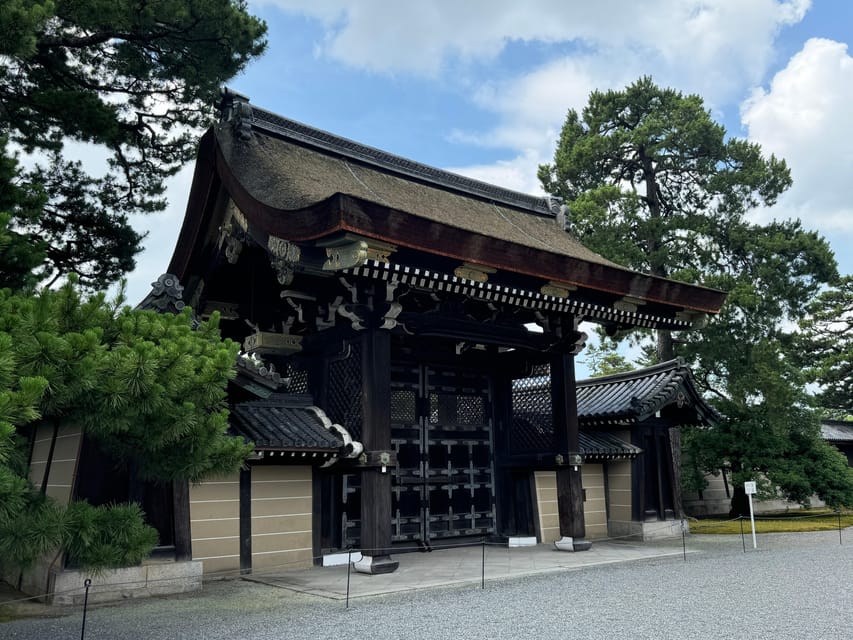
You start at Hamaguri Gomon Gate, the Hamagurigomon entrance. Meeting here sounds simple, but it sets up the whole experience.
First, it anchors you right away. You are not searching for the palace once you are already inside the garden. Second, it frames the palace as a formal complex. You feel you have “entered” something rather than just arrived at a scenic viewpoint. Your guide meets you in front of the Hamaguri Gate with a yellow sign that says DeepExperience, which makes it easy to find the group.
If you are someone who likes structure on walking tours, this start is a win. It also helps you move efficiently, which matters because the tour window is about an hour to an hour and a half, depending on how the time slot runs.
Shishinden and the ceremony halls, the meaning behind the grand architecture
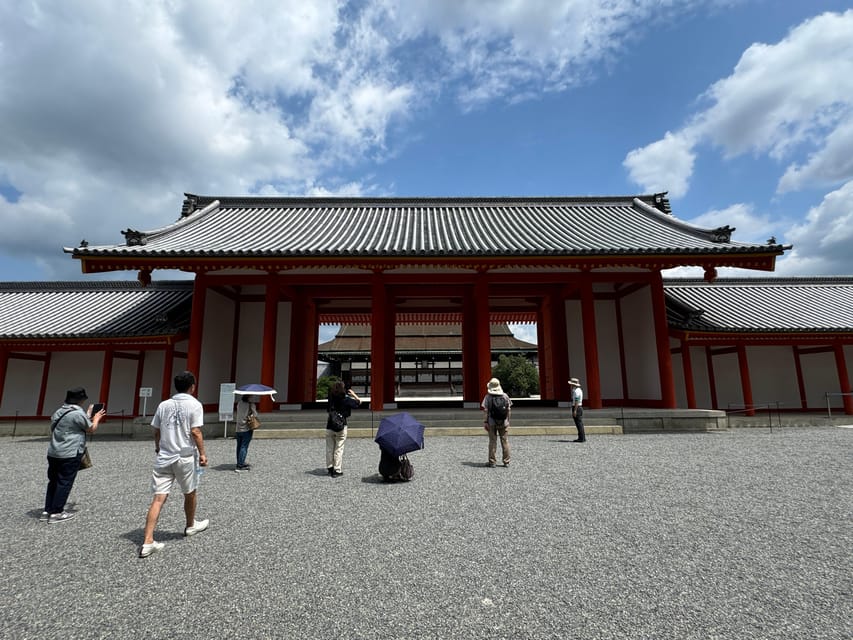
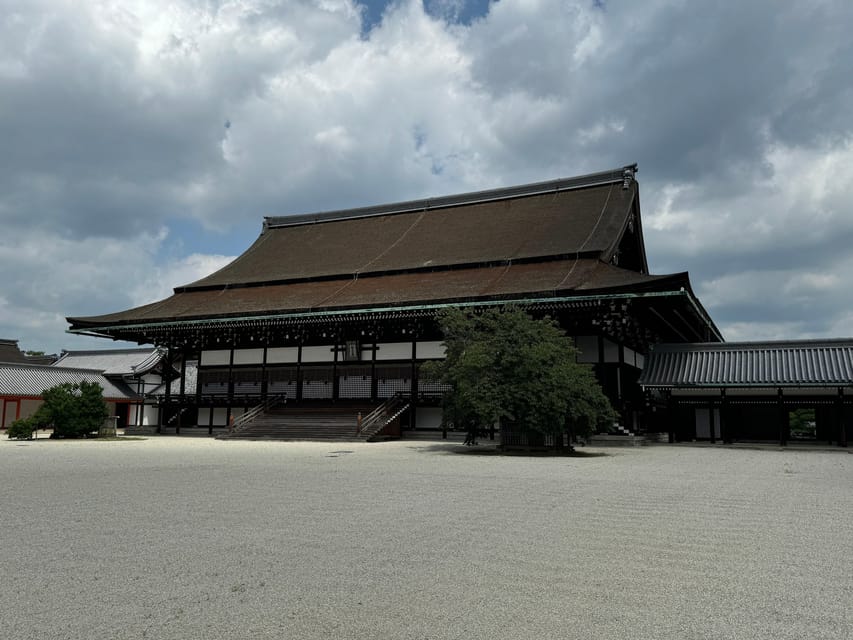
One highlight people point to is the majestic hall where emperors conducted important ceremonies. In this palace complex, that includes the main hall, the Shishinden.
What I like about focusing on Shishinden is that it turns the architecture into a story. Instead of treating buildings as pretty backdrops, you get a clearer sense of how power and tradition were performed. Ceremony spaces in imperial contexts are not just rooms. They are stages, built to set the tone for rank, ritual, and order.
Your guide also covers the historical significance of halls used for grand imperial ceremonies. That is the difference between seeing “old rooms” and understanding what those rooms were designed to accomplish. Even if you are not a history buff, you can usually grasp the idea quickly: these spaces are built for formal moments, and that formality shapes everything around them.
If you are short on time in Kyoto and want one place that gives you a concentrated look at how Japan’s imperial system was expressed through daily practice and ceremonial life, this part of the tour delivers.
The Emperor’s personal residence themes, daily life beyond the headlines
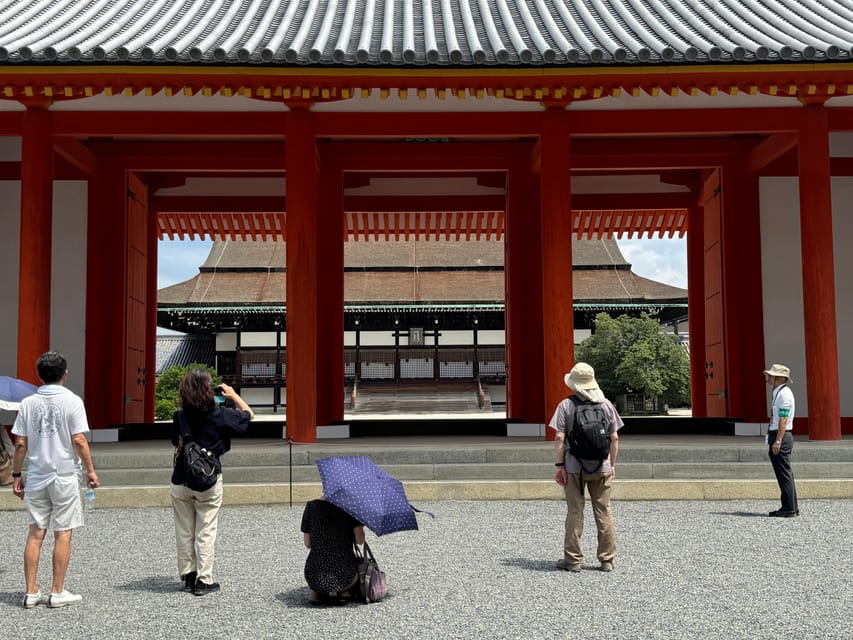
The tour does not stop at ceremonies. It also focuses on daily life in the imperial court at the Emperor’s personal residence.
That may sound abstract until you realize what it changes for you. Ceremony teaches you the visible side of tradition, while daily court life helps explain the lived side. It can give you a more human scale for an institution that often gets discussed only through big events and political shifts.
Your guide’s job here is crucial. The palace grounds can be quiet and visually consistent, so the narration becomes the thread that keeps things from feeling like a parade of buildings. The better guides bring the space to life by linking locations to how people would have moved, used areas, and followed routine inside the complex.
From the feedback I saw, this portion is where tour quality really shows. One highlight mentioned a guide named Yoshi, praised for being strong on Japanese history and pointing out interesting details within the palace grounds. On the flip side, there are also complaints about guides giving little real information. So, the “value” here depends on whether your guide uses the time to explain court life clearly, not just walk you through.
Same corner of Japan, a different kind of day:
- Kyoto Geisha Walking Tour: Gion District & Hidden Gems
★ 4.7 · 3,273 reviews - Kyoto: Tea Ceremony Ju-An at Jotokuji Temple
★ 4.9 · 3,207 reviews - Kyoto: Gion Magical Night Walking Tour with Geisha Trivia
★ 4.9 · 2,393 reviews - Kyoto: 45-Minute Tea Ceremony Lesson Experience
★ 4.3 · 2,378 reviews
Gardens in the palace complex, where the pace finally slows
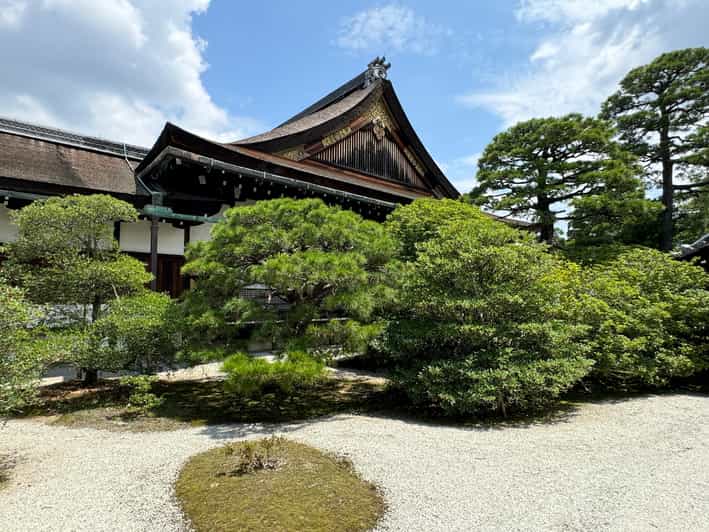
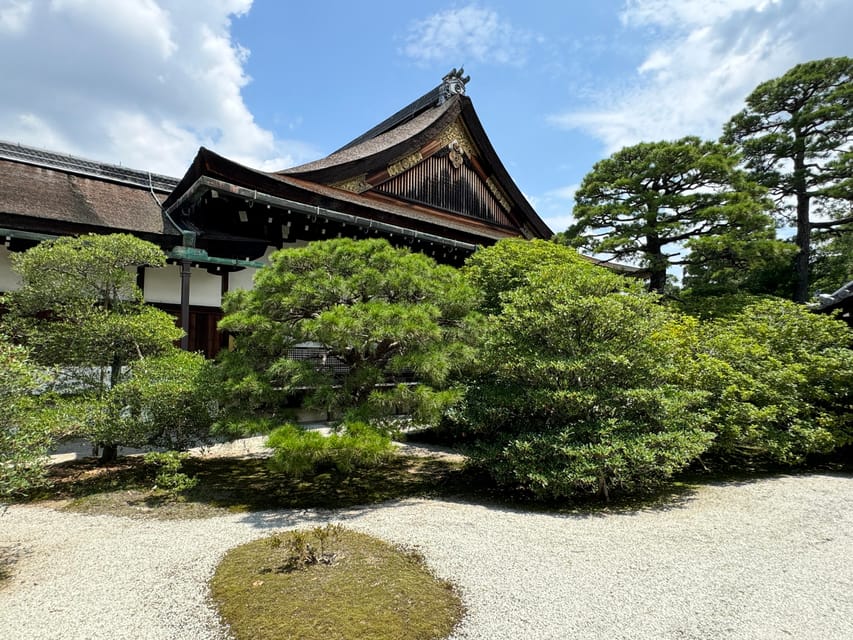
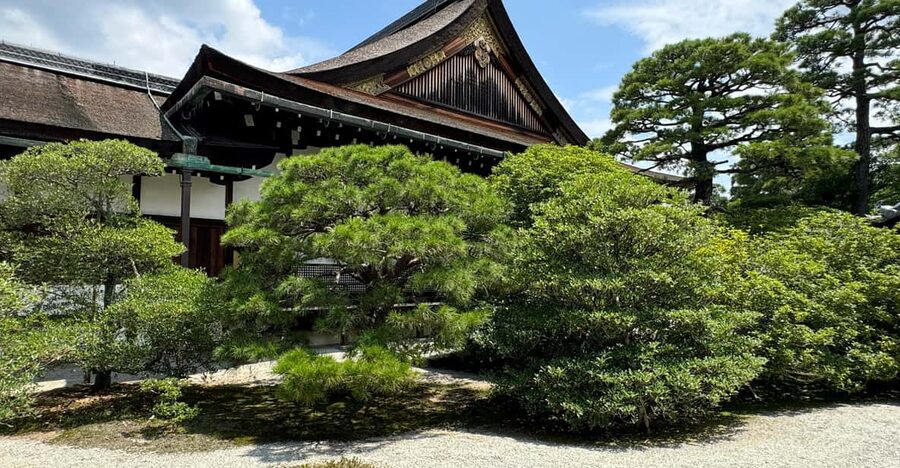
Kyoto Imperial Palace is known for serene, landscaped gardens, and this tour includes time to enjoy that atmosphere. One review specifically called out the interior garden as jaw-droppingly beautiful, which matches what you should expect from a site placed in a national garden setting.
Why the gardens matter on this tour: they are not filler time. They help you read the complex as a designed environment. Gardens soften the hard edges of palace formality, and they give you a visual break that makes the architecture easier to appreciate.
If you have ever visited historic sites where everything feels like a checklist, this is the opposite. The garden moments are where you can reset your eyes and let the details register. You also get the chance to notice how the grounds guide movement, sightlines, and the sense of enclosure that fits a residence and ceremonial space.
How the guided format affects your experience, for better or worse
This tour is priced for a live guide plus included entry. That combination is what makes it feel like good value when the guide is strong.
Here is what a strong guide tends to do well at Kyoto Imperial Palace:
- Explain what each building or hall was used for in plain language
- Connect ceremonial significance to what you see in front of you
- Point out specific details you might miss if you read signs alone
- Answer questions in a way that makes the site easier to remember later
One thing you should keep in mind is that the tour is efficient. You are likely to cover key points within the palace grounds rather than having unlimited time for wandering. That is great for many people, but it can frustrate you if you want to take your time with every corner and do deep self-guided reading.
So, consider your personality. If you like structured history and a guide who answers your questions, this format fits well. If you prefer independent wandering and lots of quiet, you might feel constrained.
Practical value and what $38 really buys you
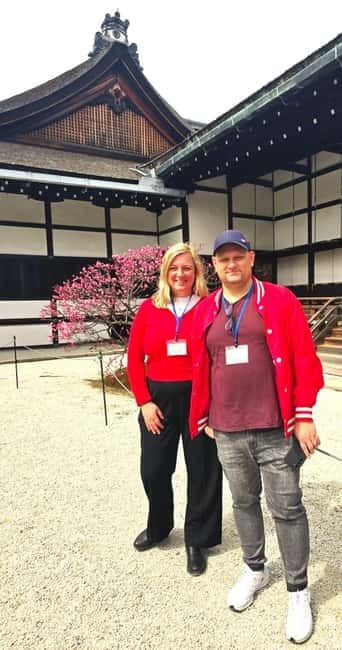
At about $38 per person, the question is not just whether the palace is worth seeing, it is whether a guide is worth adding.
Here, entry is included, and the “extra” you pay for is the explanation and pacing. For a palace complex with multiple halls and functions, that guidance can prevent confusion. Instead of guessing what you are looking at, you get context that tells you what matters most, such as Shishinden and ceremony hall significance.
I also like that the tour can be private or small group. Smaller group settings usually mean more room for questions and less time waiting while someone takes ten photos of the same detail. If you are traveling with family or a friend who wants answers, private or small group is often where the value jumps.
A realistic walkthrough of the 1 to 1.5 hour visit
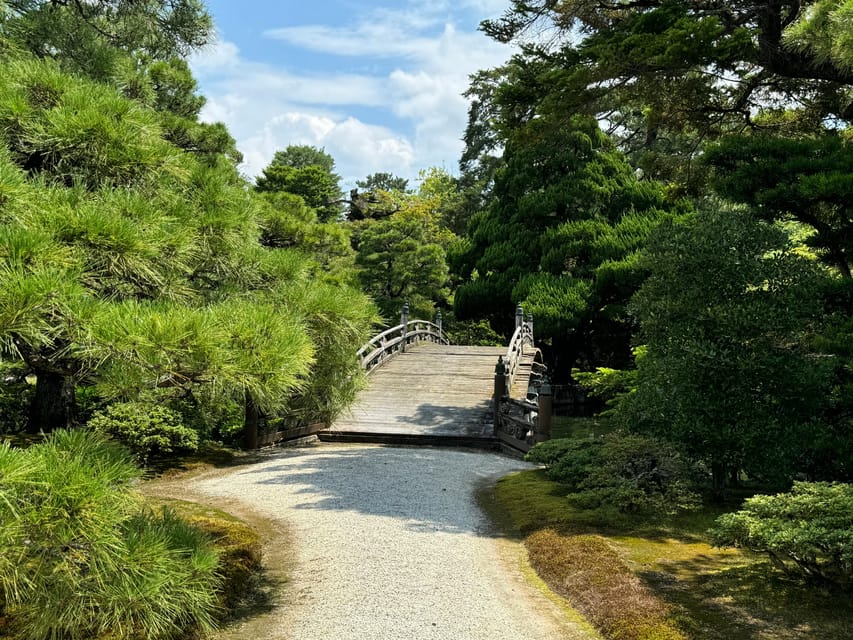
Think of the experience as a focused route rather than an all-day museum crawl.
- You begin at Hamaguri Gomon Gate, get oriented quickly, and start moving into the palace grounds.
- You then do the guided visit of the Kyoto Imperial Palace complex, where you focus on key buildings and ceremony-related spaces, including Shishinden.
- You spend time enjoying the landscaped gardens inside the palace setting.
- You return to the Hamaguri Gomon Gate when the tour ends.
Because the visit is short, you should show up ready to learn. If you arrive hungry and slow and distracted, you will feel the clock more. If you arrive with curiosity, you get a satisfying “one-hour education” that still leaves room for a little Kyoto wandering after.
Who this tour suits best in Kyoto
I’d point this tour toward you if:
- You want an organized overview of Japan’s imperial traditions in one place
- You like walking while learning, not sitting through lectures
- You value garden time but also want the architecture explained
- You prefer an English-speaking guide and a smooth, low-stress start
It may be less ideal if:
- You want to spend hours alone reading and re-reading signage
- You are hoping for very deep, very technical scholarship on your first pass
- Your biggest priority is maximum interior access rather than context and garden atmosphere
Should you book? My straight take
If you are doing Kyoto for the first time and you want one guided experience that connects imperial ceremonies, court life, and landscaped gardens, I think this is a solid choice. The best version of the tour is excellent, with strong guides able to make the palace grounds feel meaningful, and at least one guide named Yoshi gets praised specifically for history knowledge and pointing out interesting details.
Book it if you want clarity and efficiency. Consider it carefully if you know you prefer total independence, because the tour is intentionally time-limited and you rely on the guide to give the buildings context.
FAQ
How long is the Kyoto Imperial Palace guided tour?
The experience is listed as about 1 hour, with the guided visit time shown as 1.5 hours on the itinerary. Check your time slot for the exact schedule.
Where do I meet my guide?
Meet in front of the Hamaguri Gate (Hamagurigomon) of the Kyoto Imperial Palace. Your guide will be holding a yellow sign that says DeepExperience.
Is entry to Kyoto Imperial Palace included?
Yes. Entry to Kyoto Imperial Palace is included.
What language is the tour guide?
The live tour guide offers English.
Are there private or small group options?
Yes. Private or small groups are available.
What is the price per person?
The price is listed as $38 per person.
Fresh options around Kyoto
- Kyoto Aquarium Admission Ticket★ 4.7 · 12 reviews
- Kyoto Gion Photoshoot – Private Session | Pro Photographer★ 5.0 · 12 reviews
- Gyoza Cooking Class in Kyoto: Traditional Japanese Dumplings★ 5.0 · 12 reviews
- Kyoto: Guided Food Tour with 12 Dishes & 3 Drinks★ 5.0 · 12 reviews
- Kyoto: Avoid the Crowds at the Hidden Gems of Arashiyama★ 4.9 · 13 reviews
- Kyoto Early Bird English Tour: Gion & Higashiyama(Private opt)★ 5.0 · 13 reviews
- Otsu-e Folk Art Workshop & Local Culture Walk Near Kyoto★ 5.0 · 13 reviews
- Kyoto, Osaka, Nara Full Day tour by Car English speaking Driver★ 3.5 · 13 reviews
Kyoto Tours, compared.
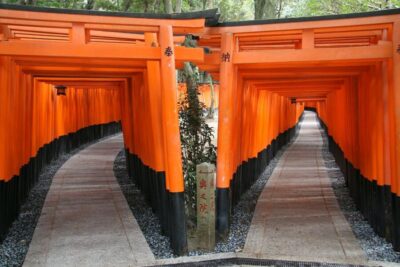
Fushimi Inari, Kinkakuji, Bamboo Grove 1 Day Bus Tour
Read our review →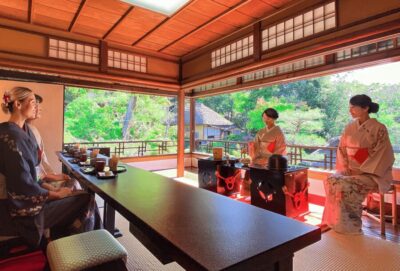
Tea Ceremony in a Traditional Tea House in Kiyomizu
Read our review →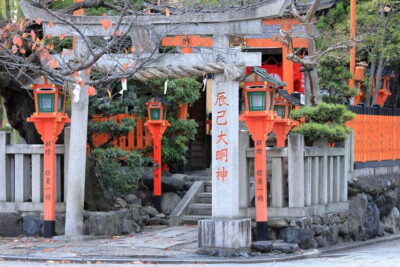
Kyoto Geisha Walking Tour: Gion District & Hidden Gems
Read our review →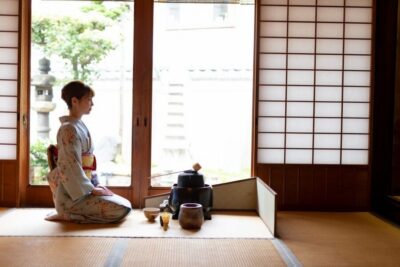
Gion Magical Night Walking Tour with Geisha Trivia
Read our review →