Reviewed · GUIDED
Kyoto 8hr Private Tour with Government-Licensed Guide
Kyoto can feel like a maze of streets. This private, government-licensed guide turns it into a plan you can follow, with English explanations and custom stop choices. I love the clear way the guide connects each place to what you are seeing, so you do not just take photos and move on. I also like that you shape the day, choosing the kind of Kyoto you want, from iconic temples to old neighborhoods.
The main tradeoff is simple: it is a walking tour. If you pick several far apart areas or long temple visits, your legs will notice by hour three.
Key Things That Make This Kyoto Private Tour Work
- Government-licensed English guide: You get on-the-ground context and help navigating Kyoto’s busy foot traffic.
- You choose the day, 3 to 4 starting ideas: The guide builds your route around your interests and pace.
- A practical 8-hour format: Designed for selecting about 4 to 6 sites, not sprinting through everything.
- Great mix of free and paid sights: Some stops have free admission, so you can control costs.
- Meet on foot in a defined area: Convenient for public-transport arrivals, with no private vehicle involved.
- Photo-friendly pacing: The route is built around stopping enough to actually enjoy places like Ginkakuji, Kiyomizu-dera, and Arashiyama’s bamboo area.
A Government-Licensed Guide Turns Kyoto Into a Manageable Day
Kyoto has a way of pulling you in ten directions at once. With this private tour, you are not trying to read signage, decode etiquette rules, and map bus routes while crowds surge around you. The big value here is a government-licensed English-speaking guide, who can steer you through what matters and tell you what you are looking at.
I especially like how this format avoids the common problem of a “temple checklist” tour. Instead of rushing, you get time to understand why a shrine or temple is famous, and where to stand for the best views. The tour also supports custom planning, so you can build a day around your interests, not just the guide’s favorite route.
The day is designed to last about 8 hours, which is long enough to feel like you saw Kyoto for real, but short enough to stay enjoyable. You are not locked into a rigid one-size-fits-all schedule, which matters in Kyoto where lines and crowds can swing throughout the day.
A few more Kyoto days worth comparing
- PERFECT KYOTO 1-Day Bus Tour
★ 5.0 · 13,518 reviews - Kyoto: Fushimi Inari, Kinkakuji, Bamboo Grove 1 Day Bus Tour
★ 4.8 · 4,316 reviews - Kyoto: Tea Ceremony in a Traditional Tea House in Kiyomizu
★ 4.9 · 3,519 reviews
How the 8 Hours Get Planned Around Your Interests
After you book, your guide reaches out to shape the itinerary with you. Your first job is to pick the kind of Kyoto you want, typically starting with 3 to 4 spots you care about most. If you do not know where to go, ask the guide to recommend a route based on your interests, and they will help you choose.
In practice, the day is built around selecting about 4 to 6 sites from their Kyoto options list. That is a sweet spot. You get variety without the feeling that you are constantly in “next stop” mode. It is also the right approach for a walking day, because Kyoto’s neighborhoods are close enough to connect, but not close enough to do everything if you try.
A small but useful detail: the meetup is on foot in a designated area, which works well when you arrive via public transportation. The tour notes also mention pickup is offered, but the key point is that you are not transferring around in a private vehicle. That means you should plan for walking time between sights and wear shoes you trust.
The Classic First Leg: Fushimi Inari, Kiyomizu-dera, and Old Streets
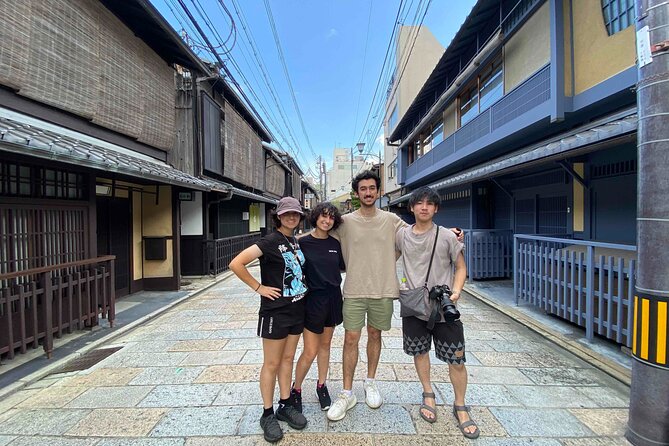
A very common way to build the day is to start with Fushimi Inari-taisha Shrine. It is a free-admission stop, so it is easy on your wallet and a strong start visually. I like starting here because it gives you instant Kyoto atmosphere: the shrine vibe plus the famous winding paths that make you feel like you are moving through something older than a normal city day.
From there, the tour can move toward Kiyomizu-dera, one of Kyoto’s most popular temples. In this setup, you get a guided visit focused on understanding the grounds rather than just moving along with the crowd. The ticket is not included, so you should expect to pay for entry on your own for this stop. Still, having a guide beside you can help you avoid wasting time standing in the wrong place or missing key viewpoints.
Next, the tour may include Nijo Castle, a UNESCO World Heritage site built in 1603 as the Kyoto residence of Tokugawa Ieyasu. This is a nice contrast to temples and shrines, because it adds the political and historical side of Kyoto in a way that feels connected to the city’s story. Again, entry is not included, but the guide helps you understand what you are seeing during your limited time.
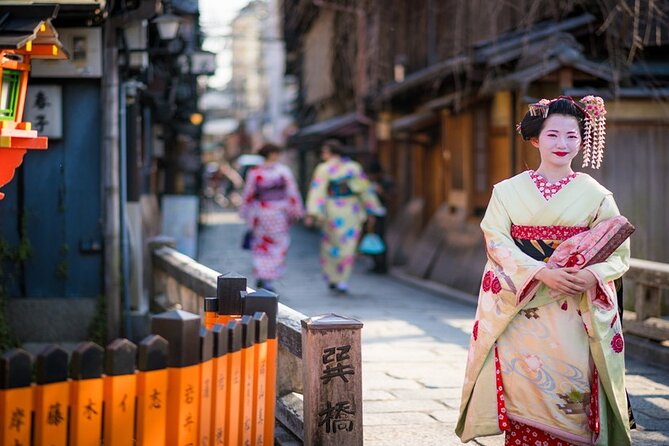
After temples, the day often shifts into “Kyoto neighborhood mode.” Gion is a good example. The guide helps you navigate the Geisha district streets without feeling lost. Then Nishiki Market works as a fun stop for browsing Kyoto’s food culture. The market is described as Kyoto’s Kitchen, and the best part is that it is free to walk through. You can slow down, snack if you want, and keep your energy for the next temple.
If your itinerary continues, Pontocho is another easy win. It is described as one of Kyoto’s most atmospheric dining areas, a narrow alley running from Shijo-dori to Sanjo-dori, one block west of the Kamogawa River. Even if you are not eating at that moment, it is a great place to pause and watch the city feel its pace.
Kinkakuji, Ginkakuji, and Higashiyama: When the Buildings Do the Talking
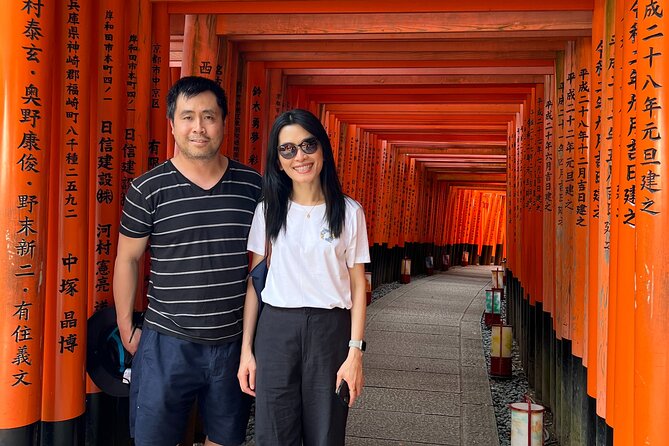
If you are choosing more of the “temple with postcard views” side of Kyoto, you will probably see Higashiyama Ward and at least one of the famous Zen temples on the list.
Higashiyama is described as one of Kyoto’s best-preserved historic districts on the slopes of the eastern mountains. The point of including it is not just the temple stops. It is the walk through old streets, where the city feels older and calmer than the main shopping areas.
From there, Ginkakuji (Silver Pavilion) is a common pick. It is listed as a Zen temple along the Higashiyama mountains. You can pair it with the area walk so your time stays smooth, instead of hopping around Kyoto and losing time to transfers.
Another option is Nanzenji Suirokaku, described as one of the most important Zen temples in Japan, with spacious grounds at the base of the forested Higashiyama mountains. This kind of stop can be a relief if your day has already included busy shrine streets. It also helps balance “iconic stops” with “big temple grounds” so your day does not feel like only the most crowded corners.
If you want the gold-leaf sensation, Kinkakuji (Golden Pavilion) is the obvious choice. It is described as having the top two floors covered in gold leaf. Entry is not included, but this is the sort of place where a guide can help you understand the context and get you to good viewing angles without wasting time.
A guide can also help you choose between similar experiences. For example, if you want more classic Zen garden vibes, you might add Eikando Zenrinji Temple for its autumn-color focus and the possibility of evening illumination (as described). If you want a more dramatic garden stop, the list also includes Ryoanji, famous for its rock garden.
Same corner of Japan, a different kind of day:
- Kyoto Geisha Walking Tour: Gion District & Hidden Gems
★ 4.7 · 3,273 reviews - Kyoto: Tea Ceremony Ju-An at Jotokuji Temple
★ 4.9 · 3,207 reviews - Kyoto: Gion Magical Night Walking Tour with Geisha Trivia
★ 4.9 · 2,393 reviews - Kyoto: 45-Minute Tea Ceremony Lesson Experience
★ 4.3 · 2,378 reviews
Castles, Imperial Sites, and Why They Add Variety
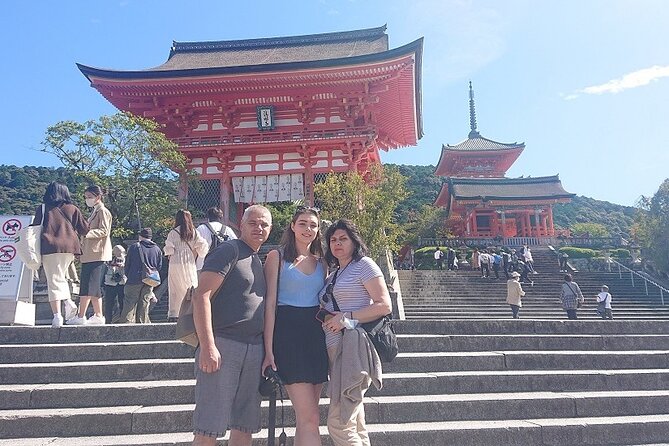
Kyoto is not only about shrines and gardens. This tour lineup also includes political history in a way that feels concrete.
Nijo Castle is the headline example. Built as the residence of Tokugawa Ieyasu, it gives you a different lens on the Edo Period. It is also UNESCO, so it is a strong “this matters” stop.
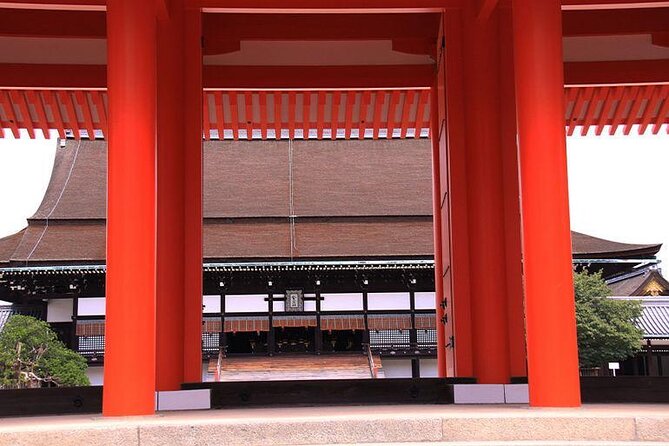
On the imperial side, Kyoto Imperial Palace (Kyoto Gosho) is included as an option. It used to be the residence of Japan’s Imperial Family until 1868, when the emperor and capital moved from Kyoto to Tokyo. Even if you already know the outline, I like having a guide here because imperial sites can feel confusing if you only skim on your own.
Some itineraries may also include Shugakuin Imperial Villa. The description says it has upper, middle, and lower villa areas and is managed by the Imperial Household Agency. If you enjoy architecture and planned spaces, a villa stop can be a nice break from the constant footpath crowds.
Arashiyama: Bamboo Groves, the Bridge Moment, and Garden Time
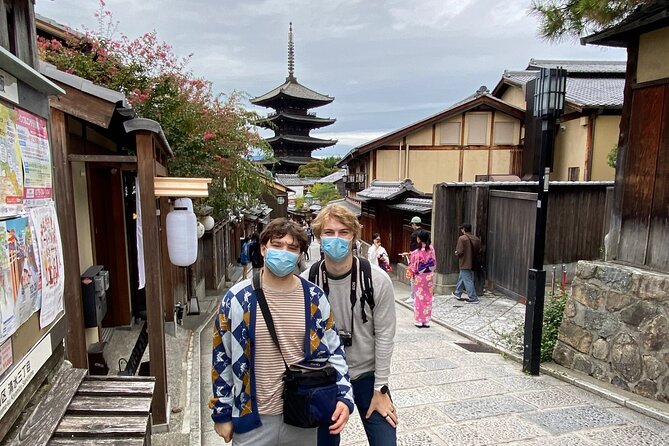
For me, Arashiyama is where Kyoto can feel like a reset button. If your route includes the west side, you are likely to see a cluster of stops connected to bamboo groves, famous scenery, and peaceful garden spaces.
Arashiyama itself is described as a pleasant, touristy district on the western outskirts, popular since the Heian Period. The bamboo-grove walk is specifically called out as a nice stroll, especially when the bamboo stalks sway gently in a light wind. That is the kind of detail that helps you know when the scene will feel best.
Another big Arashiyama highlight is Togetsukyo Bridge, the iconic Moon Crossing Bridge. The description notes it was originally built during the Heian Period and was reconstructed in the 1930s. Even if you just take a short break there, the bridge is a natural photo anchor for the area.
Arashiyama also offers garden and villa-style experiences. Okochi Sanso Garden is listed as the former villa of actor Okochi Denjiro, located behind the bamboo groves. The stop description notes it has several gardens and buildings, which is great if you like variety in one place.
If you prefer temples over villas, Arashiyama has options like Tenryu-ji Temple, described as the most important temple in the Arashiyama district and a registered world heritage site. It is also the head temple of the city’s five great Zen temples, according to the description. Again, entry is not included, but it is one of those stops where having a guide can help you stay oriented and not rush past the parts you care about.
For a calmer, less crowded vibe, you might see hillside temple options on the western side of Kyoto too, like Jojakkoji, Nisonin, Gio-ji, and the Adashino Nenbutsuji area. These are described as smaller, quiet hillside temple visits with moss, maple, stairs, and lots of walking paths. They are not the headline temples for most first-time schedules, but they can make the day feel more personal.
A Note on Pace: Why Walking Time Matters in Kyoto
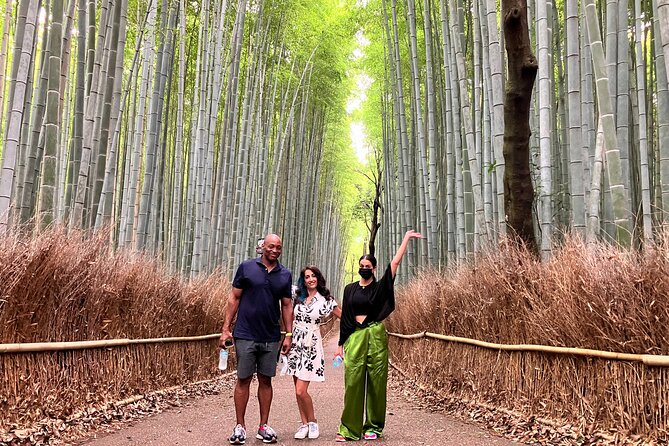
This tour is structured as a walking day. That is great for seeing real Kyoto streets, but it does mean you should plan your energy. You will be moving between stops on foot, and many of Kyoto’s top sights sit on uneven terrain or involve stairs.
So my practical advice is this: pick fewer sites if you want a slower rhythm. If you love temples and gardens and do not mind walking, you can pack more into the day. Either way, comfortable shoes are non-negotiable.
Also, because this is a private tour, the group size stays tight. That is part of the appeal, but it also means you do not get the natural “wandering time” you might have on a group bus tour. You will follow a route, stop at planned sights, and keep a steady flow through Kyoto.
In short, it is not a couch tour. It is a walking day with a plan, and that is where the value shows.
Price, Value, and What Fees You Should Expect
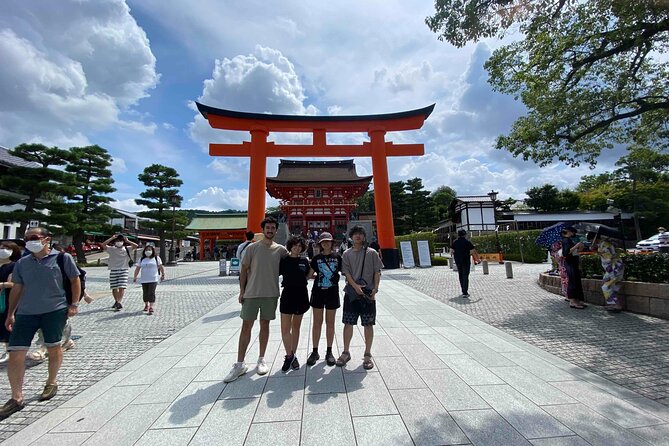
At $201.46 per person, this is not a cheap add-on. But it is also not trying to be. You are paying for a private format with a government-licensed local English guide, plus a custom route built for your interests.
Where the value really shows up is decision-making. Kyoto is full of options, and it is easy to burn hours picking the wrong neighborhood at the wrong time. A guide helps you avoid that trial and error. It is also easier on your mood. You spend your time seeing Kyoto, not asking for directions every ten minutes.
Your extra costs are likely entrance tickets and any meal expenses. The tour specifically notes entrance fees and lunch are not included. Some stops are listed with free admission, like Fushimi Inari-taisha, Gion, Nishiki Market, Pontocho, Higashiyama, and Toji (as free in the stop list). If you build your route around more of those, your day can stay closer to the base price.
The tour also notes that transportation fees are not included and there is no private vehicle. So your budget should assume you are moving mostly by walking and public transit before the meetup.
Real-World Proof: What Stood Out From the Past Experiences
The strongest praise is consistent: the guides are professional, flexible, and tuned into what the group needs. In examples shared from past tours, guides like Karkoo Tanigawa, Ichiro, and Shu are named for being helpful and going above and beyond. That matters because the guide can make a huge difference in a city like Kyoto where context is everything.
Another detail I like: people often mention enjoying the bamboo area and major classics like Kinkakuji, plus popular streets and viewpoints connected to Sannenzaka and Kiyomizu-dera. Photos came up too, which usually means the pacing allowed for actual stops, not just passing through.
There is also a nice note that groups start faster when they are prepared with local currency and transit cards. Even though your guide is handling the route, you still want your hands free and your transit experience smooth before you meet.
When This Tour Is the Best Match for You
This Kyoto private tour is a strong fit if you want:
- A guided day through temples, shrines, and old neighborhoods without turning it into a logistics puzzle.
- Flexible choices so you can prioritize what you actually care about.
- A walking route that keeps you close to Kyoto’s street-level feel.
It is especially good for first-timers who feel intimidated by Kyoto’s layout, and for anyone who wants to stop long enough to understand what they are seeing. It also works well for groups who want private attention, since it is only your group participating.
If you have limited mobility or you want a tour that avoids stairs and long walks, this might not be the right shape. The tour is described as a walking tour, and that is the main constraint to respect.
Should You Book This Kyoto Private Tour?
Book it if you want the best of Kyoto without the mental load. For about $200 per person, you get a private, government-licensed English guide and a plan that can focus on classics like Fushimi Inari, Kiyomizu-dera, Gion, and Arashiyama.
Do not book it if you are trying to see too many distant areas in one day. The best experience comes from choosing a few key stops that your guide can group efficiently into an enjoyable walking route.
Also, book with time to spare. The tour suggests reserving at least two weeks in advance, and it is often booked well ahead, so earlier planning helps you lock in the day and guide style you want.
FAQ
What is the duration of this Kyoto private tour?
It is approximately 8 hours.
Is this tour a walking tour, and are there any vehicle transfers?
Yes. This is described as a walking tour, with pick up and drop off on foot and no private vehicle provided.
What does the guide include?
You get a licensed local English speaking guide and a customizable tour of your choice of about 4 to 6 sites from the options list.
Are entrance fees and lunch included?
No. Entrance fees, lunch, transportation fees, and other personal expenses are not included.
Is pickup included?
Pickup is offered, and you also meet your guide on foot within a designated area of Kyoto.
Can I cancel for a full refund?
Yes. You can cancel up to 24 hours in advance for a full refund.
How many people are on the tour?
It is private, so only your group participates.
Fresh options around Kyoto
- Kyoto Aquarium Admission Ticket★ 4.7 · 12 reviews
- Kyoto Gion Photoshoot – Private Session | Pro Photographer★ 5.0 · 12 reviews
- Gyoza Cooking Class in Kyoto: Traditional Japanese Dumplings★ 5.0 · 12 reviews
- Kyoto: Guided Food Tour with 12 Dishes & 3 Drinks★ 5.0 · 12 reviews
- Kyoto: Avoid the Crowds at the Hidden Gems of Arashiyama★ 4.9 · 13 reviews
- Kyoto Early Bird English Tour: Gion & Higashiyama(Private opt)★ 5.0 · 13 reviews
- Otsu-e Folk Art Workshop & Local Culture Walk Near Kyoto★ 5.0 · 13 reviews
- Kyoto, Osaka, Nara Full Day tour by Car English speaking Driver★ 3.5 · 13 reviews
Guided, compared.
Tokyo 6hr Private Tour with Government-Licensed Guide
Read our review →
Shinjuku Local Bar and Izakaya Guided Walking Tour
Read our review →
Private City Highlights Tour with Local Guide
Read our review →
Kyoto Early Morning Tour with English-Speaking Guide
Read our review →
Tokyo 4hr Private Tour with Government-Licensed Guide
Read our review →
Kyoto 6hr Private Tour with Government-Licensed Guide
Read our review →