
Reviewed · MARKET TOURS IN KYOTO
Kimono Tea Ceremony Experience at Kyoto Oritzuruya, Nishiki
A kimono tea ceremony feels fancy, fast. This Kyoto experience keeps it friendly with a small group, hands-on matcha prep, and expert help dressing you properly.
I especially liked the kimono selection and styling, with staff walking you through prints, obi details, and finishing touches like hair pins and flowers. I also liked that the tea part is practical, you’ll learn how to make your own bowl of matcha with a traditional bamboo whisk and then pair it with Japanese sweets. One thing to consider, if you want a quiet, deeply spiritual ritual with zero tourist structure, this still has a more visitor-friendly flow and some waiting time.
Key highlights before you go
- Max 10 guests, so the room doesn’t feel like a packed show
- 200+ kimono designs to choose from, plus help matching your look
- Hands-on matcha prep with the bamboo whisk (chasen)
- Wagashi and matcha snack pairing right after your tea experience
- Optional calligraphy, so you leave with a personal souvenir
- Kimono time for photos, and you can keep it on after the ceremony until the shop closes
Nishiki Orizuruya check-in, and why this location helps
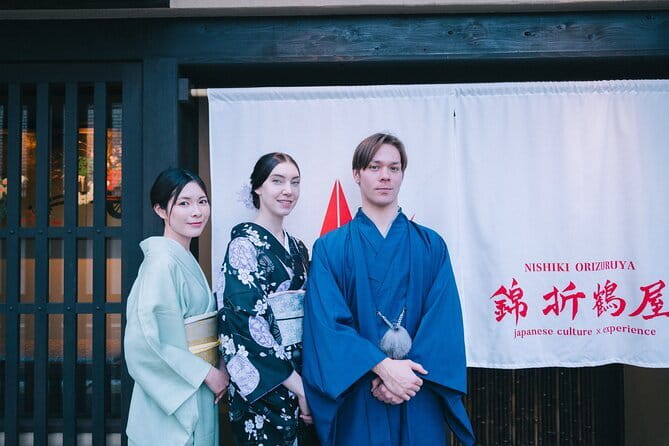
The meeting point is at Nishiki Orizuruya on Jūmonjichō, right in Kyoto’s Nakagyo Ward, close to Nishiki Market. That matters because you’re not just doing a classroom experience. Afterward, you can actually use your kimono moment in the surrounding streets and shops nearby, which is half the fun for many people.
Expect a day that runs like a mini routine: you arrive, you check in, you get guided to changing and dressing, then you move into the tea space. The pacing is efficient, and the staff are used to helping people who have never worn a kimono before. You’ll need your smartphone for the on-site access step, since staff want you to open a website link from your phone screen, not show a screenshot or printed ticket.
More Kimono Experiences in Kyoto
- Kimono Tea Ceremony at Kyoto Maikoya, NISHIKI
★ 5.0 · 911 reviews - Kyoto: Kimono Rental with Hairstyling and Accessories
★ 4.8 · 653 reviews - Kyoto: Kimono Tea Ceremony at Orizuruya Gion
★ 4.9 · 618 reviews
Picking your kimono: patterns, layers, and the fun of getting it right
This is where the experience wins. You’re not handed one standard outfit and told to make the best of it. You pick from over 200 kimono designs, and you’re encouraged to choose what you genuinely like, not what you think will look okay in photos.
On the dressing side, you’ll choose more than just the kimono. You’ll also pick key accessories and details tied to the look, including:
- Hair pins and hair flower choices
- Your kimono sash setup (obi)
- The cord detail (obijime)
I like this approach because it turns the kimono from costume to personal style. Even if you feel nervous, the staff guide you step by step and keep the process calm.
One practical note: kimono styling includes multiple layers, and the underlayer they provide is described as moisture-wicking. That’s not glamorous on paper, but it helps in Kyoto’s real-world feel, especially if you’re doing this in warm weather. Also, you’ll be wearing sandals, so your feet will feel more “dressed up” than “tour comfortable.” Not painful for most people, just plan for it.
Hair styling and fit: the part people don’t expect to be so customized
If kimono dressing intimidates you, don’t worry. For women, complimentary hair styling is included as part of the experience. In the process, the staff don’t just make your hair look good, they also work with the overall balance of your outfit.
From what I see in how they run it, they treat this like real styling, not a quick comb-through. Some guests mention that they were plus sized and still had a wide selection to choose from, and that they were able to get hair styled successfully even with textured hair. That’s the kind of detail you want from a venue: they’re prepared for different body types and hair types, not just one “standard model.”
Also, kimono etiquette usually means your posture matters more than you think. Hair and fit help you sit, stand, and move in a way that looks natural and feels less awkward in the tea room and during photos afterward.
The tea room sequence: cleansing, then the ceremony flow
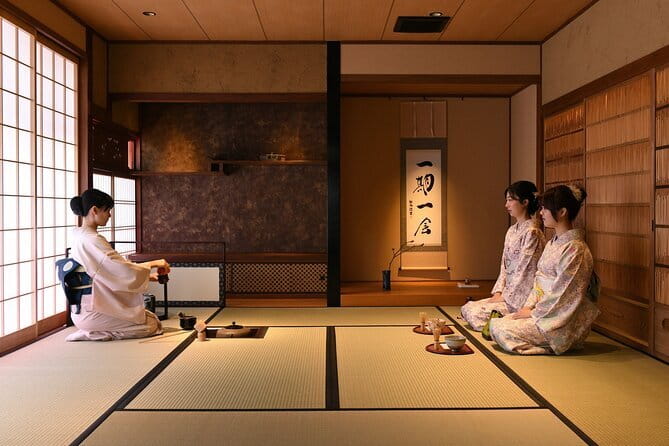
Once you’re dressed and ready, you move into the tea room area. One review notes there’s a cleansing process before heading upstairs for the ceremony. Even if you’re not fully versed in tea ritual, that step sets the tone. You’re being guided through a structured sequence, so you’re not guessing what comes next.
Here’s what to expect from the ceremony itself, in practical terms. You’ll be guided through the rituals by an instructor, and you’ll learn how matcha is prepared using the bamboo whisk (chasen). The tea master does the formal demonstration, but you also get your hands involved with the matcha steps and you taste what you make.
One consideration I’d flag: some people come in expecting to fully participate in every movement like a traditional training. In this format, it’s more “guided participation” than “quiet, fully immersive apprenticeship.” You may spend a chunk of time waiting, and the experience can feel staged in the sense that everyone is following the same timetable. If that would bother you, you’ll want to keep your expectations grounded: you’re learning and experiencing, not joining a private ritual that only unfolds for one group.
More Market Tours in Kyoto
- Nishiki Market Brunch Walking Tour (7 Tastings + Brunch)
★ 5.0 · 1,355 reviews - Kyoto Nishiki Market Food and Culture Walking Tour
★ 5.0 · 412 reviews - Kyoto: Nishiki Market Tea Ceremony with Koto Performance
★ 4.8 · 294 reviews - Kyoto: Nishiki Market Brunch Walking Tour-7 Tastings+Brunch
★ 4.8 · 197 reviews
Matcha training with a chasen: what you learn, and how it changes the taste
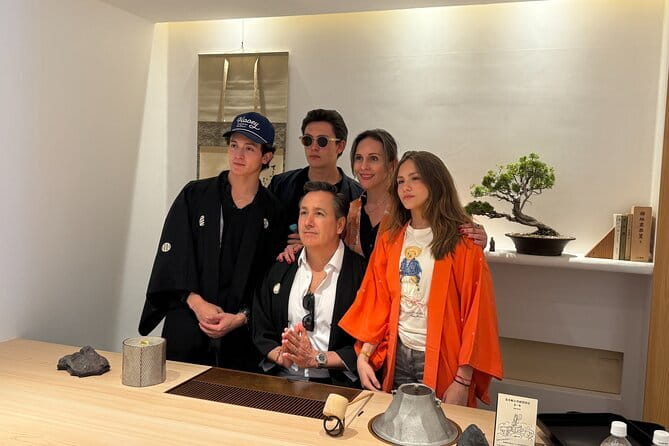
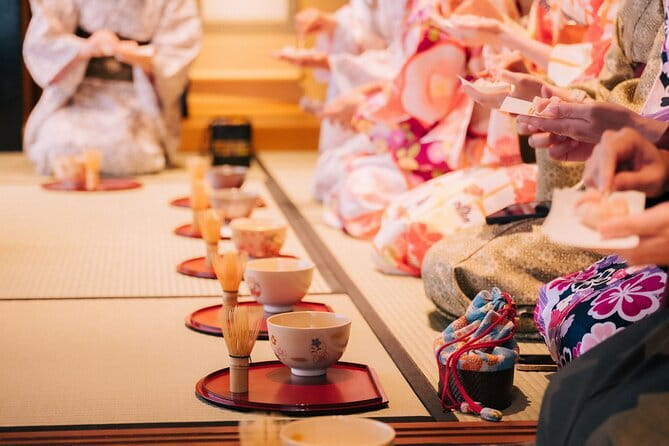
The matcha portion is the heart of the value here. You learn the graceful techniques of preparing matcha using a traditional bamboo whisk (chasen). Then you try making your own bowl of matcha.
That hands-on step is what turns a “pretty show” into something you can repeat later. The mechanics matter. Matcha is not just a powder you stir. The whisking style affects how the powder breaks down and how the texture develops in the bowl. Even with basic instruction, making it yourself is the moment your brain goes, oh, this is why it tastes different from store-bought mix.
You’ll also get to pair your tea with Japanese sweets. The sweets are described as coming from a confectionery linked to a long-standing tradition, and the pairing is part of the design of the session. It’s a simple combo, but it makes sense: matcha has a distinctive bitterness and earthy profile, while wagashi are designed to balance the experience.
If you like food experiences that teach technique, not just flavor, this is a strong match.
Optional calligraphy: a souvenir that feels personal, not generic
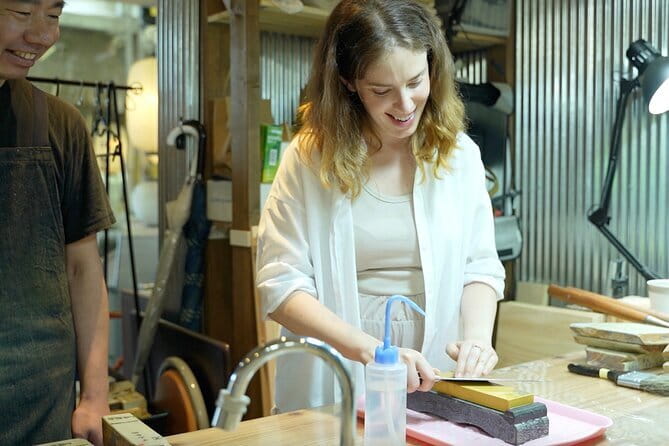
You can add a calligraphy session, and it’s one of the best “take something home” options in Kyoto for travelers who want more than a photo.
What you get is a guided intro to the basics of this art form and your own calligraphy piece to keep. Multiple guests describe this as a highlight, and one notes the calligraphy lesson felt especially cool as a souvenir. If you’re deciding whether to add it, my advice is simple: if you like making one real item with your hands during a trip, add it. If you’re only there for the tea and kimono photos, you could skip it and keep the session shorter.
Also, calligraphy is low-pressure. Even if your handwriting is not your strength, calligraphy instruction focuses on the steps and the stroke feel, and the staff are patient.
Kimono time after the ceremony: photos, shopping, and short street moments
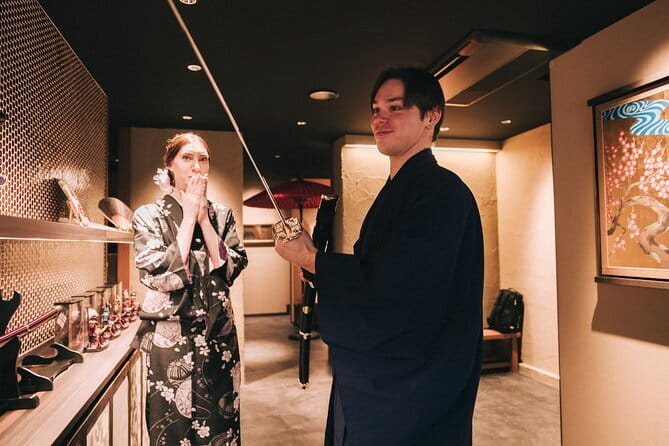
One of the nicest extras is that you’re not forced to change immediately afterward. Some guests mention you can continue wearing the kimono in the area after the ceremony until 18:00, when the venue closes.
This is where the experience feels more like a real Kyoto outing than a quick ticketed stop. You can take photos, walk in the Nishiki-area streets, and step into the atmosphere with your outfit on. It also helps you get more value out of the price because you’re using the kimono for more than just the tea room.
Practical tip: after you’re dressed, you’ll likely want to plan your photo stops and shopping stops efficiently. You’re in sandals and layered clothing, so long detours are less fun.
Price and value: how $50.87 stacks up for what you get
At $50.87 per person, you’re paying for more than the tea. The included list is the real story:
- Kimono costume
- Snacks: wagashi and matcha
- Utensils for the tea experience
- Hairstyling (simple style)
- All fees and taxes
- Licensed guide
When I break it down, the kimono and styling alone are often the biggest expense in Kyoto for DIY rentals. On top of that, you’re getting a matcha lesson you can attempt again later and a structured tea experience that guides the sequence. For many visitors, the optional calligraphy is a bonus that turns this into a memory plus a keepsake.
So the value question comes down to expectations:
- If you want photos plus a guided, hands-on matcha lesson, this is solid value.
- If you want a slow, deeply traditional ritual that feels private and spiritually weighted, you might feel the format is too tourist-friendly and you spend too much time waiting.
In other words, it’s good value for a “Kyoto highlight with technique” and less good value if you want zero performance structure.
Who should book this kimono tea ceremony, and who might skip it
This fits best if you want a memorable Kyoto moment with a low fear factor. If you’ve been curious about tea ceremony but worried you’d do it wrong, this setup is designed to help you do it right in a beginner-friendly way.
It also works well for couples or first-time Kyoto visitors who want a standout experience that looks gorgeous in photos but still teaches something real. The maximum group size of 10 guests helps a lot with comfort.
You might consider skipping or adjusting expectations if you mainly want a quiet, fully participatory ritual with minimal waiting. Some people find the experience more staged than spiritually intimate.
Should you book? My recommendation
If you’re the kind of traveler who likes dressing up, learning a craft step by step, and coming home with at least one real skill, book it. The combination of kimono dressing, matcha training with a chasen, and the wagashi pairing makes this more than a photo stop.
If your top priority is deep cultural reverence with minimal tourist structure, treat this as a well-run introduction, not a once-in-a-lifetime pure tradition. In that case, you might still enjoy it, just go in expecting guidance and a schedule.
Either way, you’re in a great area after. Even if you only remember the feeling of your first properly whisked matcha, that alone makes the time worth it.
FAQ
How long is the Kimono Tea Ceremony Experience?
The experience runs about 1 hour 30 minutes.
What is the group size for this Kyoto tea ceremony?
The group has a maximum of 10 travelers.
What is included in the price?
The price includes snacks (wagashi and matcha), kimono costume, utensils, hairstyling (simple style), all fees and taxes, and a licensed guide.
Do I get to wear a kimono and have my hair styled?
Yes. You’ll be dressed in a kimono with staff help, and for women, complimentary hair styling is included as part of the experience.
What do I do during the tea ceremony and matcha preparation?
You’ll be guided through the tea ceremony rituals and taught how to prepare matcha using a bamboo whisk (chasen). You also try making your own bowl of matcha.
Is calligraphy available as an option?
Yes. There is an optional calligraphy session where you learn basics and create your own calligraphy piece to take home.
Is free cancellation available?
Yes. You can cancel for a full refund up to 24 hours in advance. If canceled less than 24 hours before, the amount paid is not refunded. The experience also requires good weather, and if it’s canceled for poor weather, you’ll be offered another date or a full refund.
More Tea Ceremonies in Kyoto
- Kyoto: Tea Ceremony in a Traditional Tea House in Kiyomizu
★ 4.9 · 3,519 reviews - Kyoto: Tea Ceremony Ju-An at Jotokuji Temple
★ 4.9 · 3,207 reviews - Kyoto: 45-Minute Tea Ceremony Lesson Experience
★ 4.3 · 2,378 reviews - Kyoto: Table-Style Tea Ceremony at a Kyo-Machiya
★ 4.9 · 1,211 reviews
Fresh options around Kyoto
- Kyoto Aquarium Admission Ticket★ 4.7 · 12 reviews
- Kyoto Gion Photoshoot – Private Session | Pro Photographer★ 5.0 · 12 reviews
- Gyoza Cooking Class in Kyoto: Traditional Japanese Dumplings★ 5.0 · 12 reviews
- Kyoto: Guided Food Tour with 12 Dishes & 3 Drinks★ 5.0 · 12 reviews
- Kyoto: Avoid the Crowds at the Hidden Gems of Arashiyama★ 4.9 · 13 reviews
- Kyoto Early Bird English Tour: Gion & Higashiyama(Private opt)★ 5.0 · 13 reviews
- Otsu-e Folk Art Workshop & Local Culture Walk Near Kyoto★ 5.0 · 13 reviews
- Kyoto, Osaka, Nara Full Day tour by Car English speaking Driver★ 3.5 · 13 reviews
Market Tours in Kyoto, compared.
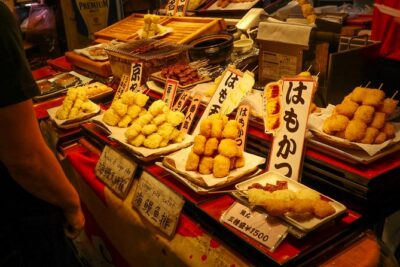
Nishiki Market Brunch Walking Tour (7 Tastings + Brunch)
Read our review →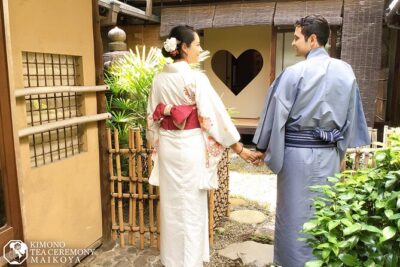
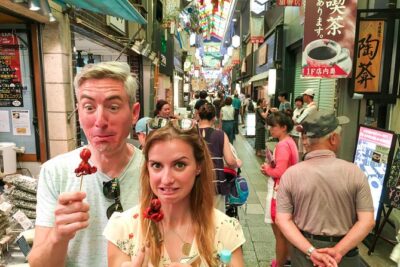
Kyoto Nishiki Market Food and Culture Walking Tour
Read our review →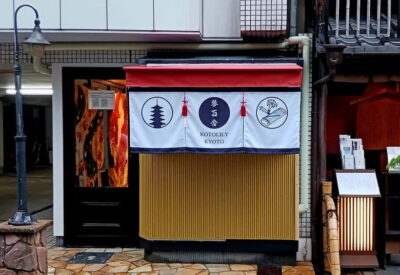
Nishiki Market Tea Ceremony with Koto Performance
Read our review →
Nishiki Market Brunch Walking Tour-7 Tastings+Brunch
Read our review →
Nishiki Market and Depachika Food Tour with a Local
Read our review →
Nishiki Market Tour with a Local Foodie & Tastings
Read our review →Browse the lists this tour appears in