
Reviewed · MARKETS
Kyoto: Nishiki Market Tea Ceremony with Koto Performance
Tea and harp sound better than expected. At KOTOLILY KYOTO, you’ll learn how to whisk matcha properly, then enjoy live professional koto music before and after your tea. It is a calm, indoor break in busy Kyoto, focused on hands-on tea craft.
I love how step-by-step the matcha instruction is, so your tea comes out creamy instead of painfully bitter. I also love the music pacing, with the koto performance woven in so it feels like part of the ceremony, not background entertainment.
One thing to consider: the kimono photo and video session is an add-on fee on-site. If you want that iconic look, budget extra time and money to choose your kimono right there.
Key things I’d circle before you go
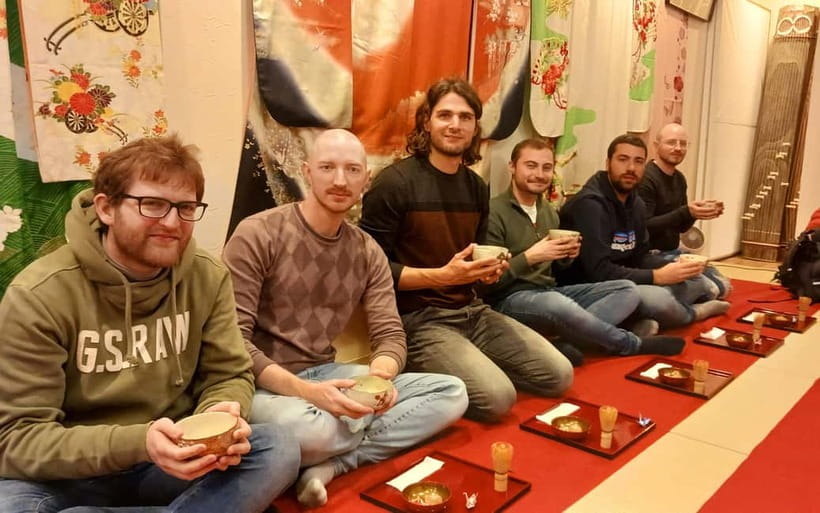
- Matcha made by you, with coaching to keep it smooth and not sharp
- Live koto interludes before and after the tea, performed by the host
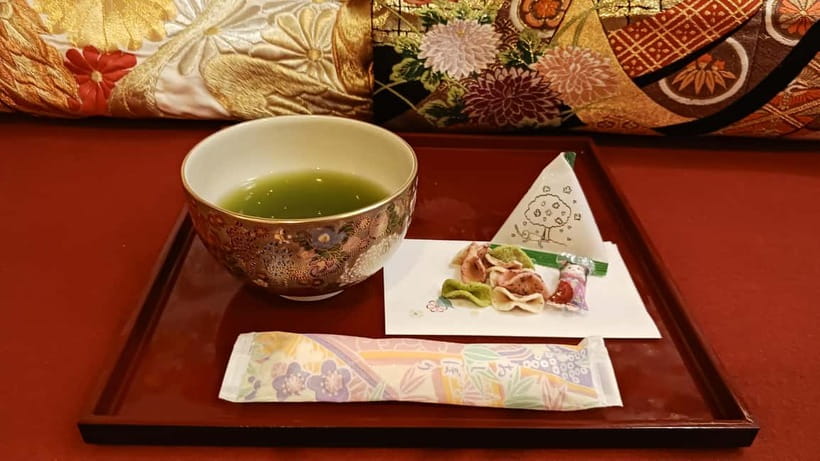
- Tea sweets included, so you can taste how matcha changes with each bite
- Small group size (up to 8), which keeps the pace relaxed and questions easy
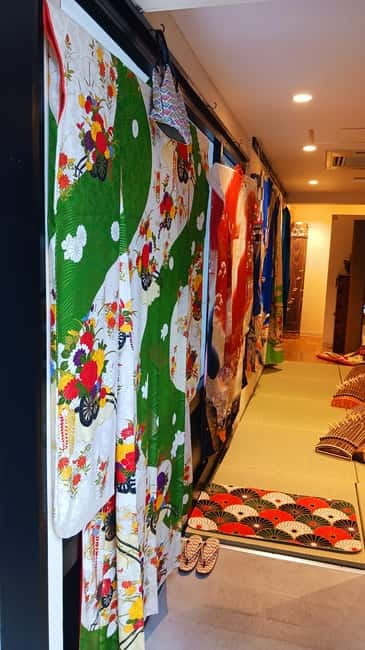
- Kimono and extra koto options available on-site for an additional fee
- Central Kyoto location near shopping, useful even when weather is bad
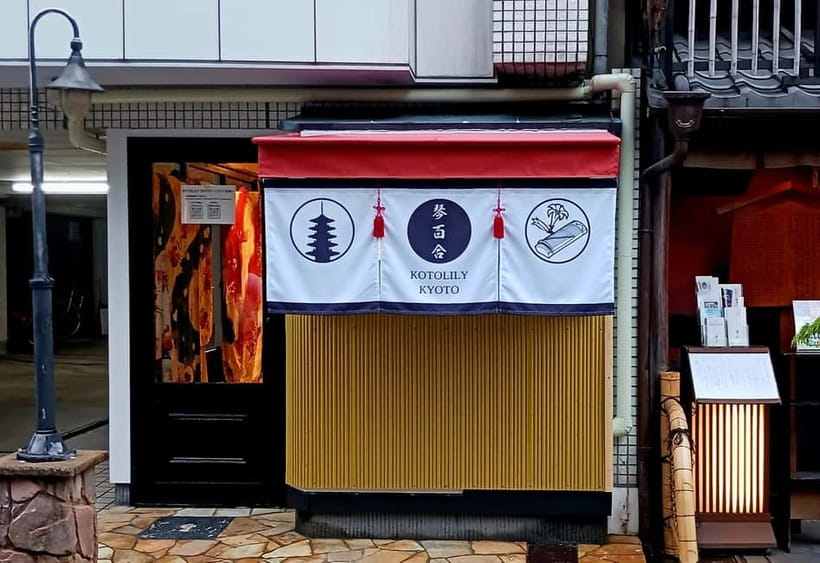
Finding KOTOLILY KYOTO in central Kyoto, near Nishiki Market
This is one of those activities where location actually matters. The shop is in central Kyoto, close to shopping streets, and reachable even when the weather turns.
Use the meeting point details carefully: go to KOTOLILY KYOTO, inside the shop. It is next to KINMATA Restaurant, and it sits opposite the street of Hotel GOCO stay. In other words, do not wait at the hotel. Walk to the shop front and step inside.
If you want to pair this with Nishiki Market browsing, the timing works well. Your tea ceremony is an hour, so you can do tea, then wander nearby stalls afterward with calmer energy than you had before.
Practical tip: bring a camera, but note the rule that flash photography is not allowed. Comfortable clothes help too, because you’ll be moving through a ceremony setting where people tend to sit closely and keep things tidy.
More Market Tours in Kyoto
- Nishiki Market Brunch Walking Tour (7 Tastings + Brunch)
★ 5.0 · 1,355 reviews - Kimono Tea Ceremony at Kyoto Maikoya, NISHIKI
★ 5.0 · 911 reviews - Kyoto Nishiki Market Food and Culture Walking Tour
★ 5.0 · 412 reviews
The 1-hour flow: what you actually do
Plan for a smooth, contained hour. The experience is designed as a guided sequence, not a quick performance where you watch from across the room.
Here is what the flow typically feels like:
- Welcome and setup inside the shop
You’ll be greeted, then guided into how the ceremony works and what to focus on. Your instructor teaches in English and Japanese, which is a big deal if you want to understand more than just the motions.
- Koto music interlude before tea
Live koto is part of the atmosphere from the start. You’ll hear music performed by the host in between moments of instruction.
- Making matcha yourself
You’ll learn how to prepare the green tea, with careful coaching focused on getting the texture right. The goal is matcha that tastes creamy and less bitter, not harsh.
- Tea sweets and tasting
After making your matcha, you’ll enjoy it with tea sweets. This matters because the sweetness helps you experience matcha in a more balanced way, especially if you are not automatically a matcha fan.
- Koto music interlude after tea
The music continues after you finish, so you end the session with a quieter, lingering note rather than a rushed exit.
- Optional extras on-site
If you want photos in kimono, a koto-related add-on, or a longer music moment, staff can help you arrange it after the main tea ceremony.
Because the group is limited to 8 people, the host can slow down for explanations and corrections. You should not feel like you are in a conveyor belt.
Making matcha the way they teach it (and why it changes the taste)
Matcha can go two ways for visitors: silky and satisfying, or bitter and confusing. This experience is built to push you toward the silky end.
The instruction focuses on technique, especially the part where water and matcha meet. In the ceremony, you learn how to pour and whisk, and how to aim for the right feel in the cup. One review noted learning from pouring water through whisking, and that captures the point: it is not just ceremonial posing, you are doing the real steps.
A helpful way to think about it:
- Creamy texture usually means you did the whisking right
- Less bitterness usually means you are following the timing and handling your matcha prep properly
- Tasting with sweets lets you experience matcha as something nuanced, not only intense
If you worry you will mess it up, do not. The host’s coaching is part of the value here. Many people leave saying they understand how to make matcha enjoyable, even if they did not expect to like it.
Also, remember a small logistics detail that matters more than you’d think: you will likely remove shoes for the ceremony setting. One review specifically advised leaving shoes at the door and using fresh socks. If you do not usually travel that way, bring comfortable socks so you do not spend the tea hour thinking about your feet.
Tea sweets, etiquette, and how to slow down in Kyoto
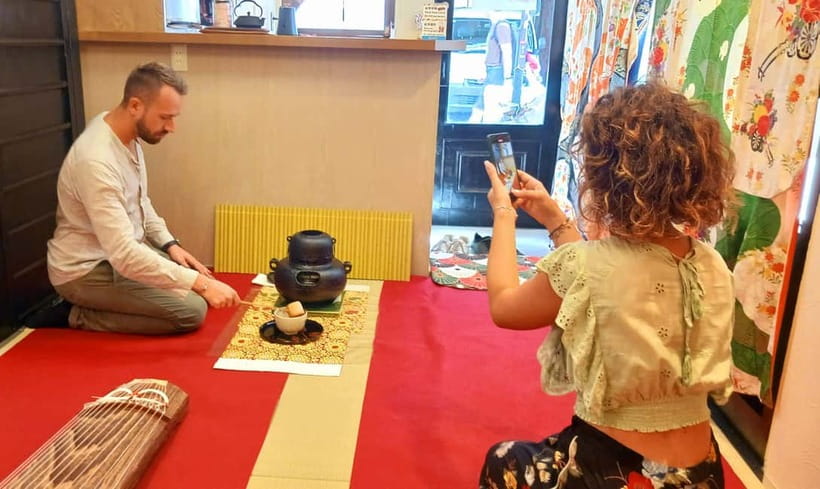
Tea ceremony is not about speed. It is about pacing, attention, and small gestures.
You’ll enjoy matcha with tea sweets, which is included in the price. That sweetness is not a random add-on. It helps you learn matcha by comparison, and it makes the experience feel complete rather than like a single sip and done.
Even if you only understand part of the ritual, you can still follow the structure:
- Drink in a calm rhythm
- Notice the tea’s taste shifting as you move from bite to sip
- Keep your focus on the cup and the moment, not your phone
You should also plan to treat the setting with respect. Flash is not allowed, and the space is meant to feel quiet. Think of it like performance etiquette, not museum rules.
And yes, the ceremony is happening in central Kyoto, so you may hear city noise outside. Inside, the tone is deliberately slower, helped by the koto music and the host’s guidance.
More Tea Ceremonies in Kyoto
- Kyoto: Tea Ceremony in a Traditional Tea House in Kiyomizu
★ 4.9 · 3,519 reviews - Kyoto: Tea Ceremony Ju-An at Jotokuji Temple
★ 4.9 · 3,207 reviews - Kyoto: 45-Minute Tea Ceremony Lesson Experience
★ 4.3 · 2,378 reviews - Kyoto: Table-Style Tea Ceremony at a Kyo-Machiya
★ 4.9 · 1,211 reviews
Live koto music interludes: the difference between a show and a moment
The koto is the other half of why this works.
Lots of cultural activities throw music in at the end. Here, koto is woven into the ceremony at least twice, with performances before and after your tea. That structure changes how you experience it. The music becomes a cue for transitions: before preparation, after tasting, and throughout in ways that feel connected rather than separate.
From the reviews, the koto playing is often described as beautiful, soothing, and moving. One review mentioned the host played on multiple occasions during the session, which suggests you get more than a single short song snippet.
If you are a music nerd, you might also like that the host introduces the instrument and shares context. At minimum, expect to hear koto music performed live in a small room where you are close enough to feel the sound. That kind of intimacy is hard to get at bigger venues.
Kimono photos and optional koto add-ons, what costs extra
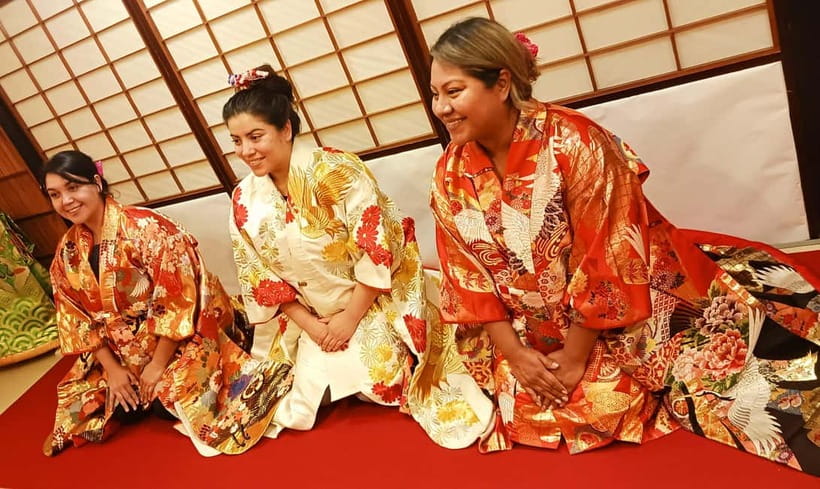
This is where you can tailor the experience.
The main tea ceremony includes matcha making, tea sweets, and live koto performances. But kimono photo and video are not automatically included. Instead, you can wear a gorgeous kimono and have photos and videos taken for an additional fee on-site.
There is also an optional add-on related to koto playing, available for an additional fee. The information says you can add Koto-playing experience at the location, and that you might be asked to make an offer after the tea ceremony experience.
So the decision is simple:
- If you want the full visual Kyoto moment, plan to add the kimono photo/video session.
- If you only want the core ceremony and music, you can keep it strictly to the included hour.
Either way, keep one practical expectation in mind: choosing kimono and taking photos can take extra time. If you have a tight schedule after, ask staff which option fits your remaining plans.
Price and value at $56 per person
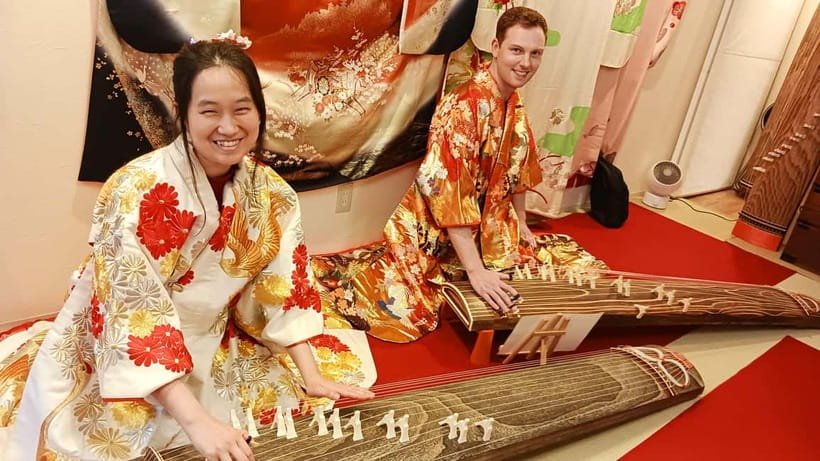
$56 for a one-hour experience in central Kyoto is not a bargain price, but it also is not a tourist shortcut. Here’s what you are paying for, in plain terms:
- You get hands-on matcha preparation with coaching to reduce bitterness and improve texture
- You get tea sweets included, not just the tea
- You get live koto performances in the room, not a prerecorded track
- You get a small group limit (up to 8), which usually means less waiting and more attention
- You get English and Japanese instruction, which helps you actually understand the steps
If you were comparing options, a standard tea ceremony alone can feel like a quick script where you watch more than you do. This one is priced higher because it bundles in a live music element tied to the ceremony, with an instructor who can explain what you are doing.
The $56 price makes the most sense if you value both sides: tea craft and live traditional music.
Who this suits best, and who should skip it
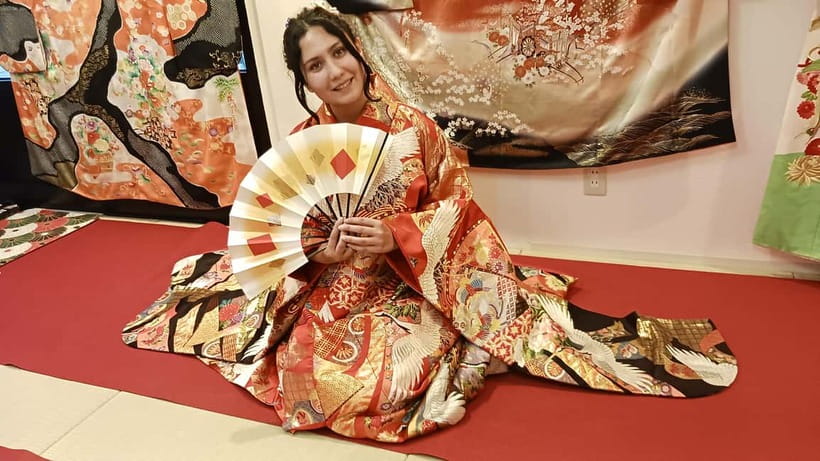
This experience is a good fit if you want a quiet, guided cultural activity without a big crowd.
It is especially suitable for:
- Couples who want a calm break from Kyoto sightseeing
- Music lovers who want live koto in a small setting
- People who want to learn matcha technique rather than just sip tea
- Anyone who prefers a structured, one-hour activity that is easy to slot into a day
It is not suitable for:
- Children under 8
- Wheelchair users
- People with food allergies (the data does not specify allergy handling, so you should treat this as a clear no unless the provider confirms your needs)
Also, it is an indoor activity, which makes it helpful when Kyoto weather is not cooperating.
My booking call: should you book KOTOLILY Kyoto?
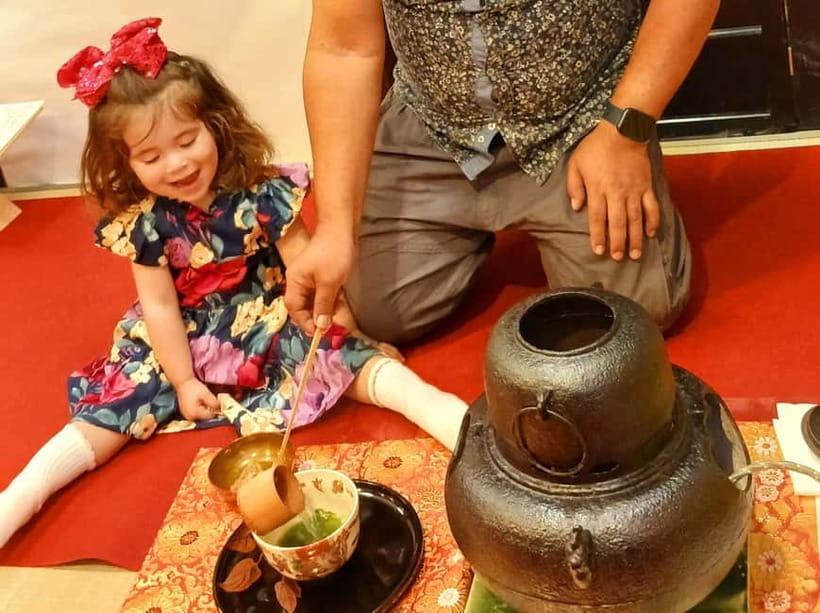
I would book this if you want Kyoto culture with both substance and atmosphere. The matcha instruction is the educational part, and the koto interludes are the emotional part. Together they make an hour that feels more thoughtful than most quick tea stops.
Skip it if you only want a simple tea tasting and you dislike anything that involves extra ceremony rules, like shoes off and no flash. Also skip if your schedule is so tight that you cannot handle an optional kimono photo decision after the main tea.
If you want a single “Kyoto highlight” that is small group, hands-on, and music-forward, this is a strong choice.
FAQ
How long is the Kyoto Nishiki Market tea ceremony with Koto performance?
The experience lasts 1 hour.
What is included in the $56 per person price?
It includes the tea ceremony experience, matcha green tea making, tea sweets, and a live koto performance.
Where exactly is the meeting point?
Meet at KOTOLILY KYOTO. Go inside the shop, next to KINMATA Restaurant, opposite the street of Hotel GOCO stay.
What language is the instruction?
The instructor teaches in English and Japanese.
Is flash photography allowed?
No. Flash photography is not allowed.
Is the kimono included?
Kimono use for photos and videos is available on-site for an additional fee. It is not listed as part of the base package.
Is there an optional Koto-playing experience?
Yes. A Koto-playing experience can be added for an additional fee on-site.
Who should not book this experience?
It is not suitable for children under 8, wheelchair users, or people with food allergies.
What is the cancellation policy?
There is free cancellation, with a full refund if you cancel up to 24 hours in advance.
More Shopping Tours in Kyoto
- Nishiki Market Lunch Tour
★ 5.0 · 47 reviews - Nishiki Market Food Tour with Cooking Class
★ 4.9 · 42 reviews - Kyoto Nishiki Market Tour
★ 5.0 · 32 reviews - Golden Pavilion, Nijo Castle, & Nishiki Market Half day tour
★ 5.0 · 29 reviews
More Markets in Kyoto
- Kyoto: Nishiki Market Brunch Walking Tour-7 Tastings+Brunch
★ 4.8 · 197 reviews - Kyoto: Local Food Tasting Tour at the Nishiki Market
★ 4.7 · 135 reviews - Kyoto: Nishiki Market and Depachika Food Tour with a Local
★ 4.7 · 76 reviews - Kyoto: Nishiki Market Tour with a Local Foodie & Tastings
★ 4.5 · 67 reviews
Fresh options around Kyoto
- Kyoto Aquarium Admission Ticket★ 4.7 · 12 reviews
- Kyoto Gion Photoshoot – Private Session | Pro Photographer★ 5.0 · 12 reviews
- Gyoza Cooking Class in Kyoto: Traditional Japanese Dumplings★ 5.0 · 12 reviews
- Kyoto: Guided Food Tour with 12 Dishes & 3 Drinks★ 5.0 · 12 reviews
- Kyoto: Avoid the Crowds at the Hidden Gems of Arashiyama★ 4.9 · 13 reviews
- Kyoto Early Bird English Tour: Gion & Higashiyama(Private opt)★ 5.0 · 13 reviews
- Otsu-e Folk Art Workshop & Local Culture Walk Near Kyoto★ 5.0 · 13 reviews
- Kyoto, Osaka, Nara Full Day tour by Car English speaking Driver★ 3.5 · 13 reviews
Markets, compared.
Tokyo Tsukiji Fish Market Food and Culture Walking Tour
Read our review →
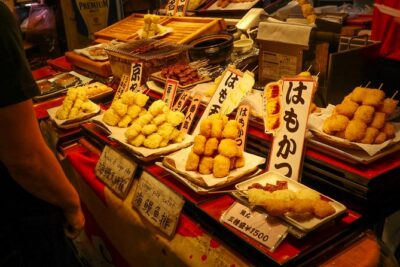
Nishiki Market Brunch Walking Tour (7 Tastings + Brunch)
Read our review →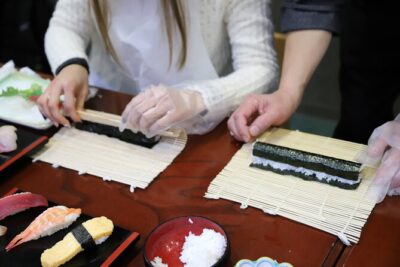
Tsukiji Fish Market Guided Tour and Sushi Making with Pro Chef
Read our review →Tsukiji Fish Market Food and Culture Walking Tour
Read our review →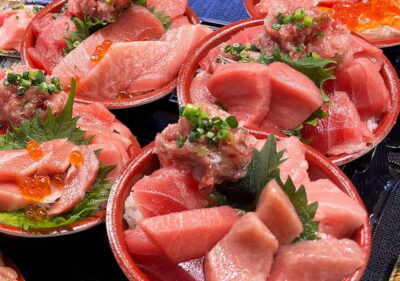
Tsukiji Fish Market: Street Food & Culture Walking Tour
Read our review →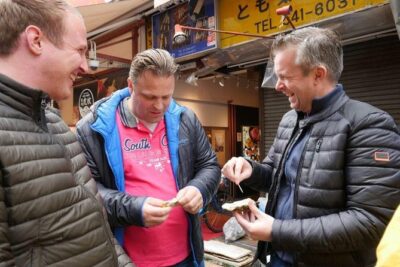
Tsukiji Fish Market Small-Group Food Walking Tour
Read our review →Browse the lists this tour appears in