
Reviewed · HIROSHIMA TOURS
Hiroshima:Guided Virtual Tour/PEACE PARK TOUR VR
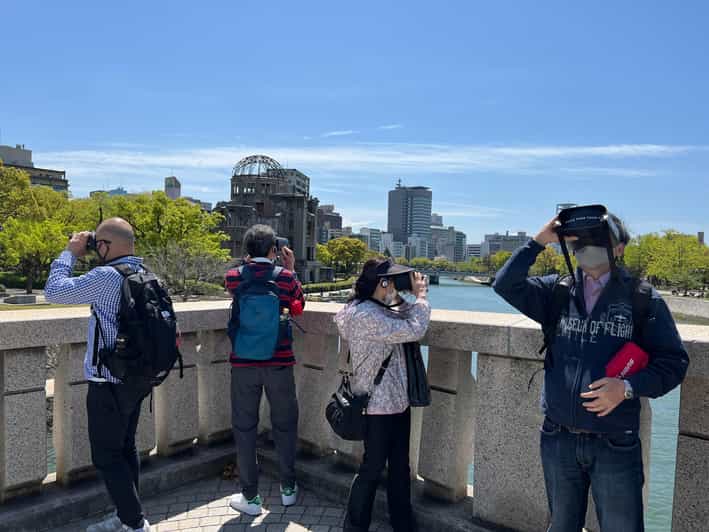
A headset walk through Hiroshima Peace Park changes everything. This guided Hiroshima Peace Park VR experience uses VR headsets plus Hiroshima’s English-speaking guides to help you understand the city before Aug 6, the day itself, and the long road back. I like that the pacing is built around the landmarks you already came to see, and I like that the guide uses live dialogue and questions, not just a lecture.
The main thing to consider is that this is a timed route, and if you arrive late or the schedule shifts, the VR portion may get shortened, including a shorter rainy-day option. Think of it as fieldwork-style learning with a set timeline, so plan to stay close to the group.
Key things to know before you go
- Hiroshima local English guide who leads the VR stops and keeps the conversation moving
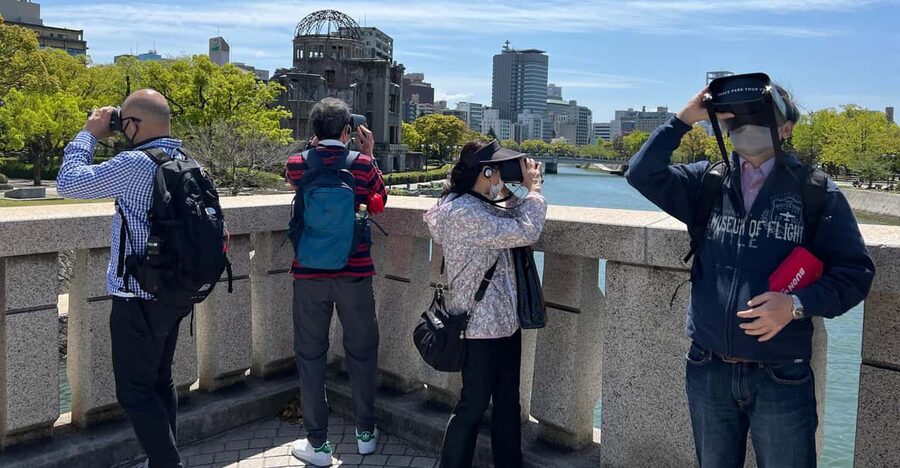
- Headset moments at the Peace Park Rest House, Atomic Bomb Dome, Aioi Bridge, and Motoyasu Bridge
- Testimony-based VR drawing on hibakusha experiences and period photos, covering before, Aug 6, and recovery
- Small group limit of 6 so you get real time for questions and back-and-forth
- Rain or shine with a short VR fallback if conditions are heavy
Hiroshima Peace Park VR tour, testimony-driven instead of checklist sightseeing
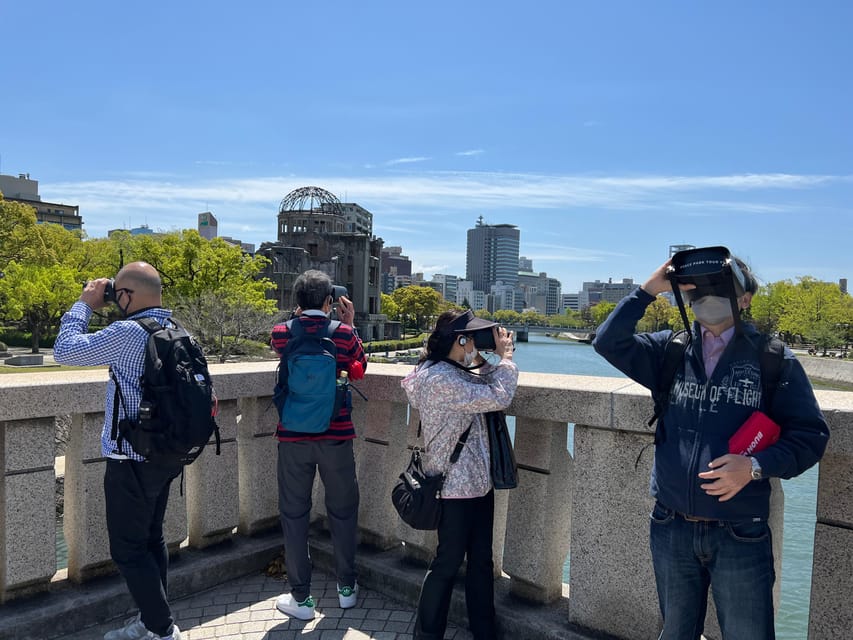
Hiroshima Peace Park is already powerful in person. What this tour adds is a guided VR layer that connects the place you are standing in to what Hiroshima looked like before the atomic bombing, what happened on August 6, and how the city returned over time. It is built around the fact that hibakusha testimonies are becoming rarer as the decades pass, so the tour leans on preserved accounts and visuals rather than vague storytelling.
I also like the structure: you do not just sit and watch. You pause at meaningful spots, put on the headset, and then talk as you walk. The guide frames what you are seeing, asks you questions, and encourages dialogue along the way. That matters because the content can feel heavy, and a guided pace helps you process it instead of just absorbing it.
One more practical point: this is not a museum-film experience. You are outside, moving between the same iconic landmarks many people visit, including the Atomic Bomb Dome and the bridges. That makes the VR feel more grounded, since you are constantly relating the visuals to real distances and sightlines.
A few more Hiroshima days worth comparing
- Peaceful Hiroshima & Miyajima UNESCO 1 Day Bus Tour
★ 5.0 · 5,309 reviews - Hiroshima: Hiroshima and Miyajima UNESCO Sites 1-Day Tour
★ 4.9 · 2,330 reviews - Hiroshima / Miyajima Full-day Private Tour with Government Licensed Guide
★ 5.0 · 1,298 reviews
Meeting at Hiroshima City Peace Memorial Park Rest House, then getting your bearings
You meet at the Hiroshima City Peace Memorial Park Rest House, at the tourist information counter on the first floor. The tour asks you to arrive at least 5 minutes early, and if you are not there within about 10 minutes after the start time, you may miss the tour. That is not meant to be strict for its own sake, it is how they keep the group on schedule, especially since the VR headsets and timing are part of the plan.
The tour runs about 80 minutes total, and the group is capped at 6 people. That small size shows up in the vibe. You can ask something, and the guide can actually respond instead of trying to cover everyone at once.
Food and drinks are not included, and there is no luggage storage in the Rest House building. If you are carrying bags, keep them with you and plan accordingly. And since the tour runs rain or shine, wear something comfortable for walking, not just for standing still.
Stop 1 at the Rest House, where the guide sets up the story
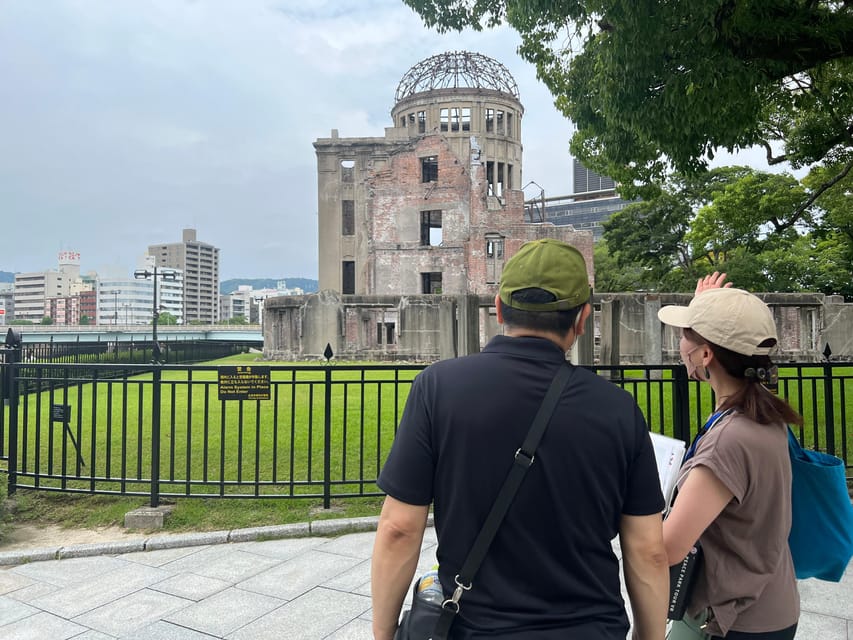
The tour begins with a guided walk around the Hiroshima Peace Park Rest House area. This first segment is about more than navigation. The guide typically starts by bringing in a specific hibakusha story to give the VR experience a human anchor, not just historical background.
In one example from past groups, the guide opened with Eizo Nomura, an A-bomb survivor who was about 170 meters from the hypocenter at the time. From there, the VR portion continues that survivor’s experience, so you are not just looking at generic graphics. You are following a path that connects testimony and place.
This is where the tour also becomes interactive. The guide field-questions along the way, meaning you are invited to think while you watch. If you are the kind of person who asks, I would expect this to feel rewarding rather than awkward. The pace also helps you reset emotionally, because after the opening story, you can immediately see what the headset depicts and then talk about what it means.
Atomic Bomb Dome VR stop, seeing the city before and after
The next major stop is the Atomic Bomb Dome. In person, it is a moment of silence for many people. With this tour, it also becomes a moment of contrast, since the VR sequence is designed to move through different time layers.
Based on the tour format, you will put on the headset while you are at or near this landmark, and you will be transported back through VR renderings based on testimony and photos. You should expect a shift from Hiroshima’s pre-August 6 cityscape to the burned plain and aftermath. The point is not shock for shock’s sake. It is to help you connect a real location to the kind of lived experience that photos alone cannot fully convey.
Here is what I think works well for most visitors: the VR shows recovery as well. A lot of historic sites focus on what was lost. This tour also emphasizes the incredible recovery that followed, so your mind does not get stuck only on damage. You can feel the narrative arc from life, to catastrophe, to rebuilding and survival.
The drawback is that VR content can be emotional. If you already know you prefer to avoid intense historical media, you may want to pace yourself and be ready to step back in the real space when you need a break. The guide’s job is to keep the conversation steady, but the emotional weight is real.
Same corner of Japan, a different kind of day:
- Hiroshima Historical Walking Tour – Why A-Bomb was Dropped
★ 4.8 · 893 reviews - Hiroshima Peace (Heiwa) Walking Tour at World Heritage Sites
★ 5.0 · 872 reviews - Hiroshima in a Nutshell: Morning Bike Adventure
★ 5.0 · 524 reviews - Hiroshima City 4hr Private Walking Tour with Licensed Guide
★ 5.0 · 437 reviews
Aioi Bridge and the T-Bridge angle, why bridges matter here
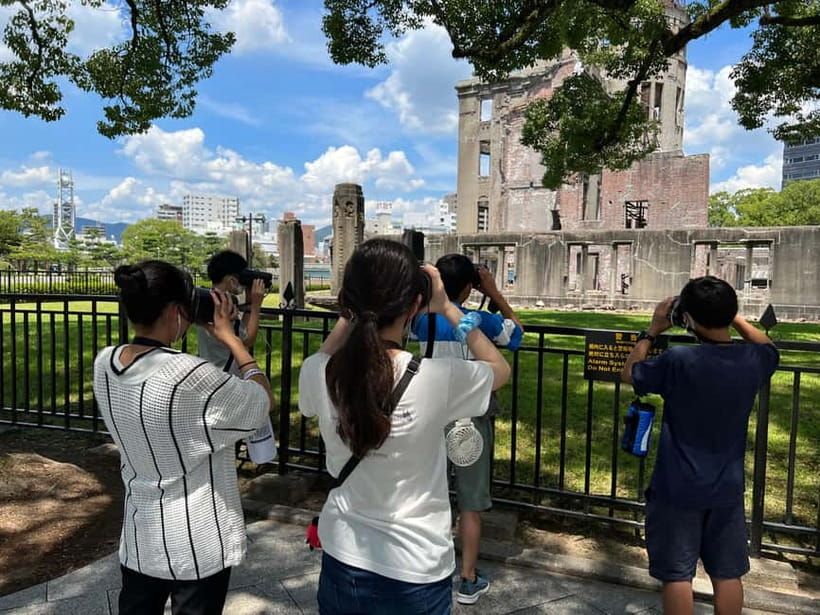
Then you move to Aioi Bridge, described as a T-Bridge. Bridges are often skipped when people are doing quick photo stops, but here they matter because they connect movement, separation, and survival. When you add VR at this point in the walking route, you are not just learning facts. You are trying to understand how the city’s layout affected daily life and what people could see and do in the moment.
During this segment, you will follow the guide’s prompts, do a short guided sightseeing walk, and then return to the VR headset when the tour asks you to. The VR is again grounded in testimony accounts, so the bridge location becomes more than a viewpoint. It becomes a stage for understanding how people moved through Hiroshima.
What I like about placing a VR stop here is the bridge-to-bridge rhythm. Your eyes are learning the geography while your ears and the guide are connecting it to a human story. That combo is useful if you get confused by how big memorial grounds feel once you start walking. The guide keeps you oriented, and the headset cues you when to look, listen, and think.
Motoyasu Bridge, recovery perspective and guided reflection
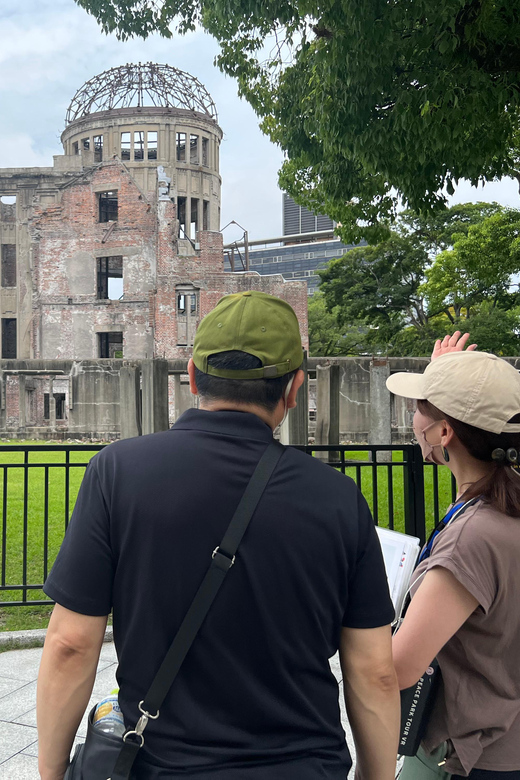
After Aioi Bridge, the tour continues to Motoyasu Bridge. This stop keeps the same rhythm: guided walk, sightseeing, and then VR where appropriate within the planned route. If you have ever visited Hiroshima Peace Park and found yourself wondering why the memorial feels like more than one location, this part helps answer that.
Motoyasu Bridge works as the tour’s last strong geography anchor before you return to the Rest House. The VR content at these bridges is meant to support the story arc, including Hiroshima’s recovery. You are not only seeing what the city looked like during the darkest moments. You are also nudged to consider what it took to return to daily life when the landscape was altered and grief was widespread.
This stop is also a good time to ask questions. Because the group is small and the guide encourages dialogue, you can steer your curiosity. If you want to understand why specific memorial elements were placed where they are, Motoyasu is often a natural place to ask. If you are more focused on the human meaning, you can ask about the testimony behind what you are seeing.
Even if you are not the type who asks questions, the guided prompts can help you form your own take. This tour tends to keep you from being a passive viewer, which is a big part of why it is worth the money compared to a VR-only setup.
The end conversation, what you think matters here
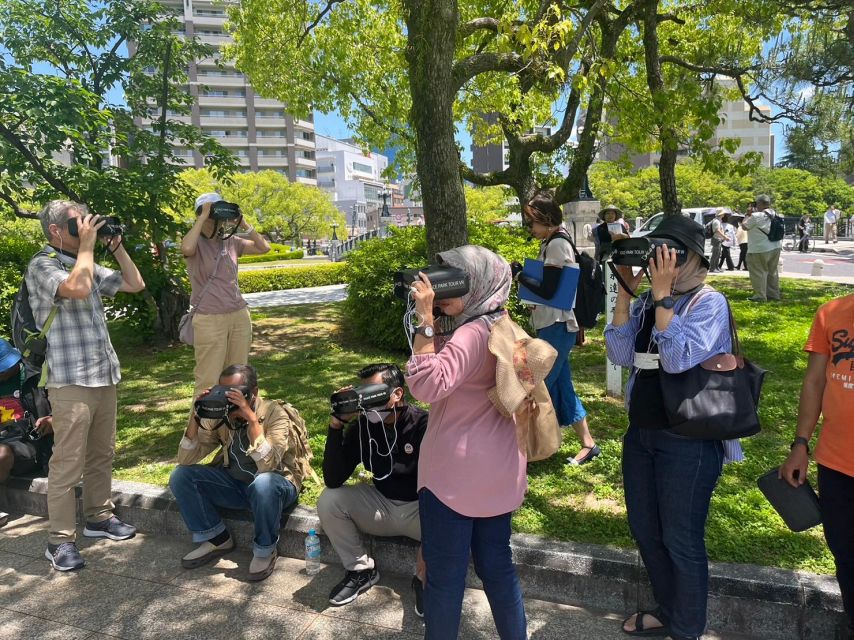
A lot of tours end when you reach the last landmark. This one tries to end with connection. After you return to the Rest House, the guide discusses what you thought of each other. That sounds simple, but it is a real signal about the tour’s purpose.
The emotional tone is often sobering. Several guide-led experiences in the past emphasized that peace should be the answer, and you can feel that theme when the guide invites dialogue. When the tour ends, you are left with two things at once: the reality of the memorial grounds and the structured time-jumps of VR.
I also think the question-and-answer approach is what makes the experience feel respectful rather than sensational. When you can talk about what you saw and what it stirred in you, the information becomes harder to dismiss as just content. It turns into understanding, and understanding is what helps this kind of site stick with you after you leave.
Price and value: about $32 for 80 minutes of VR and a live guide
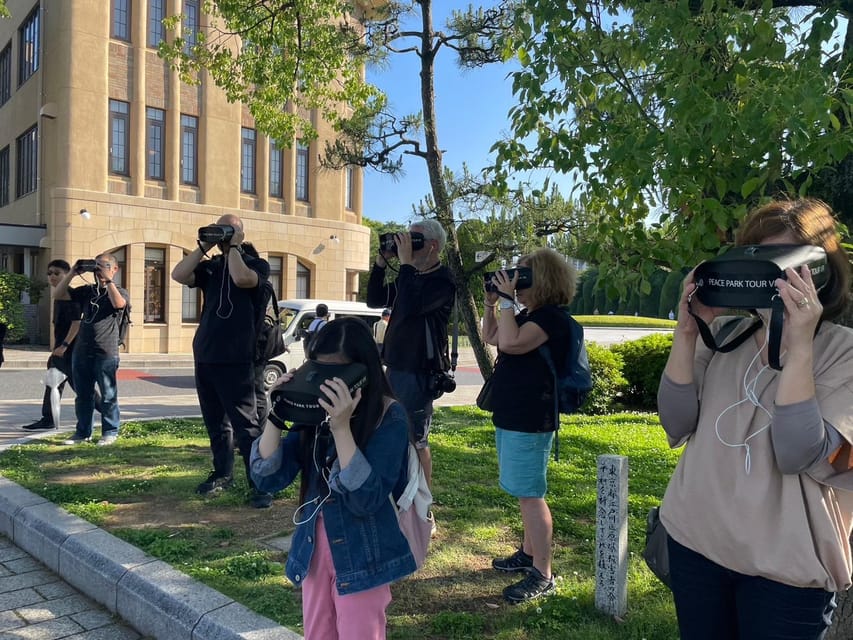
At about $32 per person for around 80 minutes, the price can look modest compared with high-tech entertainment. But the value is not only the headset rental. It is that the VR is guided, timed, and paired with live explanation and conversation.
Included are VR goggles rental and an English-speaking guide. There is also an English audio guide included. For me, that combination is the sweet spot: you can follow the guide’s pacing and also have audio support if you want it. The small group size, limited to 6 participants, matters too. You are paying for more than access to VR. You are paying for human support while you process something difficult.
The tour is also positioned as the only VR experience in Hiroshima Peace Park. That matters if you already feel you have seen the memorial grounds once, or if you want something beyond standard walking tours. This tour does not replace in-person learning, but it adds a guided layer that many other options do not offer inside the park.
If you are on a tight schedule, note that the duration is short for such a big subject. You will not have hours to linger at each point. That is why arriving on time and staying with the group is important. In exchange, you get a structured experience that stays coherent from Rest House to Dome to bridges and back.
Should you book this Hiroshima Peace Park VR tour?
If you want a guided Hiroshima Peace Park experience that uses VR headset moments in specific locations, this is a strong choice. It is especially good if you like asking questions, value English guidance, and want a small-group format that does not swallow you in crowds.
I would skip it only if you know you struggle with intense historical material in VR, or if you need a slow, self-paced walk with lots of unstructured time. Otherwise, this tour is built to help you connect testimony, place, and reflection in a way that feels planned, not random.
If you can manage a 80-minute commitment and you arrive early, you will likely leave with a clearer mental map and a deeper sense of how Hiroshima changed, and what survival and recovery meant afterward.
FAQ
Where do I meet for the Hiroshima Peace Park VR tour?
You meet at the Hiroshima City Peace Memorial Park Rest House. A guide will be waiting at the tourist information counter on the first floor.
How long is the tour?
The tour duration is about 80 minutes.
Is the tour guided in English?
Yes. The tour includes an English-speaking live guide, and English audio is included.
Is the VR and headset rental included in the price?
Yes. The VR goggles rental fee is included.
What happens if it rains heavily?
The tour runs rain or shine. If rain is heavy, you will watch a shortened version of the VR for 5 minutes at the Rest House after fieldwork in Peace Park.
Is transportation or food included?
No. Transportation to the meeting place and food and drinks are not included.
Fresh options around Hiroshima
- The Peace Memorial and Beyond: A Half-Day around Hiroshima★ 4.9 · 12 reviews
- Hiroshima Saijo Sake Tasting Tour with visit to 3 Breweries★ 5.0 · 12 reviews
- Private Hiroshima Calligraphy: Create Your Own Kanji Art Souvenir★ 5.0 · 12 reviews
- Hiroshima:Private lacquer workshop experience tour(gift included)★ 5.0 · 13 reviews
- Sunset Walking Tour at Peace Park, Hiroshima★ 5.0 · 13 reviews
- Kimono and Calligraphy Experience in Miyajima★ 5.0 · 16 reviews
- Hiroshima Peace Memorial Park: A Guided Tour★ 4.9 · 16 reviews
- History of Hiroshima: Small Group Night Walking Tour★ 4.8 · 17 reviews
Hiroshima Tours, compared.
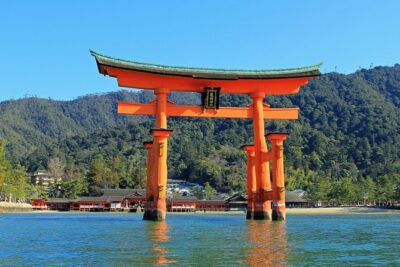
Peaceful Hiroshima & Miyajima UNESCO 1 Day Bus Tour
Read our review →
Hiroshima and Miyajima UNESCO Sites 1-Day Tour
Read our review →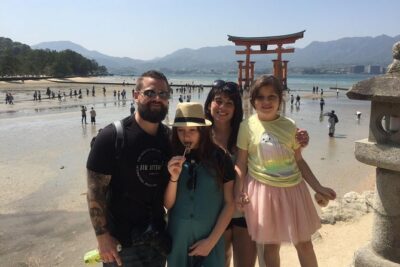
Hiroshima / Miyajima Full-day Private Tour with Government Licensed Guide
Read our review →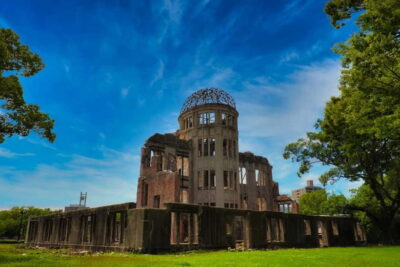
Hiroshima Historical Walking Tour – Why A-Bomb was Dropped
Read our review →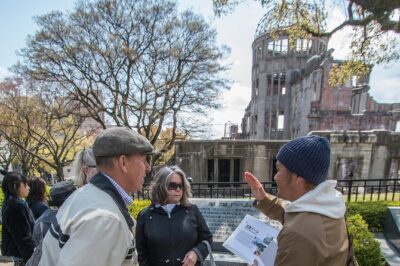
Hiroshima Peace (Heiwa) Walking Tour at World Heritage Sites
Read our review →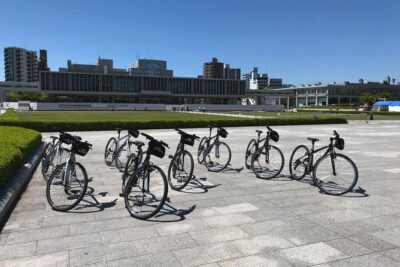
Hiroshima in a Nutshell: Morning Bike Adventure
Read our review →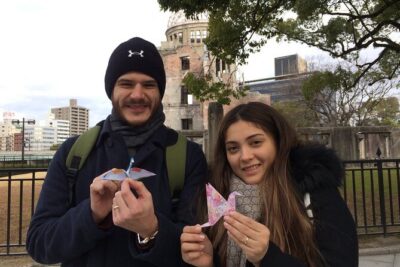
Hiroshima City 4hr Private Walking Tour with Licensed Guide
Read our review →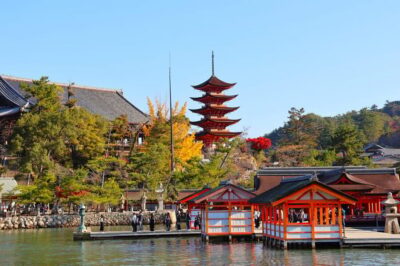
Browse the lists this tour appears in