
Reviewed · HISTORICAL TOURS
Hakata Old Town Walking Tour Tracing the True History of Fukuoka
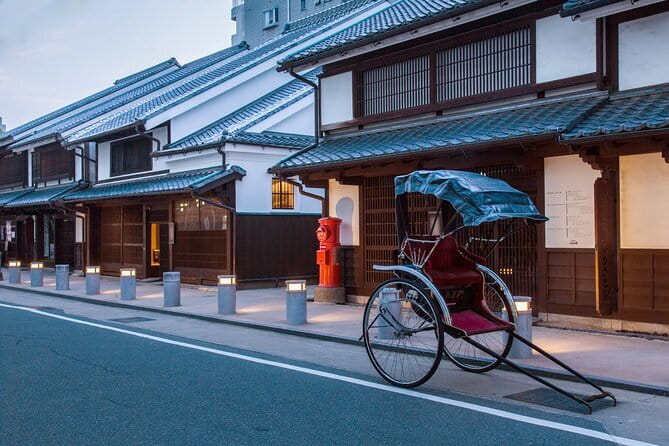
Old Hakata feels close when you walk it. This 3.5 hour Hakata Old Town tour traces daily life through temples, festival spots, and tea in the same route. You’ll follow an English speaking guide through Hakata’s old lanes, with a small group that makes it easier to ask questions as you go.
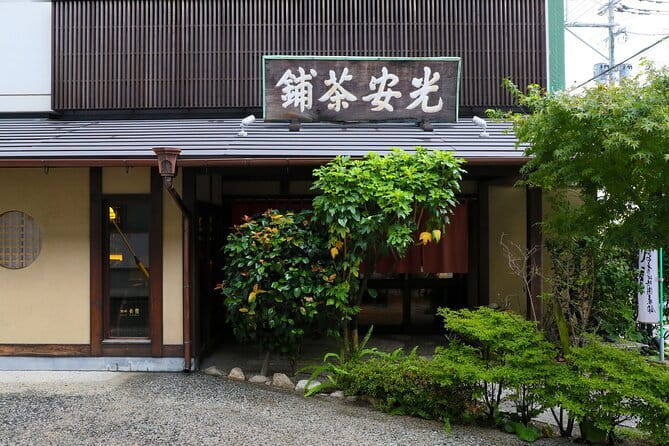
I especially liked the stop at the Mitsuyasu Seikaen Tea Leaf Shop, a 300-year-old place where you get to try kabusecha from Yame, plus local Japanese confectionery. I also liked how the walk connects landmarks to Hakata’s best known traditions, especially the way the route ends at Kushida Shrine, tied to the Gion Yamakasa festival.
The main thing to consider is simple: it’s mostly walking. You’ll cover about 3 km, and if you’re late you may lose your spot, so wear easy shoes and plan to move at a steady pace.
Key things that make this Hakata Old Town tour worth it
- A tight, 3.5 hour route through key Hakata locations without wasting time
- Kabusecha from Yame at a 300-year-old tea leaf shop, plus included teacake
- Tochoji Temple highlights, including a five-story pagoda and the Fukuoka Daibutsu
- Hakatamachiya Furusatokan shows how Hakata residents lived, worked, and celebrated
- Kushida Shrine as the finish, with festival context and kazariyama floats displayed year round
- Small group size (up to 10), so your guide can answer questions as you walk
Starting point at Hakata Station, then straight into Old Hakata
This tour starts at the Fukuoka City Tourist Information Center right by Hakata Station. It’s an easy meeting point if you’re already using the JR line or nearby transit. The tour runs about 3 hours 30 minutes, then finishes at Kushida Shrine in the Hakata Ward area.
From a practical point of view, I like routes like this when I want the city to make sense fast. You’re not just seeing buildings, you’re walking the kinds of streets locals would recognize. And because the group is limited to 10 people, the guide can keep a calm pace and still explain what matters.
If you’re wondering about timing, the start time is 12:00 pm. That matters because midday lighting can make temple and shrine details easier to spot, and it also sets up a natural meal break with the tea stop later in the walk.
More walking tours in Fukuoka:
- Fukuoka Private and Personalized Walking Tour with a Local
★ 4.7 · 46 reviews - Fukuoka: Private Walking Tour with Local Guide
★ 4.8 · 22 reviews - Kyoto Geisha Walking Tour: Gion District & Hidden Gems
★ 4.7 · 3,273 reviews
Stop 1: Jotenji Temple and the welcome gate moment in Hakata Old Town
The first stop is Jotenji Temple. The visit is short, about 15 minutes in one schedule and longer in another, but the idea here is orientation. You’re in Hakata Old Town, so the guide uses the walk itself as a first lesson, not only the temple gate.
On the way to the next major stop, you also make a photo and orientation pause at Sennen-no-Mon, described as a welcome gate in Hakata Old Town. This is the kind of moment that helps you get your bearings fast. Instead of treating the area like a collection of separate sights, you start to see it as a connected neighborhood with entrances, paths, and meeting points.
What you’ll get out of this first leg is momentum. If you’re traveling solo or trying to understand Fukuoka beyond the station area, this stop helps put you in the right mindset early.
Stop 2: Tochoji Temple and why the pagoda matters to locals
Next up is Tochoji Temple. This is one of the tour anchors, with time set aside for a deeper look, including included admission.
Tochoji is known for its five-story pagoda, which locals treat as a new symbol of Hakata. Even if you’ve seen pagodas before, the point here is local pride and modern identity tied to a traditional shape. Your guide also points out the Fukuoka Daibutsu, the Great Buddha in the temple grounds, described as Japan’s biggest.
That detail is worth paying attention to, because it reframes what you might expect from a “standard temple stop.” You’re not only visiting for quiet photos. You’re seeing a landmark the locals point to when they talk about what makes Hakata feel like Hakata.
Practical note: temple entry rules can change. If entry is not possible at a scheduled site, the tour may be routed to one of several alternatives listed later in this article.
Stop 3: Mitsuyasu Seikaen, 300 years of tea and kabusecha from Yame
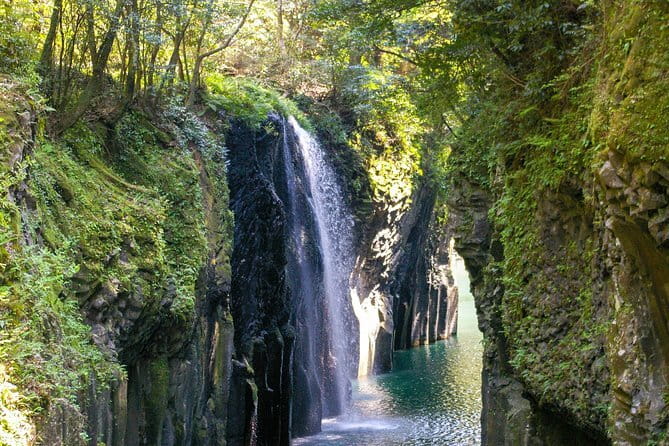
Then comes the highlight for food lovers, the tea stop at Mitsuyasu Seikaen Tea Leaf Shop. This shop is described as 300 years old, and it’s a key part of why this tour feels more human than just checking off shrines.
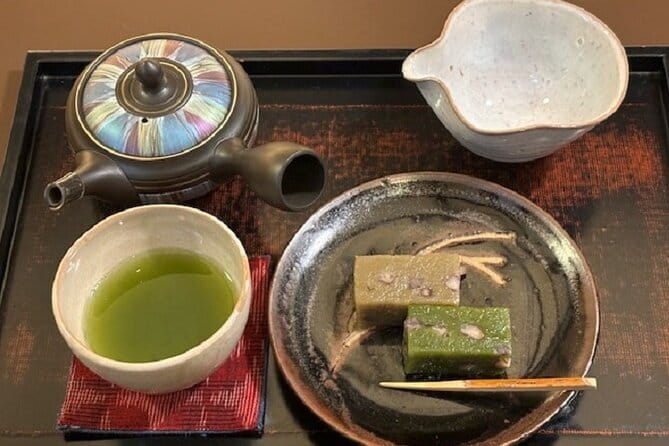
At this stop, you can enjoy kabusecha and local Japanese confectionery. The tea is described as having little bitterness and being rich in umami, and the kabusecha comes from Yame, a well known tea producing region in Fukuoka. That is specific, and it gives you a real tasting theme, not a generic tea ceremony moment.
You also get a teacake charge included, so you’re not left doing math mid-tour while everyone else is sipping. In a small group, this is a good chance to ask the guide questions too. I like that this break is placed where your feet and attention can both reset.
A few more Fukuoka days worth comparing
- Fukuoka Essentials: History, Culture, & Charms
★ 4.8 · 39 reviews - World Heritage Shirakawa-go and Experience Tours from Kanazawa
★ 5.0 · 4,049 reviews - Tokyo: Imperial Palace and Shogun Historical Walking Tour
★ 5.0 · 2,251 reviews - World Heritage Kyoto & Nara Uji Authentic Matcha Experience
★ 5.0 · 1,573 reviews
Stop 4: Hakatamachiya Furusatokan and the Hakata townhouse replica
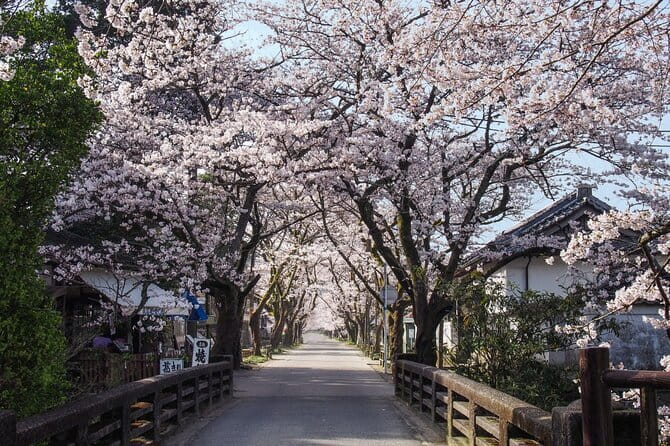
After tea, you continue to Hakatamachiya Furusatokan. This is another included stop, and it’s where the tour shifts from landmark watching to lifestyle context.
The building is described as a replica of a traditional Hakata townhouse. Inside, there are exhibits introducing Hakata’s annual events, handicrafts, and the good old days of Fukuoka. That matters because it answers the question you might not even realize you have: what did people actually do here, beyond festivals and temple architecture?
If you’re the type who enjoys museum-style interpretation, you’ll like this. If you prefer purely outdoor walking, you can still treat it as a brief but useful “how Hakata works” pause. Either way, it gives the rest of the tour meaning. The shrine stop at the end lands better because you’ve already seen the cultural backdrop.
Stop 5: Kushida Shrine, festival roots, and kazariyama floats year round
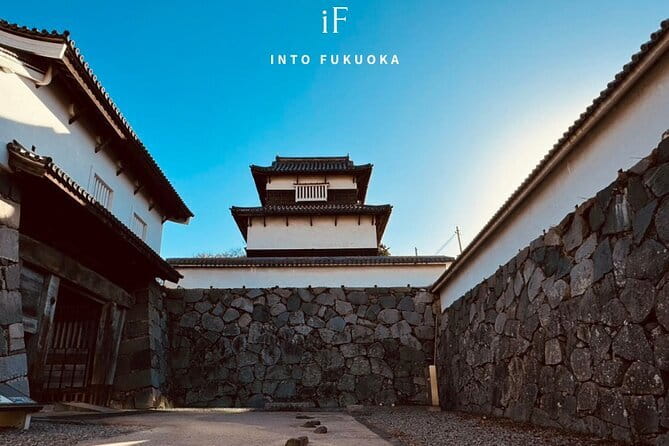
The tour ends at Kushida Shrine, about a 15-minute walk from JR Hakata Station. You’ll finish in front of the shrine, so you’re not scrambling to find the next bus or train.
Kushida Shrine is described as having the oldest history as Hakata’s tutelary shrine. It’s also where the Hakata Gion Yamakasa festival is offered, which is one of the most famous names associated with Hakata. Another detail I really like: kazariyama floats are displayed all year round.
That last part is practical. Even if you’re visiting outside festival season, you still get to see the festival objects that give the event its visual identity. For travelers who care about culture but don’t want to time their entire trip for a specific date, this is a big win.
As a final stop, Kushida also ties the route together. You started with temple gates and symbols, then moved into tea and townhouse life, and you finish at a shrine point of community tradition.
What to do with your walking legs: pace, distance, and shoes
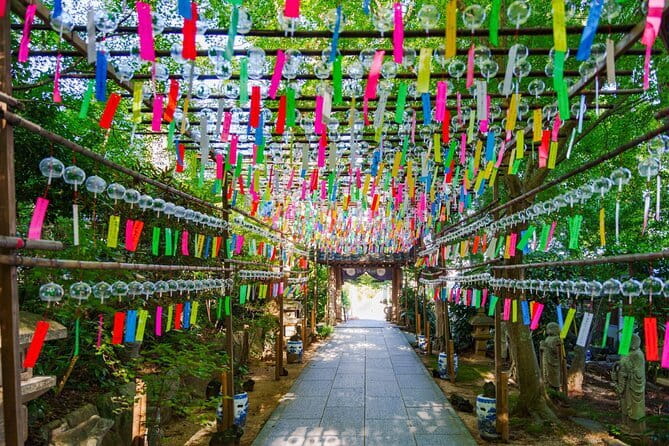
This is a walking tour, and the data is clear about the effort. You’ll walk for the day’s entire itinerary, about 3 km total. You should have a moderate physical fitness level and wear clothing and shoes that work for walking.
The route is short enough that you’re unlikely to feel like you’re hiking, but long enough that your feet matter. If your plan is to do other sightseeing afterward, I’d avoid tight footwear and plan a slow wrap up near the shrine area.
One more logistics point to keep in mind: you cannot join partway through the tour. Also, if you’re late for departure, your reservation can be canceled. That’s not meant to scare you, it’s just how guided walking tours protect timing for the whole group.
When places are closed: the alternative destinations plan
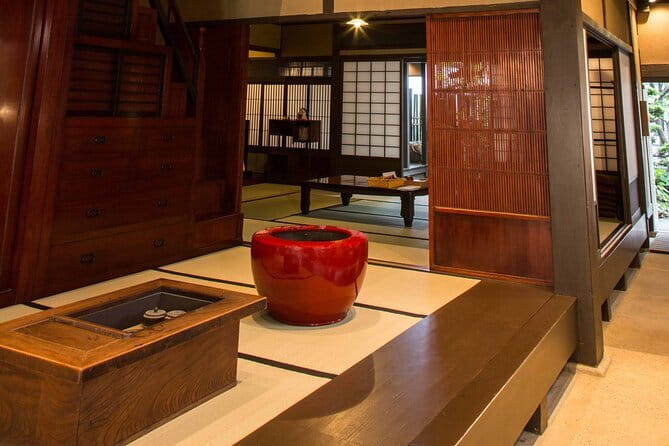
Because shrines and temples can have varying entry access, the tour includes a backup plan. If entry is not possible at a scheduled location, the guide will lead you to alternative destinations, and you’ll be notified on the day.
The listed alternatives include:
- Waka Hachimangu Shrine
- Myoraku-ji Temple
- Engaku-ji Temple
- Ryugu-ji Temple
Refunds are not issued if the tour visits these listed alternative destinations. That said, the good news is you’re still in a temple and shrine focused route, so the overall theme stays intact.
Value check: is $190.49 a fair price for this Hakata Old Town walk?
At $190.49 per person, you’re paying for more than “entry tickets.” This price covers an English speaking guide, admission fees where they apply, and included tastings at Mitsuyasu Seikaen, including the teacake charge.
Here’s how I’d think about value. You’re getting:
- A structured 3.5 hour route with multiple included sites
- A food stop that is specific, kabusecha from Yame plus confectionery
- A small group experience capped at 10 people
- An area orientation from station level into Old Hakata, then back toward Kushida
Could you do this on your own? Yes, likely. But the tour saves you the time of figuring out what connects what, and it gets you better context at each stop. For people who like to understand a place rather than just photograph it, that added interpretation can be worth the price.
Also, bookings seem to fill ahead of time, with an average booking window of about 67 days. If you’re traveling in a busy season, plan to reserve early.
What the guide brings to the experience (and why it matters)
The experience is guided, and that makes a real difference on a short walk. One of the standout details from feedback is that the guide, Miyoko, was on time, kind, and gave strong area context. She answered questions during the walk, and that type of back-and-forth makes temple and shrine visits feel less like lectures and more like street level discovery.
If you enjoy asking simple questions like What does this symbol mean? or Which part is most important to locals? this tour format works well. With only up to 10 people, you’re not stuck waiting your turn for a rushed explanation.
Who should book this tour in Hakata, and who might skip it
I think this tour is a great fit if you want:
- A guided introduction to Hakata that focuses on temples, shrines, and local traditions
- A real included tasting, not just a stop where you buy things
- A route designed for understanding, not only walking
It may be less ideal if:
- You hate walking and want a mostly seated experience
- You need flexibility to join late or leave early, because partway joining isn’t allowed
- You’re looking for a long food crawl or an evening event, since this is a daytime, 3.5 hour walk ending at Kushida
If you’re balancing several stops in Fukuoka and want one guided block that connects the dots, this is the kind of tour that can make the rest of your trip feel easier.
Should you book the Hakata Old Town Walking Tour?
If you like the idea of ending at Kushida Shrine with festival context, and you care about tasting kabusecha from Yame at a 300-year-old shop, I’d say yes. The price is high compared to DIY temple hopping, but you’re paying for guide time, included admissions, and a structured route that helps you understand Hakata in one afternoon.
Book it sooner rather than later, since it’s commonly reserved about two months ahead. And if you do book, wear comfortable walking shoes and show up on time at the Hakata Station tourist information center so you do not risk losing your reservation.
If you want, tell me your travel dates and any other Fukuoka plans, and I can suggest how to pair this with nearby sights before or after your 12:00 pm tour.
FAQ
How long is the Hakata Old Town walking tour?
The tour is about 3 hours 30 minutes.
Where does the tour start and what time does it begin?
The meeting point is the Fukuoka City Tourist Information Center at Hakata Station, and the tour starts at 12:00 pm.
How many people are in the group?
The tour has a maximum of 10 travelers.
Is the teacake and tea included?
Yes. The teacake charge at Mitsuyasu Seikaen Tea Leaf Shop is included, along with admission fees for stops where stated.
Does the tour include admission fees?
Yes. Admission fee is included for the itinerary stops that require it, including Tochoji Temple and Mitsuyasu Seikaen Tea Leaf Shop and Hakatamachiya Furusatokan where listed.
How much walking is involved?
It is a walking tour covering about 3 km total. You should have a moderate physical fitness level.
What happens if a temple or shrine in the itinerary is not accessible?
If entry is not possible, the guide will take you to alternative destinations listed for the day, including Waka Hachimangu Shrine, Myoraku-ji Temple, Engaku-ji Temple, or Ryugu-ji Temple. Refunds are not issued for these alternative destinations.
What is the cancellation policy?
You can cancel for a full refund up to 24 hours before the experience start time. If you cancel less than 24 hours before, the amount paid is not refunded.
Fresh options around Fukuoka
- Fukuoka Takachiho Gorge, Amano Iwato and Scenic Train Tour★ 4.5 · 17 reviews
- Tour Nagasaki or Fukuoka in Privacy and Comfort.★ 5.0 · 17 reviews
- Bike Tour in Fukuoka City【Bike is Life】Fukuoka ” Hakata ” Ride★ 4.5 · 18 reviews
- From Fukuoka Kyushu Itoshima Hidden Gems Day Tour★ 4.5 · 18 reviews
- Fukuoka Private Tour: Heart and Tradition of Hakata★ 5.0 · 19 reviews
- Fukuoka Sumo Tournament November 2025 with a Sumo Expert Guide★ 5.0 · 21 reviews
- Fukuoka Evening Tours: Yatai, Izakaya, Karaoke and more★ 5.0 · 21 reviews
- Fukuoka: Customized Tour with Local Guide★ 4.9 · 22 reviews
Historical Tours, compared.
World Heritage Shirakawa-go and Experience Tours from Kanazawa
Read our review →
Imperial Palace and Shogun Historical Walking Tour
Read our review →
World Heritage Kyoto & Nara Uji Authentic Matcha Experience
Read our review →
Kyoto Gion: 2-Hour Geisha Culture & History Walking Tour
Read our review →
World Heritage Shirakawa-go Morning Guided Tour
Read our review →
Hiroshima Historical Walking Tour – Why A-Bomb was Dropped
Read our review →
Hiroshima Peace (Heiwa) Walking Tour at World Heritage Sites
Read our review →Browse the lists this tour appears in