
Reviewed · HISTORICAL TOURS
Fukuoka’s Sacred Path: Temples, History & Culture
Four stops, one calm afternoon in Hakata. I love the quiet reset at Shōfukuji, and I also love the scale of Tōchōji’s 10.8-meter wooden Buddha. The main drawback to plan for is simple: you’re on foot for the full route, and food is not included, so comfortable shoes (and a snack plan) matter.
This is a small-group, private experience with live guidance in English and German, and conversational Japanese may be available. I like that guides keep the tone easy, with room for questions, and they often share practical follow-up tips, like where to eat and what markets to check out.
You’ll also get a nice contrast break: temple and shrine etiquette in the morning-style calm, then the modern energy of Canal City with its light-and-music water show. If you get overwhelmed by crowds, just know this part can feel busier than the sacred sites.
Key highlights worth planning around
- Shōfukuji Zen Temple (Japan’s first Zen temple), founded in 1195 by Eisai
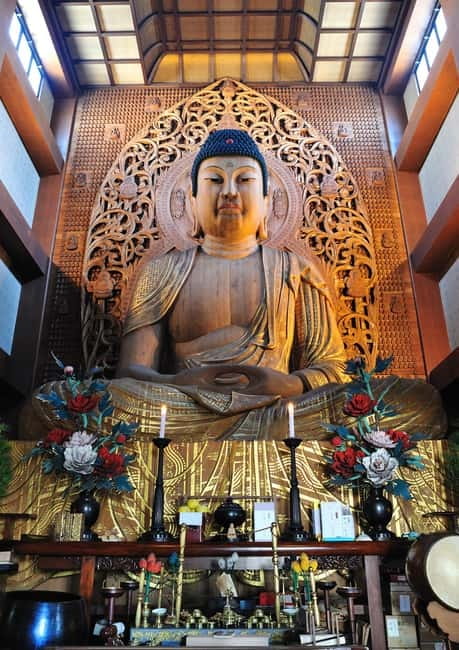
- Tōchōji Temple’s Great Buddha at 10.8 meters, plus a symbolic underground passage
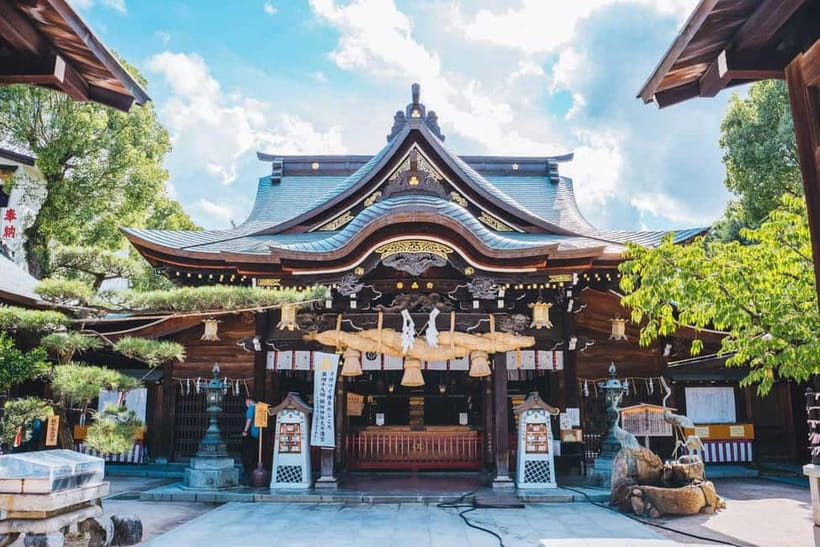
- Kushida Shrine and Yamakasa ties, including a towering float on display
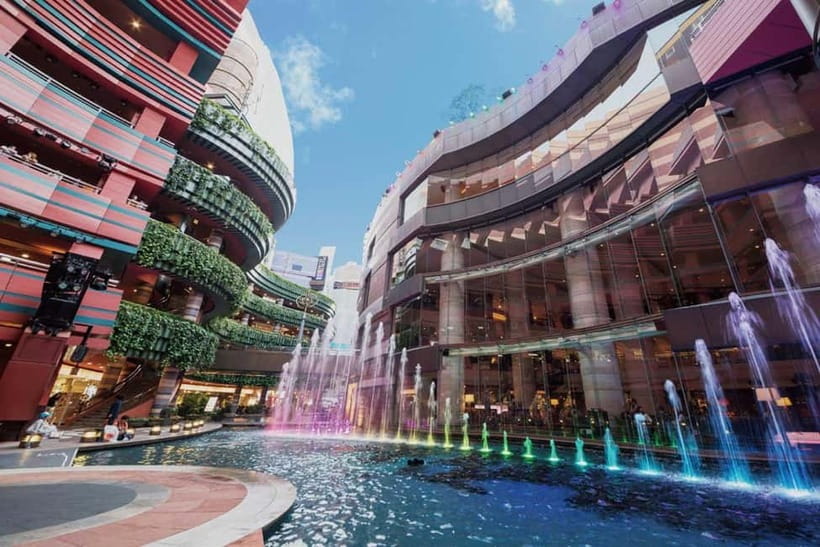
- Canal City fountain show, where music, lights, and water do the talking
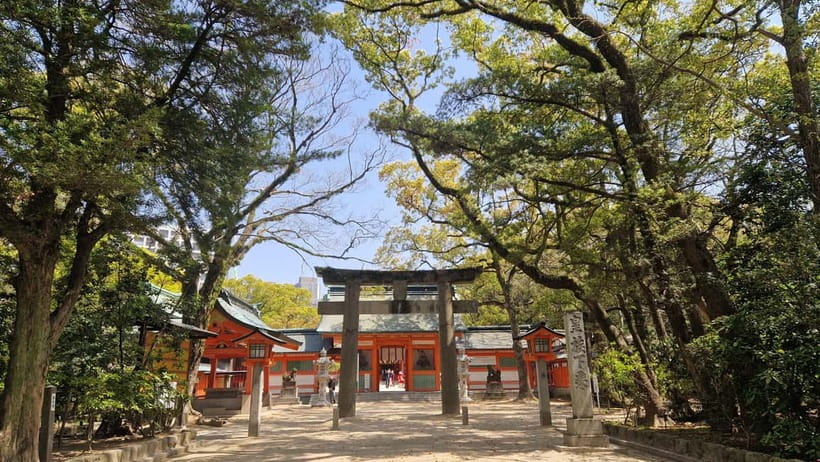
- Sumiyoshi Shrine prayers for safe travel, with vermillion torii gates and a slower mood
A 3-hour walk that connects Hakata’s faith and street life
Fukuoka’s Hakata area has a talent for mixing the old and the everyday. This tour leans into that, walking a straight line through sacred places that helped shape the city’s identity, then handing you a modern finish at Canal City.
The schedule is short enough to keep the day feeling light, but packed enough that you’ll actually see why people come to these sites again and again. You’re not just checking off buildings, you’re learning how Zen Buddhism and Shinto shrines show up in daily rituals, festival culture, and local behavior.
And because it’s a private group with a live guide, you can ask the stuff that matters, like why certain practices look the way they do, or how people blend traditions without turning it into a big academic debate.
More temple and shrine tours in Fukuoka:
- Day Tour to Miyazaki Takachiho Gorge & Shrine depart from Fukuoka
★ 4.5 · 61 reviews - From Fukuoka: Miyazaki, Takachiho Gorge And Shrine Day Tour
★ 4.5 · 44 reviews - Kyushu: Aso Vocano, Grassland,Onsen and Aso shrine 1-Day Tour
★ 4.5 · 23 reviews
Starting at Hakata Station, where your guide sets the tone
You meet just outside Hakata Station’s West Exit, in front of the Casetify shop near Amu Plaza Hakata. It’s a good spot for most visitors because it’s easy to orient to, and you’re already in the part of town where Hakata’s energy is concentrated.
From the first minutes, the tour’s pace is designed to be walkable, not rushed. That matters in temples and shrines, where you often need a little time to look before you understand what you’re looking at. If you’ve ever done the “photo, move, repeat” style, this format should feel better. You get time to slow down and ask.
Shōfukuji Zen Temple: the calm that starts the story
The first major stop is Shōfukuji, Japan’s first Zen temple. It was founded in 1195 by Eisai, the monk credited with introducing Zen Buddhism from China. That origin detail isn’t trivia, it’s a clue to the temple’s role in the larger Zen story.
What you’ll experience here is the mood of Zen in architectural and everyday choices. Expect a quiet, reflective space where you can walk through the grounds without feeling like the city is pressing in. Traditional wooden structures and a sense of stillness make this an excellent first stop, especially if you’re arriving in Japan feeling a little jet-lagged or overstimulated.
What I like about Shōfukuji on this kind of tour is that it trains your eyes. The guide can point out what to notice and how people behave when they’re not trying to “perform tourism.” You’ll likely come away with a better sense of how Zen is lived, not just taught.
Practical consideration: this stop sets the tone, so if you’re in “I want the most dramatic photos” mode, you might need to give yourself a few minutes to adjust. Zen is quieter on purpose.
Tōchōji Temple: the 10.8-meter Great Buddha and a symbolic underground passage
Next comes Tōchōji Temple, one of Fukuoka’s most important Buddhist sites. This is where scale takes over.
Tōchōji is home to Japan’s largest wooden Buddha statue, a Great Buddha standing 10.8 meters tall. In plain terms, it’s hard to ignore. Even if you’re not a big temple person, seeing a wooden figure at that height forces you to look up and slow down. It’s one of those sights where the size changes your perspective, and your phone screen feels a little too small.
This temple also has an underground passage that symbolizes the journey through the afterlife. That detail turns the visit into more than “stand and admire.” It connects a physical experience to a spiritual idea, so you’re thinking about symbolism while you’re moving through the space.
One more reason this stop works well on a half-day walking tour: it gives variety. After Shōfukuji’s quiet Zen feel, Tōchōji adds weight, history, and a more dramatic structure. It’s a strong midpoint before you shift into Shinto.
A few more Fukuoka days worth comparing
- Fukuoka Essentials: History, Culture, & Charms
★ 4.8 · 39 reviews - Hakata Old Town Walking Tour Tracing the True History of Fukuoka
★ 5.0 · 17 reviews - World Heritage Shirakawa-go and Experience Tours from Kanazawa
★ 5.0 · 4,049 reviews - Tokyo: Imperial Palace and Shogun Historical Walking Tour
★ 5.0 · 2,251 reviews
Kushida Shrine: the festival energy you can see year-round

At Kushida Shrine, you switch from Buddhist temples to a major Shinto landmark that locals treat as part of Hakata’s identity. The shrine is famous for hosting the grand Hakata Gion Yamakasa festival each summer.
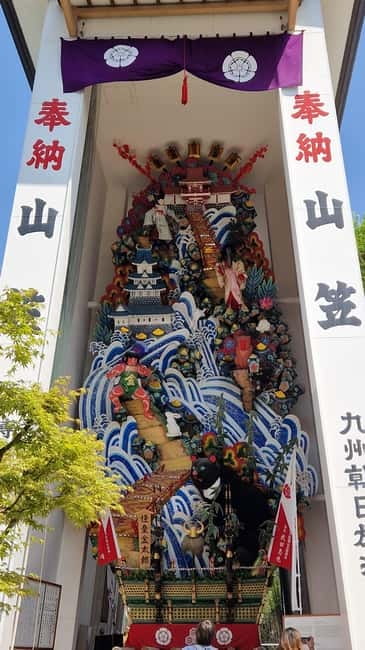
Even if you’re not visiting during the festival, you can still connect to it. The Yamakasa float is displayed, and it’s impressive in a very physical way. Festival culture in Japan is often about choreography, community effort, and timing. Seeing the float lets you understand why people spend months preparing for a moment that lasts only hours.
This stop is also great for learning etiquette and how people show respect at shrines. A good guide will explain what the gestures mean and what locals usually focus on. That’s where the private format earns its keep: you can ask what you notice, instead of guessing and hoping you’re doing it right.
Good to know: shrine areas can involve walking on and around outdoor paths. Bring comfortable shoes, and don’t rush. If you treat it like a quick museum pass, you’ll miss the point.
Canal City Hakata: shopping streets with a real water-and-light show
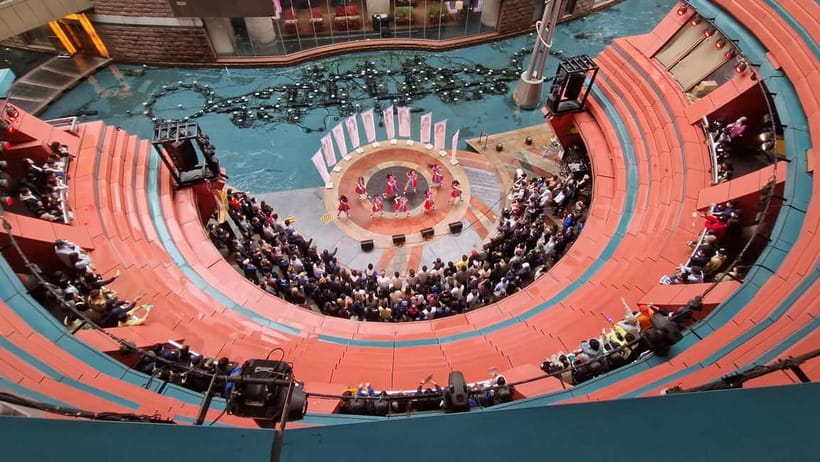
Then you shift into modern Fukuoka at Canal City Hakata. This is a lively shopping and entertainment complex, and it works as a palate cleanser after temples and shrines.
The highlight here is the dancing fountain show, with lights, music, and water artistry. It’s not trying to be sacred. It’s trying to be fun, and the contrast is the whole idea. After learning about spiritual traditions and festival symbolism, you get a show that’s built for everyday excitement.
I love this kind of stop because it helps you end the tour without fatigue. Sacred sites demand attention. Canal City lets you relax your brain for a few minutes and still feel like you left with something memorable.
Practical note: since it’s a popular entertainment area, you can expect more people than at the shrines. Plan to move calmly and give yourself space to watch.
Sumiyoshi Shrine: safe travel prayers for the walk back to the real world
Your final stop is Sumiyoshi Shrine, dedicated to the gods of safe travels and protection. If you’ve ever wanted a spiritual send-off that feels practical, this is it. It’s the kind of belief that shows up in Japan in lots of small ways, like travelers seeking protection before a journey.
This shrine is one of Japan’s oldest Sumiyoshi shrines, and it has distinctive vermillion torii gates. That red color is hard to miss, but the bigger takeaway is the mood. You’re finishing the tour, so the pace often feels slower and more reflective. It’s a good time to mentally “file” what you learned, not just snap more pictures.
If your trip includes more travel within Japan, you’ll probably enjoy ending here. Even if you’re not religious, there’s something comforting about praying for safety in a way that locals genuinely practice.
Price and value: why $77 can work for a focused half-day
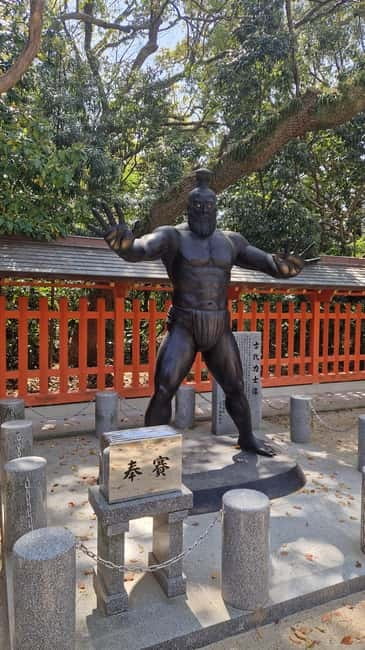
At $77 per person for a 3-hour walking tour, the price feels reasonable when you look at what’s included.
You’re paying for:
- A live guide in English and German
- Visits to four major stops, including major highlights like Shōfukuji, Tōchōji, and Kushida Shrine
- A Canal City fountain show stop
- Context on Buddhism and Shinto, plus festival and daily-life stories
The value is strongest if you like understanding what you see. If you’re the type who wants to read a couple signs and move on, you might feel the tour is more “learning-focused” than “scenery-focused.” But if you want to walk into sacred spaces with better context, the guide time is the payoff.
Small group and private group format also matters. It means you’re less likely to get stuck in a giant pack that makes questions impossible. Based on the guide styles people talk about, the guides tend to be patient and conversational, which is exactly what you want when you’re learning etiquette and symbolism.
Also, food and drinks are not included. So treat this like an afternoon activity and plan a proper meal before or after. If you get hungry mid-tour, that can steal your attention from the details you came for.
Pace, walking, and what to pack so you enjoy it
This is a 3-hour walking experience, starting at Casetify at Amu Plaza Hakata and returning to the same meeting area. You’ll be moving between sites on foot, including stretches where you’re mostly just walking and listening.
To keep it comfortable:
- Wear comfortable shoes. You’ll be glad you did, especially if the weather is warm or humid.
- Bring a camera for photos. These stops are built for viewpoints, close-up details, and big “look up” moments.
- Bring money for souvenirs, since temple and shrine visits often come with small purchases if you want them.
If you’re sensitive to fatigue, consider doing a lighter schedule before this tour. When you’re not already exhausted, the spiritual sites land better.
Who this tour is best for in Fukuoka
This tour is a strong fit if you:
- Want an organized introduction to Hakata’s faith culture, not just sightseeing
- Like short, focused walking itineraries that still cover major landmarks
- Enjoy learning etiquette, how people behave at shrines and temples, and how traditions coexist
It’s also a good option if you’re traveling with someone who wants variety. You get Zen temple calm, Buddhist monument drama, Shinto festival context, and a modern fountain show. That mix prevents the day from feeling one-note.
If you hate walking or you’re hoping for a mostly indoor experience, you may find it less comfortable. The route is built around being outside and moving between multiple sites.
Should you book Fukuoka’s Sacred Path: Temples, History & Culture?
I’d book it if you want a meaningful afternoon in Hakata that goes beyond photos. The lineup is strong for first-timers because you hit Japan’s first Zen temple, a dramatic major Buddha, a key festival shrine, and an enjoyable Canal City finish.
Skip it only if you’re not interested in cultural context, or if you know you don’t do well with multi-stop walking. Sacred sites reward a slower pace, and this tour is designed for that.
If you do book, show up with comfortable shoes and a curious mindset. The real value here is how the guide helps you see what’s in front of you, from Zen origins under Eisai’s name to why that underground passage symbolizes a journey, to how a festival float connects the shrine to the city’s heartbeat.
FAQ
How long is the tour?
The tour lasts 3 hours.
Where do I meet the guide?
You meet just outside Hakata Station’s West Exit, in front of the Casetify shop outside the station entrance.
Which languages are offered?
The tour is offered in English and German. Conversational Japanese is available.
What sites are included?
The tour includes Shōfukuji Temple, Tōchōji Temple, Kushida Shrine, Sumiyoshi Shrine, and a stop at Canal City Hakata.
Is the Canal City fountain show part of the experience?
Yes, you’ll stop at Canal City Hakata to enjoy the fountain show.
What is included in the price?
A local guided 3-hour walking tour, visits to the listed temples and shrines, insights into Buddhism and Shintoism, stories about local festivals and history, and a small-group experience.
What is not included?
Transportation costs, plus food and drinks.
What should I bring?
Bring comfortable walking shoes, a camera, and money for souvenirs.
Is there free cancellation?
Yes, you can cancel up to 24 hours in advance for a full refund.
Fresh options around Fukuoka
- Colors of Japan, Fukuoka Nokonoshima Island Park & Wagyu BBQ★ 5.0 · 15 reviews
- Hakata Old Town Walking Tour Tracing the True History of Fukuoka★ 5.0 · 17 reviews
- Fukuoka Takachiho Gorge, Amano Iwato and Scenic Train Tour★ 4.5 · 17 reviews
- Tour Nagasaki or Fukuoka in Privacy and Comfort.★ 5.0 · 17 reviews
- Bike Tour in Fukuoka City【Bike is Life】Fukuoka ” Hakata ” Ride★ 4.5 · 18 reviews
- From Fukuoka Kyushu Itoshima Hidden Gems Day Tour★ 4.5 · 18 reviews
- Fukuoka Private Tour: Heart and Tradition of Hakata★ 5.0 · 19 reviews
- Fukuoka Sumo Tournament November 2025 with a Sumo Expert Guide★ 5.0 · 21 reviews
Historical Tours, compared.
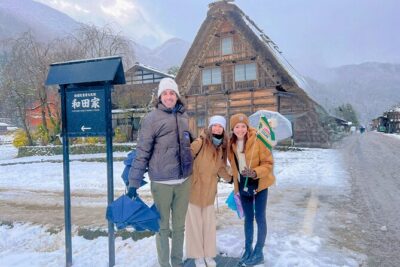
World Heritage Shirakawa-go and Experience Tours from Kanazawa
Read our review →
Imperial Palace and Shogun Historical Walking Tour
Read our review →
World Heritage Kyoto & Nara Uji Authentic Matcha Experience
Read our review →
Kyoto Gion: 2-Hour Geisha Culture & History Walking Tour
Read our review →
World Heritage Shirakawa-go Morning Guided Tour
Read our review →
Hiroshima Historical Walking Tour – Why A-Bomb was Dropped
Read our review →
Hiroshima Peace (Heiwa) Walking Tour at World Heritage Sites
Read our review →Browse the lists this tour appears in