
Reviewed · WALKING TOURS
Graffiti in Tokyo Walking Tour: Shibuya and Harajuku
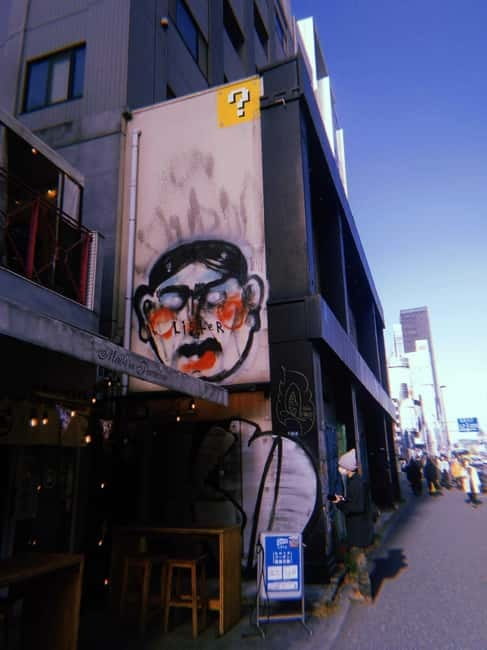
Tokyo graffiti hides in plain sight. On this Shibuya and Harajuku walk, I like that you get an expert lens on what you see and what you might miss, all while threading through Shibuya street corners with purpose.
Two things I really like are the chance to catch hidden graffiti spots you would not reliably find on your own, and the added context for how tags, throw-ups, and bigger pieces fit into Tokyo’s street scene. The only real caution is that it is a two-hour, on-your-feet tour, so comfortable shoes and water matter, especially with shifting weather.
Key takeaways before you go
- Meet at Manhattan Records (Shibuya) and get started with a guide who studies Tokyo street art, not just photos online
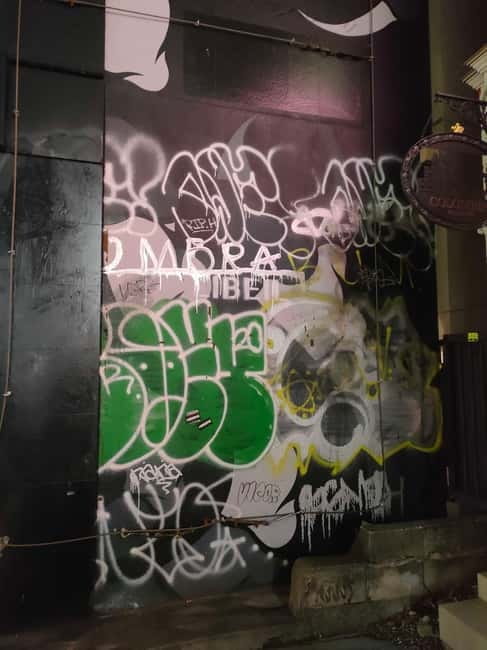
- Shibuya street scouting focuses on both small markings and larger works, with story behind the style
- Harajuku stop is brief, so you will make quick style observations rather than linger
- Legal walls and often-illegal spots are both part of the route, framed with respect for local rules
- Discounts for art galleries and restaurants can help stretch the value if you plan to add stops after
Meeting in Shibuya at Manhattan Records, then straight into side streets
The tour meets at Manhattan Records Shop in Shibuya. That location is easy to recognize, and it also sets the tone, you are walking into Tokyo’s more alternative art orbit right away, not starting in a museum queue.
From there, the walk is organized around local anchor points in the area, with Kifune Bldg. listed as the start and end point in the tour flow. Practically, that means you are not just wandering, you are moving through a route your guide knows well enough to use as a street-level map.
Because the tour is only 2 hours, you should expect a brisk pace and tight attention to what is on the walls, on the shutters, under stairways, and along the edges where the city hides artwork. Come ready to look up, look down, and look sideways.
More Walking Tours in Tokyo
- Tokyo Tsukiji Fish Market Food and Culture Walking Tour
★ 5.0 · 3,184 reviews - Tokyo: Imperial Palace and Shogun Historical Walking Tour
★ 5.0 · 2,251 reviews - Tokyo: Shinjuku Local Bar and Izakaya Guided Walking Tour
★ 4.9 · 1,794 reviews
Shibuya side streets: where tags and throw-ups become real stories
Shibuya is the obvious name, but the payoff is how the tour turns ordinary-looking blocks into an outdoor lesson. You are not just collecting photos of colorful paint. You are learning why a tag shows up here, why a crew name matters, and how certain styles spread through the city.
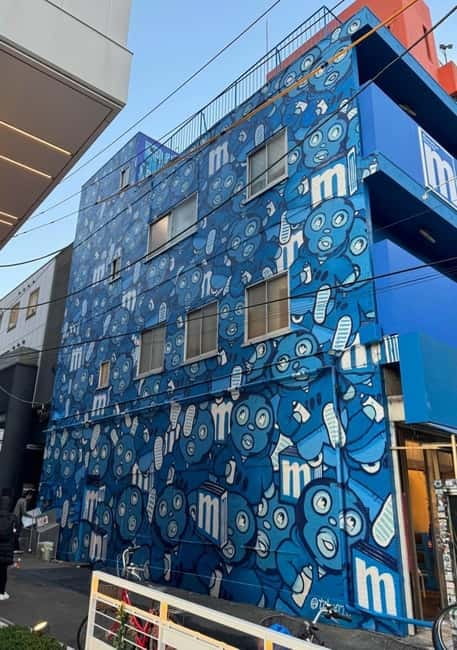
What makes Shibuya work on foot is the density. Even if you think you know the neighborhood, you will still miss things at street speed. This tour is built for that moment when you start seeing layers, quick stickers and small marks, then bigger throw-ups, then murals that look like they belong to a different Tokyo.
One of the strongest themes you will hear from the guide is context. Elena Calderon (listed as Totemo) is not only guiding you through spots, she is bringing the “why” behind the art. In the same streets where you might otherwise see graffiti as random defacement, you get a framework for reading it as communication, identity, and community.
Harajuku in 10 minutes: a quick taste of style and street attitude
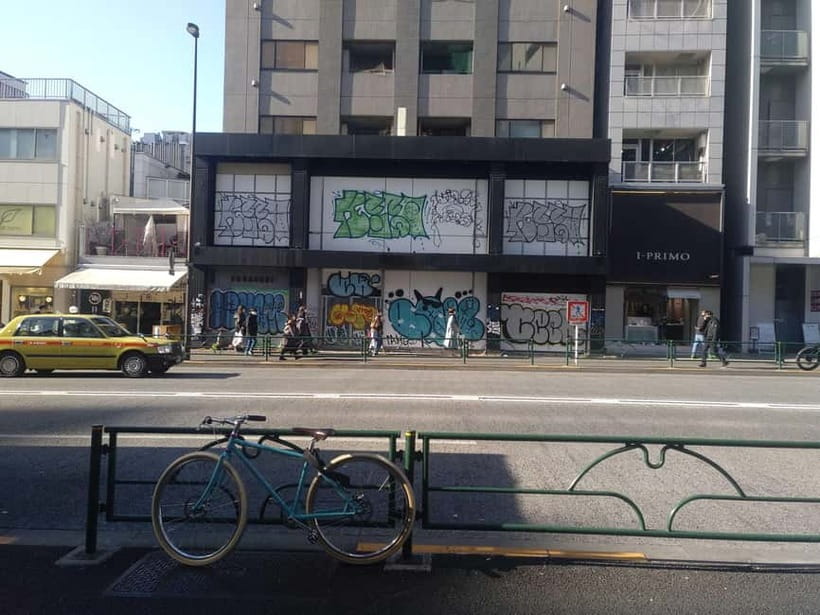
Harajuku gets only a short visit, about 10 minutes. Do not expect a slow stroll and deep lingering. Instead, think of it as a fast style sampling.
That quick stop can actually be a good thing. Harajuku is crowded and fashion-forward, so you want a guide to help you notice street-level art tucked into the busy edges. In a short window, you can catch how graffiti and street art visually “talk” to the neighborhood’s general style energy, even when you are not looking for it.
If you want more than 10 minutes in Harajuku, you can use this tour as a springboard. The biggest value is that your eyes get trained first, and then you can return later and spot what fits your taste.
Legal walls and often-illegal spots, and how to stay respectful
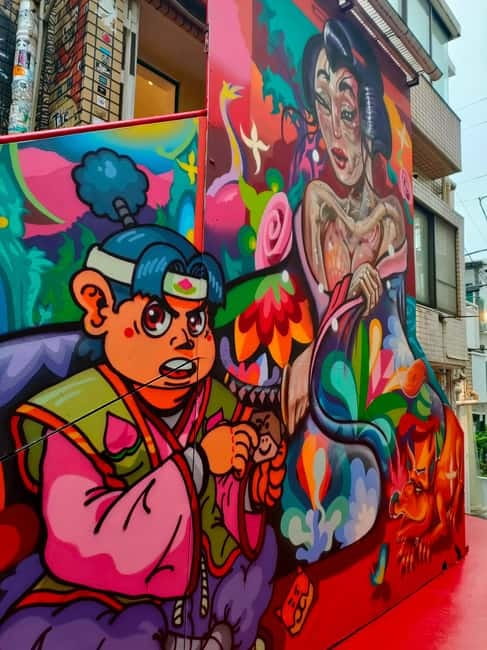
Graffiti laws vary, and Tokyo is no exception. This tour includes both legal walls and often illegal expressions, which means your guide is framing what you see with caution and respect.
For you, the practical takeaway is simple. Follow the rules the tour sets: no smoking, no alcohol and drugs, no littering. And in general, treat the art like it is part of the neighborhood fabric, because that is exactly what it is.
You should also understand that “hidden” in graffiti tours does not mean private property or locked areas. It means the art is placed where most people do not look. A big part of the skill is learning how to spot the cues: a wall corner with repeated signatures, a consistent color rhythm, a sticker cluster that acts like a breadcrumb trail.
More anime and pop culture tours in Tokyo:
- Official Street Go-Kart Tour – Akihabara
★ 5.0 · 1,578 reviews - Tokyo Go Kart: Asakusa, Skytree, and Akihabara **IDP MUST**
★ 5.0 · 988 reviews - Tokyo Studio Ghibli Museum and Ghibli Film Appreciation Tour
★ 4.5 · 421 reviews - Akihabara Anime & Game Adventure Walking Tour (Group or Private)
★ 5.0 · 404 reviews
Why Elena Calderon’s street research changes what you see
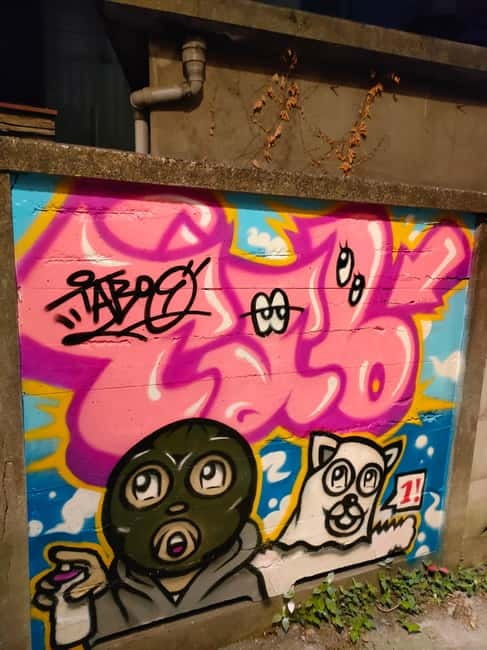
Elena Calderon is listed as a graffiti researcher for more than 10 years and an art curator. That combination matters because it tends to create two layers of interpretation: street-level experience and an eye for how art communicates like a system.
In plain terms, she helps you move from guesswork to understanding. You start asking better questions, like what the characters mean in Japanese tagging culture, how crews develop recognizable visual habits, and why certain spots become magnets for repeated styles.
Multiple people mention her enthusiasm and the way she can explain things clearly, including how to interpret what you are looking at. That is valuable because street art can look random until someone connects it to local language, symbols, and city rhythms.
A small bonus: some guides help you find photo targets during the walk, and you can often return for your own shots afterward. Even if you do not plan to, the act of knowing where to look usually makes your next walk through Tokyo better.
Getting photo-ready: what to bring for a two-hour walk
This tour asks for a few basics, and you will thank yourself for packing them. Bring comfortable shoes, a camera, water, and cash.
The footwear point is not negotiable. You are walking for 2 hours across city blocks. Even if you love cities on foot, you will tire faster if your shoes are not up to uneven sidewalks, curbs, and quick stops to look at details.
For photos, have your camera set so you can move fast. Graffiti can be partly shaded, partly blocked by signs, or placed in spots where lighting shifts. If you wait until you are fully stopped, you will miss the angle that makes the art read cleanly.
Also remember: the tour notes that weather can vary. So bring a light layer you can handle without slowing the group down. The goal is not comfort at all costs, it is steady attention to the street.
Price and value: what $38 buys in Shibuya for 2 hours
At $38 per person for a 2-hour walk, you are paying for access to guidance, context, and local routes. This is not a ticketed museum day, so you should judge the value by what improves your city time.
What improves your time here is not just “seeing street art.” It is seeing it with a guide who helps you locate the hard-to-spot works and explains the language behind them. That kind of guidance can turn a scattershot photo mission into a coherent, memorable art walk.
You also get exclusive access to hidden graffiti spots and insider knowledge on Tokyo’s graffiti scene. Add to that the included discounts in art galleries and restaurants tied to the tour, and the cost can feel smaller if you already plan to visit any art spaces afterward.
One caution on value: if you are only interested in graffiti as decoration, you might not tap the full worth of the tour. But if you like art that has meaning, identity, and neighborhood history, this guide approach is exactly where your money goes.
Who should book this tour, and who might skip it
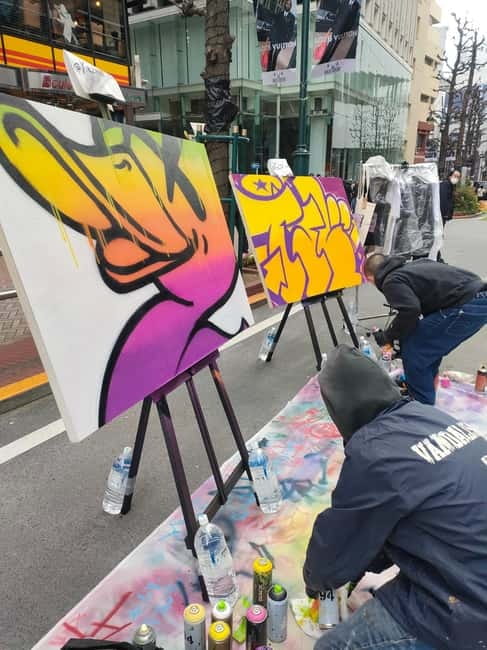
This experience is best for people who like street art and want more than surface-level visuals. If you enjoy urban culture, Japanese pop-adjacent art scenes, and the idea that a city wall can function like a message board, you will likely have a great time.
It is also a strong choice if you do not want to plan a self-guided graffiti route. Tokyo’s street art exists everywhere, but it is hard to “read” without help. A guided walk saves you hours of searching and guesswork.
It is not suitable for people with mobility impairments, babies under 1 year, or people over 95 years. And because it is a walking tour, even if you can get around, you still need to be comfortable with a two-hour pace.
If you are sensitive to the idea that some of what you see may be often illegal graffiti, you may want to check your own comfort level. The tour is clearly built to respect local laws, but it is still focused on raw street expressions.
Should you book this graffiti walk in Shibuya and Harajuku?
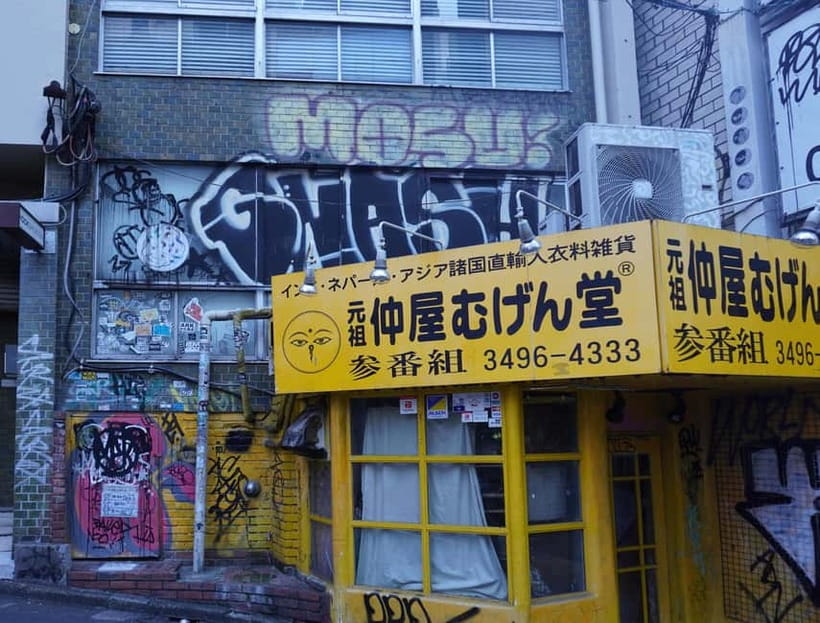
I think you should book it if you want Tokyo to feel less like a checklist and more like a living street art conversation. The biggest selling point for me is the way Elena Calderon connects what is on the walls to Japanese tagging culture and city-level storytelling.
Book it if you like guided looking, not just guided walking. You will spend the whole time training your eyes, and that skill carries into the rest of your Tokyo trip.
Skip it if you only want a casual stroll with minimal interpretation. This tour is designed for people who care about meaning, style, and the underground scene.
FAQ
Where does the tour meet?
The meeting point is Manhattan Records Shop (Shibuya).
How long is the graffiti walking tour?
It lasts 2 hours.
How much does the tour cost?
The price is $38 per person.
What areas are covered?
You will explore Shibuya and visit Harajuku during the walk, plus hidden graffiti spots along the way.
What languages is the guide available in?
The live tour guide speaks English and Spanish.
What’s included in the price?
Included are an expert guide (graffiti researcher for more than 10 years and art curator), exclusive access to hidden graffiti spots, insider knowledge about Tokyo’s graffiti scene and top art galleries, and discounts in art galleries and restaurants.
What should I bring?
Bring comfortable shoes, a camera, water, and cash.
Is smoking or alcohol allowed during the tour?
No. Smoking and alcohol and drugs are not allowed, and you also should not litter.
Fresh options around Tokyo
- Tokyo: Nikko Kegon Falls Lake Chuzenji Toshogu Temple & More★ 4.9 · 12 reviews
- Tokyo: Samurai History Walking Tour★ 5.0 · 12 reviews
- Harajuku: Kawaii Fashion and Pop-Culture Tour★ 4.7 · 12 reviews
- Tokyo: Mt. Fuji & Lake Kawaguchi Instagram Full Day Trip★ 4.1 · 12 reviews
- Shibuya Tokyo: Modern Kintsugi Workshop in Shibuya★ 5.0 · 12 reviews
- Tokyo: GTR Guided Daikoku Experience at Night★ 5.0 · 12 reviews
- Tokyo: Daikoku JDM Car Culture Tour★ 4.6 · 12 reviews
- Mt Fuji Private Day Trip from Tokyo with English speaking driver★ 5.0 · 13 reviews
Walking Tours, compared.
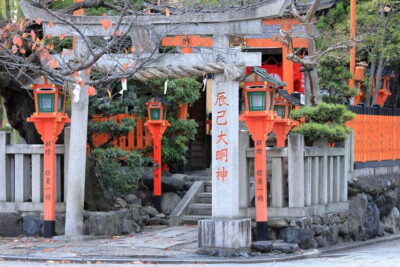
Kyoto Geisha Walking Tour: Gion District & Hidden Gems
Read our review →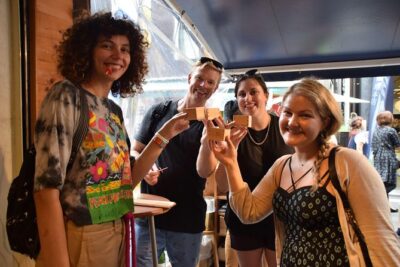
Tokyo Tsukiji Fish Market Food and Culture Walking Tour
Read our review →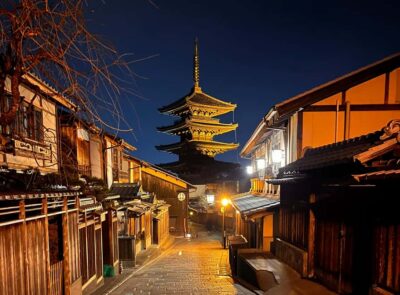
Gion Magical Night Walking Tour with Geisha Trivia
Read our review →
Imperial Palace and Shogun Historical Walking Tour
Read our review →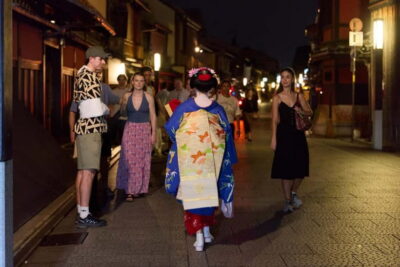
Gion Geisha District Walking Tour – Stories of Geisha
Read our review →
Shinjuku Local Bar and Izakaya Guided Walking Tour
Read our review →
Browse the lists this tour appears in