

Reviewed · HIROSHIMA TOURS
From Hiroshima: Rabbit Island and Takehara Town Tour
Bunnies, ruins, and an Edo town in one day. I like how the day mixes Takehara’s historic lanes with a guided look at what happened on Rabbit Island. I also like the small-group feel, because it keeps the pace relaxed when you need it most.
The main thing to consider is that this is a long day with walking, and it is not suitable for wheelchair users or people with animal allergies or who are pregnant.
Key Things to Know Before You Go
- Small group size (up to 15) helps you move smoothly across multiple stops without feeling rushed.
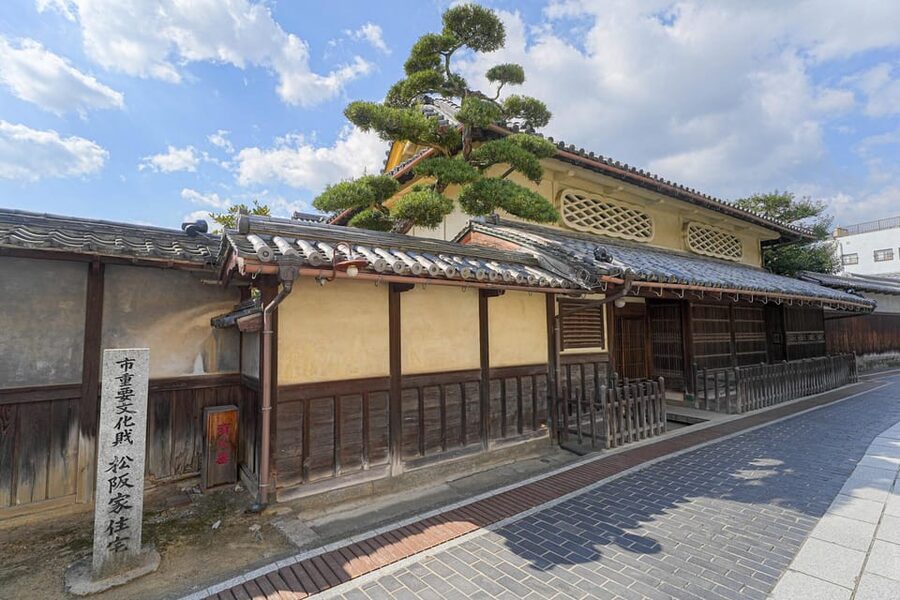
- Takehara Townscape Conservation Area lets you see old merchant-town architecture up close at places like Saihoji and the Matsusaka residence.
- Rabbit Island guided ruins walk adds context beyond cute photos, including the island’s darker past.
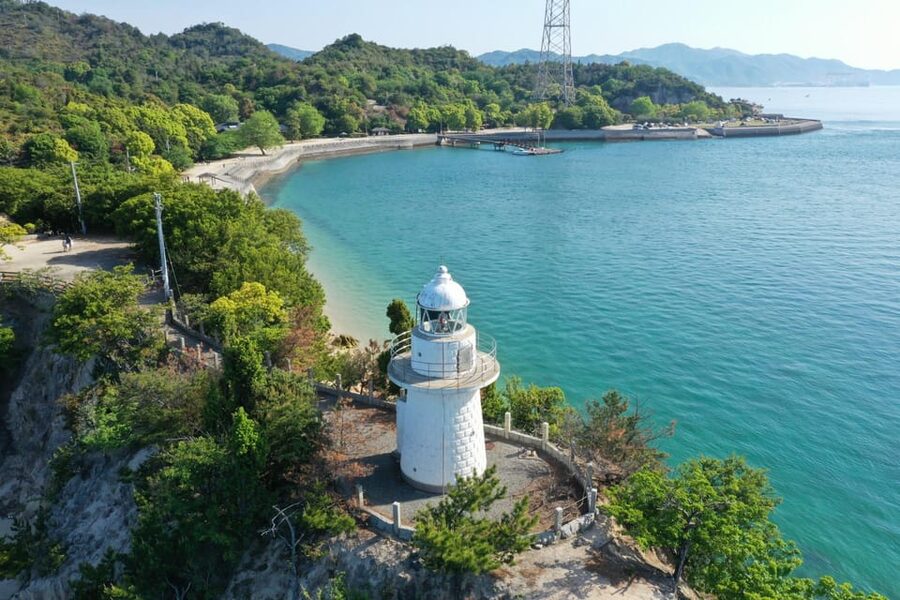
- Free time is real freedom, with options like feeding rabbits, using hot springs at Kyukamura Ōkunoshima, renting a bike, or checking out the lighthouse area.
- English guides with strong engagement, including guides named Isabella (and an assistant/study guide mentioned in participant feedback), make the history easier to follow.
Why This Hiroshima Day Trip Works: Takehara Meets Ōkunoshima
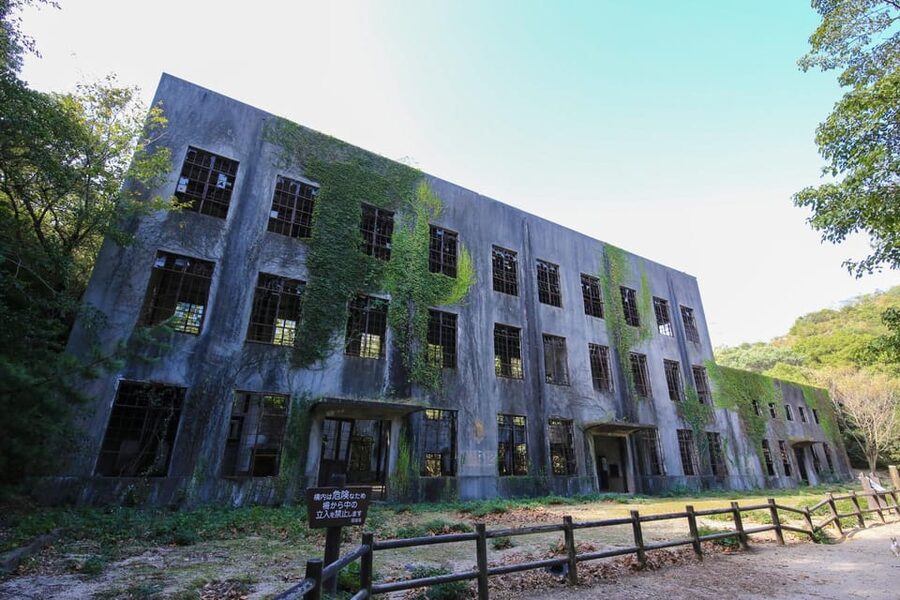
This isn’t a one-note animal day. You start in Hiroshima’s orbit, then shift to Takehara, a town where preserved streets let you picture daily life in earlier centuries. After that comes Ōkunoshima, better known as Rabbit Island, where feeding rabbits is the fun payoff but the story is heavier than you might expect.
What I like most is the balance. You get a guided component for history and context, then you get time to make the island day your own. That mix is ideal if you like structure for the facts, but you also like wandering at your own speed for the photos, the smells of the sea, and the simple rabbit-watching.
Also, the day is organized around transportation that keeps you moving efficiently. You ride public transport between activities and take the ferry to the island, so you’re not spending the day figuring out connections.
The other big reason this tour makes sense is the pairing. Takehara gives you merchant-town culture and local production stories, including sake, and then Rabbit Island gives you the 20th-century chapter that people often skip when they only chase the cute part.
A few more Hiroshima days worth comparing
- Peaceful Hiroshima & Miyajima UNESCO 1 Day Bus Tour
★ 5.0 · 5,309 reviews - Hiroshima: Hiroshima and Miyajima UNESCO Sites 1-Day Tour
★ 4.9 · 2,330 reviews - Hiroshima / Miyajima Full-day Private Tour with Government Licensed Guide
★ 5.0 · 1,298 reviews
From Hiroshima Station to Takehara Townscape: The Morning Rhythm
Your day starts at Hiroshima Station. Meet your guide under the Tourist Information sign outside the Shinkansen gates. If you enter from the Shinkansen gates, the sign is to your left. If you come from JR lines, follow signs directing you toward the Shinkansen gates.
Once everyone is together, the group heads toward Takehara using public transport between activities. The value here is time and stress reduction. You’re not coordinating tickets, routes, or walking transitions while also trying to read signs in a new city.
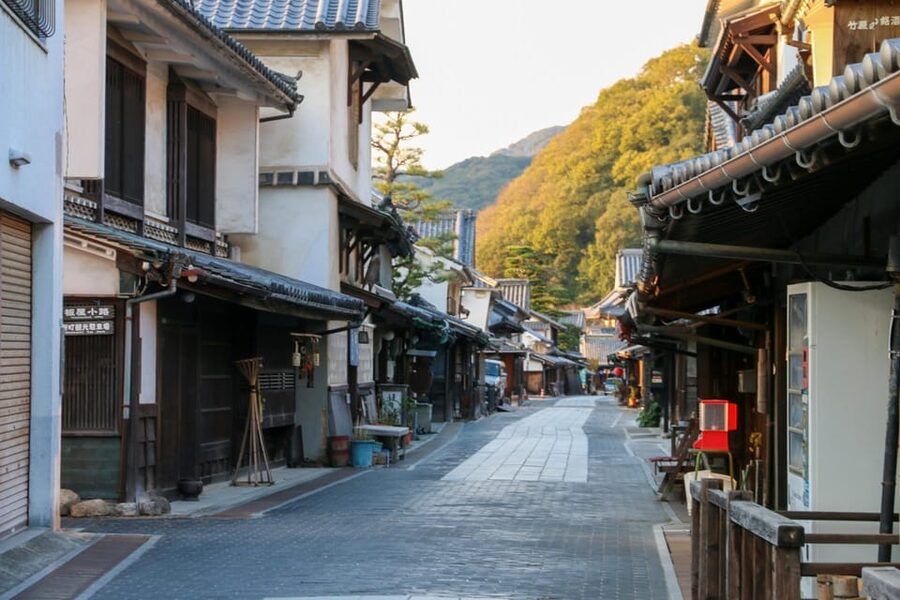
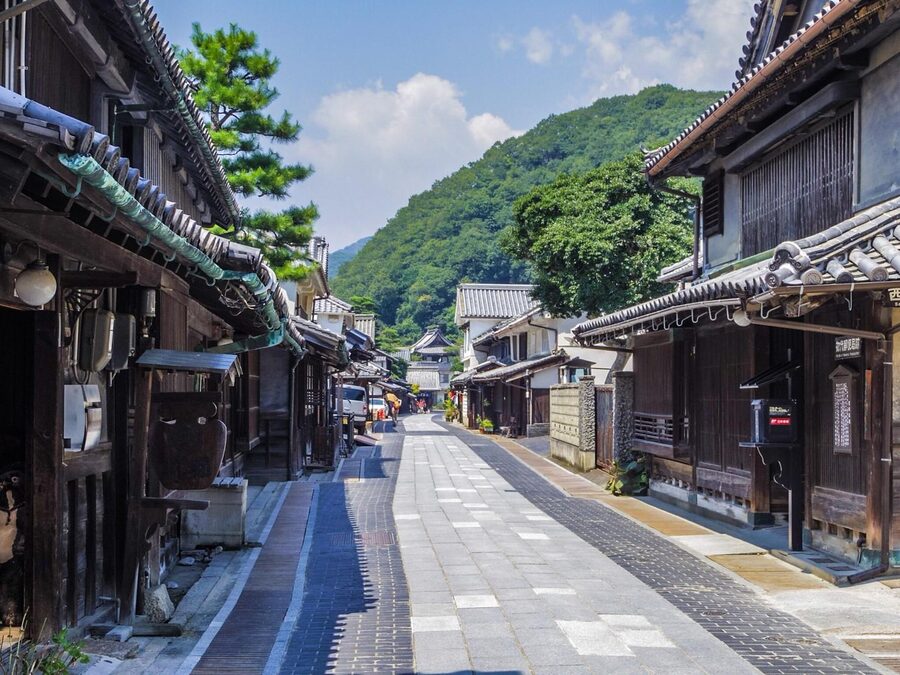
When you reach the Takehara Townscape Conservation Area, the walk works as an instant time machine. The streets are set up for you to slow down and notice details, like building forms and how the town is laid out. This kind of neighborhood walk is one of the best ways to understand Japan beyond famous landmarks, because it shows you how regular people lived and traded.
You also get an early anchor point in the day: learning the local story while your feet are still fresh. That matters, because later you’ll be on the island longer than you might think.
Saihoji, the Matsusaka Residence, and the Jizō Stop That People Actually Talk About
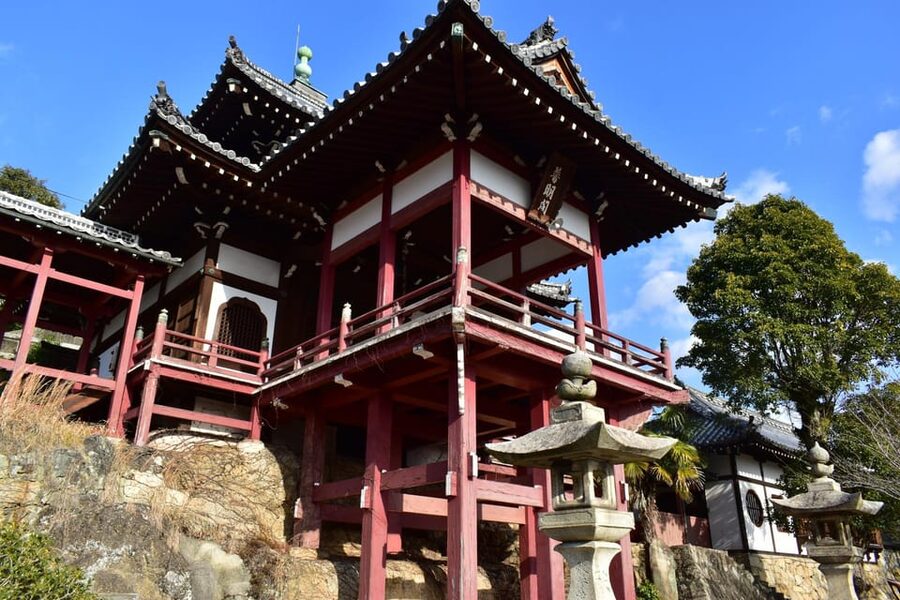
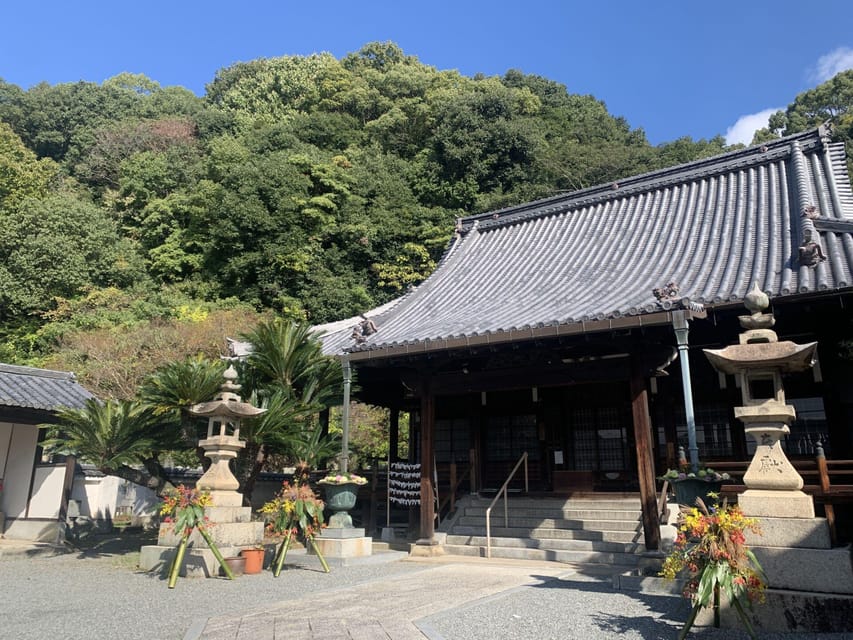
The first named stop is Saihoji, a Zhen Buddhist temple with architecture from the mid-Edo period. Even if you’re not a temple-history specialist, you’ll appreciate the timing. Seeing this early gives you context for the style of spaces and craftsmanship you’ll spot around the town.
Next comes the former Matsusaka family residence. This is a typical example of Takehara’s architecture and the kind of housing wealthy merchant families used in the Edo period. Inside, you can look at artifacts connected to former inhabitants, which is where the visit becomes more than scenery. You start thinking about routines, storage, work life, and social standing.
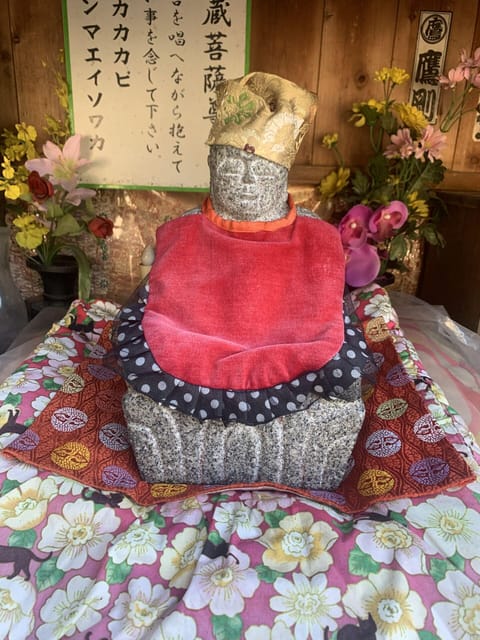
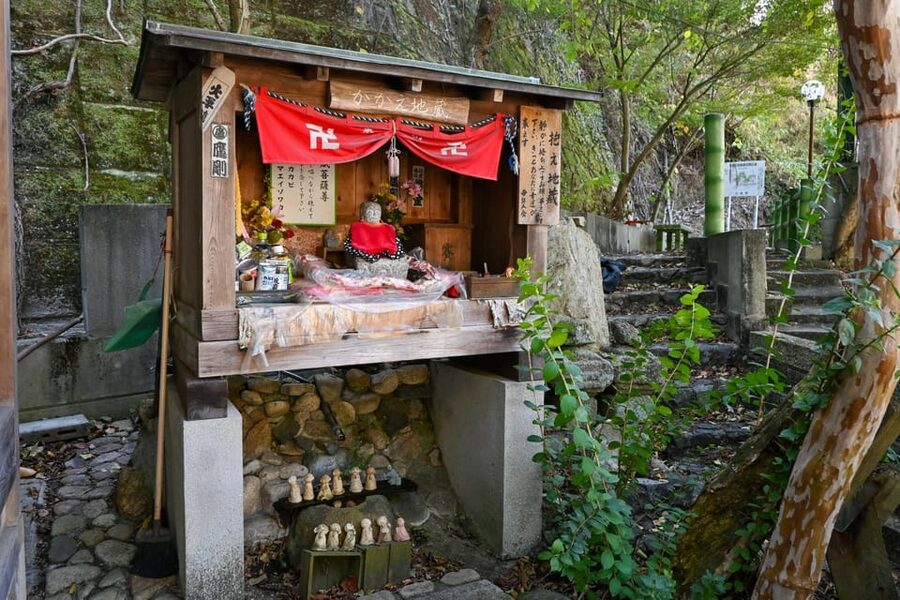
Then the tour shifts to a smaller, more quirky stop that people remember: the Okakae Jizō Statue, housed in a small nearby hut. Jizō statues are said to protect children and travelers. This one is famous locally for a legend tied to wishes. The story goes that if you pick up the Okakae Jizō, make a wish, and the statue feels lighter than expected, your wish will come true.
That mix of formal history (temple, merchant residence) plus local legend is a good way to keep the day from feeling like a checklist. It also helps you connect with Takehara as a living place, not just a stop on a route.
Tadanoumi Port and the Ferry to Rabbit Island: From Streets to Sea
After the Takehara walking portion, you head to Tadanoumi Port to board the ferry to Rabbit Island. This is one of those practical transitions that also signals a change in mood. You go from town streets to coastline energy, and your brain starts to expect different kinds of sights and sounds.
The ferry ride is included in the tour, along with ferry tickets. That matters because ferries can be one of the annoying parts of day trips, especially when schedules are tight and you’re traveling as a group.
Once you arrive on the island, you start with a brief stroll along the coast. This is where the tour turns from cute to meaningful, because you’ll stop at ruins and learn about the island’s dark past. The rabbits are still the headline, but the guided explanation helps you understand why the island is known beyond the photo ops.
If you want a clear mental picture of what you’re stepping into, this short ruins segment is a smart start. It sets expectations for what you’ll see during your later free time.
Same corner of Japan, a different kind of day:
- Hiroshima Historical Walking Tour – Why A-Bomb was Dropped
★ 4.8 · 893 reviews - Hiroshima Peace (Heiwa) Walking Tour at World Heritage Sites
★ 5.0 · 872 reviews - Hiroshima in a Nutshell: Morning Bike Adventure
★ 5.0 · 524 reviews - Hiroshima City 4hr Private Walking Tour with Licensed Guide
★ 5.0 · 437 reviews
The Ruins and the Dark Past: Learning Without Killing the Fun
Rabbit Island earns its nickname, but the tour makes sure you understand the background. During the guided portion, you’ll be shown ruins and given explanations about what happened there. This is not just trivia. It changes how you interpret everything you see after.
One added detail from participant feedback is that the island’s poison gas-related museum includes an informative film. That kind of multimedia explanation can make the story easier to understand than text alone, especially if the day is hot and you’re bouncing between outdoor ruins and indoor exhibits.
The best part of having a guide here is pacing. They can point out what matters and keep you from getting lost or stuck staring at the wrong thing. You also have a chance to ask questions in real time, which turns a difficult history topic into something you can actually process.
Then comes the pivot that keeps the day joyful: you still get time to feed rabbits and take photos. The tour doesn’t force you to stay in the heavy mood for the entire island portion. It gives your brain a chance to reset.
Your Free Time on Ōkunoshima: Rabbits, Hot Springs, Biking, and Quiet Views
The tour includes a meaningful chunk of free time on the island after the guided ruins segment. Most people do what you’d expect: walk around feeding rabbits with the food provided and get those close-up photos where rabbits seem to think you’re part of their neighborhood.
But free time here is genuinely flexible. You might choose to:
- soak in hot springs at Kyukamura Ōkunoshima hotel
- rent a bicycle to explore farther than walking allows
- hike toward an observation desk
- visit the lighthouse
- eat at the hotel’s restaurant
This is a strong point of the tour’s design. Not everyone wants the same kind of island time. Some people want wandering and photos. Others want a bit more movement and a view at the end. The guide-led history gets you grounded, and then your choices shape the rest of your day.
Food and drinks are available on Rabbit Island, so you’re not stuck without options. That’s important on a long day. It also helps you avoid the stress of packing everything, beyond the basics.
Also, because you’ll be around animals, plan for comfort. The tour food is provided, but you’ll still want sunscreen and a hat if the sun is out.
Lunch, Timing, and What the 570 Minutes Really Mean for You
The total duration is 570 minutes, which is long enough that you should treat it like a full day out. Lunch is not included, and accommodation is not included, so plan to eat on your own while you’re on the island or during the natural breaks.
This length is why the tour feels worth it for many people. It lets you do Takehara in the morning, cross by ferry, and still have enough island time to enjoy the place rather than just “stop, look, and go.”
Your best strategy is to think in two halves:
1) morning for town and guided historical stops
2) island afternoon and evening-style freedom, with rabbits and optional activities
If you’re the type who likes to cram in every possible stop, you can. If you’re the type who prefers to slow down, you can also do that. The free time portion is the safety valve.
One practical tip: wear comfortable walking shoes. There is walking in both the town and on the island. If your feet are happy, the whole day feels easier.
Price and Value: What $170 Buys (and Why It’s Not Just a Ticket)
The price is $170 per person, and for a day trip this includes several meaningful cost elements. Your English guide is included. Entry fees at tour locations are included. Rabbit food is included. Transportation between activities uses public transport, and ferry tickets are included as well.
That bundle is the value. If you tried to DIY this, you’d be paying for ferries, entrance fees, and guide time or audio guidance. The tour also gives you an organized schedule that protects your day from slipping just because one connection is delayed.
What is not included is lunch and anything that gets you to the Hiroshima Station meeting point. That means you still control your food budget, and you should plan for that while you’re on the island.
On balance, if you want more than a simple rabbit visit and you like guided context, this price tends to feel fair.
Who Should Book This Tour, and Who Might Want to Skip It
This tour is a strong match if you want:
- a blend of historic town walks and an island experience
- English guidance for history and local stories
- enough free time to feed rabbits and choose optional island activities
It’s also a good fit for people who enjoy small-group travel. The group limit is 15 participants, which helps keep things orderly and more personal than large buses.
On the other hand, it’s not suitable for wheelchair users, people with animal allergies, or pregnant women. Also, pets and smoking are not allowed during the tour.
If you’re sensitive to animal contact, remember that the main activity on the island involves feeding rabbits with provided food. That’s the experience highlight, but it’s also the reason the tour is off-limits for certain visitors.
Guide Quality and How the Day Runs on the Ground
The experience relies heavily on the guide, and participant feedback points to consistently strong performance from guides named Isabella, including a student assistant mentioned as Shoh in one account. The common thread is smooth pacing, clear explanations, and a friendly tone.
That matters because the day includes multiple settings: a conserved town area, temples and residences, a ferry ride, and an island with optional activities. Good guiding is what keeps the day feeling connected, not chaotic.
If you want a quick way to recognize your guide at the start, look for a guide holding a SNOW MONKEY RESORTS tour sign at the meeting point near the Shinkansen gates.
Should You Book From Hiroshima?
I’d book this tour if you want a full, structured day that still gives you breathing room on the island. The value is in the mix: Takehara’s conserved streets and merchant-era storytelling, plus Rabbit Island’s guided ruins and then the joyful rabbit feeding and optional extras.
Skip it if you can’t handle long walking days, or if animal allergies or pregnancy are factors for you. Also, if you only want a quick photo stop with zero historical context, this may feel like more story than you planned.
If you like your Japan with both light and weight, this is a smart way to spend your day.
FAQ
Where do I meet the guide for the Hiroshima to Rabbit Island and Takehara tour?
Meet your guide under the Tourist Information sign outside of the Shinkansen gates at Hiroshima Station. If you enter from the Shinkansen gates, the sign is to your left. The guide is holding a SNOW MONKEY RESORTS tour sign when you arrive.
How long is the tour?
The tour duration is 570 minutes.
Is lunch included?
No, lunch is not included.
What activities are included on Rabbit Island?
You’ll have time to explore the island on your own and feed the rabbits using rabbit food provided. You may also choose options like hot springs at Kyukamura Ōkunoshima hotel, renting a bicycle, hiking to an observation desk, visiting the lighthouse, or eating at the hotel restaurant.
What does the guided part of Rabbit Island include?
After you take the ferry to the island, you get a brief coast stroll with stops at ruins, along with guided explanation of the island’s dark past. Entry fees at tour locations are included.
What is included in the tour price?
The tour includes an English speaking guide, entry fees at all tour locations, rabbit food, transportation between activities using public transport, and ferry tickets.
What should I bring or wear?
Wear comfortable walking shoes. Bring your camera. Sunscreen and hats are recommended. Food and drinks can be purchased on Rabbit Island.
Is the tour suitable for wheelchair users, pets, or smokers?
No. The tour is not suitable for wheelchair users. Pets and smoking are not allowed during the tour.
What are the language and group size?
The tour is in English, and it is a small group limited to 15 participants.
Fresh options around Hiroshima
- The Peace Memorial and Beyond: A Half-Day around Hiroshima★ 4.9 · 12 reviews
- Hiroshima Saijo Sake Tasting Tour with visit to 3 Breweries★ 5.0 · 12 reviews
- Private Hiroshima Calligraphy: Create Your Own Kanji Art Souvenir★ 5.0 · 12 reviews
- Hiroshima:Private lacquer workshop experience tour(gift included)★ 5.0 · 13 reviews
- Sunset Walking Tour at Peace Park, Hiroshima★ 5.0 · 13 reviews
- Kimono and Calligraphy Experience in Miyajima★ 5.0 · 16 reviews
- Hiroshima Peace Memorial Park: A Guided Tour★ 4.9 · 16 reviews
- History of Hiroshima: Small Group Night Walking Tour★ 4.8 · 17 reviews
Hiroshima Tours, compared.
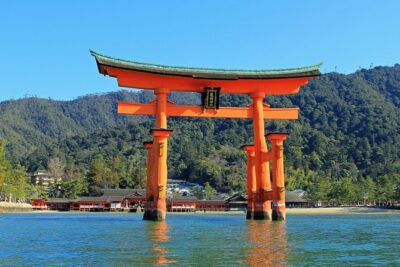
Peaceful Hiroshima & Miyajima UNESCO 1 Day Bus Tour
Read our review →
Hiroshima and Miyajima UNESCO Sites 1-Day Tour
Read our review →
Hiroshima / Miyajima Full-day Private Tour with Government Licensed Guide
Read our review →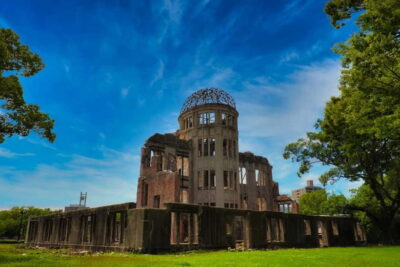
Hiroshima Historical Walking Tour – Why A-Bomb was Dropped
Read our review →
Hiroshima Peace (Heiwa) Walking Tour at World Heritage Sites
Read our review →
Hiroshima in a Nutshell: Morning Bike Adventure
Read our review →
Hiroshima City 4hr Private Walking Tour with Licensed Guide
Read our review →
Browse the lists this tour appears in