Reviewed · KYOTO TOURS
Concerts Played with Traditional Instruments in Kyoto
A Kyoto concert in a real home.
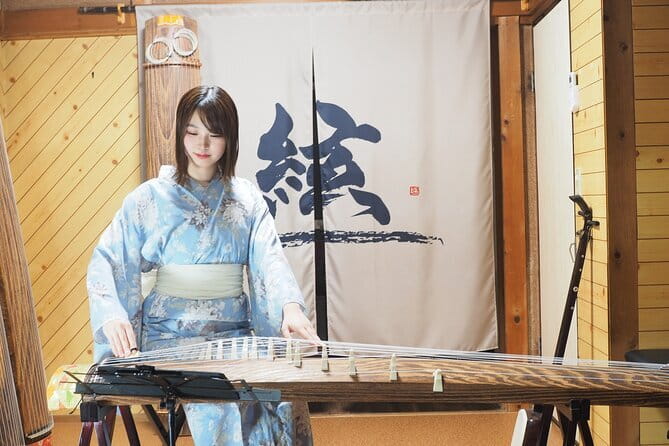
This experience is a rare chance to hear koto and shamisen music up close, with a short introduction before the first note. You’re not just watching from a big hall, you’re in a traditional Japanese house where the sound fills the room and the performers can actually connect with you.
I also love the format: live performance first, then a Q&A and photo time, so you leave with both music and context. And if you upgrade, you can try a simple koto piece yourself, not just clap politely at the end. One drawback to consider is that it’s about 50 minutes, so it’s more of a focused cultural hit than a full evening outing.
Key highlights at a glance
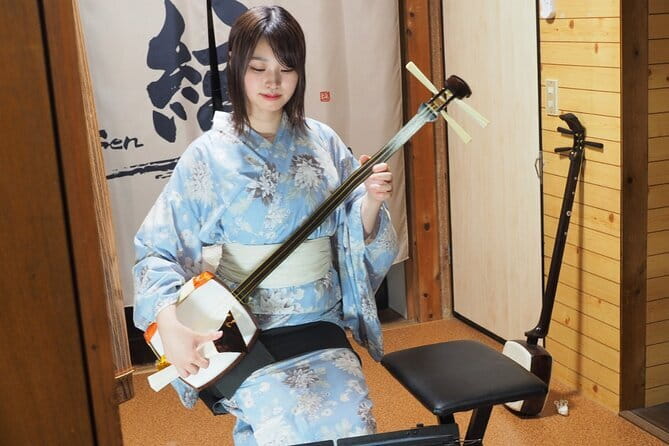
- Learn what you’re hearing with a pre-concert koto and shamisen introduction
- Professional performance in a private home feel, not a typical stage setup
- Q&A plus photo-taking right after the music, with time for questions
- You can choose more participation by upgrading to hands-on koto practice
- Multiple showtimes during the day for scheduling flexibility in Kyoto
A Kyoto home concert, not a show-with-a-ticket
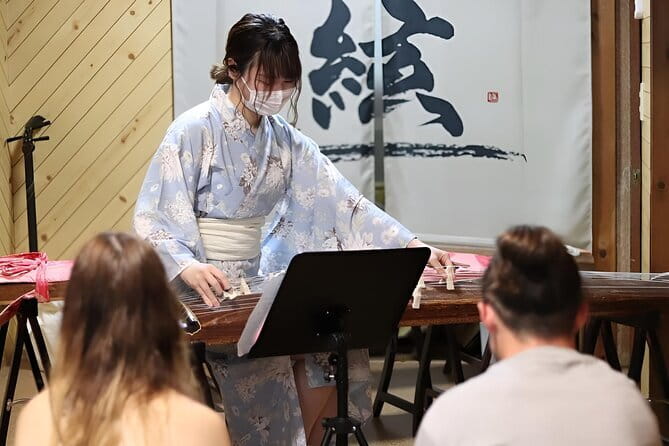
In Kyoto, you can find traditional music performances in lots of places. What’s uncommon here is the setting: a private home transformed into a small performance space. That matters, because the music lands differently when you are close enough to see how the players handle their instruments and respond to the room.
This also tends to be a calmer kind of evening. Instead of competing with crowd noise and long intermissions, you get a tight program built around listening, learning, and talking. The tour is set up for either private or small group attendance, which usually makes Q&A feel normal instead of rushed.
Practical note: the venue is near public transportation, so you should not need a car or complicated logistics. And you’ll use a mobile ticket, which keeps things simple once you get to Kyoto.
A few more Kyoto days worth comparing
- PERFECT KYOTO 1-Day Bus Tour
★ 5.0 · 13,518 reviews - Kyoto: Fushimi Inari, Kinkakuji, Bamboo Grove 1 Day Bus Tour
★ 4.8 · 4,316 reviews - Kyoto: Tea Ceremony in a Traditional Tea House in Kiyomizu
★ 4.9 · 3,519 reviews
Getting ready: learning koto and shamisen before the concert
Before the concert starts, you get a short introduction to the koto and shamisen. For me, this is one of the smartest parts of the whole experience. Traditional music can feel like a blur at first, especially if you do not know what to listen for. A basic grounding helps you follow the performance with your brain switched on, not just your eyes wide open.
You also get a guided sense of what the musicians will play, so the concert becomes more than background culture. The program includes classical pieces, but it also includes modern and original compositions. That mix is exactly why the pre-intro helps. You’ll be better prepared to notice when a melody or style changes, and you’ll have an easier time matching what you hear with what you were told.
If you like a little “who’s who” context, the pieces connect to major koto and shamisen lineages. You’ll hear names associated with celebrated traditions such as Yoshizawa Kengyo, Yatsuhashi Kengyo, and Kikuoka Kengyo. Even if those names are new to you, they signal that this is not random folk music. It’s carefully shaped repertoire with recognized roots.
Inside Gen Home Saiin: what the 50 minutes actually feels like
The main stop is at Gen Home Saiin, where the concert program is presented as Harmonies of Japan. This is where the house really turns into a stage, and you get the live performance you came for.
The show runs about 50 minutes, so it moves with intention. You’ll hear a sequence of pieces, including classical compositions like Chidori no Kyoku, Rokudan no Shirabe, and Kajimakura. The pacing is built for listening, then reflection, then listening again.
One of the most useful parts here is that you get more than performance only. After the music, you’ll have time for a Q&A and photo-taking. That means you can ask practical questions like how the pieces are approached, what the players want you to notice, or how to understand the instruments. If you’ve ever left a concert wishing you could ask one real question, this format is designed to solve that.
You may also recognize some tunes if you’ve heard similar themes in Japanese media, but even if you do not, the concert is structured so you can still track the changes in style. You’ll hear both traditional and more contemporary material, which helps you understand that these instruments are not trapped in the past.
A small thing, but a big comfort factor: the vibe is professional and organized. You’re not dropped into a surprise event where you have to guess what’s going on.
Q&A and photos: turning listening into understanding
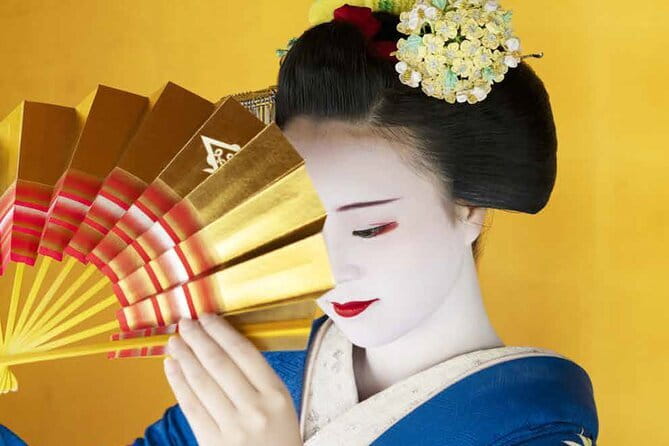
In a lot of cultural experiences, the performer does the work and the audience just watches. Here, the conversation is part of the package. After the performance, there’s a Q&A session and photo-taking.
This is one of the highest-value moments for me because it turns passive listening into active learning. If you want to know why a particular piece is built a certain way, this is your chance. If you’re curious about the meaning or the role of specific repertoire, you can ask. And the photo moment gives you a visual memory that feels personal rather than generic.
Also, because the concert is in a home setting, the questions tend to feel grounded. You’re not shouting across a huge hall. You’re speaking within the same intimate space where the music just happened.
If you want to make the most of the Q&A, prepare one or two questions ahead of time. Keep them simple. You’ll get more useful answers.
Same corner of Japan, a different kind of day:
- Kyoto Geisha Walking Tour: Gion District & Hidden Gems
★ 4.7 · 3,273 reviews - Kyoto: Tea Ceremony Ju-An at Jotokuji Temple
★ 4.9 · 3,207 reviews - Kyoto: Gion Magical Night Walking Tour with Geisha Trivia
★ 4.9 · 2,393 reviews - Kyoto: 45-Minute Tea Ceremony Lesson Experience
★ 4.3 · 2,378 reviews
Hands-on upgrade: trying a simple koto piece
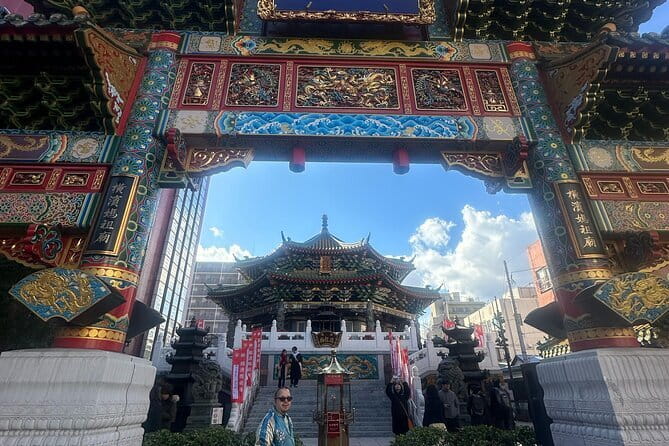
There’s an upgrade option that lets you participate in a hands-on koto session. The goal is not to make you a performer in 10 minutes. The goal is participation: you try playing a simple piece, so you understand what it feels like to produce sound on the instrument.
This is a meaningful difference from “watch and learn.” When you press your own fingers into a practice moment, your brain connects theory to action. Even if your playing is clumsy, you’ll pick up the mechanics faster because your body is involved.
If you’re deciding whether to upgrade, I’d weigh your interests like this. If you love hands-on learning, and you want your time in Kyoto to include one active cultural task, the upgrade is worth considering. If you mainly want a calm, seated listening experience with minimal interaction, you may be fine with the standard concert.
Either way, the concert itself is the core event, and the hands-on component is there to add an extra layer for people who want it.
Price and value: $39.63 for a home concert that actually teaches
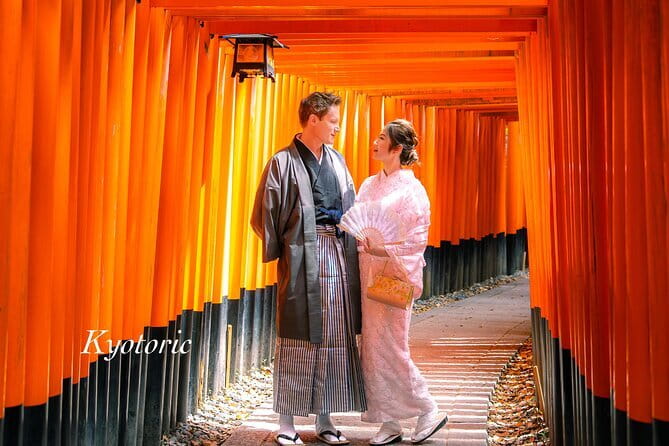
The price is $39.63 per person, and the experience runs about 50 minutes. At first glance, that can sound like a lot for less than an hour. But here’s why I think it can be good value, especially if you care about understanding what you’re hearing.
Your ticket includes:
- Participation in the koto and shamisen concert
- A brief introduction and explanation
- Landing and facility fees
- WiFi on board
So you’re paying for more than sitting quietly. You’re paying for a guided introduction, a live professional performance, and a format that includes Q&A and photo time. That combination is what justifies the cost. This is not a quick drop-in audio track.
What’s not included is also clear: coffee and/or tea, and private transportation. If you’re budgeting, plan for that. In exchange, the venue is near public transportation, so you should be able to handle getting there without arranging a dedicated ride.
One timing tip: this kind of booking often gets snapped up. The average booking time is about 33 days in advance, so if you’re traveling during a busy season or you have fixed plans, it’s smart to lock it in early.
How to plan your day in Kyoto around a 50-minute show
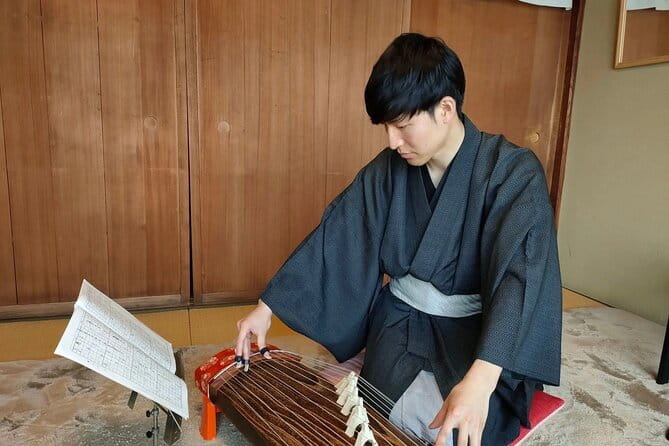
A nice detail is that there are multiple tour options throughout the day. That flexibility matters in Kyoto, where your schedule can change fast. Maybe you’ll wake up wanting quiet temples, then pivot after lunch. Having several start times gives you a way to fit this concert without forcing everything else to bend.
Because the experience is about 50 minutes, I’d treat it like a planned cultural stop rather than a huge anchor. Pair it with:
- A morning sightseeing block and an early evening dinner plan
- A slower afternoon when you want something indoor and focused
- A day when you want one memorable experience that does not require long walking between sites
Bring your phone charged. You’ll be using a mobile ticket, and you’ll want your camera ready for the photo-taking portion.
Who should book this koto and shamisen concert in Kyoto?

This is a strong fit for you if:
- You want a more personal, home-based performance setting rather than a big venue
- You’re curious about traditional Japanese music and want a simple introduction first
- You enjoy learning through conversation, not just listening
- You like the idea of an optional hands-on koto try
It also works for a wide range of travelers, since the experience notes that most people can participate. If you want a cultural activity that feels organized and not intimidating, this is the kind of format that makes that easier.
If you are the type who needs constant action, this might feel too calm. But if you like listening, paying attention, and asking a question after, you’re going to enjoy it.
Should you book this Kyoto koto and shamisen home concert?
If your Kyoto trip includes at least one “stop and really listen” moment, I’d book this. The combination of an instrument intro, a live professional performance in a home setting, and a follow-up Q&A and photos is a smart package. And the optional hands-on koto upgrade gives you a way to go beyond being a passive observer.
Book it soon if your dates are tight, since schedules can fill. And plan your questions ahead of time so you get the most out of that Q&A portion.
In short, this is one of the better ways to experience traditional Japanese music in a way that feels human, not distant.
FAQ
How long is the concert?
The concert experience lasts about 50 minutes.
Where does the concert take place?
It takes place at Gen Home Saiin in Kyoto.
Is there an introduction to the koto and shamisen before the performance?
Yes. You’ll learn about the koto and shamisen instruments before the concert as part of the experience.
Can I participate in a hands-on koto session?
There is an upgrade option that lets you participate in a hands-on koto session where you try playing a simple piece.
Do I need a paper ticket?
No. The experience uses a mobile ticket.
Is WiFi included?
Yes. WiFi on board is included.
Is private transportation included?
No. Private transportation is not included.
Can I get a full refund if I cancel?
Yes. Cancellation is free up to 24 hours before the experience starts, for a full refund.
Fresh options around Kyoto
- Kyoto Aquarium Admission Ticket★ 4.7 · 12 reviews
- Kyoto Gion Photoshoot – Private Session | Pro Photographer★ 5.0 · 12 reviews
- Gyoza Cooking Class in Kyoto: Traditional Japanese Dumplings★ 5.0 · 12 reviews
- Kyoto: Guided Food Tour with 12 Dishes & 3 Drinks★ 5.0 · 12 reviews
- Kyoto: Avoid the Crowds at the Hidden Gems of Arashiyama★ 4.9 · 13 reviews
- Kyoto Early Bird English Tour: Gion & Higashiyama(Private opt)★ 5.0 · 13 reviews
- Otsu-e Folk Art Workshop & Local Culture Walk Near Kyoto★ 5.0 · 13 reviews
- Kyoto, Osaka, Nara Full Day tour by Car English speaking Driver★ 3.5 · 13 reviews
Kyoto Tours, compared.

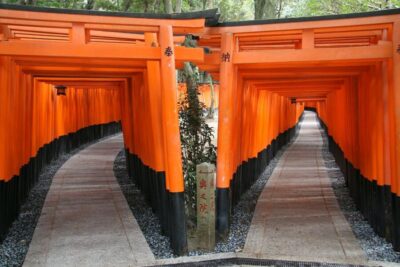
Fushimi Inari, Kinkakuji, Bamboo Grove 1 Day Bus Tour
Read our review →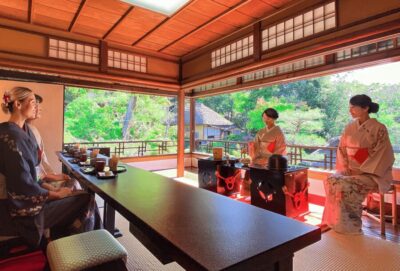
Tea Ceremony in a Traditional Tea House in Kiyomizu
Read our review →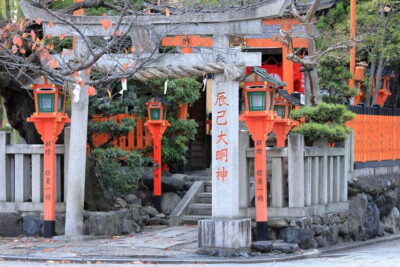
Kyoto Geisha Walking Tour: Gion District & Hidden Gems
Read our review →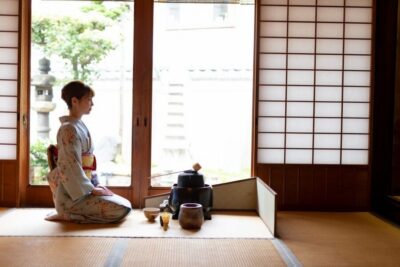

Gion Magical Night Walking Tour with Geisha Trivia
Read our review →