

Reviewed · HISTORICAL TOURS
Asakusa: 2-hour history exploration
Asakusa history hits in two hours. You get a local certified guide, headsets for clear narration in the crowds, and a string of free-entry stops that keep the day focused on stories rather than logistics. The catch is simple: it is a brisk, highlights-only route, so you will not have much time for slow browsing on your own.
I like how the tour starts with the geography first. From the Sumida River area and Azumabashi Bridge, you see landmarks like Tokyo Skytree and Asahi’s headquarters with its famous golden flame object, which makes the neighborhood’s layout click fast.
Then it moves straight into the sights that can feel confusing if you wander solo. You will hit Kaminarimon, Nakamise, Hozomon, and Senso-ji rituals like omikuji fortune slips and the incense and purification moments that people do before praying.
Key things to know before you go

- Headsets for groups of 3 or more help you hear your guide even when the streets get crowded.
- A quick, smart route links the Sumida River, gates, shopping street, and two temple sites in about 2 hours.
- Asakusa Culture Tourist Information Center gives a handy overview from its 8th-floor observation deck.
- Nakamise guidance for snacks and souvenirs means you spend time enjoying, not guessing.
- Senso-ji before-the-main-hall rituals help you know what you are looking at and why people do it.
- Local guide stories are a repeat theme, with English that stays easy to follow and frequent time for questions.
Why Asakusa is perfect for a short guided history walk

Asakusa can be overwhelming in the best way. You have a famous temple complex, big red gate energy, snack streets, and little side lanes with their own character. The problem is that if you wander without context, you can end up seeing a lot of famous stuff but missing why it matters.
This tour solves that by doing something practical. It builds the story in the order you will actually experience it on foot. You start with the river, you learn how the neighborhood is arranged, and then you move gate by gate toward Senso-ji, with explanations timed to what you are seeing.
It also helps that the tour is designed as a small-group walk. The cap is 20 travelers, so you are not stuck in a huge blob. Add in headsets for groups of 3 or more, and the whole thing feels more like a guided stroll than a crowded lecture.
A few more Tokyo days worth comparing
- Tokyo: Imperial Palace and Shogun Historical Walking Tour
★ 5.0 · 2,251 reviews - Tokyo: Imperial Palace Japanese History Walking Tour
★ 4.9 · 987 reviews - Yanaka Walking Tour: Historic and Traditional District of Tokyo
★ 5.0 · 530 reviews
Getting oriented at the Sumida River and Azumabashi Bridge
The tour’s first stop is the Sumida River area, where Asakusa’s history is tied to the water and the flow of people and goods. You cross the Azumabashi Bridge viewpoint and take in a skyline moment that makes modern Tokyo feel linked to the past.
You also get a clear first look at Tokyo Skytree and Asahi Breweries’ headquarters with its world-famous golden flame object. Even if you are not a “city view” person, I think this framing matters. When you later walk through the temple streets, you can picture where everything sits in the city instead of feeling like you are just following crowds.
This stop is timed at about 15 minutes, and it is marked free admission, so it is a low-stress start. No long waiting, no museum commitment, just a quick orientation.
The Asakusa Culture Tourist Information Center, where the route makes sense
Next comes the Asakusa Culture Tourist Information Center, a newer sight that also functions like a shortcut for understanding the whole area. It is an 8-story building with a striking design that looks like separate wooden structures stacked at different angles.
The best part for your sightseeing day is the observation deck on the 8th floor. From there, you get a preview of the landmarks you will hit during the walk. That includes Tokyo Skytree, the Asahi flame object, and the sequence of gates and streets you are about to walk, like Kaminarimon, Nakamise, Hozomon, and Senso-ji.
I love this kind of “see it, then walk it” moment because it makes your photos better and your brain calmer. You are not just moving from one postcard spot to another. You start understanding the geography, which helps you enjoy the details once you get down to street level.
Again, this is about 15 minutes, and the stop is marked free admission.
Kaminarimon: the Thunder Gate and what that giant lantern means

At Kaminarimon, you get one of Tokyo’s most recognizable temple entrances. The guide explains Kaminarimon, the outer of two major gates that leads into the Senso-ji area, and you focus on what is around you, not just the big red lantern.
The lantern is the headline, but it is also a doorway to understanding temple culture at street level. Your guide will demystify the giant lantern and the figures nearby, which is exactly the sort of context that turns a quick photo stop into something you remember.
This stop is about 15 minutes. It is plenty of time to look closely, learn the key idea, and still keep the pace moving.
Same corner of Japan, a different kind of day:
- Mt Fuji and Hakone 1-Day Bus Tour Return by Bullet Train
★ 5.0 · 26,383 reviews - 1-Day Tokyo Bus Tour
★ 5.0 · 14,250 reviews - Tokyo: TOKYO SKYTREE® Admission ticket
★ 4.5 · 11,192 reviews - Tokyo: teamLab Planets TOKYO Digital Art Museum Entry Ticket
★ 4.6 · 9,779 reviews
Nakamise Shopping Street: snacks, souvenirs, and history tablets

Nakamise Shopping Street is where Asakusa really starts to feel like Asakusa. This 250-meter approach links Kaminarimon to Senso-ji’s main gate and is packed with souvenir shops and food stalls.
What makes a guided walk here worth it is the simple decision help. Your guide shows you where to buy souvenirs you are actually interested in, instead of letting you wander into the most touristy options by accident. And you also get snack time. The tour notes that the guide may buy traditional snacks for you en route, and that the snack choices can change based on preferences.
There is also a historical angle. Toward the end of the street, you will see history tablets on the side that describe how Asakusa developed around Senso-ji. Those tablets are the kind of thing people breeze past unless someone points them out.
This stretch runs about 30 minutes, which I think is a sweet spot. Long enough to feel the street energy and grab a bite, short enough that you are not exhausted before you reach the temple gates.
Hozomon: the gate that feels like a threshold, not just a stop

After Nakamise, you step into Hozomon, the inner gate that ultimately leads to Senso-ji’s main hall. If Kaminarimon is the big outer welcome, Hozomon has a more grounded, threshold feel.
You will notice that Hozomon is a two-story gate. The second story houses many of Senso-ji’s treasures, while the first story features statues, three lanterns, and two large sandals housed within the structure.
It sounds small on paper, but I like this stop because it teaches you to look up and notice details you would miss while concentrating on crowds and selfies. You are also still within the flow of the temple approach, so it does not feel like a detour.
This stop is about 15 minutes and marked free admission.
Senso-ji: the rituals most people should know before they try them

Senso-ji is the heart of the experience, and the tour keeps it practical. Right before you enter the main hall area, you get a set of “watch for these things” moments.
One highlight near the approach is the Five-storied Pagoda, described as the second highest pagoda in Japan at 53 meters. The tour notes that it holds Buddha’s ashes on its top floor given by the Sri Lankan government. That is the kind of fact your guide can connect to the larger history of the site.
Before heading into the main hall, you focus on three major moments:
- You can draw omikuji, the paper fortune slip, to predict your future.
- People often gather at the huge bronze incense burner, and the guide explains the ritual of bathing hands and faces in the smoke before walking up to pray.
- There is also a water purification fountain used to purify yourself before praying.
These details matter because they tell you what people are doing and why it is not just a photo-op habit. Even if you do not participate in every ritual, knowing the purpose helps you feel less like an observer and more like you understand the scene.
The time at this stop is about 15 minutes. That is not long enough to slow down for deep exploration, but it is timed well for first-time visitors. You will come away with an understanding of what you saw and what you could choose to repeat on your own later.
Asakusa Shrine: the Buddhism and Shinto connection you might not expect

After Senso-ji’s main temple area, you head to Asakusa Shrine. This is a good contrast moment because it highlights something visitors sometimes do not realize at first: Buddhism and Shinto are intertwined in this space.
The tour points out that it is unusual to find a Buddhist temple and a Shinto shrine coexisting on the same premises, sharing origins and worshipers. Your guide explains why that matters and how these religions show up in the everyday life of ordinary Japanese people.
This stop is also about 15 minutes. It is brief, but it adds a layer beyond architecture and gate photos. It helps you understand Asakusa as a living neighborhood, not only a heritage set.
What the pacing feels like, and why the guide quality matters
This tour is about two hours total, and the schedule is built from short, focused blocks. Most stops are around 15 minutes, with Nakamise getting the longer 30-minute stretch. The pace is leisurely enough that you are not sprinting, but structured enough that you will cover the big highlights.
The best part, based on guide feedback themes you can count on, is clarity. English communication is repeatedly praised, and headsets keep your attention on the guide instead of on traffic noise and street chatter.
I also like that this is where your questions can actually get answered. Several experiences note that guides stay helpful and friendly, and that they are willing to respond to curiosity on the spot. One guide-led bonus mentioned is an origami lesson near the end, which is a nice human touch if it happens in your group.
You may also encounter a luck reading moment, since one short feedback mentioned it as a memorable part. Because the itinerary you will follow focuses on the main rituals, treat extras like these as potential add-ons rather than a guarantee.
Where the tour starts and ends in real life
The meeting point is at Burger King Asakusa Azumabashi, located at Cross Bil Royal Palace, 2-chōme-20-6 Kaminarimon, Taito City, Tokyo 111-0034, Japan. The start time is 9:30 am.
The tour ends at Saryō Ichimatsu, 1-chōme-15-1 Kaminarimon, Taito City, Tokyo 111-0034. The experience notes that it will be over at the restaurant where the geisha activity is held, so you are essentially finishing right where that next cultural moment begins.
There is no hotel pickup included, so you will want to plan to reach the meeting point on your own using nearby public transportation.
Price, value, and who gets the most out of it
At $64.55 per person for about two hours, this is not a bargain snack walk. But it can be good value if you want the history context and you prefer not to spend your limited first day in Tokyo figuring everything out.
Here is what you are paying for, in practical terms:
- Live guiding in English from a local certified expert
- Headsets for groups of 3 or more, which makes the experience easier to follow
- A route that strings together multiple major Asakusa landmarks in a short time
- Snack time where the guide may purchase traditional items based on preferences
- Free-admission stops across the route, so you are not adding unexpected ticket costs
This tour is especially suitable for:
- First-time visitors to Asakusa who want to understand what they are seeing
- People who like guided storytelling with hands-on moments like omikuji and purification rituals
- Anyone who wants a small-group route without getting lost in gate names and shrine facts
You might not love it if:
- You want a full, slow afternoon of shopping with zero schedule pressure
- You plan to spend a lot of time going deep into side streets away from the core highlights
- You prefer a fully self-paced approach with no guide directing your route
Should you book this Asakusa history exploration tour?
I’d book it if you want a high-hit, first-pass Asakusa day. The combination of Sumida River framing, an orientation stop at the Culture Tourist Information Center, and then a structured walk through Kaminarimon, Nakamise, Hozomon, and Senso-ji rituals is exactly how you make Asakusa feel clear and meaningful fast.
I would skip or rethink it if you are traveling with a strong preference for open-ended wandering. This experience is built to move and cover. If you are okay with that, you will probably walk away saying you saw the important parts and understood them.
If you book, consider doing it sooner rather than later, since the average booking timing is about 30 days in advance.
FAQ
How long is the Asakusa history exploration tour?
The tour is approximately 2 hours.
Where does the tour meet and when does it start?
The start time is 9:30 am. The meeting point is Burger King Asakusa Azumabashi, Cross Bil Royal Palace, 2-chōme-20-6 Kaminarimon, Taito City, Tokyo 111-0034.
What major sights are included?
You visit the Sumida River area, Asakusa Culture Tourist Information Center, Kaminarimon, Nakamise Shopping Street, Hozomon, Senso-ji Temple, and Asakusa Shrine.
Are admission tickets included for the stops?
The stops are listed as free admission.
Do you provide headsets for the guide?
Headsets are provided to help you hear the guide clearly, and they apply for groups of 3 or more.
Is hotel pickup included?
No. Hotel pickup is not included.
Is there a maximum group size?
Yes. The maximum is 20 travelers.
Can I cancel for a full refund?
Yes, free cancellation is available. You must cancel at least 24 hours before the experience’s start time for a full refund.
Fresh options around Tokyo
- Tokyo: Nikko Kegon Falls Lake Chuzenji Toshogu Temple & More★ 4.9 · 12 reviews
- Tokyo: Samurai History Walking Tour★ 5.0 · 12 reviews
- Harajuku: Kawaii Fashion and Pop-Culture Tour★ 4.7 · 12 reviews
- Tokyo: Mt. Fuji & Lake Kawaguchi Instagram Full Day Trip★ 4.1 · 12 reviews
- Shibuya Tokyo: Modern Kintsugi Workshop in Shibuya★ 5.0 · 12 reviews
- Tokyo: GTR Guided Daikoku Experience at Night★ 5.0 · 12 reviews
- Tokyo: Daikoku JDM Car Culture Tour★ 4.6 · 12 reviews
- Mt Fuji Private Day Trip from Tokyo with English speaking driver★ 5.0 · 13 reviews
Historical Tours, compared.
World Heritage Shirakawa-go and Experience Tours from Kanazawa
Read our review →
Imperial Palace and Shogun Historical Walking Tour
Read our review →
World Heritage Kyoto & Nara Uji Authentic Matcha Experience
Read our review →
Kyoto Gion: 2-Hour Geisha Culture & History Walking Tour
Read our review →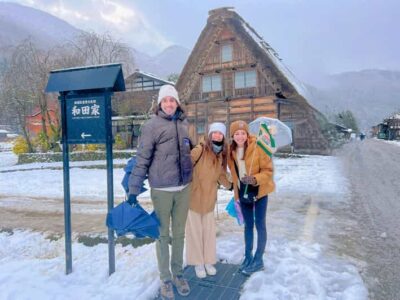
World Heritage Shirakawa-go Morning Guided Tour
Read our review →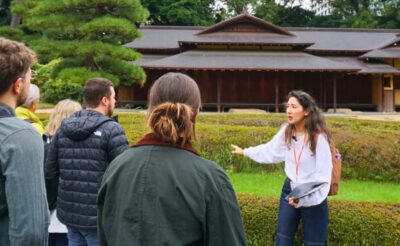
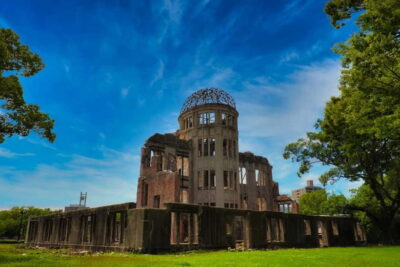
Hiroshima Historical Walking Tour – Why A-Bomb was Dropped
Read our review →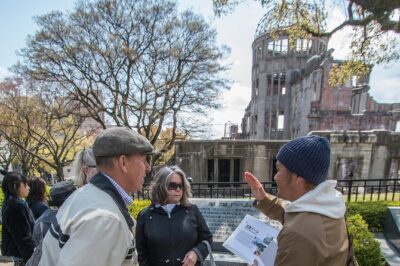
Hiroshima Peace (Heiwa) Walking Tour at World Heritage Sites
Read our review →Browse the lists this tour appears in