Reviewed · GUIDED
Kyoto/Osaka: Kyoto and Nara Customized Private Guided Tour
One day, two icons: Kyoto and Nara. What makes this tour worth your attention is the way a private car gets you from highlight to highlight without wasting time, and how customized pacing lets you linger for photos. I especially liked that you may get a patient, on-your-side guide experience, with names like Abdullah and Usama showing up in the guide mix. One possible drawback to plan around: lunch and entry tickets are not included, and several stops are crowd-heavy.
The setup is straightforward. You liaise with the team after booking to shape the day, then start with hotel pickup in Kyoto or Osaka, and you return to your chosen drop-off in Nara, Kyoto, or Osaka. The car includes a Wi-Fi hotspot, and the English-speaking driver or guide format keeps communication easy at every stop.
Key Things I’d Focus On Before Booking
- Door-to-door pickup with flexible timing keeps the day from turning into a logistics puzzle
- Arashiyama bamboo and Fushimi Inari are built in, so you see the most photo-worthy icons fast
- Gold-leaf Kinkaku-ji and multiple temple lanes mean you get depth without extra planning
- A guide who helps with sequencing can reduce backtracking and cut down on unnecessary walking
- Nara Park deer and Todai-ji give you a second “wow” moment beyond Kyoto’s shrines
- You can swap or add stops like Gion, Nishiki Market, Kiyomizu-dera, and more
How the 10-Hour Private Car Tour Really Works
This is a full-day private sightseeing plan built around one simple idea: you pick the day you want, and the driver does the moving. It runs for about 10 hours, so you are not taking a quick “see it from the curb” approach. Instead, you get point-to-point access so you can spend your energy on walking the sites that matter most to you.
Pickup is included from your hotel, with a note to wait in the lobby about 10 minutes before the scheduled time. Starting time is flexible, which helps if you want to beat peak crowds at Fushimi Inari or see Nara at a calmer hour. At each location, the guide or driver can provide context and help you navigate where to stand for photos, how long you actually need, and where meeting points should be.
The vibe from the best moments is consistent in the reviews you can expect to see: guides like Abdullah and Usama are described as punctual, patient, and good at keeping things organized without rushing you. That matters in Kyoto, because crowds can turn a self-guided day into a lot of stop-and-go frustration.
A few more Kyoto days worth comparing
- PERFECT KYOTO 1-Day Bus Tour
★ 5.0 · 13,518 reviews - Kyoto: Fushimi Inari, Kinkakuji, Bamboo Grove 1 Day Bus Tour
★ 4.8 · 4,316 reviews - Kyoto: Tea Ceremony in a Traditional Tea House in Kiyomizu
★ 4.9 · 3,519 reviews
Arashiyama Bamboo Forest to Kinkaku-ji Gold Without the Time Sink
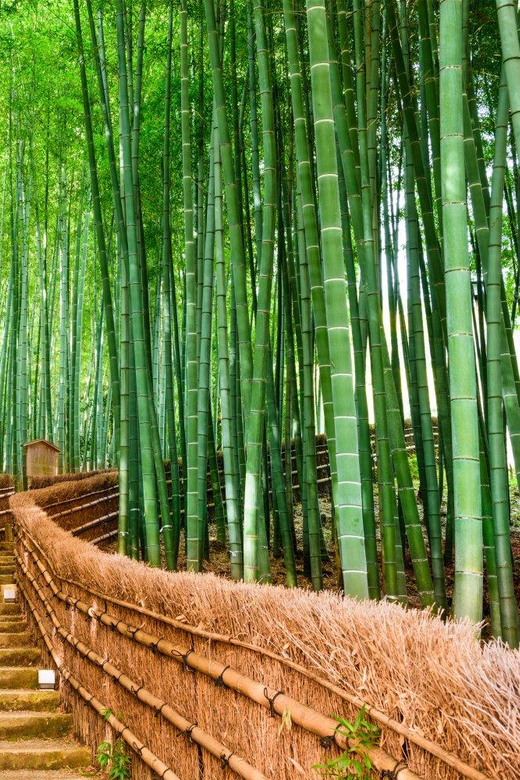
Most first-timers try to cram Arashiyama and the Golden Pavilion into one day and end up feeling like they are racing. Here, Arashiyama Bamboo Forest is a dedicated early stop with time for a photo stop plus a guided component, about an hour in practice. You get that classic soaring stalks-of-bamboo feeling, and you can take your time at the edges where the crowds thin slightly.
From there, you move to Kinkaku-ji (Golden Pavilion) for another focused stretch. What makes this stop special is the top floors covered in gold leaf, plus the layered temple setting that reads differently depending on the light and your angle. Even if you do not obsess over architecture, this is one of those places where having a guide can help you spot what to look for, not just where to stand.
A small practical tip: the bamboo and Golden Pavilion combo works best if you schedule the more “photo-first” sites earlier, then shift your attention later to streets, markets, and temples where you can wander. This tour is designed to support that.
Fushimi Inari Taisha Torii Gates, and Why Timing Is Everything
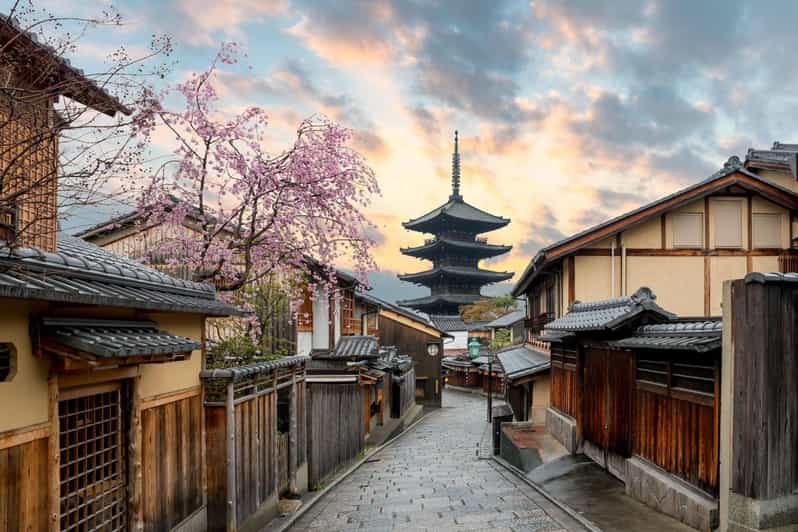
Then comes the real Kyoto icon move: Fushimi Inari Taisha and its endless-looking torii gates. Expect a photo stop plus guided sightseeing time, roughly another hour on the plan. This is the part where the experience can either feel magical or chaotic, depending on when you’re there.
If you care about photos without looking over your shoulder nonstop, you want the right pacing. A good guide sequence helps you avoid the worst bottlenecks, and you can choose to go a bit farther along the path or keep it to the most recognizable tunnel sections. Either way, you still get the big visual payoff: those vermilion gates stretching away through the slopes.
Also pay attention to the shrine area rhythm. You might hear or see suggestions about blessings and praying for good luck at the Fushimi Inari Yasaka area before continuing through the grounds. It is not required, but it can be a nice cultural moment if you like doing the “ritual first, wander after” approach.
Gion and Nishiki Market: Use This Time for Street-Level Kyoto
Kyoto’s big monuments are impressive, but the day becomes memorable when you add human-scale streets. This tour typically brings in Gion as a stop that includes a visit component and guided context, then pairs it with Nishiki Market for a break, shopping time, and browsing.
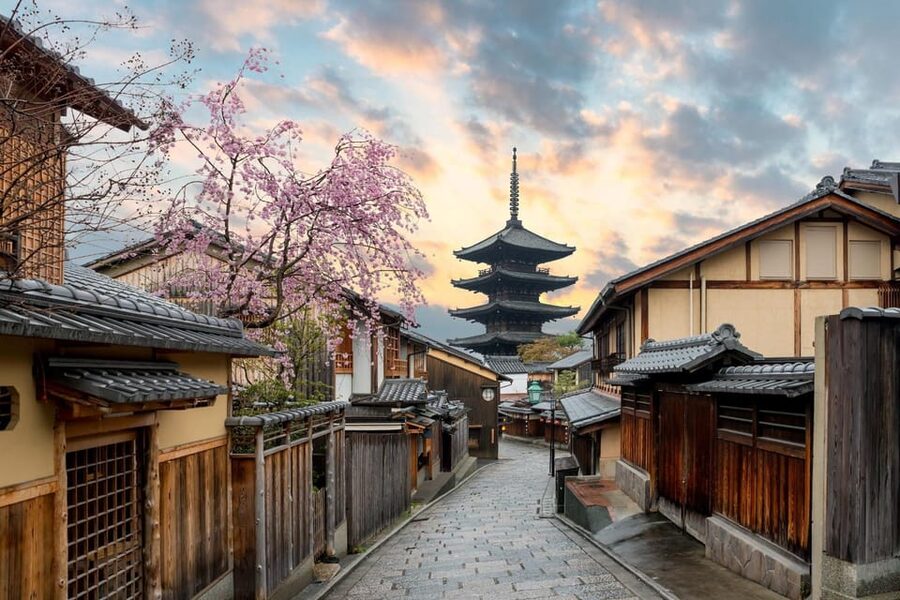
Gion is about atmosphere, not checklist items. You can look for traditional street views, take photos, and get a sense of why people call Kyoto “Kyoto” in the first place. A guide helps because they can point you to where the streets feel most classic while keeping you out of dead ends that waste time.
Nishiki Market is useful for one practical reason: you can refuel fast. Since lunch is not included, having a planned market break is a smart way to eat in a way that still feels part of the trip. If you have kids, elderly folks, or just limited energy for long temple staircases, markets often provide the best “rest with payoff” moment in the day.
Same corner of Japan, a different kind of day:
- Kyoto Geisha Walking Tour: Gion District & Hidden Gems
★ 4.7 · 3,273 reviews - Kyoto: Tea Ceremony Ju-An at Jotokuji Temple
★ 4.9 · 3,207 reviews - Kyoto: Gion Magical Night Walking Tour with Geisha Trivia
★ 4.9 · 2,393 reviews - Kyoto: 45-Minute Tea Ceremony Lesson Experience
★ 4.3 · 2,378 reviews
Kiyomizu-dera and Temple Swaps You Can Actually Use
One of the best parts of this tour is that it is customizable. The plan you see can include major hits like Kiyomizu-dera, plus other choices such as Kodaiji Temple and Yasaka Shrine, depending on how you shape the day. In the day flow, Kiyomizu-dera is placed late enough that you can switch from “arrive and stare” into “walk and absorb.”
Kiyomizu-dera works well as a guided stop because there is a lot happening visually, and it helps to know what you are seeing. Even when you keep it simple, you will appreciate the setting and the way the temple reads from different vantage points.
From there, you connect the dots with driving time. The schedule includes a van segment of about 45 minutes at one transition point, which gives your feet a chance to recover before Nara.
You might also choose options that are more personal and experiential, like walking around Hanami-koji in a kimono, if available in your plan. The key point is that the day is built to support that kind of add-on without forcing you into a rigid route.
Nara Park Deer, Todai-ji, and the Big Temple Moment
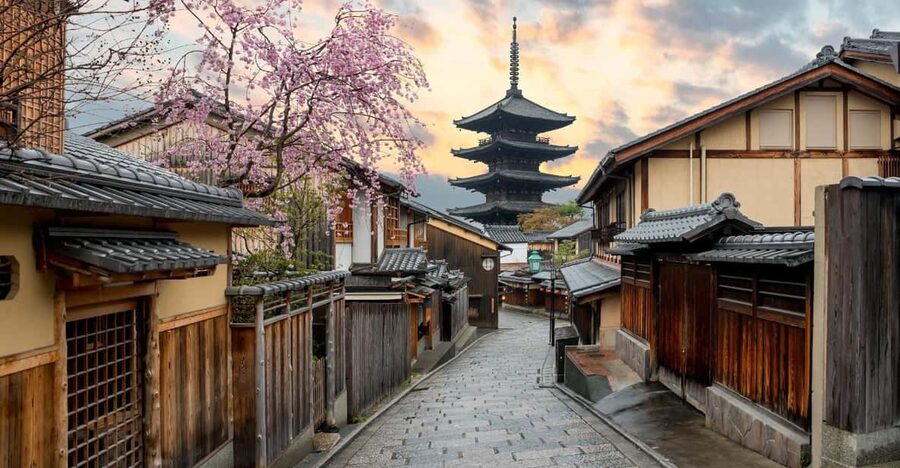
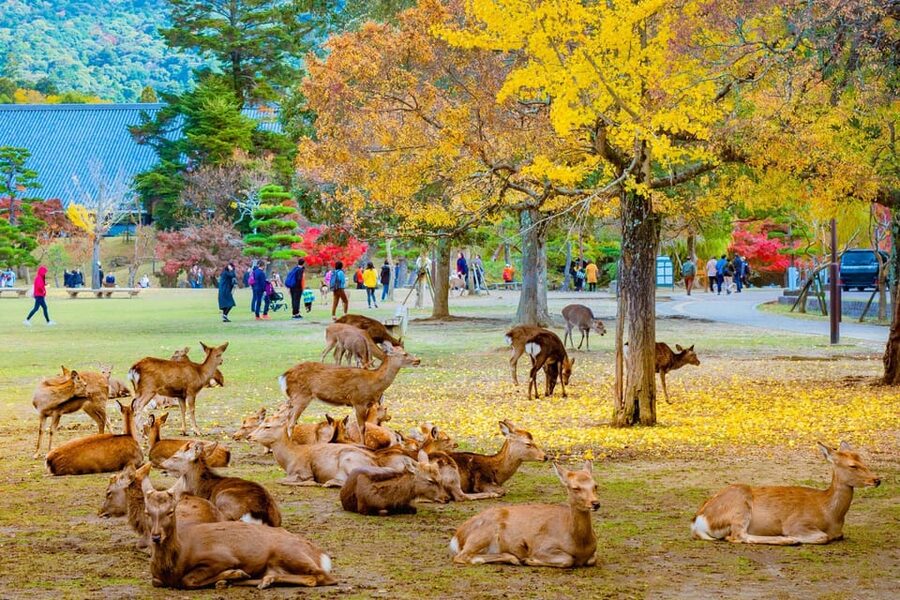
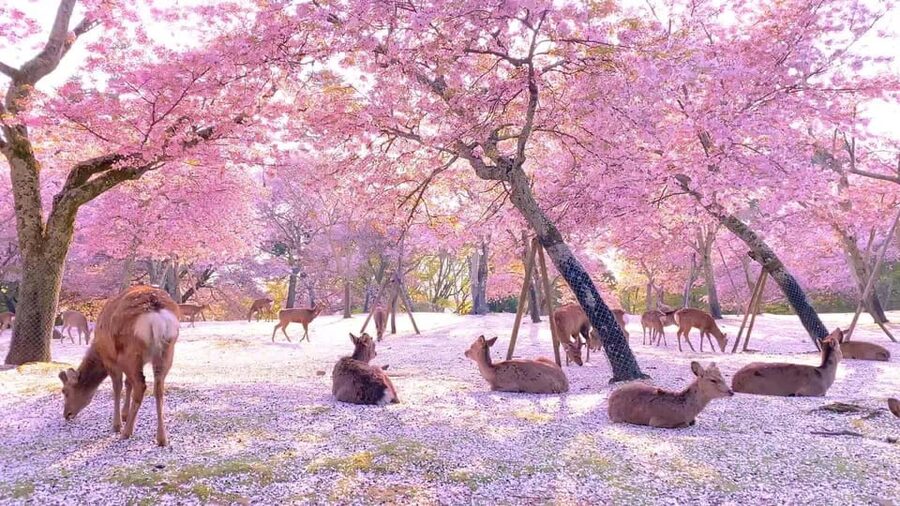
Once you cross into Nara, the energy changes. Nara Park with the deer is typically a photo stop plus visit and guided time, around an hour. This can be joyful, but go in with eyes open. Deer in Nara can be bold, and if you do not like animals coming close, it might not feel relaxing.
That said, Nara’s deer park is one of the easiest “wow now, breathe later” moments of the entire day. It breaks up temple density and gives the kids, or anyone who enjoys casual nature moments, a different kind of scenery.
Next is Tōdai-ji, one of Japan’s heavy hitters. You get photo time plus guided sightseeing, again about an hour in the structure. This is where the scale hits you. A guide is useful here because the complex site can feel overwhelming if you are not sure what to prioritize.
The tour can also include other Nara highlights like Todai-ji Nigatsudo, Kasuga Taisha Shrine, Shinyakushiji Temple, and Wakakusayama Hill, if your customization includes them. Even if you only do the core two, Nara still hits that second major contrast against Kyoto.
Could This Tour Include Osaka Too?
The tour title says Kyoto/Osaka, and pickup or drop-off can be Kyoto, Nara, or Osaka. In practice, you are likely to keep most of your day in Kyoto and Nara, but you can add an Osaka-related route if it fits your timing and preferences.
I’d treat “Osaka” as a flexible option, not a guarantee that the city center will be a core focus. The best way to make it work is to list what you want from Osaka, and let your guide sequence it with the Kyoto and Nara targets so you are not stuck in traffic for too long.
Price and Logistics, What You’re Actually Paying For
At $477 per group up to 6 for a 10-hour day, you are paying for three things: private transport, customized routing, and a guide-driver team to reduce confusion.
Is it cheap? Not really. But compare it to the real cost of doing this yourself when you factor in taxis, getting the sequencing right across Kyoto and Nara, and the time you lose just moving between far-apart sites. A private car can turn a stressful day into one where you can actually enjoy the places.
And that “enjoy” piece shows up in the reviews pattern. The standout praise is about guides who:
- arrive on time and confirm details
- plan a logical order to avoid wasted backtracking
- stay patient with families and different walking speeds
- help with photo timing and meeting points
- offer practical suggestions for food and where to go next
If you are traveling with a mix of ages, a private car day is often the best value. People mention it saves energy and stress, and it lets you do more without feeling like your trip is just commuting.
If you are solo, you may still find it worth it when you want maximum sightseeing in one day and you dislike the mental load of transfers, waiting, and rerouting. But if you love public transport and prefer a slower pace, you might decide this is more than you need.
The Stops That Make the Day Feel Complete
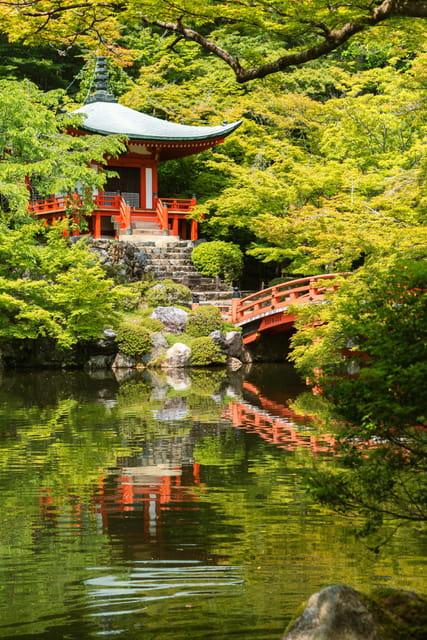
Even when your itinerary is customized, the “spine” of a great Kyoto and Nara day is usually these types of locations:
- Signature landmarks: Arashiyama Bamboo Forest, Fushimi Inari torii gates, Kinkaku-ji with gold leaf, and Kiyomizu-dera
- Street life: Gion and Nishiki Market for atmosphere and a practical meal break
- A second region payoff: Nara Park deer and Tōdai-ji for a full contrast day
Depending on your selections, you may also see options like:
- Sanjusangendo Temple and Ginkaku-ji
- a Zen temple in northern Kyoto
- Yasaka Shrine or Kodaiji Temple
- Nijo Castle and even a Samurai and Ninja Museum style stop if you want something more playful
That variety is a real advantage because it stops the day from feeling like a march through temples. You get beauty and meaning, plus some real-life Kyoto energy.
Practical Tips That Make This Tour Easier on Everyone
Here are the choices that usually make a big difference on a day this packed.
1) Build your must-sees list before you chat
Decide your top three or four first. Then add “if time” options. This helps your guide sequence everything smoothly.
2) Ask for a pace that matches your group
If you have elderly visitors, kids, or anyone with limited walking stamina, say so early. Many guide stories highlight that they keep the day organized without pushing you through every corner.
3) Plan for crowds, especially at Fushimi Inari
You will not escape crowds in Kyoto completely. The goal is to control the chaos with the right timing, shorter photo stops when needed, and smart meeting points.
4) Eat during Nishiki or plan an easy lunch backup
Lunch is not included. Nishiki Market can be a practical solution, and your guide can also point you toward food options.
5) Bring cash or a card for tickets
Tickets are not included, and multiple temples or shrines may charge entry fees. Build that into your daily budget so you are not surprised.
6) Wear shoes you can walk in
Even with a car to cut down travel, you still do temple walking. Good footwear matters more than you think.
Who This Private Kyoto and Nara Tour Is Best For
This tour fits you if:
- you only have one day and want the biggest hits without planning headaches
- you care about getting the route right across Kyoto and Nara
- you want help with interpretation and site context from an English-speaking guide-driver
- you’re traveling with mixed ages or small kids, and you want fewer stress points
It may not be your best match if:
- you hate crowds and want quiet, off-peak temple time only
- you prefer to travel at your own rhythm with no structure at all
- you are happy taking public transport and spending extra time between sites
Should You Book This Private Kyoto and Nara Tour?
I think you should book it if you want one strong day that covers the icons, keeps you moving efficiently, and gives you flexible control over pacing. At $477 per group up to 6, the value lands hardest when you split cost across a small group and when you truly use the private-car advantage to reduce transfers and waiting.
If you book, do one thing to make it pay off: be clear about what you want most, and ask for a sequence that protects your energy for the biggest stops like Fushimi Inari and Tōdai-ji. With a guide like Abdullah or Usama, the day tends to feel smooth, safe, and less rushed, which in Kyoto is not a small deal.
FAQ
What’s included in the tour price?
You get a private comfortable vehicle, Wi-Fi hotspot, an English-speaking driver/guide, tolls and gas, and a fully customized tour. Lunch and tickets are not included.
How customizable is the itinerary?
You can liaise with the provider after booking to create your plan. The tour can include major sights such as Arashiyama Bamboo Forest, Kinkaku-ji, Fushimi Inari Taisha, Gion, Nishiki Market, Kiyomizu-dera, and more, based on what you choose.
Where do pickup and drop-off happen?
Pickup is included from hotel locations, with options listed for Kyoto, Nara, and Osaka. Drop-off options are Nara, Kyoto, and Osaka.
Do I need to pay for temple or shrine tickets?
Yes. Tickets are not included, so you should expect to pay entry fees for the sites you visit.
Is there a live guide, or just a driver?
The tour includes an English-speaking driver/guide. A live tour guide is listed as available in English, Hindi, and Japanese, depending on the option you select.
How long is the tour?
The duration is 10 hours.
Is the car equipped with Wi-Fi?
Yes, the tour includes a Wi-Fi hotspot.
Can I cancel for a full refund?
You can cancel up to 24 hours in advance for a full refund.
Is the tour wheelchair accessible?
Yes, the tour is listed as wheelchair accessible.
Fresh options around Kyoto
- A Privately Guided Photoshoot in Beautiful Kyoto by a Pro★ 5.0 · 18 reviews
- Kyoto: Fushimi Inari Taisha Shrine Walking Tour with Guide★ 4.8 · 18 reviews
- Sekka Cotton Furoshiki Class★ 5.0 · 19 reviews
- Natural Indigo Dyeing with Local Masters (Private Atelier)★ 5.0 · 19 reviews
- Kyoto: Personalized Guided Private Tour★ 4.8 · 19 reviews
- Kyoto: Quiet and Graceful Tea Ceremony★ 4.5 · 19 reviews
- Oboro | Mindful Tea Ceremony in a 100-Year-Old Kyoto Teahouse★ 5.0 · 19 reviews
- Ikebana Traditional Japanese Art of Flower Arranging★ 4.5 · 19 reviews
Guided, compared.
Tokyo 6hr Private Tour with Government-Licensed Guide
Read our review →
Shinjuku Local Bar and Izakaya Guided Walking Tour
Read our review →
Private City Highlights Tour with Local Guide
Read our review →
Kyoto Early Morning Tour with English-Speaking Guide
Read our review →
Tokyo 4hr Private Tour with Government-Licensed Guide
Read our review →
Kyoto 6hr Private Tour with Government-Licensed Guide
Read our review →