
Reviewed · COOKING CLASSES
Kyoto: Wagashi (Japanese sweets) Cooking near Fushimiinari
Kyoto wagashi is comfort food with manners. In this small-group cooking class near Fushimiinari, you’ll make about three types of wagashi yourself, then eat them in a traditional room with a garden view.
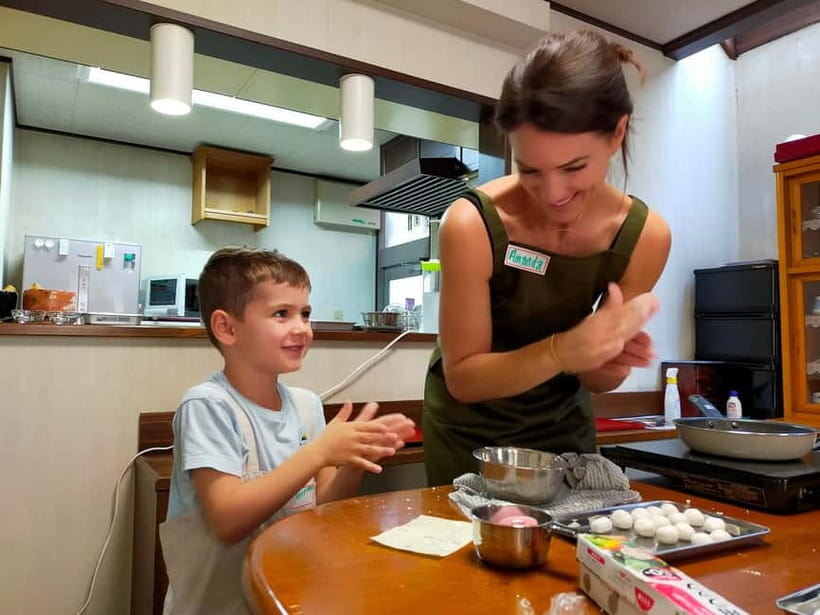
What I like most is the setting: you’re in a real Japanese home, in a washitsu space where the garden does half the calming work for you. I also love that the lesson is truly hands-on, not just watch-and-copy, and that Miho explains the why behind the steps, in clear English.
One consideration: the menu can change by season, so you might not get the exact sweets you were picturing from anime or photos. Also, there’s no hotel pickup, so plan on getting yourself there on time.
Key things you’ll love about this wagashi experience
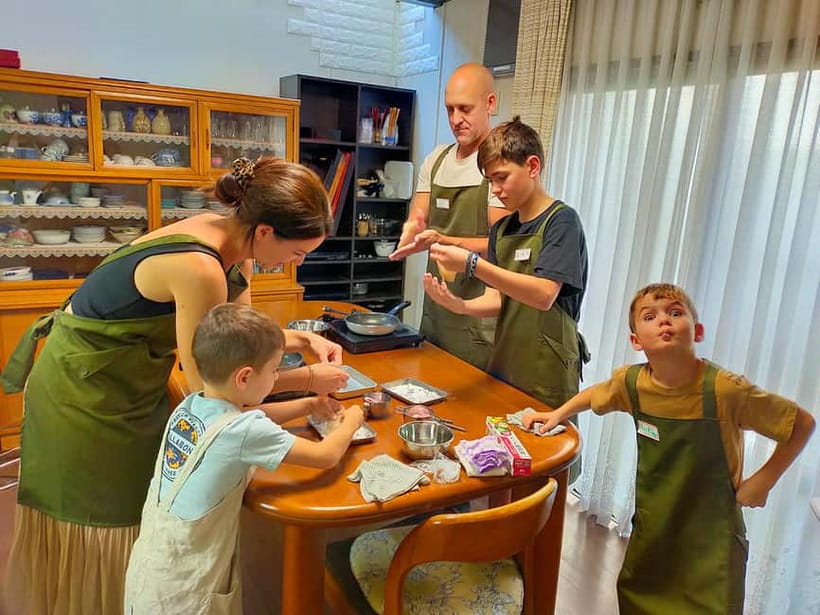
- A real Japanese room with garden views for cooking, tea, and eating
- Hands-on wagashi making (about three different sweets) with guidance
- Miho’s English teaching style, explained step by step
- Matcha tea before and after, plus time to slow down and eat what you made
- Take-home portions sometimes, so your effort does not end when class ends
- Vegetarian and vegan friendly, if you tell them your needs ahead of time
A real Japanese home near Fushimiinari, not a classroom vibe
The big reason this class feels different is where it happens. You’re welcomed into an authentic Japanese house with traditional rooms, including the tatami-style space where you’ll spend most of your time. Instead of sitting at tables under harsh lights, you relax into the rhythm of a home tea moment.
Being near Fushimiinari also matters for planning. Kyoto can be a lot of walking and crowds, and this gives you a quieter, indoor reset. If you’re doing temples and streets in the daytime, this kind of activity in the evening is a practical way to balance your trip.
You’ll also notice the pace: the class is structured, but not rushed. Many people end up chatting with the host and learning small cultural details as they cook. That’s part of the value here. You’re not just collecting recipes, you’re learning the habits behind them.
More Cooking Classes in Kyoto
- Ramen Cooking Class at Ramen Factory in Kyoto
★ 5.0 · 1,937 reviews - Kyoto: Ramen Cooking Class at a Ramen Factory with Souvenir
★ 4.9 · 532 reviews - Kyoto: Ramen, Gyoza, and Onigiri Cooking Class
★ 5.0 · 445 reviews
The flow of the class: tea, instruction, then you cooking
This is a 150-minute experience designed as a sequence, not a cram session. You start by relaxing in the traditional room, and you’ll typically get tea as part of that welcome. Multiple participants mention tea both at the beginning and again after cooking, which sets a comfortable tempo.
Then comes the instruction. You’ll watch the instructor demonstrate parts of the process, so you get the technique right before you touch the ingredients yourself. After that, you and your partner, or you working with your group, make about three wagashi types.
The hands-on part is where it earns its reputation. People consistently highlight that they weren’t stuck only watching. The teacher gives direction, you do the steps, and you get to see how texture and shape change as you go. That matters with sweets, because wagashi is about precision, timing, and gentle handling.
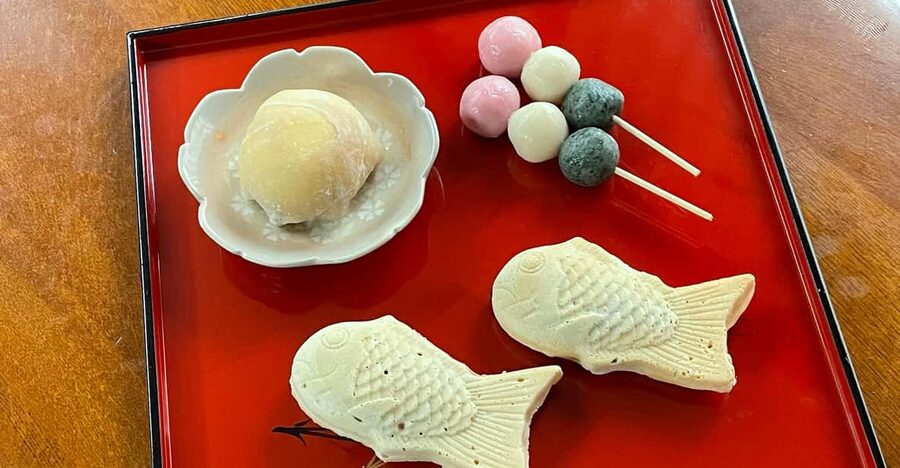
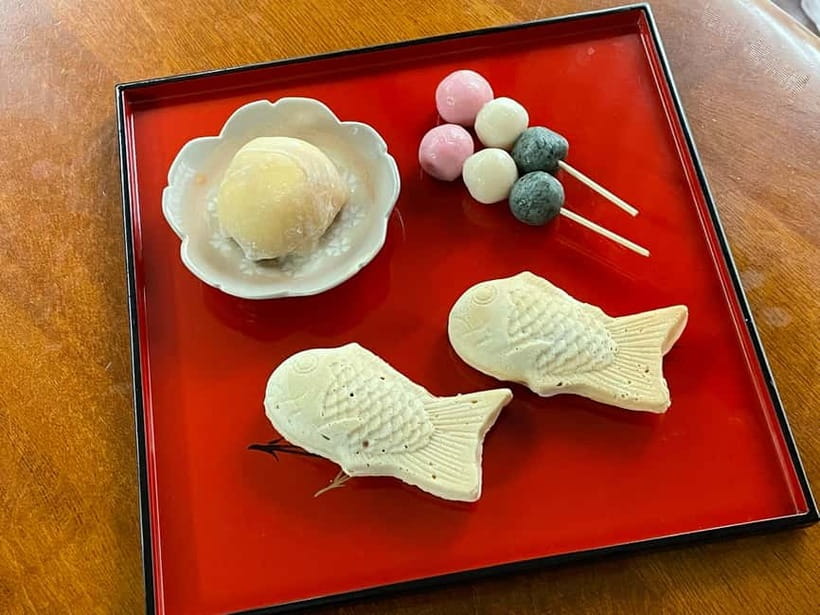
Finally, you all sit together to enjoy what you made. Expect a cup of matcha and a calm meal in the traditional room with a garden view. Some classes also include extra sweets or give you a chance to take portions home, which is a nice bonus for people who want to share.
Washitsu calm, garden views, and why the setting matters
Even if you love Japanese food, it’s easy to treat cooking classes like a checklist. This one resists that. The traditional room style and the garden view shift the mood fast. You stop rushing through steps and start focusing on detail.
Why does that matter for wagashi? Because wagashi is a craft. Many of the techniques depend on feel: dough softness, the way a mixture thickens, and how quickly you need to form shapes before it sets. When the room is calm and you’re not constantly switching between tasks, you can actually pay attention.
You also get a built-in cultural lesson without turning it into a lecture. Sitting for tea and sweets in a washitsu space teaches you how the meal experience works in Japan: timing, presentation, and enjoying the small things.
One more practical point: you’re not just eating sweets, you’re learning how they’re served. That helps when you try to reproduce the results later. You learn what should look simple but is actually careful.
What you’ll make: three kinds of wagashi with seasonal changes
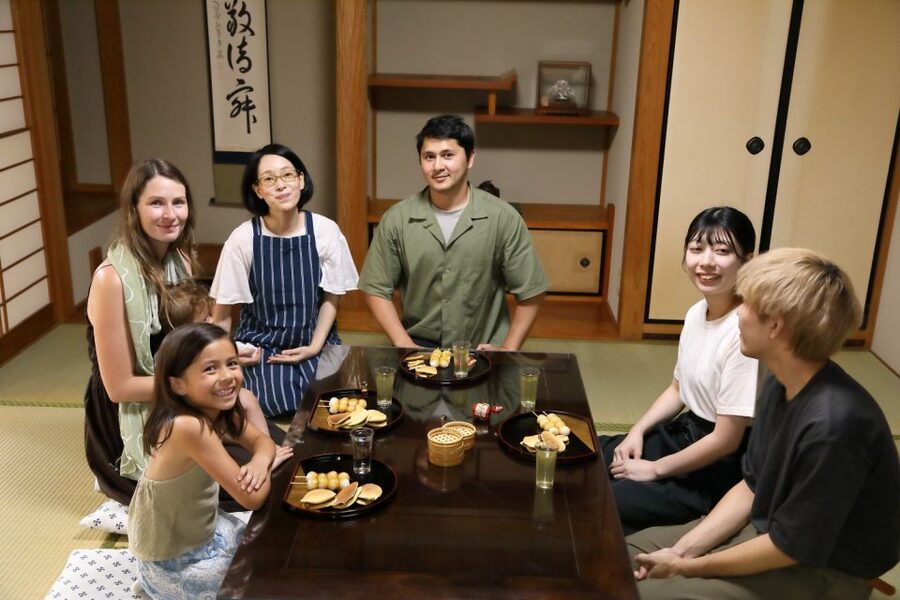
The menu is flexible. The class prepares about three different wagashi, but the specific sweets can vary based on the season. The practical takeaway for you is to avoid locking in one exact dessert in your head.
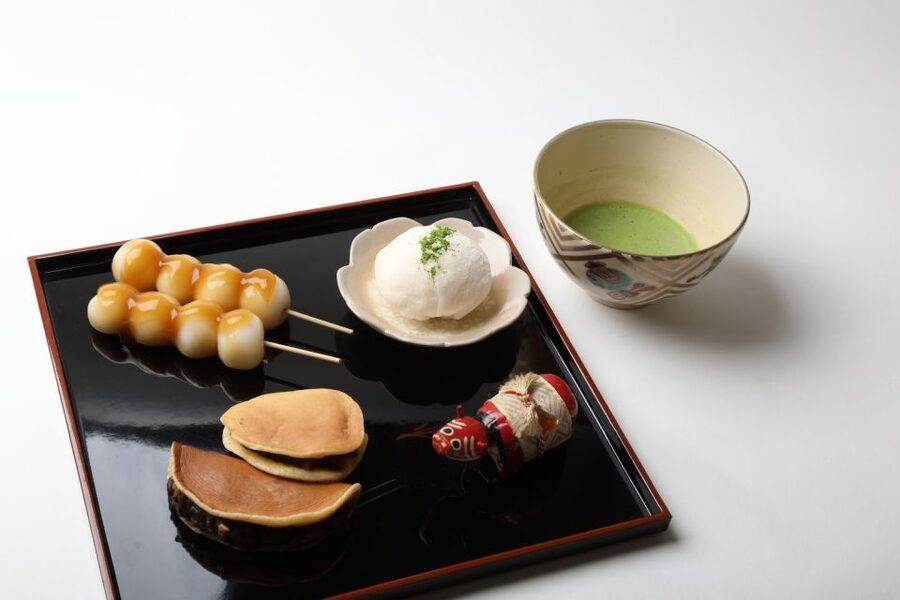
That said, the types people often make in this style of class include options like dango, mochi, and dorayaki, and you might see variations such as matcha-related items. Some participants also mention favorites like mochi ice cream on their menu, and techniques for mochi, not just assembly.
Here’s what you should expect even when the menu changes:
- You’ll work through ingredients that require temperature or texture control
- You’ll shape or assemble sweets by hand with guidance
- You’ll learn how the ingredient choices affect chewiness, sweetness, and appearance
This matters because wagashi isn’t one-size-fits-all. If you only know mochi from store packages, you’ll quickly realize cooking at home is different, and the class gives you a route in. Even if your final look isn’t perfect, you’ll understand the process enough to improve.
And because you eat what you make right after, you get immediate feedback. You taste the difference between your version and what it should become, and that helps your next attempt at home.
Same corner of Japan, a different kind of day:
- PERFECT KYOTO 1-Day Bus Tour
★ 5.0 · 13,518 reviews - Kyoto: Fushimi Inari, Kinkakuji, Bamboo Grove 1 Day Bus Tour
★ 4.8 · 4,316 reviews - Kyoto: Tea Ceremony in a Traditional Tea House in Kiyomizu
★ 4.9 · 3,519 reviews - Kyoto Geisha Walking Tour: Gion District & Hidden Gems
★ 4.7 · 3,273 reviews
Miho’s English teaching: clear steps, lots of Q and A
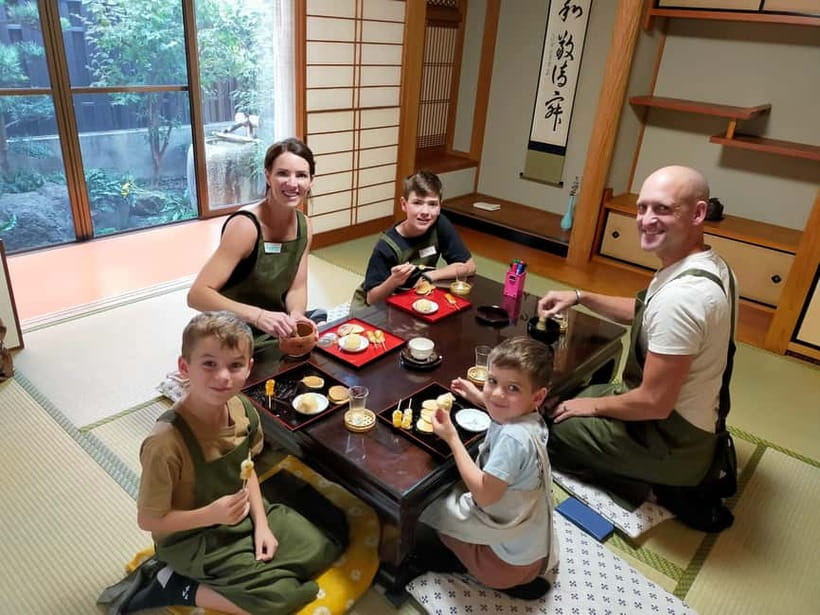
The instructor experience is a standout. Miho comes up again and again in the feedback as friendly, patient, and highly organized, with English that works for mixed groups. The class is conducted entirely in English, and the instructors are licensed guide interpreters, so communication is a priority.
That’s not just comfort, it affects learning. When cooking, small translation issues can become big mistakes. Here, you get clear steps you can follow, and you can ask questions while you work.
A hands-on class is also interactive by nature. People often mention that everyone gets tasks, not just one person doing all the work. If you’re traveling with a partner, you’ll still have chances to compare methods and talk through what you’re seeing.
There’s also a social layer. Several participants describe genuine conversation about Japan during the cooking. That kind of talk can turn a food class into a travel memory, because you leave with practical guidance, not just recipes.
Tea time and matcha: how the tasting part completes the lesson
The class doesn’t end when the last sweet is shaped. You’ll sit down and enjoy your wagashi with matcha tea, and tea can happen at multiple points during the session. People describe this as relaxing, like being invited over for tea by a Japanese friend.
This tasting time does two useful things for you:
- It helps you understand the sweets beyond looks. Wagashi can be subtle in sweetness and texture, so you need to taste it in the right context.
- It trains your memory for later. When you remember the flavor alongside the steps you just learned, you’re more likely to recreate it at home successfully.
Some people also mention that they received extra or take-home portions because there was a lot of food. Even if you don’t count on that every time, you can plan the class as a full experience with a satisfying ending.
Dietary needs: vegetarian and vegan friendly, if you plan ahead
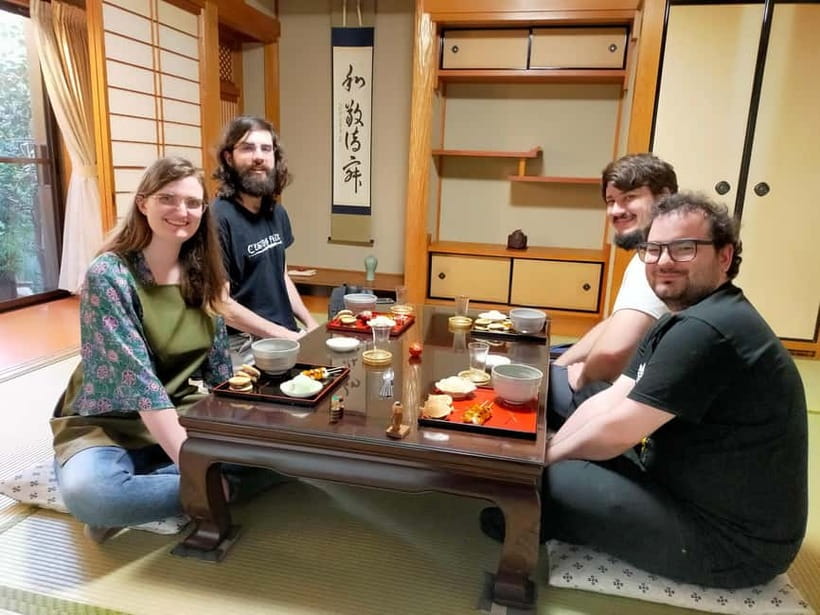
If you eat vegetarian or you’re vegan, this class can work well. The studio is described as vegetarian welcome and vegan friendly, as long as you let them know in advance about restrictions.
That’s important. Wagashi often relies on specific ingredients that can hide non-veg elements, especially in commercial equivalents. In a cooking class, ingredient control matters, and the provided info makes it clear the team wants your needs ahead of time.
Practical advice: message your dietary requirements when you book. If you’re unsure what will work, include details like whether you avoid eggs, honey, or dairy. The menu may change seasonally, so the more specific you are, the better they can prepare.
Value and price: is $84 per person worth it?
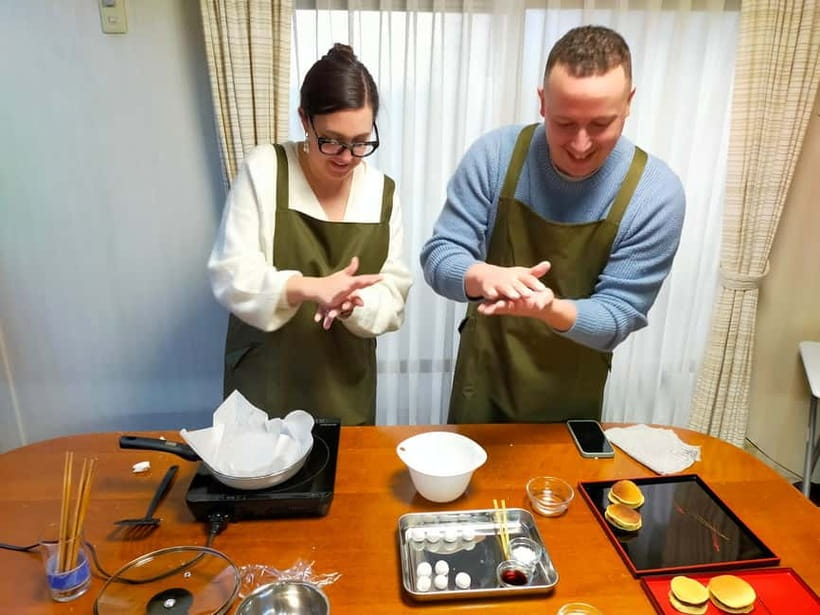
At $84 per person for 150 minutes, you’re paying for more than the food. You’re paying for:
- A small group size (limited to 6 participants)
- Professional English instruction from a licensed guide interpreter
- All ingredients and seasonings
- Tea and the included fees and taxes
In plain terms, it’s not the cheapest thing you can do in Kyoto, but it’s also not a one-hour demo. You’re getting real time, real guidance, and a skill you can take home.
The small group size is a big part of the value. When only a few people are cooking, you’re more likely to get help during tricky steps, and you’re more likely to feel comfortable asking questions. People also mention cases where someone booking solo ended up with a more private pace, which is a sign the format can flex.
Also remember the setting. Being in an authentic home, in a traditional room with garden views, is part of what you’re buying. This is a cultural experience, not just a recipe transfer.
Who should book this wagashi cooking class
This is a good fit if:
- You want a hands-on Kyoto activity beyond temples
- You like Japanese sweets, including dango and mochi-style desserts
- You want something intimate, with a small group and conversation
- You prefer English instruction and clear step guidance
- You need vegetarian or vegan options and can share restrictions in advance
It’s also smart for families in the right age range. There are mentions of kids having a great time, and the class includes notes that children 12 and below should participate with a guardian. Kids under 6 are not suitable.
One more fit check: it’s not suitable for wheelchair users, so plan a different Kyoto activity if mobility needs are part of your trip.
Price, logistics, and what to plan for on the day
This class includes everything you need for cooking, plus tea. The one thing it does not include is hotel pickup and drop-off. That means you should plan to arrive on your own and build a little buffer into your schedule.
Duration is 150 minutes, so give yourself time before and after. If you’re coming from Fushimiinari, you’ll likely want to avoid rushing between buses, trains, and walking. Kyoto is charming, but timing can still surprise you.
Also, remember the menu varies by season. If you’re very attached to a single wagashi, treat this as a craft class where you’ll learn technique and make delicious sweets, even if the exact items rotate.
Should you book this wagashi class near Fushimiinari?
If you like Japanese sweets and you want a Kyoto experience that feels personal, this is an easy yes. The combination of hands-on cooking, a small group, and a relaxed tea finish in a traditional home makes it more than just another activity.
Book it if you want to learn how the sweets are made, not just how they taste. It’s also a strong choice if you’re traveling with a partner and want a shared cooking task with real conversation.
Skip or think twice only if you need an exact menu guarantee, need wheelchair access, or want a pickup-included package. Otherwise, for $84, you’re buying a full 150-minute skill lesson, tea time, and the kind of calm Kyoto moment you will remember long after the sweets are gone.
FAQ
How long is the Kyoto wagashi cooking class?
The class duration is 150 minutes.
How many people are in the group?
The group is small, limited to 6 participants.
Is the class taught in English?
Yes. The experience is conducted in English, and the instructor is an English-speaking guide interpreter.
What do I actually cook during the class?
You’ll prepare about 3 different types of wagashi during the session, with demonstrations from the instructor and then hands-on cooking led by you and your group.
Are vegetarian or vegan options available?
Vegetarians are welcome, and it is vegan friendly. Let them know about your food restrictions in advance.
Is there hotel pickup and drop-off?
No. Hotel pickup and drop-off are not included.
What are the age requirements for children?
Children aged 12 and below must participate with a guardian, and it is not suitable for children under 6.
Fresh options around Kyoto
- Kyoto Aquarium Admission Ticket★ 4.7 · 12 reviews
- Kyoto Gion Photoshoot – Private Session | Pro Photographer★ 5.0 · 12 reviews
- Gyoza Cooking Class in Kyoto: Traditional Japanese Dumplings★ 5.0 · 12 reviews
- Kyoto: Guided Food Tour with 12 Dishes & 3 Drinks★ 5.0 · 12 reviews
- Kyoto: Avoid the Crowds at the Hidden Gems of Arashiyama★ 4.9 · 13 reviews
- Kyoto Early Bird English Tour: Gion & Higashiyama(Private opt)★ 5.0 · 13 reviews
- Otsu-e Folk Art Workshop & Local Culture Walk Near Kyoto★ 5.0 · 13 reviews
- Kyoto, Osaka, Nara Full Day tour by Car English speaking Driver★ 3.5 · 13 reviews
Cooking Classes, compared.
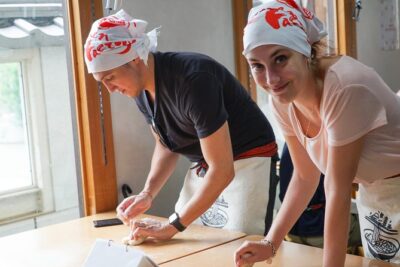
Ramen Cooking Class at Ramen Factory in Kyoto
Read our review →
Ramen & Gyoza Cooking Class in Tokyo with Local Supermarket Visit
Read our review →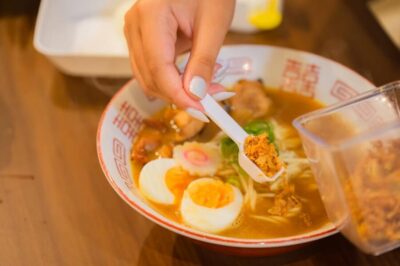
Ramen Cooking Class at a Ramen Factory with Souvenir
Read our review →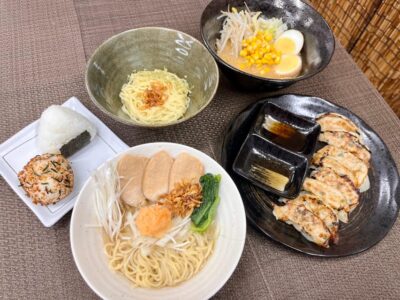
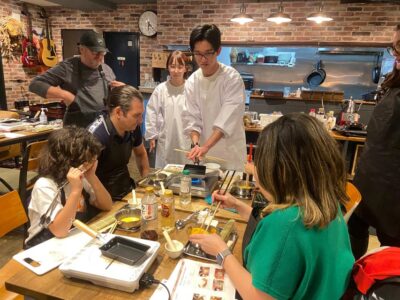
Japanese Washoku Bento Small Group Cooking Class
Read our review →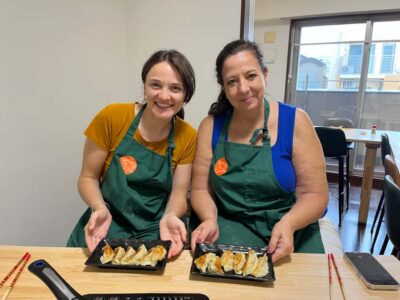
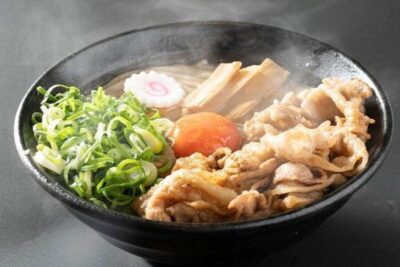
Easy Ramen Cooking Experience in Kabukicho, Shinjuku
Read our review →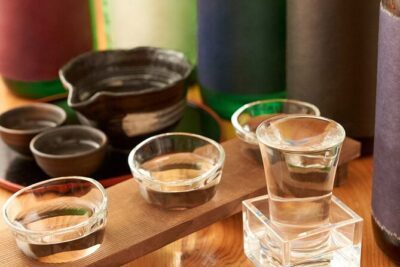
Ramen and Sushi Cooking Class with Sake Pairing Set in Tokyo
Read our review →Browse the lists this tour appears in