Reviewed · KYOTO TOURS
Kyoto: Traditional Yuzen Dyeing Experience
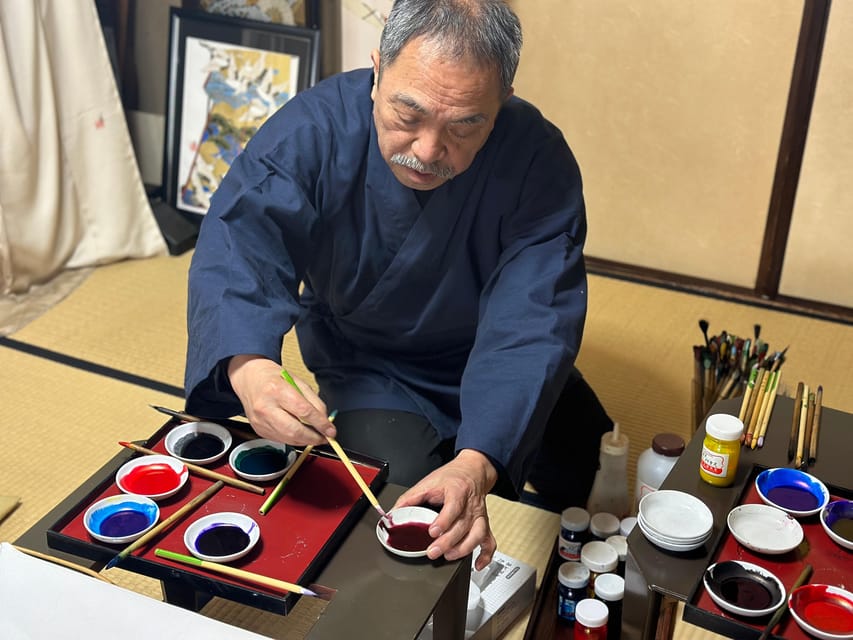
Kyoto Yuzen looks delicate, but it’s hands-on. This small-group class lets you work inside a traditional machiya in Nishijin, learning how Kyoto Yuzen dyeing turns color into wearable art. You’ll choose your starting colors, watch the artisan help balance the palette, and create a silk piece you can actually take home.
What I really like is the focus on making, not just watching. You get hands-on instruction from the artisan, supported by an interpreter (English and Chinese), and you end with your own dyed silk artwork. The calm, private-home setting also makes it feel more like apprenticeship than a fast tourist demo.
One thing to plan for: you should wear clothes you don’t mind getting dye on, and the process may involve chemicals, so let the team know about allergies or sensitivities ahead of time.
Key takeaways before you go
- Small group size (up to 6): more attention from the artisan and translator while you paint.
- Yuzen dyeing in a real machiya home: you’re in the craft space, not a warehouse classroom.
- Color decisions are guided: you pick one or two colors, then the artisan helps finish the palette.
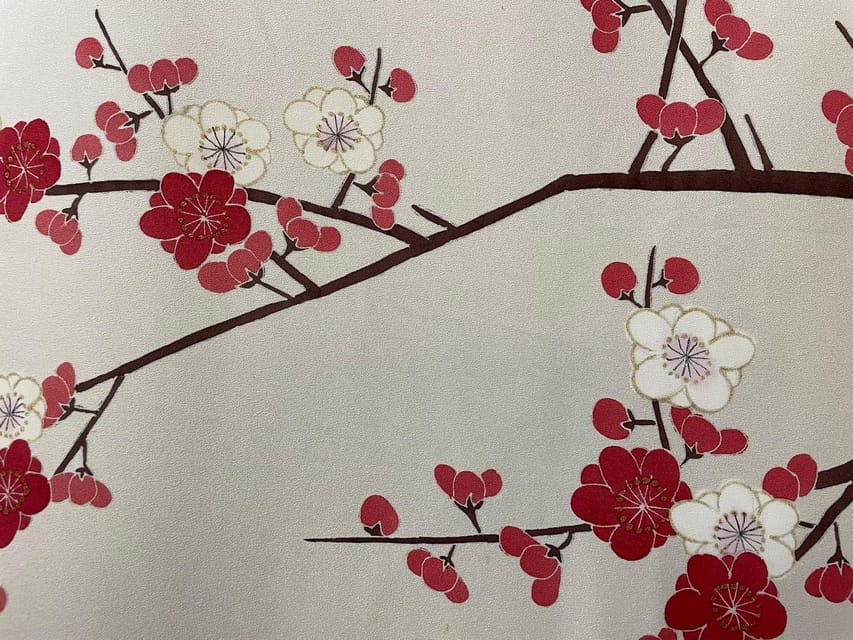
- Pre-outlined designs on silk: it’s paint-in-the-lines, with you controlling the look.
- You take home finished silk: the instructor irons/drys it so you can keep it as a souvenir.
- Two hours seated and focused: great for art lovers, less great if you can’t sit comfortably.
Kyoto Yuzen in Nishijin, where the craft still feels personal
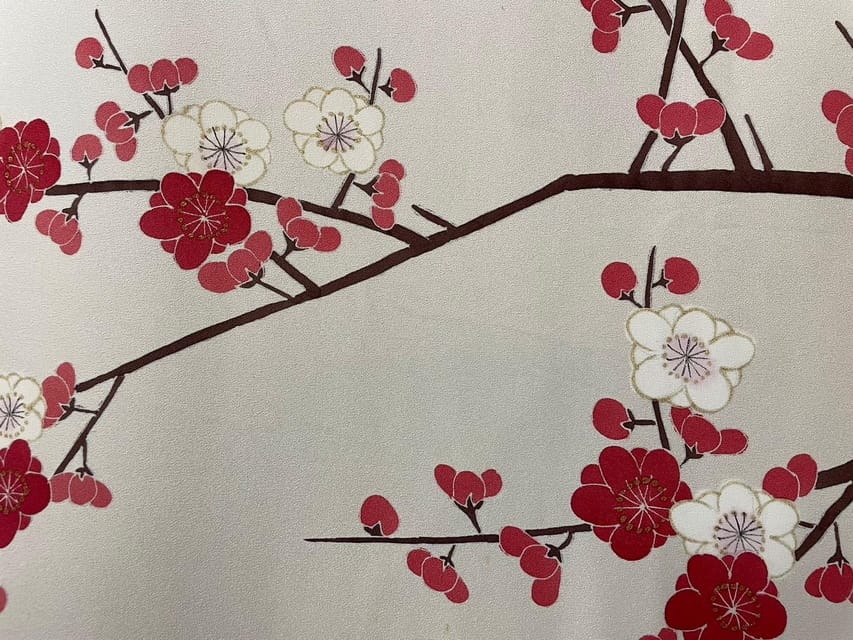
Kyoto Yuzen is one of those Japanese arts that sounds formal until you see how practical it is. In this experience, the goal is simple: you learn the basics of dyeing and then make a genuine piece of silk art with your own color choices. You’ll also get an explanation of the history of Yuzen dyeing and why it matters in Japanese culture, but the day stays grounded in process, tools, and technique.
The location in Nishijin is a big part of why this feels authentic. Nishijin is known for traditional textiles, and the activity reflects that. Instead of being routed through a typical studio setup, you’re in an artisan’s home environment. That changes the tone. The atmosphere feels quieter and more careful, which matters because the work is detail-heavy.
If you care about taking home something that doesn’t look like a generic “souvenir shop” product, this is a strong match. Your finished silk piece is built from your choices, and the artisan’s guidance helps make it look balanced rather than random.
A few more Kyoto days worth comparing
- PERFECT KYOTO 1-Day Bus Tour
★ 5.0 · 13,518 reviews - Kyoto: Fushimi Inari, Kinkakuji, Bamboo Grove 1 Day Bus Tour
★ 4.8 · 4,316 reviews - Kyoto: Tea Ceremony in a Traditional Tea House in Kiyomizu
★ 4.9 · 3,519 reviews
Stepping into a traditional machiya townhouse studio
The biggest difference here is where it happens. You’re entering a traditional Kyoto machiya townhouse in the historic Nishijin district. That means wooden rooms, a lived-in feel, and an experience that feels intentionally small and calm.
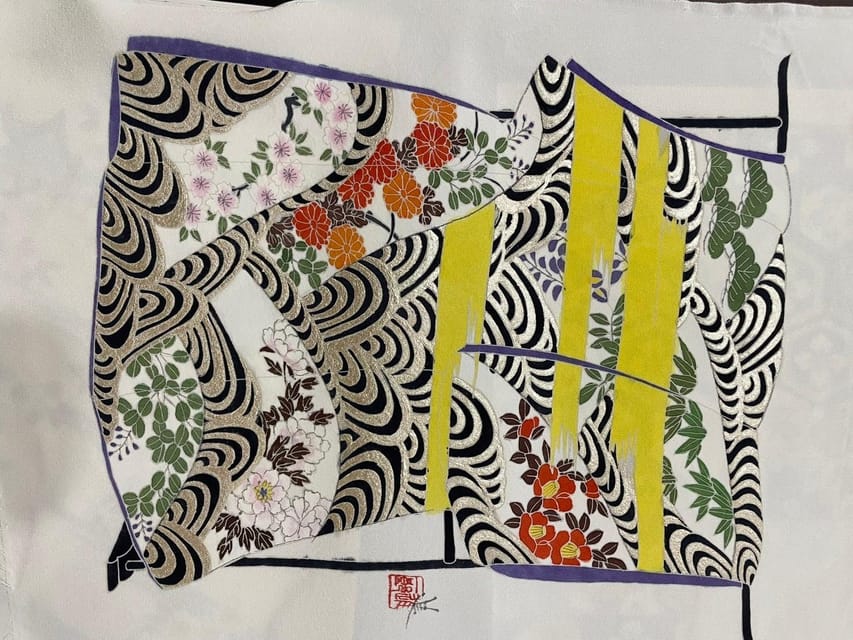
In the class space, you’ll see and learn directly from the artisan. There’s also a view display of Kyoto Yuzen works, so you can study how other pieces use composition and color. In a lot of craft classes, you only see the end result on a sample card. Here, you get more context first, and it helps your decisions later when you’re choosing colors.
One practical note: this is not a quick hands-on “pass the paper” session. It’s a two-hour craft class. You’re doing the painting and dyeing work yourself, with time to settle in. That slow pace is exactly what makes it feel meditative for many people, but it also means you need comfortable clothing and patience.
How your design starts: outlines, color picking, and artisan palette balancing
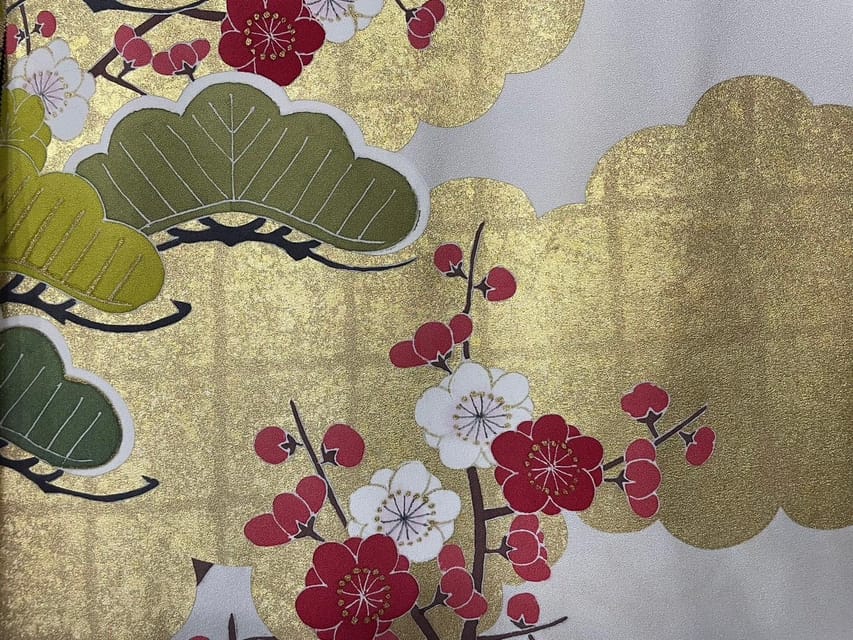
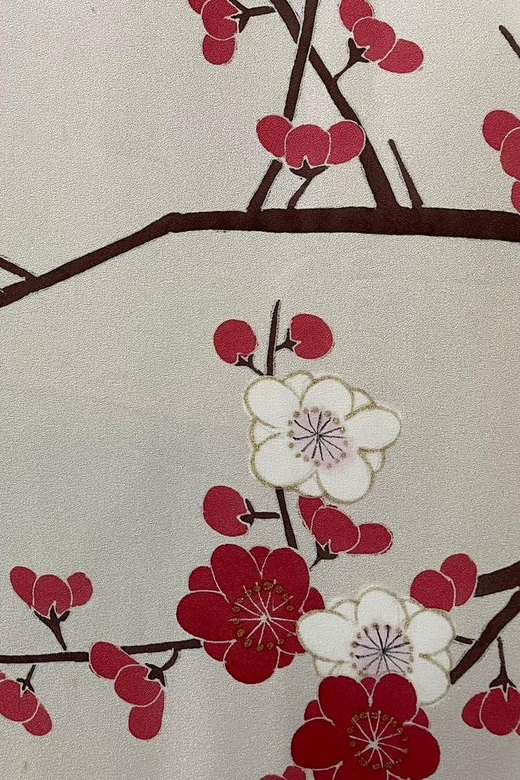
Your design comes from the artisan’s pre-prepared options. In the sessions described, you choose a pattern from available designs, and the silk often arrives with the design already outlined in a guide form. One review specifically mentions golden outlines on the fabric, and that tracks with how Yuzen work typically looks when you’re painting into a set boundary.
Common design themes people choose include things like phoenixes, cranes, fans, and combinations with elements like crescents or moons. You might also see a few design options on offer per session. In one case, the set felt limited to three choices, so if you have a very specific motif in mind, it’s worth double-checking what’s available before you commit.
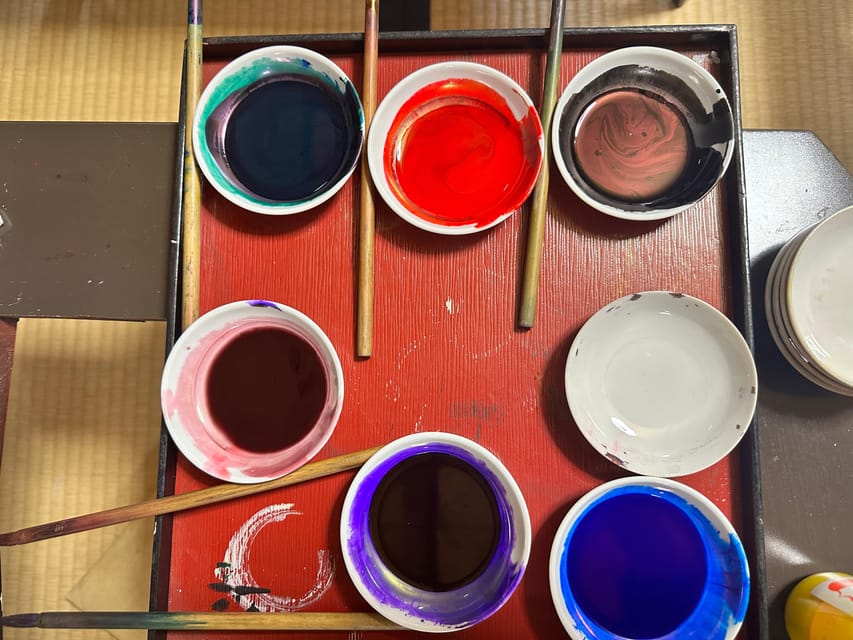
Color is where the experience really becomes personal. You’re encouraged to choose one or two colors you like, and then the artisan selects and supports the rest of the palette so the final piece looks harmonious. That’s a key part of the value. Most DIY souvenirs only give you control over surface decoration. This gives you control over your taste, then uses craft expertise to keep the overall work visually balanced.
In multiple accounts, the artisan explains how different shades will land on silk and even mixes colors in front of you. You’re not just applying a paint-by-number kit. You’re learning how tone and water concentration affect the final look.
Painting with dye: tools, mixing, and getting your silk colors to behave
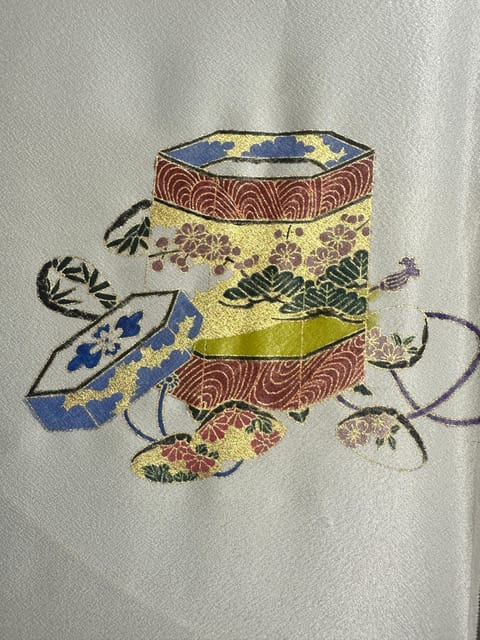
The core of the class is hands-on Yuzen dyeing. You’ll paint with dye on silk while following the design’s outline boundaries. As you work, you’ll watch color gradually come to life. The artisan demonstrates how to use the tools and how to build the right tone.
A detail worth knowing before you arrive: you may be using paint and dye mixtures, and it matters how much you load onto your brush. One practical tip mentioned is that if you overload your brush, the paint can bleed. That’s useful to hear early because it helps you avoid the common beginner mistake of trying to make each stroke faster by loading up too much dye.
You also get guided support for timing and technique. One person mentioned their session ran about 30 minutes over the scheduled end time, but they felt comfortable because the hosts stayed patient and allowed time. Translation support is built into the experience, so even if you’re not speaking Japanese, you can ask questions and understand what to do next.
In some sessions, people specifically noted working with an artisan named Master Shin’Ichiro, with an interpreter named Ha. Don’t assume that will be your exact team every day, but it’s a good sign that the instruction is both expert and well communicated for English and Chinese speakers.
Same corner of Japan, a different kind of day:
- Kyoto Geisha Walking Tour: Gion District & Hidden Gems
★ 4.7 · 3,273 reviews - Kyoto: Tea Ceremony Ju-An at Jotokuji Temple
★ 4.9 · 3,207 reviews - Kyoto: Gion Magical Night Walking Tour with Geisha Trivia
★ 4.9 · 2,393 reviews - Kyoto: 45-Minute Tea Ceremony Lesson Experience
★ 4.3 · 2,378 reviews
The finished keepsake: your Yuzen silk, dried and ready to take home
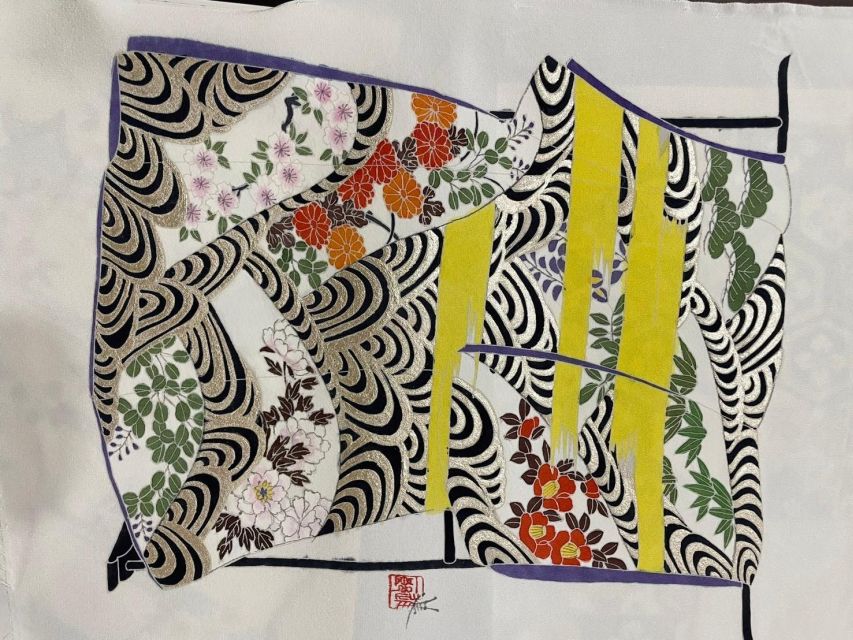
The payoff is straightforward. You take home your own Yuzen-dyed silk piece as a meaningful keepsake. This isn’t a “you pick it up later” souvenir unless you choose to buy additional items from the artisan separately. Your piece comes from your own painting decisions, guided by the artisan’s approach to harmony.
One practical detail from accounts: after you finish painting, the instructor irons the piece to help ensure it’s dry. That’s important because you don’t want a fragile wet textile disaster in your luggage. Having the work finished and processed by the instructor is part of why the class feels like a real craft experience rather than a tabletop activity.
Also, you’re not just leaving with a pretty object. You’re leaving with a story of how the colors were chosen, mixed, and applied. If you like souvenirs that mean something, this hits hard. You can frame the silk and remember the exact design and color decisions you made.
Price and value for $161: what you’re paying for (and what you aren’t)
$161 for a two-hour class sounds steep until you break down what’s included. You’re paying for instruction directly from the artisan, a live interpreter, and a view display of Kyoto Yuzen works. Plus, you’re taking home the finished silk piece created during the session.
The small group size, limited to 6 participants, matters here. Less crowd means more guidance and more time for questions. Craft technique is hard to learn from across the room. This format makes it easier for the artisan to help you get the colors and application right.
What’s not included is also worth noting. Transportation to and from the meeting point isn’t included. There may be additional cash costs if you choose to purchase more works directly from the artisan. So if you’re the type who wants zero surprise spending, plan for the base price only, and treat extra purchases as optional.
Overall, this is better value than many “tour + demo” experiences because you produce something you keep. You’re not just watching. You’re learning and making.
Who should book this Yuzen dyeing experience, and who should think twice
This workshop is a good fit if you:
- Love Japanese crafts and want a hands-on souvenir
- Enjoy slow, focused activities
- Like receiving guided color advice rather than going solo
- Want to step into a traditional home setting, not just a workshop storefront
It may not be ideal if:
- You travel with kids under 10, since children under 10 are not suitable
- You’re bringing a baby under 1
- You don’t want to sit on the floor or remain seated close to your work for about two hours
- You’re sensitive to chemicals used in the process (tell the team in advance)
The class is wheelchair accessible, which is a real plus. Still, it’s worth keeping the seated nature of the craft in mind when you’re packing your comfort level and expectations.
Clothing matters too. Wear comfortable clothes that you don’t mind getting dye on. That’s not just a “nice to know.” It can make or break your experience because dye can be messy, and you’ll be working close to your hands and tools.
Should you book this Kyoto Yuzen dyeing session?
If you want one high-quality craft memory in Kyoto, I’d strongly consider booking this Yuzen class. The best reason is the combination of setting and participation: a small group, instruction from the artisan, and a finished silk piece that reflects your choices. It’s calm, structured, and practical, not rushed.
Book it if you’re an art lover who enjoys careful work and wants a souvenir with real meaning. Skip it or think twice if you can’t handle dye-friendly clothing, have chemical sensitivities, or need a kid-friendly activity.
If you line up your expectations, this is exactly the kind of Kyoto experience that gives you something lasting, both visually and emotionally.
FAQ
How long is the Kyoto Yuzen dyeing experience?
It lasts about 2 hours.
How big is the group?
The group is limited to 6 participants, so it stays small.
What languages are available during the class?
The live tour guide and interpreter support English and Chinese.
Is the experience wheelchair accessible?
Yes, it is listed as wheelchair accessible.
What should I wear and bring?
Wear comfortable clothes that you do not mind getting dye on. Other than that, you just need to show up ready to paint.
Are there age limits for participants?
Yes. Children under 10 years are not suitable, and babies under 1 year are also not suitable.
Can I cancel, and is transportation included?
Transportation to and from the meeting point is not included. The experience also offers free cancellation up to 3 days in advance for a full refund.
Fresh options around Kyoto
- Kyoto Aquarium Admission Ticket★ 4.7 · 12 reviews
- Kyoto Gion Photoshoot – Private Session | Pro Photographer★ 5.0 · 12 reviews
- Gyoza Cooking Class in Kyoto: Traditional Japanese Dumplings★ 5.0 · 12 reviews
- Kyoto: Guided Food Tour with 12 Dishes & 3 Drinks★ 5.0 · 12 reviews
- Kyoto: Avoid the Crowds at the Hidden Gems of Arashiyama★ 4.9 · 13 reviews
- Kyoto Early Bird English Tour: Gion & Higashiyama(Private opt)★ 5.0 · 13 reviews
- Otsu-e Folk Art Workshop & Local Culture Walk Near Kyoto★ 5.0 · 13 reviews
- Kyoto, Osaka, Nara Full Day tour by Car English speaking Driver★ 3.5 · 13 reviews
Kyoto Tours, compared.

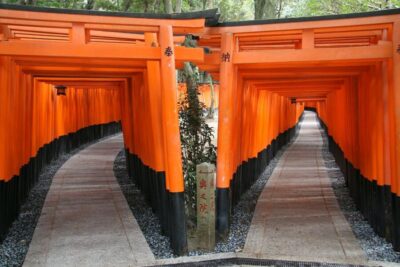
Fushimi Inari, Kinkakuji, Bamboo Grove 1 Day Bus Tour
Read our review →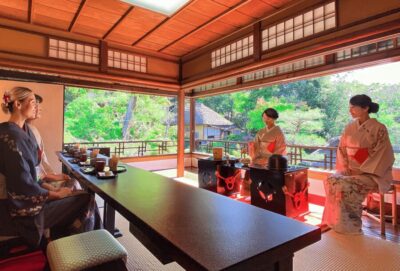
Tea Ceremony in a Traditional Tea House in Kiyomizu
Read our review →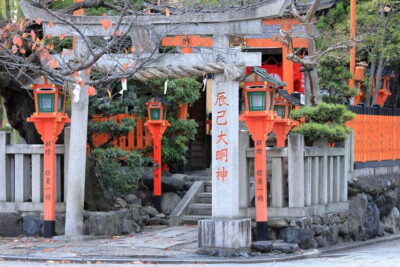
Kyoto Geisha Walking Tour: Gion District & Hidden Gems
Read our review →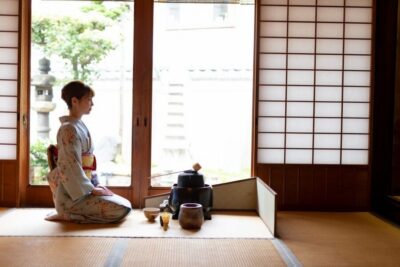

Gion Magical Night Walking Tour with Geisha Trivia
Read our review →