
Reviewed · KIMONO EXPERIENCES IN KYOTO
Kyoto: Traditional Kimono Rental
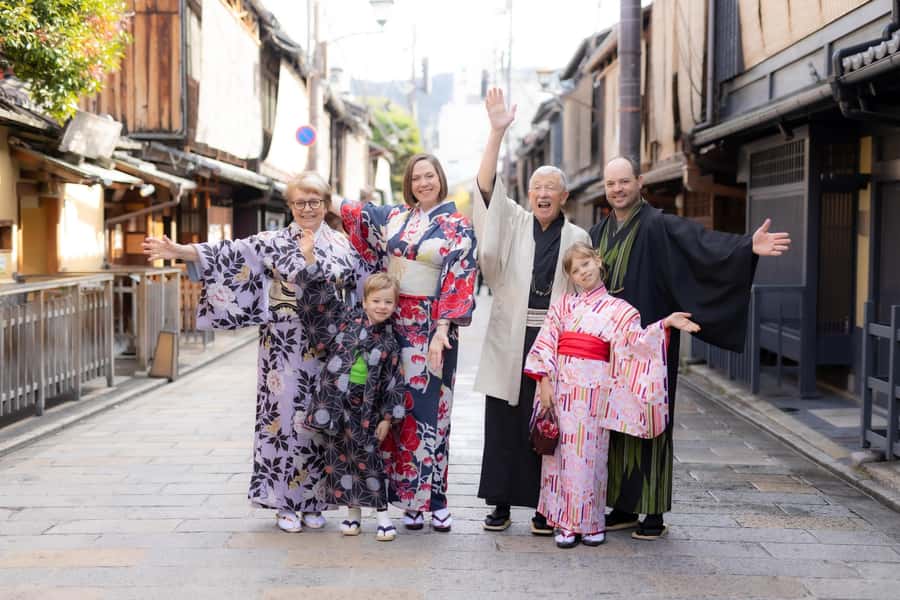
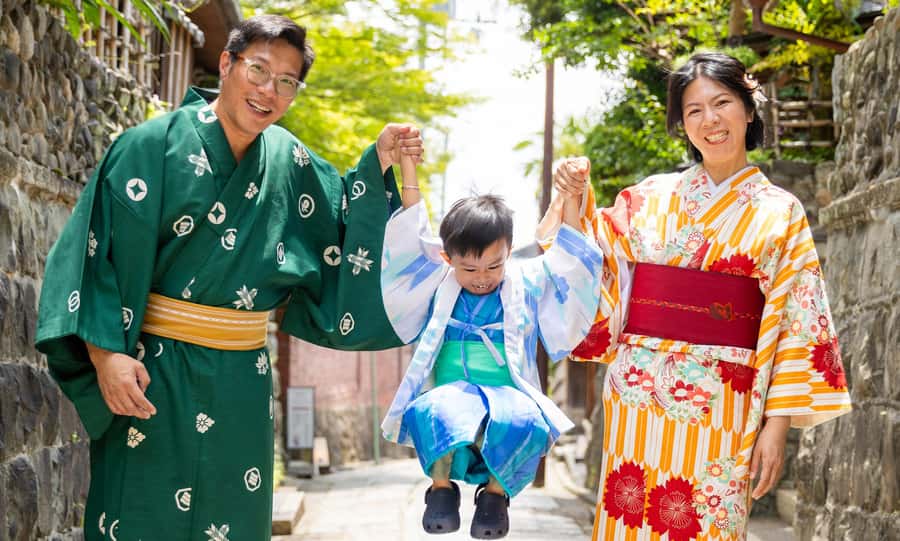
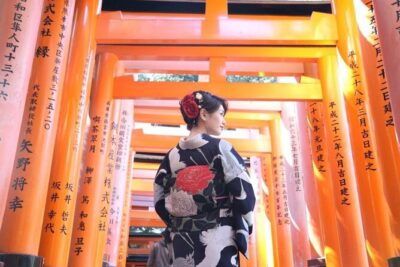
Kyoto looks different in a kimono. I love the shop’s Edo-period roots and huge choice of classic-to-contemporary styles, and I love that it’s only a short walk from Gojo Station. You start your day ready to look the part, right when Kyoto is most fun on foot.
The main consideration is timing. Kimono rental takes about 1 hour for preparation, and if you add hairstyling and makeup you should plan for an extra 30 minutes, so don’t treat it like a quick stop.
Key things I’d mark on your Kyoto plan
- Edo-period craftsmanship and in-house experts: dressers and stylists are trained internally, and the shop does not rely on temporary staff.
- Style range you can actually match to your day: formal, casual, seasonal patterns, and premium options like tea ceremony or photo shoots.
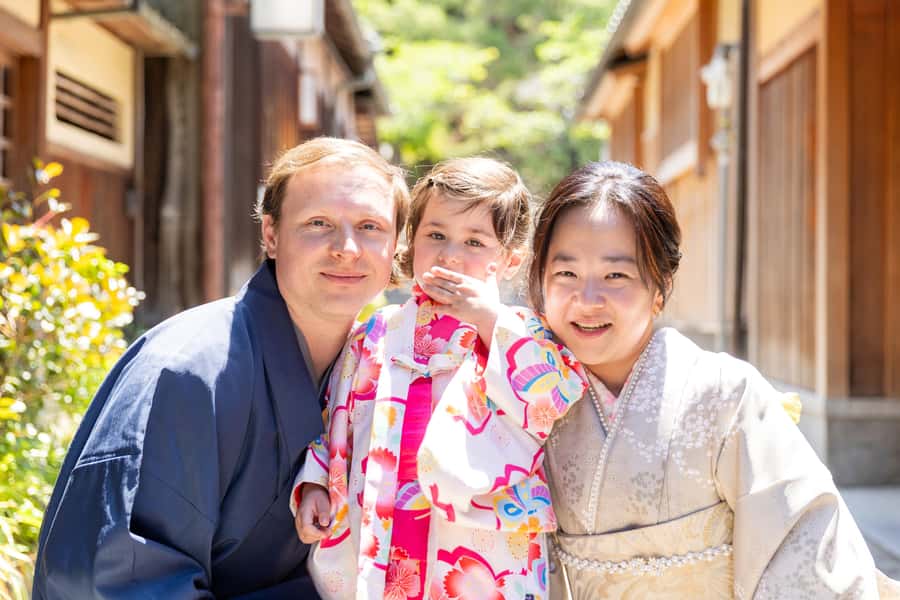
- Comfortable fit options: women’s sizes from S to 4LW and men’s sizes from 5S to 5L.
- Great access to classic neighborhoods: just a short walk from Gojo Station, with easy reach to Kiyomizu-dera, Gion, Fushimi Inari, and Nijo Castle.
- Know the photo rules early: no photography inside the shop, and no video recording, so plan your best shots outdoors.
Kyoto Kimono Rental Yumeyakata: A convenient base for sightseeing
This kimono rental is called Kyoto Kimono Rental Yumeyakata, and it’s set up for exactly what you want in Kyoto: start close to transit, get dressed quickly, then walk into the city.
The big practical win is location. The shop is a 3-minute walk from Gojo Station, and Gojo is only one stop away from Kyoto Station. That means you can store your bags, dress, and still make it to a temple or neighborhood without spending your whole morning commuting. It’s also an easy match for a typical Kyoto day: you might want to explore Higashiyama early, wander Gion later, or pop into Fushimi Inari at a calmer time.
Your rental also runs in a simple loop. You meet at the shop, and the experience ends back at the meeting point. For me, that reduces stress. You are not trying to coordinate a pickup elsewhere while already wearing a costume that needs careful handling.
More Kimono Experiences in Kyoto
- Kimono Tea Ceremony at Kyoto Maikoya, NISHIKI
★ 5.0 · 911 reviews - Kyoto: Kimono Rental with Hairstyling and Accessories
★ 4.8 · 653 reviews - Kyoto: Kimono Tea Ceremony at Orizuruya Gion
★ 4.9 · 618 reviews
Picking your kimono: classic elegance, modern looks, and sizes that fit
The shop emphasizes choice, and that matters more than most people expect. Kyoto kimono rentals often feel like a few racks and whatever fits. Here, the selection is described as one of the largest in Kyoto, with plenty of types, colors, and patterns.
You can aim for:
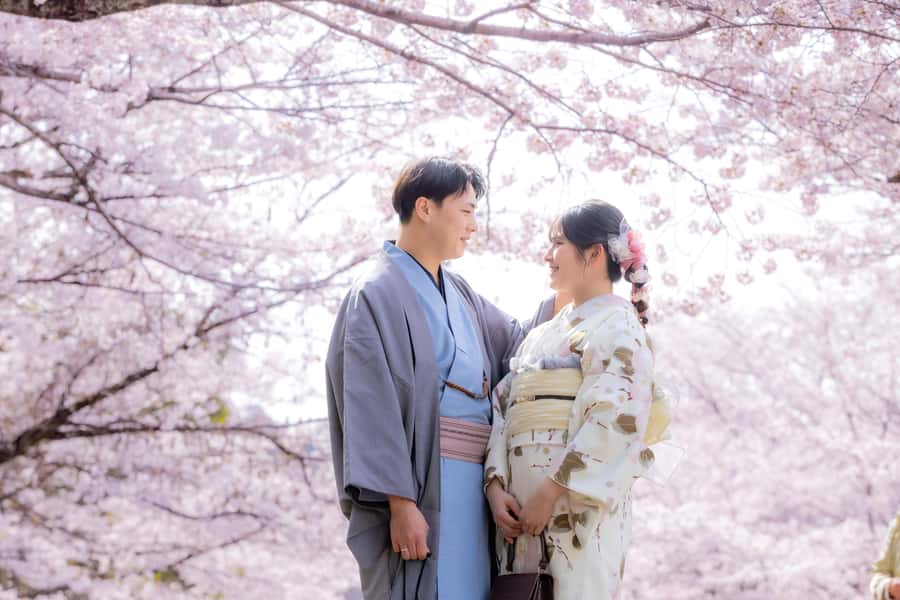
- Classic elegance if you want a traditional look that photographs well
- Contemporary designs if you want something that feels more current
- Formal and casual styles depending on your itinerary
- Seasonal patterns, if you want something tied to the moment
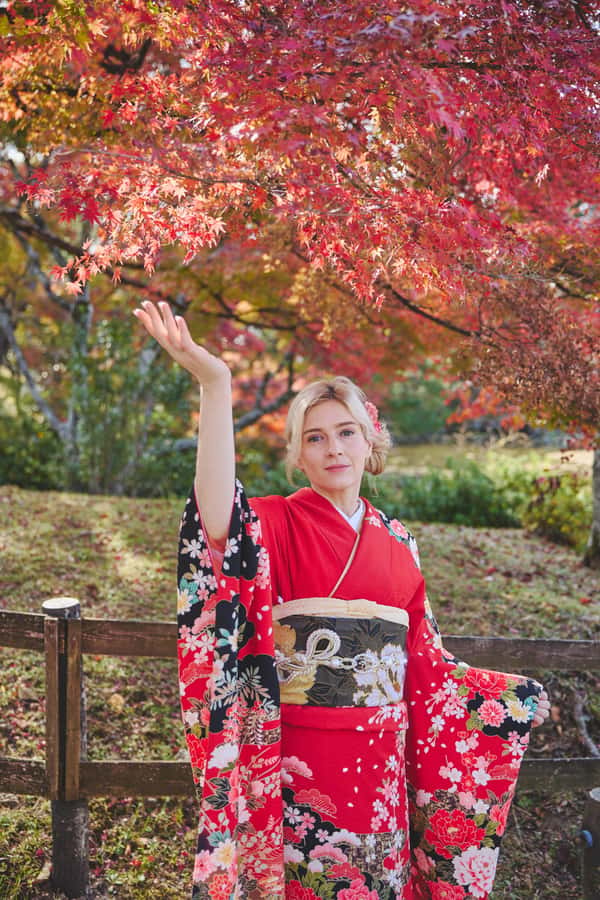
- Premium-grade options for special occasions like tea ceremonies and photo shoots
Then there’s the sizing. The shop lists an inclusive range: for women S to 4LW, and for men 5S to 5L. That detail is huge for comfort. When a kimono fits properly, it looks better in photos, and it feels better while walking. You can also ask for help during dressing if anything feels off.
One more thing I like: there’s room for style upgrades when you’re there. Even if you book a standard plan, you may find additional options in-store for hair and kimono styles, so it helps to keep a little budget flexibility if you’re tempted.
The dressing process: why 1 hour is normal, and why you should respect it
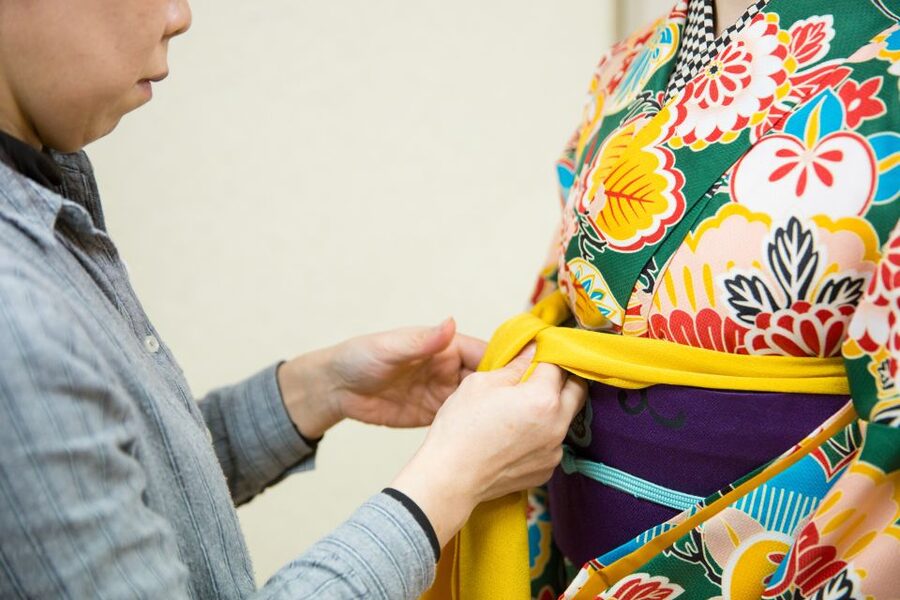
Kimono dressing is not a quick costume swap, and this shop is honest about that. Standard preparation takes about 1 hour. If you add hairstyling and makeup, plan for 30 extra minutes.
Here is the reason you should treat that time as part of the experience, not a delay. A kimono involves more than getting cloth on your body. Proper technique affects:
- how stable the fit feels when you walk
- how comfortable you are at a temple or shrine
- how you carry your hands and posture
- how your sleeves and layers sit for photos
The shop also stresses that dressers and stylists are trained in-house and must pass internal examinations before they work. In plain terms, it means you are not getting a random helper who is learning on the job while you stand there in a borrowed outfit. That attention to technique is one of the most praised parts of the experience you can expect to feel in the chair and mirror time.
If you tend to run tight on schedules, this is where people run into problems. The shop also notes they cannot guarantee the departure time, so book with extra cushion. Think: give yourself enough time to get dressed, take a breath, and still make your first stop comfortably.
What happens after you’re dressed: simple rules, smoother photos
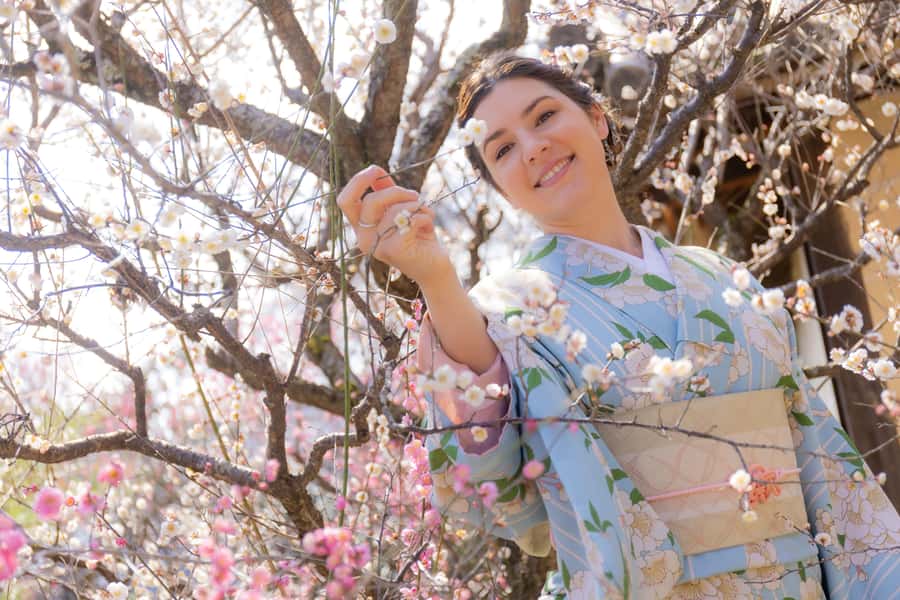
Once you’re dressed, you leave ready for Kyoto street scenes. But there are some shop rules that directly affect what you can capture.
Inside the rental shop:
- No shoes indoors
- No photography inside
- No video recording
- No strong fragrances
- Smoking indoors is not allowed
That means your best photos are naturally outdoor photos. Plan your photo timing after you leave the shop, not during check-in. If you want classic kimono images, aim for streets with traditional architecture, temples, and scenic pedestrian lanes. Kyoto delivers, and you’re dressed for it.
Also, think about small comfort details before you walk out:
- Wear easy-to-remove footwear when you arrive, since shoes are removed indoors.
- Keep your fragrance light if you tend to use perfume or scented lotion.
- Bring a phone, but don’t count on filming inside the shop.
One more practical note: the experience includes storage for your clothes and handbag. That makes the transition to walking much easier, because you can keep your hands free and avoid carrying extra bags under your kimono layers.
Same corner of Japan, a different kind of day:
- PERFECT KYOTO 1-Day Bus Tour
★ 5.0 · 13,518 reviews - Kyoto: Fushimi Inari, Kinkakuji, Bamboo Grove 1 Day Bus Tour
★ 4.8 · 4,316 reviews - Kyoto: Tea Ceremony in a Traditional Tea House in Kiyomizu
★ 4.9 · 3,519 reviews - Kyoto Geisha Walking Tour: Gion District & Hidden Gems
★ 4.7 · 3,273 reviews
Where you can wear it: mapping Kyoto from Gojo Station
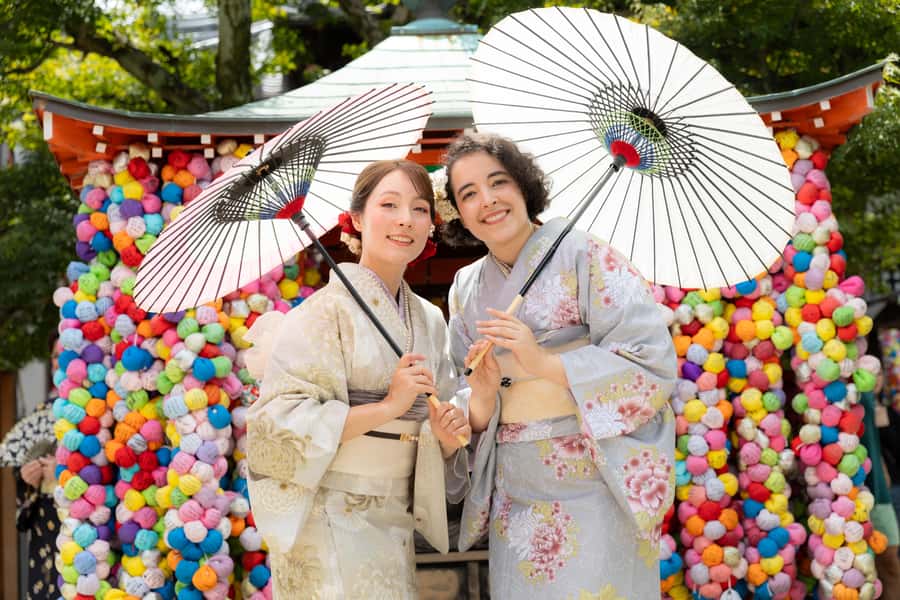
The shop calls out a big advantage, and it matches how Kyoto feels best. From Gojo, you can reach several iconic areas without turning your day into a transit puzzle.
Common targets mentioned include:
- Kiyomizu-dera Temple
- Gion district
- Fushimi Inari Shrine
- Nijo Castle
That gives you options depending on your vibe:
- If you want classic temple views and photo moments, you’ll likely head toward Kiyomizu-dera.
- If you want old Kyoto lanes and atmospheric streets, Gion is the obvious choice.
- If you want something iconic and more energetic, Fushimi Inari works well.
- If you want a calmer cultural stop, Nijo Castle can be a good pivot.
You can also use the kimono as an excuse to wander beyond the closest stops. One review highlights wearing kimono while visiting Arashiyama Monkey Park, which tells me people are using the outfit for longer Kyoto routes, not just a quick loop.
Just be realistic about walking. Kimono days are most fun when you pace yourself. Plan fewer, more meaningful stops. Pick one big area plus one bonus, and let the neighborhood streets fill in the rest.
Hair, makeup, and accessories: optional extras with clear rules
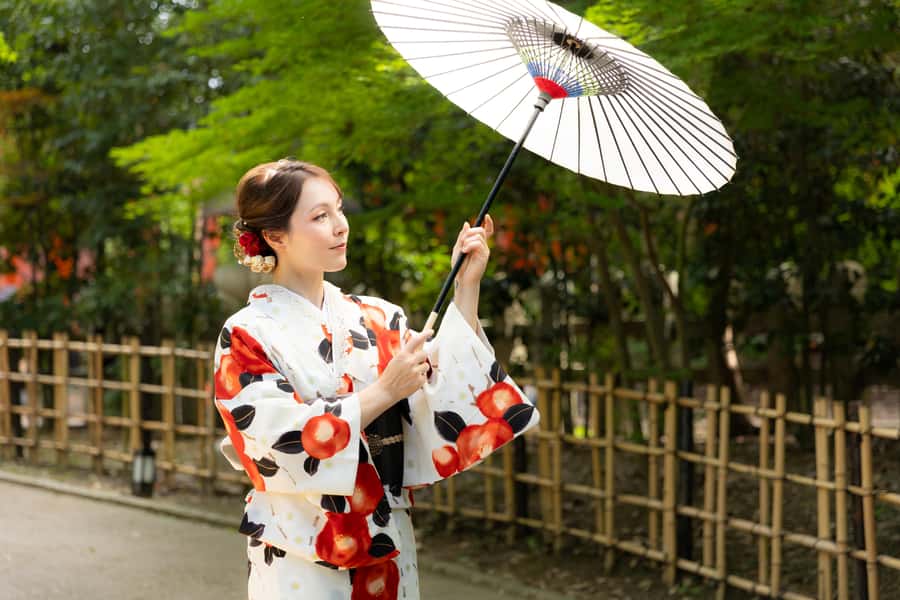
If you want the full polished look, you can add services. The standard rental can be expanded with:
- Women’s hairstyling (add-on)
- Women’s makeup (add-on)
- Hair accessories (add-on)
The shop notes hairstyling options come from a catalogue with 8 different hairstyles. If you want to customize, you can. The fees are specified:
- ¥1,100 per person if you customize from the catalogue
- ¥2,200 per person if you request a hairstyle upon arrival
Also, if the salon is fully booked, you may need to check availability.
Makeup comes with an important clarification: the add-on makeup is not maiko or geiko makeup. In other words, you’ll get a styled look, but it won’t be a specific apprentice geisha style.
If you’re doing a tea ceremony or aiming for special photos, these add-ons can make a big difference in how complete your look feels. For me, the value is not just looking better. It’s also saving you from trying to manage hair pins, flyaways, and touch-ups after you’ve already committed to wearing a kimono all day.
Storage, luggage, and what to bring so your day stays easy
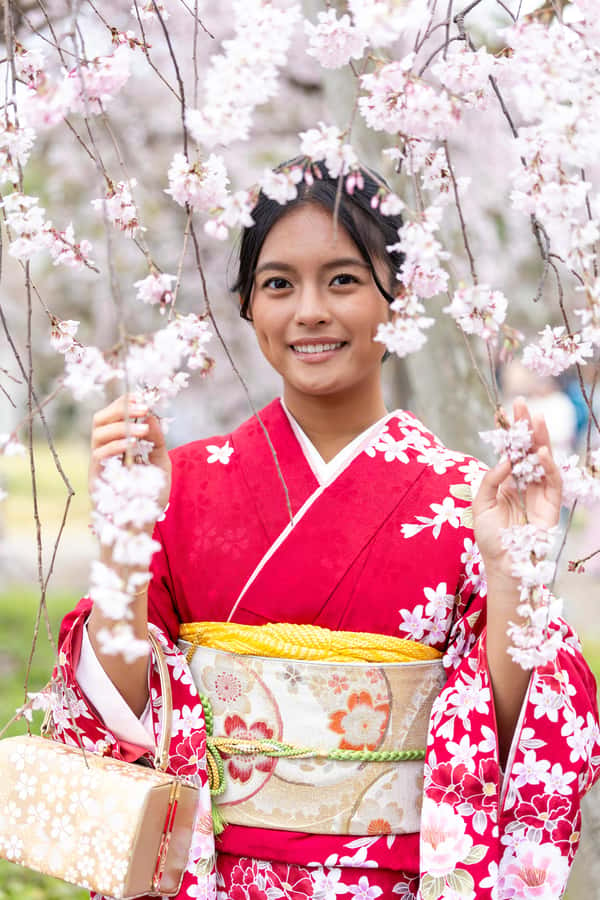
This part is small, but it affects your comfort a lot.
Included storage:
- Storage of clothes and handbag
Not included:
- Storage of suitcase, stroller, and large luggage is +550 yen per piece per day, paid on-site
So if you have heavy bags, plan ahead. Keep what you bring to the shop light. A handbag you can carry or a small day bag is ideal since you’re already dealing with an outfit that needs careful handling.
Also think about the day after dressing. You’ll want to return the kimono on schedule, and you’ll want to avoid rushing through your last stop while you still have your return time in mind.
Returning your kimono: choose the method that matches your schedule
You have three return methods, and the shop will confirm your choice when you arrive:
- Return on the same day by 5:30 pm
- Return the next day between 9 am and 5 pm (extra cost needed)
- Return by post (extra cost needed)
This matters because Kyoto itineraries can shift. If you want flexibility, the next-day options or post return can help. If you want the simplest day flow, aim to finish around early evening.
Also, remember that your kimono day includes a prep time at the beginning. The best plan is to do your first major sightseeing stop soon after dressing, then enjoy the afternoon at a slower pace so you’re not scrambling at the end.
Price and value: is $25 a good deal in Kyoto?
The price listed is $25 per person. That sounds low for something that involves a dressing session and staff help, and the value improves when you factor in what’s included.
What’s included depends on your selected plan, but commonly included items are:
- kimono rental standard plan (if selected)
- yukata rental plan (if selected)
- premium kimono rental plan (if selected)
- women’s hairstyling, makeup, and hair accessory if you choose those add-ons
- storage of clothes and handbag
What is not included:
- professional photos/videos
- additional luggage storage for large items
So the deal isn’t only the cost of the garment. You’re paying for the service component: trained staff dressing you properly, plus the convenience of being near transit and able to sightsee afterward.
The best value is when you treat it as a full-day outfit. If you rent a kimono for only 30 minutes, you lose the benefit. When you wear it for hours, it starts to feel like a true Kyoto experience, not just a photo moment.
If photos are a priority, note that professional photos or videos are not included. You can take your own outside, but you cannot record or photograph inside the shop. If you want studio-style images, plan on paying separately.
Who this kimono rental is best for
This is a strong pick if:
- you want a classic Kyoto look without spending hours learning how to wear a kimono yourself
- you care about fit and comfort, not just appearance
- you want a shop near a convenient station like Gojo
It may not be the right fit if:
- you’re pregnant
- you use a wheelchair
- you’re over 200 cm
- you are traveling with babies under 1 year
If you fall outside those limits, the size range for most adults is a big plus.
Should you book Kyoto Kimono Rental Yumeyakata?
I’d book it if you want an efficient, guided kimono experience that sets you up to enjoy Kyoto on foot. The two reasons to trust your time: trained in-house dressers and a shop location near Gojo Station that keeps your sightseeing plans realistic.
Before you go, do one thing: build your schedule around the 1 hour prep time, and if you add hair and makeup, add the extra 30 minutes. If you plan for that, you get what most people remember, the feeling of walking through Kyoto in something that belongs there, not just something you wear for a single picture.
FAQ
How long does kimono preparation take?
Kimono rental takes about 1 hour for preparation. If you add hairstyling and makeup, it takes an additional 30 minutes.
Is professional photography included?
No. Professional photos and videos are not included.
Is luggage storage included?
Clothes and a handbag storage are included. Storage for large luggage, strollers, or suitcases costs an extra 550 yen per piece per day, paid on-site.
What time do I need to return the kimono?
You can return it the same day by 5:30 pm, return it the next day between 9 am and 5 pm (extra cost needed), or return by post (extra cost needed).
Can I take photos or record video inside the shop?
No. Video recording is not allowed, and photography inside the shop is not allowed.
Do they offer hairstyling and how many options are available?
Yes. The shop offers 8 hairstyles in their catalogue. Customizing a hairstyle has an additional fee, and requesting a hairstyle upon arrival also has an additional fee.
Is this experience suitable for everyone?
No. It is not suitable for pregnant women, wheelchair users, or people over 200 cm, and it is not suitable for babies under 1 year.
Fresh options around Kyoto
- Kyoto: Quiet and Graceful Tea Ceremony★ 4.5 · 19 reviews
- Oboro | Mindful Tea Ceremony in a 100-Year-Old Kyoto Teahouse★ 5.0 · 19 reviews
- Ikebana Traditional Japanese Art of Flower Arranging★ 4.5 · 19 reviews
- Kyoto Satoyama Cycling with Lunch and English Guide★ 5.0 · 19 reviews
- Tea Ceremony Experience in Traditional Kyoto Townhouse★ 5.0 · 19 reviews
- Kyoto International Party Solo Friendly Expats and Locals★ 5.0 · 19 reviews
- Kyoto: Amanohashidate Ine Funaya Tour★ 4.4 · 19 reviews
- Kyoto Private Food Tours with a Local Foodie: 100% Personalized★ 4.5 · 19 reviews
Kimono Experiences in Kyoto, compared.
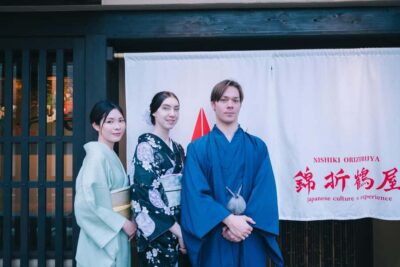
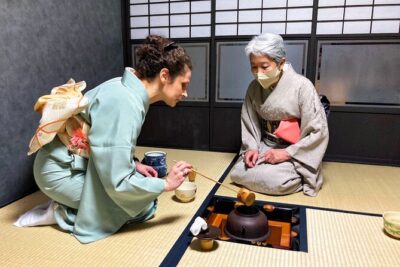
KYOTO Tea Ceremony with kimono near by Imamiya Jinjya Shrine
Read our review →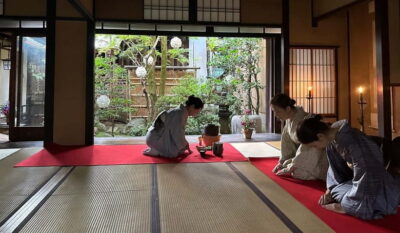
Kimono and Tea Ceremony Experience at Cultural Asset
Read our review →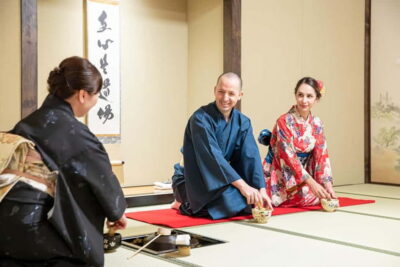
Family-Friendly Kimono & Yukata Experience at WARGO
Read our review →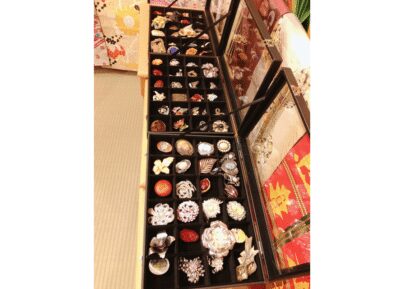
1 Day Traditional Japanese Kimono Rental Experience
Read our review →Browse the lists this tour appears in