
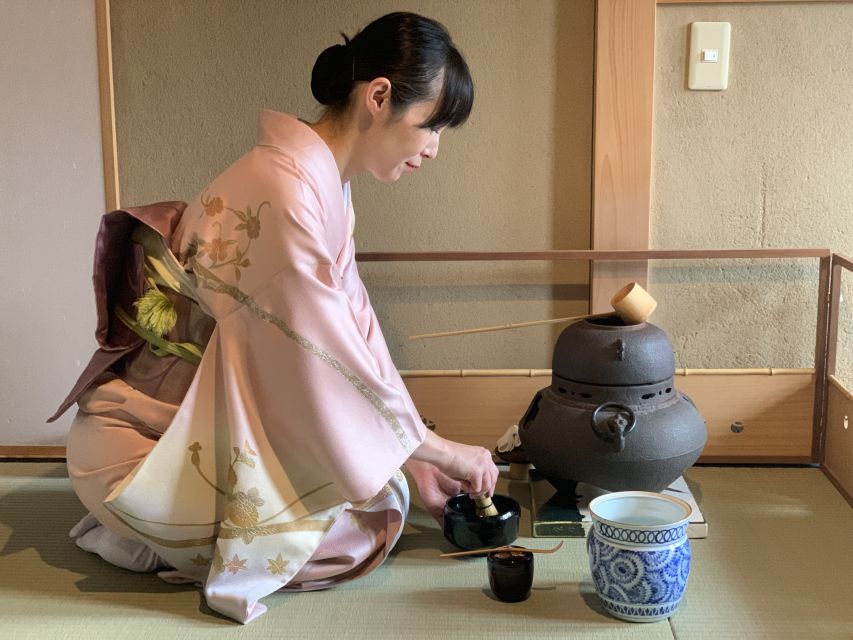
Reviewed · TEA CEREMONIES IN KYOTO
Kyoto: Tea Ceremony Experience
First you get the calm. A Kyoto tea ceremony turns a busy day into a slow, careful ritual. I especially love the hands-on matcha practice and the chance to learn why the utensils and room details matter. One possible drawback: the experience is taught in a traditional room where floor sitting can be uncomfortable, even though chairs are available.
You’ll start in a machiya in Higashiyama, just steps from some of Kyoto’s best-known sights. You’ll get a clear English explanation, a brief look at the ceremony flow (including the idea of different schools), then you’ll watch the tea made and try your own bowl with help from your host. For me, that mix of calm viewing plus guided making is the main reason this is worth your time.
Key things to know before you go
- A 45-minute, English-led lesson. It’s structured, not vague, with a host guiding every step.
- You make matcha, not just taste it. Your bowl is whisked by you, with support if needed.
- Seasonal sweets come with your tea. Expect locally styled flavors that pair with the matcha.
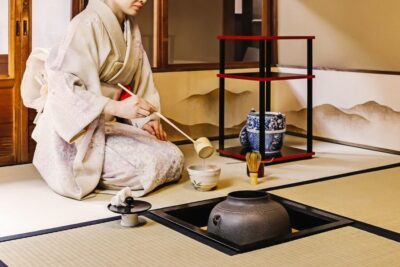
- Utensils and room layout are part of the lesson. You’ll hear what each element is for.
- Finding the alley is the only real challenge. The meeting point is specific, near Park Hyatt and a Studio Ghibli store.
- Video recording is off-limits. Still photos are allowed without flash.
Finding Flower Teahouse in Higashiyama, near Ninenzaka
This experience starts in a classic Kyoto setting, in a traditional machiya in Higashiyama. The meeting point is down an alley branching off Ninenzaka, and that matters because the “alley turn” is what most people miss.
Here’s the easiest way to get your bearings: head to the Park Hyatt hotel. Across the street is a Studio Ghibli store. Go to the alley just to the left of that store, and you’re in the right neighborhood.
Location-wise, you’re also perfectly placed for a temple and culture day. Flower Teahouse is a short walk from places like Kiyomizu-dera, Kodai-ji, Yasaka-jinja, Maruyama Park, Chion-in, and Gion. If you want to string together a full afternoon, I’d do this tea ceremony as the reset button in the middle of your sightseeing day.
More Tea Ceremonies in Kyoto
- Kyoto: Tea Ceremony in a Traditional Tea House in Kiyomizu
★ 4.9 · 3,519 reviews - Kyoto: Tea Ceremony Ju-An at Jotokuji Temple
★ 4.9 · 3,207 reviews - Kyoto: 45-Minute Tea Ceremony Lesson Experience
★ 4.3 · 2,378 reviews
What a 45-minute matcha ceremony actually feels like
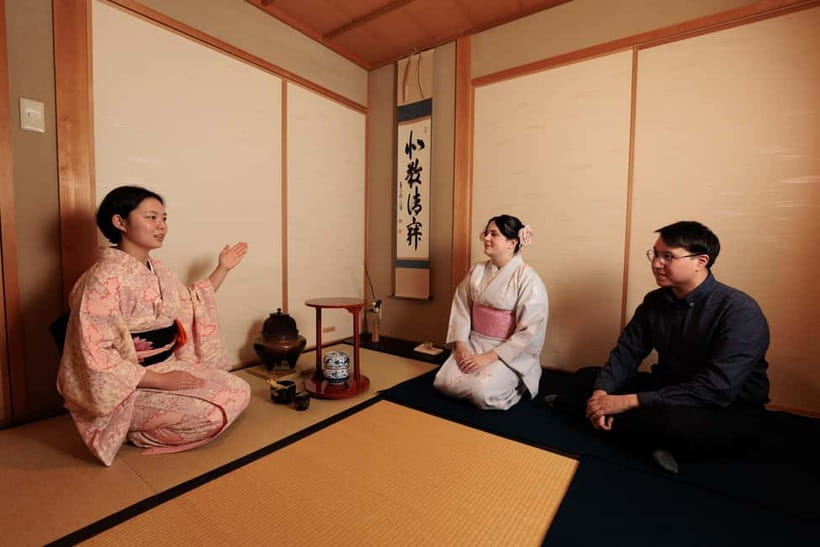
Don’t expect a rushed show. This is a short, focused ritual lesson that moves at a human pace. You’re in the tearoom for about 45 minutes total, which is long enough to learn the logic behind the steps, then make your own bowl.
A typical flow looks like this:
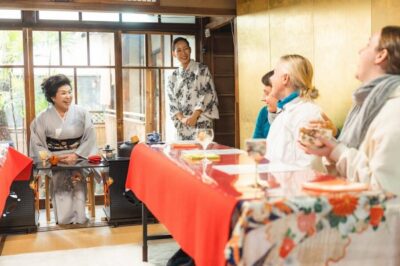
First, the host gives an intro to matcha and the ceremony structure. You’ll also hear about the utensils and why the room decoration and layout are more than just decoration. After that, you watch the tea ceremony begin. There’s usually a small moment to nibble a seasonal sweet while you chat.
Then comes the part most people remember: you whisk your own matcha with guidance. You’re not left to guess. The host helps you get that frothy top that makes matcha feel like a different drink than the green powder you might buy at home.
Finally, you sit with what you made, and you can ask questions. I like this format because it gives you both sides of the experience: you understand it, then you practice it.
The sweets and matcha pairing that keeps it from feeling scripted
The ceremony includes traditional seasonal sweets plus matcha. In plain terms, that’s what turns the tasting into a Kyoto flavor lesson.
The sweets are locally styled and paired with the tea experience. You’ll taste matcha alongside something that changes with the season, so the overall moment feels less like a theme-park activity and more like a small, thoughtful ritual pause.
Matcha itself is the star, and this is one of the best parts of the class because Kyoto’s matcha culture is not just about drinking green tea. It’s about texture. It’s about the bitterness and balance. And it’s about getting the foam right.
If you’ve only had matcha as a sweetened latte, you’ll likely notice the difference. That earthy bitterness and the clean finish can be a surprise, but it’s also what makes matcha worth learning. When you whisk your own bowl, you’ll taste what good technique does to the drink.
Making frothy matcha, with real guidance from your host
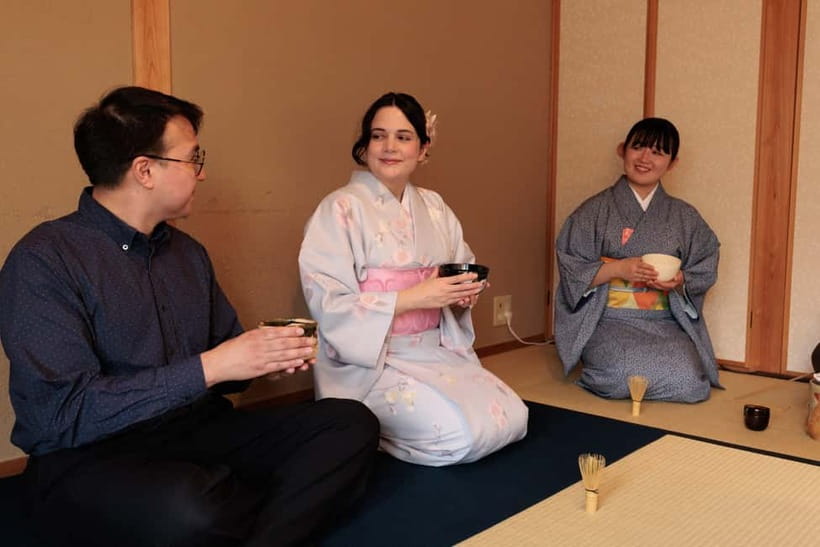
This class is built around the idea that you should do the work, not just watch it. When it’s time to whisk, the host helps you through the basics of making a bowl with a proper texture.
In the best versions of this experience, the host is calm and clear, and you’ll be encouraged to relax into the process. In one reported experience, the tea master Ikuko was praised for excellent English and patience while helping a guest create good foam. Another person mentioned Nel in connection with extra help and photo support around the nearby kimono setup.
Even if your whisking is not perfect the first time, you’re learning a repeatable skill: using the right motion, getting the tea combined properly, and aiming for that frothy top. That’s why this doesn’t feel like a souvenir tasting. You end up with muscle memory, and that sticks.
Same corner of Japan, a different kind of day:
- PERFECT KYOTO 1-Day Bus Tour
★ 5.0 · 13,518 reviews - Kyoto: Fushimi Inari, Kinkakuji, Bamboo Grove 1 Day Bus Tour
★ 4.8 · 4,316 reviews - Kyoto Geisha Walking Tour: Gion District & Hidden Gems
★ 4.7 · 3,273 reviews - Kyoto: Gion Magical Night Walking Tour with Geisha Trivia
★ 4.9 · 2,393 reviews
Utensils and room layout, the quiet details people miss
Tea ceremonies can look like choreography from far away. Up close, the details explain the philosophy.
You’ll learn about the utensils used in the process. You’ll also hear why the tearoom arrangement matters, including the importance of decoration and how the room layout supports the flow of the ritual.
This is where I see the biggest value for non-experts. If you go in thinking tea ceremony is only about drinking, the lesson helps you understand that every object and every step has a purpose. The tools are not random. They are chosen to support cleanliness, timing, and the feel of the moment.
Also, the fact that you learn this in a traditional machiya tearoom in Higashiyama makes the lesson click. You’re not just hearing about Japan’s traditions. You’re practicing them in a space built to match the ritual.
Chairs, sitting on the floor, and how to stay comfortable
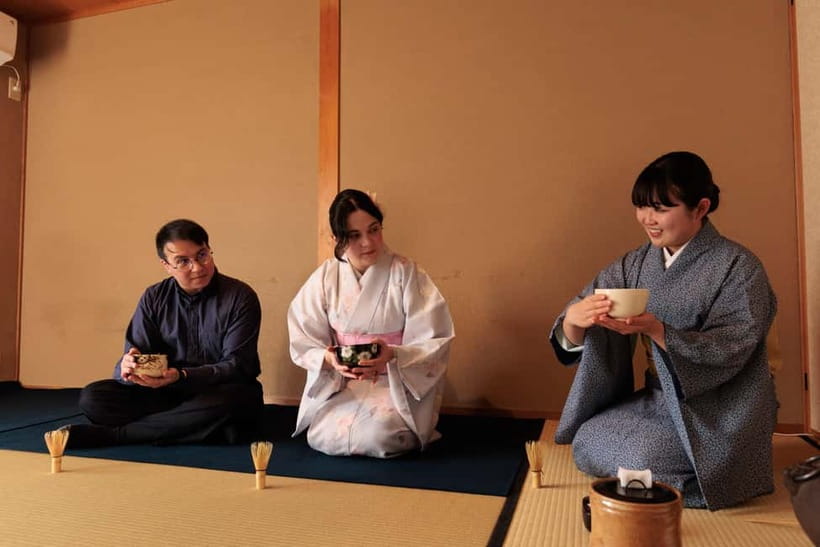
A lot of Kyoto experiences involve floor sitting, and this one does too. The tearooms are upstairs, and traditional seating can be a challenge if your knees or hips don’t love Japanese-style positions.
Good news: chairs and tables are available for guests who find it difficult to sit on the floor. In other words, you can still enjoy the ceremony without forcing a posture that turns the lesson into a pain test.
Two practical tips:
- If you need a chair, ask early when you arrive.
- If you’re on the floor, remember that you can choose what’s comfortable. You’re not expected to suffer through it.
For wheelchair access, the Garden Teahouse is wheelchair accessible, which is helpful if mobility is a concern.
Photography rules and what you can buy afterward
If photography matters to you, you’ll want to know the rules before you arrive. Video recording is not allowed. Non-flash still photography is permitted during the workshop.
That means your phone can do photos, but you shouldn’t plan on recording video. If you want a memory you can share, take still shots during the parts when the host is not in active demonstration mode, and you’ll be fine.
There’s also time to browse mementos afterward. Some experiences include the chance to purchase items from a gift shop, including a matcha making set. If you like the idea of practicing at home, that’s a practical takeaway.
Price and value: $32 for matcha, sweets, and guided technique
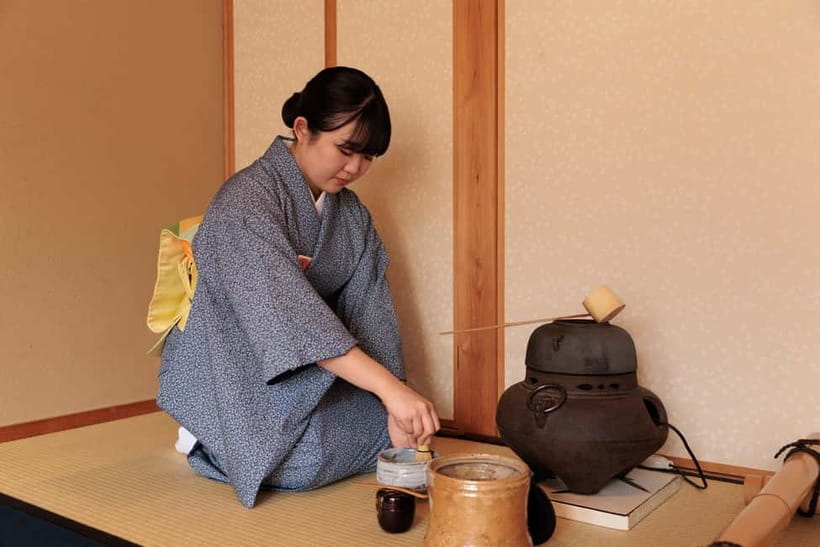
At $32 per person for about 45 minutes, you’re paying for three things that are hard to replicate on your own:
- Instructor time in English, focused on matcha basics and the ceremony flow
- Included matcha and seasonal sweets, plus the utensil setup
- Hands-on guidance so you can actually whisk a bowl, not just watch
For many visitors, a guided lesson like this feels like good value because you’re not spending extra money on transportation, and the experience includes the product, tools, and teaching. You also skip the guesswork of figuring out how much is ceremonial and how much is just tradition branding.
This isn’t a long day tour with transportation and multiple stops. It’s a short, skill-based cultural moment. If you value calm, technique, and hands-on learning, the price makes sense.
Who should book this Kyoto matcha experience
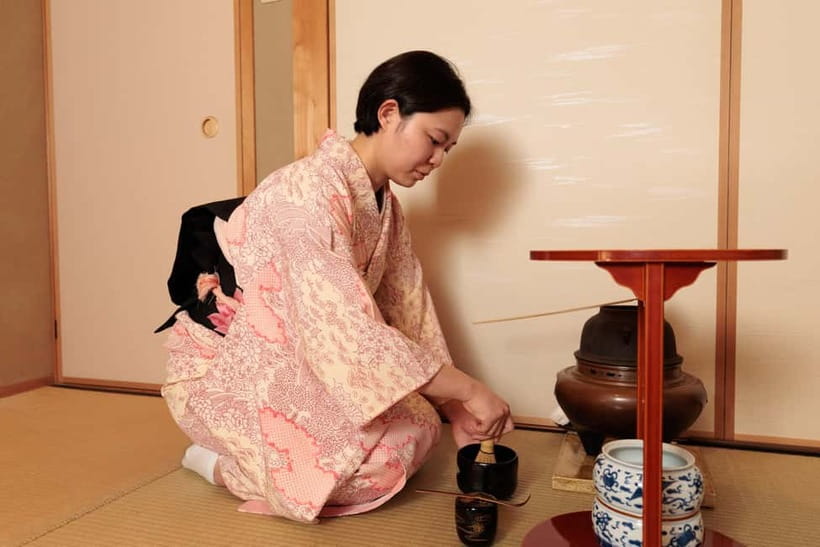
This works best if you want a focused cultural experience that doesn’t eat half your day.
I’d especially recommend it if you:
- Want a calm break from the crowds around Kiyomizu-dera and Gion
- Like learning by doing, not just listening
- Are curious about matcha beyond sweet drinks
- Prefer small groups or a private format where you can ask more questions
It’s also a solid fit for tea lovers. The ceremony teaches you how the ritual works and why the presentation matters. Even if you don’t become a tea master, you’ll come away with a clearer idea of what you’re tasting and why.
Practical considerations to plan around
A few details can help you avoid surprises.
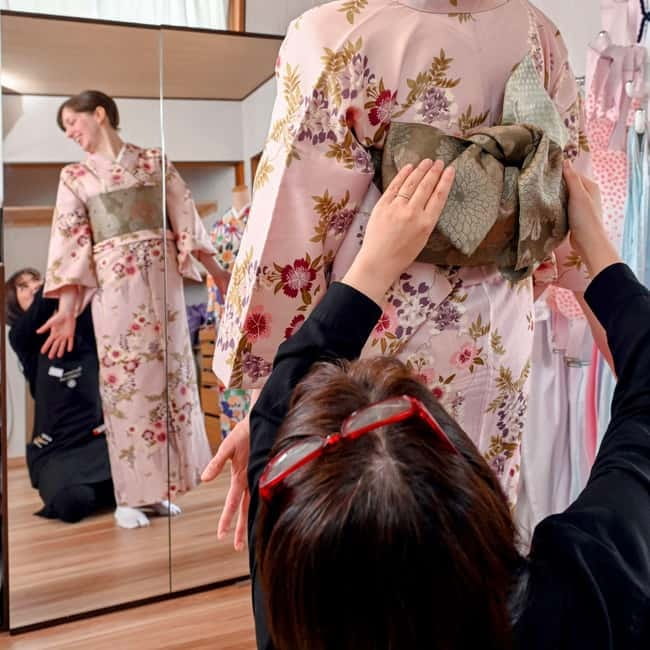
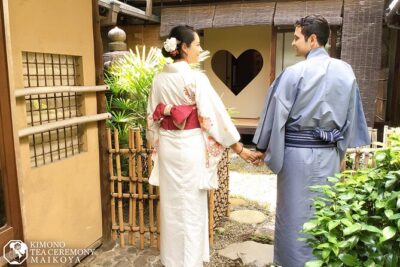
First, kimono rentals are not included. If you want to wear one, you’ll need to arrange that separately nearby. One guest noted a kimono rental right next door and suggested getting it beforehand if you’re planning on dressing up.
Second, there are no meals included. You can treat this as a snack plus tea moment, not a full meal stop.
Third, the experience is English-led, so you won’t have to guess what’s happening. If you plan to come with an interpreter, you’ll need a private tea ceremony so the session doesn’t disrupt other guests.
Finally, the room is upstairs. If you have mobility concerns, check the Garden Teahouse option for wheelchair access.
Should you book this Kyoto tea ceremony?
If you’re on the fence, here’s my straight answer: yes, if you want a short, hands-on matcha lesson in a real Kyoto tearoom.
Book it when:
- You want something calm and meaningful between major sights
- You care about technique and not just tasting
- You appreciate being guided step-by-step in English
Skip it or choose your setup carefully if:
- You know floor sitting will be painful and you’d rather not negotiate seating
- You prefer big, multi-hour tours with lots of walking and stops
- You strongly want video recording (it’s not allowed here)
If you book, show up with comfortable expectations. You’re not just learning about matcha. You’re learning how Kyoto turns a small drink into a full ritual, one step at a time.
FAQ
How long is the Kyoto tea ceremony experience?
The duration is 45 minutes.
What is the price per person?
The price is $32 per person.
Is the tea ceremony taught in English?
Yes. The instructor is English.
Is video recording allowed?
No. Video recording is not allowed.
Can I take photos during the workshop?
Yes. Non-flash, still photography is permitted.
Do I need to sit on the floor?
Chairs and tables are available for guests who find it difficult to sit on the floor.
Are the tea rooms upstairs?
Yes, the tearooms are located upstairs. The Garden Teahouse is wheelchair accessible.
Is hotel pickup or drop-off included?
No, hotel pickup and drop-off are not included.
Are kimono rentals included in the price?
No, kimono rentals are not included.
What if I’m traveling with an interpreter or a baby?
If you plan to come with an interpreter, you should book a private tea ceremony. For babies or infants under 3 years old, the request is to book a private tea ceremony at the Garden Teahouse.
Fresh options around Kyoto
- Kyoto: Quiet and Graceful Tea Ceremony★ 4.5 · 19 reviews
- Oboro | Mindful Tea Ceremony in a 100-Year-Old Kyoto Teahouse★ 5.0 · 19 reviews
- Ikebana Traditional Japanese Art of Flower Arranging★ 4.5 · 19 reviews
- Kyoto Satoyama Cycling with Lunch and English Guide★ 5.0 · 19 reviews
- Tea Ceremony Experience in Traditional Kyoto Townhouse★ 5.0 · 19 reviews
- Kyoto International Party Solo Friendly Expats and Locals★ 5.0 · 19 reviews
- Kyoto: Amanohashidate Ine Funaya Tour★ 4.4 · 19 reviews
- Kyoto Private Food Tours with a Local Foodie: 100% Personalized★ 4.5 · 19 reviews
Tea Ceremonies in Kyoto, compared.
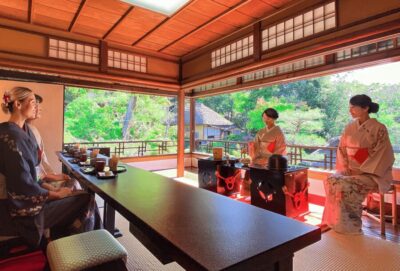
Tea Ceremony in a Traditional Tea House in Kiyomizu
Read our review →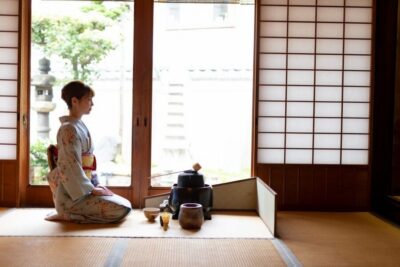
Arashiyama Bamboo Forest, Monkeys, Matcha & Temple Tour
Read our review →
Tea Museum Tickets and Matcha Grinding Experience
Read our review →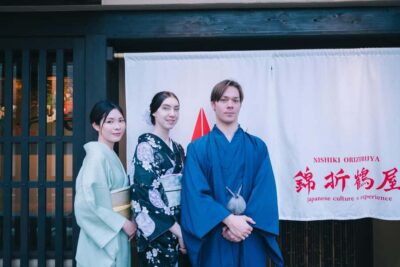
Browse the lists this tour appears in