
Reviewed · SAMURAI & NINJA EXPERIENCES
Kyoto: Samurai Sword & Kimono Action Filming Experience
Myokaku-ji turns sword play into a real scene. I love how this experience mixes hands-on sword technique with a period-drama filming setup inside a historic temple. I also love the small-group feel, capped at 6 people, so the instructors can actually correct your form. One thing to consider, this is active, so you need comfortable clothes and you should skip it if you have medical or mobility limits.
The temple setting matters here. You’re not just watching chambara, you learn the basics first, then perform the choreography for the camera with guidance that keeps it safe. If you want a calm, sit-and-stare cultural lesson, this won’t be that. But if you want laughs, movement, and footage you’ll rewatch later, it fits.
Key Takeaways Before You Go
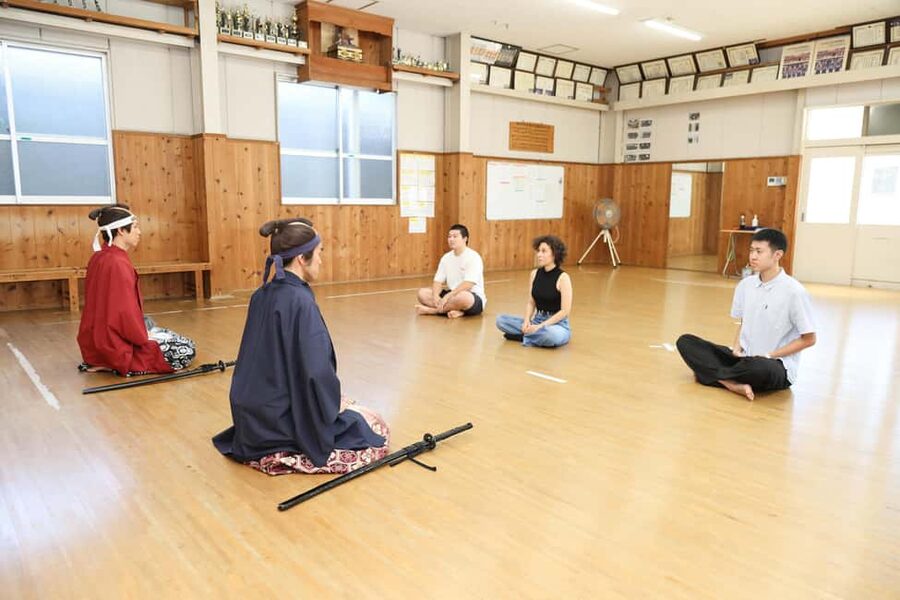
- Myokaku-ji dojo setting: You train at a temple location tied to Sengoku-era stories, including mention of Nobunaga Oda staying around 400 years ago.
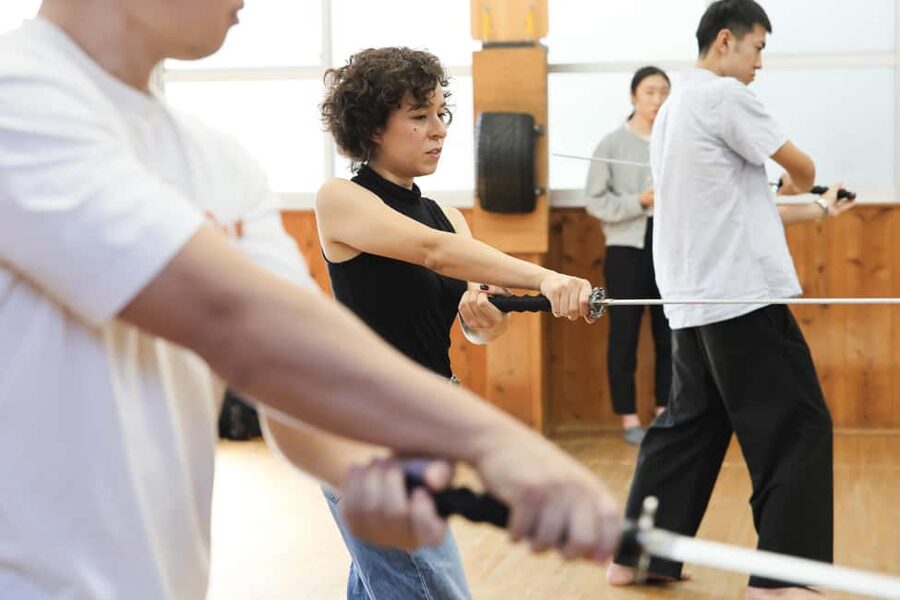
- Real technique coaching: You practice sword-handling basics, including techniques like makkogiri and kesagiri.
- Kimono included: Rental kimono is part of the experience, and it comes with the dressing instruction.
- Professional chambara performance: The action is taught and performed by professional actors in period-drama style.
- Film, then keep the proof: You can record with your camera and also download your performance footage.
Why Myokaku-ji Temple Is the Right Stage for Sword Play
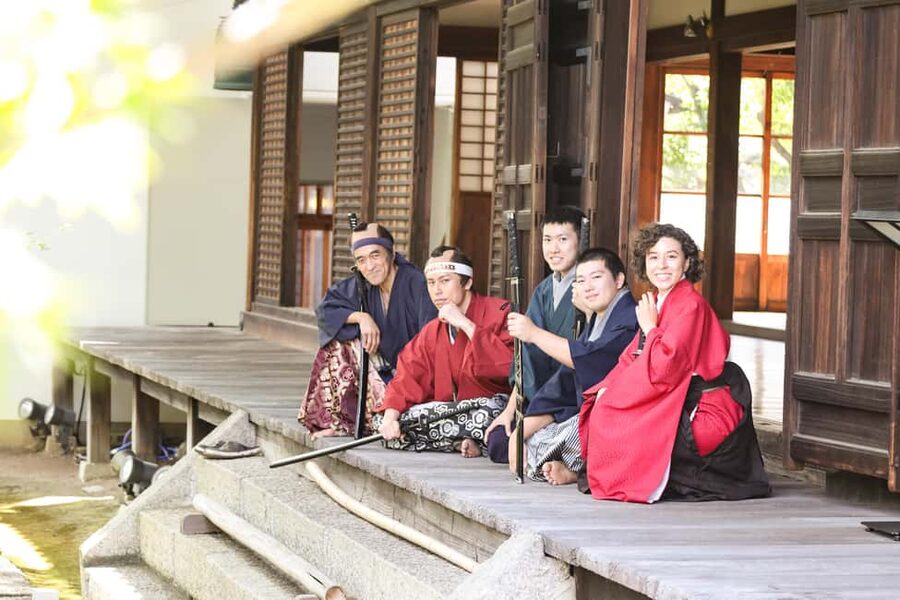
This is built around Myokaku-ji Temple, a place the organizers position as the only spot in Japan where you can do this kind of sword-fighting practice. Whether you care deeply about Japanese sword history or you just want a memorable activity, the temple setting changes the whole feel. Instead of a modern studio, you’re learning in a spiritual, ritual-flavored space.
There’s also the story layer. The experience connects your training to the Sengoku period, with a specific nod to Nobunaga Oda staying there about 400 years ago. That is not trivia for trivia’s sake. It’s there to give you context for the choreography you’re about to act out.
You should also know the vibe is part temple tour, part training room, and part film set. So you’ll be moving around and following instructions rather than walking quietly at museum pace.
More Kimono Experiences in Kyoto
- Kimono Tea Ceremony at Kyoto Maikoya, NISHIKI
★ 5.0 · 911 reviews - Kyoto: Kimono Rental with Hairstyling and Accessories
★ 4.8 · 653 reviews - Kyoto: Kimono Tea Ceremony at Orizuruya Gion
★ 4.9 · 618 reviews
The Sword Tricks Part: What You Learn and How It Stays Safe
You start with instruction on how to hold and wield the sword, then you practice techniques until your body understands what your brain is learning. The two technique names you’ll hear are makkogiri and kesagiri, and those are the kind of details that make this feel more real than a basic role-play photo op.
The coaching is also the reason this works for most people. The experience is designed to give you the skills needed for actual sword fights, but at a controlled level with clear guidance. One major theme from the experience is safety through instruction, not safety through strict avoidance. In other words, you still get to feel like a samurai, just without the chaos.
At the end of the learning portion, you transition into acting. The swordplay segment is where you build your moves. Then the program shifts so you can perform the choreography in a way that looks good on camera.
If you’re nervous about coordination, don’t be. The group is tiny (max 6), and the instructors are there to correct you. Just come ready to listen and follow. Your “style” matters less than doing the technique correctly.
Kimono Dressing: The Part That Changes How You Look in Photos
The kimono part is not random costume time. You learn the traditional art of dressing, then you wear the outfit for the session and photos. The rental kimono is included in the price, so you’re not paying extra just to get into character.
Kimono can also change your movement. The fabric and fit can make you walk and pose differently, and that affects how your sword performance looks on video. So for best results, don’t treat the kimono like a quick outfit swap. Treat it like part of the experience.
Also, you’ll likely end up with better footage because you’re dressed for the scene. You are not just recording an activity, you’re capturing a look that instantly reads as Japan on camera. That is a simple value add.
One practical note: wear comfortable clothes before you arrive, since you need to put on the kimono and still move during the sword practice. Nothing fancy. Think soft layers you can manage quickly.
The Chambara Performance and Filming Session That Feels Like a Movie Clip
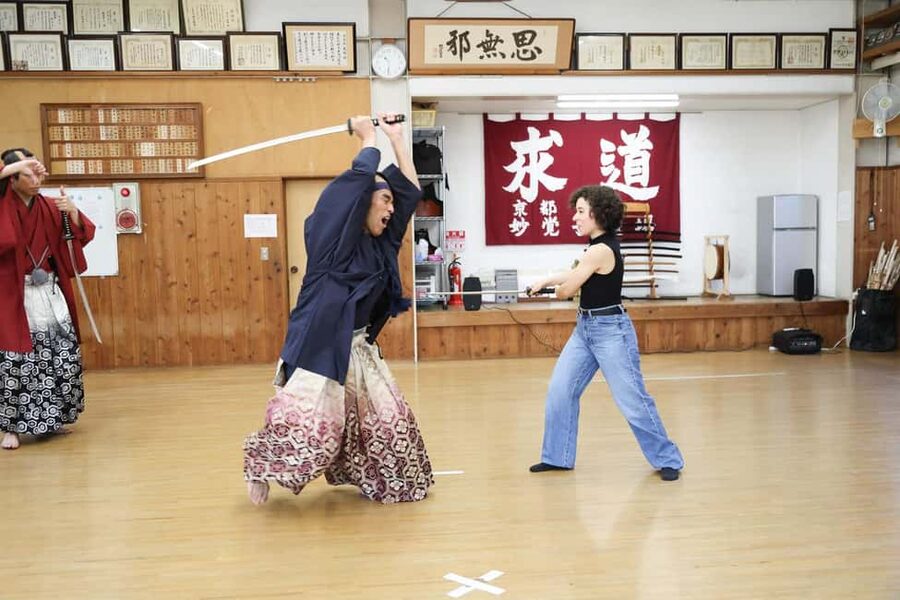
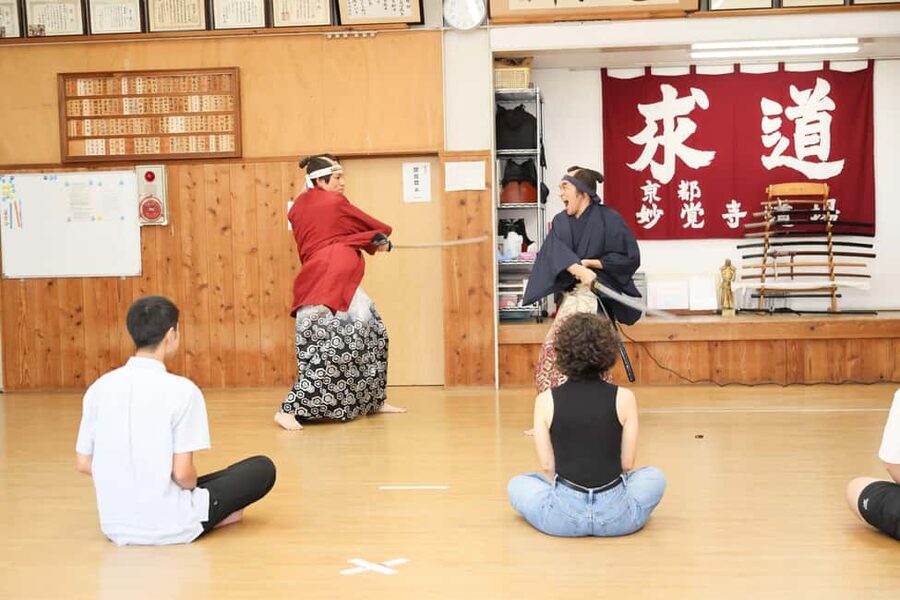
After learning basics, you watch a professional chambara performance by samurai actors. This is where you see what the choreography is aiming for, so your practice suddenly has a target.
Then you perform. The instructors are professional actors in period dramas, so the presentation style is part of the learning. You’re not only practicing technique, you’re practicing the timing and dramatic beats that make action look like a scene, not like a rehearsal.
The experience also specifically allows you to shoot the scene with your camera. That matters because it lets you control your own angles and keep the footage in your preferred format. If you’re the type who likes to capture your trip like your own director, this is the part you’ll appreciate most.
And you get more than just watching. You’ll have a way to download your performance footage as a lasting memory. Combined with the camera recording option, you end up with both your viewpoint and the provided recording.
From what I see in the names and roles shared by instructors, the performers do more than stand in for authenticity. For example, the experience notes instructors including Kesuke Irie San and Kazuya Naito San, and one account connects them to acting in Japanese movies and TV shows. That kind of background is exactly why the pacing and acting coaching feels smooth.
More Samurai & Ninja Experiences in Kyoto
- Kyoto Samurai Experience
★ 5.0 · 1,294 reviews - Kyoto: Kendo and Samurai Experience with Uniform and Gear
★ 4.9 · 815 reviews - Kyoto: Samurai Sword Class by Experts in Traditional Arts
★ 4.9 · 657 reviews - Skip the lines Basic Ticket at SAMURAI NINJA MUSEUM KYOTO
★ 4.5 · 632 reviews
The 70-Minute Flow: How to Plan Your Timing and Energy
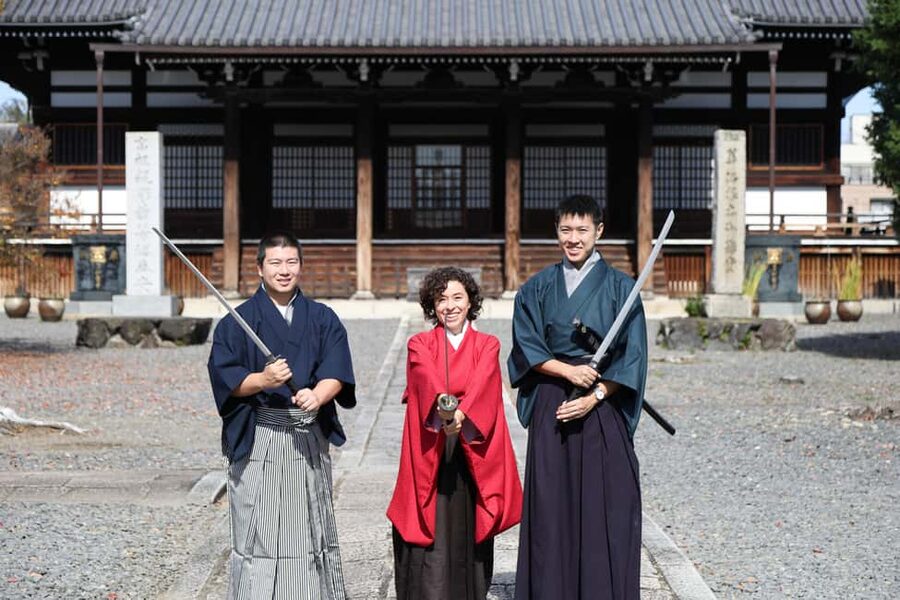
This runs for 70 minutes, and it’s small-group, limited to 6 participants. Short, focused sessions like this are great if your Kyoto schedule is packed. You get a full “event” without losing half a day.
Here’s the typical flow based on how the experience is laid out:
You gather at the Myokaku-ji Dojo at a specific spot inside the temple area. Then you move into sword instruction, practicing techniques with guidance. Next comes the kimono dressing experience. After you’re set up, you watch the chambara performance. Then you perform the choreography and wrap up the swordplay session portion.
Finally, the filming-related parts conclude with photo and video recording (with your camera) and the photo download service.
Because everything is compressed into one tight block, show up with mental energy. Eat beforehand if you can, since meals aren’t included. Also, plan to wear shoes or clothing you can move in, because you’ll be practicing sword-handling motions.
Price and Value: Is $127 Worth It in Kyoto?
For $127 per person, you’re paying for a lot more than a souvenir. You’re paying for instruction, time on a rare training stage, professional performance coaching, kimono rental and dressing, and a photo download service.
Here’s the value equation that makes sense for most people:
- You’re getting both learning and acting. That’s why it feels more satisfying than a show.
- You’re getting kimono included. That alone often costs extra in other activities.
- You’re getting footage. Not just one posed photo, you get performance video memories.
- You’re getting a small group, so your time with the instructors isn’t diluted.
What you do not get for that price is transportation to and from Myokaku-ji and meals. So the real cost is price plus getting yourself there. In a city like Kyoto, that’s usually manageable, but it can be the difference between a great deal and a slightly annoying commute.
If you’re doing Kyoto on a budget, this is not a “cheap fun” activity. But if you’re looking for a hands-on, memorable, camera-friendly experience, it compares well because it includes the outfit, the practice, and the filming memory.
Who This Experience Fits Best (and Who Should Skip It)
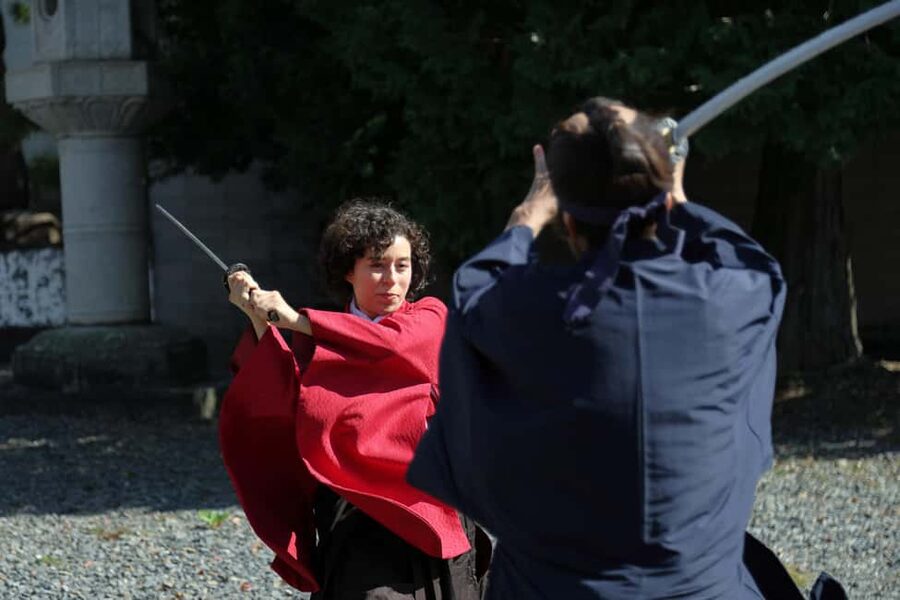
This is ideal if you want an activity that’s more than sightseeing. You’ll love it if you enjoy performance, learning short skills, and getting out of your comfort zone for something silly in a good way.
It’s also a good match if you like group energy. The instructors and actors lean playful and supportive, and the small size helps everyone stay involved.
It is not suitable for:
- children under 5
- pregnant women
- people with back problems
- people with pre-existing medical conditions
- people over 95
If any of those apply, skip it. The program is physical, even if it’s choreographed and guided.
If you have a condition that affects balance, movement, or pain tolerance, this is also a strong reason to avoid it even if you’re not on the list. The data is clear that medical conditions are a no-go, so don’t gamble with your body.
Practical Tips: What to Bring and How to Get Better Footage
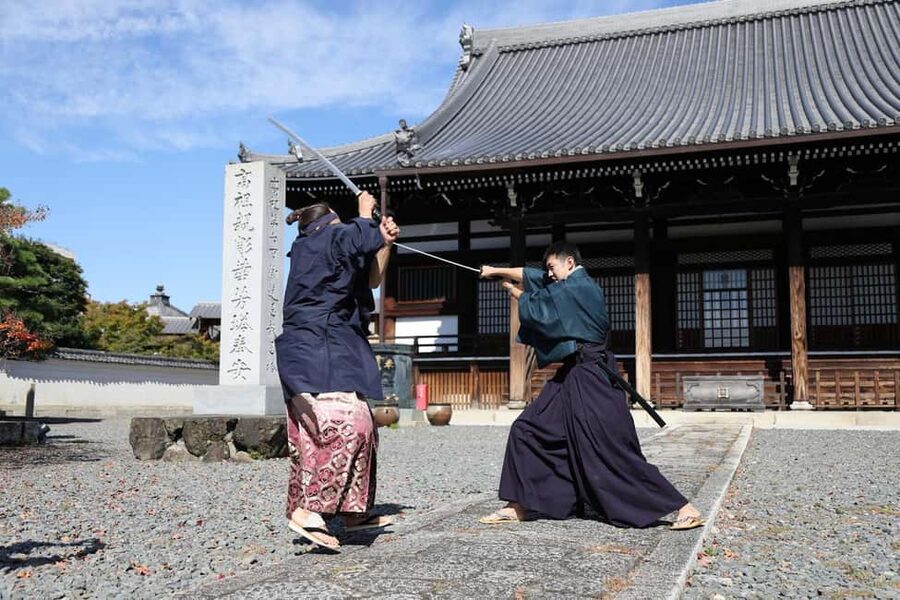
Bring a camera. You’re allowed to record and photograph during the experience, including during the swordplay and filming parts. Also bring comfortable clothes suitable for physical activity.
A few practical things that help your footage and your comfort:
- Wear clothing you can move in without worrying about snagging or restricting motion.
- If you’re using a phone, bring a fully charged battery. A 70-minute session can burn power fast when you’re filming.
- Keep an eye on where you stand during filming moments. The choreography is meant to look good on camera, so positioning matters.
- If you’re taking photos during kimono time, move slowly. Kimono drapes in a way that looks best when you pause for a breath and then pose.
The experience also includes an indemnity insurance specified by the organizers, and it runs with instructor guidance and rules that prohibit smoking and alcohol or drugs. So you’re working in a structured environment with safety rules.
Should You Book This Samurai Sword and Kimono Action Experience?
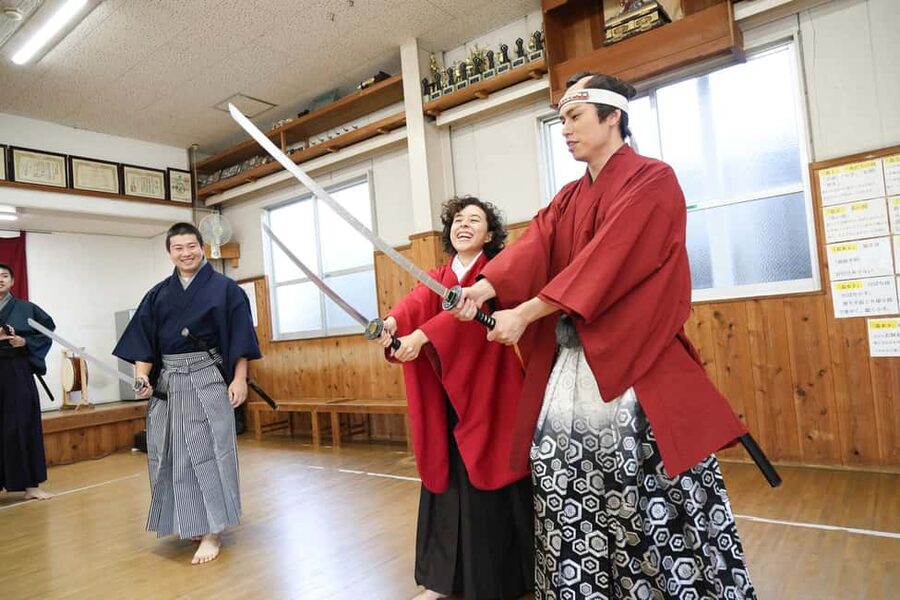
Book it if you want a Kyoto memory you can show later, not just talk about later. The combination of sword instruction, kimono dressing, and a chambara performance you help create on camera is exactly the kind of activity that makes your trip feel different.
Don’t book it if you want quiet cultural sightseeing, or if you fall into the medical and mobility restrictions listed. Also, if you don’t care about filming or acting, you may find it less satisfying than a pure temple tour.
If you’re on the fence, I’d choose it when you want a hands-on highlight. With a small group and professional actors, it’s one of those rare activities where you leave with both a story and footage.
FAQ
Where is the meeting point for the Myokaku-ji Dojo?
Please gather at the “Myokaku-ji Dojo” to the left after entering the main gate of Myokaku-ji Temple.
How long is the experience?
The experience lasts 70 minutes.
Is the kimono rental included in the price?
Yes. The rental kimono and the kimono dressing experience are included.
Can I take photos and videos with my own camera?
Yes. The experience includes photography and video recording with your customer camera, and you are welcome to take photos and videos during the experience.
What does the price include?
Included items are a photo download service, photography and video recording with your camera, rental kimono, and indemnity insurance specified by the organizers.
What is not included?
Transportation to and from Myokaku-ji Temple and meals are not included.
Is this activity available in English?
Yes. The instructor speaks Japanese and English.
Who should not book due to age or health?
It is not suitable for children under 5 years, pregnant women, people with back problems, people with pre-existing medical conditions, and people over 95 years.
Fresh options around Kyoto
- Kyoto Aquarium Admission Ticket★ 4.7 · 12 reviews
- Kyoto Gion Photoshoot – Private Session | Pro Photographer★ 5.0 · 12 reviews
- Gyoza Cooking Class in Kyoto: Traditional Japanese Dumplings★ 5.0 · 12 reviews
- Kyoto: Guided Food Tour with 12 Dishes & 3 Drinks★ 5.0 · 12 reviews
- Kyoto: Avoid the Crowds at the Hidden Gems of Arashiyama★ 4.9 · 13 reviews
- Kyoto Early Bird English Tour: Gion & Higashiyama(Private opt)★ 5.0 · 13 reviews
- Otsu-e Folk Art Workshop & Local Culture Walk Near Kyoto★ 5.0 · 13 reviews
- Kyoto, Osaka, Nara Full Day tour by Car English speaking Driver★ 3.5 · 13 reviews
Samurai & Ninja Experiences, compared.
Samurai Ninja Museum Guided tour and Experience
Read our review →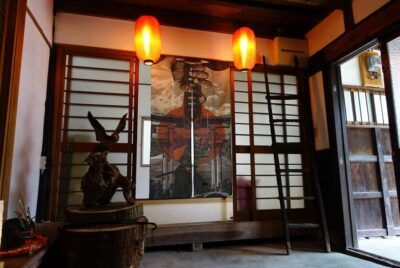
Kendo and Samurai Experience with Uniform and Gear
Read our review →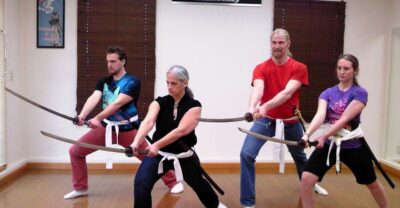
Samurai Sword Class by Experts in Traditional Arts
Read our review →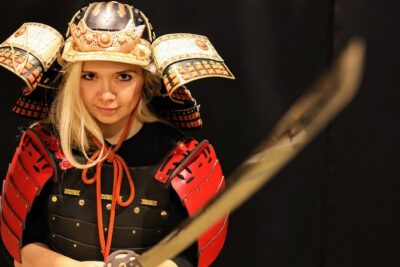
Skip the lines Basic Ticket at SAMURAI NINJA MUSEUM KYOTO
Read our review →
Samurai Sword & Archery Class from Samurai Descendant
Read our review →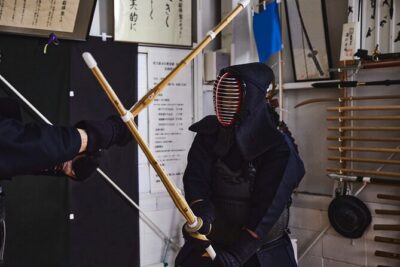
Browse the lists this tour appears in