Reviewed · GUIDED
Kyoto: Personalized Guided Private Tour
Kyoto can feel like a maze, but a good guide makes it make sense fast. This private 6-hour tour uses public transport and a tailor-made route so you can hit big sights like Kiyomizu and Gion with less stress, plus you get explanations as you go. I especially like the chance to see Kyoto from Kiyomizu’s main veranda view and then switch gears to Gion’s atmosphere and backstreet strolls. One possible drawback: if you want lots of deep historical detail at every stop, you may want to ask your guide upfront, since one past booking wanted more structured commentary.
The value here comes from the combination of hotel pickup, a professional guide, and a pace that can fit your interests, whether you’re photo-first or slow-walking for quiet corners. You can typically fit 3 to 4 attractions depending on how you pace yourself, which is a big deal in Kyoto where travel time adds up. It also runs rain or shine, so comfortable shoes and a flexible mindset matter.
If you’re traveling solo or want a no-compromise plan, this is a straightforward way to reduce decision fatigue. Guides speak English, French, Spanish, or German, but availability can be tighter in peak season, so planning ahead helps.
Key highlights and why they matter
- Kiyomizu Temple viewpoints: you get that classic Kyoto panorama from a UNESCO site with a big, veranda-style stage for photos and pauses.
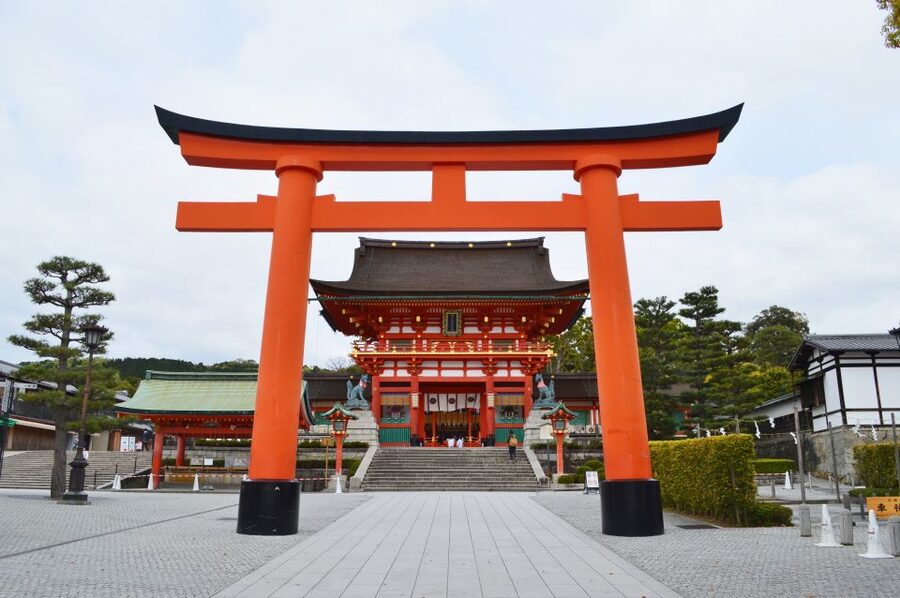
- Fushimi Inari’s red Torii trail: you see thousands of torii gates and can tailor how far up the shrine path you want to go.
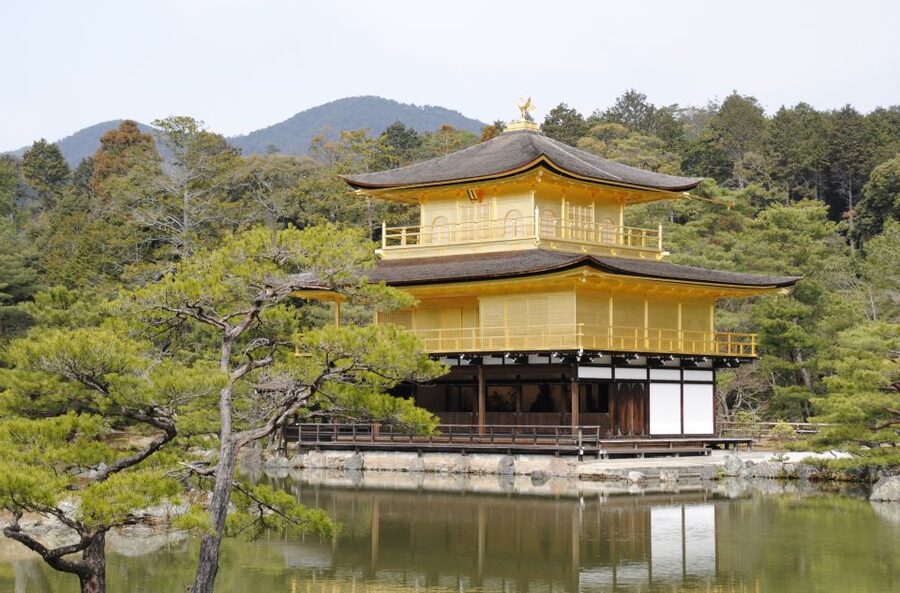
- Golden Pavilion visit: an iconic stop that’s easier to time when someone else handles routing and context.
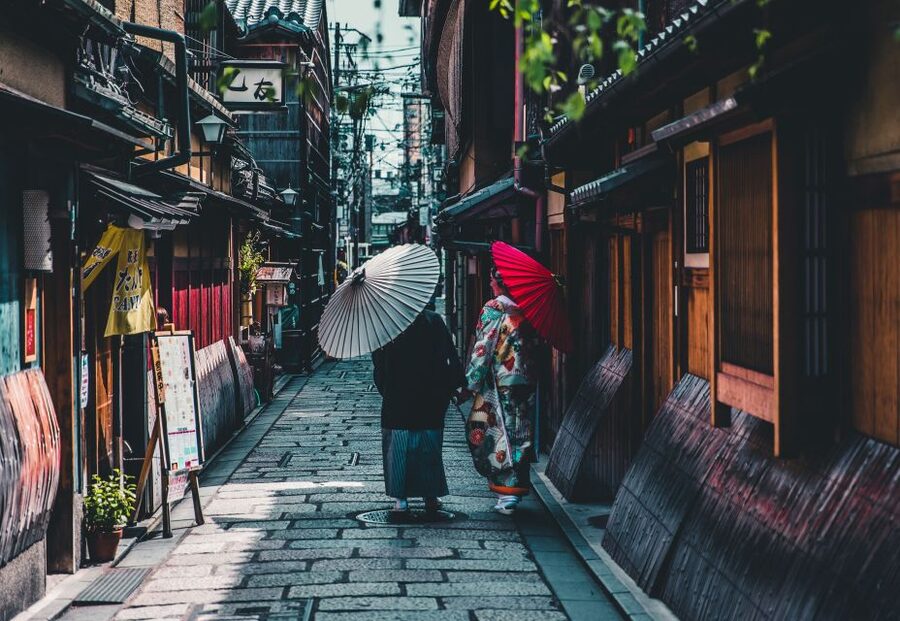
- Gion district plus hidden backstreets: you can experience the geisha-area vibe and step off the busiest streets when the guide steers the way.
- Machiya merchant house atmosphere: you get a feel for old Kyoto streets without needing to research every turn beforehand.
- Optional food and tea stops: you can choose a washoku restaurant or green tea depending on your tastes.
How the 6-hour private format works in real Kyoto terms
This is a half-day tour, not a sprint. You’re on the clock for 6 hours, but you’re also getting a route designed around you, which is the main reason this format tends to feel better than grabbing random tickets and hoping you hit the highlights in the right order.
In practice, Kyoto attractions are spread out. Even when two sites are famous, getting between them can eat time, especially around rush hours or when you’re transferring on public transit. Having hotel pickup plus a guide who uses public transport for the route means you lose less time to navigation and decision-making. You’ll still move at a human pace and you’ll still walk, but the friction is lower.
The tour is private, so you’re not stuck with a fixed group rhythm. That matters at places like Fushimi Inari, where some people want to wander the Torii lanes slowly and others are happy with a faster loop. It also matters in Gion, where the most interesting bits often happen when you slow down, duck into side lanes, and let the neighborhood do its thing.
One more practical note: it runs rain or shine. Kyoto weather can change fast, so don’t treat this as an ideal-day-only plan. Wear shoes you can trust on wet pavement, and keep your expectations flexible.
A few more Kyoto days worth comparing
- PERFECT KYOTO 1-Day Bus Tour
★ 5.0 · 13,518 reviews - Kyoto: Fushimi Inari, Kinkakuji, Bamboo Grove 1 Day Bus Tour
★ 4.8 · 4,316 reviews - Kyoto: Tea Ceremony in a Traditional Tea House in Kiyomizu
★ 4.9 · 3,519 reviews
Fushimi Inari and the red Torii gates: what you’re really optimizing
Fushimi Inari Shrine is famous for a reason: thousands of red Torii gates form a tunnel-like trail that’s part shrine, part walking experience. In a standard self-guided plan, you might spend time figuring out how long to go and when to turn back. On this tour, your guide can help you make that call based on your pace and the rest of the day.
You’ll start from the shrine area and then follow the Torii corridor through the gates. The key difference between a quick pass and a satisfying walk is how you manage your expectations about stairs, crowd flow, and time. Even if you don’t go all the way up, you can still enjoy that visual rhythm, the way the gates frame every step forward.
Here’s the real value: your guide can help you understand what you’re seeing while you’re surrounded by it. That matters at Fushimi Inari because people tend to treat it like an Instagram set, when it’s actually a religious site with a living context. You’ll get more out of your photos when you know what the space is doing.
If you’re short on time, ask your guide where to turn back for the most rewarding sections without exhausting the rest of your day. That small choice can be the difference between enjoying the Golden Pavilion later or arriving already tired.
Golden Pavilion (Kinkaku-ji): iconic views plus an easier timing game
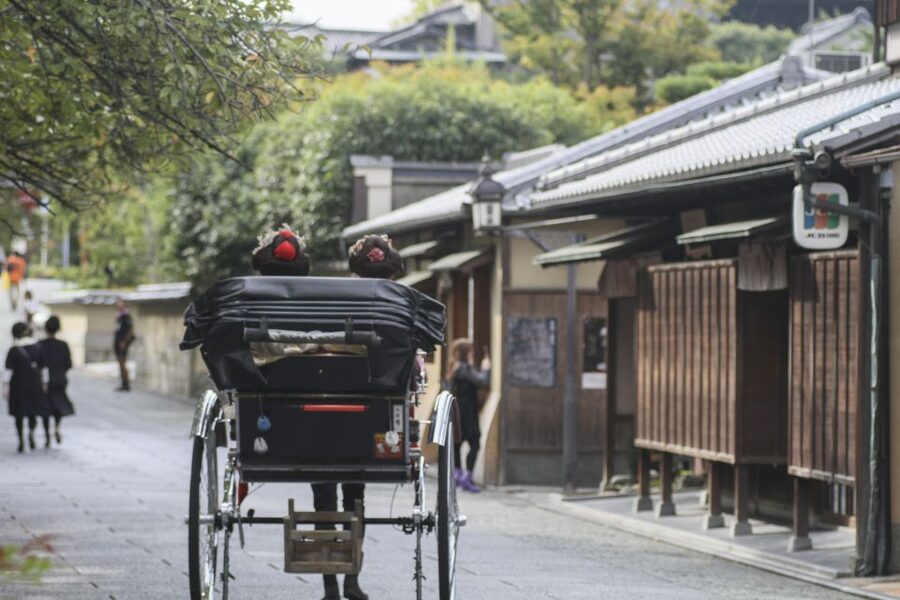
Next up is the Golden Pavilion, or Kinkaku-ji, one of Kyoto’s most recognizable temples. It’s the kind of stop that everyone has on the list, but the experience can vary based on timing and how you move through the site.
With a guided route, you’re not just getting the sight. You’re also getting help with sequencing. In Kyoto, even “must-see” places can feel crowded if you hit them at peak times. A guide’s job is to steer you to a workable flow so you can see what you came for without spending your day waiting in lines or backtracking.
At Kinkaku-ji, I think the best part is not only the pavilion itself, but the surrounding temple gardens and the way the space is laid out for viewing. If you like architecture and visual composition, you’ll probably enjoy this stop more than you expect. If you’re less interested in buildings, the practical upside is that it’s a clear, memorable anchor for your day.
Drawback to consider: if your main goal is long, slow exploration, this temple can feel like a “see it, then move on” stop depending on the rest of your 6-hour schedule. You can often balance that by telling your guide you want more time there, but you’re still working within the half-day structure.
Kiyomizu-dera and the UNESCO veranda view: the stop that changes your whole mood
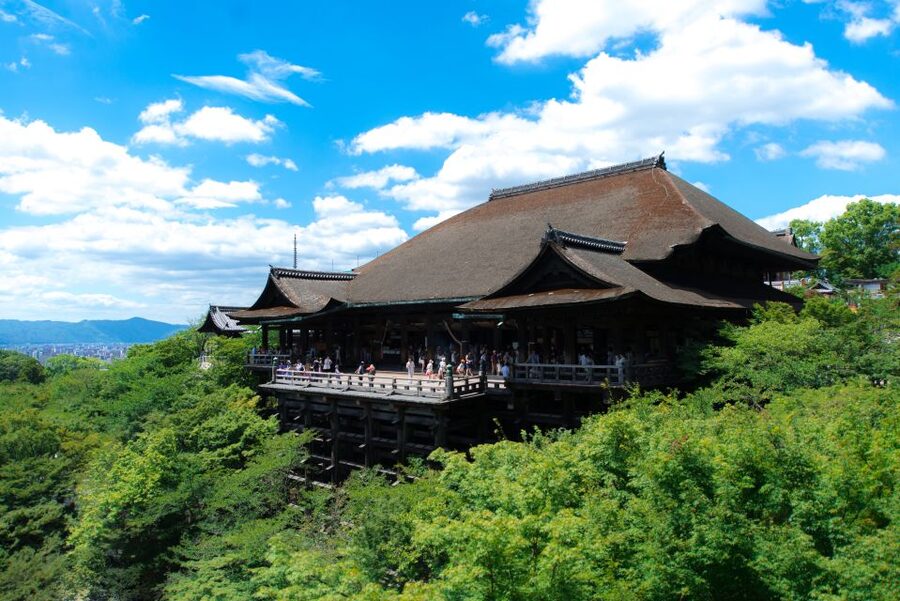
Kiyomizu-dera is the emotional center of this itinerary for many people, because it’s not just a temple. It’s a place you reach and then immediately feel the scale of Kyoto below you.
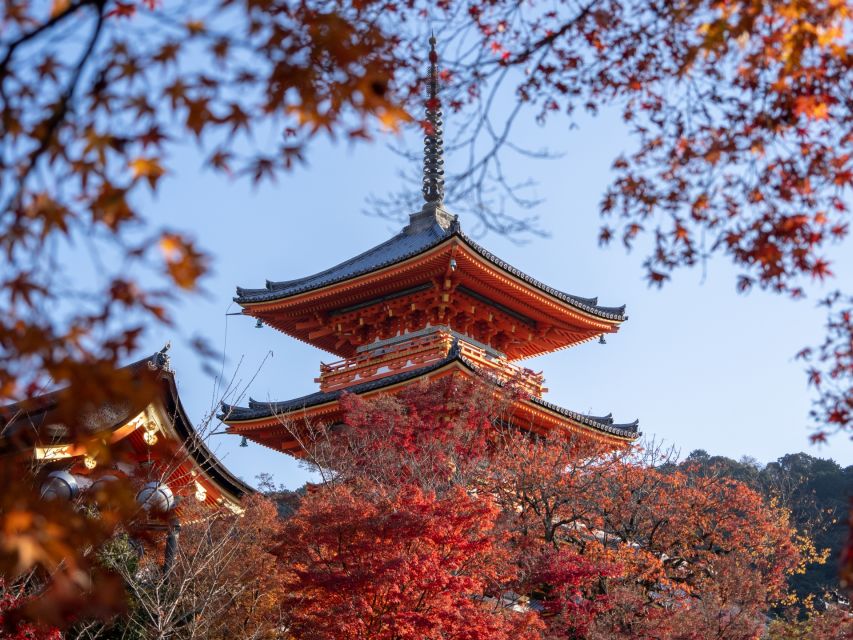
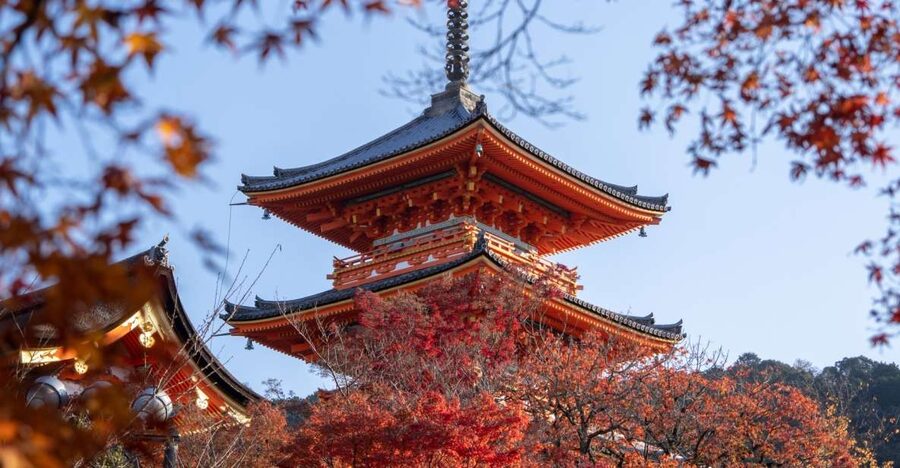
You’ll visit Kiyomizu-dera, a UNESCO world heritage site, and you’ll spend time at the main area with that famous veranda viewpoint on the mountainside. This is where Kyoto starts to look like Kyoto, layered rooftops and hills in the distance, with temple architecture framing the view.
If you enjoy photography, this stop usually delivers. If you’re more interested in atmosphere than angles, it still works because it gives you a reason to pause. The view forces a reset after the walking and crowd rhythm of other areas.
There’s also a practical side. Kiyomizu’s layout tends to create bottlenecks for unplanned foot traffic. With a guide, you spend less time guessing where to stand, when to move, and how to keep the day flowing.
If the weather turns, treat this as a “slow down and appreciate the moment” stop, not a “get perfect photos” stop. Rain can change the lighting and crowd patterns, and a guide can help you adjust without turning the day into chaos.
Same corner of Japan, a different kind of day:
- Kyoto Geisha Walking Tour: Gion District & Hidden Gems
★ 4.7 · 3,273 reviews - Kyoto: Tea Ceremony Ju-An at Jotokuji Temple
★ 4.9 · 3,207 reviews - Kyoto: Gion Magical Night Walking Tour with Geisha Trivia
★ 4.9 · 2,393 reviews - Kyoto: 45-Minute Tea Ceremony Lesson Experience
★ 4.3 · 2,378 reviews
Gion and Kyoto street life: what you’re really paying for
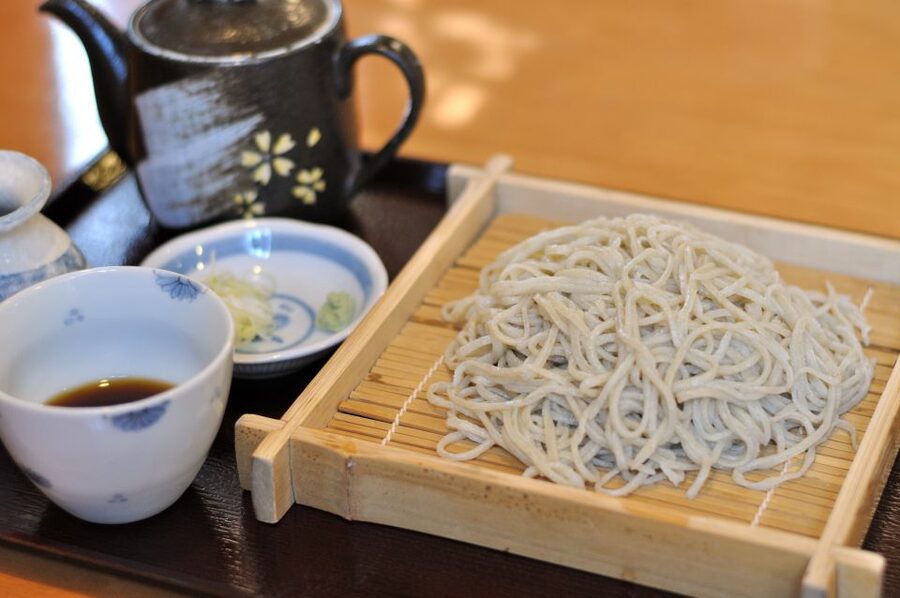
After the big temples, this tour shifts into neighborhood mode: Gion, plus time for the feel of traditional Kyoto streets. Gion is famous, yes, but it’s also where you can notice how Kyoto lives and how the past shows up in everyday details.
You’ll experience Gion as one of Kyoto’s most famous geisha districts, and you’ll also get a chance to see traditional wooden machiya merchant houses. These aren’t just pretty facades. They help explain why Kyoto has such a strong street identity, even when the city is modernizing around it.
The best part of a guided Gion stroll is the ability to step into quieter side streets. In a self-guided walk, you might get stuck on the main lanes where crowds thin your ability to look closely. A guide can help you find the calmer backstreets, which makes a huge difference in how the district feels.
One of the strongest signals from past bookings is how well guides adapt. For example, some guided days included extra cultural touches, like calligraphy or time to sit quietly at a temple for reflection, depending on interests and route choices. That kind of adjustment is exactly what you want if you’re not traveling only for checklists.
Even if you’re just curious about what geisha culture looks like from a distance, Gion can feel more meaningful when you understand the etiquette of the space. You don’t have to worry about decoding everything on your own.
Food and green tea: easy ways to personalize your half day
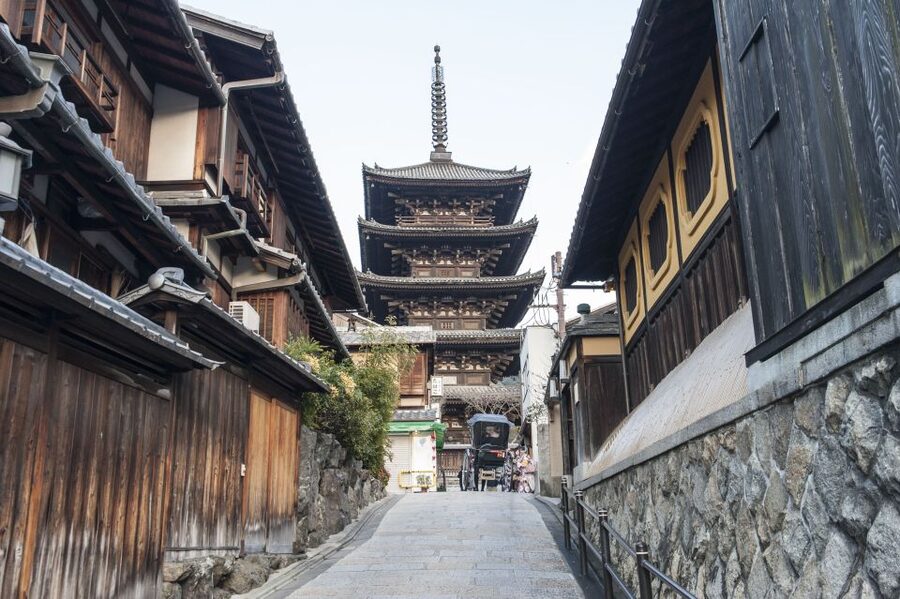
This tour gives you space to make food choices part of the plan. Lunch is not included, and the tour does not cover your transport or entrance fees, so you’ll be responsible for those costs. That sounds like a downside until you realize you get control.
If you want washoku, you can aim for a restaurant stop that matches your preferences. If you’d rather slow the day down with a simple break, green tea can be the perfect pivot after temple walking.
This is also where a guide’s judgment helps. If the day is crowded or the weather shifts, they can help you choose a nearby option that doesn’t wreck your timing. In Kyoto, a good meal stop is one that keeps you energized, not one that burns an hour in transit.
What’s included, what’s not, and how to budget without surprises
Here’s the practical breakdown. Hotel pickup is included, and you’ll have guiding by a professional guide. The tour also includes public transportation fee for the guide, which helps keep the experience smooth.
What’s not included:
- Lunch for you and the guide
- Transportation for you
- Entrance fees for you and the guide (most major sights are free for the guide, but you should assume you may pay)
So, what should you budget beyond the $459 per group? Plan for your own transit and any entrance fees at the places you choose to enter. If you’re the type who wants to maximize your time at each temple, that can mean a little extra spending. If your priority is just to see the key areas, you may find the costs manageable.
Why the price can still be good value: you’re paying for routing, pacing, and interpretation in a city where transit can be confusing and time slips away fast. In other words, you’re not just buying a list of stops. You’re buying a plan that reduces wasted motion.
One more nuance: the tour is priced per group up to 1 participant as listed. If you’re traveling with others, check how the provider prices additional people, since the data here is specific to the listed group size.
Choosing the right guide day: what the best experiences have in common
The biggest theme in the guide experience is adaptability. Names that came up in past bookings include Taeko, Yoko, Toshi-San, and Keiko. Even without focusing on names, the pattern is clear: the best days happen when your guide aligns the route with what you asked for, then adjusts when you want something different.
One booking highlights how Taeko tried to cover main interesting places within the 6-hour window and even returned people to Kyoto Station at the end. Another booking praised Yoko’s ability to match expectations with helpful explanations at each site, then add relevant extra stops and even quieter moments for contemplation.
Another useful lesson from prior experiences is how guided days can become more than facts. One person described an experience that included trying calligraphy and creating a miniature garden at a quieter spot. You might not get the exact same add-ons every time, but the takeaway is solid: when you communicate what you enjoy, guides can sometimes shift from standard sightseeing to cultural activities that make Kyoto feel personal.
So when you book, think of your tour request as a short brief. Tell your guide what you care about most: views, food, temple architecture, street atmosphere, or calm downtime. That’s how you get your 3 or 4 stops to feel intentional instead of rushed.
Logistics you should plan for, before you start walking
You’ll walk and take public transportation during the tour. Some stations have few elevators or escalators, so if you prefer to avoid stairs, you should tell your guide. This is not a small detail in Kyoto. A route that looks fine on a map can require stair climbing in real life.
Bring comfortable shoes. That sounds obvious, but it’s the difference between enjoying the day and spending the second half thinking about your feet. Also, keep a light rain layer or umbrella handy, because the tour runs rain or shine.
If you’re traveling in peak months, availability by language can be limited. The tour offers English, French, Spanish, and German, but the best move is to book early once you know your travel schedule. That also gives you time to set expectations for what you want to see.
If you’re bringing kids, children under 5 can participate free of charge. For families, this can be a good way to avoid planning chaos, especially if you want a guide to manage where to go next.
Should you book this Kyoto private tour?
Book it if you want a half-day plan that handles routing, pacing, and interpretation, especially if Kyoto logistics drain your energy. It’s a great fit if you love a mix of major sights like Fushimi Inari and Kinkaku-ji plus the street-level atmosphere of Gion. It’s also a strong choice if you’re the kind of traveler who asks for quiet time, cultural context, or an experience that adapts.
Skip or rethink it if your main goal is maximum freedom to wander without any guide input, or if you already know the exact order you want and you don’t care about explanations. Also consider this if you specifically want very deep historical storytelling at every stop, since the quality of commentary can vary depending on your guide and the way you communicate your preferences.
If you do book, send your interests clearly. Ask for the kind of pace you want, and if stairs are an issue, say so early. Then you can spend your 6 hours doing the fun part, seeing Kyoto, rather than solving transit puzzles.
FAQ
What is the duration of the Kyoto private tour?
The tour lasts 6 hours.
Where is the tour located?
It takes place in Kyoto, on the island of Honshu, Japan.
Is hotel pickup included?
Yes, hotel pickup is included. You’ll wait in the hotel lobby at your scheduled pickup time.
What does the tour include?
Included items are hotel pickup, guiding by a professional guide, and the public transportation fee for the guide.
What is not included?
Lunch for you and the guide, transportation for you, and entrance fees for you and the guide are not included.
Which attractions are typically part of the experience?
You can expect to see Fushimi Inari Shrine (with the Torii gates), Golden Pavilion, Kiyomizu Temple, and Gion, with the exact number of attractions (3 or 4) depending on your pace.
What languages are available for the live guide?
English, French, Spanish, and German.
Does the tour run in bad weather?
Yes. The tour takes place rain or shine.
What should I bring and watch out for?
Bring comfortable shoes. The tour involves walking and using public transportation, and some stations may have limited elevators or escalators, so let your guide know if you prefer avoiding stairs. Travel insurance is recommended.
Fresh options around Kyoto
- A Privately Guided Photoshoot in Beautiful Kyoto by a Pro★ 5.0 · 18 reviews
- Kyoto: Fushimi Inari Taisha Shrine Walking Tour with Guide★ 4.8 · 18 reviews
- Sekka Cotton Furoshiki Class★ 5.0 · 19 reviews
- Natural Indigo Dyeing with Local Masters (Private Atelier)★ 5.0 · 19 reviews
- Kyoto: Quiet and Graceful Tea Ceremony★ 4.5 · 19 reviews
- Oboro | Mindful Tea Ceremony in a 100-Year-Old Kyoto Teahouse★ 5.0 · 19 reviews
- Ikebana Traditional Japanese Art of Flower Arranging★ 4.5 · 19 reviews
- Kyoto Satoyama Cycling with Lunch and English Guide★ 5.0 · 19 reviews
Guided, compared.
Tokyo 6hr Private Tour with Government-Licensed Guide
Read our review →
Shinjuku Local Bar and Izakaya Guided Walking Tour
Read our review →
Private City Highlights Tour with Local Guide
Read our review →
Kyoto Early Morning Tour with English-Speaking Guide
Read our review →
Tokyo 4hr Private Tour with Government-Licensed Guide
Read our review →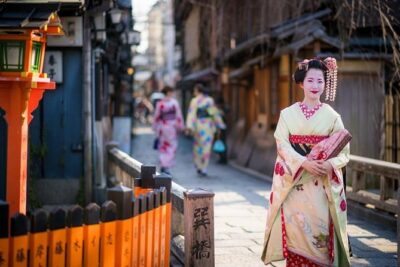
Kyoto 6hr Private Tour with Government-Licensed Guide
Read our review →