
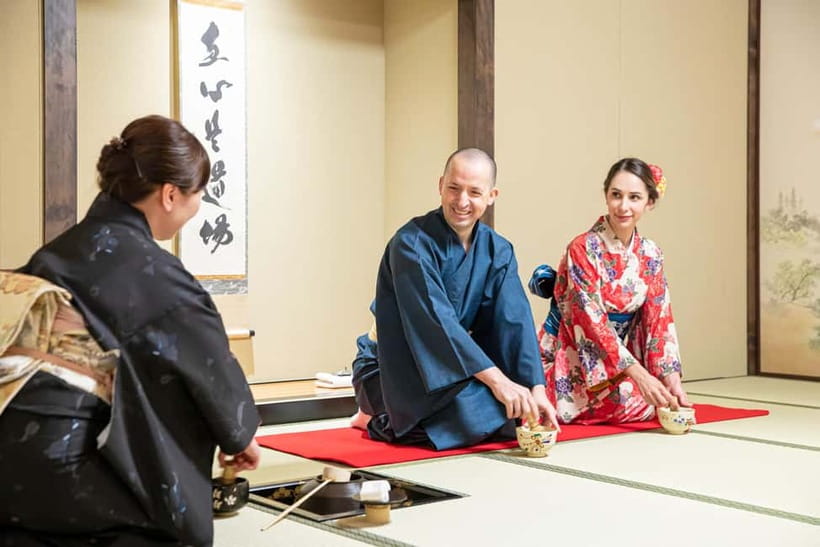
Reviewed · KIMONO EXPERIENCES IN KYOTO
Kyoto: Kimono Tea Ceremony with Matcha and Sweet
Kyoto is where tea becomes a small life lesson. This kimono + matcha tea ceremony pairs traditional ritual (tools, steps, etiquette) with hands-on practice, plus English guidance and seasonal Japanese sweets. The best part is the calm focus, with time built in for photo moments while you’re dressed for the occasion.
Two things I really like: you get a full rundown of how the tea ceremony works, not just a performance, and you make your own bowl of matcha using premium powder. I also love that the Zen values behind the ritual are explained in a way that actually helps you follow along.
One thing to think about: you start with kimono dressing, and that can feel like a lot of formality if you’re hoping for a quick, casual tea tasting. Also, since the ceremony lasts about 90 minutes and sometimes stretches closer to 120, build this into a time window where you’re not rushing to your next stop.
Key points to know before you go
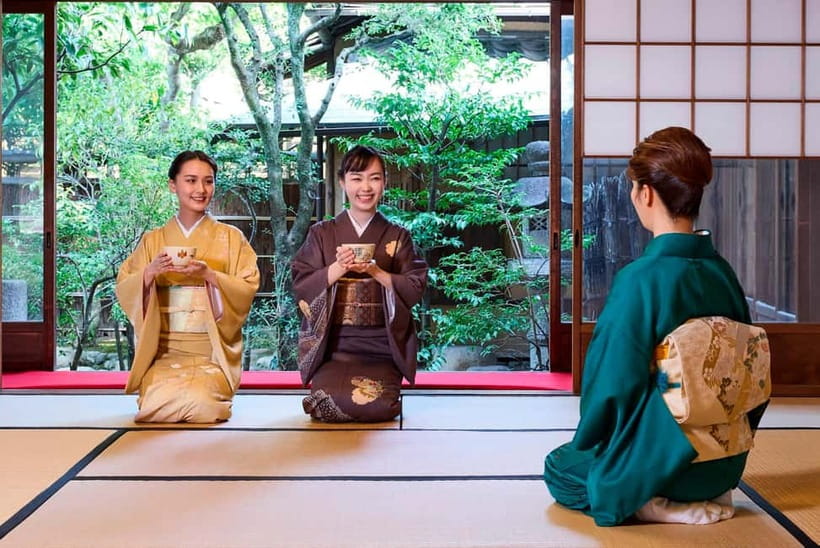
- Kimono dressing first, then your tea ceremony in a traditional room
- Hands-on matcha with guidance from a tea master, not just watching
- Seasonal wagashi that change in flavor, color, and design
- English instruction throughout, with bilingual staff support
- Small group vibe (about 12 to 14 participants) that feels more personal
- Seating options: tatami is standard, wooden and bamboo chairs are available on request
What this Kyoto tea ceremony feels like, minute by minute
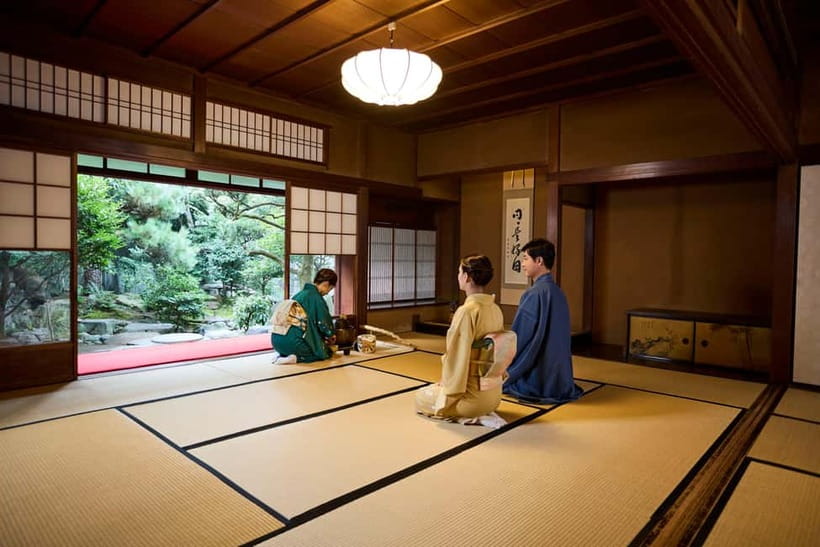
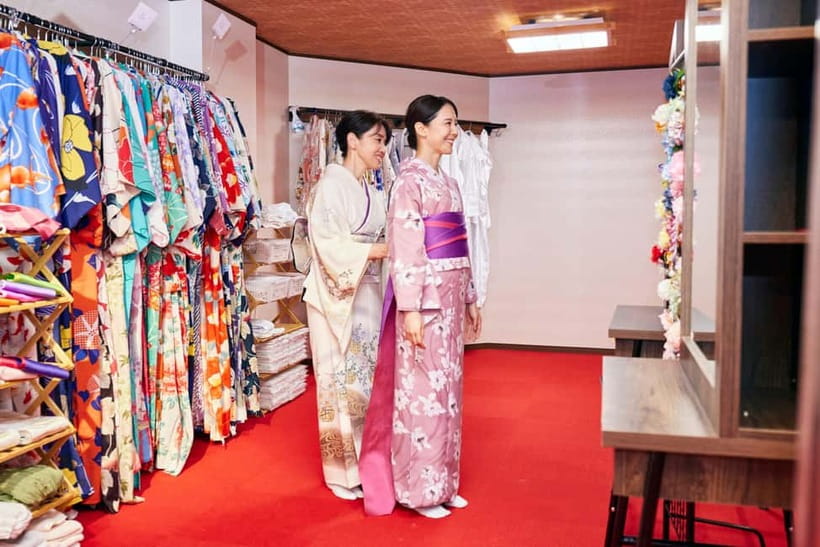
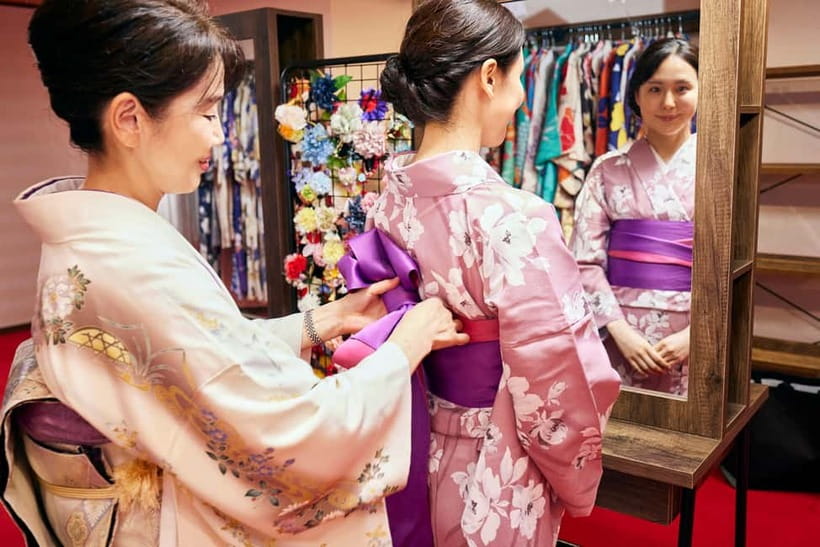
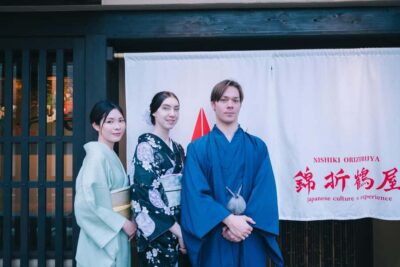
The experience starts with a kimono fitting. You choose from a selection of kimonos, and the staff help you put everything on correctly so you look polished and feel comfortable. Several guests call out how patient and detailed the dressing process is, which matters because a good fit helps you relax during the ceremony.
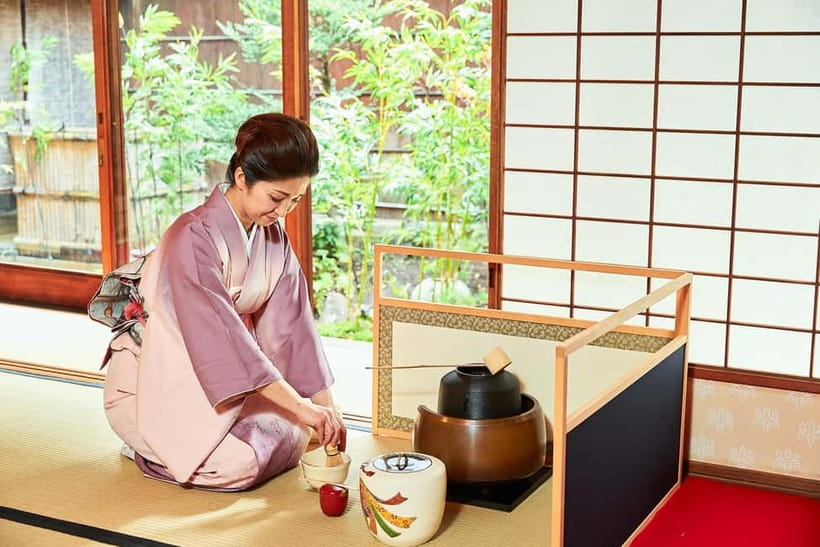
Next you move into the tea room where the utensils are arranged for the ritual. It’s the kind of setting that makes you slow down without trying. Tatami mats are typical, but there are options if you prefer not to sit on the floor. You’ll also notice the structure of the session from how your host explains each movement and tool.
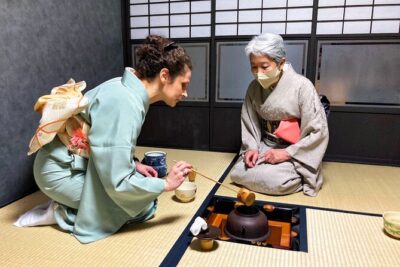
Once the ceremony begins, you watch the steps, then you join in with your own matcha preparation. Your guide walks you through the history, tools, and etiquette behind the tea ceremony, so it feels like learning a living tradition rather than collecting facts. Then you’re served wagashi sweets that match the season, and that seasonal pairing is a big part of what makes each session feel different.
More Kimono Experiences in Kyoto
- Kimono Tea Ceremony at Kyoto Maikoya, NISHIKI
★ 5.0 · 911 reviews - Kyoto: Kimono Rental with Hairstyling and Accessories
★ 4.8 · 653 reviews - Kyoto: Kimono Tea Ceremony at Orizuruya Gion
★ 4.9 · 618 reviews
Kimono dressing: part costume, part cultural instruction
This is not just “put on a pretty robe.” The kimono part is treated like the opening chapter of the ritual. You’ll be helped with dressing, and women can get hair styling if you have long hair. In reviews, guests mention practical details like getting the right styling and even choosing elements for the look, like flowers placed into the hair.
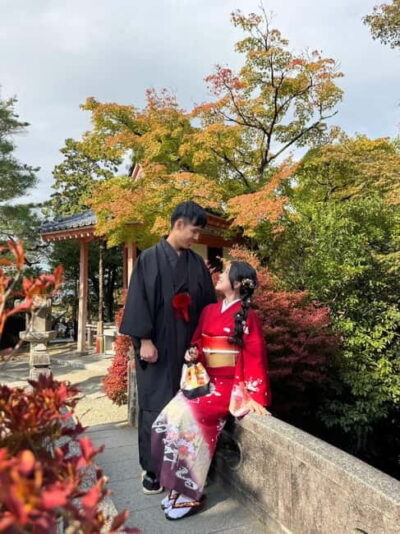
You should expect time for photos as part of the flow. Some recent guests note they could take pictures wearing their kimono before and after the ceremony, and a few mention they could continue wearing it for up to about two hours. If you care about photos, ask the staff when the best moment is to step out for pictures so you don’t feel rushed.
Comfort matters here. You’re in formal clothing, so it’s smart to wear easy footwear to the venue and plan for a little extra time at the start. If you know your body dislikes kneeling or floor sitting, request a wooden or bamboo chair in advance. That small step makes the whole ceremony more enjoyable.
Tea room etiquette and the Zen values behind the steps
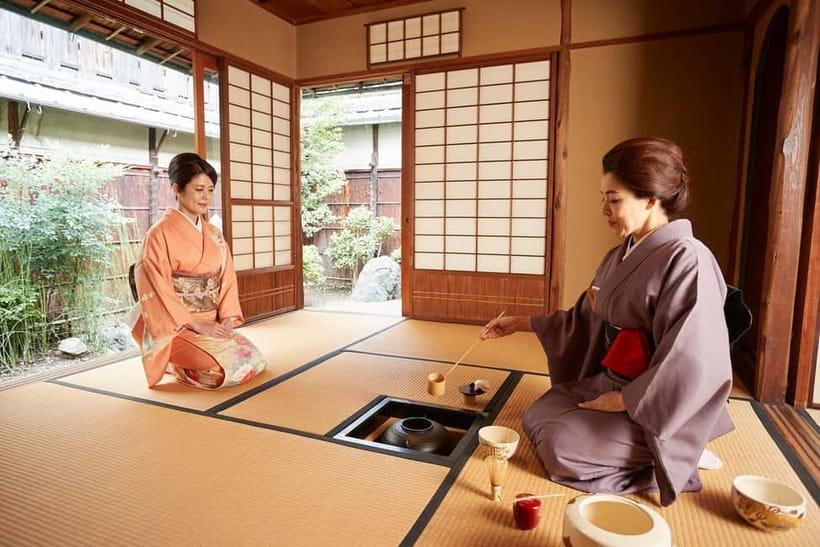
The tea ceremony isn’t random hand movements. Your tea master explains the meaning behind the process and ties it to Zen principles: Wa (harmony), Kei (respect), Sei (purity), and Jaku (tranquility). You don’t have to be a meditation expert to appreciate this, because the values are connected to what you do and how you do it.
For example, you’ll learn how etiquette shows up in small actions: how you handle tools, how you move, and how you pace yourself. Guests consistently praise how relaxed and comfortable the experience feels, especially because the host speaks clearly and patiently while guiding the group.
If you’re the type who likes to understand the “why,” this is the good part. You’ll hear about tools and the history of the ritual, then you’ll see those concepts show up in the actual making of tea. It’s the difference between being entertained and actually getting it.
Hands-on matcha: making the perfect bowl (with help)
This is where you stop being a spectator. You’ll prepare your own bowl of matcha using high-quality matcha. Your host teaches you the steps, then you practice so you get a result you can be proud of.
One of the most repeated highlights from recent guests is how educational it is. People mention learning the meaning behind each step, and they also talk about the foam and texture of the matcha. That matters because matcha is not just about taste, it’s about technique. When the host explains what to aim for, you can actually improve rather than just follow along.
Practical tip: keep your focus on the bowl and the pace of the ritual. The ceremony rhythm is part of what makes the tea taste better, because you’re calmer and more deliberate. If you’re used to drinking matcha fast, slow down here.
More Tea Ceremonies in Kyoto
- Kyoto: Tea Ceremony in a Traditional Tea House in Kiyomizu
★ 4.9 · 3,519 reviews - Kyoto: Tea Ceremony Ju-An at Jotokuji Temple
★ 4.9 · 3,207 reviews - Kyoto: 45-Minute Tea Ceremony Lesson Experience
★ 4.3 · 2,378 reviews - Kyoto: Table-Style Tea Ceremony at a Kyo-Machiya
★ 4.9 · 1,211 reviews
Wagashi sweets: seasonal flavors that change your whole palate
Wagashi is served alongside the tea, and the selection changes with the season. That means the sweets can vary in flavor, color, and design from session to session, and you’ll be encouraged to appreciate them as part of the experience rather than just a snack.
This pairing is one of the quiet geniuses of the tea ceremony. The sweetness and texture are chosen to complement the matcha, and the seasonality keeps the experience from feeling like a generic package. In reviews, guests repeatedly mention that the sweets were delicious and that the full flow felt thoughtful, not rushed.
If you have a sensitive palate, you’ll still be fine. You’ll get to taste, but you won’t be forced into anything intense. Wagashi tends to be balanced, and the tea itself is where the earthiness shines.
Group size, pacing, and seating choices that affect your comfort
The sessions run about 90 minutes, but the experience can last roughly 90 to 120 minutes. That longer end matters if you’re trying to squeeze in a shrine visit right after. I’d schedule this earlier in the day or give yourself buffer time.
You’ll likely be in a small group of around 12 to 14 participants. A smaller group changes the vibe. You tend to feel more involved, questions can actually get answered, and the host can guide individuals who need extra help.
Seating is another comfort lever. Tatami mats are customary, but you can request wooden chairs, and bamboo chairs are available if you ask in advance. If your legs or knees get cranky with floor seating, don’t gamble. Put the request in.
Who will enjoy this most in Kyoto
This is a great choice if you want a structured cultural activity that still feels peaceful. If you like hands-on learning, you’ll appreciate making matcha yourself. If you like photo moments, you’ll probably get several chances to take pictures in your kimono before and after.
It’s also a good fit for couples and solo travelers. The group size is small enough that the ceremony doesn’t feel like a factory line, and the English guidance helps you actually follow what’s happening rather than guessing.
Two practical notes from the rules: children under 7 are not allowed, and it’s English-guided, so you can expect clear explanations. If you’re traveling with a parent who needs a chair due to sitting restrictions, request the bamboo or wooden chair.
Value and pricing: is $66 worth it?
At $66 per person for about 90 minutes, the value depends on what you want from Kyoto. If you’re looking for a quick matcha stop, this is pricier than a casual café. But if you’re after a real cultural session with kimono dressing, a tea master-led ceremony, wagashi, and hands-on matcha technique, it stacks up well.
Here’s what you’re really paying for:
- Kimono dressing support plus hair styling for women with long hair
- English instruction on etiquette, tools, and meaning
- Guided matcha preparation, which many people struggle to replicate on their own
- Seasonal wagashi included in the experience
Think of it like paying for an expert host and the full ritual, not just a drink. Reviews strongly reflect that, with guests highlighting education, patience, and how authentic the atmosphere feels. If you want to take home the experience in your head, not just your phone camera roll, it’s a solid spend.
What the tea master guidance is like (names you might hear)
Hosts can make or break a workshop. In recent sessions, guests mention tea master and hostess Maki, and also Megumi as an incredible guide. The consistent praise isn’t just about being friendly, it’s about being patient with English explanations and making the ceremony feel comfortable rather than intimidating.
If you’re nervous about etiquette, that’s a good sign. You’ll be guided step by step, and the host’s job is to help you get it right. That’s especially helpful if you’ve never tried whisking matcha or handling ceremonial tools.
Possible drawbacks and how to plan around them
The biggest drawback is time and formality. You start with kimono dressing, and if you’re hoping for a casual tea hang, it may feel a bit structured. Also, some sessions can run closer to 120 minutes, so plan your day with slack.
Another consideration is the kimono feel. One review notes that the kimono can make you feel a bit overdressed, but that might be exactly what you want. If you’re sensitive about wardrobe discomfort, request seating options and plan to relax into the moment rather than rushing.
Finally, check your expectations about photos. The experience is designed around the ceremony, so photos are helpful but not the main course. I’d go with a mindset of enjoying the ritual first, then letting photos happen naturally.
Should you book this Kyoto kimono and matcha tea ceremony?
Book it if you want Kyoto culture in a calm, hands-on format. I’d especially recommend it if you care about etiquette and meaning, because the Zen values (Wa, Kei, Sei, Jaku) are actually explained in ways you can use. You’re also getting more than a tea tasting since you dress in kimono and prepare matcha yourself.
Skip it if you want a minimalist, low-effort tea stop with no ritual. Also skip it if you can’t commit to a structured 90 to 120 minute experience. And if sitting on tatami is a no-go for your body, make sure you request a chair option ahead of time.
If you’re balancing a Kyoto itinerary packed with temples and food, this is a refreshing change of pace. It gives your brain a rest, while teaching you something real you can carry forward.
FAQ
How long does the Kyoto kimono tea ceremony last?
The experience is listed as about 90 minutes, and the tea ceremony lasts approximately 90 to 120 minutes in practice.
Is transportation included to and from the venue?
No. Transportation to and from the venue is not included.
Is the tea ceremony conducted in English?
Yes. The instructor provides English guidance, and bilingual staff assistance is included.
Do I have to sit on tatami mats?
Tatami mats are customary, but wooden chairs are available upon request. Bamboo chairs are also available if requested in advance.
Can children participate?
Children under 7 years old are not allowed.
What’s included in the price?
Included are kimono dressing, a traditional tea ceremony led by a tea master, hands-on matcha preparation, Japanese sweets (wagashi), bilingual staff assistance, and hair styling for women (long hair only).
Can I choose my kimono?
Yes, you choose a beautiful kimono, and staff assist with dressing.
What is the cancellation policy?
You can cancel up to 24 hours in advance for a full refund, and the booking also offers reserve now & pay later to keep plans flexible.
Fresh options around Kyoto
- Kyoto: Quiet and Graceful Tea Ceremony★ 4.5 · 19 reviews
- Oboro | Mindful Tea Ceremony in a 100-Year-Old Kyoto Teahouse★ 5.0 · 19 reviews
- Ikebana Traditional Japanese Art of Flower Arranging★ 4.5 · 19 reviews
- Kyoto Satoyama Cycling with Lunch and English Guide★ 5.0 · 19 reviews
- Tea Ceremony Experience in Traditional Kyoto Townhouse★ 5.0 · 19 reviews
- Kyoto International Party Solo Friendly Expats and Locals★ 5.0 · 19 reviews
- Kyoto: Amanohashidate Ine Funaya Tour★ 4.4 · 19 reviews
- Kyoto Private Food Tours with a Local Foodie: 100% Personalized★ 4.5 · 19 reviews
Kimono Experiences in Kyoto, compared.
KYOTO Tea Ceremony with kimono near by Imamiya Jinjya Shrine
Read our review →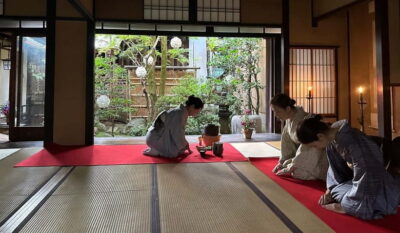
Kimono and Tea Ceremony Experience at Cultural Asset
Read our review →
Family-Friendly Kimono & Yukata Experience at WARGO
Read our review →
1 Day Traditional Japanese Kimono Rental Experience
Read our review →Browse the lists this tour appears in