
Reviewed · COOKING CLASSES
Kyoto Home Cooking Class &Supermarket tour near Fushimiinari
Lunch starts with dashi, then becomes real cooking. This small-group Kyoto class combines an authentic Japanese home setting, garden-view lunch, and a practical lesson in Japanese flavor that you can recreate later.
I particularly love the way you learn the basics behind Japanese cooking, starting with dashi, not just memorizing recipes. The possible downside is simple but real, you need to bring socks, and the experience is not suitable for wheelchair users.
Key things to know before you go
- Dashi first, everything else follows: the flavor base behind many Japanese dishes starts your lesson.
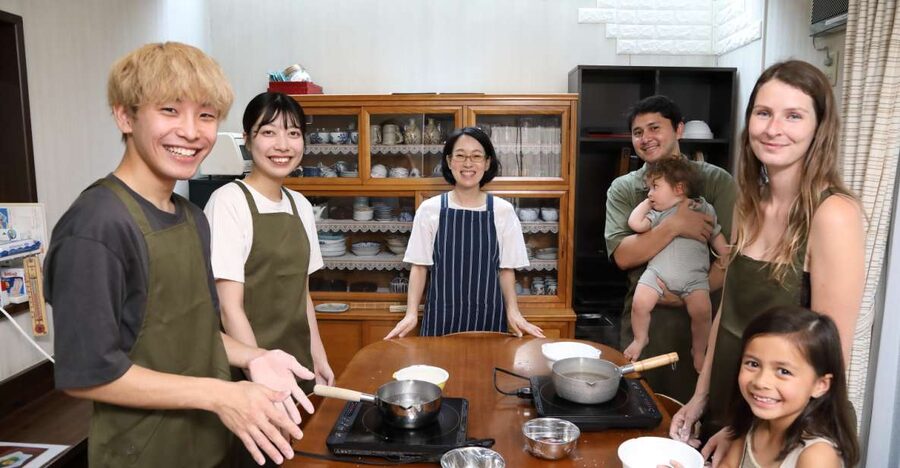
- Small group of up to 6, all English: licensed guide interpreters keep instructions clear for everyone.
- Cook about 5 dishes hands-on: you pair up or work with your partner after instructor demos.
- Lunch in a traditional room with garden views: you eat what you make, Japanese-style.
- Supermarket tour after lunch: you learn how to shop for the exact ingredients you used.
- Vegetarian-friendly dashi option: you can enjoy the class as a vegetarian or vegan guest.
Why this Kyoto class near Fushimiinari feels like a home visit
Kyoto has plenty of food experiences that feel like a performance. This one is different. You start with hands-on cooking, then you eat in a traditional space with garden views, and then you go shopping in a local supermarket as if you’re building a meal for your own kitchen.
I like that the format stays practical. You’re not just watching someone cook, you’re learning what to do and why, and then getting the recipe details to repeat it later. And because the group is limited to 6 people, it stays personal.
One more thing that matters in Kyoto: you’re near Fushimiinari, so this can slot cleanly into a temple and neighborhood day. Think of it as the calm, delicious middle chapter between sightseeing stops.
More Cooking Classes in Kyoto
- Ramen Cooking Class at Ramen Factory in Kyoto
★ 5.0 · 1,937 reviews - Kyoto: Ramen Cooking Class at a Ramen Factory with Souvenir
★ 4.9 · 532 reviews - Kyoto: Ramen, Gyoza, and Onigiri Cooking Class
★ 5.0 · 445 reviews
First lesson is dashi, the flavor base behind Japanese food
The class begins with dashi, Japanese soup stock. If you’ve ever wondered why Japanese food tastes so balanced, this is one of the big answers. Dashi shows up in everything from soups to simmered dishes, and it helps create that clean, savory depth without heavy sauces.
You’ll learn the concept first, then you’ll see how it fits into actual cooking. That matters because Japanese cuisine often depends on basic flavor building blocks. Once you understand dashi, lots of other dishes start making sense, even when you’re looking at a menu at home.
Good news for plant-based eaters: the class uses vegetarian dashi, so vegetarian and vegan guests can join. You’ll just want to plan ahead and make your needs known.
The hands-on cooking portion, about 5 dishes, done step by step
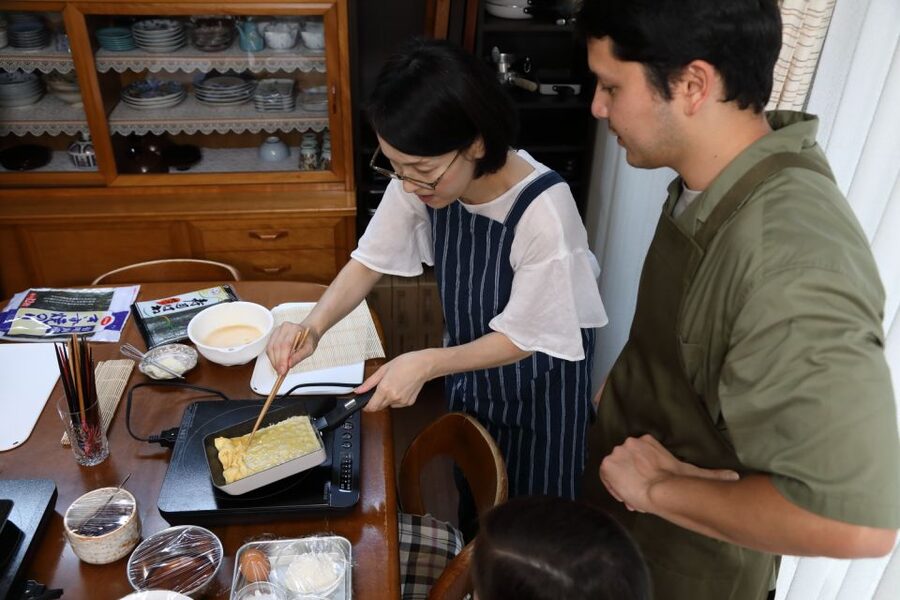
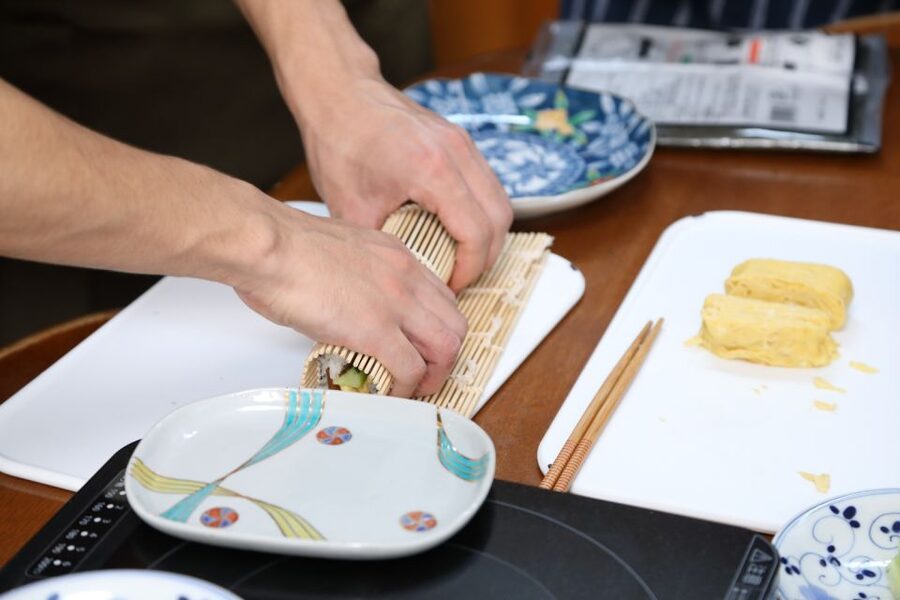
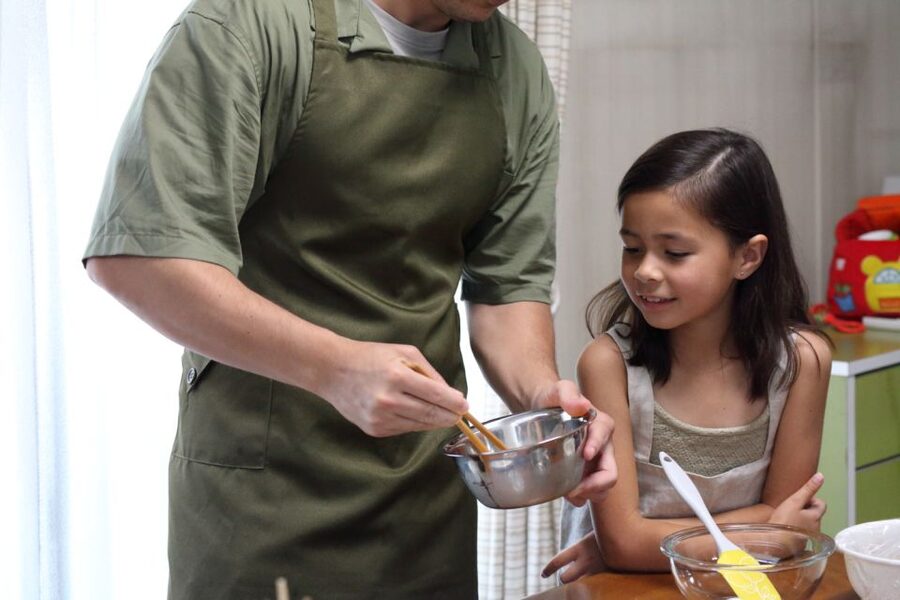
After the dashi intro, you move into cooking. The class is designed around preparing about five dishes, either on your own or with your partner. Before you take over, the instructors demonstrate key steps in front of you, so you’re not guessing with a kitchen full of tools and ingredients.
Then comes the best part: doing it yourself. You’ll work through each dish with guidance, and the pacing is friendly. The goal is that you leave knowing the method, not only the finished plate.
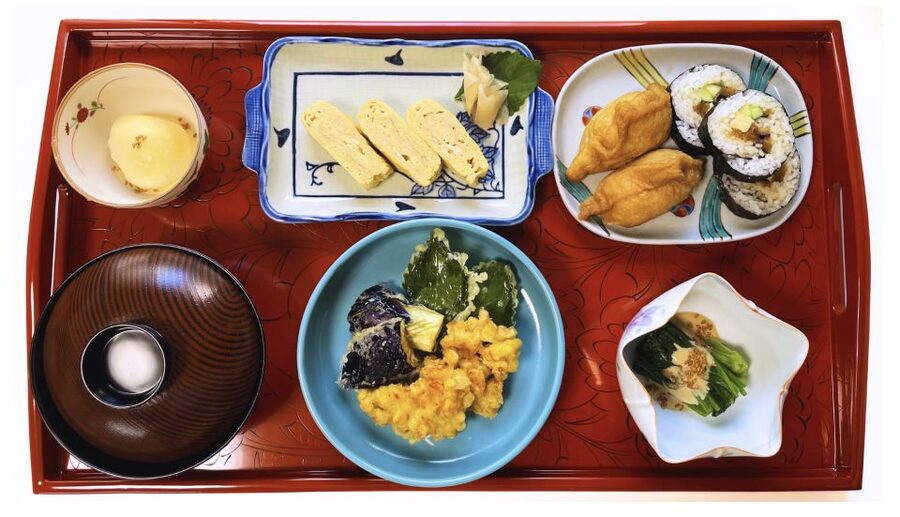
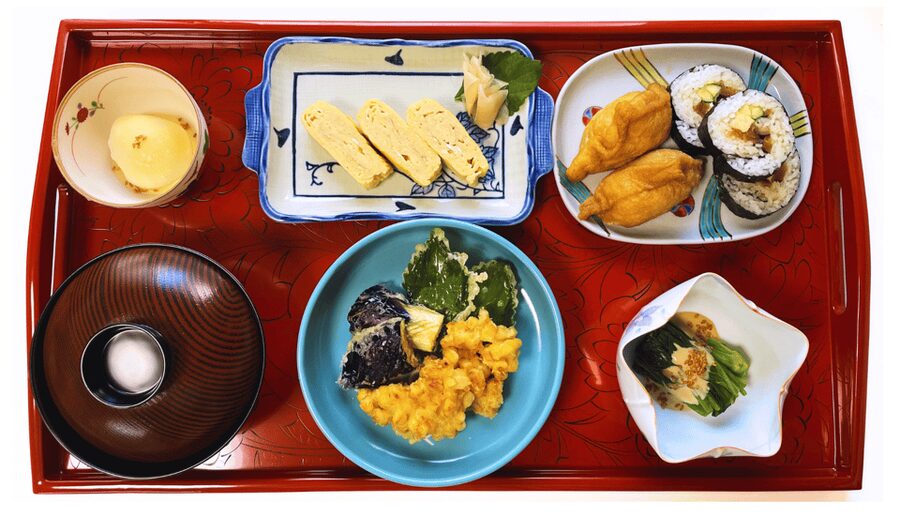
Depending on the season, the menu may shift. Based on past menus, you might cook items like Japanese omelet, rolled egg, tempura, sushi, miso soup, salad, and even dessert options like mochi. Don’t worry if you don’t get every item you’ve heard of, seasonal changes are part of how Japanese cooking works.
Also, the class is conducted in English throughout. Instructions are delivered by licensed guide interpreters, so the details stay clear even if you’re not familiar with Japanese kitchen terms.
Cooking in a traditional Japanese room with garden views
Once your dishes are ready, you sit down together and enjoy what you made in a very traditional Japanese room. This is the moment where the experience stops being a lesson and becomes a meal.
The space itself adds to the feeling. You’re not eating lunch in a generic restaurant setting. You’re in a Japanese home environment with garden views, which makes the meal feel more grounded and slower paced.
And yes, you’ll actually taste the results of what you learned. That’s a huge advantage. Many cooking classes teach you steps, but you only understand them once you eat. Here, the tasting is built into the flow.
Same corner of Japan, a different kind of day:
- PERFECT KYOTO 1-Day Bus Tour
★ 5.0 · 13,518 reviews - Kyoto: Fushimi Inari, Kinkakuji, Bamboo Grove 1 Day Bus Tour
★ 4.8 · 4,316 reviews - Kyoto: Tea Ceremony in a Traditional Tea House in Kiyomizu
★ 4.9 · 3,519 reviews - Kyoto Geisha Walking Tour: Gion District & Hidden Gems
★ 4.7 · 3,273 reviews
The supermarket tour after lunch, how to shop like a local
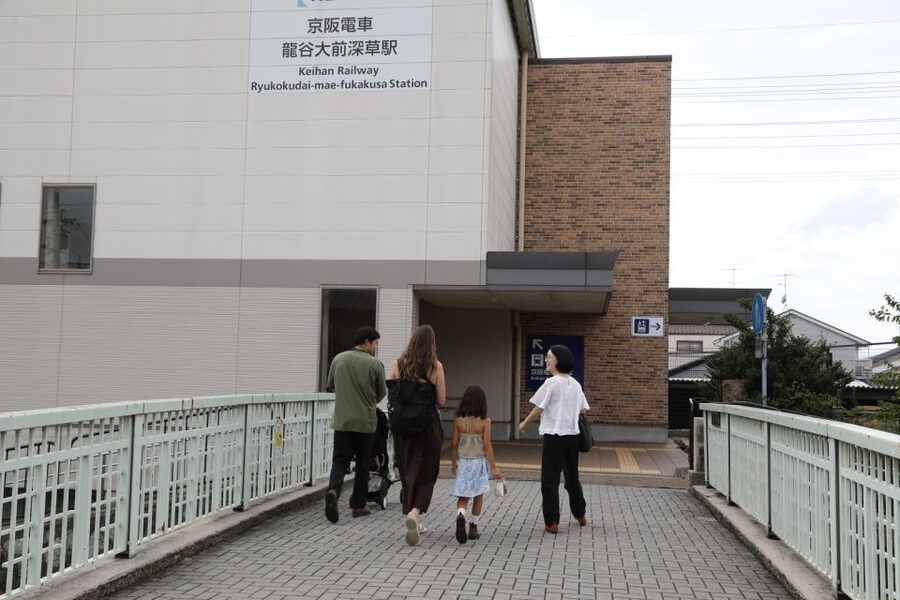
After the meal, you head out to a local supermarket together. This part is often the difference between a fun class and a useful one.
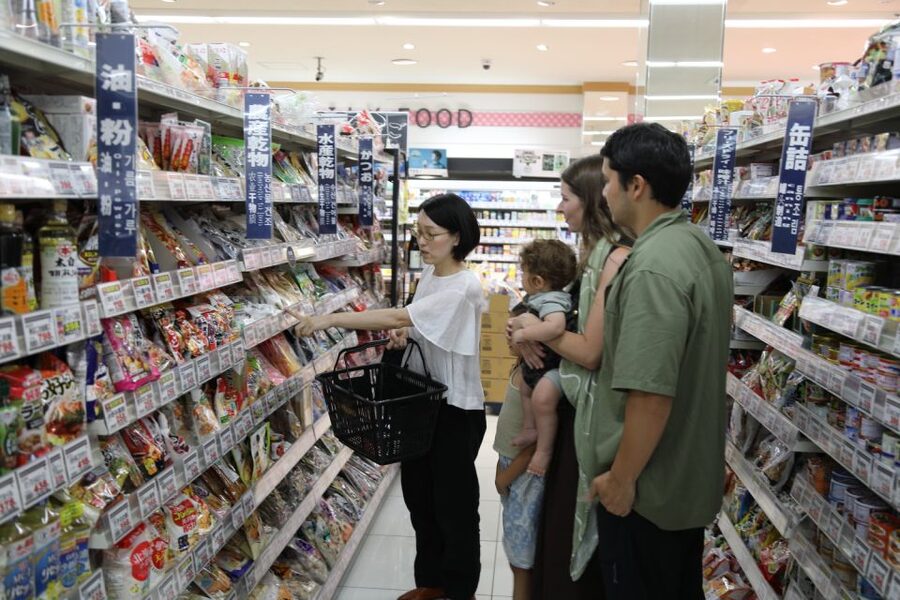
The supermarket tour helps you answer the question you’ll have later: Where do I buy this ingredient at home? You explore the aisles and find the products used in the class, and the instructor explains what to look for, not just which brand or package to buy.
If you want, you can also purchase ingredients during the tour. That means you can go home with a plan, not an empty head full of ideas.
I also appreciate that the translation goes beyond the single ingredients from your dishes. The way it’s described, you’ll learn about the kinds of Japanese items that show up regularly in cooking, so your next grocery trip becomes easier.
What you get, recipes included, so you can cook again later
This class includes lunch plus all seasonings and ingredients for the dishes you prepare. You also receive the recipes for what you cook, so you’re not forced to rely on memory after the fun day is over.
That recipe handoff is important value. Japanese cooking often depends on specific proportions and timing. Even if you do a great job during the class, your future cooking improves when you have the exact notes in front of you.
And because the group is small, you’re more likely to get help on the specific steps that trip people up, like nailing the texture of a rolled egg, getting tempura right, or balancing seasoning levels in a soup or dipping sauce.
Price and time, what $127 buys you in real terms
The price is listed at $127 per person, and the duration is 4 hours. On paper, that sounds like a lot for a half day. In practice, it adds up because you’re paying for instruction, lunch, and all the ingredients, plus the extra supermarket tour.
Here’s the simple way to evaluate the value. If you were to recreate this on your own, you’d need to buy ingredients, figure out substitutions, and still learn the method through trial and error. In this class, you get the method from an instructor, the ingredients are provided, and you finish with shopping knowledge that helps you repeat it.
For solo travelers, it also tends to be friendly because the format supports pairing or working individually. You’re not stuck observing. You have a role in the cooking.
Who should book, and who might want a different option
This class fits best if you want practical Japanese cooking skills, not just photos. If you like eating Japanese food but feel intimidated recreating it, starting with dashi and learning how to shop for the right ingredients is a smart approach.
It’s also a strong choice for people who enjoy learning by doing. The structure includes instructor demonstrations, hands-on cooking, shared lunch in a traditional room, and then the supermarket tour.
You’ll want to consider the limits if you’re traveling with specific needs. The experience is not suitable for wheelchair users, and children under 6 cannot participate. For younger kids, children aged 12 and below should attend with a guardian.
If you’re vegan or vegetarian, you’re not left out. The class uses vegetarian dashi, and the experience is set up to welcome vegetarian and vegan guests as long as you coordinate expectations.
Quick checklist for your Kyoto cooking day
- Bring socks (it’s required).
- Plan for a hands-on kitchen experience that involves multiple dishes.
- Expect the menu to vary by season.
- Come hungry. You cook, then you eat what you made.
If you’re building your day around Fushimiinari, try not to pack too many tight stops back-to-back. A calm schedule helps you enjoy the meal and the shopping without rushing.
Should you book this Kyoto home cooking class near Fushimiinari?
Book it if you want a real skill, not just a one-time meal. The combination of dashi basics, hands-on cooking of about five dishes, lunch in a traditional garden-view room, and a post-meal supermarket tour is what makes this worth your time.
Skip it if you’re looking for a quick, casual tasting with no cooking and no grocery learning. Also, if accessibility is a concern, note that wheelchair users are not accommodated.
If you like structured cooking lessons with practical takeaways, this is the kind of Kyoto experience that pays off after your trip, when you’re standing in your own kitchen and know exactly what to buy and how to make it.
FAQ
How long is the Kyoto Home Cooking Class & Supermarket tour?
The experience lasts 4 hours.
What is the group size?
It’s a small group with a maximum of 6 participants.
Is the class taught in English?
Yes. The class is conducted entirely in English.
How many dishes will I cook?
You’ll prepare about 5 dishes. The exact menu may differ depending on the season.
What is included in the price?
Lunch is included, and all seasonings and ingredients are provided.
Is there a supermarket tour?
Yes. After lunch, you explore a local supermarket together and can buy the ingredients you used in the class if you want.
Are vegetarian or vegan guests welcome?
Yes. The class uses vegetarian dashi, so vegetarian and vegan guests can participate.
What should I bring, and is it suitable for kids or wheelchair users?
You should bring socks. The experience is not suitable for wheelchair users, and children under 6 cannot participate. Children aged 12 and below should participate with a guardian.
Fresh options around Kyoto
- Kyoto: Beyond the Insider Sake Tasting Experience★ 5.0 · 30 reviews
- Kyoto: Japanese Koto & Shamisen Concert and Koto Class★ 4.9 · 31 reviews
- Kyoto: Arashiyama Bamboo, Togetsukyo bridge, Sanso, and more★ 4.6 · 31 reviews
- Private Pewter Sake Cup Experience with a Kyoto Artisan★ 5.0 · 31 reviews
- Kyoto Private & Personalized Full-Day Tour with a Local Guide★ 4.5 · 31 reviews
- Kyoto: Casual Pontocho Evening Food Tour★ 4.8 · 31 reviews
- Kyoto: Maiko, Samurai, or Kimono Rental and Tea Ceremony★ 4.3 · 31 reviews
- Kyoto: Historic Higashiyama Walking Tour★ 5.0 · 31 reviews
Cooking Classes, compared.
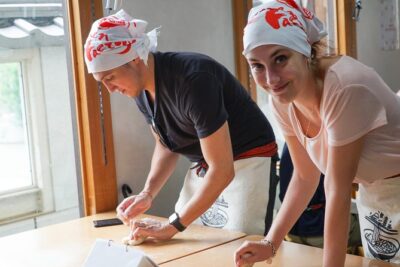
Ramen Cooking Class at Ramen Factory in Kyoto
Read our review →
Ramen & Gyoza Cooking Class in Tokyo with Local Supermarket Visit
Read our review →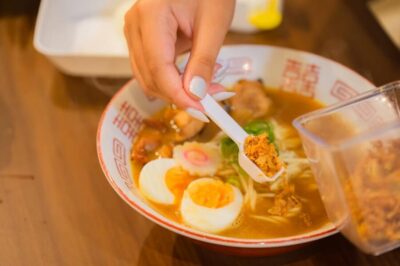
Ramen Cooking Class at a Ramen Factory with Souvenir
Read our review →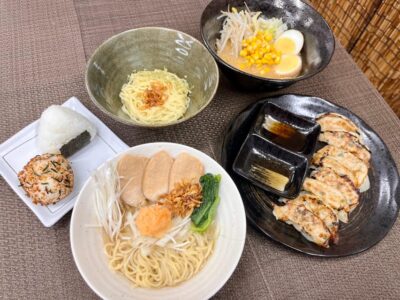
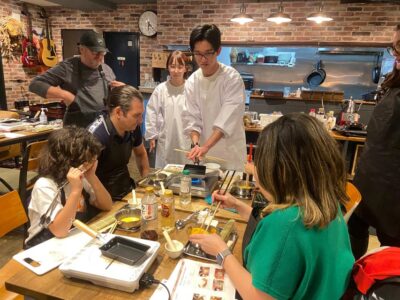
Japanese Washoku Bento Small Group Cooking Class
Read our review →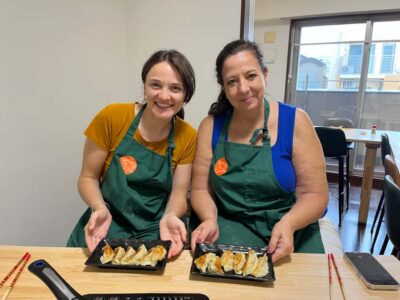
Easy Ramen Cooking Experience in Kabukicho, Shinjuku
Read our review →
Ramen and Sushi Cooking Class with Sake Pairing Set in Tokyo
Read our review →Browse the lists this tour appears in