
Reviewed · CYCLING TOURS
Kyoto: Hidden Gems E-Bike Tour with Local Japanese Guide
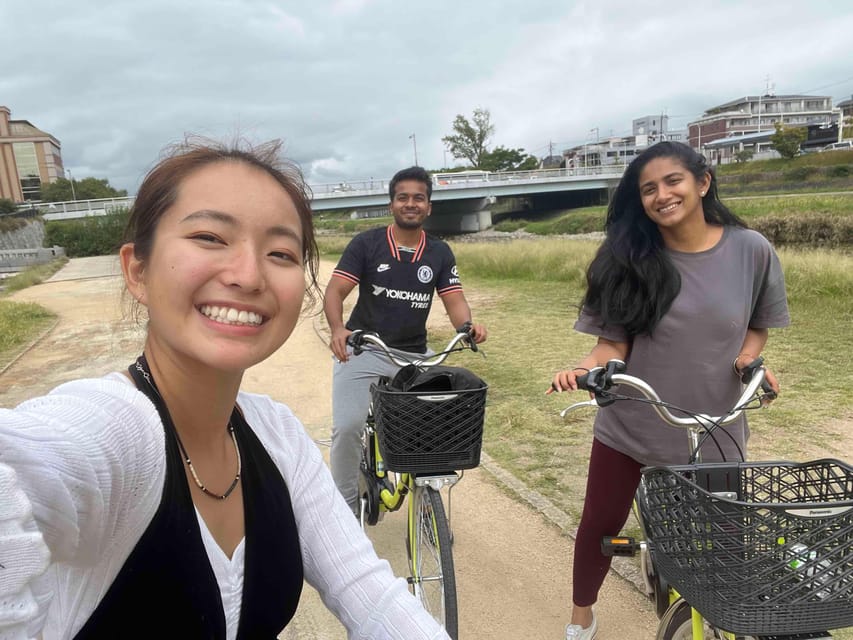
This Kyoto ride feels like you are moving through the city, not just checking boxes. With Aska as your guide and an electric bike under you, you glide between iconic sights and quieter streets, including a fun Kamogawa River crossing on stepping stones.
Two things I like a lot are the small group size and the way the route keeps the day relaxed. You get to talk with your guide and other cyclists without the tour feeling rushed, and you ride a logical loop that ties together Ginkaku-ji, Philosopher’s Path, Nanzen-ji, and Heian Jingu.
One thing to consider: you need to feel comfortable on a bike. Even with e-bike help, some parts include roads with pedestrians and some traffic, so shaky control will make the day harder than it should be.
Key highlights I’d plan around
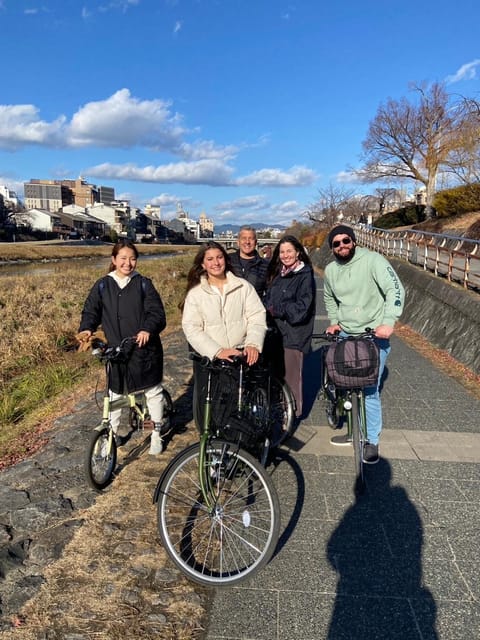
- Small group of 8 so you actually talk, not just listen
- A smart temple loop: Ginkaku-ji, Philosopher’s Path, Nanzen-ji, Heian Jingu
- Kamogawa River stepping stones for a playful break from sightseeing
- E-bike assistance that helps with Kyoto’s hills and long stretches
- Aska and her international perspective plus practical tips for your whole trip
Why Kyoto is perfect for an e-bike day
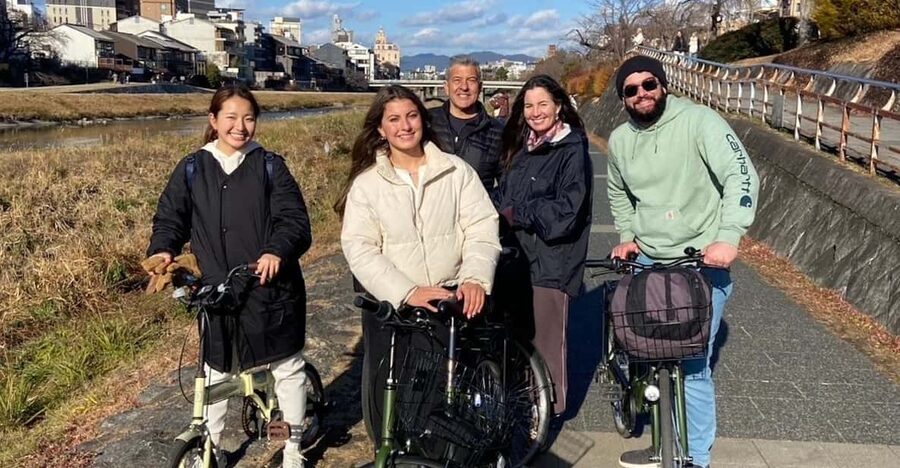
Kyoto can be tough on foot. Distances add up fast, and a line outside a popular temple can eat the time you thought you’d spend seeing Kyoto’s streets.
An e-bike changes the math. You still pedal like a cyclist, but the motor gives you a cushion when the route tilts uphill or you just want to cruise. In practice, this makes the day feel more like exploring neighborhoods than doing endurance sightseeing.
The other big win is how traffic and crowd pressure feel different on two wheels. You do not have to fight for position every time you turn a corner, and your guide can choose streets that are calmer than the main tourist routes.
More Bike Tours in Kyoto
- Hidden Kyoto E-Biking tour
★ 5.0 · 1,843 reviews - Bike Tour Exploring North Kyoto plus Lunch
★ 5.0 · 1,087 reviews - Arashiyama Bamboo Forest & Hidden Gems Bike Tour (Early Bird)
★ 5.0 · 613 reviews
Meeting in Gojo, then rolling toward the northeast
You meet at a rental cycling shop in the Gojo area. If you are coming from Kyoto Station, it’s about 6 minutes by train, or around 20 minutes on foot. That means you are not stuck relying on taxis or complicated transfers.
Once you arrive, you get your e-bike and helmet, then you ride out as a group of up to 8. There is a clear flow to the morning, and it helps that you start with an easy rhythm rather than a sudden “go-go-go” scramble.
Heads-up: you should wear comfortable clothes for sitting and pedaling, and plan to keep your load light. Large bags and oversize luggage are not allowed, and high heels are also a no.
Ginkaku-ji plus Kamogawa River stepping stones
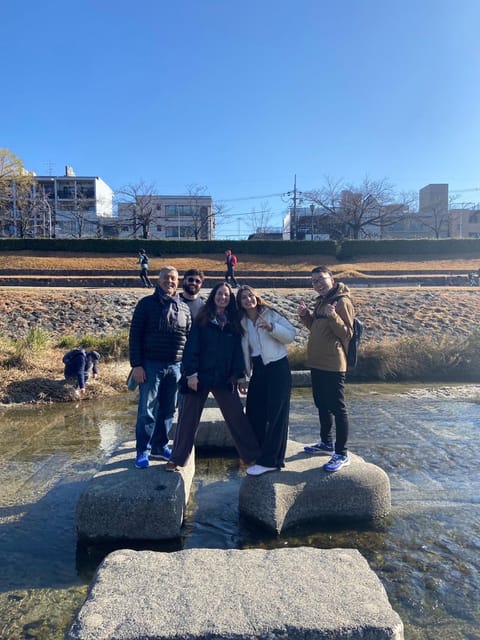
Your first destination is Ginkaku-ji (Silver Pavilion). It’s a temple stop, yes, but the way you get there is part of the experience. You ride past the Kamogawa River, then you get to join in the small spectacle locals and visitors enjoy, stepping across the stones.
This is the kind of moment that makes the day memorable, because it is not just looking at a landmark. You are actively participating, moving through the city at river level, and that shift in perspective is why biking works so well in Kyoto.
After visiting Ginkaku-ji, you also get free time at the area’s shopping street. This is where you can slow down for souvenirs, coffee, and matcha crepes if that is your kind of break. It’s also a good time to regroup and adjust to your bike comfort level before the next ride.
Trade-offs: Ginkaku-ji is still a real Kyoto landmark, so even on a “not the busiest places” route, you may encounter people. The good news is that you are not spending your whole day stuck in slow moving lines.
Philosopher’s Path to Nanzen-ji: ride time as sightseeing
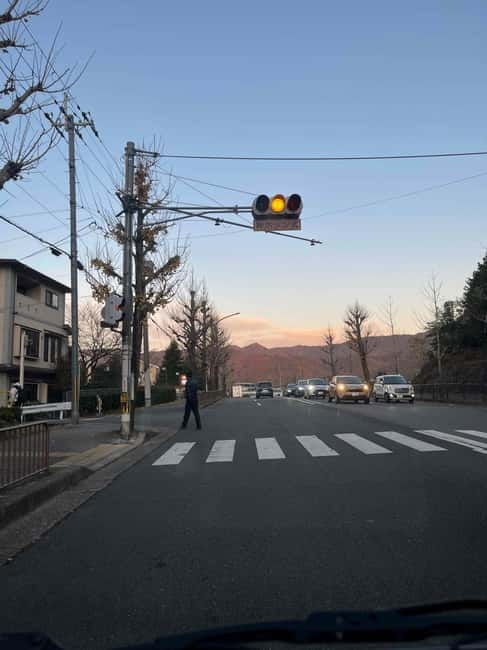
Next up is the Philosopher’s Path stretch, followed by Nanzen-ji. The best part here is the balance. You get moving time on the bike, then you stop and slow down for temple views without turning the day into a walking marathon.
Philosopher’s Path is a classic Kyoto corridor. The value of biking is that you see more of the surrounding streets and viewpoints between pauses, instead of just following a single walking line.
Then you reach Nanzen-ji. Here, your guide leads you through the highlights and you get that big, open temple-feeling view that many people remember long after the photos. It is a change from the narrower lanes, and it helps break up the day so you do not feel like you are on repeat mode.
One practical note: this part of the city can include segments with more pedestrians. A few riders in the group need to keep a steady line and avoid wobbling, since your control matters when there are people close by. If you are a confident cyclist, you will find this manageable and even fun.
Same corner of Japan, a different kind of day:
- PERFECT KYOTO 1-Day Bus Tour
★ 5.0 · 13,518 reviews - Kyoto: Fushimi Inari, Kinkakuji, Bamboo Grove 1 Day Bus Tour
★ 4.8 · 4,316 reviews - Kyoto: Tea Ceremony in a Traditional Tea House in Kiyomizu
★ 4.9 · 3,519 reviews - Kyoto Geisha Walking Tour: Gion District & Hidden Gems
★ 4.7 · 3,273 reviews
Heian Jingu Shrine and the calm finish back at the shop
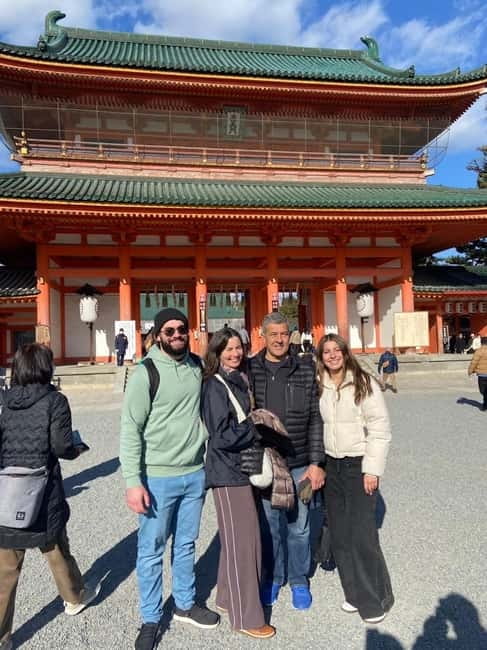
Your final major stop is Heian Jingu Shrine. This is a good closer because the day has already given you river scenery, temple pacing, and neighborhood rides. At this point, you are not chasing the next “must-see” feeling, you are enjoying the atmosphere with less pressure.
Once you finish, the tour ends back at the rental bike shop. That is helpful for planning. You can head straight to lunch, or if you want to keep exploring, they can arrange for you to rent the bike for the rest of the day.
The vibe at the end tends to feel like a win. You’ve covered several Kyoto landmarks, but you still have energy left for a second round of wandering on your own terms.
Aska’s style, plus how the guide choice affects your day
The tour is guided by Aska, a Japanese guide who has lived as a student in North Carolina and London. That international background shows in small ways, like how she explains context and how naturally she chats with people from different countries.
Aska also seems to have a genuine interest in meeting you where you are. She enjoys sharing Japanese culture and learning other cultures, and that makes the day feel more like a friendly local introduction than a script read at you.
Sometimes, the guide can be a different Japanese young person, but the important detail is that they are also friendly and have lived abroad. In other words, you should expect the same general style: English guidance, group conversation, and practical local insights.
In the real world, guides matter because they decide pace. Multiple riders describe the stops as well paced, and they mention that the guide is flexible about spending extra time if the group wants it. That flexibility is hard to get on big-group tours.
Pacing, effort level, and what the 3 to 3.5 hours feels like
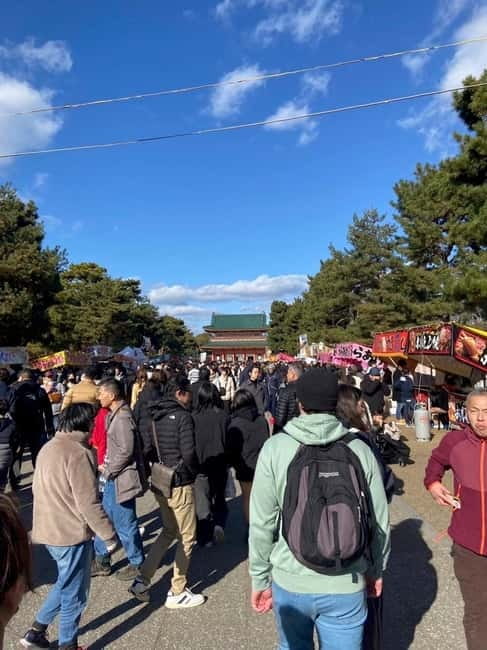
The tour lasts about 3 to 3.5 hours, so it is long enough to feel like a full morning or afternoon plan, but short enough that you are not exhausted before dinner.
Most of the effort comes from staying alert and comfortable on the bike, not from brute hill climbing. The e-bike motor provides enough help that many riders can pedal lightly and still move smoothly.
You will still ride long enough to feel like you “did something,” and that is the point. You get to cover distance quickly, then break into shorter, satisfying sightseeing blocks.
Group size helps here too. With a limit of 8 participants, your guide can slow down for questions and adjust if someone needs a moment. A few riders specifically mention the guide’s patient, attentive approach and how the day never feels rushed.
Main consideration: if you are nervous about bike control, practice basic handling before you join the tour. You do not need to be a stunt cyclist, but you do need to be steady.
Price: is $75 actually good value?
At about $75 per person for 210 minutes, you are paying for several things together: the e-bike rental (with helmet), a live English guide, entry tickets, and parking fees.
If you try to copy this day on your own, you would still have costs. You would need bike rental time, likely some form of paid admission to temples, and you would probably lose time figuring out routes through Kyoto’s streets. A guide saves that cognitive load, especially when the goal is less crowded roads and more conversation time.
Is it expensive compared to a self-guided temple morning? Maybe. But it is usually a good deal compared to a guided walking tour that covers similar areas, because you get distance coverage plus more neighborhoods plus a different pace of seeing.
Also, the value is in the trade-off you are making: you pay for guidance, bikes, and entry, and you get back a calmer day than trying to plan and ride by yourself.
What to bring, wear, and watch for on the road
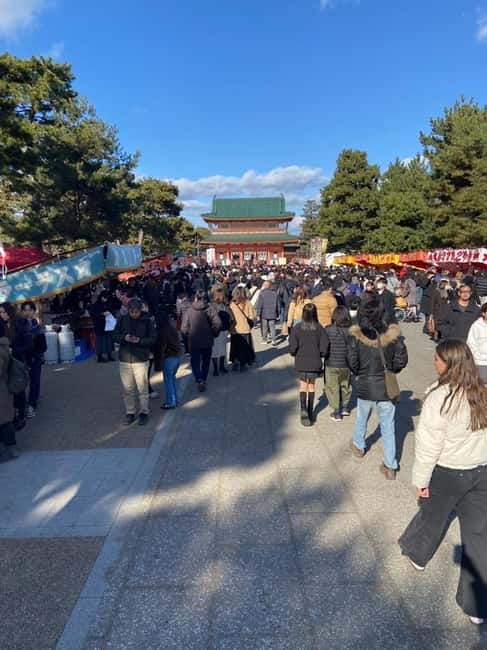
Plan for comfortable riding. Wear comfortable shoes and clothes you can move in. High heels are not allowed, and your luggage needs to stay small.
Bring your own water if you can, since water is not included. You can grab drinks during free time near temple shopping areas, but having a bottle helps you keep momentum.
Safety expectations are straightforward: you are responsible for riding carefully, and the tour does not take responsibility for injuries or accidents. That matters because you should enter the day feeling steady on a bike.
Rain is handled in a practical way. If it rains, you can use raincoats, or the tour may be rescheduled. Either way, you are not left guessing what happens next.
Who should consider skipping this tour
This one is not for everyone. The tour is not suitable for children under 12, pregnant women, wheelchair users, people who cannot ride a bike, and people with low level of fitness. It is also not listed as appropriate for people with diabetes or altitude sickness, and it is not recommended for people over 95.
Who this Kyoto e-bike tour suits best
I think this tour is a strong match for you if you want a practical way to see several famous sites without turning the day into endless walking. It’s also great if you like talking with locals and getting recommendations for where to eat and what else to see.
It’s especially appealing if you enjoy the in-between moments, like cycling along the river and enjoying small breaks at temple shopping streets for coffee or matcha crepes.
I’d also point out one less glamorous benefit: the bike time gives you photo angles and city views that you do not get from a bus route. You see Kyoto as a place you can move through.
If you are easily stressed by crowds, this tour’s approach helps. The plan avoids the busiest parts of Kyoto so you can chat and chill while cycling, but you should still expect some busy energy near major temple areas during peak seasons.
Should you book this Kyoto e-bike tour with Aska?
If you want Kyoto with less fatigue and more local conversation, I’d book it. The combination of an e-bike, a friendly English guide like Aska, and a route that links Ginkaku-ji, Philosopher’s Path, Nanzen-ji, and Heian Jingu is a great use of a half-day.
Book it if you can ride a bike confidently and you are comfortable navigating city streets with pedestrians around. You will get the most out of it when you treat it like a ride with stops, not like a museum checklist.
Skip it if bike handling makes you anxious, if you need wheelchair access, or if you fall into the tour’s stated fitness limitations. In those cases, Kyoto is still amazing, but this specific format may feel stressful instead of fun.
FAQ
How long is the Kyoto e-bike tour?
The tour lasts about 210 minutes, which is roughly 3 to 3.5 hours. It includes bike time and multiple temple or shrine stops.
Where do I meet the guide?
You meet at a rental cycling shop in the Gojo area. From Kyoto Station, it is about 6 minutes by train or about 20 minutes on foot.
Is the tour guided in English?
Yes. The live tour guide provides the experience in English.
What is included in the price?
The price includes electric bike rental and a helmet, the tour guide, entering tickets, and parking fees.
What should I bring, and what is not allowed?
Bring comfortable shoes and comfortable clothes. High-heeled shoes are not allowed, and oversize luggage or large bags are not allowed.
Do I need to know how to ride a bike?
Yes. The tour is not suitable for people who cannot ride a bike, and it also is not suitable for children under 12 or pregnant women.
What happens if it rains?
If it rains, the tour can provide raincoats, or it may be rescheduled.
More E-Bikes in Kyoto
- 5 Top Highlights of Kyoto Full Day Bike Tour (E-bike option)
★ 5.0 · 511 reviews - E-Bike Tours of the highlights of Kyoto!!!
★ 5.0 · 291 reviews - Kyoto: City Secrets eBike Tour
★ 4.9 · 196 reviews - Pedal Adventure Kyoto’s iconic landmarks on an e-bike tour
★ 5.0 · 189 reviews
Fresh options around Kyoto
- Kyoto Early Riser Platinum One-Day Walking Tour★ 4.5 · 24 reviews
- Kyoto Gion Early Morning Walking Tour★ 5.0 · 24 reviews
- Kyoto: Kimono Rental and Matcha Experience★ 4.8 · 24 reviews
- Discover Kyoto by Bike Full Day Tour★ 5.0 · 24 reviews
- 3 Hours Kyoto Insider Sake Experience | Tasting Konteki★ 5.0 · 24 reviews
- Kyoto: Descending Arashiyama (Private)★ 5.0 · 24 reviews
- Kyoto Day Tour with Certified Tour Guide & Luxury vehicle★ 4.7 · 24 reviews
- Private Food & Sake Tour in Central Kyoto with Sake Sommelier★ 5.0 · 24 reviews
Cycling Tours, compared.
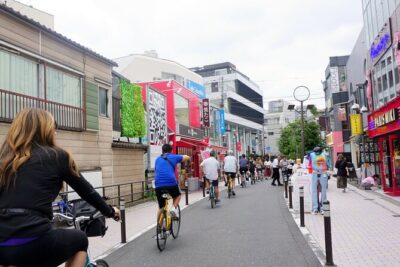
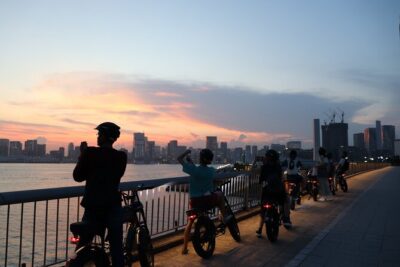
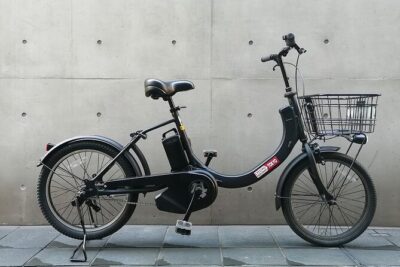
3h Tokyo E-Bike Tour: Hidden Gems, and Local Life with guide
Read our review →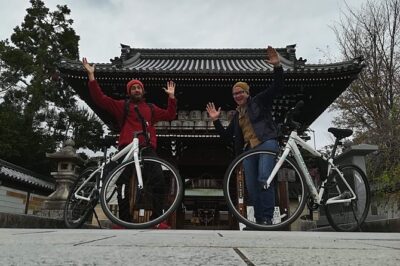
Arashiyama Bamboo Forest & Hidden Gems Bike Tour (Early Bird)
Read our review →
Hiroshima in a Nutshell: Morning Bike Adventure
Read our review →Browse the lists this tour appears in