
Reviewed · GEISHA & GION TOURS
Kyoto: Gion Hidden Gems & Geisha Culture Tour
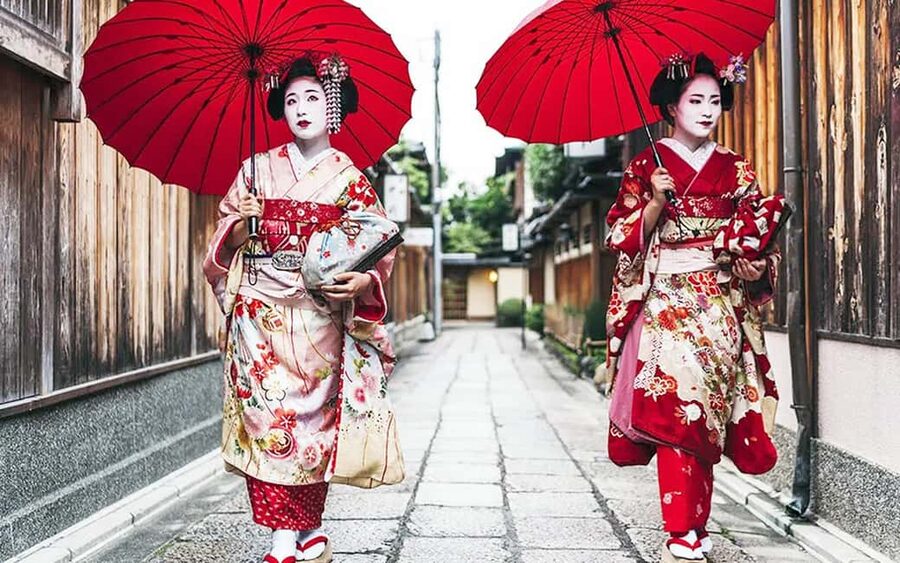
Geisha spotting starts with the quietest streets. This 2-hour guided walk through Gion and nearby lanes is interesting because you see the district the way locals do, from riverside calm to temple stops and backstreet Edo-era townhouses. I love the focus on Gion’s traditional culture and quiet lanes where it feels like the city slows down.
I also like the timing of the route, ending on Hanamikoji-dori, the heart of the geisha district. It gives you a realistic chance to catch a glimpse of a geisha on her way to an evening engagement, and guides like Isako, Oliver, and Mai are repeatedly praised for making that culture feel understandable, not mysterious.
One consideration: this is a walking route on older streets and temple approaches, and it is not suitable for mobility impairments or wheelchair users. Bring comfortable shoes, and plan for rain too, since the tour runs even when the weather is wet.
Key things I’d watch for on this Kyoto Gion tour
- Shirakawa Canal start: willow-lined views and classic tea-house scenery to ease you into Gion
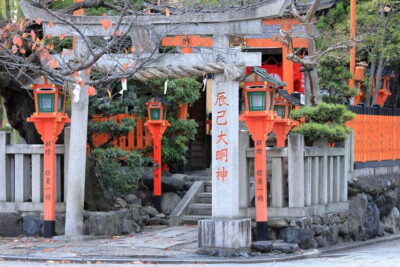
- Tatsumi-jinja and Yasaka Shrine stops that help you understand what you’re looking at
- A 1,000-year-old shrine visit that adds depth without turning into a lecture
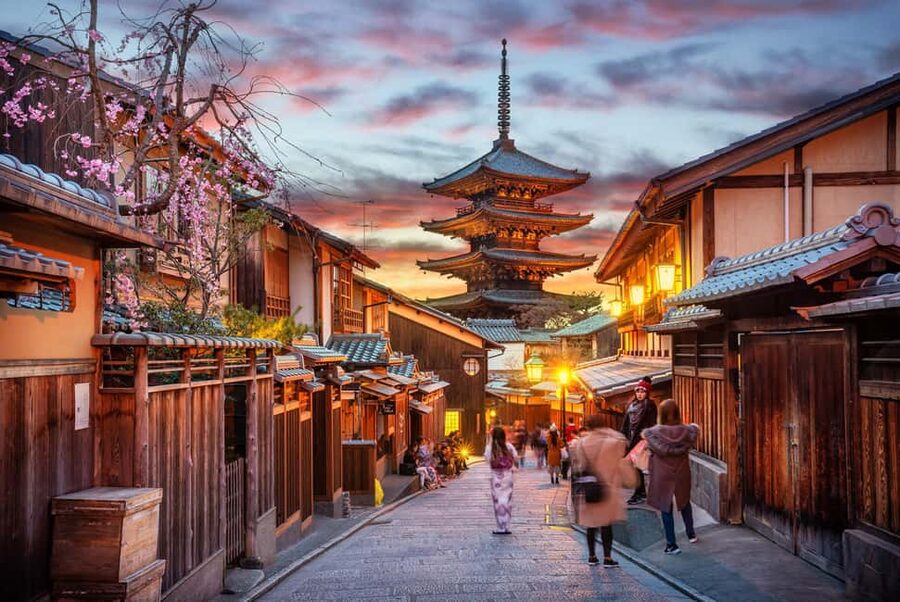
- Edo-period wooden townhouses and back lanes that feel like real Kyoto, not a postcard route
- Geisha training and kimono craft explained while you walk, not after you leave
- Hanamikoji-dori finale: the best shot for a brief geisha sighting
Getting oriented in Gion, starting at Shijo Ohashi
I like that the tour starts at a clear, practical meeting spot: the Macdonald Shijo Ohashi store. A guide holding a sign that says Local Guide Stars will wait at the side of the building because the front area gets busy. For me, that matters more than people think, because Kyoto tours often live or die at the meeting point.
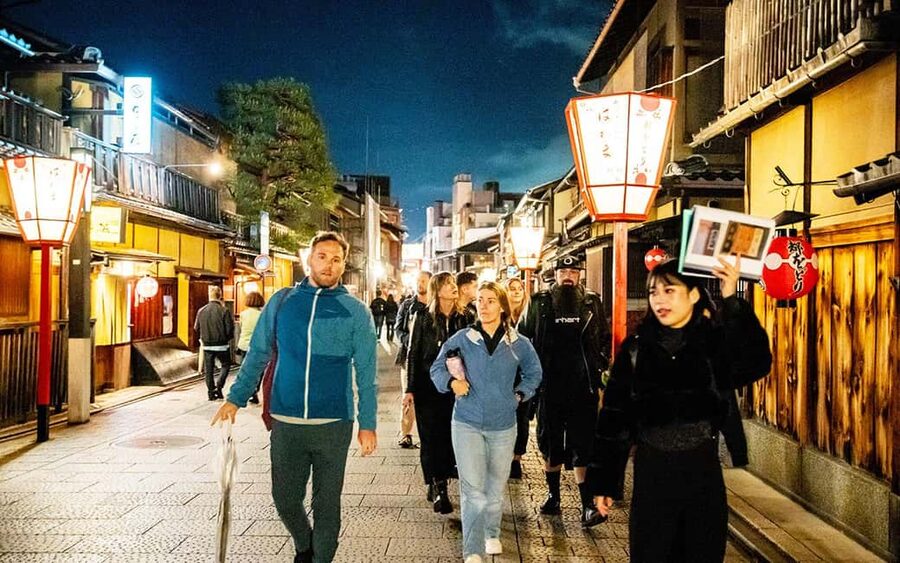
From there, you ease into the area on foot. Even before the first temple or shrine, you get the visual rhythm of Gion: stone paving, traditional storefront textures, and the sense that the district is more about atmosphere than big sights. The guide is English-speaking, and recent bookings repeatedly mention that the walk stays organized, with guides keeping everyone together at a pace that works.
If you have never done a Kyoto walking tour before, this is a gentle entry point. You are not dropped into a maze with no context. You get local tips and recommendations as you go, which can help you plan your next meals and evening strolls.
More geisha experiences in Kyoto:
- Kyoto Geisha Walking Tour: Gion District & Hidden Gems
★ 4.7 · 3,273 reviews - Kyoto: Gion Magical Night Walking Tour with Geisha Trivia
★ 4.9 · 2,393 reviews - Kyoto: Gion Geisha District Walking Tour – Stories of Geisha
★ 4.7 · 2,187 reviews
Shirakawa Canal: the willow-lined warm-up that makes everything feel real
Your first real “wow” moment is Shirakawa Canal. This riverside stretch is lined with willows and framed by traditional tea houses, and the stone-paved path makes it easy to take in the scene. It’s also a smart early stop because you start outdoors with space to look around before your first shrine visit.
Expect short photo pauses and light walking between vantage points. You’ll likely notice how the route uses the canal as a kind of visual reset, so the rest of the day does not feel rushed. A lot of people book Gion because they want geisha culture, but Shirakawa gives you the mood first, before the explanations start stacking up.
One practical tip: this is an easy place to forget water and sunscreen because you’ll be standing, watching, and photographing. Bring what you need early, because later you’ll be moving again through temple approaches where you may not want to stop for supplies.
Tatsumi-jinja Shrine: where the walk turns from scenic to meaningful
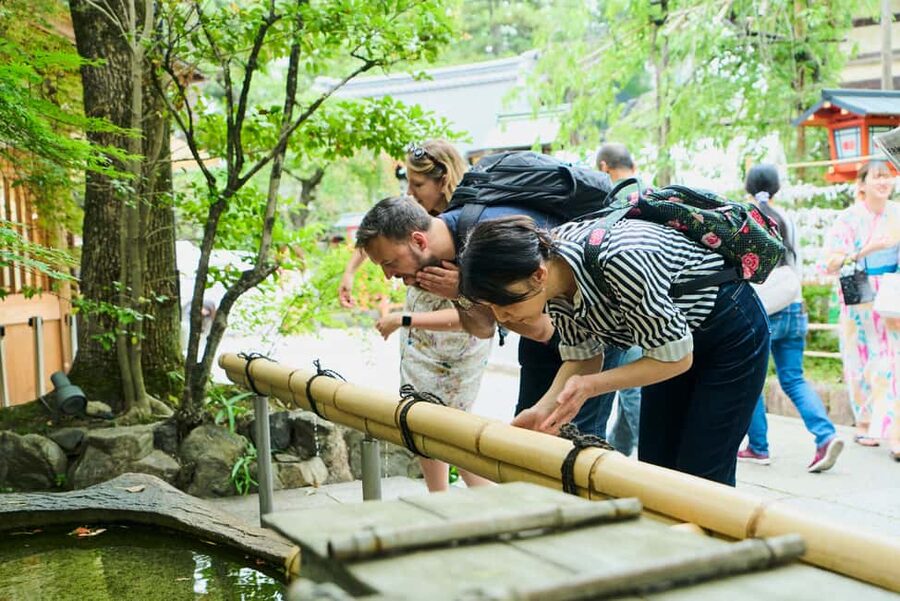
After the canal, the tour shifts into cultural context at Tatsumi-jinja Shrine. You do not just pass by. You stop, look around, and get guided interpretation while you walk. That’s the difference between seeing a shrine and understanding why it sits where it does.
What I like about including a shrine early is that it gives you a framework for the rest of the stops. Suddenly, the buildings, gates, and stone features feel purposeful rather than decorative. The guide also tends to connect language and small details in a way that makes you feel like you are reading the place as you go.
You will also be walking through scenic views along the way, which keeps the itinerary feeling like a stroll with stops, not a checklist. If you enjoy learning just enough to improve your own sightseeing later, this structure usually clicks.
Yasaka Shrine and the streets that lead you toward old Kyoto
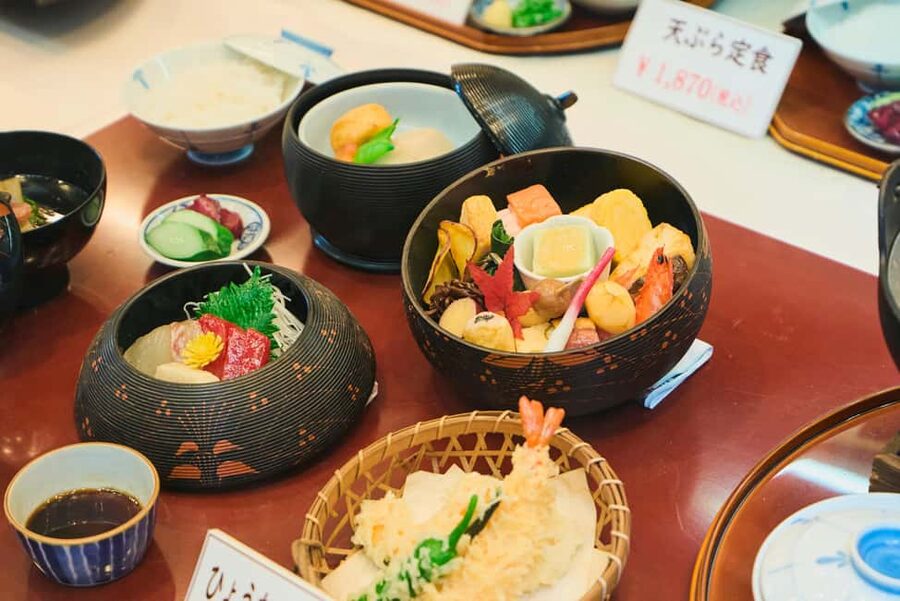
Next up is Yasaka Shrine, one of the area anchors for visitors and locals alike. The route includes a photo stop and then a guided visit, so you get time both for first impressions and for explanation. This is also where the tour’s pace matters. Many reviews praise guides for waiting until everyone catches up before starting to explain the next point, which makes a real difference if you are stopping for photos or reading signage.
From Yasaka Shrine, the walk begins to feel more “Kyoto” in an everyday way. You move from open shrine grounds into lanes where you see the texture of the district. That’s also where you get Edo-period townhouses and the charm of old Kyoto through the sides of streets, not only from famous front gates.
Here’s the value for you: even if you only have two hours, the tour helps you notice what to look for later. After a stop like Yasaka, you start seeing how the district’s design supports the traditions people associate with Gion.
A few more Kyoto days worth comparing
- PERFECT KYOTO 1-Day Bus Tour
★ 5.0 · 13,518 reviews - Kyoto: Fushimi Inari, Kinkakuji, Bamboo Grove 1 Day Bus Tour
★ 4.8 · 4,316 reviews - Kyoto: Tea Ceremony in a Traditional Tea House in Kiyomizu
★ 4.9 · 3,519 reviews - Kyoto: Tea Ceremony Ju-An at Jotokuji Temple
★ 4.9 · 3,207 reviews
Ninenzaka and the Hōkan-ji Temple detour
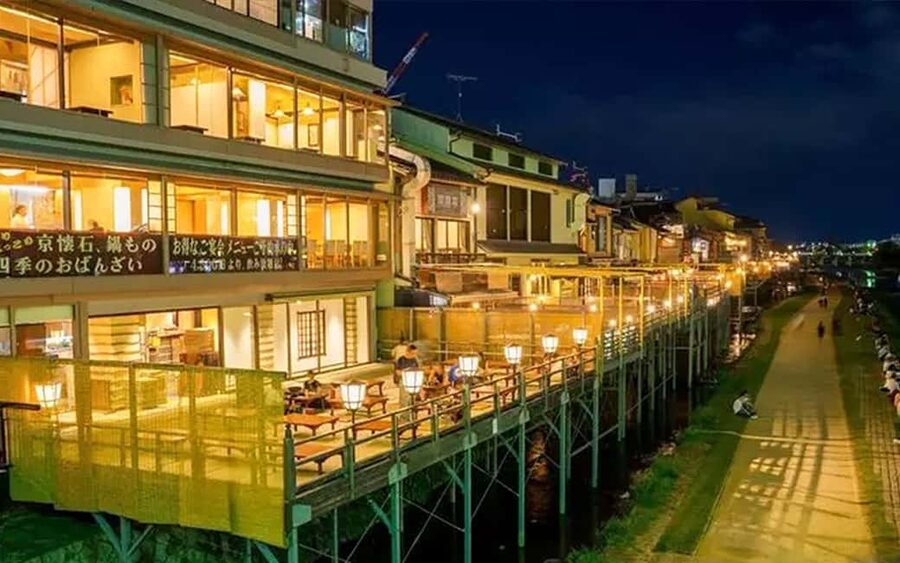
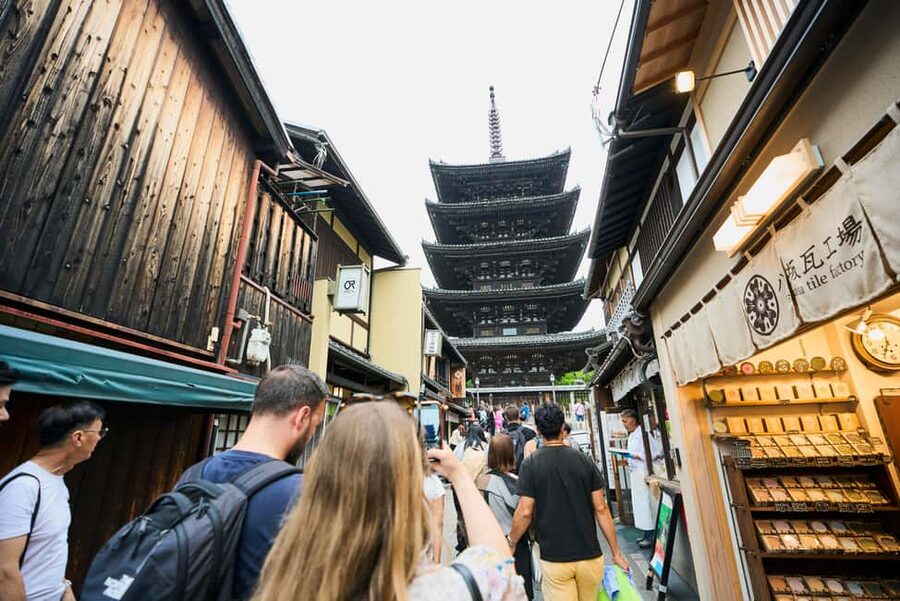
You’ll then hit Ninenzaka, a classic walkway zone that changes the feel of the experience. The tour frames it with a guided walk plus scenic views, so you can take in the stone path and the old-street style without feeling like you’re just wandering.
From there, you visit Hōkan-ji Temple. Since this is a temple stop, keep the photography rules in mind. Photography is allowed, but flash photography is not permitted inside temples. If you rely on flash for night shots, plan to use natural light or phone settings instead.
I like that the tour includes a temple in the middle of the route. It keeps your eyes from getting stuck on one type of scenery. Shrines and temples do not just look different, they teach you different things about Kyoto’s religious landscape. Even if you are not the type to read every label, a guide’s explanations make it easier to remember what you saw.
Also, Hōkan-ji’s place in the route makes the walk feel connected. It’s not random, and it’s not a long detour. It helps you keep moving forward while still adding variety.
Yasui Kompira-Gu Shrine and the Edo-period townhouses vibe
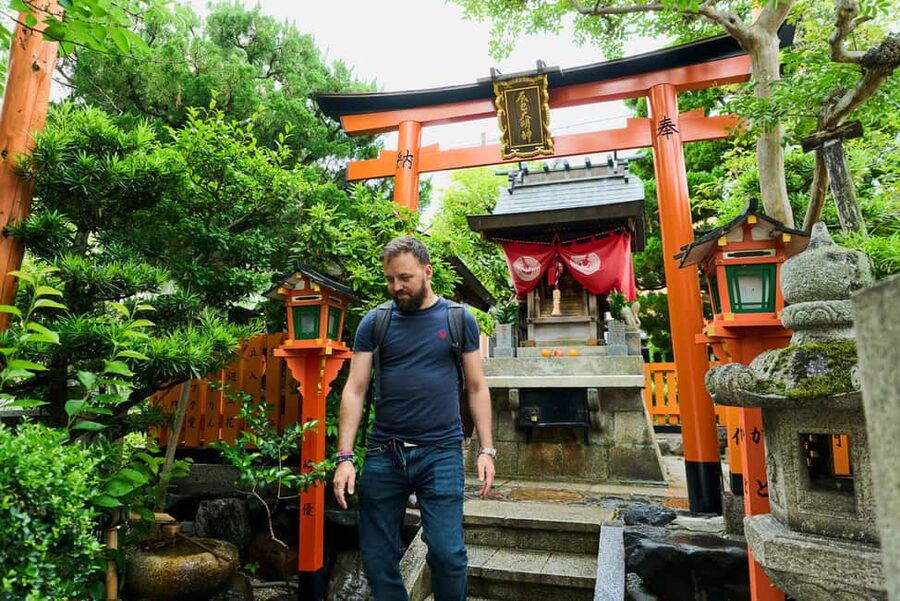
Later on, you visit Yasui Kompira-Gu Shrine. Like the other shrine stops, it’s a guided visit with time to look around, then walking breaks that let you reset visually. If you enjoy quiet moments and you like catching details at eye level, shrine visits like this are often where you feel the tour earn its value.
Along the way, you also get the Edo-period townhouses and the feeling of older Kyoto in the side streets. The tour spends time in quiet lanes with fewer tourists, and that’s where you start to understand what “Gion culture” actually looks like in real life. It is not only about the main streets.
What you learn here matters because Gion can be hard to read if you are only looking from one famous angle. The guide helps you notice the architecture cues and the way the district channels people between spaces. Even if your geisha sighting lasts five seconds, the rest of the walk tends to stick.
Hanamikoji-dori finale: your best chance to see geisha culture up close
The tour ends on Hanamikoji-dori, the heart of the geisha district. This is the payoff stretch. The tour describes it as the place where you may catch a glimpse of a geisha on her way to an evening engagement. That is not a guaranteed photo shoot. It’s a chance, and the tour’s route is designed to put you in the right place at the right moment.
This is also where you get the culture lesson you came for. Guides explain the strict training of geisha, the graceful dances, and the craftsmanship behind kimonos and hairstyles. In past tours, the explanations have earned praise for being clear and respectful, with guides like Wajid, Takumi, and Noa noted for answering questions in a way that makes the tradition feel understandable rather than staged.
One more practical note: the walk is usually most enjoyable when you keep your eyes up but your expectations realistic. You might see a geisha, you might see only traces of the culture, like the atmosphere and how people move through the district. Either way, Hanamikoji-dori is one of the most recognizable ends to a Kyoto Gion walk.
If you do want a better shot at seeing geisha, the tour’s timing helps because it focuses on the evening flow. And if you get a sighting, do what locals do: look, appreciate, and do not block the path for others trying to pass.
Price and value: why $23 for 2 hours can actually be a smart move
$23 for a 2-hour English guided walk is not a bargain only because it is cheap. It’s good value because you are buying three things at once: time with a local guide, cultural interpretation, and a route you likely would not assemble efficiently on your own.
If you tried to DIY this, you could visit some of the shrine and temple stops. But you would still miss the “why” behind the scenes, and you would likely spend extra time figuring out how to weave them together in a sensible order. The guide also gives local tips and recommendations as you go, which can save you decision fatigue later.
Also, recent reviews repeatedly highlight that the guides are friendly, fun, and good at explaining at a tourist-friendly level. People call out guides like Dan, Alex, Ukyo and Uta, and Uta for pacing and for keeping the group engaged. That kind of quality matters in a short, two-hour window.
And yes, there is the chance to spot a geisha. Even if you do not see one, you still get a focused introduction to Gion’s key spaces, plus the chance to understand etiquette and context so your other time in Kyoto makes more sense.
What to bring, what not to do, and how to handle rain

You will walk, and you will walk enough that gear matters. Bring comfortable shoes first. The route includes temple approaches and stone-paved lanes, so cushion and grip help more than you’d expect.
Bring sunscreen and water. It’s easy to underestimate sun and dehydration in Japan because the walking keeps you busy and time moves quickly. If you travel in warm months, this becomes essential.
Umbrella or raincoat is the other big one. The tour takes place even in the rain, so plan for wet stone and changing visibility. A rainy evening can also make the streets feel quieter and more atmospheric, but you should still protect your feet and your camera.
Finally, no flash photography inside temples. If you are shooting at night, turn off flash and rely on normal lighting and stabilization instead.
Who this tour fits best, and who may want another plan
This tour is a strong choice for first-time Kyoto visitors who want an efficient introduction to Gion that goes beyond the obvious photo spots. It’s also a good fit if you care about geisha culture and want it explained while you’re walking, not from a brochure after the fact.
It can also work well for families, based on reviews noting guides who were good with kids and kept the pace manageable. If you’re traveling with children, comfortable shoes and breaks for photos still matter.
But it’s not suitable for people with mobility impairments or wheelchair users, since the route is walking heavy and includes uneven or older surfaces.
If your mobility is limited, you might consider alternative ways to enjoy Gion at a slower pace, or choose a shorter viewing plan that avoids temple approaches.
Should you book this Kyoto Gion tour?
Book it if you want a guided, two-hour route that helps you understand what you’re seeing in Gion, with a realistic shot at catching a glimpse of a geisha. The itinerary is built to move you from Shirakawa Canal into shrine and temple stops, then finish on Hanamikoji-dori, where the evening atmosphere is strongest.
Skip it if you cannot do a walking-focused outing, or if you are expecting guaranteed geisha sightings. This is a chance, not a performance. The real win is how the guide turns streets, shrines, and old-town architecture into something you can recognize later on your own.
One last decision tip: if you have flexibility, choose the time slot that gives you that evening flow. That’s when Hanamikoji-dori becomes most meaningful for the geisha-culture angle. And if you love food, keep your guide’s restaurant recommendations in mind. Many guides are praised for pointing people to good places after the walk.
FAQ
Where do I meet for the Kyoto Gion Hidden Gems & Geisha Culture Tour?
Meet at the Macdonald Shijo Ohashi store at 105-1 Hashimoto-cho, Shimogyo-ku, Kyoto-shi, Kyoto. A guide holding a Local Guide Stars sign will be waiting at the side of the store.
How long is the tour?
The tour lasts 2 hours.
Is the tour guided in English?
Yes. The tour includes an English-speaking local guide.
Is flash photography allowed?
Photography is allowed, but flash photography is not permitted inside temples.
Does the tour run in rainy weather?
Yes. The tour takes place even in the rain, so bring an umbrella or raincoat.
What should I bring for the walk?
Bring comfortable shoes, sunscreen, and water.
Is this tour suitable for wheelchair users or mobility impairments?
No. It is not suitable for people with mobility impairments or wheelchair users.
Fresh options around Kyoto
- Kyoto: Quiet and Graceful Tea Ceremony★ 4.5 · 19 reviews
- Oboro | Mindful Tea Ceremony in a 100-Year-Old Kyoto Teahouse★ 5.0 · 19 reviews
- Ikebana Traditional Japanese Art of Flower Arranging★ 4.5 · 19 reviews
- Kyoto Satoyama Cycling with Lunch and English Guide★ 5.0 · 19 reviews
- Tea Ceremony Experience in Traditional Kyoto Townhouse★ 5.0 · 19 reviews
- Kyoto International Party Solo Friendly Expats and Locals★ 5.0 · 19 reviews
- Kyoto: Amanohashidate Ine Funaya Tour★ 4.4 · 19 reviews
- Kyoto Private Food Tours with a Local Foodie: 100% Personalized★ 4.5 · 19 reviews
Geisha & Gion Tours, compared.
Kyoto Geisha Walking Tour: Gion District & Hidden Gems
Read our review →
Gion Magical Night Walking Tour with Geisha Trivia
Read our review →
Gion Geisha District Walking Tour – Stories of Geisha
Read our review →
Best of Kyoto: Gion, Geisha, Pagodas & Cobblestones
Read our review →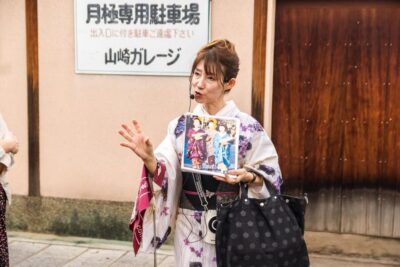
Kyoto Night Foodie Tour in Gion (9+ dishes + 6 Sake tastings)
Read our review →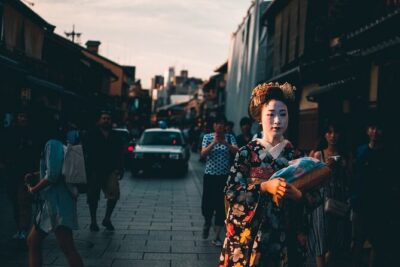
Kyoto Gion Geisha District Walking Tour – The Stories of Geisha
Read our review →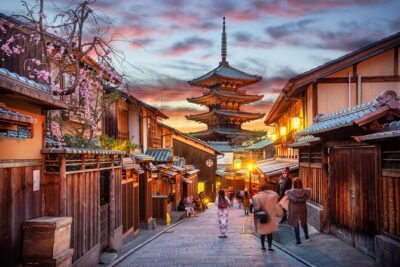
Kyoto Gion: 2-Hour Geisha Culture & History Walking Tour
Read our review →Browse the lists this tour appears in