Reviewed · GUIDED
Kyoto: Private Tour with Local Licensed Guide
Kyoto clicks faster with a local in your pocket. On this private walking tour, a nationally licensed guide helps you stitch together Kyoto’s big-name sights with the stories that make them make sense, from Fushimi Inari to Gion. You can even steer the day toward what you care about most.
I especially love two things. First, you get a real licensed local guide who can connect temples, festivals, and everyday Japanese culture to what you see in front of you, like guides such as Kazuo, Rie, Naoki, and Haru did in their tours. Second, the pacing is built for your interests, not a cookie-cutter route, so you spend less time guessing and more time looking closely.
One possible drawback: it is a walking day. Even with a smart route, you will cover ground, and between stops you may use public transit or taxis, since a private vehicle is not included. Also, entrance fees and food are on you.
Key highlights you can plan around
- Licensed, nationally certified guides (English or Japanese) so you get real historical context, not just directions
- Flexible 4 to 8 hour timing, with a suggested number of stops so you do not feel rushed
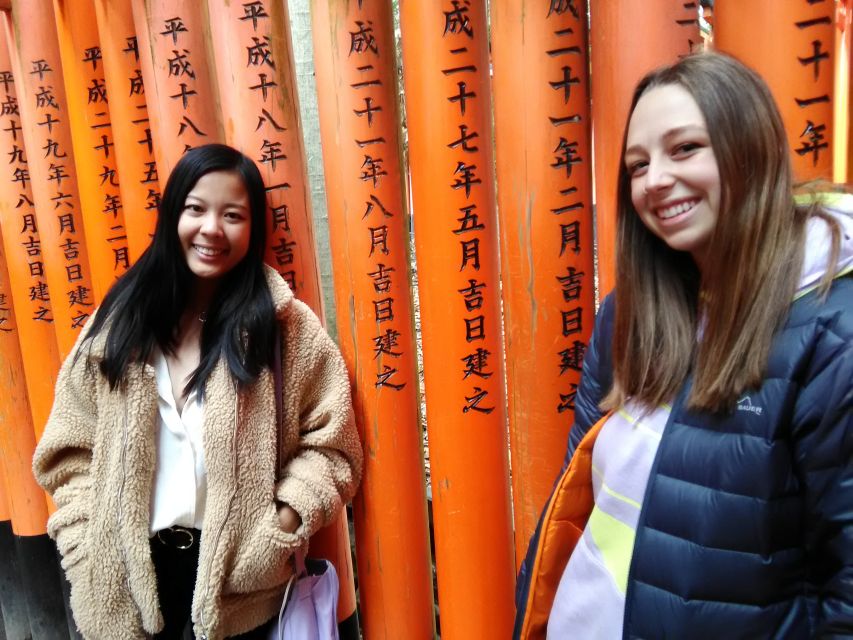
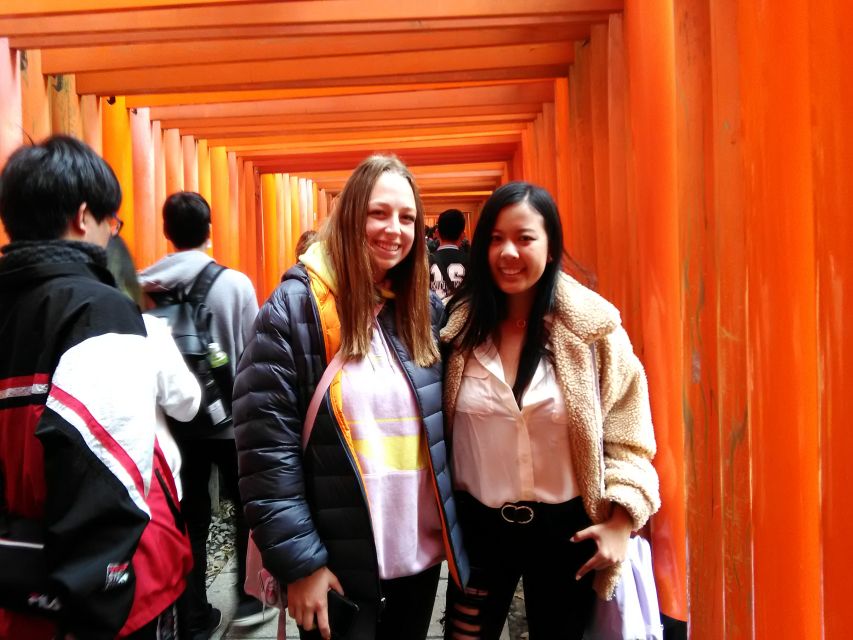
- Fushimi Inari’s torii corridor, plus the famous crimson filming mood tied to Memoirs of a Geisha
- Golden Pavilion and Kiyomizu-dera viewpoints, two classic Kyoto looks that are better with context
- Gion time for shopping and eating, where your guide can point you to options that fit your tastes
- Arashiyama or Higashiyama add-ons that let you shape the day toward either temples or atmosphere
A private Kyoto walk with a licensed guide, not a script
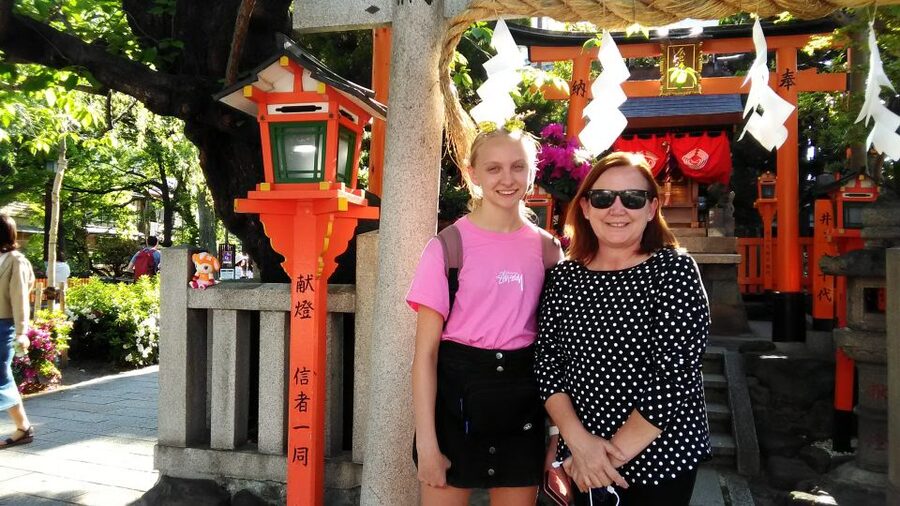
Kyoto is full of signs, gates, and temples. The trick is knowing what to notice. That is where this private tour pays off. You are not just following a checklist. Your guide brings the why: how shrines function, what a design choice signals, and how the city’s history shows up in the smallest details.
The experience is private and built around a walking day. That matters because Kyoto rewards slow attention. A licensed guide can help you read the place as you move, including the rhythm of streets, the logic of temple layouts, and what local etiquette looks like in practice.
What makes this feel high value is that you get a full professional day for your group, typically small (up to 7 people). That keeps the experience personal. You can ask questions as they come up, and you can shift priorities without feeling like you are breaking a plan.
A few more Kyoto days worth comparing
- PERFECT KYOTO 1-Day Bus Tour
★ 5.0 · 13,518 reviews - Kyoto: Fushimi Inari, Kinkakuji, Bamboo Grove 1 Day Bus Tour
★ 4.8 · 4,316 reviews - Kyoto: Tea Ceremony in a Traditional Tea House in Kiyomizu
★ 4.9 · 3,519 reviews
How your 4, 6, or 8 hour route gets built
You choose the flavor of your day either by listing your must-see stops, or by letting your guide shape an itinerary around your interests. The tour format is simple:
- 4 hour tour: about 2 to 3 places
- 6 hour tour: about 3 to 4 places
- 8 hour tour: about 4 to 6 places
That stop count is a big deal. Kyoto’s highlights do not take a lot of time sitting still, but they do take time getting between them. A guide who knows the best connections and walking order helps you avoid the common trap: seeing fewer places than you hoped, just because transit and crowd bottlenecks ate your day.
It is also rain or shine. Kyoto weather changes fast, so plan for layers, comfortable walking shoes, and a light rain layer.
Finally, you can ask your guide to steer you away from crowds. Some guides have adjusted routes to avoid traffic and crowd crush, so you get better viewing time without turning the day into a sprint.
Fushimi Inari-taisha and the torii corridor in crimson mood
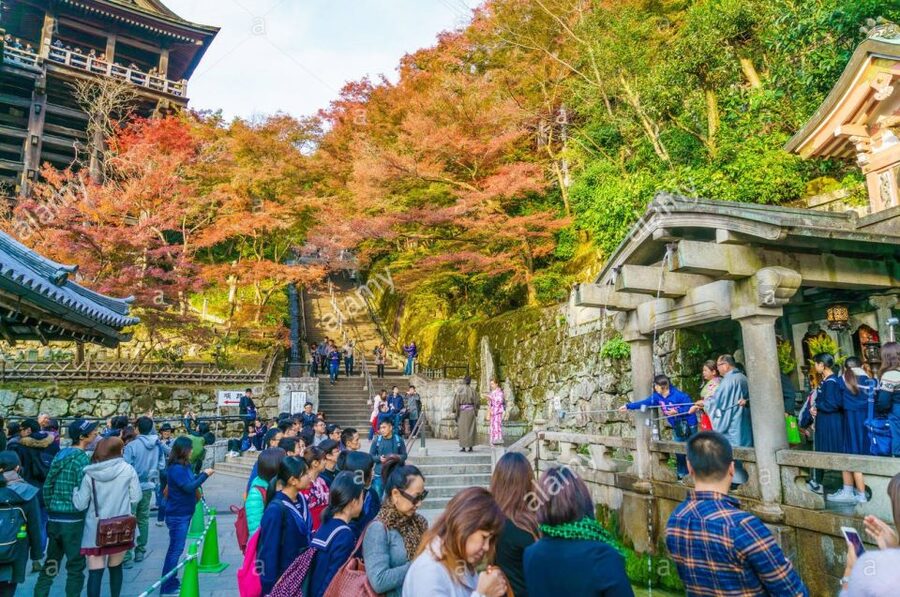
If Kyoto has a single icon that works for first-timers and repeat visitors, it is Fushimi Inari-taisha and its torii gate corridor. This tour is built to let you experience the place as more than a photo stop.
Here is what you can expect. You will walk through those iconic gates in a way that makes the scale feel real. Your guide will also add context on how this shrine space is understood, including the idea of a gate that symbolically connects the living world with the world of the dead that the gods inhabit. That explanation changes how you notice the path, the corridors, and even the pace of visitors.
There is also a cinematic side to this stop. The day can be shaped around the same dramatic crimson look that is tied to the filming mood of Memoirs of a Geisha. In practice, that means your guide will help you time your walking so the setting works, and you know what you are looking at while you are surrounded by the red gates.
Practical heads-up: this area can be very busy. If you want elbow room, ask your guide to plan around lighter moments, and be ready to pause for photos in spots that still let you move.
Kinkaku-ji Golden Pavilion and Kiyomizu-dera’s big city views
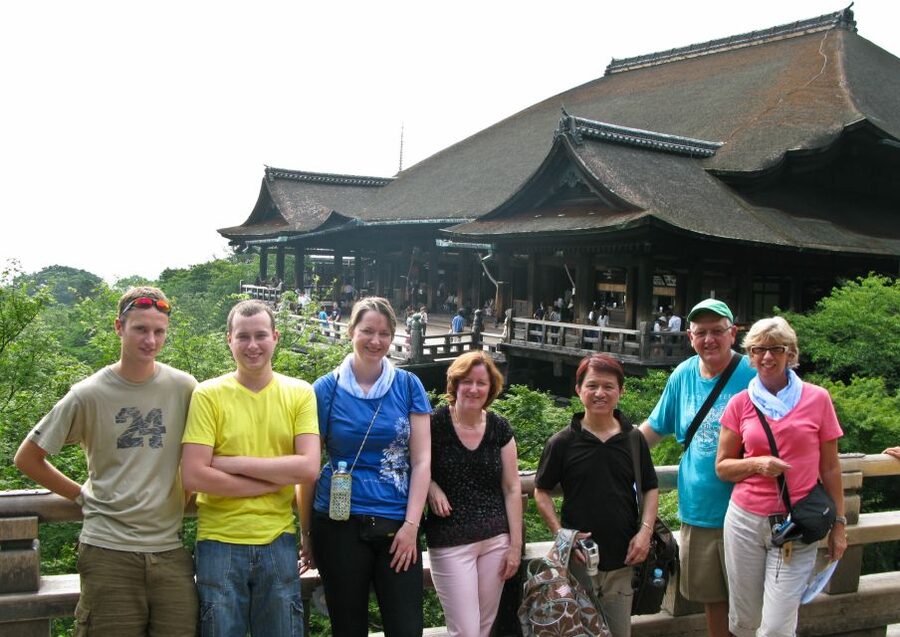
Two temples that look gorgeous in postcards are even better with the right framing.
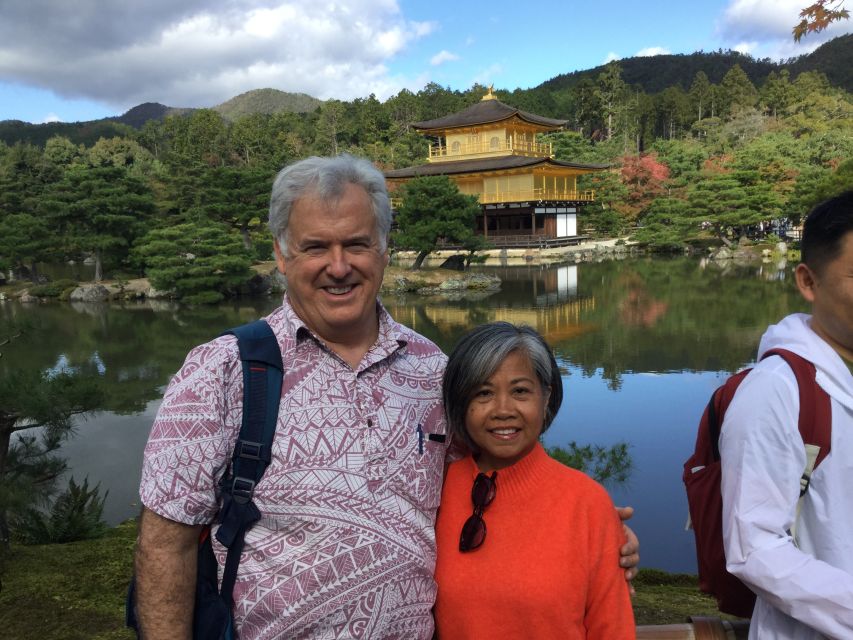
At Kinkaku-ji (Temple of the Golden Pavilion), you will see why it earned its name from the golden color of its reliquary hall. The structure is simple, but the effect is bold, especially with mountain views in the background. A guide helps you understand how the temple’s design relates to its surroundings, so you do not just admire the gold, you recognize the composition.
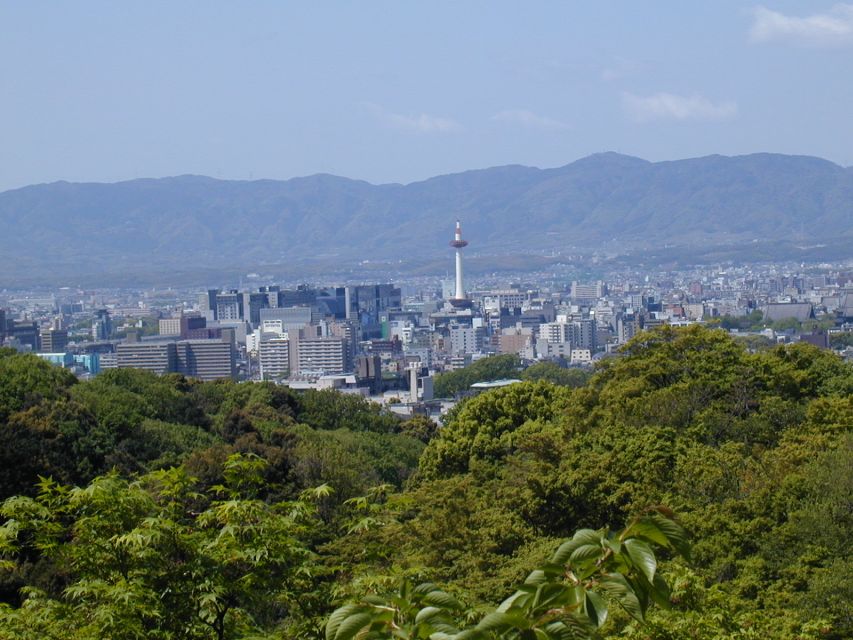
Then there is Kiyomizu-dera. This is one of the best places in Kyoto for a view that makes the city feel real. You will step onto a veranda area where you can take in panoramic perspectives. The guide also helps you connect what you see to why it matters historically and culturally, which is useful because Kiyomizu-dera is busy and easy to experience superficially if you do not know what to focus on.
One consideration: Kiyomizu-dera and many approach paths involve stairs and uneven surfaces. If mobility is a factor, tell your guide early so they can adjust your route within what the tour is set up to do.
Same corner of Japan, a different kind of day:
- Kyoto Geisha Walking Tour: Gion District & Hidden Gems
★ 4.7 · 3,273 reviews - Kyoto: Tea Ceremony Ju-An at Jotokuji Temple
★ 4.9 · 3,207 reviews - Kyoto: Gion Magical Night Walking Tour with Geisha Trivia
★ 4.9 · 2,393 reviews - Kyoto: 45-Minute Tea Ceremony Lesson Experience
★ 4.3 · 2,378 reviews
Higashiyama and Gion: old streets, useful shopping, good food
Kyoto’s charm is not only in temples. It lives in neighborhoods. This tour can take you through Higashiyama Ward and into Gion, which is Kyoto in “walking mode.”
In Higashiyama, you will often be guided along the temple-to-street transition, the moment when the city shifts from sacred space to everyday Kyoto. From there, you can reach Gion, where you will find Kyoto-esque shops and souvenir stalls that feel more specific than the standard tourist lanes.
Gion is also where food becomes part of the experience. Your guide can recommend places to snack or enjoy a real dinner in the area. That matters because Kyoto menus can be a little tricky if you are relying only on English menus and guesswork. A guide can help you pick something that fits your time, your appetite, and your comfort level.
Small practical tip: wear shoes that can handle a lot of walking. These streets are made for moving slowly, not for quick strides.
Nijo Castle and Nishiki Market, plus Pontocho alley vibes
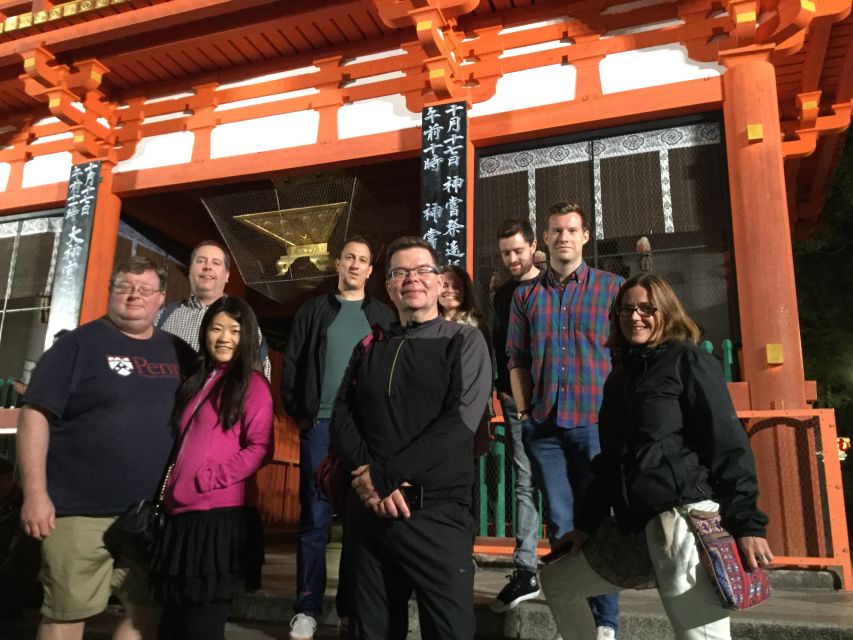
Not every great Kyoto moment is a temple gate. Some are power, trade, and evening atmosphere.
Nijo Castle is a strong choice if you want Kyoto’s political history. The tour can pair it with other east-side sights so you stay efficient. With a guide, you get the meaning behind features you might otherwise overlook.
If you love food and people-watching, Nishiki Market Shopping District is often a highlight. It is famous for a reason. Your guide can help you navigate the busy aisles without turning it into a stressful shopping scramble.
Then there is Pontocho, the narrow alley area that feels distinctly Kyoto at night. Even if you do not spend hours there, your guide can point out what to look for and how the area shifts through the evening.
One drawback to these stops: they can be crowded, especially around peak hours. If you want calmer browsing, ask your guide to work them into the day when you can actually enjoy them.
Arashiyama for bamboo, bridges, and the “west Kyoto mood”
If your Kyoto day leans scenic and dramatic, consider Arashiyama. This is where you can trade some dense temple touring for atmosphere.
The tour may include classic Arashiyama elements such as Togetsukyo Bridge, Bamboo Forest Street, and major temple sites around the area like Tenryu-ji. A guide helps you pace this so you do not spend your best minutes stuck in crowd flow.
Bamboo Forest Street is an easy place to love and an easy place to experience poorly if you arrive at the worst time. Ask your guide how they plan to manage timing. Even a small timing shift can mean the difference between quick looks and real wandering time.
If you want a more refined garden moment, the itinerary can include places like Okochi Sanso Garden, Katsura Imperial Villa options, or other temple-adjacent stops depending on your route length. The point is that Arashiyama has multiple “modes,” and your guide helps you choose which one fits you.
Choosing from the full Kyoto menu of stops
You can build your day from a wide list of sights. Here is how I would think about it when deciding what to request.
If you want the most iconic “first Kyoto” hits, pick from:
- Fushimi Inari-taisha
- Kinkaku-ji
- Kiyomizu-dera
- Gion
- Nishiki Market
If you want temple depth without only repeating the same vibe, consider add-ons like:
- Ginkakuji Temple (Silver Pavilion)
- Nanzenji Suirokaku
- Ryoan-ji Temple
- Toji
- Ninna-ji Temple
- Daikaku-ji or Tenryu-ji
If you want a slower, less central feel, the tour can also include options such as:
- Yoshimine-dera
- Jojakkoji
- Adashino Nenbutsu-ji
- Otagi Nenbutsu-ji
- Kibune River (a more relaxed, scenic angle)
- Maruyama Park (if you want greenery and a neighborhood feel)
And if you want classic “Kyoto history with a site label,” choose imperial or castle settings:
- Kyoto Imperial Palace
- Nijo Castle
- Shugakuin Imperial Villa
- Katsura Imperial Villa
Your guide’s job is to keep the day logical. In a city like Kyoto, half the battle is not what you pick, but how you sequence it so you are not burning time in transit.
Getting around: walking first, transit as needed, and why Yen helps
This is a walking day tour, so the default experience is on foot between points. Pickup is included, with the guide meeting you on foot if your accommodation is within a reasonable distance. If you start at a train station, you request the station, and the guide will wait in the lobby or agreed area about 10 minutes before the pickup time.
Between stops, public transportation or taxis may be used. A private vehicle is not included. Also, entrance fees are not included, and food and drinks are not included. So if you want to avoid surprises, budget for:
- entry tickets at the temples and sites you choose
- transport between distant areas
- your snack and meal plan
Because transit costs can come up, it is a good idea to have Japanese Yen on hand. That way, if you need a taxi or a transit bump to keep the day efficient, you are ready.
The real value I notice: the guide’s brain, not just their feet
Here is what consistently shows up in strong tours like this: the guide turns confusion into confidence.
Many guides in this program communicate in a way that makes the route feel easy, including sending clear meeting details and answering questions ahead of time. Guides like Michi helped guests with practical tips such as how to pray at shrines and how to handle small etiquette moments. Others, like Yuka, are known for friendly energy and thoughtful pacing, including building comfort for families and mixed ages.
I also like when a guide brings extras that make the day feel personal. Some guides bring reference materials, like hand-made books with histories written for you. Others adjust the plan on the fly, whether that means rerouting to avoid time loss or changing the sequence to keep things comfortable.
Even food recommendations can be part of the “value math.” One guide’s ramen suggestion can become the lunch you remember, and it is usually better than what you would guess alone because it is based on what you liked and what you are near.
Price and value: why $106 can make sense for Kyoto
At about $106 per person, you are paying for something that is hard to replicate on your own: a private, licensed, English-speaking guide for a structured day.
If you are thinking only about ticket costs, yes, this is an extra line item. But you should compare it to what a guide saves you:
- time you would spend figuring out routes and sequencing
- frustration when crowds and transit slow you down
- missed context when you stand in front of a shrine or temple without knowing what to notice
- the chance to customize so your day matches your interests
This is a private walking format, so you are also not paying for a big vehicle you do not need. That keeps the overall cost more reasonable while still giving you the guidance you want.
Who should book this private Kyoto walking tour
This tour fits best if you:
- want to see major highlights without feeling rushed
- care about history and culture, and want explanations that connect the dots
- prefer a personal plan, not a fixed group schedule
- have only a limited amount of time in Kyoto and want maximum value per hour
- travel with family members who benefit from thoughtful pacing
It might not be your best match if you:
- want a fully vehicle-based day with minimal walking
- dislike crowds and want to avoid any busy sites entirely, since Kyoto’s top landmarks often attract visitors
- are on a strict budget where any private guide cost is hard to absorb
If you do book, bring a simple wish list. Two to six places you truly care about. Then let the guide handle the order and the in-between.
Should you book this Kyoto private tour?
If you want Kyoto to feel understandable and personal, I would book it. The best reason is the guide: a nationally licensed local can turn famous sites into meaningful stops, and the private format keeps the day flexible.
Book this if you like the idea of pairing big sights like Fushimi Inari, Kinkaku-ji, and Kiyomizu-dera with neighborhood time in Gion. And if you want either Arashiyama mood or east Kyoto temple focus, the customization helps you aim your day.
If you are still deciding, choose your tour length based on your travel style. In 4 hours, go for fewer, stronger stops. In 6 or 8 hours, you can mix iconic temples with market or alley atmosphere, without feeling like you are always sprinting.
FAQ
How long is this Kyoto private walking tour?
It runs in options of 4, 6, or 8 hours, depending on availability and your selected starting time.
What sites can I request to visit?
You can tell the guide which places you want from a list that includes Fushimi Inari-taisha, Nijo Castle, Gion, Nishiki Market Shopping District, Kiyomizu-dera, Kyoto Imperial Palace, Pontocho, and many Arashiyama area temples and scenic spots.
How many places will I see on a given tour length?
For an average day plan, a 4 hour tour typically covers 2 to 3 places, a 6 hour tour covers 3 to 4 places, and an 8 hour tour covers 4 to 6 places.
Is pickup from my hotel included?
Yes. Pickup is included on foot if you are within a reasonable distance. If you meet at a train station, the guide will wait in the lobby or the area you request about 10 minutes before pickup.
Are entrance fees, food, and transportation included?
No. Entrance fees and public or private transportation fees during the tour are not included, and food and drinks are also not included.
When will I know my tour is confirmed?
The tour is not confirmed until the guide contacts you. Most guides contact you within 7 days to confirm logistics. The experience runs rain or shine.
Fresh options around Kyoto
- A Privately Guided Photoshoot in Beautiful Kyoto by a Pro★ 5.0 · 18 reviews
- Kyoto: Fushimi Inari Taisha Shrine Walking Tour with Guide★ 4.8 · 18 reviews
- Sekka Cotton Furoshiki Class★ 5.0 · 19 reviews
- Natural Indigo Dyeing with Local Masters (Private Atelier)★ 5.0 · 19 reviews
- Kyoto: Personalized Guided Private Tour★ 4.8 · 19 reviews
- Kyoto: Quiet and Graceful Tea Ceremony★ 4.5 · 19 reviews
- Oboro | Mindful Tea Ceremony in a 100-Year-Old Kyoto Teahouse★ 5.0 · 19 reviews
- Ikebana Traditional Japanese Art of Flower Arranging★ 4.5 · 19 reviews
Guided, compared.
Tokyo 6hr Private Tour with Government-Licensed Guide
Read our review →
Shinjuku Local Bar and Izakaya Guided Walking Tour
Read our review →
Private City Highlights Tour with Local Guide
Read our review →
Kyoto Early Morning Tour with English-Speaking Guide
Read our review →
Tokyo 4hr Private Tour with Government-Licensed Guide
Read our review →
Kyoto 6hr Private Tour with Government-Licensed Guide
Read our review →