
Reviewed · WALKING TOURS
Kyoto: Private Customized Walking Tour with a Local Insider
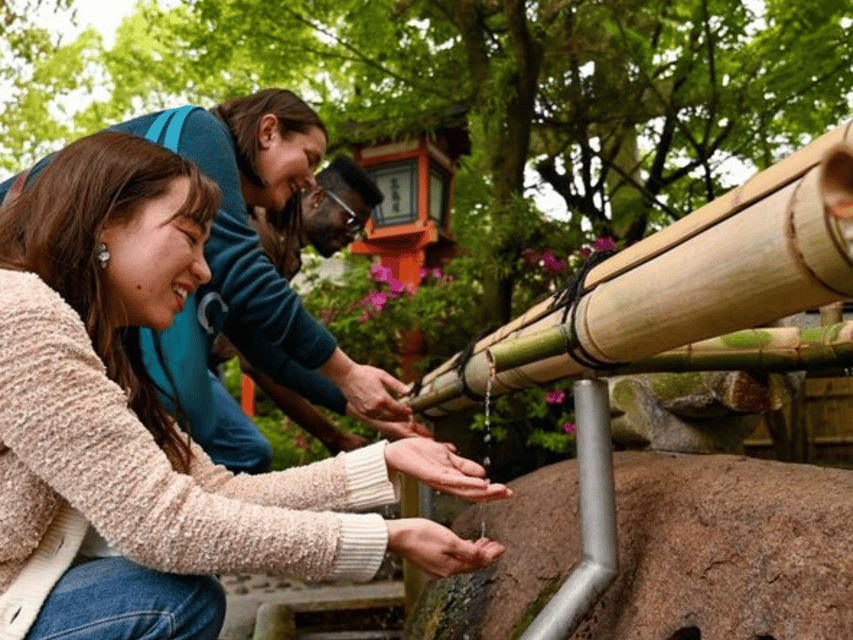
Kyoto changes when a local sets the pace. I love the one-on-one customization that lets you steer the day, and I love how the guide turns famous areas into something personal, with food and culture stops that feel like Kyoto, not a theme park. The tradeoff is simple: it is a walking experience, and extra costs like meals and any transport between sites are on you.
You fill out a short questionnaire first, and then you communicate directly with a like-minded host to shape your route, your timing, and your pace. This matters in Kyoto, where crowds and lines can eat half your day if you plan like everyone else.
You can choose a 2 to 6 hour duration and a start time, with hotel pickup available for central hotels. If you meet on your own, the common meet point is Starbucks Coffee, Kyoto Sanjo-ohashi Bridge, Nakagyo Ward (113 Omiya Building 1F).
Key highlights to look for
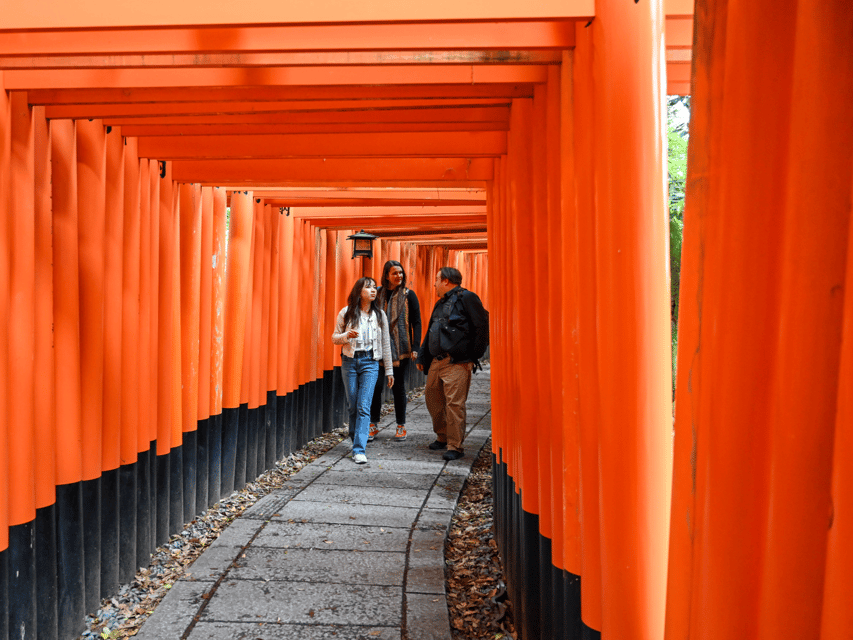
- Private, customized walking route built around your interests and walking pace
- Local food finds and practical restaurant ideas, not just sightseeing
- Flex time for spontaneity, so you can slow down or add something mid-walk
- Insider cultural context that helps places click, especially around temples and traditions
- Guide variety and style, from stories of Geisha culture to off-the-beaten-path gardens
Why a private walking tour works better in Kyoto than racing checklists
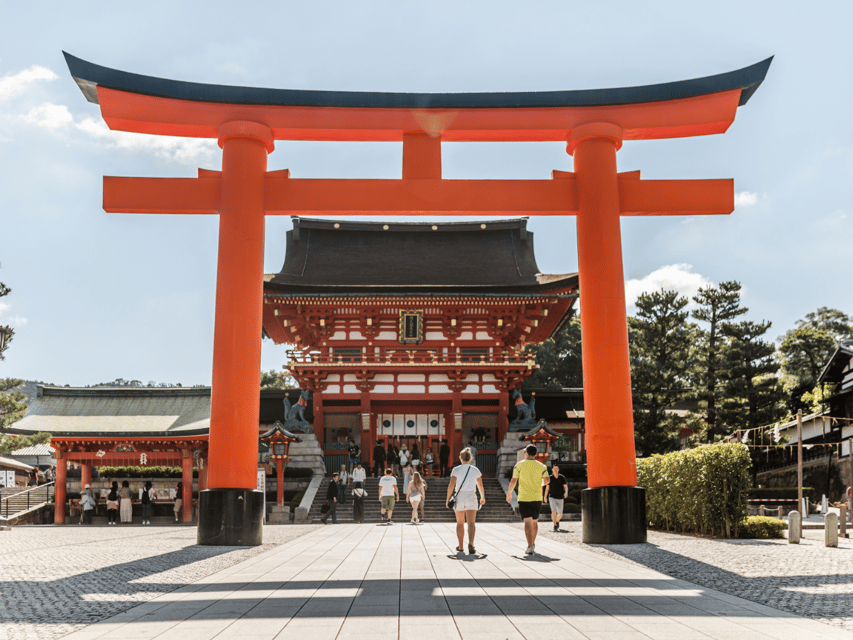
Kyoto is one of those cities where speed can work against you. The streets are narrow, the sights cluster in neighborhoods, and the real payoff is often in the small stuff: the side alley you did not plan, the quiet temple corner, the tea stop you did not know existed.
A private walking format helps because you are not stuck with a fixed group pace. You can ask for the exact flavor of Kyoto you want, whether that is shrines, gardens, classic neighborhoods like Gion, or a food-forward route. It also makes it easier to handle the reality of the city. You might hit a crowded stretch, then your host can pivot to another street, another angle, or a calmer nearby stop.
I also like that this tour is designed around conversations. You are not just ticking boxes. Many guides in this program lean into storytelling and context. For example, I’ve seen guides like Harun help visitors understand what they are seeing so they can return on their own afterward and actually know what to look for.
The big consideration is the walking. This is not a sit-and-ride tour. Even with public transport or taxis between sites when needed, expect to be on your feet for the time you book.
More Walking Tours in Kyoto
- Kyoto Geisha Walking Tour: Gion District & Hidden Gems
★ 4.7 · 3,273 reviews - Kyoto: Gion Magical Night Walking Tour with Geisha Trivia
★ 4.9 · 2,393 reviews - Kyoto: Gion Geisha District Walking Tour – Stories of Geisha
★ 4.7 · 2,187 reviews
How your host builds a Kyoto plan around your interests and pace
The setup is refreshingly simple. You complete a pre-tour questionnaire about your personality and interests. Then you are paired with a like-minded host, and you communicate directly to plan your route and recommendations. That direct line matters because Kyoto rewards specificity. Telling your host you want quieter gardens versus loud photo spots will change the day.
You also get flexibility in the format. You can choose your preferred duration from 2 to 6 hours and align the start time with your schedule. Once you are walking, the day is designed to leave room for detours. If you see something that catches your eye, you can adjust.
In practice, guides bring different strengths, and that can shape your experience in a good way. Some hosts are especially strong on history and temple layout, like Kenta or Milo. Others focus on everyday Kyoto, including how to get around and what to try next. People have highlighted guides such as Mia for food experiences around Nishiki, and Eiko for helping visitors understand local rhythms and culture.
A smart move: before your tour, think in categories, not in one or two landmark names. For example:
- Ancient shrines versus modern city life
- Gardens and tea moments versus shopping streets
- Food browsing versus structured meals
When you think this way, your host can stitch together a route that feels coherent instead of random.
Gion, shrines, and old streets: what you might see on your custom route
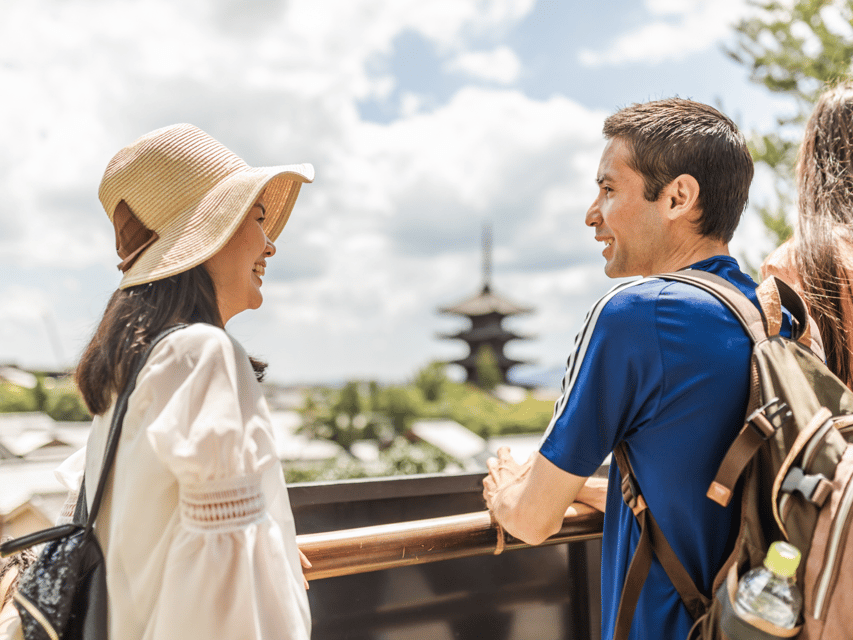
Your exact itinerary depends on what you like, but Kyoto themes show up again and again in the routes this tour style is known for. The best way to think about it is as a menu of neighborhood blocks your host can combine into a smooth walk.
Gion lanes and the mood of Kyoto at street level
If you want Gion, you should expect your host to guide you through the area with more context than a quick sightseeing lap. The point is not just where to stand for a photo, it is understanding what you are seeing and how to move through the neighborhood respectfully. Some routes also pair Gion with seasonal scenery like the Philosopher’s Path during cherry blossom time.
Temples and shrine storytelling that actually clicks
Shrines and temples can feel similar if you do not have a guide to connect the dots. That is where local hosts shine. You can ask for Buddhism and local religion context, or for practical etiquette, or for how the grounds and buildings are laid out.
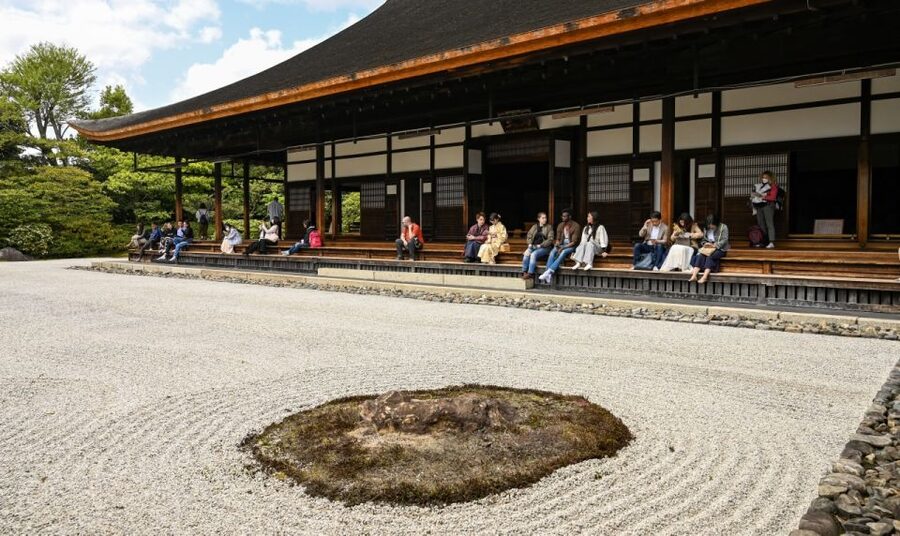
Stops you might encounter in customized routes include Nanzenji, with opportunities for temple tea moments, or garden-focused visits where guides explain what you are seeing and why it is arranged that way. When Japanese gardens are included, the value is not just the scenery. It’s the guide’s ability to point out visual logic you would miss on your own.
Hidden alleys and quieter stops beyond the crowd magnets
A major reason people book this kind of tour is to get away from the crush. Many hosts have a knack for taking you to spots that feel authentic and less crowded. That might mean a side street near a major landmark, a garden approach at a calmer time, or swapping a popular viewing lane for a nearby alternative.
One practical note: because it is customized, you may not see every big-name sight in one day. If your dream is to hit three or four famous temples plus a market and Gion, you may want to choose the longer time slot (closer to 4 to 6 hours) or clearly prioritize what matters most.
Food stops that feel local, from Nishiki to matcha tea breaks
Kyoto food is a huge part of the experience, and the best tours treat food as a cultural thread, not a separate event. This tour does not include extra food costs, but your host will guide you to places that make sense for what you want that day.
Nishiki Food Market style stops
A common highlight is a food market experience, and Nishiki Food Market is frequently mentioned as a place where your host can point you toward what to try and how to navigate. The value here is the practical info: what’s worth your money, what fits your taste, and how to enjoy it without turning it into a chaotic shopping sprint.
Tea and matcha moments near temples
Another recurring theme is matcha and tea breaks in meaningful settings. Some guides have taken people toward matcha at a traditional tea space connected to a temple visit. If you care about tea culture, tell your host early. They can shape the day so you do not just see temples, you slow down inside the rituals around them.
Lunch guidance that saves time
Your host will recommend lunch, and in some cases visitors report getting meals tailored to needs and preferences when they asked directly. That is a win because Kyoto lunch lines can be a hassle, and menus can be intimidating if you cannot read them.
Budget reality check: plan for extra meals and drinks. If you are trying to keep costs down, you can still enjoy food stops by picking a few tastings and using your host’s recommendations to avoid overpriced traps.
Same corner of Japan, a different kind of day:
- PERFECT KYOTO 1-Day Bus Tour
★ 5.0 · 13,518 reviews - Kyoto: Fushimi Inari, Kinkakuji, Bamboo Grove 1 Day Bus Tour
★ 4.8 · 4,316 reviews - Kyoto: Tea Ceremony in a Traditional Tea House in Kiyomizu
★ 4.9 · 3,519 reviews - Kyoto: Tea Ceremony Ju-An at Jotokuji Temple
★ 4.9 · 3,207 reviews
Off-the-beaten-path details and stories that connect the dots
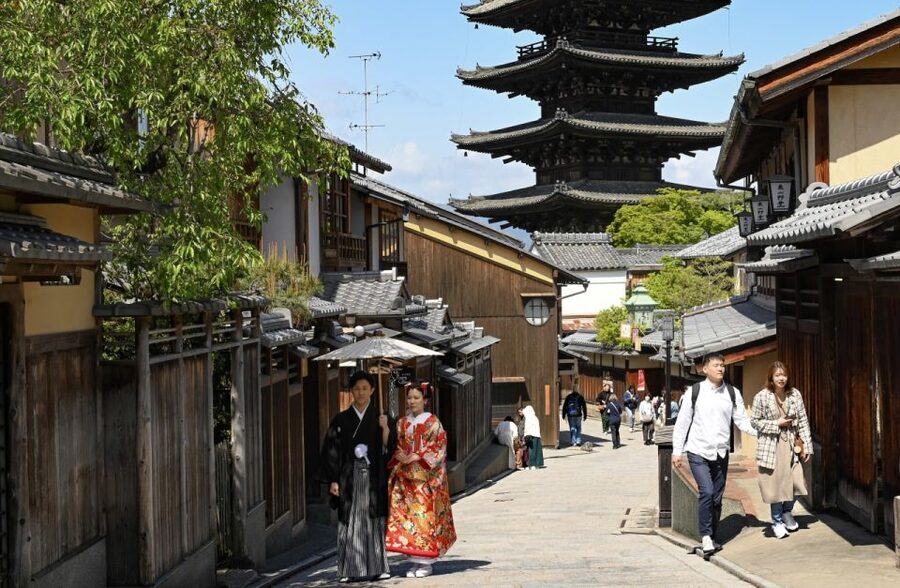
Kyoto can feel like two different cities. On the surface, it is temples, gardens, and classic streets. Underneath, it is community life, traditions passed down, and small rituals you only notice when someone explains them.
This is where I think the guide work is strongest. The best hosts do not just list facts. They explain what you are seeing in plain language, and they share how to interpret it. People have described tours where the guide brought the story of Geisha culture, or tied religion and Buddhist ideas to the way temples and grounds are designed.
Another strength is the way guides respond to your vibe. If you want quiet and slow, some hosts will lean that way. If you want active wandering and photo moments, others can push the pace while still keeping it meaningful.
You can also ask for specific learning goals. For example:
- How to understand the layout of shrines and temples
- What to notice in Japanese gardens
- How people actually move through neighborhoods day to day
And yes, you might still get surprised. Some routes have included memorable food moments like eating at a tiny counter style spot in a local home setting, or extending the day with extra helpful guidance after your main walk.
That is the practical value of a human guide. You leave with context, not just photos.
Practical logistics: meeting point, walking time, and getting between sites
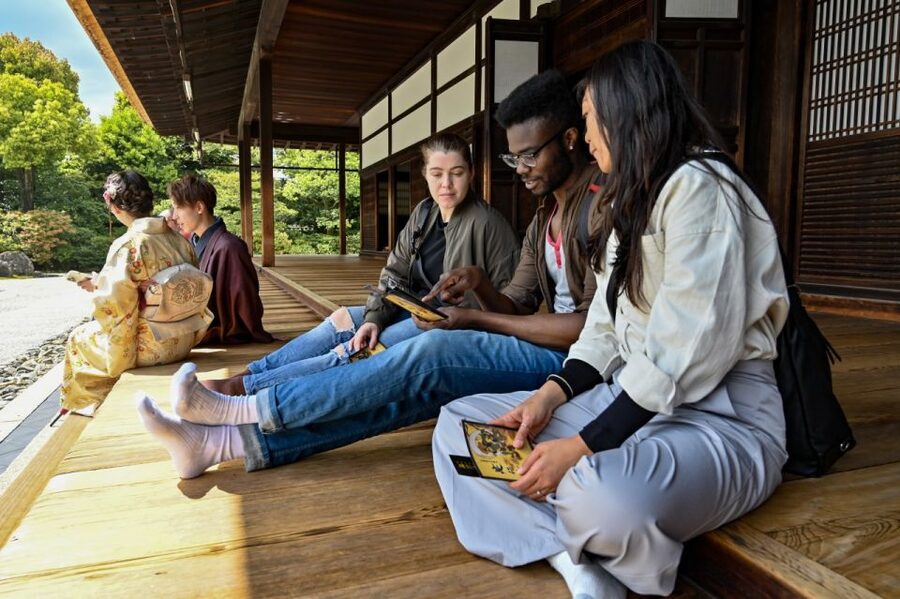
This is a walking tour, and that shapes everything. There is no private vehicle included. You might walk most of the way between stops, and when distance or time matters, public transport or local taxis may be used at additional cost. Your host can discuss exact transport costs after your reservation is finalized.
Where you start depends on your location. Hotel pickup can be arranged for central Kyoto hotels. If you do not use pickup, plan to meet at Starbucks Coffee, Kyoto Sanjo-ohashi Bridge, 113 Omiya Building 1F, Nakajyo Ward.
Because the day involves walking, pack like you are sightseeing all day:
- Comfortable shoes you trust for long distances
- Water and a small umbrella if rain is likely
- A charged phone for maps and photos
Also, because you choose your duration, your stamina matters. If you know you start feeling wiped out after about two hours, book the 2 to 3 hour slot. If you want time for stops and low-stress wandering, choose 4 hours or more.
One more detail that can affect your comfort: the tour is wheelchair accessible. That does not mean every sidewalk is perfect, but it does mean the activity is designed to be usable.
Price and value: why $64 can make sense for Kyoto
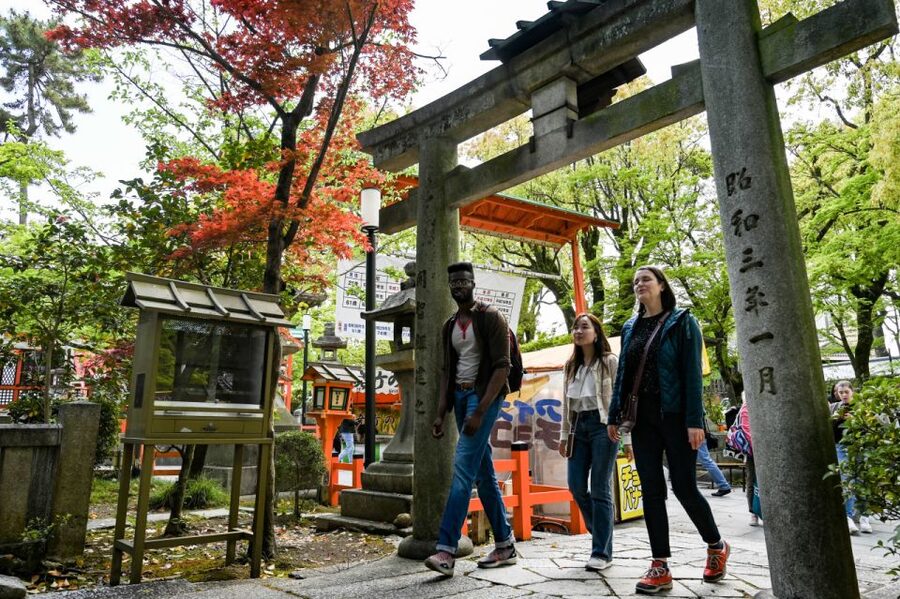
At $64 per person, this tour is priced like an affordable private guide experience, especially for Kyoto where a good route can save you time and confusion. The value is not only the guide. It is the fact that your host is using their local instincts to pick a workable flow of neighborhoods and stops.
If you compare it to group tours, the difference is you get customization and pacing. Kyoto is too easy to do badly without help. You can end up with mismatched timing, overcrowded stretches at the wrong hour, or a route that backtracks. With a private walking format, your host can reduce that kind of wasted movement.
It also helps if you are traveling as a couple or a small family. Since it is a private group, you are not negotiating around other people’s must-sees.
Who this is best for:
- First-time visitors who want Kyoto context fast
- Returning travelers who want quieter, less obvious corners
- Food lovers who want recommendations that match the day
- Anyone who likes conversations and planning that feels flexible
Who might find it less ideal:
- People who want a fully car-based tour with minimal walking
- Travelers who only want to see the most famous sites in a tight timeline, no questions asked
In that case, you might consider a different format. But if you want Kyoto to feel personal, this price can be a solid deal for the amount of guidance you get.
Should you book this Kyoto private customized walking tour?
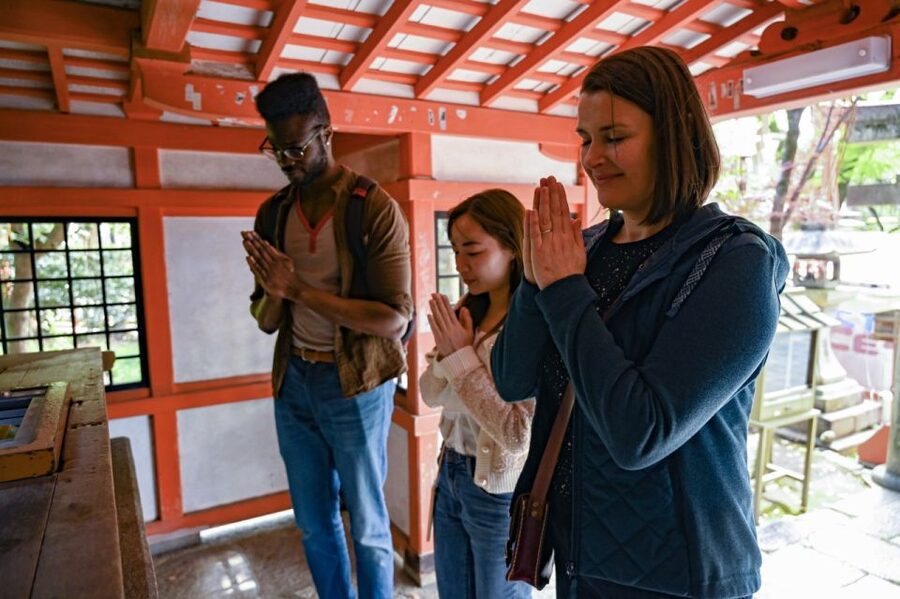
I’d book it if you want Kyoto to feel like a real city you understand, not a checklist you survive. The combination of private pacing, direct planning with a host, and a route that can flex around what you care about is exactly what makes this style of tour worth it.
Book it early in your trip, if you can. Guides often help you get oriented, and the recommendations you receive can shape what you do next on your own. Even if you do not follow every suggestion, you will have a better sense of where to go, when to go, and what to notice.
If you hate walking, or you want transport included, this may not be the best fit. But if you are okay walking and you like the idea of learning Kyoto through a person who lives it day to day, this is a smart way to spend a half-day.
FAQ
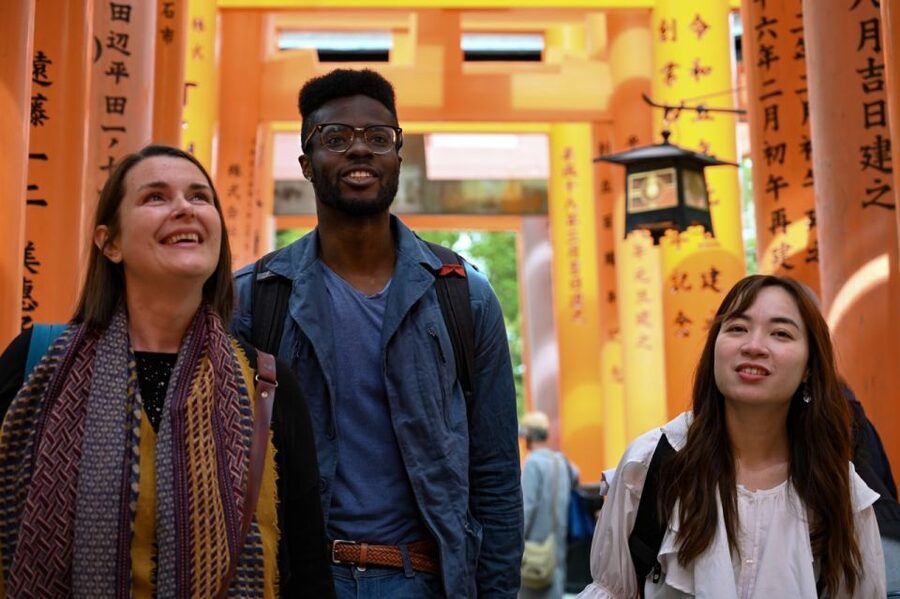
How long is the Kyoto private customized walking tour?
You can book a duration from 2 to 6 hours, depending on your preferences and availability for your chosen start time.
Is this tour private or shared with other travelers?
This is a private group experience, meaning you will have your own guide time rather than joining a larger shared group.
How is the itinerary customized to me?
Before the tour, you complete a questionnaire about your interests and personality. Based on your responses, a like-minded host is assigned, and you communicate directly to shape the itinerary and recommendations.
What is included, and what costs extra?
Included are the private personalized walking tour, insider tips, flexible duration and start time, the pre-tour questionnaire, and direct communication with your host. Not included are additional food, drinks, attraction tickets, and any transportation costs between sites.
Where do I meet if hotel pickup is not arranged?
If you do not do hotel pickup, the meeting point is Starbucks Coffee, Kyoto Sanjo-ohashi Bridge (Japan, 〒604-8004 Kyoto, Nakagyo Ward, Nakajimachō, 113 近江屋ビル 1F).
Do you use public transportation or taxis during the tour?
Because it is a walking tour, you will walk between sites. Public transportation or local taxis may be used to transfer between locations, and exact transportation costs can be discussed with your host after booking.
What languages are the guides?
The tour guide is available in English and Japanese.
Can I cancel, and is there a pay later option?
Free cancellation is available up to 24 hours in advance for a full refund. You can also reserve now and pay later, so you do not need to pay today.
Fresh options around Kyoto
- Kyoto: Quiet and Graceful Tea Ceremony★ 4.5 · 19 reviews
- Oboro | Mindful Tea Ceremony in a 100-Year-Old Kyoto Teahouse★ 5.0 · 19 reviews
- Ikebana Traditional Japanese Art of Flower Arranging★ 4.5 · 19 reviews
- Kyoto Satoyama Cycling with Lunch and English Guide★ 5.0 · 19 reviews
- Tea Ceremony Experience in Traditional Kyoto Townhouse★ 5.0 · 19 reviews
- Kyoto International Party Solo Friendly Expats and Locals★ 5.0 · 19 reviews
- Kyoto: Amanohashidate Ine Funaya Tour★ 4.4 · 19 reviews
- Kyoto Private Food Tours with a Local Foodie: 100% Personalized★ 4.5 · 19 reviews
Walking Tours, compared.
Kyoto Geisha Walking Tour: Gion District & Hidden Gems
Read our review →
Tokyo Tsukiji Fish Market Food and Culture Walking Tour
Read our review →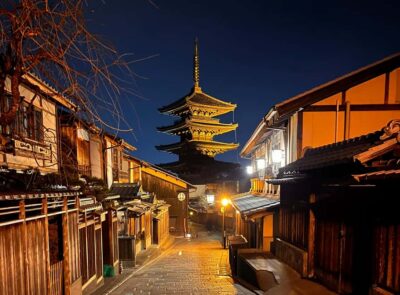
Gion Magical Night Walking Tour with Geisha Trivia
Read our review →
Imperial Palace and Shogun Historical Walking Tour
Read our review →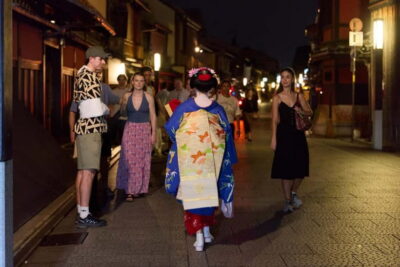
Gion Geisha District Walking Tour – Stories of Geisha
Read our review →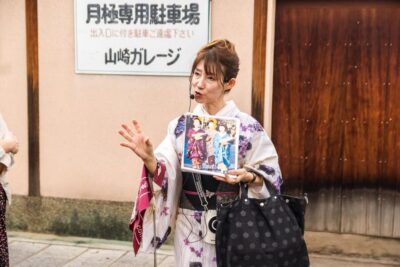
Shinjuku Local Bar and Izakaya Guided Walking Tour
Read our review →
Browse the lists this tour appears in