
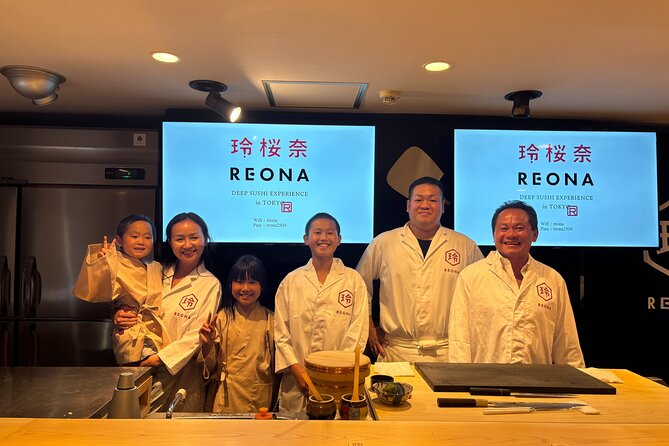
Reviewed · SUSHI MAKING CLASSES IN TOKYO
Premium 14-Piece Sushi & Cultural Discovery with Chef Interaction
Tokyo sushi gets real close up. This small-group experience puts you at the chef’s counter with guided Edomae technique demonstrations and hands-on comparisons you can taste, all wrapped in an authentic restaurant setting in central Tokyo. I especially like the focus on practical details like how the rice is prepared, how wasabi differs, and which tools matter, plus the fact that even non-fish people can still have fun learning the process.
The main thing I like most is the included 14-piece premium sushi course that keeps things satisfying without turning the meal into a long, dragged-out event. One drawback to plan for: the tour does not include beverages, so you’ll need to budget extra if you want sake pairings.
Key highlights worth marking on your mental map
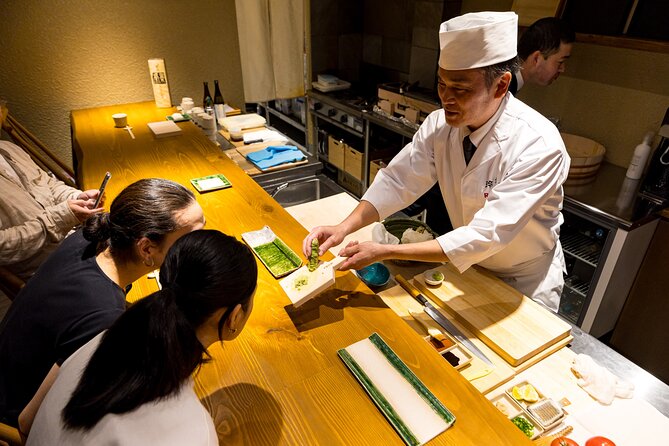
- Chef-counter access in a small group of up to 5 means you get attention, not just a seat.
- 14-piece premium omakase course is included, so you avoid the classic I’ll just snack my way through Tokyo problem.
- Comparative tastings show what changes when ingredients are premium versus standard.
- Wasabi and rice lessons are built into the tasting, so you learn by tasting, not by reading.
- Tool and equipment explanations help you understand why sushi quality is more than fish.
- Behind-the-counter workspace visit and photos give you a memorable souvenir without guessing how it all works.
Chef-counter sushi education in Chiyoda, Tokyo
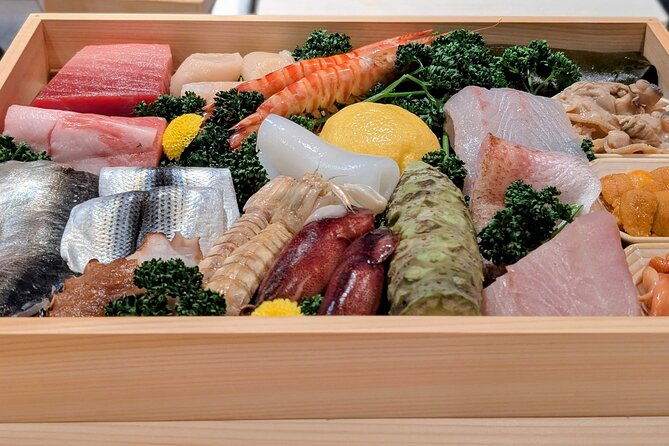
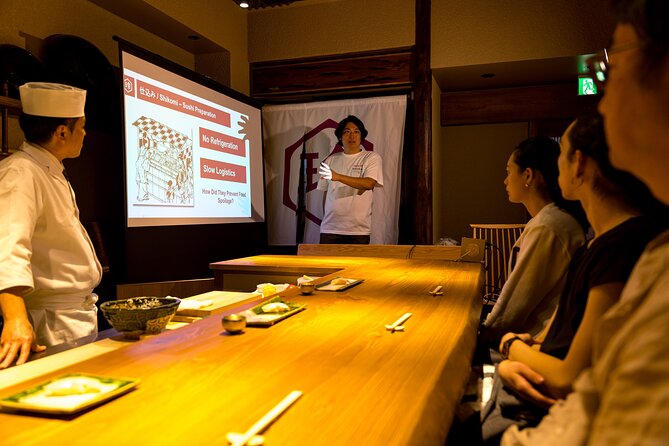
This is the kind of sushi experience where you actually get to see what people talk about online, but in real time, at a real counter. You start at an authentic sushi restaurant, and an English-speaking guide welcomes you, introduces the session, and seats you at the exclusive chef’s counter. The atmosphere feels intimate because the group is capped at 5 travelers, so you are not competing for sightlines or questions.
What makes it work is the structure. You are not just eating while watching vague motions. The chef demonstrates essential Edomae techniques such as simmering, searing, marinating, and wrapping, and the guide helps connect what you see to what you taste. If you enjoy learning how cooking decisions create flavor, this format makes a lot of sense.
Also, the pace is built around a clear outcome, a 2-hour session (standard) with a maximum of 2.5 hours. That matters because sushi lessons can either be short and punchy or long and tiring. This one is designed to keep you focused.
More Sushi Making Classes in Tokyo
- Sushi Making Tokyo Roll and Authentic Japanese Sushi Class
★ 5.0 · 3,971 reviews - Tokyo: Roll and Authentic Sushi Making Class in Asakusa
★ 4.9 · 1,957 reviews - Make Sushi and Create Unforgettable Memories in Tokyo
★ 5.0 · 1,413 reviews
The included 14-piece omakase, and why it feels like enough
The included meal is a 14-piece premium sushi course. You are told there will be no hunger pangs, and the portion size supports that. Fourteen pieces is not the kind of “one bite per concept” tasting that leaves you thinking you should grab dinner afterward.
This is also where your expectations should be practical. This is a tasting course, not a full-blown dinner with side dishes. The value comes from quality and instruction: you are eating premium sushi while the chef talks through what is happening and why. That turns each piece into a small lesson.
If you are the type who likes food but hates slow meals, you will probably appreciate the tight timeframe. If you are the type who wants a long dining experience with multiple beverage rounds, note that beverages are not included, and that the session centers on the sushi and the chef talk, not on a drinking flow.
How the chef teaches Edomae skills with tasting comparisons
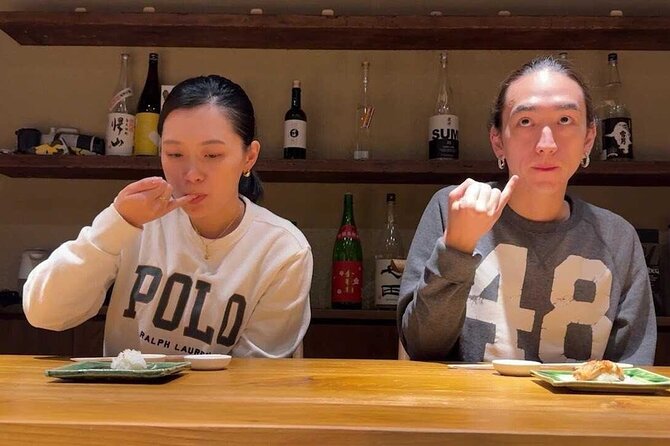
Here is the clever part: the experience builds learning into the structure of the meal. As the chef demonstrates technique, you also do comparative tastings that highlight differences between sushi made from premium versus standard ingredients. This is not just a “wow, taste the difference” moment. It is guided and intentional.
During the tasting, you get comparisons tied to key building blocks:
- how the rice preparation changes flavor and feel
- the difference between freshly grated wasabi and standard paste
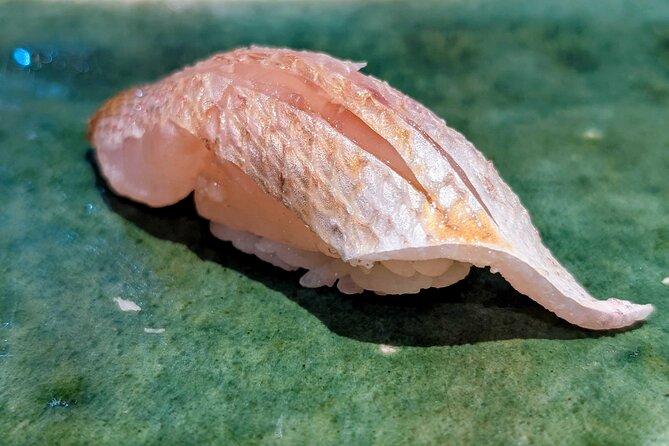
- how premium ingredient choices affect the final bite
That last point is important for value. A lot of food tours stop at “here is a dish.” This one tries to teach you how sushi is assembled and tuned, so you can recognize quality the next time you order.
You also spend time learning about sushi ingredient and technique comparisons while interacting with the chef. The interaction is part of the “why,” so if you ask questions, or if the guide asks you to pay attention to something specific, it actually improves your next bite.
Rice, wasabi, and tools: the details that most people miss
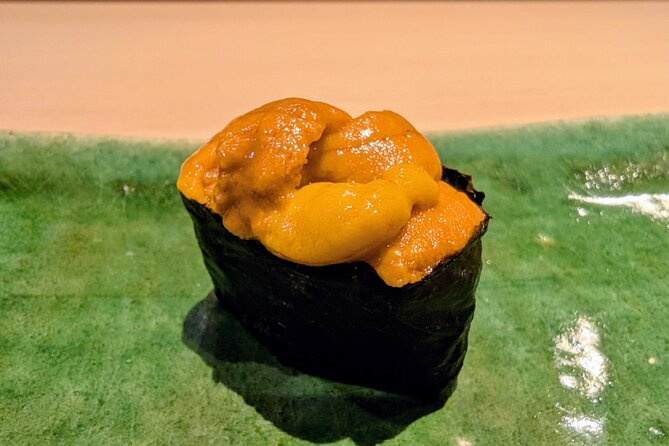
Sushi can look simple until you start noticing patterns. This experience makes those patterns visible. The guide and chef explain authentic sushi chef tools and equipment, which is one of the most practical parts of the session if you love cooking or want to order smarter in the future.
The rice angle is especially useful. You learn that rice is not just a base ingredient, it is a flavor component that can be tuned. The session shows you that by comparing how variations in rice preparation influence taste.
Wasabi is another big one. You will learn the difference between freshly grated wasabi and standard paste through tasting. That is the kind of lesson that changes how you order at restaurants because you start noticing bitterness, sharpness, and aroma, not just heat.
And yes, the chef talks about technique like searing, marinating, and wrapping. Those terms sound like cookbook labels until you watch the hands and then taste the result. This is where the counter seating matters, because you can actually see what the chef is doing and how the timing looks from your side of the glass, so to speak.
Same corner of Japan, a different kind of day:
- Mt Fuji and Hakone 1-Day Bus Tour Return by Bullet Train
★ 5.0 · 26,383 reviews - 1-Day Tokyo Bus Tour
★ 5.0 · 14,250 reviews - Tokyo: TOKYO SKYTREE® Admission ticket
★ 4.5 · 11,192 reviews - Tokyo: teamLab Planets TOKYO Digital Art Museum Entry Ticket
★ 4.6 · 9,779 reviews
Drinks and sake pairings: what’s included, what costs extra
Your sushi course is included, but beverages are not. That means your base price covers the 14-piece premium sushi plus the guidance, demonstrations, comparisons, tool explanations, and the cultural insights.
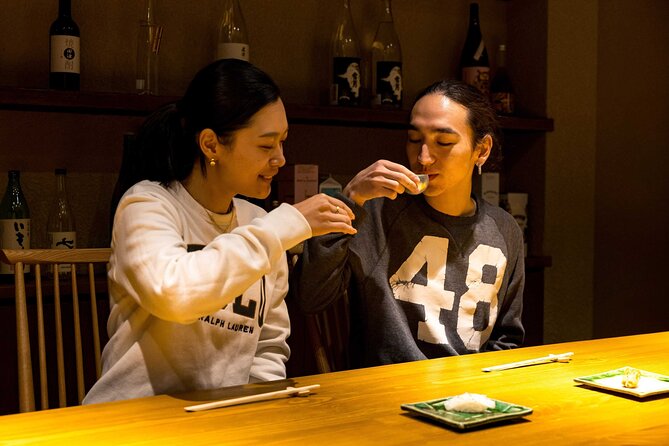
If you want sake, you can order it after you arrive, including sake pairings designed to complement sushi flavors. Soft drinks are also available on arrival. Since this is a chef-led experience, I treat beverages as optional add-ons rather than “must have” parts of the value.
If you are sensitive to alcohol, or if you are just here for the food and the lessons, you can keep it simple and skip the sake. If you are doing sake for fun, plan it in, because adding alcohol can subtly change how you perceive spice, acidity, and sweetness in each bite.
The route around Chiyoda, Ochanomizu, Jimbocho, and Akihabara
The experience includes multiple area stops, starting in Chiyoda and spreading through Ochanomizu, Akihabara, and Kanda, with a stop in the Kanda Jimbocho Bookstore Area, and then returning through the Akihabara area. In practice, this gives you a small neighborhood orientation around central Tokyo while keeping the main focus on the sushi counter experience.
Stop 1 is Chiyoda, where you also meet at 3-chōme-3-6 Kanda Surugadai in Chiyoda City. This is a good base because it puts you near key transit and makes the start time feel easy to manage.
Stop 2 covers Ochanomizu / Akihabara / Kanda. I like this kind of routing because it helps you understand where you are without turning the whole experience into a checklist tour.
Stop 3 lists Tokyo Prefecture, which suggests a brief contextual segment rather than a long attraction time. Stop 4 is Kanda Jimbocho Bookstore Area, which stands out because the name itself points to the vibe. Even if you do not linger for shopping, walking through the area gives you a different Tokyo feel than the typical “just go to the sights” route.
Stop 5 loops through Akihabara, keeping the experience anchored in the same part of town. The big value here is time management: you get the neighborhood movement, then you spend the majority of your attention on the sushi learning.
Behind-the-counter photos and the chef’s workspace peek
One of the most memorable add-ons is the chance to step behind the sushi counter into the chef’s workspace. You are also given exclusive photo opportunities tied to that access.
This is not just for bragging rights. Seeing the workspace helps you understand how a sushi station is laid out and how tools fit into the flow of making sushi. It also gives you a visual reference you can keep when you later try to recreate flavors at home or when you look closely at sushi counters in other restaurants.
Practical note: treat this moment as respectful access. You are moving from spectator mode into the working area, so keep your voice low, follow the guide’s cues, and take photos quickly so the chef can keep working.
Who should book this sushi chef interaction
This works best if you want a sushi experience with actual learning, not just eating. I think you will especially enjoy it if you:
- like food explanations and tasting comparisons
- want an insider view of how Edomae technique affects flavor
- enjoy asking questions at the counter in a small group
- want a satisfying meal without turning it into a long night out
It may be a great pick even if you do not consider yourself a big fish eater. In the feedback I reviewed, one person said they do not even like fish, yet they still enjoyed every dish and felt the experience was worth the money. The educational structure and the way the chef teaches process can make unfamiliar ingredients feel less intimidating.
Families can also consider it, but read the rules carefully. The kids plan does not include the 14-piece counter course. Kids have a dedicated Kids’ Room for children up to 12 years old, with a child-friendly meal. Kids are seated in the kids area or a child-designated seat, not at the sushi counter.
If you want your child to eat the full course at the counter alongside adults, the data says you should book under the adult plan instead of the child plan. Also, childcare services are not provided, so you will need to plan accordingly.
Price and value for a $171.73 small-group 14-piece lesson
At $171.73 per person, you are paying for more than a meal. You are paying for a premium 14-piece course plus the guide, the chef demonstrations, comparative tastings, tool explanations, cultural insights, and the behind-the-counter photo opportunity.
This price can feel high if you compare it to a casual sushi lunch. But it compares differently when you factor in: premium ingredient focus, structured education, and the fact that the group is capped at 5. In a small group, you typically get more attention and better interaction than you would in a larger class.
Timing matters too. The booking data says it is often booked around 39 days in advance on average. If you have fixed travel dates, I would not wait until the last minute.
Duration is a helpful “value signal.” The meal is about 2 hours, so you get a concentrated experience without losing half a day to logistics. The tour also uses a mobile ticket, which helps keep things simple once you are in Tokyo.
Quick practical tips before you go
A few choices will make your experience smoother:
- Go in hungry enough to enjoy 14 pieces but not so hungry that you feel rushed. This is a lesson with tastings, so savoring matters.
- If you care about beverages, decide beforehand whether you want sake pairings. Drinks are available after arrival, but they are not part of the included price.
- Expect explanations about rice, wasabi, and tools. If you take a quick mental note, your next sushi meal in Tokyo will be easier to order and harder to disappoint.
- Keep your camera ready for the behind-the-counter photo moment, but follow the chef and guide pacing so you do not slow the flow.
Should you book REONA Sushi Tokyo?
Book it if you want to learn what makes sushi taste like sushi, and you like the idea of a small chef-counter session with 14-piece premium omakase plus guided comparisons. The structure is built for understanding, not just for eating, and the behind-the-counter access makes it feel special in a way that a regular restaurant meal usually does not.
Skip it or reconsider if you need dietary accommodations. The experience states they cannot accommodate allergies or dietary restrictions related to rice, soy, or seafood. Also, if you want a beverage-inclusive dining experience with a longer timeline, plan on paying extra for drinks since beverages are not included.
If you are looking for a high-value, concentrated sushi lesson that gives you taste-based learning you can carry home, this is a strong choice.
FAQ
How long is the sushi experience?
It runs for about 2 hours on a standard schedule, with a maximum duration of 2.5 hours.
How many people are in the group?
The group is limited to a maximum of 5 travelers.
What food is included?
You get a 14-piece premium sushi course as part of the experience.
Are drinks included with the meal?
No, beverages are not included. You can order drinks after you arrive, including sake pairings or soft drinks.
Can I get sake during the experience?
Yes. Alcoholic beverages are available to order after arrival, and the experience specifically mentions sake pairings.
What happens when you sit at the sushi counter?
You sit at the chef’s counter and enjoy a guided 14-piece tasting with chef demonstrations and cultural insights. The session includes technique explanations and comparative tastings.
Do you get to take photos behind the counter?
Yes. You get an exclusive opportunity to step behind the sushi counter into the chef’s workspace and capture photos.
Where is the meeting point?
The meeting point is at 3-chōme-3-6 Kanda Surugadai, Chiyoda City, Tokyo 101-0062, Japan.
Is there a kids room and what do children receive?
A Kids’ Room is available for children up to 12 years old. Child bookings include a kids’ meal and access to the kids’ room, but not the 14-piece sushi course.
Can children sit at the counter for the full 14-piece sushi course?
If you want a child to enjoy the full 14-piece course at the counter alongside adults, you need to book under the adult plan, since the child plan seating is not at the sushi counter.
Fresh options around Tokyo
- Tokyo: Nikko Kegon Falls Lake Chuzenji Toshogu Temple & More★ 4.9 · 12 reviews
- Tokyo: Samurai History Walking Tour★ 5.0 · 12 reviews
- Harajuku: Kawaii Fashion and Pop-Culture Tour★ 4.7 · 12 reviews
- Tokyo: Mt. Fuji & Lake Kawaguchi Instagram Full Day Trip★ 4.1 · 12 reviews
- Shibuya Tokyo: Modern Kintsugi Workshop in Shibuya★ 5.0 · 12 reviews
- Tokyo: GTR Guided Daikoku Experience at Night★ 5.0 · 12 reviews
- Tokyo: Daikoku JDM Car Culture Tour★ 4.6 · 12 reviews
- Mt Fuji Private Day Trip from Tokyo with English speaking driver★ 5.0 · 13 reviews
Sushi Making Classes in Tokyo, compared.
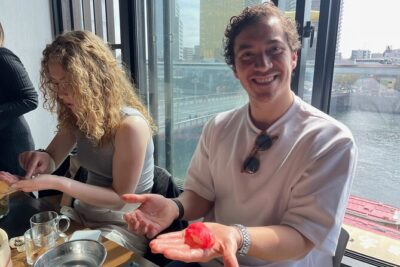
Sushi Making Tokyo Roll and Authentic Japanese Sushi Class
Read our review →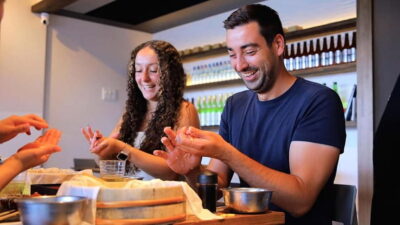
Roll and Authentic Sushi Making Class in Asakusa
Read our review →
Make Sushi and Create Unforgettable Memories in Tokyo
Read our review →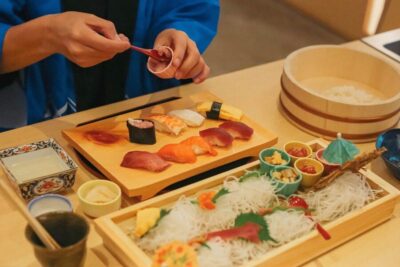
Sushi Making Class in a Happi Coat near a Famous Spot
Read our review →
Tokyo Sushi Making Class in Tsukiji with Professional Chef
Read our review →
Tokyo Night Foodie Tour in Shinjuku – Seasonal Sushi, Wagyu Beef
Read our review →
Tsukiji Fish Market Guided Tour and Sushi Making with Pro Chef
Read our review →
Tsukiji Fish Market Sushi Making Class with Pro Chef
Read our review →Browse the lists this tour appears in