
Reviewed · HISTORICAL TOURS
Asakusa: TOKYO SKYTREE Exploration after History Tour
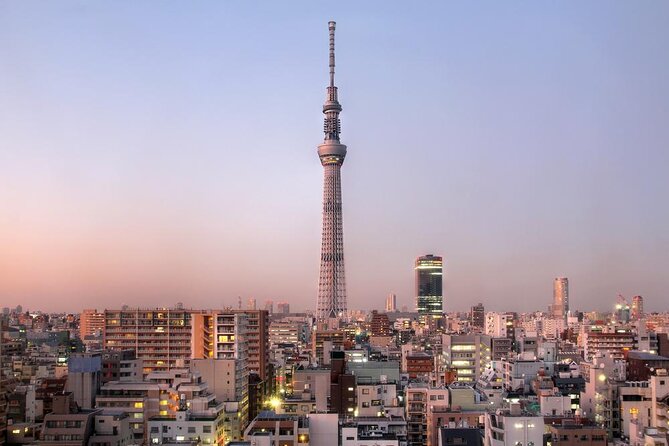
Two icons, one efficient afternoon. This Asakusa walking tour pairs classic temple sights with a later climb up Tokyo Skytree’s observation decks, and it handles the navigation for you. With a small group capped at 8, you get an easier rhythm than trying to piece it together on your own.
I especially like how the walk is built around clear themes, not just checklists. You start at Sumida Park by the Sumida River, then work through Asakusa landmarks like Kaminarimon, Nakamise, Hozomon, and Sensō-ji with a guide explaining what they mean. And because you get both upper and lower deck access, the day ends with more than photos, it ends with context.
One thing to plan around: this isn’t a casual, flexible ticket. Your Skytree dates are locked in, and you pay extra only for the short train ride (JPY160) from Asakusa Station to Tokyo Skytree Station, plus you finish at Skytree instead of returning.
Key highlights you will feel right away
- Small group of up to 8 with optional headsets for groups of 3 or more, so you can actually hear the guide at busy stops
- Skytree combo tickets included for both upper and lower observation decks, plus time to shop and eat at the base complex
- Asakusa landmarks in a smart order, from Sumida Park to Kaminarimon to Sensō-ji, with the flow designed to keep you walking, not waiting
- Little cultural lessons at each stop, like Japanese and Western dragon symbolism, and how prayer differs across Buddhism and Shinto
- History that connects to everyday sights, including Edo-period isolation and opening to the world, tied to what you see along the river and around the temples
Asakusa to Skytree in one plan that actually works
Asakusa is one of those Tokyo areas where it feels fun, until you try to navigate it while crowds swarm your path. This tour keeps you moving in a logical line and gives you a local guide to translate what you are seeing. You get temples, shopping streets, and river atmosphere first, then a big payoff view at Tokyo Skytree.
The structure matters here. You have around 3 hours 30 minutes total, with the Asakusa portion handled at a steady walking pace, and a full hour later at Skytree for observation and shopping. If your Tokyo days are packed, this is a clean way to add one iconic neighborhood and one iconic skyline viewpoint without stretching your schedule.
A few more Tokyo days worth comparing
- Tokyo: Imperial Palace and Shogun Historical Walking Tour
★ 5.0 · 2,251 reviews - Tokyo: Imperial Palace Japanese History Walking Tour
★ 4.9 · 987 reviews - Tokyo: Shinjuku Historical Walking Tour & Secret Backstreets
★ 5.0 · 530 reviews
What you pay for, and what you still handle yourself
The price is $118.24 per person. For that, you get a guided walking tour of Asakusa and Tokyo Skytree tickets for the upper and lower observation decks. You also get a mobile ticket, plus headsets when the group is 3 or more, which is a real quality-of-life upgrade in noisy temple streets.
What is not included is also simple. You will cover the train fare of JPY160 from Asakusa Station to Tokyo Skytree Station. And while most stops themselves are listed as free admissions, the value of the price is really in the guide time plus the paid Skytree access that you would otherwise have to plan and buy.
A practical note: Skytree tickets sell quickly, and the operator buys them as soon as you book. Because of that, the activity is not cancellable and dates cannot be changed. If your calendar is shaky, build in a buffer before you commit.
Where the day begins: Kaminarimon meeting point and timing
You meet at 2-chōme-20-6 Kaminarimon, Taito City. The tour starts at 1:30 pm and ends at Tokyo Skytree (Oshiage), so you should plan your dinner and transport around being in the Skytree area at the end.
Starting mid-afternoon can be a good move in Tokyo. You avoid the deepest morning crowds at the biggest temple areas, and you still have enough daylight for city views, depending on the weather. If you are photographing, bring a little patience for foot traffic near Kaminarimon and along Nakamise.
Stop-by-stop: how Asakusa turns into a story you can follow
The Asakusa part is where the tour earns its keep. Each stop is short, so you keep momentum, but each one adds a useful fact that makes the next photo make more sense.
Same corner of Japan, a different kind of day:
- Mt Fuji and Hakone 1-Day Bus Tour Return by Bullet Train
★ 5.0 · 26,383 reviews - 1-Day Tokyo Bus Tour
★ 5.0 · 14,250 reviews - Tokyo: TOKYO SKYTREE® Admission ticket
★ 4.5 · 11,192 reviews - Tokyo: teamLab Planets TOKYO Digital Art Museum Entry Ticket
★ 4.6 · 9,779 reviews
Sumida Park: the river and the Edo turning point
You begin along the Sumida River at Sumida Park. The guide sets up Japan’s long period of isolation, including why the Edo shogunate sealed the country for over 200 years and why the Netherlands was a rare exception. It is a smart opening because it frames what you will later see in Asakusa as more than scenery.
This stop is listed at about 20 minutes and has free admission. The main drawback is that it depends on day conditions, like wind off the river or how crowded the riverside paths feel. But even then, it sets your mental map.
Asakusa Culture Tourist Information Center: Buddhism and Shinto basics
Next you stop at the Asakusa Culture Tourist Information Center for about 20 minutes. This is not just a quick intro. The tour uses it to explain the two major religions you will keep seeing around Asakusa, Buddhism and Shinto, so temple details later do not feel random.
If you are the type who likes to know what you are looking at before you photograph it, this portion helps. It also makes the later moments at Sensō-ji and Asakusa Shrine feel more connected instead of like separate sights.
Kaminarimon: the big gate and the dragon lesson
At Kaminarimon, the iconic gate, you get about 15 minutes. The highlight here is symbolism: the tour talks about Japanese versus Western dragons and why they play opposite roles in the two traditions. That kind of explanation changes how you interpret the gate, because you start noticing motifs instead of just standing in front of them.
Admission is listed as free. The main consideration is crowd flow. This area can get busy, so listen for your guide’s cues and take photos when there is a gap, not when you are surrounded.
Nakamise Shopping Street: shopping street with meaning
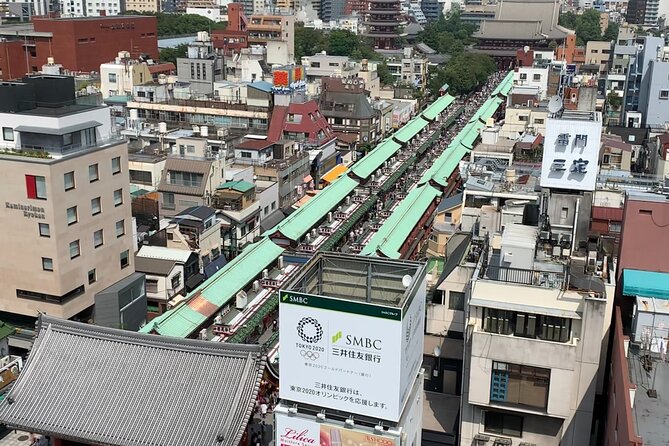
You then walk the Nakamise Shopping Street near Kaminarimon for about 40 minutes. This is where the tour turns a typical shopping street into a cultural lesson: you learn about the Buddhist symbols tied to the vajra, also called tokko, plus the world-changing impact of ukiyo-e woodblock prints.
This time window is long enough to browse without feeling rushed. The drawback is also the nature of Nakamise, plenty of people and plenty of temptations. If you do not want to lose your group, keep your pace steady and decide ahead of time if you are buying something or just window shopping.
Hozomon: a comparison you will remember
At Hozomon, you get around 15 minutes. The guide highlights an interesting comparison between Japan and the West from about 1,000 years ago, focusing on shared ways of thinking. It is a different angle than the usual temple explanations, and it tends to stick because it gives you a way to connect cultures without flattening them.
Admission is listed as free. This is also a good moment to slow down and observe how people move through the space, since it is easy to assume you are just looking at architecture.
Sensō-ji Temple: prayer, practice, and differences
At Sensō-ji Temple, the tour spends about 15 minutes. You learn that Sensō-ji is Tokyo’s oldest Buddhist temple, and you get an explanation of how prayer differs in Buddhism and Shinto. Even if you have seen other temples in Japan, that breakdown makes the gestures and rituals feel more intentional.
Admission is listed as free. The only caution is timing. Temple areas fill in cycles, so if you want quieter photos, you may need a little flexibility when the crowd thickens.
Asakusa Shrine: shared grounds for Shinto and Buddhism
Finally, you end the walking portion at Asakusa Shrine in about 15 minutes. The tour focuses on the peaceful co-existence of a Shinto shrine and a Buddhist temple on the same grounds for over a millennium, including how worship and history have intertwined there.
This stop is often where the tour’s overall theme lands: Tokyo religious sites do not always fit neat categories, and the guide helps you see that complexity without making it confusing. It is a good closing note before the day shifts to modern Tokyo at Skytree.
The shift to modern Tokyo: train to Skytree and what you do there
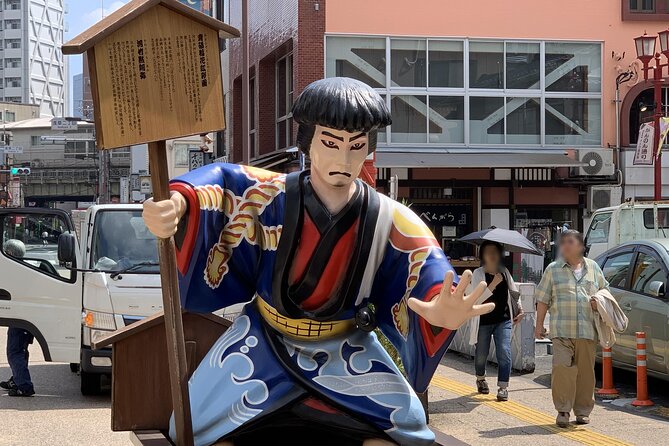
After Asakusa, you take the train to Tokyo Skytree. The fare is JPY160 from Asakusa Station to Tokyo Skytree Station, and it is not included, so plan a small reserve for it.
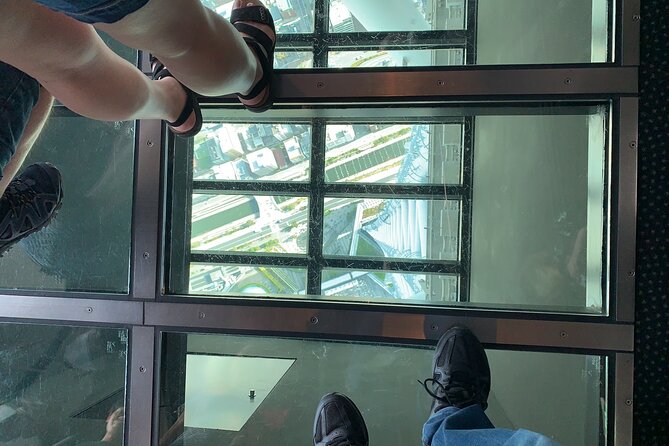
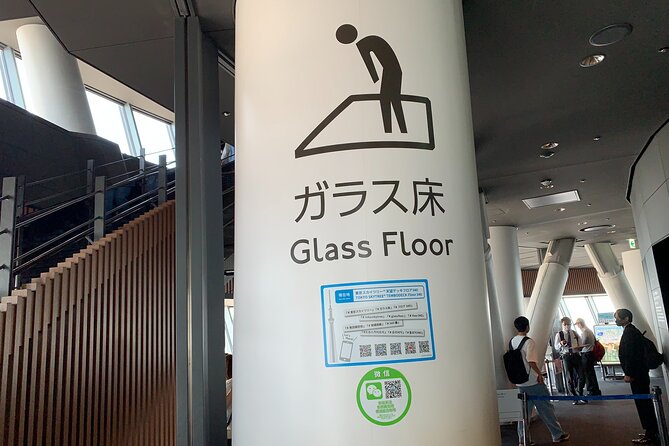
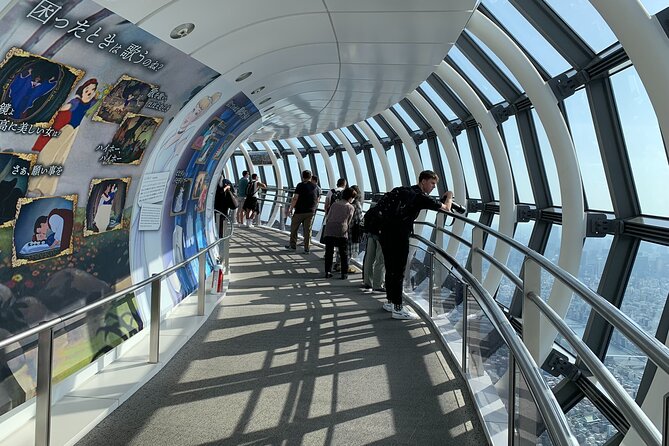
Once you arrive, the included tickets take you up to two observation decks. This is where the day becomes all about scale: you see how neighborhoods stack, how the Sumida River area fits into the wider city, and where your walking stops likely sit on the map.
The tour gives you about 1 hour at Skytree, plus time for shopping and dining at the base complex. That hour is long enough for a round of sightseeing and photos, and short enough that you are not trapped waiting in a long line with no plan. If you prefer slow observation, you will likely spend more time at one deck than the other, and that is fine.
Small group size and guides who set the tone
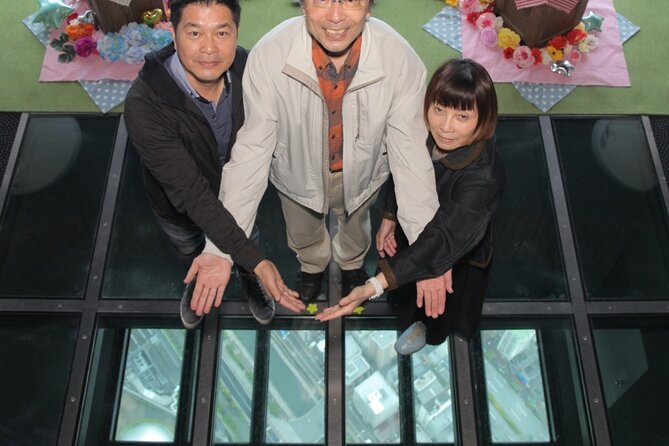
This is a maximum of 8 travelers, and that changes how the experience feels. You are not fighting for attention at every stop. You can ask questions without the guide repeating everything for half the group.
The headset feature also matters. For groups of 3 or more, each person gets headsets to hear the guide clearly even when distance and crowd noise are working against you. In a place like Nakamise or near Kaminarimon, that makes a noticeable difference.
The guide names from past tours you can encounter include Taka, Junko Yamashita, Sue, and Keiko. The common thread is that they explain what the places mean, not just what they are called. That is why this kind of tour works even if you have been to Tokyo before.
Value check: who this tour fits best
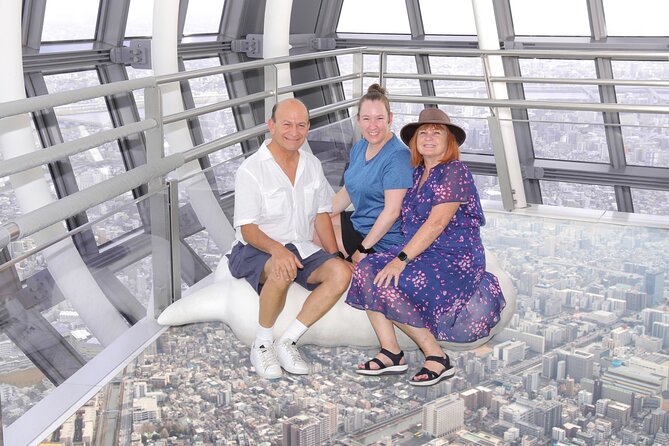
If you are new to Tokyo, this tour is a strong first taste of how neighborhoods connect history, religion, and daily life. If you have limited time, it is also a helpful “two for one” approach, Asakusa on foot, then Skytree for a vertical view of the whole city.
It is also a good pick for families. Past tours note it works well with kids, mostly because the pace is controlled and the guide keeps explanations clear while still letting you roam and look. And with a small group size, you are less likely to get separated into a crowded pack.
If you are the kind of traveler who hates group schedules, you might find the fixed timing at each stop feels limiting. But if you are open to a guided flow and you want Skytree tickets handled for you, it is a practical trade.
Common snags, and how to avoid them
This tour is simple, but a few practical things can affect your day.
First, your Skytree tickets are locked to your booking. Because the operator buys them right away and they are not cancellable or changeable, you should only book if you are comfortable with that plan.
Second, you end at Skytree, not back at Asakusa. That is fine if you plan dinner nearby, but it is not ideal if you want an easy return walk or a direct route back to your hotel. Build the rest of your afternoon around being in the Skytree area.
Third, bring a little flexibility around crowd conditions at Kaminarimon and Nakamise. The itinerary is designed to keep you moving, but big Tokyo landmarks have big crowds. Use the guide as your timing tool, follow their cues, and you will get the calm moments you need for photos.
Should you book this Asakusa to Tokyo Skytree tour?
Book it if you want a focused Asakusa walking circuit plus Skytree observation decks included, without you having to figure out routes, timing, or ticket planning in the middle of a busy neighborhood. The small group size, headset option, and stop-by-stop explanations give you more than just sightseeing, you leave with a clearer sense of what you actually saw.
Skip it if your schedule is flexible, because the Skytree tickets are tied to your booking date and cannot be changed or refunded. Also skip it if you know you will want to wander completely on your own at every stop, because this is built around a guided pace.
If your goal is an efficient, story-driven afternoon that ends with a real skyline payoff, this is a solid choice.
FAQ
What time does the tour start?
The tour starts at 1:30 pm.
How long is the tour?
It lasts about 3 hours 30 minutes.
Where do I meet the guide?
You meet at 2-chōme-20-6 Kaminarimon, Taito City, Tokyo 111-0034, Japan.
Where does the tour end?
The tour ends at Tokyo Skytree (Tokyo Skytree 1-chōme-1-2 Oshiage, Sumida City, Tokyo 131-0045, Japan).
Is the Tokyo Skytree admission included?
Yes. Tokyo Skytree combo tickets for the upper and lower observation decks are included.
Do I need to pay for train fare during the tour?
Yes. The JPY160 train fare from Asakusa Station to Tokyo Skytree Station is not included.
Is it a small group tour?
Yes. The maximum group size is 8 travelers.
Are headsets provided?
Headsets are included for each person when the group size is 3 or more.
Is the ticket type mobile?
Yes. The tour uses a mobile ticket.
Can I cancel or change the date after booking?
No. This experience is non-refundable and cannot be changed for any reason, since Skytree entry tickets are purchased shortly after booking and cannot be changed.
Fresh options around Tokyo
- Tokyo: Asakusa & Tokyo’s Oldest Temple Senso-ji Walking Tour★ 4.6 · 21 reviews
- Experience Award-Winning Spa Treatments in Downtown Tokyo★ 5.0 · 21 reviews
- Tokyo: Samurai Sword Academy in the Hometown of Last Samurai★ 5.0 · 21 reviews
- Bar Hopping Tour with a local Guide in Shinjuku★ 5.0 · 21 reviews
- Ramen and Gyoza Cooking Class in Tokyo★ 5.0 · 21 reviews
- Sailor Moon Tour in Azabujuban, Tokyo★ 5.0 · 21 reviews
- 2 Hours Mochi &Nerikiri Making & Matcha Class in Bunkyo★ 5.0 · 21 reviews
- Tokyo Walking Tour : Sumo, Sushi, Tea, Temples and Tokyo Tower★ 5.0 · 21 reviews
Historical Tours, compared.
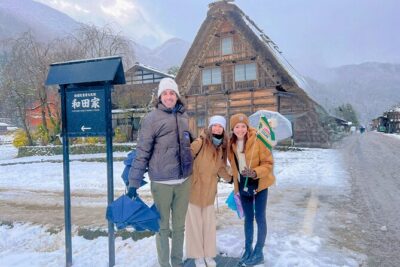
World Heritage Shirakawa-go and Experience Tours from Kanazawa
Read our review →
Imperial Palace and Shogun Historical Walking Tour
Read our review →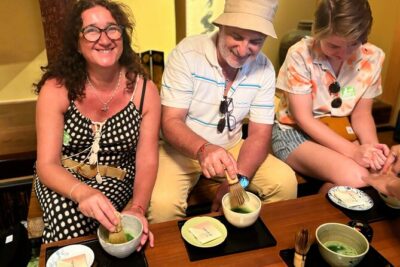
World Heritage Kyoto & Nara Uji Authentic Matcha Experience
Read our review →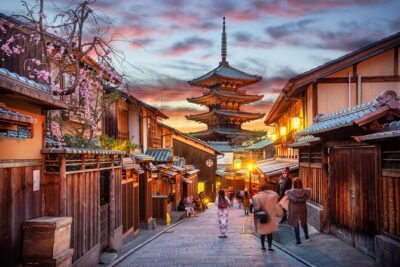
Kyoto Gion: 2-Hour Geisha Culture & History Walking Tour
Read our review →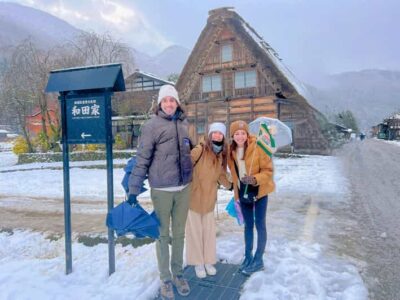
World Heritage Shirakawa-go Morning Guided Tour
Read our review →
Hiroshima Historical Walking Tour – Why A-Bomb was Dropped
Read our review →
Hiroshima Peace (Heiwa) Walking Tour at World Heritage Sites
Read our review →Browse the lists this tour appears in