
Reviewed · SAKE TASTING
Wagyu & Sake Pairing in Shinjuku – Steak, Shabu-Shabu & More
Wagyu plus sake, taught as you eat. In Shinjuku, you get menu help in Japanese and a guided tasting where multiple wagyu cuts are matched with different sake styles, with hosts such as Chi and Tadashi called out often for making the pairings easy to understand. It is a fun way to try more than one cut, more than one prep style, and more than one glass, without feeling lost in a Japanese menu.
One thing to plan for: the format is food-heavy and sake-forward, and the restaurant setup can feel tight. Also, vegan, vegetarian, and gluten free options are limited, and if you have allergies you need to message at least a week before, since last minute changes can’t be handled.
Key things that make this wagyu and sake night work
- Small group cap (max 8) means you are not shouting over a big crowd
- Sake pairings with each course so the meal has a clear theme, not random drinks
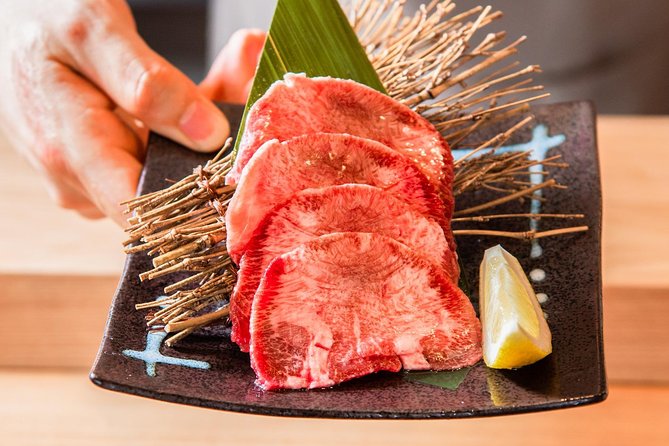
- Wagyu from multiple regions with different cuts like tongue, chuck, and sirloin
- Japanese menu deciphering help so you can order smarter later in Tokyo
- Take-home foodie tips tailored to what you liked during the tasting
- Original sake cocktails designed for wagyu add a modern twist to classic pairings
Finding Ushinobi Shinjuku and getting ready for the 6:00 pm flow
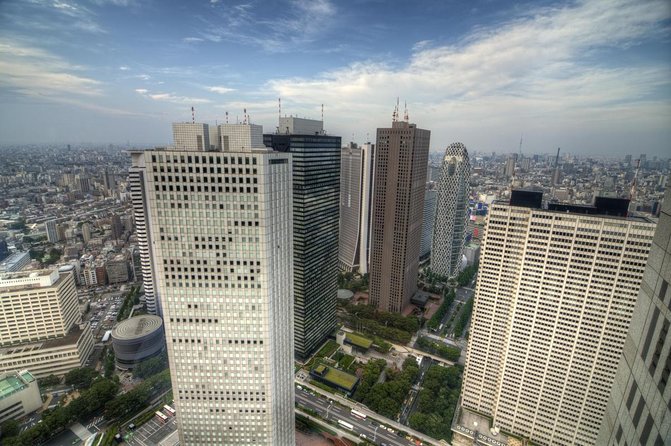
This experience starts at 6:00 pm in Shinjuku at Ushinobi Shinjuku, located in the NSK Building. You meet there, you eat there, and the tour ends back at the meeting point, so you do not have to think about a second location.
The practical upside: this is a 3-hour plan that fits well into a first-time Tokyo evening. Shinjuku is great for night food, but it can also be chaotic for first timers. Here, you show up, get oriented, and then the meal carries you.
You’ll also have a mobile ticket, which usually means less stress when you arrive. It is also “near public transportation,” so you should not be stuck with a long walk if you’re using trains or the metro.
More Food Tours in Tokyo
- Tokyo: Shinjuku Food Tour (13 Dishes at 4 Local Eateries)
★ 5.0 · 6,603 reviews - Tokyo Tsukiji Fish Market Food and Culture Walking Tour
★ 5.0 · 3,184 reviews - Tokyo: Shinjuku Food Tour (15 Dishes and 4 Eateries)
★ 4.9 · 2,033 reviews
The aperitif primer: wagyu and sake before the first bite
You begin by stepping into the restaurant with the team, and you get an aperitif made up of unique Japanese drinks. Then the host talks through what makes sake and wagyu worth learning, not just eating.
The big value here is the explanation of history and regional differences, in plain language. Wagyu is not one flavor. It is a set of traits tied to breed and how the animal was raised, plus how the cut is cooked. Sake is similar. Even if you already like sake, the way it is brewed and served changes the taste a lot.
You will also get a sense for the pairing logic, which helps you understand why each course is matched with a specific pour. This matters because otherwise, tasting feels like a blur. With the framework, you start noticing things like how fattiness responds to acidity, or how sweetness can calm heat and salt.
Wagyu full-course meal: you taste cuts and styles, not just one plate
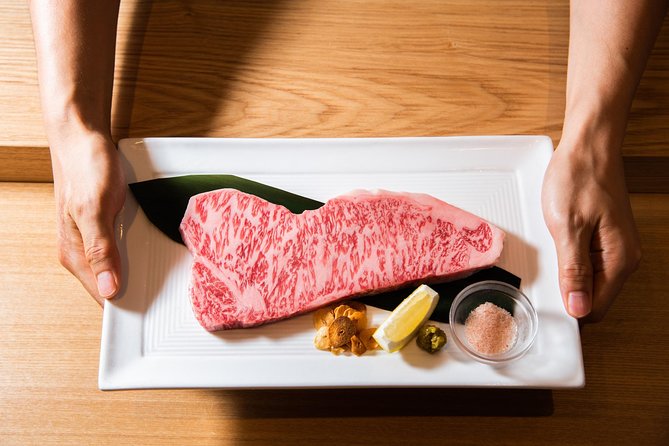
The core of the evening is a wagyu full-course meal. The tour describes sourcing different types of wagyu from multiple regions in Japan, and serving the best cuts available for your date. That last part is important: it means the menu is not totally fixed, but it is designed to give you range while still hitting top-tier quality.
You can expect a mix of traditional and more modern dishes, plus appetizers and dessert. One of the standout themes from the experience is that the courses keep coming, and they keep changing. You are not waiting through a long gap between tasting notes.
Here is how the example menu breaks down, and what to look for at each step:
Appetizers that set the tone
You start with two kinds of appetizers. The point is to get your palate warmed up for richer flavors, and to help you hear the host’s pairing explanations more clearly once sake starts arriving.
The menu example includes grilled wagyu beef tongue with an original sake cocktail. Tongue is savory and deeply meaty, so it tends to reward sake that can cut through fat while still staying flavorful.
Another appetizer example is wagyu chuck flap tataki, served warm with sake. Tataki is usually about quick searing and preserving the inside, so you get a mix of browned edges and tender interior. Pair it with warm sake and you often notice a rounder, softer feeling in the drink.
More Sake Tastings in Tokyo
- Ramen and Sushi Cooking Class with Sake Pairing Set in Tokyo
★ 5.0 · 291 reviews - Sake Tasting Masterclass in Shinjuku (8+ Varieties with a Pro)
★ 5.0 · 271 reviews - Sake Omakase in Tokyo: Guided Tasting by Certified Sommeliers
★ 5.0 · 239 reviews - Tasting All Types of Sake with Sommelier
★ 5.0 · 151 reviews
Seasonal salad, because you need a reset
A seasonal salad shows up next. This is not a token side. It acts like a palate reset so you can enjoy the later steak and hotpot without feeling stuffed too early.
It also gives you something lighter to compare against the heavier wagyu. If you pay attention here, you’ll notice how different textures change what your tongue thinks is “balanced.”
Sirloin steak with nigori sake: cloudy, creamy, and bold
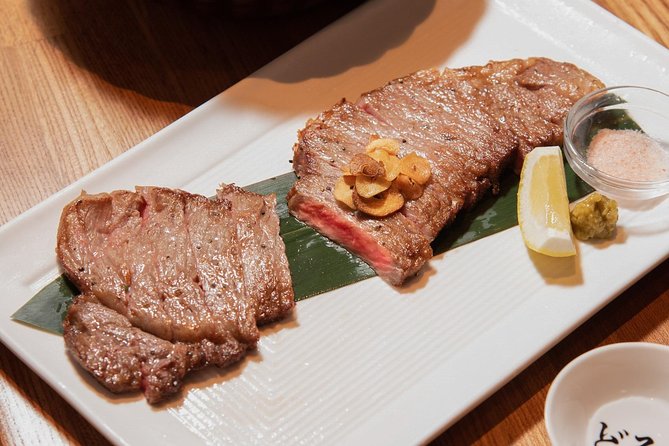
Next comes wagyu sirloin steak served with nigori sake. Nigori is the cloudy style, and it is often richer and creamier than clear sake. That matters with sirloin because you want a drink that can handle the meat’s structure and still carry flavor.
This is one of the moments where you can actually start “reading” the pairing. If the nigori tastes too heavy alone, you’ll probably find it makes sense once it hits the steak, especially alongside fat and umami.
In the reviews, people highlighted learning the wagyu grading system. Even if you only catch the highlights, this is when that knowledge pays off, because you can see how marbling and cut choice change the bite.
Hotpot style wagyu and unpasteurized sake: comfort with bite
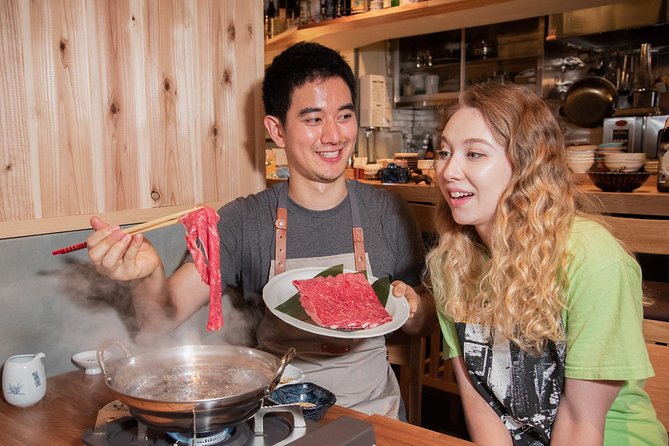
Then you move into wagyu chuck hotpot, paired with unpasteurized sake. Unpasteurized sake, often called nama, tends to feel fresher and a bit more alive on the palate, compared to pasteurized styles. With hotpot, that freshness can keep the meal from going overly heavy.
Hotpot also changes the experience compared to steak. Instead of one seared moment, you cook and sip together. That makes it easier to notice how broth and meat flavors build, especially when the sake is not just “another drink,” but part of the sequence.
Dashi udon: when the tour slows down and lets you savor
After the meaty highlights, you get wagyu dashi udon. Udon is gentle, starchy comfort. Dashi is all about umami. Together, they connect the wagyu flavors into something you can eat more slowly.
This is a smart move late in the meal. By this point, you are likely full, but udon gives you something familiar enough to keep enjoying without forcing more intense tasting notes.
Dessert with a sake surprise
The meal ends with dessert, described as sake with a surprise. This is the playful payoff. It also helps you see that sake is not just a savory pairing. Served the right way, it can feel sweet, soft, or gently aromatic.
If you have a sweet tooth, this is where you will probably understand why people think of sake as more than just an accompaniment.
The sake pairing style: why each pour feels deliberate
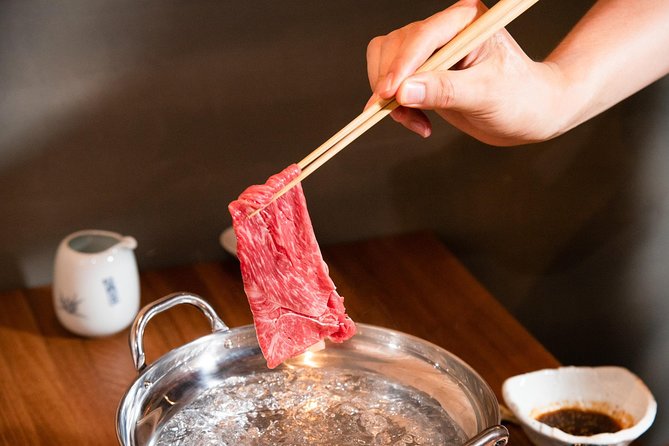
What makes this experience different from a typical dinner is that you get craft sake prepared in different ways for each wagyu dish. That means you are tasting variations in brewing and serving style across the night, not just ordering one bottle and calling it a day.
The format also includes some original cocktails designed specifically for wagyu. You do not have to treat them like science experiments. Just taste. Notice if the drink highlights saltiness, calms fattiness, or changes how the meat aroma reads.
From the experience description and the way people describe the night, you might try styles that include aged sake and fermented sake. If you are new to sake, this can feel like stepping from basic coffee into single-origin stuff, not because it is complicated, but because you start noticing small differences.
Also, there is a practical side. You’ll get help deciphering Japanese menus in the context of what you tasted, so you can order with confidence later. Many people leave Japan wanting to buy sake they liked, but not knowing what words mean. This evening gives you vocabulary you can actually use.
Group size and host energy: why the learning sticks
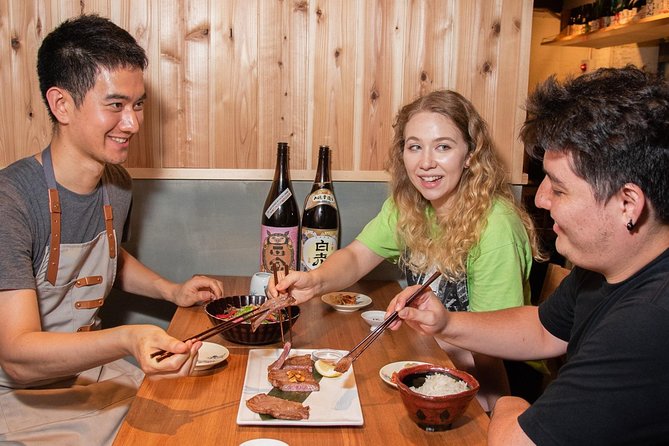
This is capped at 8 travelers, which changes the whole vibe. You can ask questions without the host feeling rushed, and it is easier to hear the explanations. It also means the table-to-table flow is smoother, especially when multiple dishes and sake pours arrive in sequence.
Another theme is host personality. Names that come up include Chi, Tadashi, Joe, Andrea, and Miyuki. The common thread is that they explain the meat and sake in a way that connects to what you’re holding in front of you.
If you like food education but hate feeling lectured, this format tends to work. The talk is tied to what you are eating. You are not just collecting facts. You are building taste memory.
How much food and how to pace it
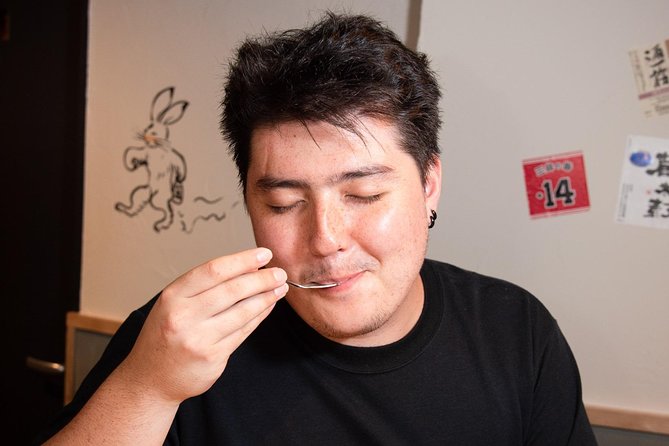
A big heads up: you should bring your appetite. The courses are multiple, and the meal is described as more food than you would eat with just your group. With sake pours layered in, the pace can feel quick in a good way, but you will want to manage expectations.
My advice is simple: eat slowly at the first course. If you speed through, you’ll feel it later during hotpot and udon. Also, take sips between bites, not during one long chewing session. You will get more from the pairing if you reset your palate often.
Because “additional drinks other than sake pairings” like beer are not included, you’ll also want to decide early how much you want beyond the scheduled sake. If you’re the type who might add cocktails, set a small budget so you don’t get surprised mid-meal.
Dietary needs and allergies: what you can count on
This tour is “most travelers can participate,” but there are limitations. Vegan, vegetarian, and gluten free options are limited, and you need to message at least a week before if you have restrictions. The info is direct that last minute requests can’t be accommodated.
If you are gluten free, double-check what limited means for your specific needs. Since the tour data only says options are limited, you should treat this as a “confirm carefully” situation rather than a guaranteed match.
If you have allergies, do not wait. Write the details clearly and give the team time to plan. The good news is that the process exists, and the experience notes allergy accommodations are something the team can handle with notice.
Where value really shows up in the $148.65 price
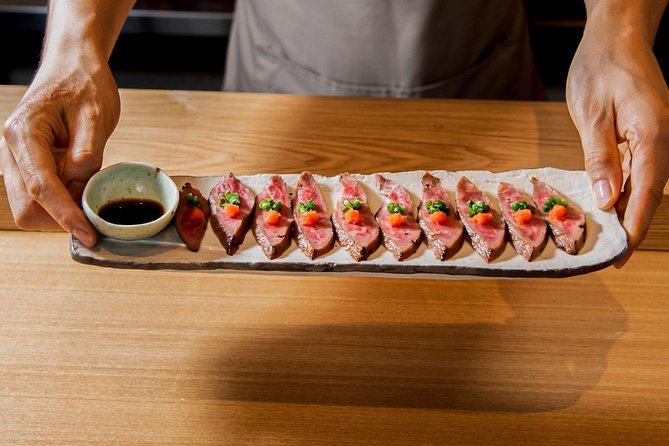
At $148.65 per person, this is not a cheap meal. But wagyu and sake together can get expensive fast, and the evening is designed as a full course with multiple dishes and sake pairings.
Here’s where the value lands:
- You get multiple wagyu cuts from different regions, including steak and hotpot style courses
- You get sake pairings made for each course, not a free-for-all drink menu
- You get menu help in Japanese, plus take-home foodie tips for the rest of your trip
- The small group size makes the meal feel guided, not just served
If you tried to recreate this on your own, the hard part would not just be finding a good restaurant. It would be finding multiple wagyu cuts, ordering the right sake styles, and understanding the labels. This tour handles the ordering friction and gives you meaning while you’re eating.
A practical way to judge it: if you plan to do at least one serious wagyu meal plus a few sake tastes anyway, this starts looking like a packaged path to the same goal, with less guesswork.
Who this Shinjuku wagyu and sake pairing suits best
This works especially well for:
- First-time visitors who want a structured introduction to sake and wagyu
- Foodies who like learning while they eat, especially when the explanation connects to each course
- People who want a guided way to navigate Japanese menus without relying on translations alone
- Anyone who wants a small group dinner in Shinjuku that feels special but still practical
If you hate heavy meals, or you do not drink sake, this might be harder to enjoy because the experience is built around sake pairings at each stage. If you have dietary restrictions, plan ahead and confirm options early, since vegan and gluten free choices are limited.
Should you book this wagyu and sake pairing tour?
I’d book it if you want a Tokyo meal that teaches you something you can use again, and you like the idea of tasting multiple wagyu cuts paired with different sake styles in a guided sequence. The combination of menu help, take-home tips, and course-by-course pairings makes it feel like more than just dinner.
I would think twice if you are very sensitive to tight restaurant seating, or if you need vegan or gluten free options and you cannot be flexible. Also, if you’re allergy-prone, send your details well in advance, since last minute changes are not guaranteed.
If you want a strong Shinjuku foodie evening that pairs steak, hotpot style wagyu, and sake with real pairing logic, this is a smart choice.
FAQ
How long is the wagyu and sake pairing in Shinjuku?
It runs for about 3 hours.
What time does the tour start, and where do I meet?
It starts at 6:00 pm at Ushinobi Shinjuku, NSK Building, 201, 1-chōme-22-1 Hyakuninchō, Shinjuku City, Tokyo 169-0073, Japan.
What is included in the price?
The experience includes the full course meal, with sake pairings served as part of the tasting.
Are drinks like beer included?
No. Additional drinks other than the sake pairings, such as beer, are not included.
How many people are in the group?
The maximum group size is 8 travelers.
Is this tour suitable for vegan, vegetarian, or gluten free diets?
Vegan, vegetarian, and gluten free options are limited, so it may be challenging depending on your needs.
Can the team accommodate allergies?
You need to message with food restrictions at least a week before your tour date. The provider says they cannot accommodate last minute food requests.
What is the cancellation policy for this experience?
You can cancel for a full refund if you cancel at least 24 hours before the experience starts. If you cancel less than 24 hours before, the amount paid is not refunded.
More Drinking Tours in Tokyo
- Tokyo Bar Hopping Tour in Shinjuku (All-You-Can-Drink + Dinner)
★ 5.0 · 3,587 reviews - Best of Shinjuku: Izakaya Food Tour (4 Stops, 14+ Tastings)
★ 5.0 · 1,863 reviews - Tokyo: Shinjuku Local Bar and Izakaya Guided Walking Tour
★ 4.9 · 1,794 reviews - Shibuya Meltdown Nightlife Tour: All-You-Can-Drink Bar Hopping
★ 5.0 · 1,058 reviews
More Wagyu & Kobe Beef Experiences in Tokyo
- Tokyo Night Foodie Tour in Shinjuku – Seasonal Sushi, Wagyu Beef
★ 5.0 · 1,161 reviews - Tokyo: Wagyu and 7 Japanese Dishes Cooking Class
★ 4.9 · 273 reviews - Small-Group Wagyu Beef and 7 Japanese Dishes Tokyo Cooking Class
★ 5.0 · 190 reviews - Tokyo Wagyu & Sake Pairing Tasting Experience with Local Flavors
★ 5.0 · 108 reviews
Fresh options around Tokyo
- Tokyo: Nagano Snow Monkeys and Zenkoji Tour with Temples★ 4.9 · 19 reviews
- Yokohama Port: Private Customizable Tour with Transfer★ 5.0 · 19 reviews
- Explore Unique Tokyo Streets / Learn with a Pro Photographer★ 5.0 · 19 reviews
- Sushi Making with Interactive Samurai Experience at JIN-ASAKUSA★ 5.0 · 19 reviews
- DAIKOKU excursion by car DRIFT automobile encounter★ 4.5 · 19 reviews
- Official Street Go Kart Tour Akihabara 2nd★ 5.0 · 19 reviews
- Cosplay Experience with Professional Makeup and Photo Shoot!★ 5.0 · 19 reviews
- Tokyo: Name Seal & Pouch or Tote Bag Making Experience★ 4.5 · 19 reviews
Sake Tasting, compared.
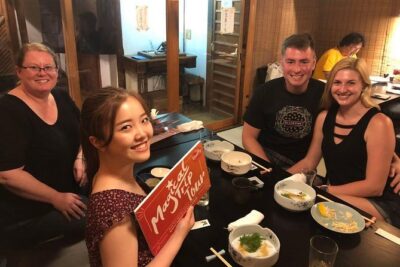
Kyoto Night Foodie Tour in Gion (9+ dishes + 6 Sake tastings)
Read our review →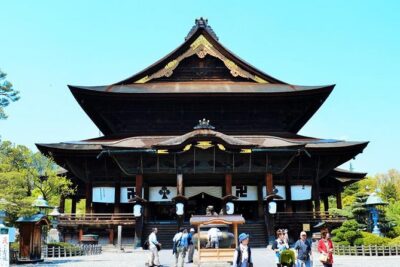
1-Day Snow Monkeys, Zenko-ji Temple & Sake in Nagano
Read our review →
3-Hour Kyoto Insider Sake Brewery Tour with Tastings & Pairings
Read our review →
Arashiyama Bamboo, Temple, Monkeys, or Secret Sake Brewery
Read our review →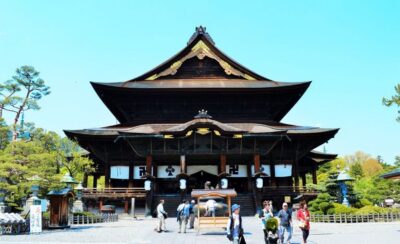
Nagano: Snow Monkeys, Zenkoji Temple & Sake Day Trip
Read our review →
Insider Sake Brewery Tour with Sake and Food Pairing
Read our review →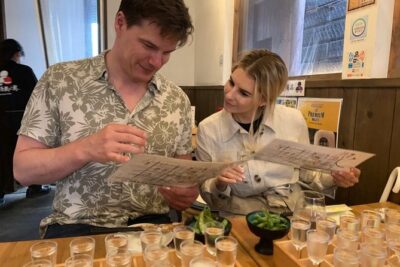
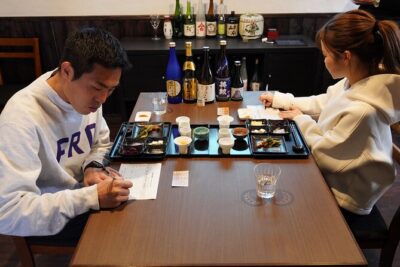
1.5-Hour Kyoto Insider Sake Experience with 7 Tastings & Pairings
Read our review →Browse the lists this tour appears in