
Reviewed · COOKING CLASSES
Tokyo: Wagyu and 7 Japanese Dishes Cooking Class
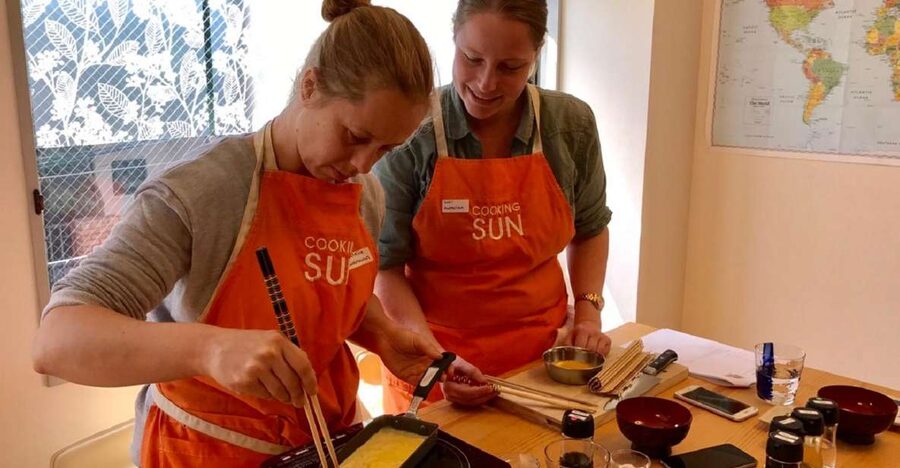
Wagyu beef, taught step-by-step in Tokyo. That focus on Wagyu flavor is the heart of this class, and you learn how to build a whole Japanese meal around it, not just cook one dish. I especially liked how the cooking feels practical and calm, with English guidance and a friendly pace.
Two things I really liked: the class runs as a small group (limited to 8), so you can actually follow along, ask questions, and get help when you need it. Plus, you leave with recipes and sensible tips you can use at home, not vague inspiration.
One consideration before you book: the studio sits in a residential area and is a little tricky to find, and there is no hotel pick-up or transportation included. If you hate navigating small streets on foot, plan extra time for the meeting point.
Key moments people love
- Wagyu as the centerpiece, with a taste that feels tender and restaurant-level.
- English-speaking instruction step by step, with plenty of explanations as you cook.
- A homey, clean studio setup, organized well for hands-on work.
- Dashi and miso foundations from scratch, so you understand the flavor engine.
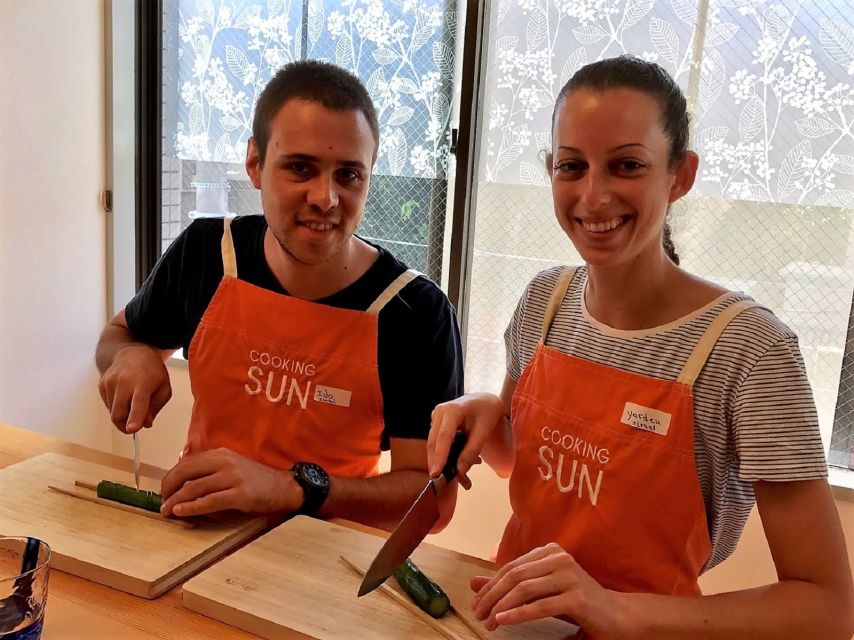
- A full-course outcome, from savory dishes to a Japanese sweet.
- Recipes to take home, plus tips for substitutions and buying ingredients abroad.
A Tokyo cooking class that feels like a real meal, not a demo
This class is built around a simple idea: cook as a group, then sit down and eat what you made. In Tokyo, you can easily spend a day hopping from restaurant to restaurant. Here, you do the opposite. You stay put in one kitchen, learn the logic behind Japanese flavors, and then enjoy the results while everything is still at its best.
What makes it work is the tone. The studio atmosphere is described as warm and welcoming, and the instructors guide you in a way that keeps the class moving without rushing. Names that come up in past sessions include Kaori, Bifuka, Aya, and Yuki (with references to Yuki and Yuko). When you hear that kind of consistency, it usually means the teaching is organized, not improvised.
And yes, the Wagyu is the big moment. But it is not treated like a fancy extra. It is used as a gateway to understand how Japanese cooking balances sweetness, salt, umami, and texture.
More Cooking Classes in Tokyo
- Ramen & Gyoza Cooking Class in Tokyo with Local Supermarket Visit
★ 5.0 · 823 reviews - Tokyo: Easy Ramen Cooking Experience in Kabukicho, Shinjuku
★ 4.6 · 321 reviews - Ramen and Sushi Cooking Class with Sake Pairing Set in Tokyo
★ 5.0 · 291 reviews
Price and value: why $67 can be a bargain in Tokyo
At $67 per person for about 3 hours, you are paying for more than a meal. You are paying for ingredients, utensils, recipe handouts, and the structure that helps beginners succeed.
Here is the value breakdown that matters in real life:
- You get the ingredients and tools. No guessing, no last-minute shopping to recreate the class at home.
- You get towel and apron rental. Small thing, but it removes friction.
- You get a welcome tea. It signals this is a proper hosted experience, not a quick handoff.
- You get recipes to take home. That is the difference between eating something great and learning something you can repeat.
Where you should be realistic: transportation is not included, and there is no hotel pick-up. If you are staying far from Shinjuku or you are traveling with a heavy bag, that can add time and cost. But if you can get there on your own, the pricing looks fair for what you actually produce, which is a full-course spread.
Also, with a rating of 4.9 from 273 reviews, the signal is clear. This is not a random cooking class with a lucky menu. The food, teaching, and organization tend to land well.
The studio reality: residential Tokyo, and directions that matter
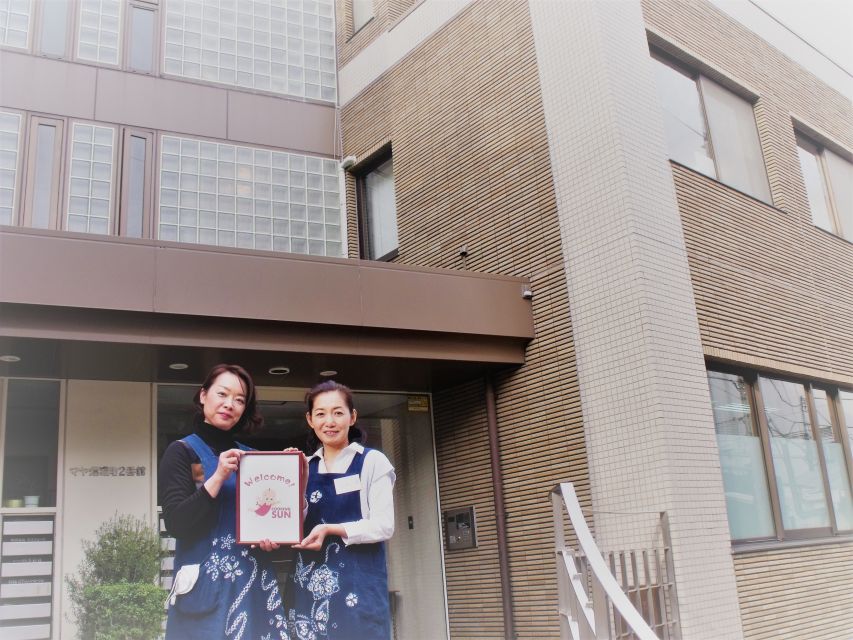
This is one of those Tokyo activities where being early is not just polite, it helps you enjoy the class more. The studio is in a residential area, on the 2nd floor of a beige residential building, and you enter through the right-side door. At the entrance, you press 314 on the intercom.
If you have Wi-Fi, use Google Maps and search for Cooking Sun Tokyo (Shinanomachi 18-39, Shinjuku-ku, Tokyo). If you do not, do your route planning before you leave. The instructions also point you to check the more detailed directions online.
The practical takeaway: build in buffer time for getting your bearings. Once you are inside, the experience is very smooth, with a clean space and a well-prepped setup for cooking.
Inside the class: small group cooking with real teaching moments
The group is limited to 8 participants, and you feel that difference. In a larger class, you might do the motions while someone else leads. Here, instructors can actually watch what you are doing.
A common praise is that teaching is clear and organized, with step-by-step help. Another is that equipment is good, including knives and pans, plus a tidy, clean working environment. That matters because Japanese cooking often depends on small technique details, like cutting and managing heat.
You will also hear background stories as you cook. That is not fluff. When you understand why a dish is built the way it is, your at-home attempts improve. People also mention that the instruction balances hands-on cooking with some ingredients being pre-prepared, which keeps the class doable within 3 hours.
A few more Tokyo days worth comparing
- Tokyo Night Foodie Tour in Shinjuku – Seasonal Sushi, Wagyu Beef
★ 5.0 · 1,161 reviews - Small-Group Wagyu Beef and 7 Japanese Dishes Tokyo Cooking Class
★ 5.0 · 190 reviews - Wagyu & Sake Pairing in Shinjuku – Steak, Shabu-Shabu & More
★ 5.0 · 112 reviews - Tokyo Wagyu & Sake Pairing Tasting Experience with Local Flavors
★ 5.0 · 108 reviews
Building blocks of Japanese cooking: dashi and the flavor engine
One of the most valuable parts of this class is the focus on foundations. You do not just learn what to eat. You learn how the flavor is made.
Dashi, the Japanese soup stock, comes up as a highlight. In past sessions, people mention making dashi from scratch for miso soup. If you have ever tasted miso soup and wondered why it is so comforting and deep without tasting like meat, dashi is usually the answer.
In a practical sense, this section trains your sense of balance:
- When to add ingredients
- How to manage simmering
- How to think about umami and seasoning
Even if you do not become a kitchen scientist, you will walk away understanding what to buy and how to use it. And if you want to substitute ingredients abroad, the class is set up to help with that kind of reality check.
Wagyu main event: the hotpot lesson that makes flavor stick
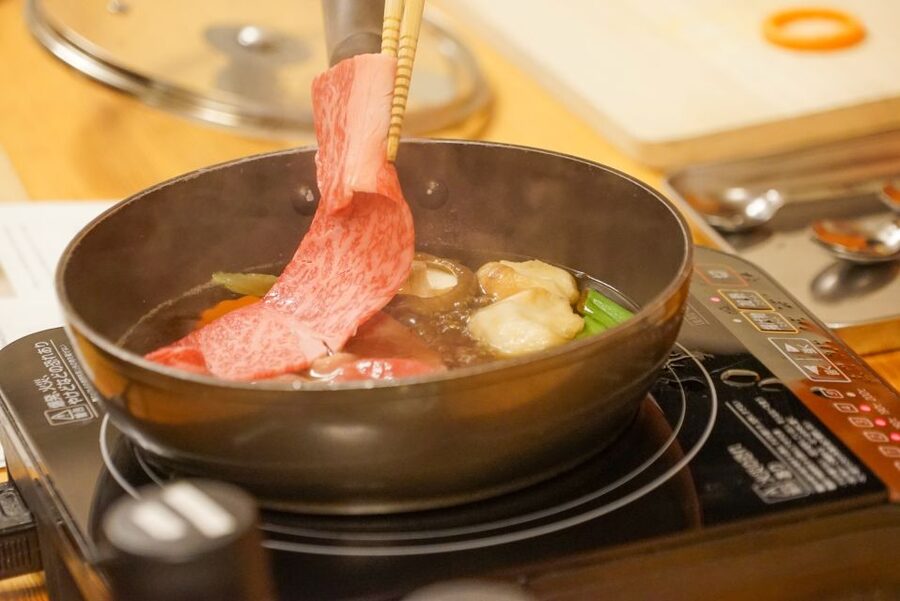
The Wagyu portion is the headline for a reason, and it is usually the most fun part of the meal. People describe the Wagyu as tender and juicy, often comparing it favorably to meals eaten out in Japan.
But the point is not just that the meat is good. You also learn how Japanese cooking turns that meat into something greater. In past menus, sukiyaki style Wagyu hotpot comes up, which is a smart choice for a class because it teaches:
- How to control heat so meat stays tender
- How sauces and seasonings cling to food
- How to time the cooking of different ingredients
Sukiyaki is forgiving, and that is why it works for beginners. It lets you focus on technique and timing rather than complex knife work or delicate plating.
Savory dishes you actually cook: from omelette to tofu and edamame
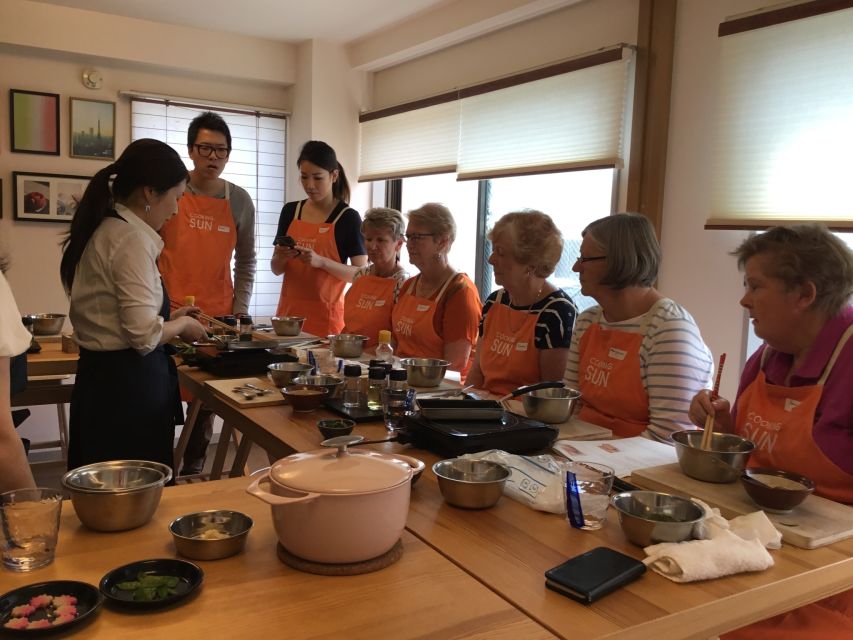
This class aims for variety, and you get a mix of textures and methods. Based on menus people shared from past sessions, you may make items like:
- Rolled Japanese egg omelette (tamagoyaki)
- Sesame potato salad
- Cucumber salad cut in an accordion style
- Tofu stuffed with a savory ground filling that includes ginger and edamame
Why this variety matters: Japanese home meals are rarely one-note. They balance warm and cool dishes, soft and crisp textures, and different levels of seasoning. When you cook several dish styles in one session, your brain starts connecting the dots.
Also, these dishes teach useful “repeatable” skills:
- How to roll omelette without panic
- How to cut vegetables neatly for better bite and presentation
- How to handle stuffing and fillings without everything falling apart
People also mention that the class is beginner-friendly. That usually means the steps are broken down and the stations are set up so you are not standing around waiting for someone else to finish.
The dinner table part: you eat your work while it is still right
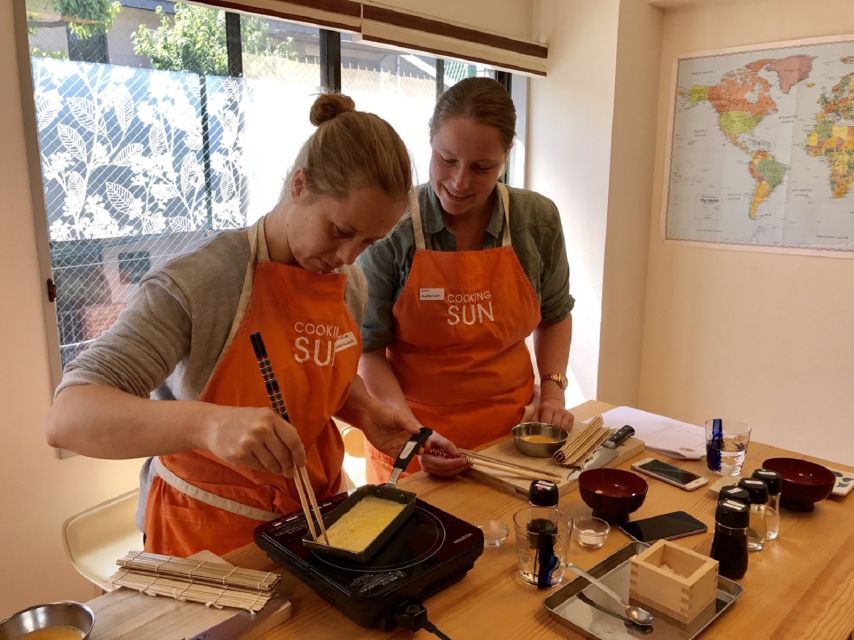
One of the underappreciated perks here is that you do not cook and then leave. You cook and then you eat. That matters because Japanese dishes often hit their peak right after cooking.
Once the meal is ready, you sit down and enjoy it as a full course. You will get the satisfaction of seeing how all the flavors work together, not just judging each dish in isolation.
Even the best cooking class is just training until you taste the final result. Here, the tasting is part of the learning loop.
And yes, people consistently talk about how delicious everything is, not just the Wagyu. Fresh ingredients, clean prep, and a recipe structure that actually works at home are recurring themes.
The sweet finish: dorayaki teaches the fun side of Japanese cooking
Japanese classes often skip dessert because it can get tricky. This one reportedly includes Japanese sweets, and dorayaki comes up specifically.
Dorayaki is a great learning dessert because it is playful but not untouchable. You can practice batter mixing and cooking timing, then taste the payoff immediately. It also gives you a break from savory cooking while still using Japanese flavor logic.
If you are only used to Western desserts, dorayaki helps you realize that Japanese sweets are often built from pantry ingredients and technique, not fancy equipment.
Recipes and take-home tips: what you can realistically repeat at home
The best part of any cooking class is whether you can reproduce it. Here, you take the recipes with you, and instructors share practical tips that reduce guesswork later.
People mention learning key flavor distinctions, like the difference between red miso and white miso. That kind of insight is gold because miso is one of those ingredients that looks similar on a shelf, but acts differently in real cooking.
There is also explicit support for substitutions when you have dietary needs. If you have food allergies, a gluten-free requirement, religious dietary restrictions, or you prefer vegetarian meals, you can request ingredient swaps. You need to inform the team when booking.
So if you are planning to cook again after the class, this structure gives you a map. You are not left with only memories and a vague craving.
Who should book this cooking class in Tokyo
This is a strong choice if you want:
- A hands-on Japanese cooking skills session, not just a food tour
- A full-course meal outcome that you eat together
- English-speaking instruction in a small group
- A foundation in staples like dashi and miso, plus meat and dessert
It is also a good fit for solo travelers, including people who want a structured activity where you are working side by side with others and not stuck scanning a menu alone.
If you are an advanced chef, you might find the techniques mostly approachable rather than intensely technical. But even then, the value is in learning Japanese home-style logic and taking recipes you can repeat, quickly.
Should you book this Wagyu and 7 Japanese Dishes class?
Yes, if you want a practical Tokyo food experience where you cook, learn, and eat a complete meal in one sitting. The $67 price makes sense because you are getting recipes, ingredients, utensils, and guided teaching in a small group.
Book this early in your trip if you want it to sharpen how you order and judge Japanese food afterward. And do yourself a favor, plan how you will get to the residential studio, because you do not want finding the right door to steal your energy.
If your main goal is sightseeing by bus and you do not want to cook at all, then skip it. But if you want the kind of Tokyo day you can remember in your own kitchen, this one is an easy yes.
FAQ
How long is the Wagyu and 7 Japanese Dishes cooking class?
The class duration is listed as 3 hours.
What is included in the price?
The price includes recipes, all ingredients and utensils, towel and apron rental, and welcome tea.
Is hotel pick-up or transportation included?
No. Hotel pick-up and transportation are not included.
Is the class taught in English?
Yes. The instructor teaches in English.
How big is the group?
The class is limited to 8 participants.
Can you accommodate dietary restrictions or allergies?
Yes. The studio says they are happy to substitute ingredients as needed, but you should inform them of any dietary requirements when booking.
Where do I meet for the class?
The studio is in a residential area on the 2nd floor of a beige residential building. You use the right-side door at the entrance, and to call you press 314 on the intercom. If you have Wi-Fi, search for Cooking Sun Tokyo (Shinanomachi 18-39, Shinjuku-ku, Tokyo) in Google Maps.
Will I receive recipes to take home?
Yes. Recipes are included, and you take them with you after the class.
Fresh options around Tokyo
- Tokyo: Nikko Kegon Falls Lake Chuzenji Toshogu Temple & More★ 4.9 · 12 reviews
- Tokyo: Samurai History Walking Tour★ 5.0 · 12 reviews
- Harajuku: Kawaii Fashion and Pop-Culture Tour★ 4.7 · 12 reviews
- Tokyo: Mt. Fuji & Lake Kawaguchi Instagram Full Day Trip★ 4.1 · 12 reviews
- Shibuya Tokyo: Modern Kintsugi Workshop in Shibuya★ 5.0 · 12 reviews
- Tokyo: GTR Guided Daikoku Experience at Night★ 5.0 · 12 reviews
- Tokyo: Daikoku JDM Car Culture Tour★ 4.6 · 12 reviews
- Mt Fuji Private Day Trip from Tokyo with English speaking driver★ 5.0 · 13 reviews
Cooking Classes, compared.

Ramen Cooking Class at Ramen Factory in Kyoto
Read our review →
Ramen & Gyoza Cooking Class in Tokyo with Local Supermarket Visit
Read our review →
Ramen Cooking Class at a Ramen Factory with Souvenir
Read our review →
Japanese Washoku Bento Small Group Cooking Class
Read our review →
Easy Ramen Cooking Experience in Kabukicho, Shinjuku
Read our review →
Ramen and Sushi Cooking Class with Sake Pairing Set in Tokyo
Read our review →Browse the lists this tour appears in