
Reviewed · SUSHI MAKING CLASSES IN TOKYO
Private Sushi Making with a Sushi Master
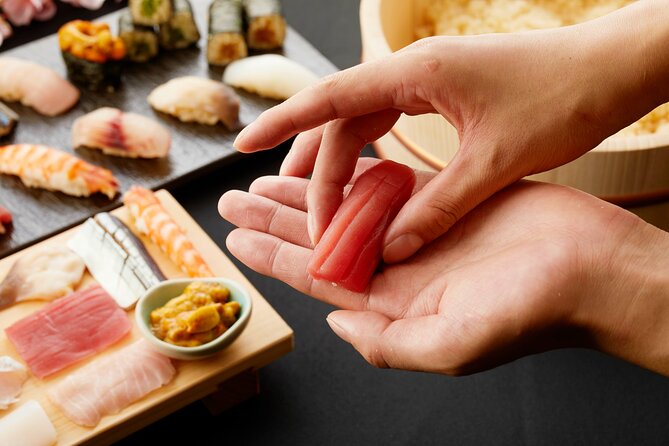
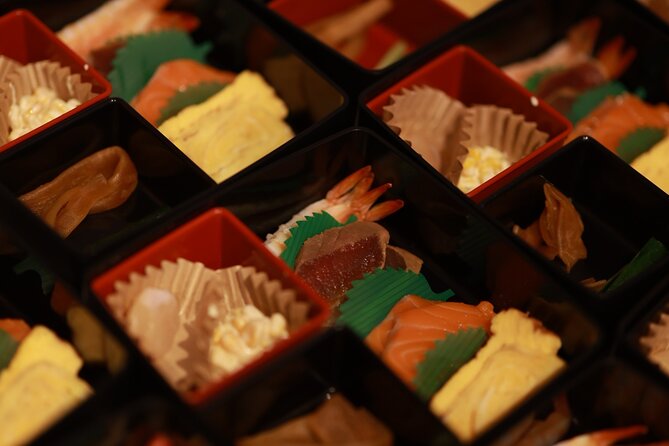
Sushi making gets personal fast. This private workshop in Tokyo places you at a Michelin-starred sushi restaurant with a sushi master, so you learn technique while you watch the real thing. I like that you make three styles, nigiri, maki, and gunkan, then eat what you build.
The main thing to consider is timing, the class follows a strict no-show rule if you do not contact them right after the start time.
You also get more than rolling practice. Expect a quick sushi history intro, a quiz to check your understanding, and a fun photo moment with your sushi so the experience feels complete. My one caution: at this price point, you will want to be ready to eat well, not just snack, because the class ends with a freshly prepared meal.
Key highlights at a glance
- Michelin-starred setting: workshop happens inside a top sushi restaurant, not a casual demo room
- Three sushi styles: you make nigiri, maki, and gunkan so you learn different fundamentals
- Quiz and history check-in: you get tested briefly, which makes the lesson stick
- Private group attention: one group, guided closely by the sushi master
- Photo shoot with your creations: you leave with proof you made it, not just a memory
Michelin-starred sushi lesson, right where you can taste it
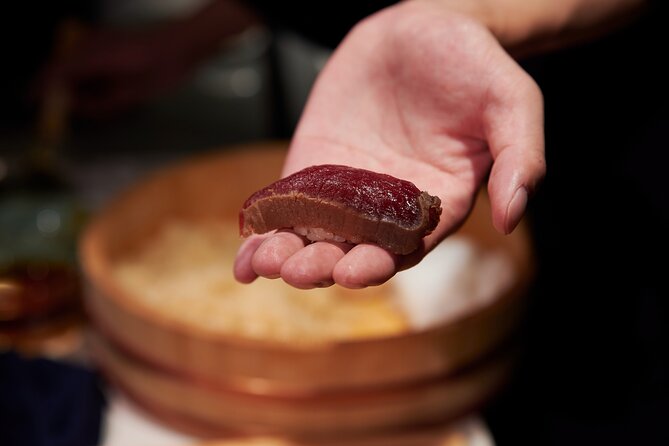
This experience is built for people who want more than a ticketed meal. The workshop runs in a Michelin-starred sushi restaurant, and that matters because you are learning in the same kind of environment where small details are taken seriously: fish quality, rice texture, and the flow of making sushi.
You meet at A-PULSE AZABU STUDIO in Nishiazabu (Minato City). It is near public transportation, which helps if you are fitting it between sightseeing blocks. The activity ends back at the meeting point, so you are not left figuring out a complicated transfer after your meal.
The format is also genuinely reassuring for nervous first-timers. It is a private experience, meaning only your group participates. That usually leads to better pacing, fewer distractions, and more chances to ask follow-up questions when something feels tricky.
More Sushi Making Classes in Tokyo
- Sushi Making Tokyo Roll and Authentic Japanese Sushi Class
★ 5.0 · 3,971 reviews - Tokyo: Roll and Authentic Sushi Making Class in Asakusa
★ 4.9 · 1,957 reviews - Make Sushi and Create Unforgettable Memories in Tokyo
★ 5.0 · 1,413 reviews
What you will make: nigiri, maki, and battleship-style gunkan
The workshop is designed around three recognizable categories of sushi. That is great value for your time because each one teaches a different skill.
Nigiri, the classic fish and rice balance
Nigiri is the slice of fish on top of rice. In practice, you learn how the fish sits on the rice and how to handle portions so the rice stays fluffy and cohesive, not mushy. The goal is balance: rice structure plus clean fish contact.
Maki, the roll technique you can repeat later
Maki is the seaweed-wrapped roll. This part is where technique shows. You will learn how to work with the ingredients without overstuffing, and how to roll so the seaweed stays snug. Even if your first attempt is imperfect, you leave knowing what to focus on next time.
Same corner of Japan, a different kind of day:
- Mt Fuji and Hakone 1-Day Bus Tour Return by Bullet Train
★ 5.0 · 26,383 reviews - 1-Day Tokyo Bus Tour
★ 5.0 · 14,250 reviews - Tokyo: TOKYO SKYTREE® Admission ticket
★ 4.5 · 11,192 reviews - Tokyo: teamLab Planets TOKYO Digital Art Museum Entry Ticket
★ 4.6 · 9,779 reviews
Gunkan, battleship-style sushi with a seaweed collar
Gunkan, also called battleship-style, is wrapped with seaweed and topped with ingredients. The big lesson here is shape and control. You create a container with seaweed so toppings hold correctly, which is different from rolling a neat maki cylinder.
Across all three, your sushi master selects ingredients and keeps them in pristine condition. That means you are not just learning the motions, you are learning what quality looks and tastes like in the final product.
The 1 hour 45 minutes flow, from sushi history to your finished plate
The class runs about 1 hour 45 minutes. It follows a clear arc, starting with context and building toward hands-on sushi making, then ending with eating and photos.
Here is the typical flow:
- Introduction to sushi history
You get a short orientation to how sushi developed and what people historically valued. This is not a long lecture, it is a quick framework so you understand what you are making, not just how.
- Quiz time
You get quizzed as part of the lesson. It feels light and fun, but it does a useful job: it highlights what you should pay attention to when you are working with fish and rice.
- Sushi master demonstration
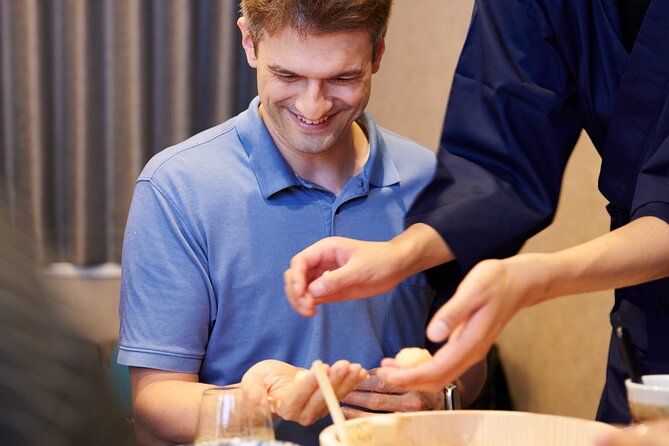
You watch the sushi master put steps together. This is where you see how they handle rice, portion fish, and keep the sequence smooth. I like this part because it helps you avoid guessing.
- Hands-on sushi-making
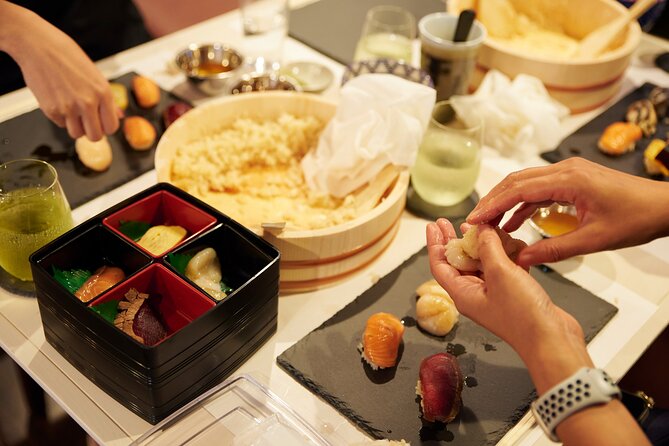
This is your turn. You make three types of sushi during the workshop, not just one. If you are the type who learns by doing, this is the section you will care about most.
- Photos and eating your creations
You get time for photos, then you enjoy the sushi you made. Come hungry is not a vague suggestion, the class ends with a freshly prepared meal that is part of the experience.
One more useful note: the class includes a playful photo shoot with your creations. It turns the workshop into something you can remember visually, not just taste.
Meet the sushi master, and why precision is the whole point
The sushi master role is not just about showing you how. It is about teaching you what to correct when you get something wrong.
From recent experiences, the instruction style leans toward friendly guidance with high standards. One solo guest called out how helpful the instructor was and how the chef brought passion and precision to every bite. Another person specifically mentioned Rin as helpful and Chef Riku as a star, which matches the vibe you should expect from a top kitchen setting.
You will learn practical skills like slicing raw fish and selecting seasonal ingredients. That is the core of sushi technique: fish quality plus pairing and timing. When the ingredients are chosen carefully and prepared properly, it gives you a clearer target. You are less likely to blame yourself when the fish tastes off, because the ingredient baseline is high.
Also, because the experience is private, you can ask questions in real time. That reduces the frustration that can happen in larger group classes when you have to wait your turn.
The finished meal, photos, and what you can actually take home
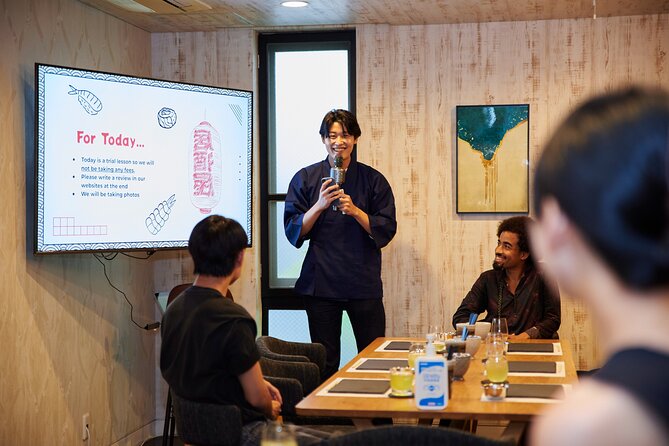
This class ends with you eating what you made. That is the best part for me, because you get instant feedback: the rice texture, seasoning balance, and the way each sushi style should taste together.
The photo shoot also matters more than it sounds. Sushi is visual. If you roll a maki that looks uneven, the photos show you what to adjust next time, like how tightly you rolled or how the filling sat. If your nigiri feels tall or flat, the picture helps you see portioning differences.
And there is another practical element: you typically leave with a recipe note or instructions the team shares during the class. One guest mentioned a recipe they received, and asked how it went later, which suggests the experience aims to help you repeat the craft at home.
If you are hoping to cook in your own kitchen after, this is one of the stronger “skills transfer” options. You are not just tasting sushi while someone else works.
English-friendly, allergy-aware, and friendly for solo diners
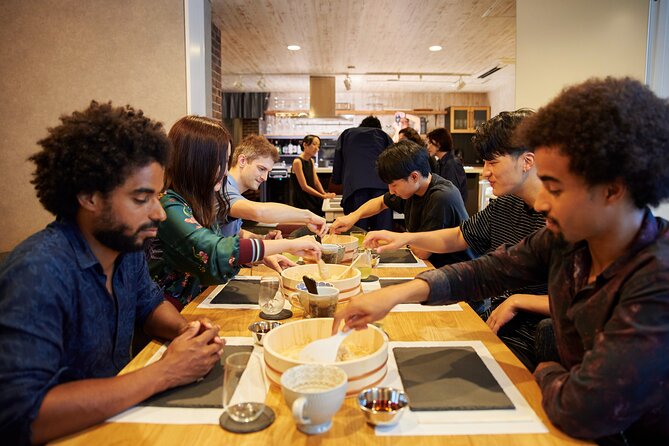
Good sushi lessons should not be locked behind language barriers. This experience is led by staff who speak English clearly. Multiple past participants highlighted excellent English communication, which means you can understand the why behind each step, not only copy the motions.
Dietary restrictions are also supported. The class is allergy-friendly and can accommodate vegetarian, vegan, gluten-free, and other dietary needs. That is a big deal if you need ingredient substitutions, because sushi can be ingredient-heavy. You will want to mention your needs when you book so the kitchen can prepare thoughtfully.
Solo is welcome here too. At least one solo guest enjoyed the experience as a chef, which signals that the workshop does not feel awkward or watered down for individual participants. The private format also helps solo diners feel included rather than shuffled into the background.
Logistics that matter: meeting point, mobile ticket, and the no-show rule
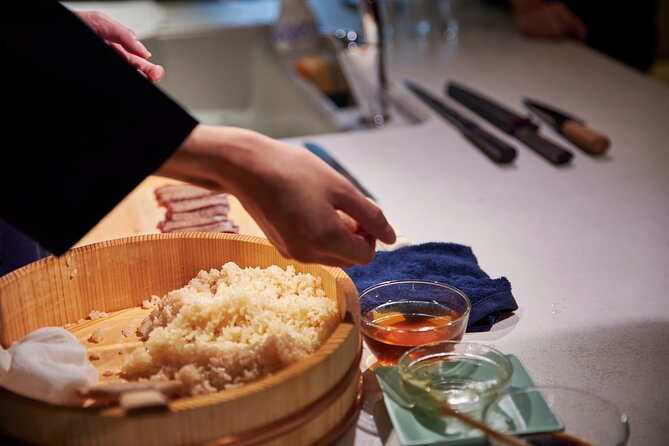
You meet at A-PULSE AZABU STUDIO (Nishiazabu, Minato City). It is in a central area with public transportation nearby, which makes it easier to line up with your day.
You also use a mobile ticket. That usually simplifies entry, since you can keep everything on your phone.
The one operational detail you should take seriously is the no-show policy. If they do not receive contact from you within 5 minutes after the scheduled start time, your reservation can be treated as a no-show with no refund. That is strict, but it is also predictable.
The good news is they have shown flexibility when you communicate. One recent guest had a flight delay into Narita and arrived an hour late, and the team was kind and accommodating. The takeaway for you: if you think you might be late, message them right away so you do not get caught by the 5-minute window.
Price and value, the real reasons $130.81 can make sense
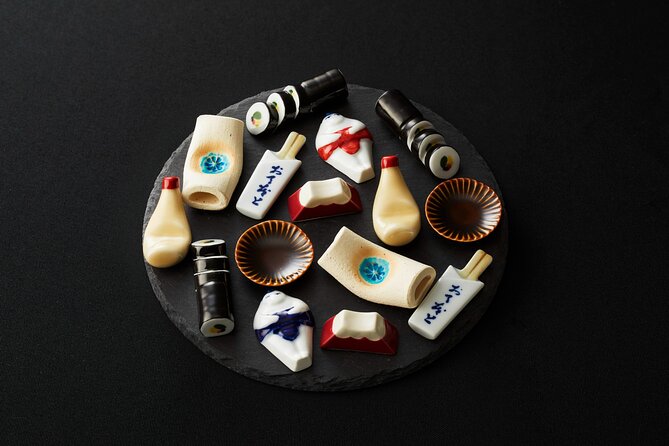
At $130.81 per person, you are paying for more than a hands-on class. Here is what you get that supports the price.
- Michelin-starred venue access
Workshops at top-level restaurants cost more because the environment, time, and ingredients are premium.
- A sushi master who guides three different styles
You practice multiple techniques in one session, so you get more skills per hour.
- Quality ingredients and a full meal
You are eating the sushi you make. The meal ending is part of the package, so you are not paying extra for dinner nearby.
- Private format
Private attention usually costs more than a public group class because the instructor time is focused on your group only.
- Extras that improve the experience
The quiz and history intro keep it interesting, and the photo shoot helps you remember it.
If you compare this to a standard sushi meal, you are also paying for instruction and hands-on time. If you compare it to other workshops outside major restaurants, you are paying for the Michelin setting and a guided craft approach that feels closer to real sushi work than a casual demo.
Demand seems high for this exact experience, which is a practical sign to book early if your dates are fixed.
Who should book this Tokyo sushi-making workshop
This is a great fit if you want:
- A hands-on class where you actually make three types of sushi, not watch mostly
- Instruction in a Michelin-starred sushi setting
- English communication and help with dietary restrictions
- A structured 1 hour 45 minutes experience that includes history, quiz, photos, and a meal
It also works well for you if you are a foodie who likes learning the why behind technique. The quiz and history component is short, but it gives context that helps the sushi-making feel less random.
If you are only looking for a quick snack or a casual cultural show, you might prefer a simpler tasting-focused option. This workshop is more about learning and producing food you can be proud of.
Should you book this Tokyo sushi master class?
I think you should book it if sushi is a top priority in your Tokyo trip and you want a guided way to learn. The private format plus a Michelin-starred kitchen plus three sushi styles plus a meal is a strong bundle for the time.
Book it sooner rather than later, especially if your schedule is tight. Then plan your arrival seriously, message them early if your timing is uncertain, and come hungry. You will leave with skills you can practice, plus sushi you helped create, plus photos that actually show what you did.
FAQ
What sushi types will I learn to make?
You will make three types of sushi: nigiri (fish on rice), maki (seaweed-wrapped rolls), and gunkan (battleship-style sushi wrapped with seaweed and topped with ingredients).
How long is the sushi-making workshop?
The workshop lasts about 1 hour 45 minutes.
Where do I meet for the experience?
You meet at A-PULSE AZABU STUDIO in Nishiazabu, Minato City, Tokyo. The activity ends back at the meeting point.
Is this a private experience?
Yes. It is private, and only your group participates.
Can the class accommodate dietary restrictions or allergies?
Yes. Allergy-friendly options are available, and dietary restrictions such as vegetarian, vegan, and gluten-free can be accommodated.
What happens if I am late or miss the start time?
There is a no-show policy: if they do not receive contact within 5 minutes after the scheduled start time, the reservation can be treated as a no-show with no refund.
Is there a refund if I cancel?
Yes. Free cancellation is available up to 24 hours before the experience start time for a full refund. If you cancel less than 24 hours before, the amount paid is not refunded.
Fresh options around Tokyo
- Tokyo: Nagano Snow Monkeys and Zenkoji Tour with Temples★ 4.9 · 19 reviews
- Yokohama Port: Private Customizable Tour with Transfer★ 5.0 · 19 reviews
- Explore Unique Tokyo Streets / Learn with a Pro Photographer★ 5.0 · 19 reviews
- Sushi Making with Interactive Samurai Experience at JIN-ASAKUSA★ 5.0 · 19 reviews
- DAIKOKU excursion by car DRIFT automobile encounter★ 4.5 · 19 reviews
- Official Street Go Kart Tour Akihabara 2nd★ 5.0 · 19 reviews
- Cosplay Experience with Professional Makeup and Photo Shoot!★ 5.0 · 19 reviews
- Tokyo: Name Seal & Pouch or Tote Bag Making Experience★ 4.5 · 19 reviews
Sushi Making Classes in Tokyo, compared.
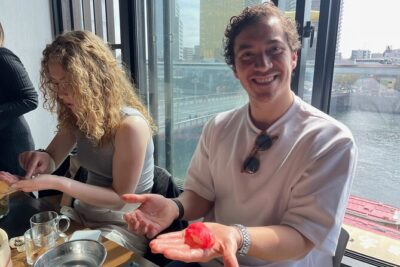
Sushi Making Tokyo Roll and Authentic Japanese Sushi Class
Read our review →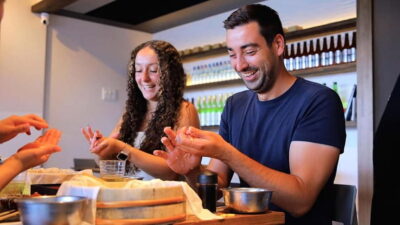
Roll and Authentic Sushi Making Class in Asakusa
Read our review →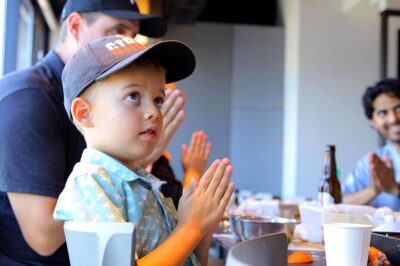
Make Sushi and Create Unforgettable Memories in Tokyo
Read our review →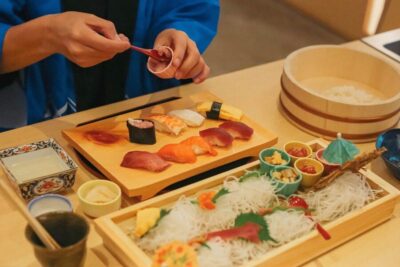
Sushi Making Class in a Happi Coat near a Famous Spot
Read our review →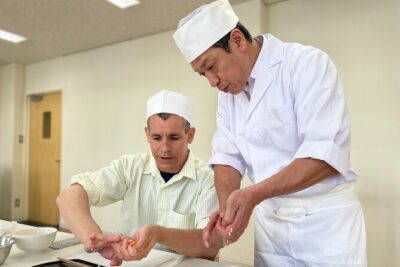
Tokyo Sushi Making Class in Tsukiji with Professional Chef
Read our review →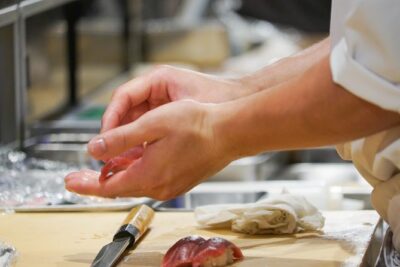
Tokyo Night Foodie Tour in Shinjuku – Seasonal Sushi, Wagyu Beef
Read our review →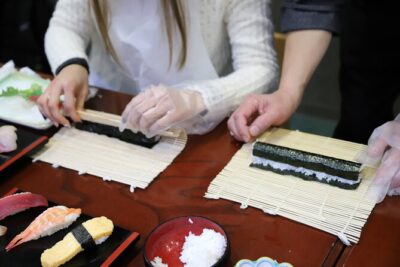
Tsukiji Fish Market Guided Tour and Sushi Making with Pro Chef
Read our review →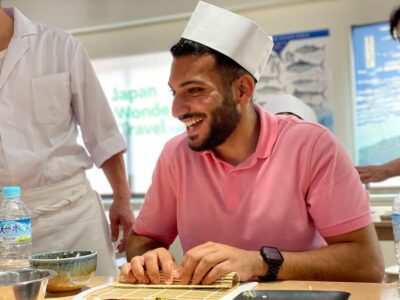
Tsukiji Fish Market Sushi Making Class with Pro Chef
Read our review →Browse the lists this tour appears in