
Reviewed · DESSERT TOURS
Japanese Traditional Sweets making and Tea Ceremony
Seasonal sweets, tea, and a little craft magic. In 95 minutes at AN Tokyo, you shape Nerikiri from colored Kyoto bean paste, then shift into a guided Uji Matcha tea ceremony.
I love the focus on taste quality, especially the white and red bean paste made by Kyoto’s long-established shops. I also like that the tea portion includes a grinding demonstration and hands-on sipping with the sweets you made, and the presenter, often Marie, keeps the steps practical even when English support is limited. One drawback to consider: if the room is busy, you may find it harder to hear every instruction and the pace can feel quick.
Key Highlights You Should Know
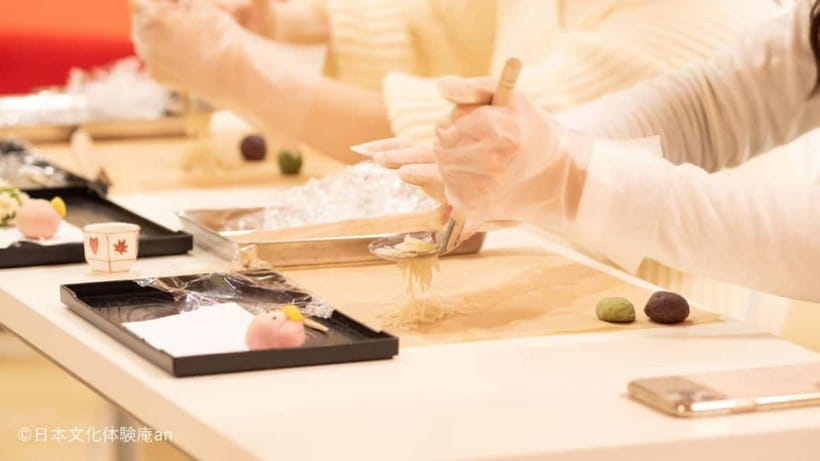
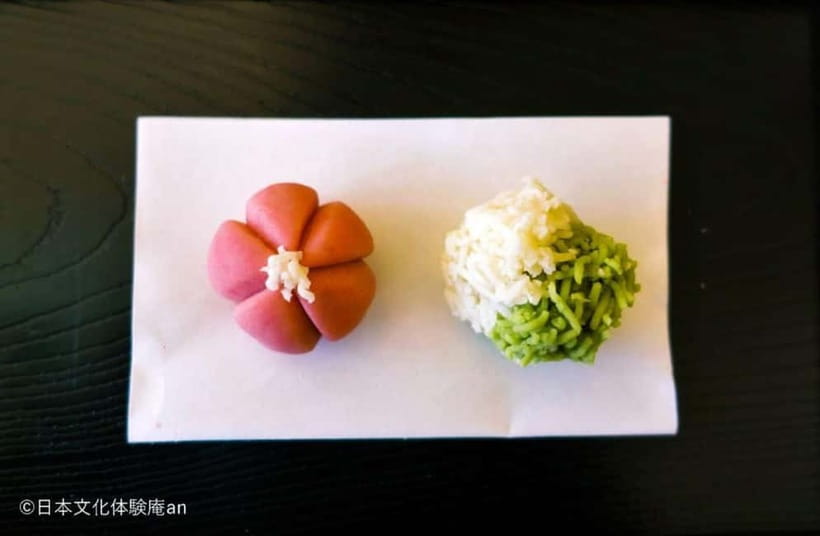
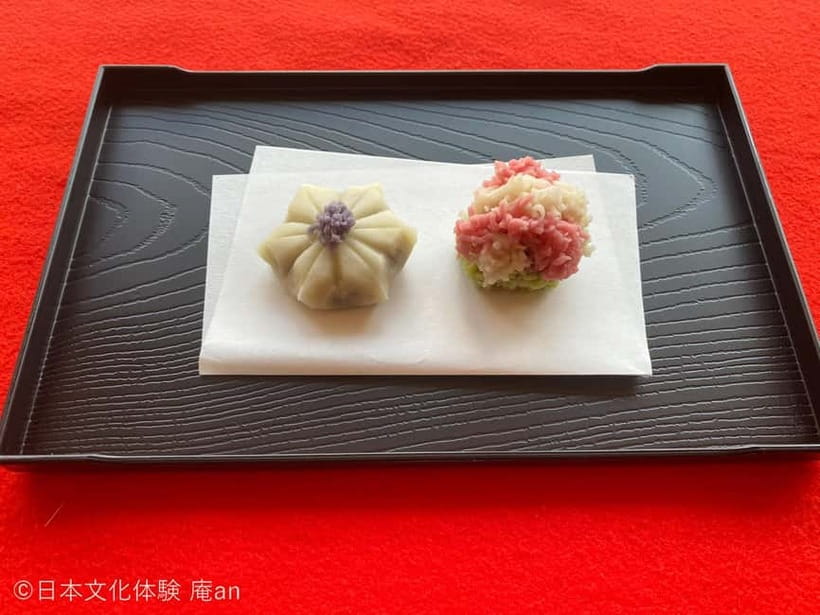
- Season-matching Nerikiri: You make two sweets shaped to the season, using colored bean paste.
- Kyoto bean paste, not bargain stuff: White/red paste is produced by long-established Kyoto shops for balanced sweetness.
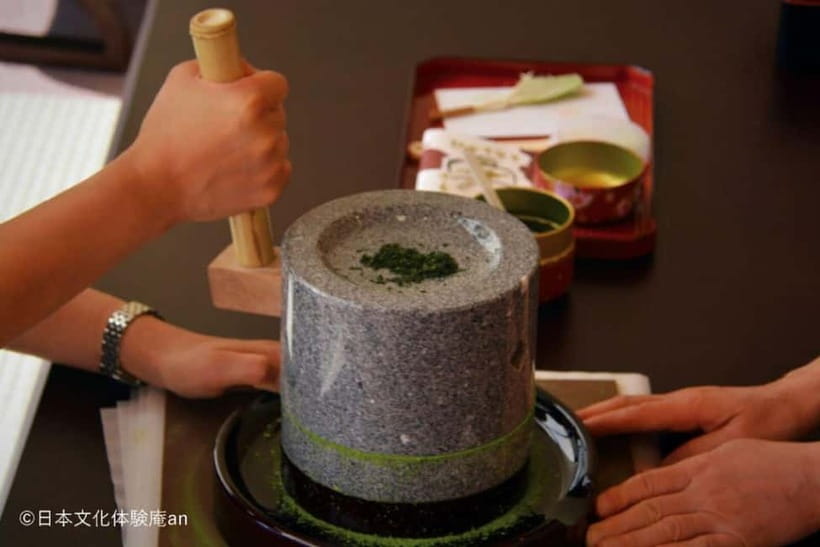
- Single-origin special Matcha from Uji: You grind it and then drink it with your creations.
- A real flow, not just a demo: The class moves from sweet-making to tea steps with a break in between.
- Photo time built in: You’ll have a moment to capture your sweets before departure.
- Optional add-ons: A sweets take-out box and a completion certificate are available for extra fees.
A 95-Minute Nerikiri and Tea Ceremony That Actually Feels Like Practice
This class is built for travelers who want more than watching someone else do the work. You get two clear phases: making wagashi first, then learning how to handle matcha and serve it in a tea-ceremony style. The timing is tight, but not frantic, and that matters in Japan where a lot of cultural experiences are either very long or very short.
At $18 per person for a 95-minute session, you’re paying for real instruction plus ingredients you can taste. That price makes sense if you compare it to paying separately for a wagashi workshop and a matcha tasting. The workshop is also useful even if you don’t care about becoming a “tea person.” You’ll still walk away with edible skills and a better sense of why Japanese sweets and tea are paired the way they are.
More Tea Ceremonies in Tokyo
- Matcha Making Class in Tokyo with Authentic Japanese Sweets Set
★ 5.0 · 744 reviews - Tokyo: Traditional Tea Ceremony with a Tea Master
★ 5.0 · 528 reviews - Tokyo: Matcha Making Experience with Mochi Sweets in Asakusa
★ 4.9 · 388 reviews
Nerikiri Workshop: Colored Bean Paste and Seasonal Shapes
The experience starts with the wagashi technique called Nerikiri. This is a higher-end style of Japanese sweet, typically made with shaped, colored bean paste. Here, you begin by coloring the white bean paste, so you’re not just assembling something pre-made. You get hands-on time early, which helps you learn the feel of the material.
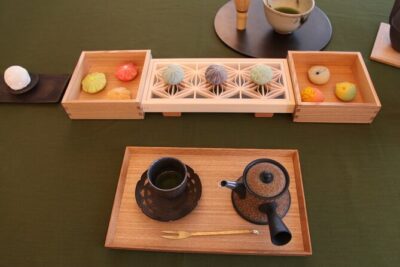
Then you move into forming seasonal designs. The class is structured around making two Nerikiri sweets that match the season, often shaped like flowers or fruits. That seasonal element is more than decoration. In Japanese sweets, the shape is part of the message, so you’re practicing an actual cultural habit, not just a craft project.
You’ll also spend time shaping your finished pieces carefully. Nerikiri work is about texture and control, and it shows in the final look. Even if your sweets aren’t museum-perfect, you’ll likely end up with something you genuinely want to eat because the process is tied directly to the ingredients and the final pairings later in the session.
What to watch for while shaping
If you’re new to this kind of craft, go slow with the coloring and forming. The class moves through multiple steps, so it helps to ask questions early if something feels confusing. Also, expect a bit of mess. Bean paste isn’t dry like cookie dough, and your hands will be working with a sticky, malleable material.
Kyoto Bean Paste Is the Flavor Backbone of Wagashi
One thing that makes this experience feel more authentic than a basic cooking demo is the ingredient story. The workshop uses white and red bean paste produced by Kyoto’s long-established shops. That detail matters because wagashi lives or dies on sweetness balance.
Good bean paste has a smooth taste and a controlled sweetness level. It won’t overpower the matcha later. In this class, that balance is the point. You’re not just making sweets for the photos. You’ll eat them alongside your own matcha, so the paste quality directly affects what you taste.
If you’re used to Western desserts that are built around sugar intensity, this might feel less sweet and more refined. That’s not a marketing line. It’s how wagashi is designed to work with tea, including matcha, which can feel strong or bitter if you drink it without something to steady the palate.
Same corner of Japan, a different kind of day:
- Mt Fuji and Hakone 1-Day Bus Tour Return by Bullet Train
★ 5.0 · 26,383 reviews - 1-Day Tokyo Bus Tour
★ 5.0 · 14,250 reviews - Tokyo: TOKYO SKYTREE® Admission ticket
★ 4.5 · 11,192 reviews - Tokyo: teamLab Planets TOKYO Digital Art Museum Entry Ticket
★ 4.6 · 9,779 reviews
A practical takeaway you can use later
Once you taste your own Nerikiri with matcha, you’ll understand why paired sweets in Japan are often not super sugary. The bean paste is doing flavor support work, and the tea provides the finishing bite.
Uji Matcha Flow: Grinding, Tea Steps, and Serving Style
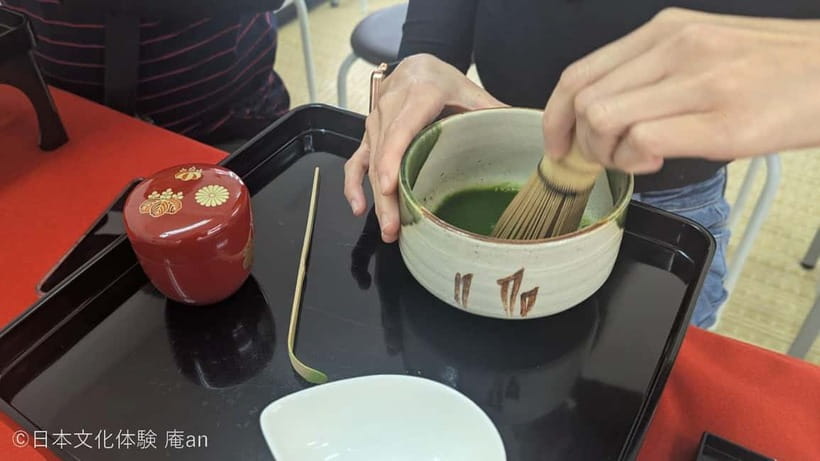
After your Nerikiri session, you get a break, then the class shifts from sweets to tea. This is where they explain the tea-ceremony experience portion. You’ll get an overview of the steps, then a matcha grinding demonstration before you participate in the tea.
The matcha here is single-origin and from Uji, which is a big deal in Japan. Uji matcha is often associated with consistent quality, and in this workshop you get to experience that in a hands-on way. The grinding demo is valuable because matcha isn’t just a drink you pour. It’s ground and handled in a way that affects texture and how it feels in the cup.
Then you’ll prepare and enjoy tea with the sweets you made. That timing is smart. If you drink matcha before tasting wagashi, you might think matcha is simply intense. Drinking it with Nerikiri first helps your brain connect tea flavor to the sweetness and texture choices you made.
Language reality check
The instructor’s language is Japanese. English translation is provided as much as possible, and if you want more support, you can contact them. In one of the strongest reviews, the presenter had difficulty with English, but everyone still understood because the demonstration and technique were clear. Translation helps, but the class is designed to be teachable through visuals.
Tasting Your Own Nerikiri and Matcha Pairing
Here’s one of the best parts of the experience: you don’t just make food and leave. You get to eat your own Nerikiri right after the tea steps. That makes the pairing experience real.
The class highlights a specific idea: the sweetness of the high-quality bean paste balances matcha. That balance is exactly what you should pay attention to while tasting. If the sweetness feels too light, the tea might seem sharper than expected. If the bean paste is too sugary, matcha can taste harsh or flat. This workshop tries to get that balance right using the Kyoto paste and the Uji matcha.
You’ll also have picture time before the end, so you can capture your sweets before you eat them. It sounds small, but in practice it helps you switch modes from craft focus to tasting appreciation without feeling rushed.
If you’re a tea drinker or a newbie
If you already like matcha, you’ll probably appreciate the grinding and the “do it your way” feeling of serving tea with your sweets. If you’re new, don’t worry about getting the ceremony exactly perfect. The goal is understanding and tasting, not performing.
Group Pace, Room Noise, and How to Avoid a Frustrating Session
This class is popular, and that can be both good and bad. One drawback shows up in feedback: when there are a lot of people, it can get harder to hear the instructor, especially if they keep going without slowing down to check everyone’s pace.
Here’s how you protect yourself from that risk:
- If you can choose where you sit, pick a spot with a clear view of the instructor.
- If you feel lost during the step where you color or shape, ask right away rather than waiting.
- If you’re sensitive to noise, remember this is a craft room. You’ll hear tools, movements, and lots of talk.
Also note: the event won’t be held to accommodate delays. So plan to arrive early enough that you’re not rushing. In short classes, being late changes everything.
Price and Value: What You Pay For, What You Can Add
At $18 per person for 95 minutes, you’re paying for:
- Instruction on a traditional wagashi technique (Nerikiri)
- Materials and ingredients, including Kyoto bean paste and matcha
- A guided tea-ceremony style experience
- Time to eat what you made, plus photo time
That’s why the value feels fair. You aren’t buying a souvenir. You’re buying a skill and a tasting moment you can compare to other sweets and matcha you try later.
Optional add-ons you should know about
The class mentions two extras:
- A sweets take-out box for 100 JPY (not included)
- An experience completion certificate for 300 JPY. If you want a nominative certificate, share your names in advance, otherwise a blank space is left for your name.
If you’re traveling light, the take-out box can help. But if you want to enjoy everything fresh and avoid carrying dessert, you might skip it.
Who This Experience Is Best For
I think this workshop suits a few specific traveler types best:
- You want a cultural food activity that is hands-on, not just a tasting
- You care about ingredient quality and pairing, not only craft visuals
- You want a short, structured experience that fits a day in Japan
- You’re traveling with someone who likes cooking, art, or both
It might be less ideal if you hate group settings where you must follow step-by-step timing. Also, if you’re counting on lots of spoken English, plan to rely on demonstrations. English translation is provided as much as possible, but the instructor’s primary language is Japanese.
Should You Book This Nerikiri and Uji Matcha Class?
Book it if you want a practical, edible lesson in Japanese sweets and tea pairing. The combination of Nerikiri shaping, Kyoto bean paste, and single-origin Uji matcha is a thoughtful match, and the tasting experience ties it together.
Skip it or be cautious if you know you struggle in loud, crowded rooms or you prefer super-slow instruction. One negative note points to the pace and hearing details when the room is busy. If you can handle a lively craft classroom, you’ll likely love it.
FAQ
How long is the experience?
The experience lasts 95 minutes.
What does the $18 price include?
It includes the Japanese Traditional Sweets making and Tea Ceremony experience.
Where do I meet for the class?
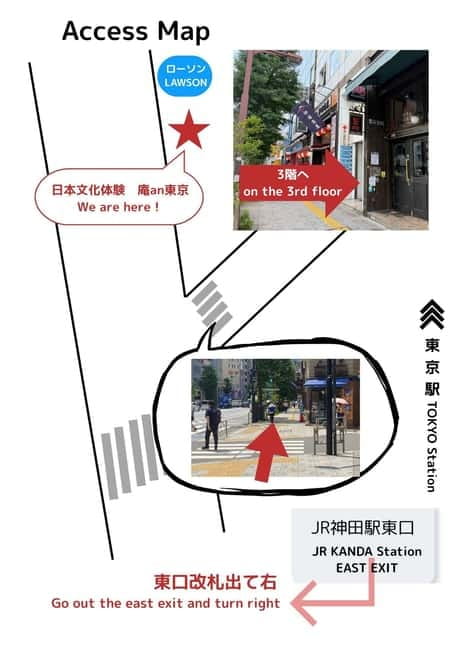
You meet at AN TOKYO Japanese Culture Experience, located at the provided coordinates: 35.6916541, 139.7715022.
What sweets will I make during the workshop?
You will make two Japanese sweets, and the main technique is Nerikiri. They will match the season.
What matcha is used?
The tea ceremony uses Uji matcha, described as single-origin special Matcha.
Do I get to drink and eat what I make?
Yes. After the tea-ceremony steps, you enjoy the Japanese sweets you prepared along with your matcha tea.
Are any extras available for purchase?
Yes. You can purchase a sweets take-out box for 100 JPY and an experience completion certificate for 300 JPY.
Is the class taught in English?
The instructor uses Japanese. English translation is provided as much as possible, and you can contact the provider if you want to add it.
Are children allowed?
Children who sit on their parents’ laps are free of charge if they are under 2 years old. Those who do not participate are not allowed to enter.
What is the cancellation window?
You can cancel up to 24 hours in advance for a full refund.
What time does the activity operate?
Operation hours are from 10:00 to 17:00. Reservations received after 17:00 are processed next day.
Fresh options around Tokyo
- Tokyo: Nikko Kegon Falls Lake Chuzenji Toshogu Temple & More★ 4.9 · 12 reviews
- Tokyo: Samurai History Walking Tour★ 5.0 · 12 reviews
- Harajuku: Kawaii Fashion and Pop-Culture Tour★ 4.7 · 12 reviews
- Tokyo: Mt. Fuji & Lake Kawaguchi Instagram Full Day Trip★ 4.1 · 12 reviews
- Shibuya Tokyo: Modern Kintsugi Workshop in Shibuya★ 5.0 · 12 reviews
- Tokyo: GTR Guided Daikoku Experience at Night★ 5.0 · 12 reviews
- Tokyo: Daikoku JDM Car Culture Tour★ 4.6 · 12 reviews
- Mt Fuji Private Day Trip from Tokyo with English speaking driver★ 5.0 · 13 reviews
Dessert Tours, compared.

Matcha Making Class in Tokyo with Authentic Japanese Sweets Set
Read our review →
Matcha Making Class in Osaka with Authentic Japanese Sweets Set
Read our review →
Matcha Making Experience with Mochi Sweets in Asakusa
Read our review →
Japanese Traditional Sweets Making and Tea Ceremony
Read our review →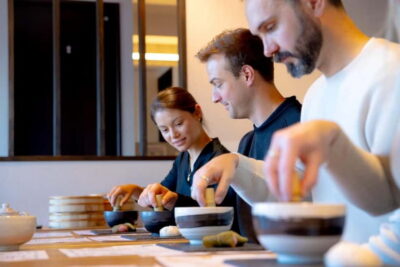
Make Traditional Nerikiri Sweets & Matcha experience in Shibuya
Read our review →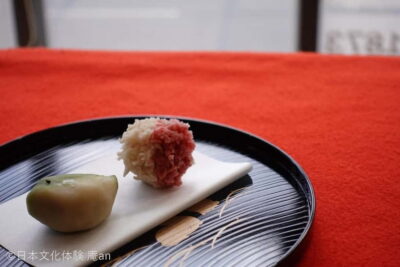
Japanese Traditional Sweets Making and Tea Ceremony
Read our review →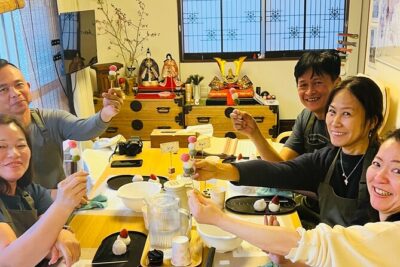
Private Mochi Sweets Making class near Shibuya area
Read our review →Browse the lists this tour appears in