
Reviewed · WALKING TOURS
Private Harajuku Omotesando Architecture Walking Tour
Fashion and design collide in Tokyo. This private Harajuku Omotesando architecture tour pairs Meiji Jingu with views of Kenzo Tange’s Yoyogi Gymnasium, then slides into the designer storefront architecture along Omotesando. I especially love how private guiding turns the walk into a conversation, and how customizable routing keeps it focused on what you care about. The only real drawback is the walking time, 3.5 hours, plus some explanations can get detailed, so if you prefer simpler takes, tell your guide early.
One thing I really value here is the prep. Several guides bring thick photo sets and visual support to make the architecture easier to spot and understand, like Yoshi’s documented architect photos and Taka’s device-based visuals plus practical help on where to stand. Another plus is pacing control, with at least one guide adjusting the balance of outdoor and indoor time when weather gets tough.
You start at Meiji Jingu near Harajuku Station, then end at Omotesando and Aoyama-dori by the Mizuho Bank intersection. There’s also a cozy pause with drinks along the way, which is not just a nice break, it helps you keep your eyes fresh for the next street-level design detail. If you have moderate fitness and you can handle steady walking, this tour is a strong way to see Tokyo’s architecture brain at work.
Key highlights to look for
- Meiji Jingu as a calm start before modern architecture steals the spotlight
- Yoyogi Gymnasium views by Kenzo Tange tied to the Olympics-era design story
- Omotesando storefront architecture at major fashion and design names
- Side-street Harajuku detours that change the mood from showroom to neighborhood
- Photo-led explanations from guides like Yoshi, Taka, Yoko, and Aki
- A planned drink break to keep the walk enjoyable, not grindy
Why this Harajuku and Omotesando architecture walk beats a normal sightseeing stroll
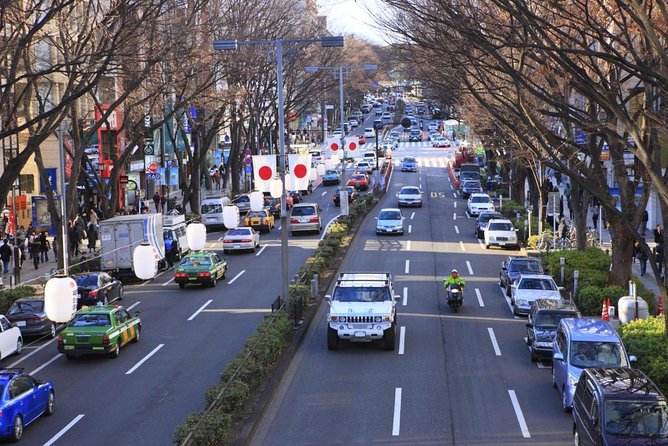
Harajuku and Omotesando can look like two different worlds. One is youth fashion and side streets. The other is polished retail streets with serious design choices behind the glass. This tour is built to connect those worlds through architecture, so you do not just “see buildings,” you learn why they look the way they do and what effect they have on how you move through the area.
I like that the approach is practical. Instead of treating architecture like a museum label, your guide points out what you can notice at street level: shape, structure cues, light and material choices, and the way entrances and sightlines pull you forward. If you love design, this turns your camera roll into something more meaningful. If you are not an architect, it still works because the stops are paired with plain language and real-world context.
More Walking Tours in Tokyo
- Tokyo Tsukiji Fish Market Food and Culture Walking Tour
★ 5.0 · 3,184 reviews - Tokyo: Imperial Palace and Shogun Historical Walking Tour
★ 5.0 · 2,251 reviews - Tokyo: Shinjuku Local Bar and Izakaya Guided Walking Tour
★ 4.9 · 1,794 reviews
Starting at Meiji Jingu, then spotting Yoyogi Gymnasium by Kenzo Tange
The tour kicks off at Meiji Jingu near Harajuku Station. That matters. Before you hit Omotesando’s fashion intensity, you get a breather at a major shrine setting, which helps your eyes reset. It also sets up the contrast the rest of the walk depends on: traditional Tokyo space, then modern Tokyo form.
From there, you move toward iconic modern architecture. A key early moment is admiring Yoyogi Gymnasium by Kenzo Tange from a distance. You may not be surrounded by the building at first, but that overview feeling is useful, because it trains your eye to understand scale before you chase details. A guide then links these design choices to the broader Olympics-era story, so the modern design is not just style, it becomes part of Tokyo’s development narrative.
One small logistics note you should expect: you will spend time outside and walking between viewpoints. If the sun is strong, you’ll appreciate the planned drink pause later, and you may want a light layer even in warmer months.
Omotesando fashion streets as architecture classrooms
Omotesando is often described as Tokyo’s Rodeo Drive, and for good reason. The storefronts are high-end, the streetscape feels intentional, and the walking experience is designed for people who like beautiful things. What this tour adds is the architecture lens, so you start seeing the “why” behind the look.
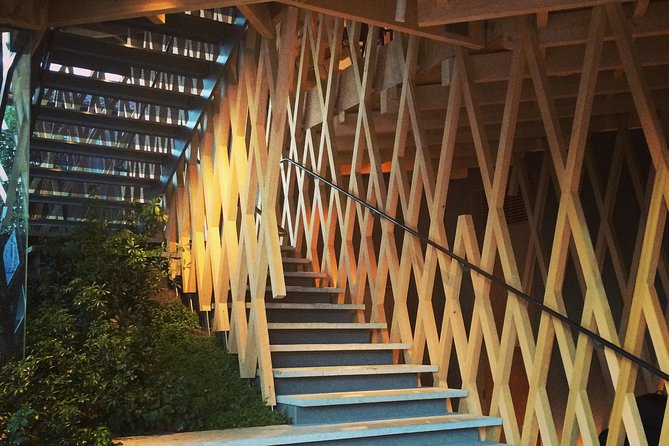
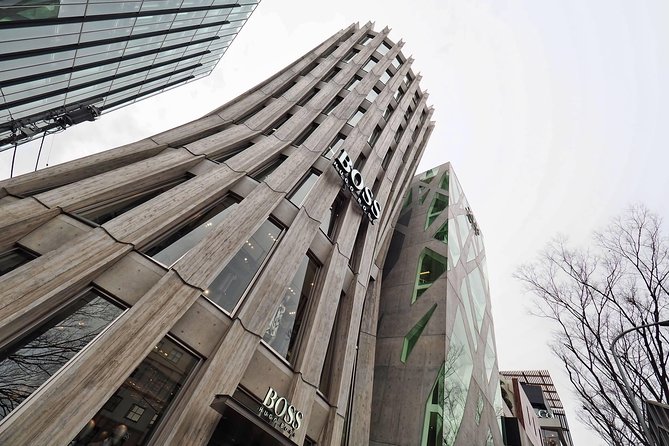
Along the route, you stop at major fashion and lifestyle architecture stops such as The Iceberg, Dior, Louis Vuitton, Tod’s, Sunny Hills, and Prada. Even if you do not shop, you can still learn from how the buildings and facades frame entrances, guide foot traffic, and create that clean, upscale rhythm.
This is where photo-based guidance really pays off. In guides’ own walk styles, you can hear a pattern: they show visuals first, then point out what matches those photos on the street. Yoshi was praised for professional prep with detailed architect photos for each stop. Aki and others were praised for tailoring the pace and using visuals to explain what to look for.
If you love architecture but get impatient with long speeches, this part is a good mix. You get frequent look, compare, move, then look again. It turns a retail street into a design lesson that stays tied to your feet.
Prada’s glass language and the design nerd moments you might want
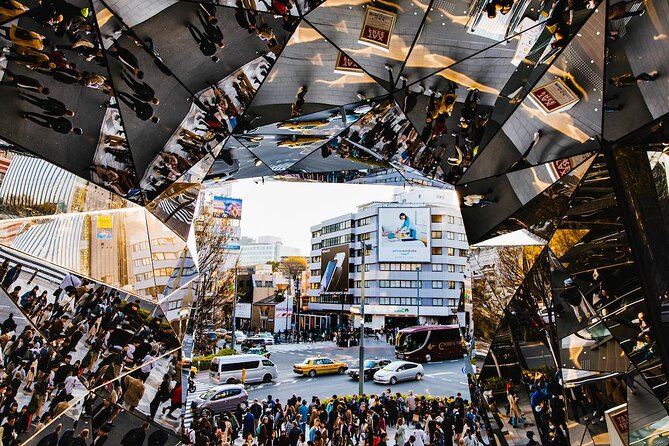
Some versions of this tour lean heavier into modernist design signatures, especially around major brand architecture. You might see Prada’s distinctive glass experience described in terms of convex and concave elements, connected to design by Jacques Herzog and Pierre de Meuron. You might also hear about how architects think about form at the human scale, not just the skyline scale.
Another stop you could encounter on a route like this is Tokyo Plaza Harakado by Akinisa Hirata, including a planted rooftop vertical garden feature. And for a sharper contrast, some guides include Tadao Ando’s Collezione concept, described with part of the building under the ground, which changes how you experience entry, light, and movement.
I cannot promise which exact interiors you will get, because the whole tour is customizable. But I can say this: guides like Taka have been noted for practical details such as where to stand for the best photo angles, plus sharing background info like floor plan ideas. That kind of “show me the viewpoint” instruction is the difference between walking past a building and actually learning it.
If you want your architecture talk to stay practical, this tour is one of the better setups in Tokyo because guides repeatedly adjust. One review noted that an indoor portion was extended due to heat, which is a subtle sign that your guide is actively managing your experience, not reading from a script.
More anime and pop culture tours in Tokyo:
- Official Street Go-Kart Tour – Akihabara
★ 5.0 · 1,578 reviews - Tokyo Go Kart: Asakusa, Skytree, and Akihabara **IDP MUST**
★ 5.0 · 988 reviews - Tokyo Studio Ghibli Museum and Ghibli Film Appreciation Tour
★ 4.5 · 421 reviews - Akihabara Anime & Game Adventure Walking Tour (Group or Private)
★ 5.0 · 404 reviews
Harajuku side streets, the cafe pause, and why you need that reset
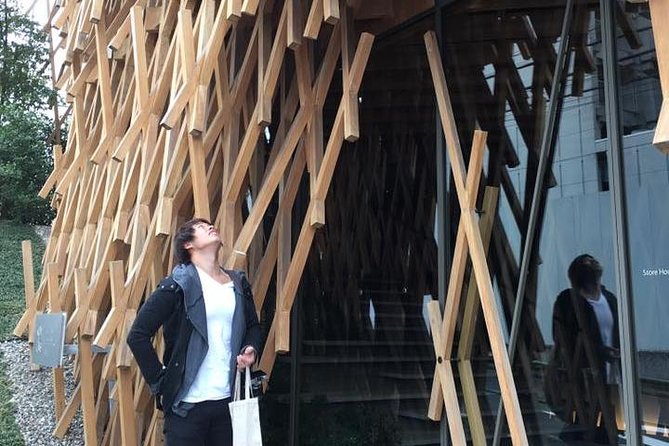
Harajuku is not only about the big visible stores. The charm is also in the small blocks that feel like a side door to the city. This tour includes time for a backstreet neighborhood detour, letting you see a different slice of the area beyond the main fashion corridors. That helps because you stop treating the neighborhood like one big “aesthetic,” and you start noticing the real mix of functions and street textures.
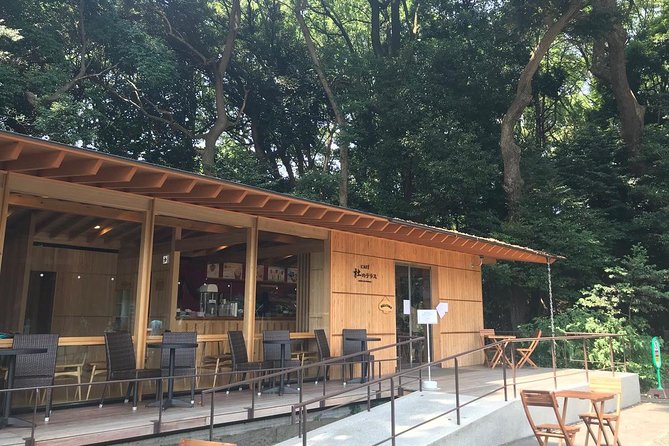
You also get a short break during the walking, with a cozy pause and drinks along the way. Even when the weather is fine, that break matters for architecture tours because your attention starts to fatigue. After a short rest, you can see details again, like how facades meet sidewalks, how entrances relate to neighboring buildings, and how the street width affects your perspective.
I like that the break is not framed as a tourist stop. It is built into the walk and tied to keeping you comfortable enough to keep learning.
The Olympics thread: how an era changes Tokyo’s architecture taste
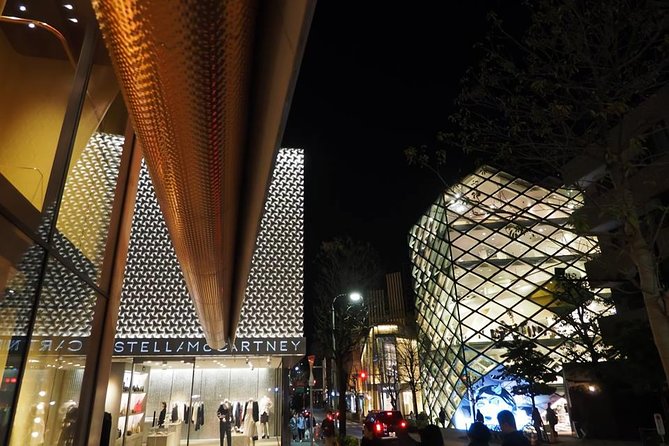
This walk is described as having Olympics history, and you can feel that theme once you start linking Tange’s Yoyogi Gymnasium with the modern Tokyo direction around you. Without turning this into a lecture, the basic idea is that large events can leave design fingerprints that keep shaping how a city builds and presents itself.
So as you move from Meiji Jingu into modern landmarks and then into Omotesando’s designer blocks, you can listen for the “why now” behind materials, structure language, and ambition. For architecture fans, it is a satisfying way to connect what you see with why those design choices show up where you are standing.
And if you are not an architecture fan, you still benefit. The Olympics thread gives the buildings a timeline context, so they stop feeling like random pretty objects and start feeling like parts of Tokyo’s bigger story of growth.
Guides that actually tailor the route, from Yoshi to Junko
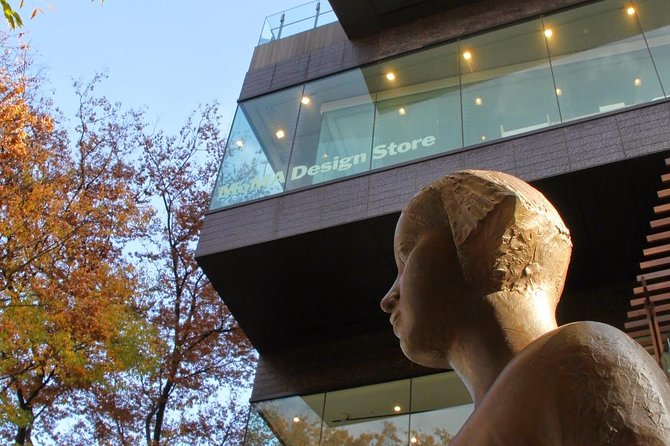
This is a private tour, so your group is the only group participating. That alone changes the tone. Guides can ask what you like and adjust on the fly, which is why people repeatedly praise the flexibility.
You will hear patterns in the feedback about guides being prepared with lots of visual material. Yoshi is praised for professional preparation and tons of documented photos for each architect showcased. Yoko is praised for professional research and clearly explained modern architecture examples. Mari is praised for a strong understanding of architecture in Omotesando. Yuki and Aki are praised for tailoring and for guiding through hidden corners. Junko is praised not only for explanations and English, but also for help navigating transit to the next destination.
One review also mentions Taka as a retired architect who used iPad photos, shared background info and even referenced floor plan ideas, plus showed where to stand to get the best photos. That is the kind of practical teaching method you want on a street walk, because it turns vague impressions into specific observations.
One caution from the feedback: at least one guest mentioned difficulty understanding the guide at times and feeling they missed some information. That is not the same thing as the tour being “bad,” it is a reminder to communicate your preferences. If you want slower pacing, simpler language, or more time for Q and A, ask for it early. In a private setting, you can usually influence the experience.
Price and value for a 3.5 hour private architecture experience
The price is listed at $132.14 per person, for about 3 hours 30 minutes. For Tokyo, that is not cheap, so I think the right question is not “Is it affordable?” It is “Will it be worth it for how you travel?”
Here is why it can be worth it:
- You get a local licensed guide, not just a self-guided route.
- You get a private setup, which makes it easier to ask questions and steer the focus.
- You get a custom route option, meaning you are not locked into a one-size-fits-all checklist.
- You get guidance that often includes visuals and advice on where to stand, which saves you time and makes your photos better.
Where you might feel the price more: if you only want the broadest highlights and you do not care about architecture explanations. In that case, a self-guided walk could scratch the surface for less money.
But if you are the type of traveler who likes to understand why a building works, who notices materials, or who enjoys design details, the pricing starts to look fair. You are paying for interpretation plus route design, not just walking.
One planning tip: the tour is booked on average 53 days in advance. If architecture is part of your must-do list, you’ll want to lock in dates earlier rather than hoping.
Practicalities on the ground, from meeting point to walking pace
The meeting point is Meiji Jingu (Harajuku Eki), and it concludes at the Omotesando and Aoyama-dori intersection in front of Mizuho bank, near 5-chōme-1-27 Minamiaoyama in Minato City. It is near public transportation, and there is no hotel pickup and drop-off.
The walking is steady. You should plan for a moderate fitness level, because it is an architecture walking tour and not a sit-and-stare museum visit. This is also why the drink break is not a small detail. It helps you stay comfortable enough to keep looking closely.
You also get a mobile ticket, which makes it easier to show up without hunting paper confirmations on your phone.
Should you book this Harajuku Omotesando architecture tour?
Book it if you like design with context. If you want to connect Meiji Jingu’s calm to Kenzo Tange’s modern landmark presence, and then use architecture spotting to understand why Omotesando looks like it does, this tour is a smart choice. I especially recommend it if you enjoy photo-led instruction, because several guides are praised for prepared visuals, photo planning, and patient explanations.
Skip it or consider a simpler option if you want mostly casual sightseeing with minimal walking. This tour is built around walking time and architectural discussion, and you will get the most value when you lean into the “look longer, ask why” mindset.
If you go, do one practical thing before you meet: think of two or three architects, styles, or questions you want to focus on. In a customizable private tour, that simple prep can steer where the guide spends time, including which notable modern stops you get the most attention on.
Fresh options around Tokyo
- Tokyo: Nikko Kegon Falls Lake Chuzenji Toshogu Temple & More★ 4.9 · 12 reviews
- Tokyo: Samurai History Walking Tour★ 5.0 · 12 reviews
- Harajuku: Kawaii Fashion and Pop-Culture Tour★ 4.7 · 12 reviews
- Tokyo: Mt. Fuji & Lake Kawaguchi Instagram Full Day Trip★ 4.1 · 12 reviews
- Shibuya Tokyo: Modern Kintsugi Workshop in Shibuya★ 5.0 · 12 reviews
- Tokyo: GTR Guided Daikoku Experience at Night★ 5.0 · 12 reviews
- Tokyo: Daikoku JDM Car Culture Tour★ 4.6 · 12 reviews
- Mt Fuji Private Day Trip from Tokyo with English speaking driver★ 5.0 · 13 reviews
Walking Tours, compared.
Kyoto Geisha Walking Tour: Gion District & Hidden Gems
Read our review →
Tokyo Tsukiji Fish Market Food and Culture Walking Tour
Read our review →
Gion Magical Night Walking Tour with Geisha Trivia
Read our review →
Imperial Palace and Shogun Historical Walking Tour
Read our review →
Gion Geisha District Walking Tour – Stories of Geisha
Read our review →
Shinjuku Local Bar and Izakaya Guided Walking Tour
Read our review →
Browse the lists this tour appears in