
Reviewed · HISTORICAL TOURS
Hiroshima: History of Hiroshima Group Walking Tour
That first step into Hiroshima Peace Memorial Park hits hard. This 2-hour Hiroshima Peace Memorial Park walking tour uses expert guides to connect each landmark to what happened to people on and after August 6, 1945. I love the way the route mixes the most famous sites with lesser-noticed memorials, so the story feels complete instead of chopped up.
Two things I like a lot are the guide depth and the pacing. The guides come from different academic and cultural backgrounds, and many hold advanced degrees in fields like tourism, anthropology, history, peace studies, and related areas. At the same time, the tour stays respectful and organized, with time for you to stop, look, and ask questions, not just march through.
One drawback to consider is that this is emotional territory. You will be standing in place after place that centers victims and survivors, and the topic can be heavy, even if the presentation is clear and calm. Also, it is outdoors for about two hours, so bring comfortable shoes and weather-appropriate clothing, especially if you visit in heat or winter snow.
Key highlights to look for on this Hiroshima Peace Memorial Park tour
- Gates of Peace start point: easy to find, right by the Italian restaurant Mario
- Expert interpretation: guides connect monuments to survivor testimony and context you won’t get from a quick stop
- Mother and Baby in the Storm to the Atomic Bomb Dome: the route follows the emotional and historical arc
- Peace Memorial Hall entry included: you don’t just look outside, you also go inside one of the key sites
- Quiet memorials included: you’ll see the Korean Atomic Bomb Victims Cenotaph and Children’s Peace Monument, not only the big-name attractions
- Finish at the Hypocenter: the walk ends where the blast’s epicenter is marked
Where the tour starts at the Gates of Peace, right by Mario
The tour kicks off at the Gates of Peace, located next to the Italian restaurant Mario. This matters more than it sounds, because the Peace Memorial Park area can feel like a maze if you’re arriving on your own with jet lag. Having a clear meeting point helps you start focused instead of hunting around.
From the start, the tone is set for a serious visit. The guides lead you into the park in a way that helps you understand what you’re looking at before you start taking photos. If you tend to like a plan, this tour is built around that need, without rushing you past the meaning of the sites.
More Walking Tours in Hiroshima
- Hiroshima Historical Walking Tour – Why A-Bomb was Dropped
★ 4.8 · 893 reviews - Hiroshima Peace (Heiwa) Walking Tour at World Heritage Sites
★ 5.0 · 872 reviews - Hiroshima City 4hr Private Walking Tour with Licensed Guide
★ 5.0 · 437 reviews
Guides with advanced study and a human way of telling the story
What makes this Hiroshima tour special is the way the guides combine research with personal connection. The information is grounded in academic preparation, with many guides holding Masters and PhD degrees in relevant fields such as history, peace studies, and anthropology. That helps you get clear explanations, like why Hiroshima was singled out as a primary target, and what the city was like before, during, and after the bombing.
At the same time, the tour isn’t just textbooks on your feet. Many guides share stories they have grown up with through family connections to the bombing, including reflections from relatives who survived. Names that show up in the guide stories include Tomas, Camille, and Cva, and you can feel how much care they put into matching facts with the emotional reality of what happened.
You’ll also notice something subtle that I really value: the guides tend to create room for questions. Several descriptions emphasize that they handle different viewpoints with respect and keep the tour moving at a pace that doesn’t feel like a sprint. For a topic this heavy, that balanced approach is a big part of the quality.
The emotional walkthrough, from Mother and Baby in the Storm to the cenotaphs
The first major stop you’ll hit is Mother and Baby in the Storm. This memorial is short on words and long on impact, and it works as an emotional entry point before you move into the heavier historical markers. The guide will frame what you’re seeing so it lands as more than a sculpture.
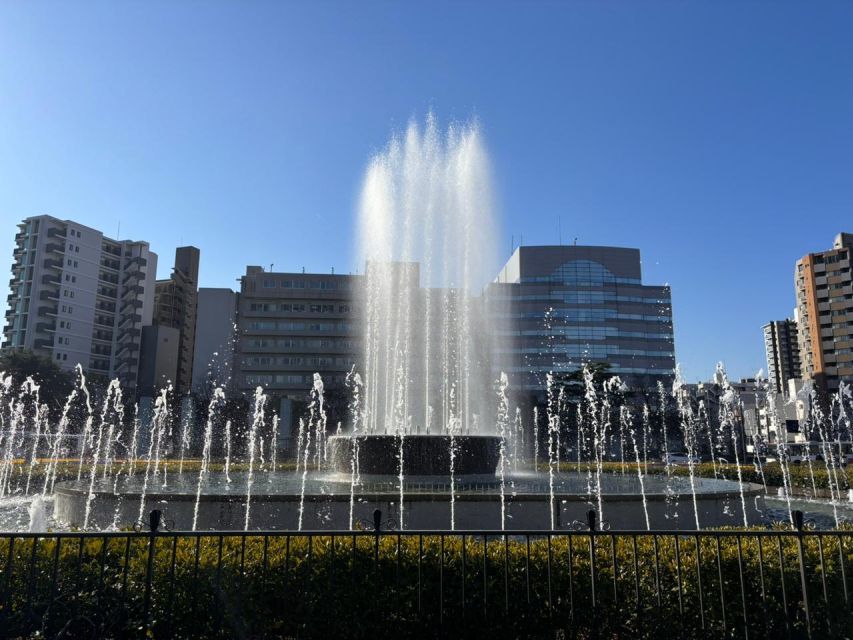
Next comes the Prayer Fountain, which is both practical and symbolic. You’ll typically get a short guided moment and then time to take in the surroundings as you continue. Then the Hiroshima Victims Memorial Cenotaph is another key turn in the route, because this is where the focus stays firmly on victims, not just events.
After that, you’ll see the Flame of Peace. It’s one of those places where the symbolism is obvious, but the meaning becomes clearer when a guide ties it to survivor accounts and the long aftermath of August 6, 1945. Even if you’ve heard the basics before, the way it’s connected to testimonies is the difference between reading about Hiroshima and understanding what the memorials are trying to communicate.
What I’d do to make this section land
Keep your phone in your pocket for a moment at each stop. Look first, listen second. Then, when your brain catches up, take photos if you want. This part of the route moves quickly enough that you’ll appreciate saving your energy for the sites that really grab you.
Same corner of Japan, a different kind of day:
- Peaceful Hiroshima & Miyajima UNESCO 1 Day Bus Tour
★ 5.0 · 5,309 reviews - Hiroshima: Hiroshima and Miyajima UNESCO Sites 1-Day Tour
★ 4.9 · 2,330 reviews - Hiroshima / Miyajima Full-day Private Tour with Government Licensed Guide
★ 5.0 · 1,298 reviews - Hiroshima in a Nutshell: Morning Bike Adventure
★ 5.0 · 524 reviews
Flame of Peace, Peace Memorial Hall, and what the museum space adds
You’ll move from outdoor memorials into the Hiroshima National Peace Memorial Hall for Atomic Bomb Victims. Entrance is included, and that inclusion is a real value. Seeing the park from outside gives you the “where,” but the hall helps with the “what” and the “how,” using the kind of presentation that works better indoors.
The guided time here is longer than many of the outside stops, about 15 minutes. That tells you the guide plans to orient you inside the hall, not just point and rush. If you’ve ever tried to visit a museum alone with a vague idea of what you’re looking for, you’ll know why this matters.
This stop also helps answer the questions the tour promises to tackle. You’re not only learning the outline of the bombing; you’re also getting context about what changed in Hiroshima and what carried on afterward. It is the kind of site where a guide helps you connect details across multiple memorial locations, so you feel a thread instead of a pile.
Children’s Peace Monument, the burial mound, and the Korean Atomic Bomb Victims Cenotaph
After the museum, the route continues deeper into the park’s memorial map. You’ll reach the Children’s Peace Monument, with a photo stop and guided explanation. This stop is powerful because it shifts perspective, reminding you that the impact of the bombing reached far beyond the people in the immediate blast zone.
Then you’ll visit the Atomic Bomb Memorial Burial Mound. This is one of the places where respect is not optional. You’ll typically get guided context and enough time to stand and absorb the atmosphere.
Next is the Korean Atomic Bomb Victims Cenotaph. This is an important inclusion for visitors who want the story to be broader than one nationality. The guide connects it to the broader reality of those who suffered, including how the bombing affected people who were in Hiroshima during that period.
Peace Bell and the endgame: Atomic Bomb Dome to the Hypocenter
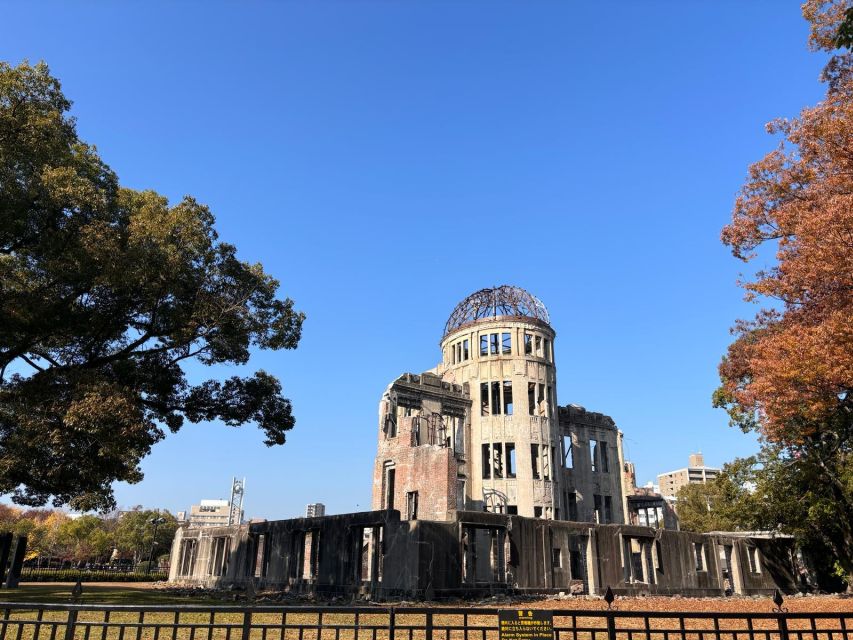
The middle-late part of the walk features a set of landmarks that can feel familiar, but the tour makes them more specific. You’ll see the Bell of Peace, again with guided moments and time for photos. Then the route moves toward the heart of what most visitors come to see: the Atomic Bomb Dome.
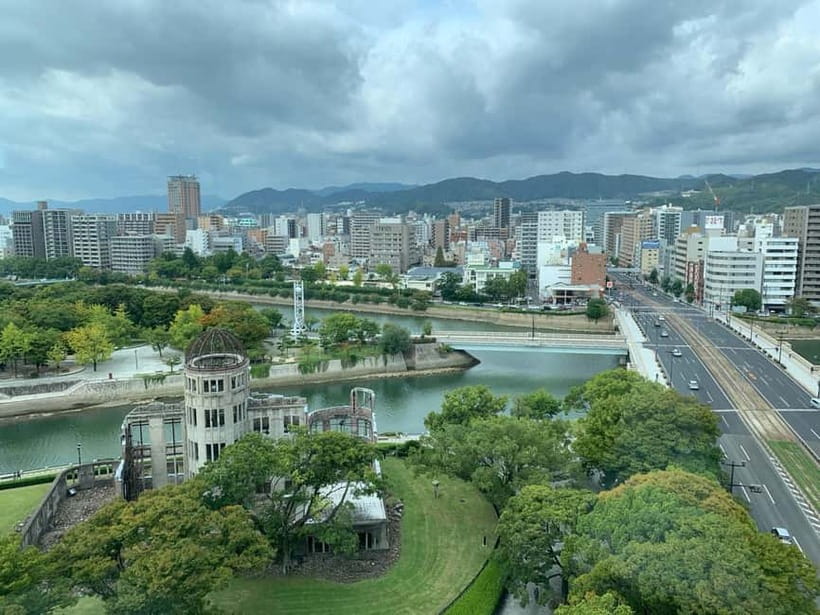
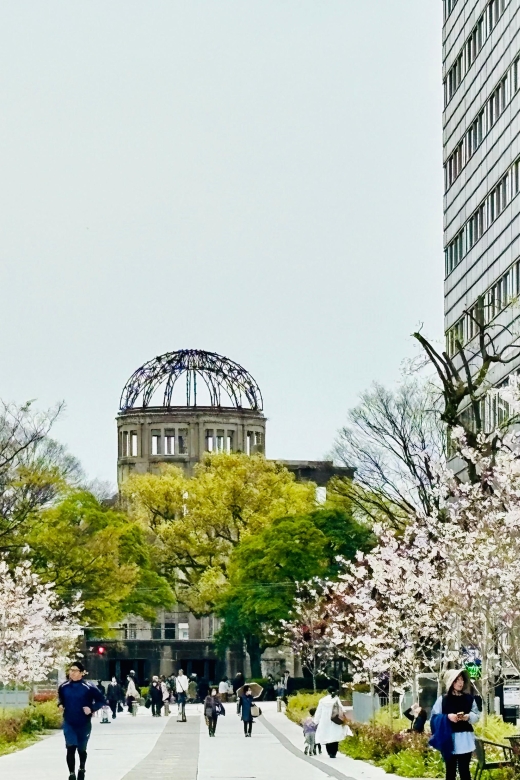
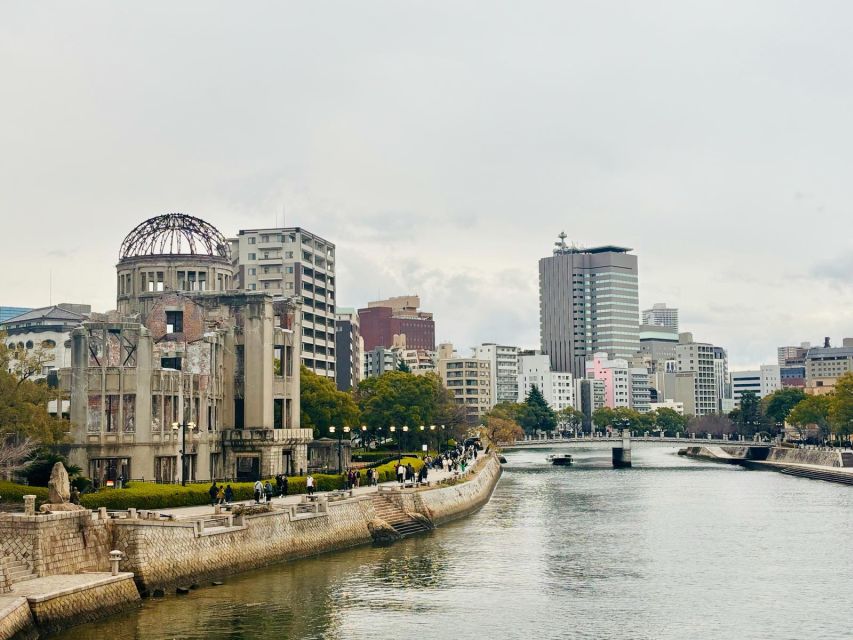
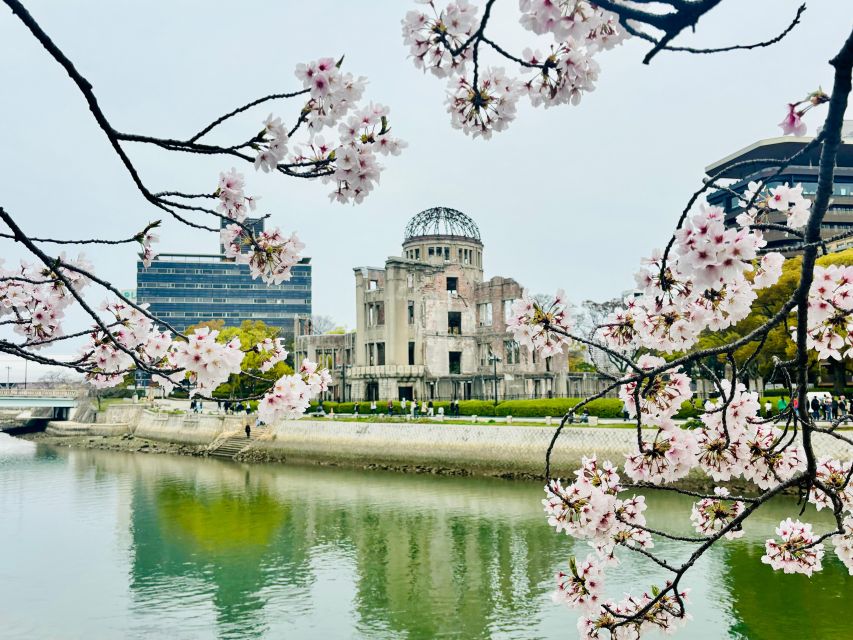
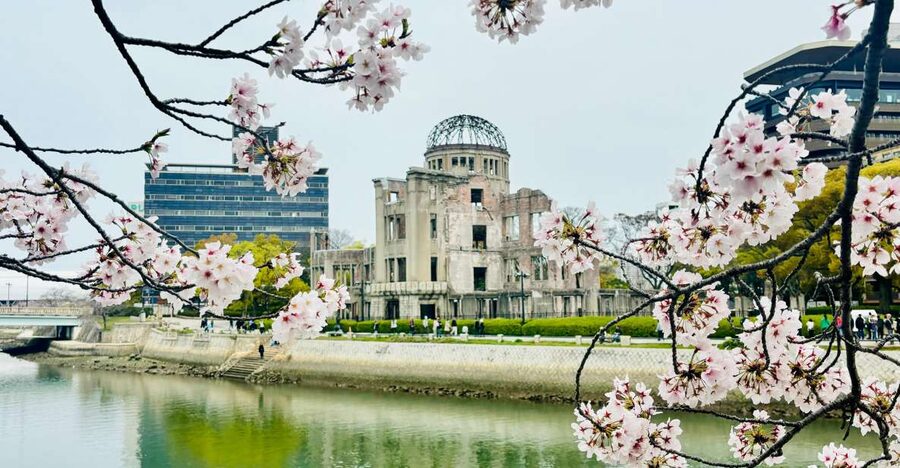
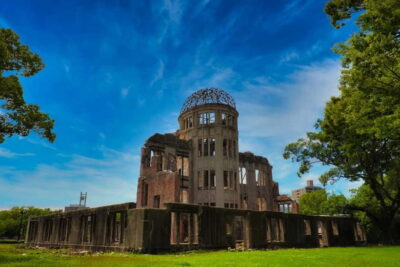
The Atomic Bomb Dome is the only structure left standing after the blast. That sentence sounds simple, but standing there makes it feel like a sentence with consequences. A guide helps you understand why it became the world’s most recognizable symbol from that day, and how the site has been treated as a memorial rather than a ruined building.
After the dome comes the Hypocenter area, which is the tour’s finish point. You’ll have photo time and guided explanation, and the walk ends at the Hiroshima Atomic Bomb Hypocenter Monument. Ending here is smart because it ties the whole route together. You start with gates and symbolic memorials, you move through the park’s narrative, and you end at the marked point linked to the blast itself.
What you actually learn beyond the usual Hiroshima highlights
This isn’t just a “see these statues” walk. The tour is built around the questions that people usually feel but can’t always answer on their own. You’ll get guided insight into what Hiroshima was like before the tragedy, what happened on August 6, 1945, and how the city rose again afterward.
You’ll also hear why Hiroshima was selected as a primary target. The point isn’t to turn this into a debate. It is to give you the background so the bombing makes more sense as an event in a wider historical system, rather than a random act with no context.
Another promise that the guide approach delivers is the link between monuments and testimonies. The tour connects landmark symbols to what atomic bomb victims endured, both directly and indirectly. When a guide mentions survivor experiences while you’re standing at a specific memorial, the site stops being “a thing you saw” and starts being “a place with a purpose.”
Time, pace, and what to bring for a respectful 2-hour walk
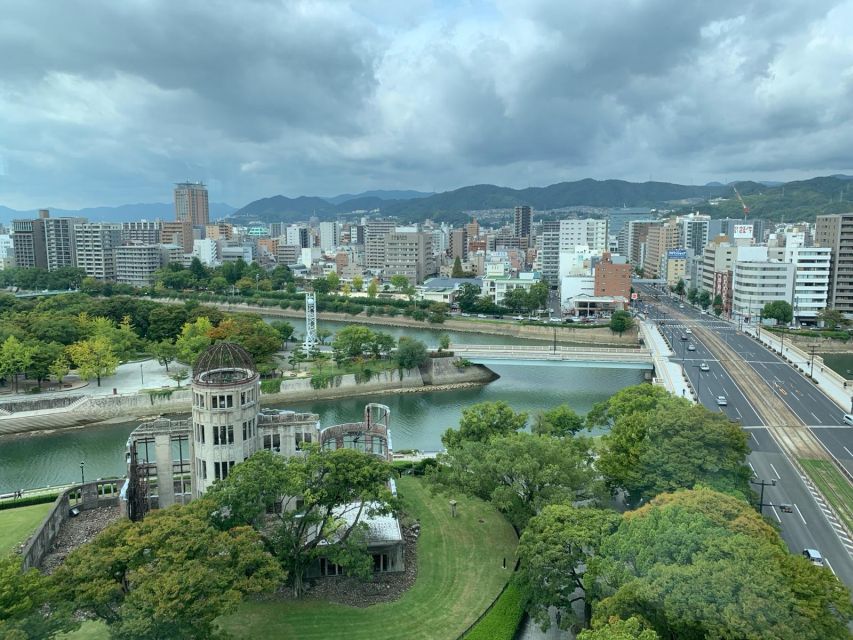
This tour lasts 2 hours, and the stops are planned so you’ll spend enough time at each site without feeling stuck for too long. Many stops are short guided visits or photo-friendly moments, with a few longer points like the Peace Memorial Hall. If you’re traveling with tight schedules, this length is a solid fit.
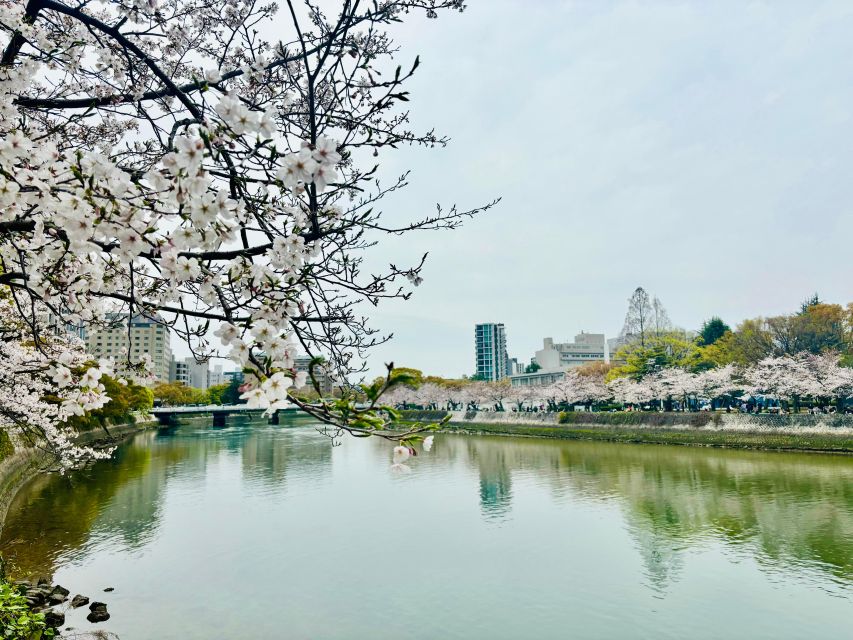
Still, the setting is outdoor and exposed. You’ll want comfortable shoes because the route includes multiple monuments and a fair amount of walking within the park. Bring weather-appropriate clothing, and if you’re visiting in rain, consider a small umbrella or a light rain jacket so you stay focused on the guide rather than on getting soaked.
This tour is also wheelchair accessible, which is useful if you’re planning around mobility needs. The route is within the Peace Memorial Park area, so it is designed for visitors who can manage a walking tour without needing major transport between stops.
Who should book this Hiroshima Peace Memorial Park walking tour?
Book it if you want a guided route that connects the dots between memorials. This is especially helpful if it’s your first time in Hiroshima and you feel overwhelmed by the number of sites in one area. A guide can help you prioritize what matters most and explain what you’re looking at right now, not later.
It also works well if you like questions. The best versions of this tour are described as interactive and responsive, with guides answering questions and keeping the tone thoughtful. If you’re the type who wants to understand details, you’ll likely appreciate the way the tour ties symbolism to historical context.
You might think twice if you need a light, casual sightseeing day. This is a serious experience with emotional intensity built into the route. You can still have a good day, but it won’t be the kind of day where you bounce between fun photo stops without stopping to reflect.
Should you book this Hiroshima history of Hiroshima group walking tour?
Yes, I think you should book it if your goal is a meaningful, well-timed visit to Hiroshima Peace Memorial Park with a guide who can explain the story behind the symbols. For $35, you get a 2-hour English guided walk plus entrance to the Hiroshima National Peace Memorial Hall for Atomic Bomb Victims, which makes the visit more than a simple outdoor tour.
If you’re worried about feeling emotionally drained, plan the rest of your day lightly after the tour. This walk is designed to leave you with a deeper understanding of what happened on August 6, 1945, and how Hiroshima shaped its message of peace afterward. In a city where the past is present in every corner, a good guide is not a luxury, it’s the difference between seeing and truly understanding.
FAQ
Where does the tour start?
The meeting point is in front of the Gates of Peace, located next to the Italian restaurant Mario.
How long is the Hiroshima Peace Memorial Park walking tour?
The tour lasts 2 hours.
What language is the tour guide?
The tour is offered with a live English-speaking guide.
How much does the tour cost?
The price is $35 per person.
What’s included in the tour price?
The guided tour is included, and entrance to the Hiroshima Peace Memorial Hall for Atomic Bomb Victims is included.
What are the main places you’ll visit?
You’ll visit multiple memorials in Hiroshima Peace Memorial Park, including stops such as the Mother and Baby in the Storm, the Peace Memorial Hall, the Children’s Peace Monument, the Peace Bell, the Atomic Bomb Dome, and you finish at the Hypocenter.
Where does the tour finish?
The tour finishes at the Hiroshima Atomic Bomb Hypocenter Monument.
What should I bring?
Bring comfortable shoes and weather-appropriate clothing.
Is the tour wheelchair accessible?
Yes, the tour is wheelchair accessible.
Can I get a refund if my plans change?
Free cancellation is available up to 24 hours in advance for a full refund.
More Historical Tours in Hiroshima
- Miyajima Half-day Trip Historical Walking Tour
★ 5.0 · 284 reviews - Hiroshima: Peace Walking Tour of World Heritage Sites
★ 4.9 · 190 reviews - Walking Through History: Hiroshima’s Path to Peace
★ 4.9 · 156 reviews - Hiroshima: Miyajima Half-day Historical Walking Tour
★ 4.7 · 100 reviews
Fresh options around Hiroshima
- Hiroshima and Miyajima Full Day Private Tour★ 4.5 · 19 reviews
- 4 Hour Miyajima PRIVATE Tour★ 5.0 · 19 reviews
- Hiroshima Private Walking Tour with a Local★ 4.5 · 19 reviews
- Hiroshima Scenic Cycling Guided Tour★ 5.0 · 19 reviews
- Miyajima Guided Tour and Fresh Oyster Farm Tour★ 5.0 · 20 reviews
- Hiroshima: Atomic Bomb Dome and Peace Memorial Museum 3 hours★ 5.0 · 20 reviews
- Hiroshima: Tour of Atomic Bomb Dome & Peace Memorial Museum★ 5.0 · 20 reviews
- Hiroshima: City and Miyajima Bike and Boat Tour★ 5.0 · 20 reviews
Historical Tours, compared.
World Heritage Shirakawa-go and Experience Tours from Kanazawa
Read our review →
Imperial Palace and Shogun Historical Walking Tour
Read our review →
World Heritage Kyoto & Nara Uji Authentic Matcha Experience
Read our review →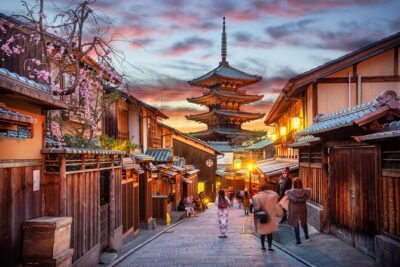
Kyoto Gion: 2-Hour Geisha Culture & History Walking Tour
Read our review →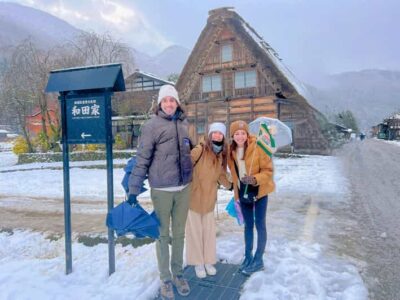
World Heritage Shirakawa-go Morning Guided Tour
Read our review →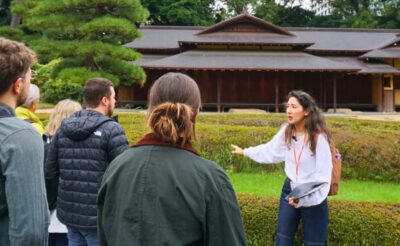
Hiroshima Historical Walking Tour – Why A-Bomb was Dropped
Read our review →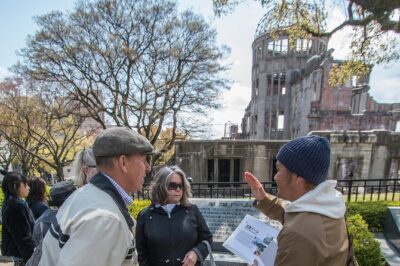
Hiroshima Peace (Heiwa) Walking Tour at World Heritage Sites
Read our review →Browse the lists this tour appears in