

Reviewed · WALKING TOURS
Osaka 4-Hour Walking Tour: Hotspots and Hidden Gems
Neon, lions, and street bites in four hours. This Osaka walking tour turns a simple afternoon stroll into a guided mix of myth, modern pop culture, and real neighborhood energy. I especially like the giant 12-meter lion head photo stop and how the guide makes the city’s legends feel personal, not just historical facts.
Second, you get a smart pacing trick: famous places like Dōtonbori plus fun side streets in Nipponbashi (Den-Den Town) and Kuromon Market, with just enough time to look around, not speed through. The group stays small (max 10), and the guide, Ai, is consistently praised for being funny, patient, and very clear about what you’re seeing.
One consideration: if you hit busy periods, you can end up standing in lines at popular spots like Namba Yasaka Shrine, which can cut into your relaxed pace.
Key highlights worth circling
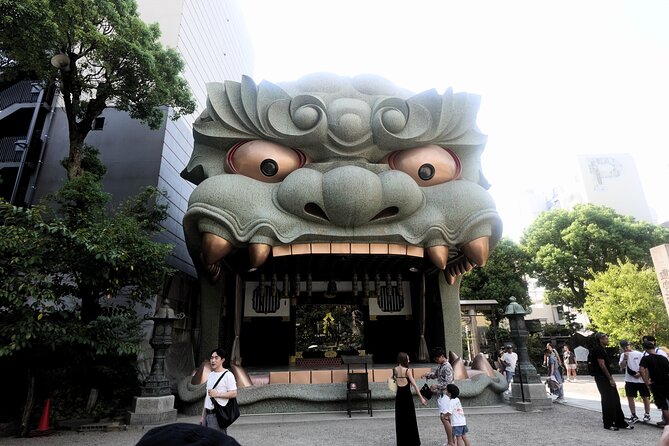
- A giant lion head at Namba Yasaka Shrine with a myth you’ll actually remember
- Den-Den Town pop-culture streets, electronics, anime goods, and retro game energy
- Gachapon capsule machines for that quick, playful Osaka ritual
- Kuromon Market food lanes where everyday shopping feels part of the show
- Dōtonbori neon and the Glico sign plus iconic canal views
- Hōzenji Temple lantern alleys for a calmer, nostalgic mood shift
Why this 4-hour Osaka walk makes sense
Osaka is big on attitude. It’s a city of quick jokes, loud colors, and everyday food habits that are way more interesting than a checklist of landmarks. A four-hour walking format is a nice sweet spot because you get several distinct neighborhoods without feeling like you ran an obstacle course.
This tour also focuses on variety. You’ll go from a shrine myth and a lion sculpture, to Den-Den Town’s pop-culture maze, then to a market that smells like cooking and fresh ingredients, and finally into Dōtonbori and Hōzenji Temple for the neon-to-lantern contrast. That change of scenery is the secret sauce.
And with a small group of up to 10, you’re more likely to actually hear the guide, ask a question, and keep your bearings as you walk. That matters in Osaka, where the streets can look similar and signage can come at you fast.
More Walking Tours in Osaka
- Osaka: Hotspots & Hidden Gems Walking Tour Private or Group
★ 4.9 · 1,300 reviews - Osaka Local Foodie Walking Tour in Dotonbori and Shinsekai
★ 5.0 · 985 reviews - Osaka Bar Hopping Night Walking Tour in Namba (3 bars, 6 tastes)
★ 5.0 · 958 reviews
Namba Yasaka Shrine and the lion that swallows bad luck
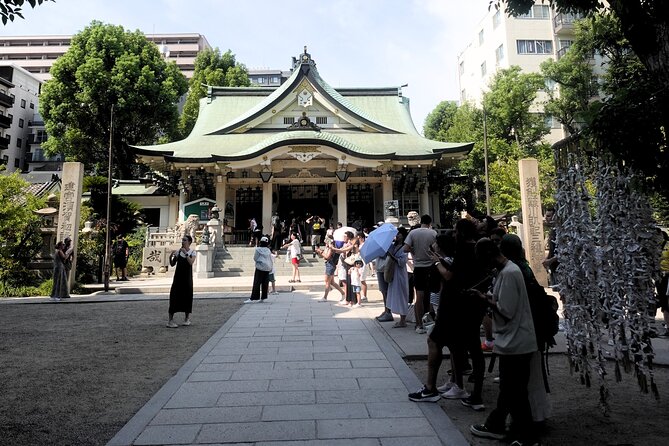
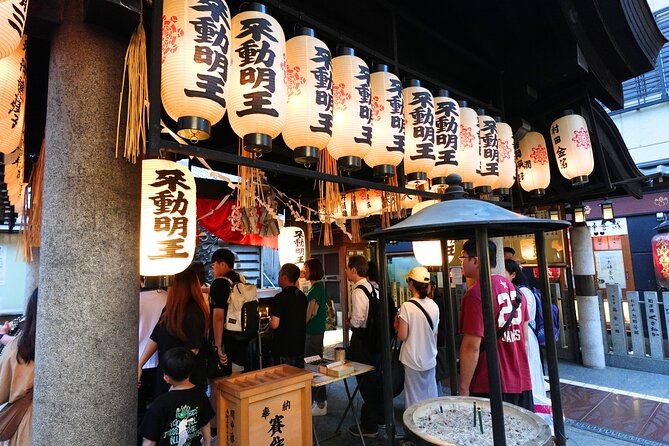
You start at Namba Yasaka Shrine, tucked into Namba backstreets. The standout is a giant 12-meter lion head stage, famous for a belief that it swallows evil spirits and brings good fortune. It’s dramatic enough to be worth a photo, but what makes it memorable is the story behind it and the way locals use the space.
You’re there long enough to slow down and notice details instead of just rushing past the main feature. The tour includes time at the shrine, and the entry for this stop is free. You’ll also learn how shrine worship works, including what people are doing when they pray, which makes your visit feel more grounded than a drive-by photo.
This is one of the best stops for culture-on-the-street. Ai is praised for connecting the meaning of rituals to what you’re seeing in front of you, and for making it easy to follow along. If you want one moment that turns into a “now I get it” memory, this is it.
Practical note: if you’re visiting during a peak holiday period, expect lines. A review mentioned a 30-minute queue at New Year. If your schedule is tight, build in a little slack.
Den-Den Town, the Akihabara vibe with Osaka humor
From the shrine’s calm, you head into Nipponbashi, often called Den-Den Town, Osaka’s pop-culture hub. Think anime goods, manga, video game vibes, quirky collectibles, and lots of bright storefront energy. If you like browsing, this is where you can lose track of time in a good way.
The guide keeps this stop moving, but not frantic. You’ll get a walkthrough of the area’s vibe, what different kinds of shops tend to offer, and how to spot the kinds of things people actually hunt for. It’s not just name-dropping. It’s learning how to read the neighborhood.
One of the most fun parts here is the gachapon moment, capsule toy machines everywhere. The ritual is simple: drop in a coin, twist the knob, and get a surprise toy. It sounds small, but it creates an instant shared experience, even if you’re traveling solo. Plus, it’s a low-cost way to bring home something that feels like Osaka, not just a generic souvenir.
Ai is also credited with teaching a few Osaka dialect words. That’s a small thing, but it changes how you listen to the street. Even if you don’t become fluent, you start noticing local rhythm and tone.
Kuromon Market: how to shop like you live here
Next comes Kuromon Market, often called Osaka’s Kitchen. This is the place where Osaka food culture shows up without polish. You’ll walk through covered arcades and see rows of stalls with seafood, produce, and local ingredients, plus the sound and energy of vendors doing their thing.
This stop works well on a tour because it’s not only about eating. It’s about learning the flow of a busy market: where people browse, how stalls present products, and what you notice when you’re not staring at a single famous dish. It’s a big part of why you walk away feeling you saw real daily life, not just tourist scenery.
Now, you should expect to spend a bit here if you want snacks. The data doesn’t say any food is included, and Kuromon is the sort of place where the food choices are half the adventure. A review mentioned the guide helping someone try takoyaki, and another referenced enjoying juicy wagyu skewers. That’s the vibe you can plan for: quick bites that keep you moving.
If you’re trying to travel light, this is also where you can pick one or two items and keep it simple. If you’re hungry, you can go bigger, just don’t let it slow the group too much.
Same corner of Japan, a different kind of day:
- Osaka Go Karting Tour with Funny Costume
★ 5.0 · 2,658 reviews - Osaka Castle: Museum and Tower Entry Ticket
★ 4.5 · 2,380 reviews - Osaka: Shinsekai Food Tour with 13-15 Dishes at 5 Eateries
★ 4.8 · 2,204 reviews - Osaka Food Tour: 13 Dishes at 5 Local Eateries
★ 5.0 · 2,149 reviews
Dōtonbori neon, the Glico sign, and canal photo time
Then you hit Dōtonbori, Osaka’s entertainment district and one of the world’s most recognizable neon walks. The guide helps you hit the classic photo moments, including the Glico running man sign and the canal area.
Dōtonbori can feel overwhelming on your own because it’s all visual and fast moving. On a guided walk, you get structure, plus context for why these signs exist and what kind of Osaka energy they represent. You’re not just taking pictures, you’re understanding the language of the place.
This part of the tour typically includes a longer stop time (around 50 minutes for Dōtonbori). That’s enough to get the iconic angles, enjoy the street noise, and still move toward the next stop without feeling rushed.
If you like night-out energy but don’t want to plan a full night, this is a strong payoff. The rest of the day can stay simple, and you still get that Osaka neon hit.
Hōzenji Temple: moss, lantern alleys, and a softer Osaka
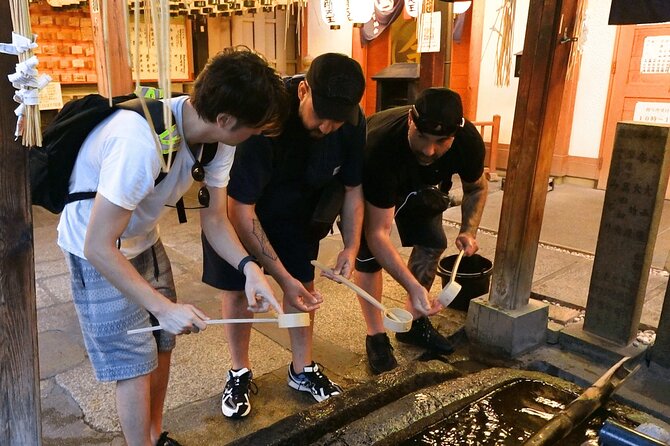
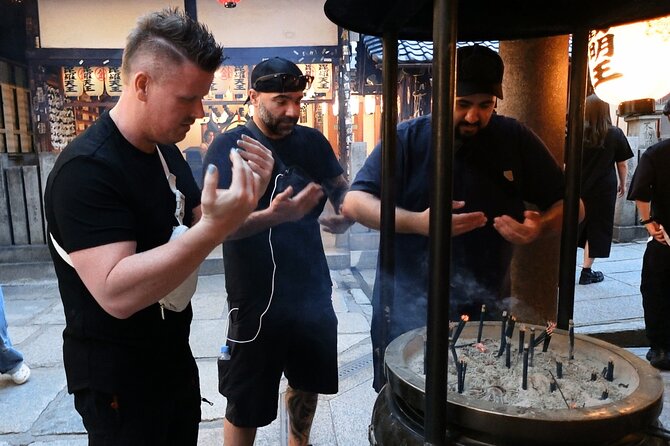
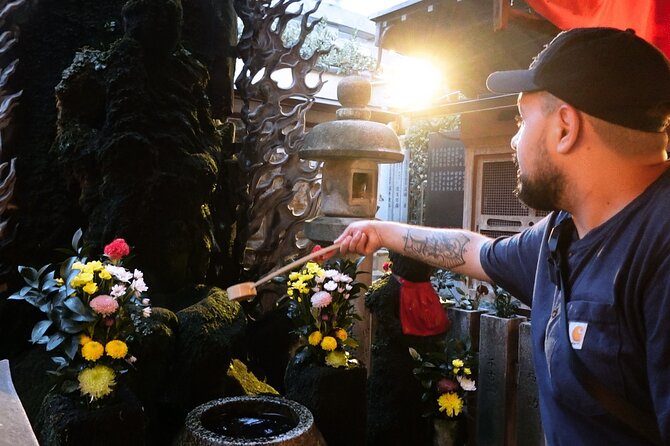
After the neon, you step into Hōzenji Temple, which is where the tour earns its mood shift. You’ll see a moss-covered statue and then wander through lantern-lit alleys that feel older and quieter than the surrounding crowds.
This is a big reason the tour feels balanced. Osaka is famous for being modern and loud, but it also keeps pockets of older atmosphere. Hōzenji Temple gives you that contrast without needing extra planning or a separate trip.
If you’re the kind of person who likes sensory travel, this stop delivers. Lantern light, stone textures, calmer pacing, and a sense of the city slowing down. It’s also a nice moment to reset before you finish in the Dōtonbori area.
Price and value: what $40 buys you in Osaka
At $40 per person for about four hours, the value comes down to how the tour is organized. You’re paying for a guide, small-group attention (max 10), and a route that strings together major experiences in a logical flow.
Also, at least one key cultural stop has free entry. Namba Yasaka Shrine is free for the tour’s shrine segment, so your money goes directly toward interpretation and guidance, not ticket handling.
The guide effect is also the main differentiator. Multiple reviews highlight Ai’s humor, patience, and clear explanations, and that matters more than people expect. In places like shrines and markets, understanding what you’re looking at turns wandering time into real meaning.
One budgeting tip: plan for your own spending on snacks, and for anything like coins for a capsule toy machine. The tour covers the walking and guidance, not necessarily your food or little purchases.
Group size, timing, and where you meet
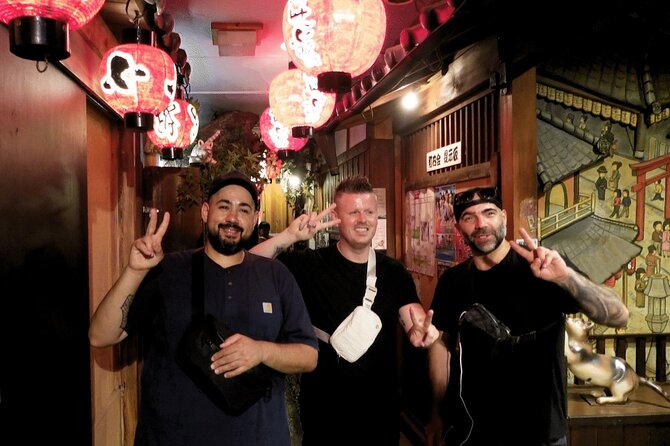
The tour starts at 2:00 pm and runs around 4 hours. That afternoon timing is smart: you can catch daytime details at shrines and markets, then still enjoy neon energy later in the walking stretch.
It’s also designed for real walking. “Near public transportation” helps, because you can reach the start area without drama. The meeting point is listed at South Hills Namba building in Naniwa Ward (Shikitsunishi, 2-chōme). The tour ends in the Dōtonbori area, finishing at Ebisubashi in Chuo Ward, so it’s easy to keep exploring on your own afterward.
Because the max group size is 10, you won’t feel like you’re in a moving bus. You can walk at a human pace, and the guide can adjust for questions.
Who this tour suits best
This is a great fit if you want:
- a guided introduction to Osaka that mixes myth, pop culture, and food culture
- a route that’s efficient without feeling like a race
- a guide who explains what you’re seeing and helps you interact with local customs
It also works well if you like photos, but you don’t want only photo stops. The shrine and temple parts give you meaning, not just scenery. Den-Den Town and Kuromon Market give you atmosphere and things to look at. Dōtonbori gives you the iconic visuals.
If you prefer slow, museum-style history, this may feel a bit too street-forward. But if you want stories you can walk through, it hits the mark.
A few practical tips to make your walk smoother
- Bring some cash or coins for capsule toys and market snacks. The gachapon activity is coin-based.
- Wear comfortable shoes. You’ll be moving through streets and arcades, and Osaka sidewalks can add up fast.
- If you’re visiting during a big holiday, keep extra time for popular stops like the shrine. Lines can happen.
And here’s the real tip: listen to Ai’s explanations out loud. These streets can blur together if you’re only thinking about where to take the next photo. The tour shines when you let the stories change how you look at the place.
Should you book this Osaka walking tour?
I think this is a strong booking choice if you want an afternoon that feels like Osaka, not just pictures of Osaka. The best reason to do it is the mix, plus the guide’s ability to connect legend, daily life, and the city’s playful spirit.
Book it if you like walking, snacks, and learning what you’re seeing. Skip it if you already know Osaka deeply and you’re hunting for very specific, off-the-map destinations that require long detours.
If you’re deciding between doing nothing and doing this, do this. It’s an efficient way to understand Osaka’s personality in one go, and the lion head story plus lantern alleys will stick with you long after the neon fades.
FAQ
How long is the Osaka walking tour?
It’s about 4 hours.
How much does the tour cost?
The price is $40.00 per person.
What time does the tour start?
The start time is 2:00 pm.
Where does the tour start and where does it end?
It starts at 2-chōme in Shikitsunishi, Naniwa Ward (South Hills Namba building). It ends in Dōtonbori at Ebisubashi, in Chuo Ward (Shinsaibashi-suji area).
Is admission included for the shrine stop?
Namba Yasaka Shrine entry is listed as free for the tour stop.
What happens at Nipponbashi (Den-Den Town)?
You’ll walk through shops and pop-culture streets and try a gachapon capsule machine activity, where you put in a coin, twist, and get a surprise toy.
How large are the groups?
The tour has a maximum group size of 10 travelers.
What is the cancellation policy?
Free cancellation is available. You can cancel up to 24 hours in advance for a full refund.
Fresh options around Osaka
- Hidden Gems of Osaka Kyoto Nara – Private Car Tour by Local Guide★ 5.0 · 14 reviews
- Osaka Nights: Ultimate Pub Bar Crawl with an Expert Local Guide★ 5.0 · 14 reviews
- Private arrival Transfer from Osaka Itami Airport(ITM) to central Osaka city★ 4.5 · 14 reviews
- Osaka Food Walking Tour with Market Visit★ 4.5 · 14 reviews
- Osaka Dotonbori:GIRAFFE Nightclub Ticket with Drink/VIP Plan★ 4.4 · 14 reviews
- Half day Osaka Bay Area Cycling with E-Assist Bicycle Tour★ 5.0 · 15 reviews
- Badminton in Osaka & Kyoto with Locals!★ 5.0 · 15 reviews
- Osaka Ramen Cooking Class “Learn here and make it at home”★ 5.0 · 15 reviews
Walking Tours, compared.
Kyoto Geisha Walking Tour: Gion District & Hidden Gems
Read our review →
Tokyo Tsukiji Fish Market Food and Culture Walking Tour
Read our review →
Gion Magical Night Walking Tour with Geisha Trivia
Read our review →
Imperial Palace and Shogun Historical Walking Tour
Read our review →
Gion Geisha District Walking Tour – Stories of Geisha
Read our review →
Shinjuku Local Bar and Izakaya Guided Walking Tour
Read our review →
Browse the lists this tour appears in