
Reviewed · COOKING CLASSES
Authentic SUSHI Course Cooking Class
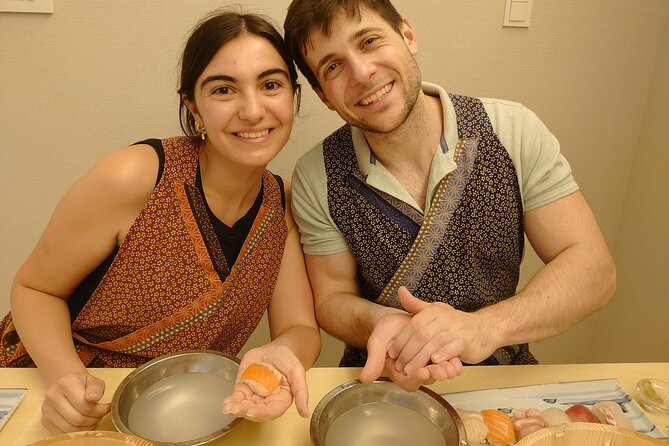
Sushi starts with your own rice. In Osaka, this small-group cooking class takes you from scratch to plate in about 2.5 hours, including sushi rice, dashi, miso soup, and yakitori. I love the hands-on workflow (you make key components yourself), and I also like the tiny class size, which keeps the pace friendly. One thing to consider: it is not a passive food tour, so you will be working with your hands and following lots of steps.
I like how the lesson is structured like a real course meal, not just one sushi trick. You learn rolling, shaping, and seasoning methods, then sit down with chopsticks to eat what you made, with a seasonal dessert to finish. If you are short on time, pick the right session, since the menu is full and it moves from beginning to end.
Key Highlights You Should Care About
- You start by making sushi rice using your own wooden tub and paddle, so you learn the foundation first
- Small-group class size (capped very tightly, listed up to 14 and also up to 8) for more direct attention
- A full sushi lineup including nigiri, gunkan-maki, and a rolled sushi style
- Dashi and miso soup from scratch with tofu and shaped vegetables
- Yakitori chicken on skewers so you get more than just sushi skills
- You eat the meal you cook, plus a complimentary seasonal dessert
Where The Class Begins in Osaka, and Why It Matters
The meeting point is in the Kitahorie area, at Banix北堀江Japan, 550-0014 Osaka, Nishi Ward, Kitahorie, 3-chōme62 システマギャラリー. The start time shown for the session you may book is 5:30 pm, and the class ends back at the same spot.
This neighborhood location is practical because you can line it up with an evening plan without needing complicated transit. It is also described as near public transportation, which helps if you are juggling dinner plans or heading back to your hotel afterward.
One more detail I like: the class uses a mobile ticket, which reduces last-minute stress. If your phone battery is a concern, just make sure it is charged.
More Cooking Classes in Osaka
- Osaka: Ramen and Gyoza Cooking Class in Dotonbori
★ 5.0 · 378 reviews - Osaka Cooking Class: Okonomiyaki &Japanese cuisines experience
★ 5.0 · 261 reviews - Ramen and Gyoza Cooking Class in Osaka
★ 5.0 · 202 reviews
The Full Sushi Menu You’ll Actually Make (Not Just Watch)
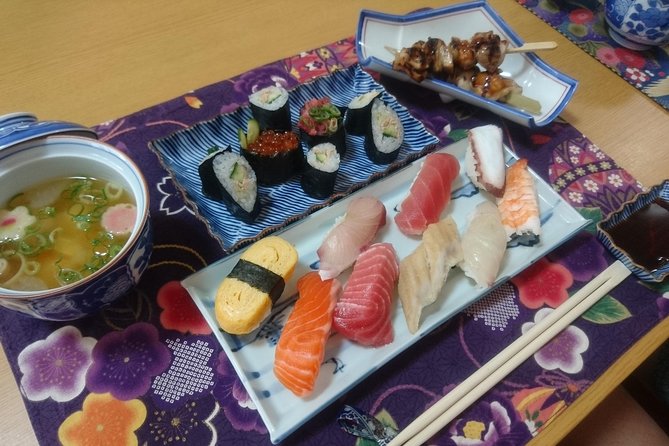
This is a hands-on sushi course, and the menu is specific. You make three kinds of sushi, totaling:
- 9 nigiri-sushi
- 2 gunkan-maki
- 1 rolled-sushi
You also make a Japanese soup course and a chicken component. The soup includes dashi and then miso soup, made with tofu and vegetables cut into “fancy” shapes. For the chicken, you skewer it and make yakitori.
If you came to Osaka thinking sushi lessons would focus on only one roll, this class helps you level up faster. You practice different sushi formats, which teaches different handling, texture goals, and finishing touches.
Step One: Sushi Rice, Wooden Tub to Seasoned Skill
The class starts with you putting on an apron and beginning on your own sushi rice. You are given a wooden tub and a paddle for each participant, so you can work directly on the rice rather than sharing a single station.
This is a big deal because sushi rice is the hardest part to teach from scratch. The goal is not just cooked rice, but rice that is properly seasoned and workable. Learning it first sets you up for everything else, since nigiri and rolls both depend on how the rice behaves in your hands.
After you finish this start, the lesson moves into group work where you combine skills. That rhythm keeps the class from feeling like a factory line, and it also means you are building confidence early.
Rolled Eggs and Egg Sushi, Using a Rectangle Pan
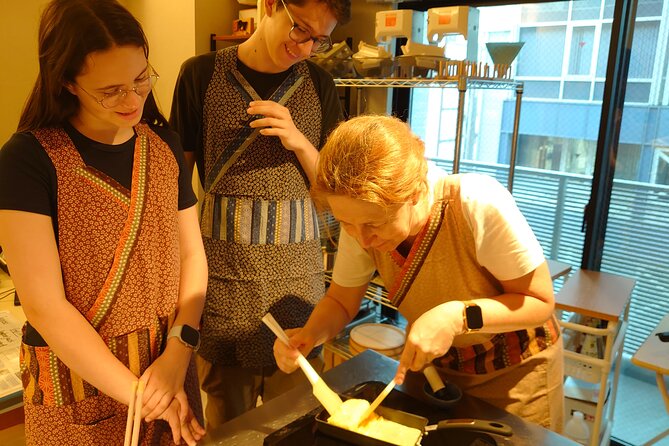
Next, everyone participates together to make rolled eggs for egg sushi. The cooking tool is a rectangle-shaped frying pan, which is key for Japanese tamagoyaki style eggs.
This part matters because egg sushi is about precision, not just taste. A rectangular pan helps you control thickness and shape, which is exactly what you need for neat slices and clean sushi presentation.
The class then builds from this step into classic Japanese broth. You are learning how different components connect into one meal, not treating them like separate dishes.
More Sushi Making Classes in Osaka
- Sushi Making Osaka Roll and Authentic Japanese Sushi Class
★ 5.0 · 1,220 reviews - Osaka Sushi Making Experience
★ 5.0 · 400 reviews - Osaka Sushi Making Class – Hands-On Nigiri & Rolls (Same-Day OK)
★ 5.0 · 352 reviews - Osaka: Roll and Authentic Sushi Making Class in Dotonbori
★ 4.9 · 239 reviews
Dashi and Miso Soup: The Warm Umami Backbone
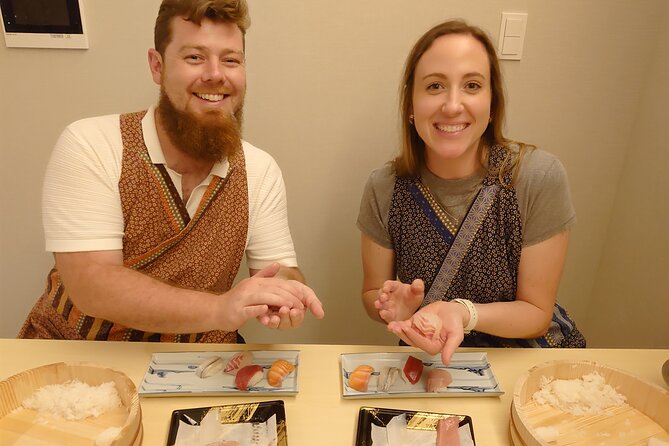
After the egg course, you make traditional Japanese broth dashi, then turn it into miso soup. In the miso soup stage, you use tofu and vegetables shaped in a more decorative style.
Why this is worth your time: dashi teaches you the backbone flavor of a lot of Japanese cooking. Once you understand the broth role, miso soup feels less mysterious because you can taste structure, not just saltiness.
Also, miso soup is a helpful skill for home cooking. It is one of the easiest ways to practice Japanese flavor building after you return. If you want a takeaway beyond sushi, this soup section is a strong one.
Yakitori Chicken, Skewers, and Grilling Practice
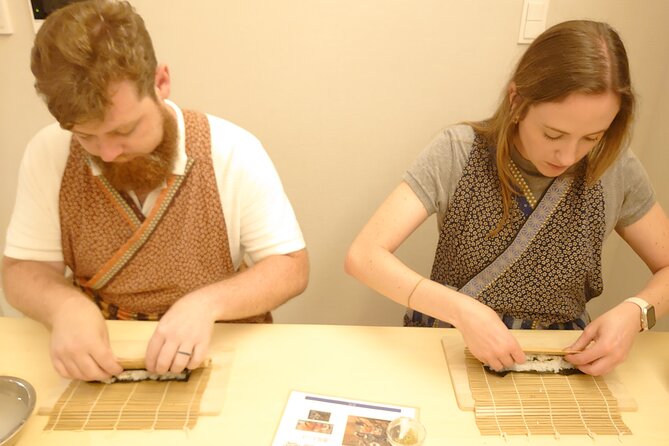
You also skewer chicken and make yakitori. That means you do more than assemble garnishes. You handle the process of marinading and preparing the skewers, then grilling.
Yakitori is popular for a reason, it is simple but not easy. The lesson’s value here is learning how seasoning and handling affect the final taste and texture. You also get a break from rice-heavy tasks, while still using Japanese cooking methods.
If you are the type of foodie who likes meat-and-sauce balance as much as raw fish, this yakitori component gives the course shape. It makes the whole meal feel like you are eating a proper set, not sampling random bites.
Putting It All Together: Eating the Course You Cook
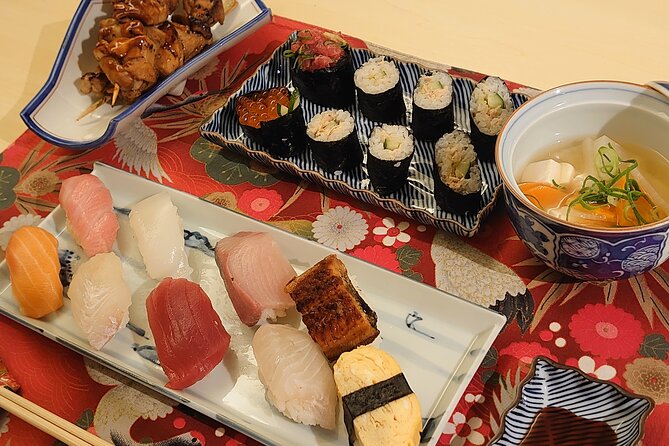
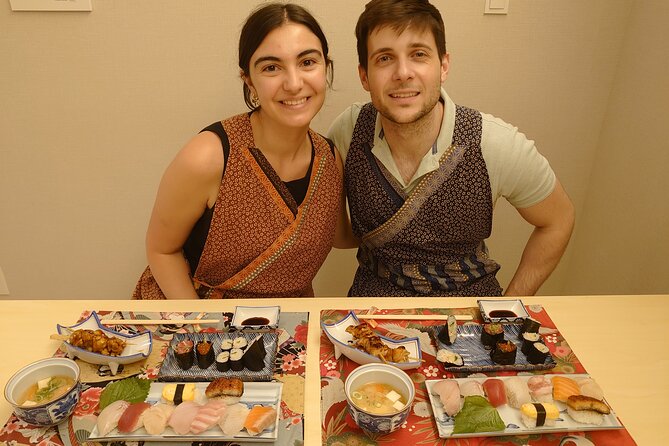
At the end, you plate your dishes, along with chopsticks, and then you eat together using the traditional start to the meal, Itadakimasu. A complimentary seasonal dessert comes afterward.
This is where a class like this becomes memorable. Cooking builds a connection to the food, and then eating it immediately turns your effort into something you can actually evaluate, share, and remember.
It also makes the class a practical “night out.” You are not paying just to learn technique, you are getting a full meal out of your work. That matters when you compare cooking classes, because many offer small tasting portions while this one centers the meal on what you create.
How Long It Takes, and What the Pace Feels Like
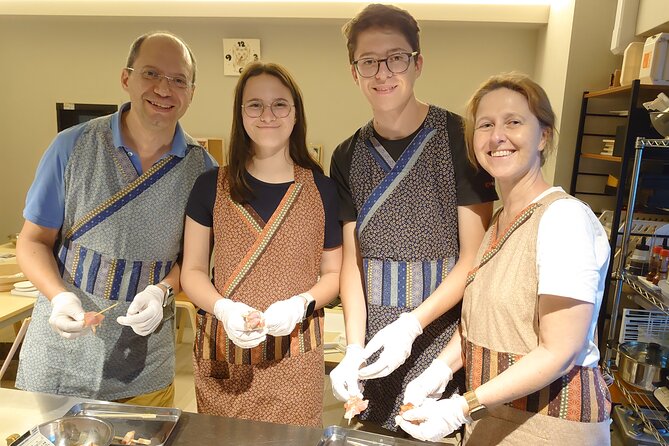
The duration is listed at about 2 hours 30 minutes. That is a good length for a multi-dish course, because it gives enough time for hands-on practice without stretching into a half-day.
Because the class runs in stages, you should expect an active pace. You will switch from rice work to egg rolling to soup broth to miso soup to skewering and grilling, then plating and eating. If you hate multitasking, plan to stay focused and enjoy the rhythm.
Choosing a lunch or dinner class option can help. Even though one listed start time is 5:30 pm, the experience notes that you can pick a lunch or dinner session to match your schedule.
Price and Value: Why $99.08 Can Make Sense
This class costs $99.08 per person, which sounds like a lot until you look at what you get. You are paying for:
- Ingredients included for multiple dishes
- A small-group setup with hands-on instruction
- A full sushi lineup (nigiri, gunkan-maki, and rolled sushi)
- Dashi and miso soup
- Yakitori chicken
- The meal plus seasonal dessert
For $99.08, you are not just learning how sushi should taste. You are learning how it is built, ingredient by ingredient, in a course format. That is why the “value” feels stronger than cheaper classes that only cover one item or provide limited portions.
If you are comparing options, I suggest you price it like an evening meal plus a real lesson. The skills you practice are the kind you can repeat at home, especially rice seasoning, dashi, miso soup, and basic yakitori handling.
Who Should Book This Sushi Course in Osaka
This is a strong fit if you want a structured, hands-on Japanese food night with real outcomes. It is also ideal if you like learning step-by-step, since the workflow starts with sushi rice and builds through the rest of the course.
It works well for:
- Couples who want a shared activity and a sit-down meal afterward
- Families with older kids who can handle cooking steps and want to eat what they made
- Solo diners who do not mind working in a small group
One caution: children must be accompanied by an adult. If you are traveling with kids, plan your expectations around participation. This is a working class, not a “watch and snack” event.
If you are in Osaka for only a day or two, this class can be a high-impact experience because it compresses several Japanese dishes into one evening meal.
Names to Remember: Fumi and Sakura
The instruction is led by professionals, and the course has been specifically associated with names like Fumi and Sakura in past experiences. Those names come up because the teaching style is described as patient and step-by-step, with instructors making sure you are involved while cooking.
Even if your session’s instructor is different, the teaching pattern is consistent. The class is set up so you do the work, not just observe it.
Should You Book This Osaka Sushi Course?
Yes, you should book it if you want a practical sushi skill session that ends with a meal you can actually judge. The mix of sushi formats, dashi and miso soup, plus yakitori makes it feel like a complete Japanese dinner, not a one-bite demo.
I would skip it only if you want a slow, scenic food walk, or if you dislike hands-on cooking. This is best when you show up ready to cook, taste, and learn.
One last tip: eat smart before class if you can. Since you are making and eating a full course, going in hungry is good, but going in stuffed can make it harder to appreciate the differences you work so hard to create.
FAQ
Where is the meeting point for this Osaka class?
It starts at Banix北堀江Japan, 550-0014 Osaka, Nishi Ward, Kitahorie, 3-chōme62 システマギャラリー, and it ends back at the same meeting point.
What time does the class start?
The start time listed is 5:30 pm.
How long does the cooking class last?
The duration is about 2 hours 30 minutes.
How many people are in the group?
The experience is described as small-group with a maximum of 14 participants, and the activity details also list a maximum of 8 travelers.
What dishes will I make during the class?
You will make sushi rice, rolled egg sushi, dashi and miso soup with tofu and shaped vegetables, and you will make 3 kinds of sushi (9 nigiri-sushi, 2 gunkan-maki, and 1 rolled-sushi). You will also skewer and make yakitori chicken.
Are ingredients included?
Yes. The activity includes all ingredients, and it also includes some sweets to enjoy afterward.
Is there dessert included?
Yes. A complimentary seasonal dessert is included at the end.
Can I choose lunch or dinner?
Yes. The experience offers a choice of lunch- or dinnertime class.
Can I bring a child, and what about dietary needs?
Children must be accompanied by an adult. You should advise any specific dietary requirements at the time of booking.
Fresh options around Osaka
- Osaka Winery Tour with Wine Tasting & Vineyard Walk★ 4.9 · 12 reviews
- Osaka: Early Morning Osaka Castle Guided Tour, Avoid Crowds★ 4.9 · 12 reviews
- Kyoto Day Trip from Osaka Port – Private Shore Excursion★ 5.0 · 13 reviews
- Osaka Private Pop Culture Tour: Historic Tenma to Dotonbori★ 4.5 · 13 reviews
- Osaka Castle Admission Ticket★ 4.0 · 13 reviews
- Hidden Osaka Foodie Tour: Nishinari Backstreets & Local Dining★ 5.0 · 13 reviews
- Discover Real Osaka: A Cultural Walk with Food & Drink★ 5.0 · 13 reviews
- Nara private tour (Shore excursion available from Osaka or Kobe port)★ 5.0 · 13 reviews
Cooking Classes, compared.
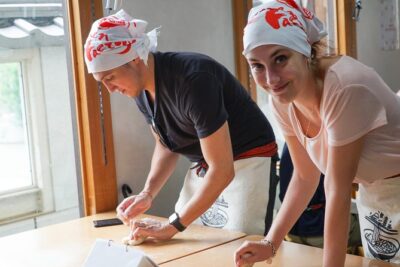
Ramen Cooking Class at Ramen Factory in Kyoto
Read our review →
Ramen & Gyoza Cooking Class in Tokyo with Local Supermarket Visit
Read our review →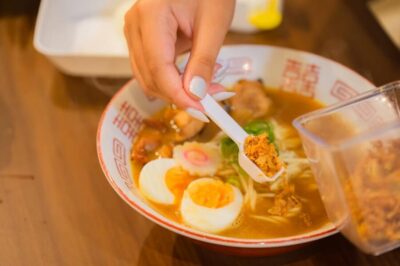
Ramen Cooking Class at a Ramen Factory with Souvenir
Read our review →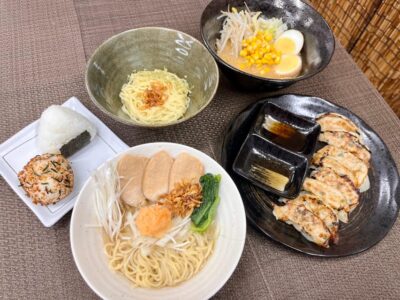
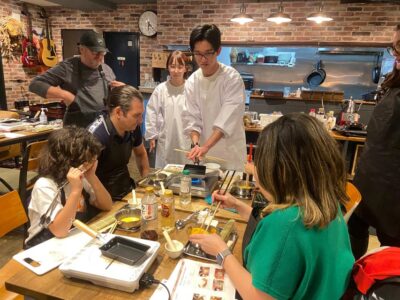
Japanese Washoku Bento Small Group Cooking Class
Read our review →
Easy Ramen Cooking Experience in Kabukicho, Shinjuku
Read our review →
Ramen and Sushi Cooking Class with Sake Pairing Set in Tokyo
Read our review →Browse the lists this tour appears in