
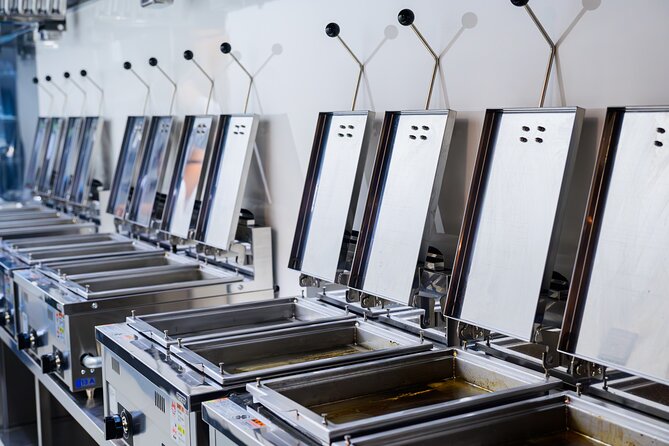
Reviewed · COOKING CLASSES
Gyoza Cooking Class in Kyoto: Traditional Japanese Dumplings
Gyoza is better when you make it. In this Kyoto workshop, you learn how to wrap and how to cook Japanese gyoza with an English-speaking instructor in a relaxed, beginner-friendly setup, then you eat what you make fresh from the pan. I especially like that you get to choose from different meat and vegetable fillings, and the class comes with a full recipe you can follow later. One thing to consider: the experience is not suitable for wheelchair users.
You’ll meet near Karasuma Oike Station, then spend about 90 minutes doing the real work, not just watching. The vibe is calm and patient, with hands-on guidance and plenty of chances to ask questions while you shape dumplings and cook them. The payoff is practical, too: you’ll leave knowing what to do when gyoza dough gets sticky, and why the pan method matters for that crispy outside and juicy center.
Quick hits you’ll care about
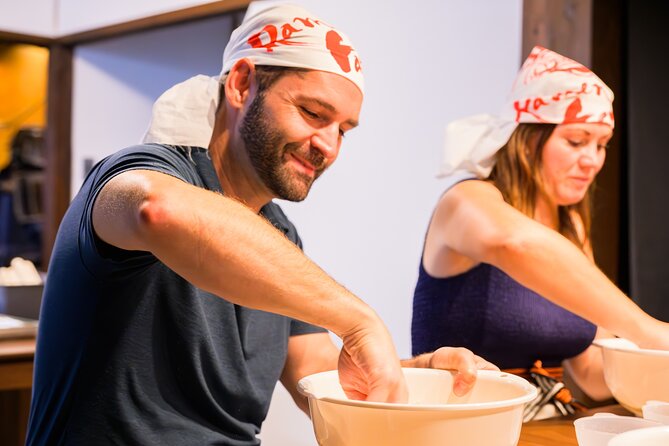
- Pick your own fillings from meat and vegetable options, including a veggie choice
- Learn wrapping technique that helps dumplings stay neat and seal well
- Cook on the pan until they’re crisp outside and juicy inside
- Eat your gyoza right away, plus one free drink during the class
- Get a full recipe so you can repeat the results at home
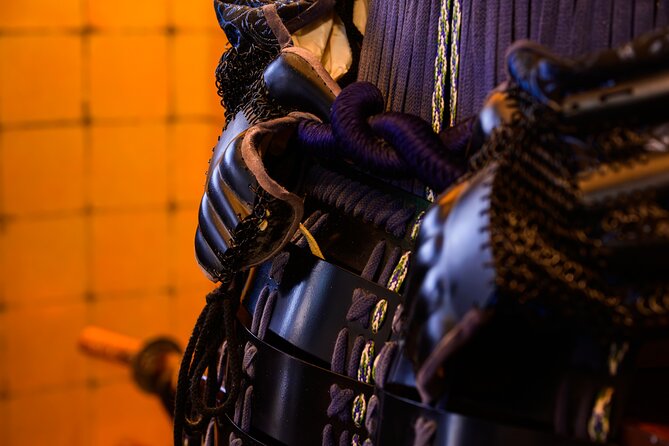
- Snap a photo with a Samurai, a fun extra moment after cooking
Arriving Near Karasuma Oike, and Why Location Matters
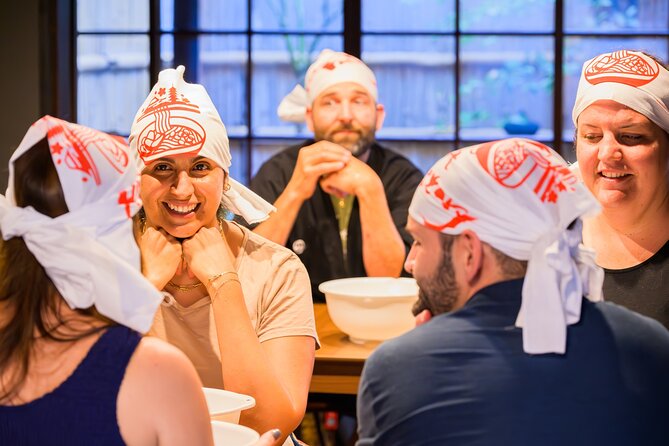
This class is easy to reach, which matters because the best part happens during the cooking, not in transit. You’ll be a short walk from Exit 2 of Karasuma Oike Station on the Kyoto City Subway Karasuma Line and Tozai Line, with the meeting spot listed as about a 5-minute walk and roughly 362 meters from the station.
That location is useful for planning your day. Kyoto can turn into a “hop by hop” city, so having a subway-friendly meeting point makes it simpler to fit a dinner-hour activity without a long detour. Also, since the workshop runs about 90 minutes, you’re not stuck committing to a half-day block.
If you’re starting from somewhere else in Kyoto, plan to arrive 10 minutes early so you can settle in, get your drink, and start the first ingredient step without rushing. The class is described as interactive for beginners, which usually means momentum matters once you start handling dough.
More Cooking Classes in Kyoto
- Ramen Cooking Class at Ramen Factory in Kyoto
★ 5.0 · 1,937 reviews - Kyoto: Ramen Cooking Class at a Ramen Factory with Souvenir
★ 4.9 · 532 reviews - Kyoto: Ramen, Gyoza, and Onigiri Cooking Class
★ 5.0 · 445 reviews
What the 90-Minute Kyoto Gyoza Lesson Actually Covers
A good gyoza class teaches technique you can use again, not just a one-time meal. This one is built around the full dumpling process, from selecting ingredients to wrapping dough, then cooking your own pan-fried gyoza to finish.
You can expect a guided flow: you’ll learn how to choose fillings, how to wrap with proper technique, and how to cook so you get that classic texture. Along the way, the instruction includes the cultural side too, with stories and context about why gyoza is such a beloved Japanese dish.
The structure is also time-smart. Ninety minutes sounds short until you realize gyoza is a multi-step skill, and you only get good at it by doing it. Here, you’re shaping and cooking within the class window, which is a big reason it works as a fun evening activity.
Choosing Fillings: Meat, Vegetables, and Personal Taste
One of the smartest parts of this workshop is the emphasis on choice. You’re not locked into a single filling, and you get to pick from different meat and vegetable options. That means you can steer flavors toward what you already like, rather than trying to “learn” your preferences on the spot.
From the reviews, the veggie option seems to go over well. One participant described requesting a vegetable option and being happy with the result, including the quality of the dumplings at the end. That matters because gyoza can be great with vegetables, but only if the balance is right and the filling is handled properly.
Also, choosing your filling helps you understand gyoza as a concept. You start to see how ingredient selection affects texture and taste, like how moisture level changes wrapping and how seasoning needs to work with the cooking method. Even if you never plan to become a dumpling expert, that lesson makes you a better home cook.
Quick tip for you: if you have allergies or dietary restrictions, inform the organizers in advance. The class explicitly asks guests to share dietary needs ahead of time, which is the practical way to avoid last-minute confusion.
Wrapping Technique: Sealing Dumplings That Don’t Fall Apart
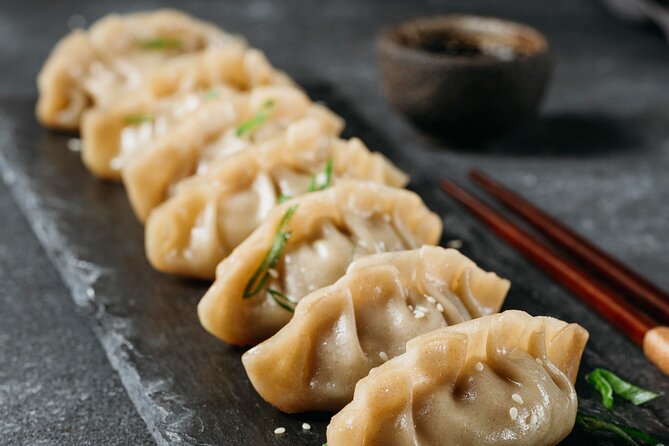
Wrapping is the skill people remember, and it’s also the skill that turns “I tried” into “I can do this again at home.” The class focuses on authentic wrapping technique, and the tone is described as patient and clear, even if you’re not confident in the kitchen.
You’ll work the dough and learn how to place filling, fold the wrapper, and form the characteristic pleats. The key is sealing, because gyoza lives and dies by staying closed during cooking. If you’ve ever had dumplings burst in the pan, you’ll appreciate how much the class emphasizes correct technique instead of speed.
This is also where the English-speaking instruction earns its keep. When you can understand each step clearly, you’re more likely to correct mistakes in real time. Reviews highlight instructors who explain each process with clarity and passion, and that kind of coaching is what makes hands-on classes feel safe for beginners.
Also, wrapping isn’t just about looks. Neat pleats and a solid seal help you get better browning and more even cooking, which connects directly to the crisp-outside, juicy-inside result so many people mention.
Same corner of Japan, a different kind of day:
- PERFECT KYOTO 1-Day Bus Tour
★ 5.0 · 13,518 reviews - Kyoto: Fushimi Inari, Kinkakuji, Bamboo Grove 1 Day Bus Tour
★ 4.8 · 4,316 reviews - Kyoto: Tea Ceremony in a Traditional Tea House in Kiyomizu
★ 4.9 · 3,519 reviews - Kyoto Geisha Walking Tour: Gion District & Hidden Gems
★ 4.7 · 3,273 reviews
Pan Cooking to Crispy-Bottom Perfection
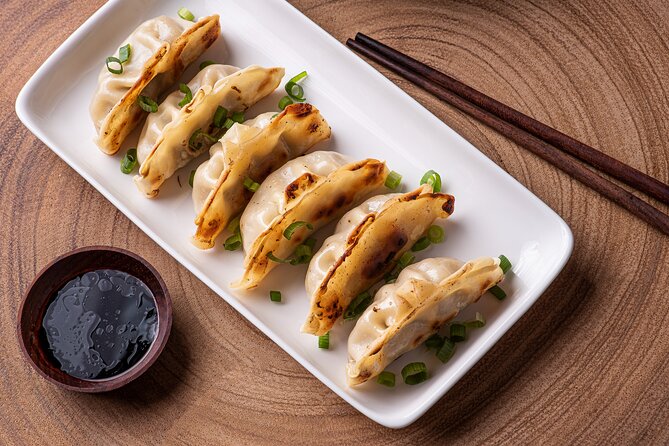
Gyoza is one of those dishes where the cooking method matters almost as much as the filling. This workshop teaches you to cook your gyoza to perfection on the pan, then you eat them right after. That setup is valuable because you can connect technique to outcome, immediately.
From the feedback, the texture is a standout: crispy on the outside, juicy in the center. That’s exactly what you want from pan-fried gyoza, and it’s not an accident. It usually comes from heat control, arrangement in the pan, and knowing when the dumplings are ready to finish.
Here’s what I think is the real value for you: you’re learning a method, not just producing a meal. Once you understand how to heat the pan and how the dumplings should look as they cook, you’ll be more confident cooking them at home later.
One more practical note: since you cook what you shape, you can also learn the “why” behind adjustments. If one batch browns too fast or doesn’t crisp as expected, the instructor can guide you on what to fix next time.
Eating the Results: One Drink and Your Freshly Cooked Dumplings
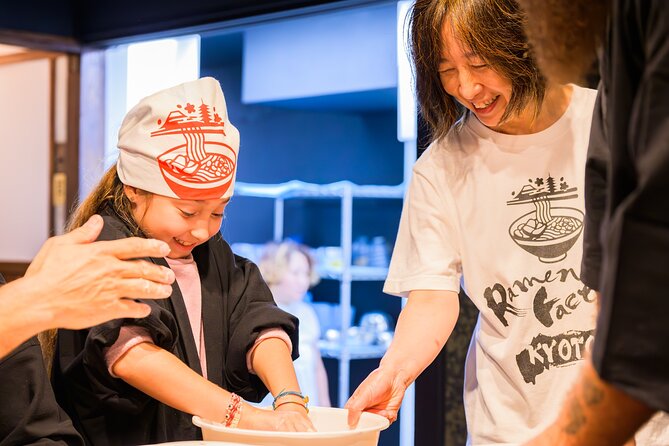
After shaping and cooking, you get to enjoy what you made. The class includes the gyoza that you cook, which means you’re not just learning skills and then going hunting for dinner.
You’ll also receive one free drink as part of the experience. That’s a small inclusion, but it helps the class feel like a complete meal experience rather than a workshop that ends with leftovers or take-home only.
This is also where the class becomes memorable. Finishing something you built with your hands, then tasting it while the flavors are at their best, makes the technique stick. Reviews describe the gyoza as delicious and even better than what people had in some restaurants, which lines up with the idea that fresh, just-cooked dumplings have a different feel than anything prepped far ahead.
Samurai Photo Moment: A Fun Extra, Not the Main Course
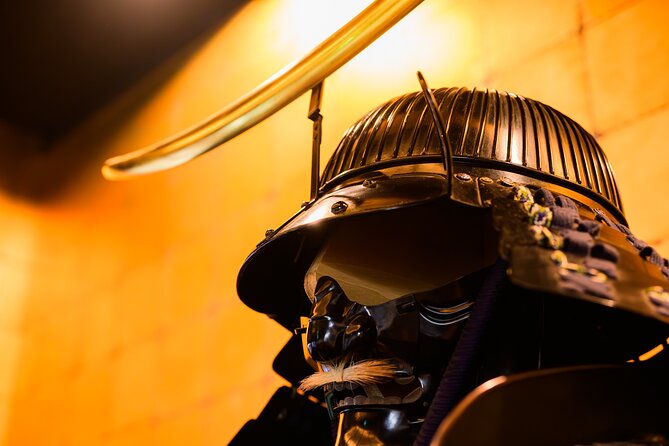
One of the listed highlights is taking a photo with a Samurai. That kind of moment is optional in spirit, but it’s still a nice Kyoto souvenir that doesn’t require you to plan a separate stop.
The important thing is to keep it in perspective. The class is fundamentally about cooking, and the photo is a quick add-on after you’ve done the work. In other words, you’re not paying for a costume picture while the cooking happens somewhere else. The main event remains the dumplings.
If you like having a few easy-to-get photos during your trip, this checks that box with minimal effort. Just remember to leave enough time to eat, then take the photo calmly after you finish cooking.
Taking the Recipe Home: The Skill That Extends the Trip
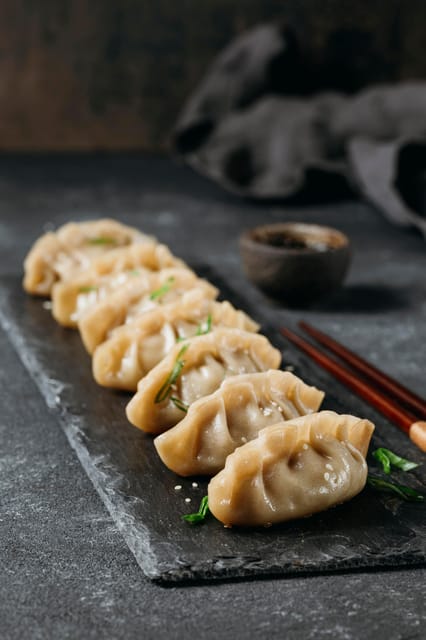
The biggest “value multiplier” here is the full recipe you take home. You’re not just learning technique in the moment, you’re leaving with something you can use again, which turns the experience into a real cooking skill rather than a one-off souvenir.
This matters because gyoza is easy to mess up at home if you only remember the general idea. Having a step-by-step recipe helps you reproduce the same results, especially the wrapper-to-filling ratio and the cooking approach.
Also, because you chose your fillings in class, the recipe can match what you liked. Want a meat-forward version, or a vegetable-focused batch? You can use the class decisions as your baseline.
If you’re traveling and thinking about what to do with your evenings, this is a smart pick. A cooking class already gives you dinner, and a take-home recipe gives you a reason to keep the memory alive after the trip is over.
Price and Value: Is $127 for 90 Minutes Fair?
At $127 per person for a 90-minute class, you’re paying for instruction, tools, and a hands-on meal outcome. That can sound steep until you break down what you actually receive.
You get:
- An English-speaking instructor
- Cooking tools provided
- One free drink
- The gyoza that you make in the class
- A full recipe to cook at home
When you compare that to the cost of eating in Kyoto, you’re not paying only for food. You’re paying for technique coaching and the chance to practice wrapping and pan cooking with guidance. And because you finish by eating what you made, the cost is tied directly to a tangible result.
For me, the value is strongest if you’re interested in learning a method you can repeat. If you just want a quick bite, a restaurant might be cheaper. If you want to come home with real skills and a recipe, $127 starts to look fair for what you get.
Group fit also matters. One review described a group of eight including kids around 11, and the class still worked well. That suggests the format can handle mixed experience levels, which often justifies the price when you’re traveling with family or friends.
Who Should Book This Gyoza Cooking Class (and Who Should Skip)
This class is designed for both beginners and more experienced home cooks, and the tone described in feedback is patient and supportive. If you enjoy interactive experiences where you learn by doing, you’ll likely have a good time.
It also suits people who like customization. The ability to choose from meat and vegetable fillings makes it easier to match preferences within a group. If anyone in your party wants a veggie option, you may be able to accommodate that through the selection process described.
A clear limitation is accessibility. It’s not suitable for wheelchair users, so you’ll want to plan a different activity if that applies to you or anyone in your group.
Also, bring a practical mindset. This is cooking, so you’ll be handling dough and working at a pace set by the class. Wear comfortable clothes you don’t mind getting a little flour-adjacent.
Small Planning Tips Before You Go
To make your evening smoother, I’d plan around a few basics.
First, head to the meeting point with a little buffer time. The class begins soon after you arrive, and you want to start the ingredient and wrapping steps without feeling rushed.
Second, think about your dietary needs early. The class explicitly asks you to inform them in advance about allergies or dietary restrictions. If you wait until the day of, you might lose the chance for a careful accommodation.
Finally, consider what you want from the experience. If you want a relaxed meal activity, this works well because you cook and then eat. If you want to become good at gyoza at home, the recipe and the method focus are exactly what you need.
Should You Book This Kyoto Gyoza Class?
Book it if you want a practical Kyoto food experience, not just a photo and a snack. The combo of hands-on wrapping, pan cooking with guidance, and a take-home recipe is what makes this class worth your time. I’d especially recommend it if you like eating Japanese food but want to understand it through technique, heat, and ingredient choices.
Skip it if accessibility is an issue for your group, since it’s not suitable for wheelchair users. And if you have zero interest in cooking at all, you’ll probably get more value from a restaurant where you can order instantly.
If you’re on the fence, the deciding factor should be simple: do you want to learn something you can recreate? If yes, this is a strong bet for an evening in Kyoto.
FAQ
How long is the gyoza cooking class in Kyoto?
The class duration is 90 minutes.
What is the price per person?
The price is $127 per person.
Where is the meeting point?
You’ll meet a 5-minute walk from Exit 2 of Karasuma Oike Station on the Kyoto City Subway Karasuma Line and Tozai Line. It is listed as about 362 meters from the station.
Is the class taught in English?
Yes. The instructor is listed as English and Japanese.
What’s included in the price?
Included items are an English-speaking instructor, cooking tools provided, one free drink, and the gyoza that you make in the class.
What should I bring or pay for myself?
Transportation expenses are not included.
Is it suitable for wheelchair users?
No. The activity is not suitable for wheelchair users.
Fresh options around Kyoto
- Kyoto Aquarium Admission Ticket★ 4.7 · 12 reviews
- Kyoto Gion Photoshoot – Private Session | Pro Photographer★ 5.0 · 12 reviews
- Kyoto: Guided Food Tour with 12 Dishes & 3 Drinks★ 5.0 · 12 reviews
- Kyoto: Avoid the Crowds at the Hidden Gems of Arashiyama★ 4.9 · 13 reviews
- Kyoto Early Bird English Tour: Gion & Higashiyama(Private opt)★ 5.0 · 13 reviews
- Otsu-e Folk Art Workshop & Local Culture Walk Near Kyoto★ 5.0 · 13 reviews
- Kyoto, Osaka, Nara Full Day tour by Car English speaking Driver★ 3.5 · 13 reviews
- 2 Hour Night Walking Tour Throughout Gion with snack★ 4.0 · 13 reviews
Cooking Classes, compared.
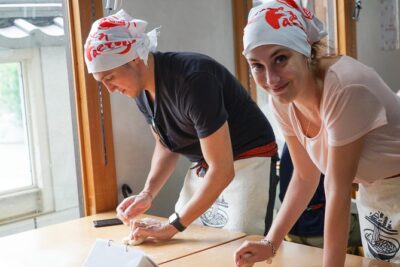
Ramen Cooking Class at Ramen Factory in Kyoto
Read our review →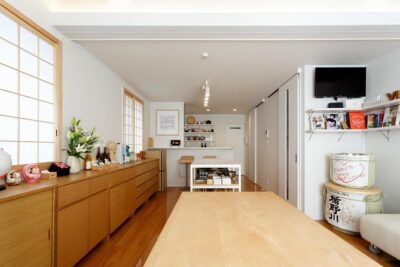
Ramen & Gyoza Cooking Class in Tokyo with Local Supermarket Visit
Read our review →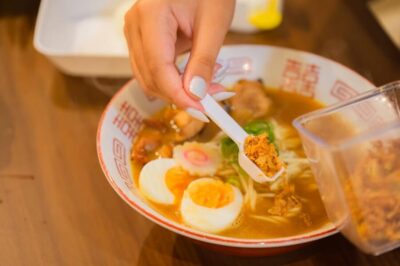
Ramen Cooking Class at a Ramen Factory with Souvenir
Read our review →
Japanese Washoku Bento Small Group Cooking Class
Read our review →
Easy Ramen Cooking Experience in Kabukicho, Shinjuku
Read our review →
Ramen and Sushi Cooking Class with Sake Pairing Set in Tokyo
Read our review →Browse the lists this tour appears in