Reviewed · GUIDED
Tour in Kyoto with a Goverment Certified Tour Guide
Kyoto in one day, with a human storyteller. This half-day length tour strings together major landmarks and quieter corners, guided by a government-certified leader. I love the pickup-friendly setup and the mostly free entry to the big sights, which keeps your day from feeling like a constant paywall.
My only real caution is day-of coordination. A small number of past bookings reported late starts or a guide who did not show up, and some also said the plan shifted to fewer stops. If you book, I strongly suggest you confirm the meeting details the day before and keep your contact options ready.
Key highlights worth your attention
- Government-certified guide time, not just a self-guided checklist
- A tight mix of Kyoto icons like Fushimi Inari, Kiyomizu-dera, Kinkaku-ji, and Gion
- Arashiyama bamboo forest included, with Tenryu-ji on the finishing stretch
- Optional cultural activities in the concept, like calligraphy and kimono dressing (time permitting)
- Mobile ticket plus pickup option, with most major sights listed as free entry
What You Get for About $110: Guide Value and a Real Time Budget
At $110 per person for roughly 6 to 8 hours, the value here is mostly about guided time. You are paying for someone to herd the day, explain what you are seeing, and keep you moving between Kyoto’s most popular zones without you constantly figuring out routes.
The good news is that the itinerary is packed with stops that are listed as free for admission, which helps your budget stay predictable. The not-so-good news is that a couple of key sites are marked as not included, and you should also plan on paying for food and drinks yourself.
A few more Kyoto days worth comparing
- PERFECT KYOTO 1-Day Bus Tour
★ 5.0 · 13,518 reviews - Kyoto: Fushimi Inari, Kinkakuji, Bamboo Grove 1 Day Bus Tour
★ 4.8 · 4,316 reviews - Kyoto: Tea Ceremony in a Traditional Tea House in Kiyomizu
★ 4.9 · 3,519 reviews
Fushimi Inari-taisha: Where the Route Starts and the Mood Sets
Your day begins at Fushimi Inari-taisha Shrine, where the focus is on the Shinto connection to Inari, the deity of rice. Expect an easy start that feels like Kyoto’s signature postcard in real life.
You are scheduled for about one hour, and that timing matters. One hour is enough to get your bearings and enjoy the atmosphere, but not enough to “linger forever” if crowds spike. If you are even a little detail-happy, this is a good place to ask your guide what to look for first.
Kiyomizu-dera: The One-Hour Temple Stop That Usually Satisfies
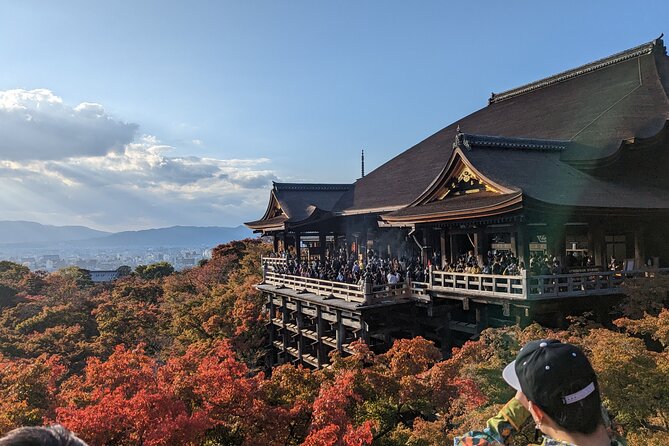
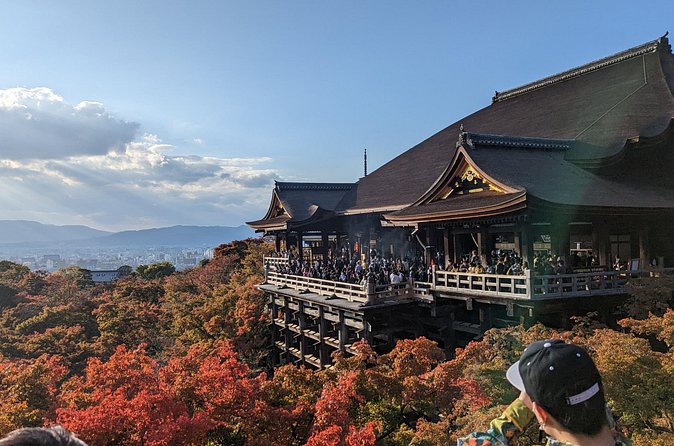
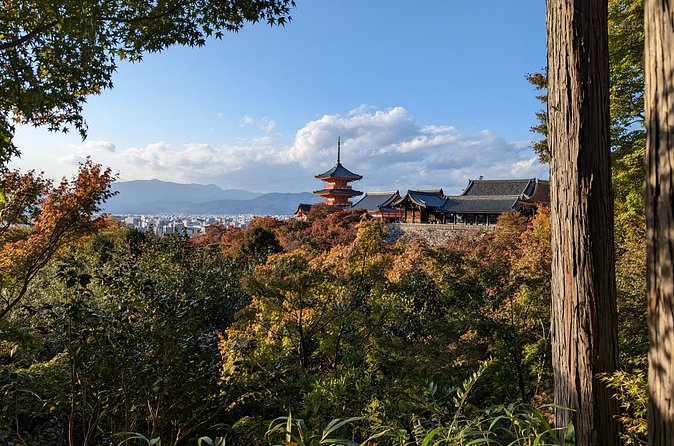
Next comes Kiyomizu-dera Temple in Higashiyama, a UNESCO site tied to Buddhist devotion and dramatic hillside presence. This is the kind of stop that works well for a guided visit because your guide can connect what you are seeing to Kyoto’s wider spiritual storytelling.
It is also set for about one hour. That’s a sweet spot for most people: enough time for photos and a slow walk, without dragging the day so far that you rush the rest.
Nijo Castle and the Admission You Must Plan For
Nijo Castle is on the schedule for about one hour, and it is framed as a major 17th-century power symbol, with the castle built as a residence. This is a stop that often rewards a guide, because the meaning behind the architecture tends to be easier to catch when someone points it out.
One practical issue: Nijo Castle admission is not included. So you should set aside some cash or be ready to pay on the spot, since it can otherwise feel like an unexpected hit near the middle of your day.
Same corner of Japan, a different kind of day:
- Kyoto Geisha Walking Tour: Gion District & Hidden Gems
★ 4.7 · 3,273 reviews - Kyoto: Tea Ceremony Ju-An at Jotokuji Temple
★ 4.9 · 3,207 reviews - Kyoto: Gion Magical Night Walking Tour with Geisha Trivia
★ 4.9 · 2,393 reviews - Kyoto: 45-Minute Tea Ceremony Lesson Experience
★ 4.3 · 2,378 reviews
Gion: Traditional Streets, Geisha Culture, and a Little Photo Patience
Then you move into Gion, the district known for preserved traditional architecture and the geisha culture mystique. Your schedule gives it about one hour, which is usually enough time to walk the main lanes, absorb the vibe, and grab a few solid photos without turning it into a full-time photo shoot.
Crowds can make Gion feel like a moving funnel. The best way to enjoy it is to take your time with smaller side streets and let your guide steer you toward what is most worth your attention in your specific time window.
Nishiki Market: Snacks and Souvenirs Without Turning It Into a Food Tab Disaster
Nishiki Market gets about an hour, and it is described as a five-block culinary shopping strip with traditional goods and fresh produce. This is one of the best places on the route to slow down and choose what you actually want to eat, rather than being forced into a set meal.
A key detail: food and drinks are listed as not included, even though the overall tour concept mentions street-food sampling. Translation: you can enjoy snacks, but you should treat it like a choose-your-own-adventure moment and budget for what you pick.
If you want good value, come with a plan like one sweet item plus one savory item. That keeps the market fun, and you still have energy for the temples afterward.
Kinkaku-ji (Golden Pavilion) and the Built-In Wow Factor
Kinkaku-ji is on the route for about one hour and is described as a UNESCO World Heritage Site. The name Golden Pavilion signals what most people come for, but the practical win of a guided stop is timing and pacing in a place where lines and crowds are real.
Admission here is listed as free in your itinerary details, which is a big point for value. If you’re trying to get maximum “Kyoto icon” time out of your half-day, this is one of the best anchors on the itinerary.
Ginkaku-ji (Silver Pavilion): Why It Costs Extra and Still Works
Ginkaku-ji, also known as the Silver Pavilion, is listed for about one hour. The important note is that admission here is not included, and the tour lists a fee of $8.00 per person.
This is where I like having a guide. The Silver Pavilion name can trick people, since the description notes it does not actually have silver plating. Your guide can help you appreciate what makes the place meaningful beyond the nickname, and you will feel less like you are just checking a box.
Arashiyama Forest and Tenryu-ji: A Calmer Ending Route
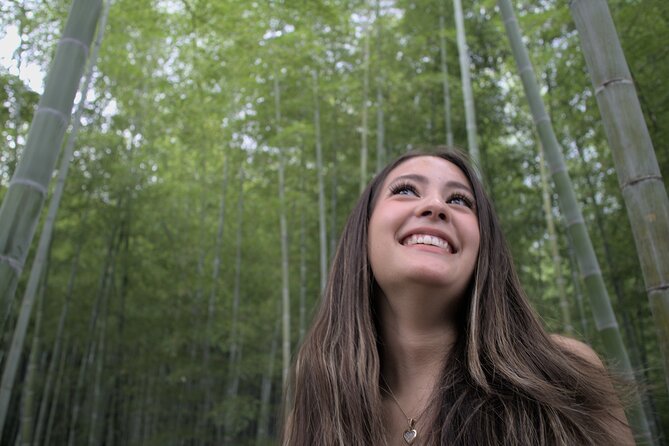
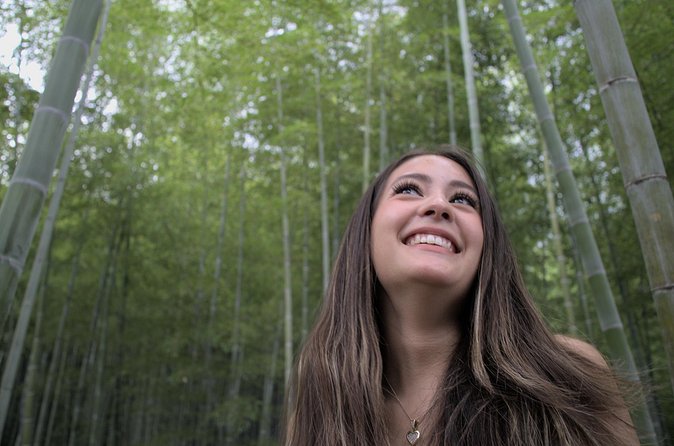
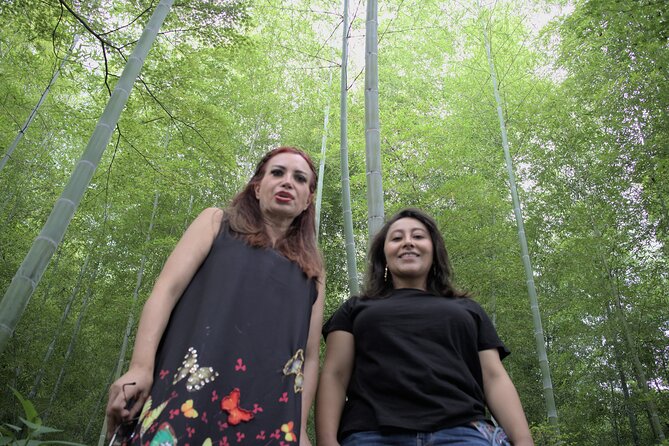
After the major temple cluster, the tour shifts to Arashiyama Forest, scheduled for about 30 minutes. The description emphasizes lush greenery and a serene feel, which is exactly what you want after several busy shrine and temple stops.
Then you finish with Tenryu-ji Temple, also UNESCO and described as a revered Zen Buddhist temple founded in the 14th century. Your allotted time is about 30 minutes, and admission for Tenryu-ji is listed as not included, so you may want to be ready to pay if you reach it expecting everything to be covered.
Cultural Extras, Rickshaw Time, and Tea: What the Concept Promises
The tour concept leans into more than temples. It highlights things like secret shrines and tea in traditional tea houses, plus cultural activities such as calligraphy and kimono dressing. It also mentions a rickshaw ride through historic neighborhoods and the chance for illuminated temples at night.
Here’s the practical translation: your schedule is temple-heavy, so these extras may depend on timing, day conditions, and group flow. I would treat them as part of the spirit of the tour, but not as guaranteed add-ons unless your guide confirms what you will do that day.
If you love hands-on culture, this is still a strong angle. A good guide can turn a “see it and move on” day into an experience where you understand why people did these rituals and crafts in the first place.
Walking, Crowds, and How to Avoid Feeling Rushed
This route is not a sit-and-stare tour. It strings together multiple major destinations, so you will do a lot of moving. One review account complained about a late start and missed stops, and another pointed out that massive crowds can make it hard to experience everything as advertised.
So I recommend you build your expectations around adaptability. If the crowd tide is high, you might prioritize the two or three stops you care about most and let your guide decide what can realistically fit.
Also, wear shoes that can handle uneven temple paths. The itinerary includes shrine and temple areas where the ground can change quickly, and comfort is what makes “long day in Kyoto” feel like “great day in Kyoto.”
Admission Fees and Other Extra Costs You Should Plan For
Here is what to budget based on what is listed as not included:
- Nijo Castle admission: not included
- Ginkaku-ji admission: $8.00 per person
- Tenryu-ji admission: not included
- Food and drinks: not included
- Transportation fees for the guide: listed as 5 to 8 USD
- Personal expenses and any extra transportation
This is the part where I think value either shines or feels annoying. When most entry fees are free, you get a lot of sightseeing for the base price. When you hit the paid sites, it is still totally manageable, but you need to be mentally ready.
If you want the smoothest day, bring a small cash buffer. It prevents you from needing to negotiate payment at the exact moment you are trying to keep your group moving.
The Guide Experience: When It Goes Right, It Really Goes Right
A lot of the praise focuses on the guide. People called out hosts like Andrea, and also Roberto or Robert, for making the day feel special, explaining stories, and helping you maximize time.
One recurring theme is patience. Some praised their guide for being friendly and accommodating, including one report about a guide catering to disabilities and helping shape a day that worked for the group.
I also like that the tour description says you can customize depending on your expectations and time available. In a city like Kyoto, customization is not a luxury. It is what turns a generic route into the version that fits your pace.
A Honest Risk Check: What to Watch Before You Book
This tour can deliver a great Kyoto sampler. But the pattern of issues on some bookings is hard to ignore, and it is not about the temples themselves.
The big risk categories I would flag are:
- No-show or late pickup concerns, with reports of guests waiting a long time
- Meeting point confusion, especially when instructions are unclear
- Private tour expectations not always matching the day, including complaints about being merged into larger groups or having fewer stops than advertised
- Schedule slipping, with some reports that not all planned locations were visited
That does not mean the tour is always bad. It means you should reduce your odds of a disaster by taking control of your end.
My practical advice: confirm your meeting spot and time the day before, screenshot the meeting details, and keep your phone charged. If pickup is offered, ask what exactly counts as pickup and where you should stand. You want clarity before you are standing around in Kyoto trying to figure out who is holding the sign.
Who This Tour Fits Best
This tour fits best if you:
- Want a guided whirlwind through top Kyoto highlights
- Like the idea of combining famous shrines with neighborhoods like Gion and Nishiki Market
- Enjoy cultural add-ons like calligraphy or kimono dressing if timing allows
- Prefer one organized day rather than building a multi-day plan from scratch
It may not fit as well if you hate walking, get stressed by crowds, or need a perfectly fixed schedule where no changes are possible. Because this route depends on timing between popular sites, you should plan for a little flexibility.
Should You Book the Mystical Kyoto Quest?
I would book it if you want a guided sampler with strong potential for story-driven sightseeing, and you are comfortable paying a few extra admissions along the way. The price can feel like good value because many of the core stops are listed as free entry, and the guide is the real reason you are paying.
I would be cautious if you rely on strict timing, have very specific priorities for every single listed stop, or you cannot handle the idea of a schedule shift. In that case, I would ask direct questions before booking about exactly what gets cut during busy periods and how your day can be adjusted.
If you do book, go in prepared. Bring comfy shoes, keep a buffer for extra admissions like Ginkaku-ji, and confirm meeting details in advance so your Kyoto day starts clean.
FAQ
How long is the Kyoto tour?
The tour runs about 6 to 8 hours.
Is admission included for every temple and site?
No. The itinerary lists some admission as free, but it also notes that Nijo Castle and Tenryu-ji are not included, and Ginkaku-ji has an admission fee.
What extra fees should I expect to pay?
Food and drinks are not included. You may also need to pay for the guide transportation fee listed as 5 to 8 USD, plus admission fees for sites marked as not included. Ginkaku-ji is listed at $8.00 per person.
Does the tour offer pickup?
Pickup is offered. The tour also notes transportation fees of the guide are not included.
Will I get a mobile ticket?
Yes. The tour includes a mobile ticket.
Is this a private tour?
It is described as a private tour, but the tour note says solo or couple travelers might be asked to join another couple or solo traveler.
What is the cancellation window for a full refund?
You can cancel up to 24 hours in advance for a full refund. Within 24 hours, the amount you paid will not be refunded.
Fresh options around Kyoto
- Kyoto: Fushimi Inari Taisha Shrine Walking Tour with Guide★ 4.8 · 18 reviews
- A Privately Guided Photoshoot in Beautiful Kyoto by a Pro★ 5.0 · 18 reviews
- Sekka Cotton Furoshiki Class★ 5.0 · 19 reviews
- Natural Indigo Dyeing with Local Masters (Private Atelier)★ 5.0 · 19 reviews
- Kyoto: Personalized Guided Private Tour★ 4.8 · 19 reviews
- Kyoto: Quiet and Graceful Tea Ceremony★ 4.5 · 19 reviews
- Oboro | Mindful Tea Ceremony in a 100-Year-Old Kyoto Teahouse★ 5.0 · 19 reviews
- Ikebana Traditional Japanese Art of Flower Arranging★ 4.5 · 19 reviews
Guided, compared.
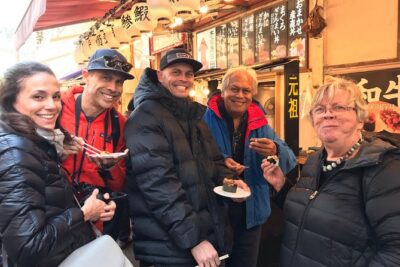
Tokyo 6hr Private Tour with Government-Licensed Guide
Read our review →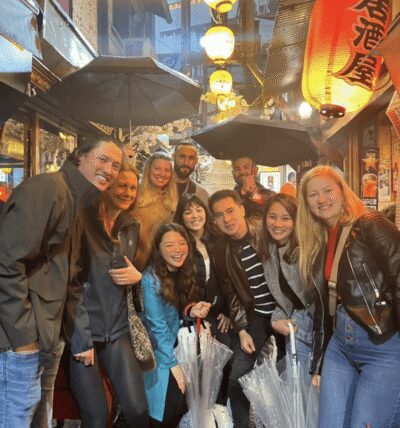
Shinjuku Local Bar and Izakaya Guided Walking Tour
Read our review →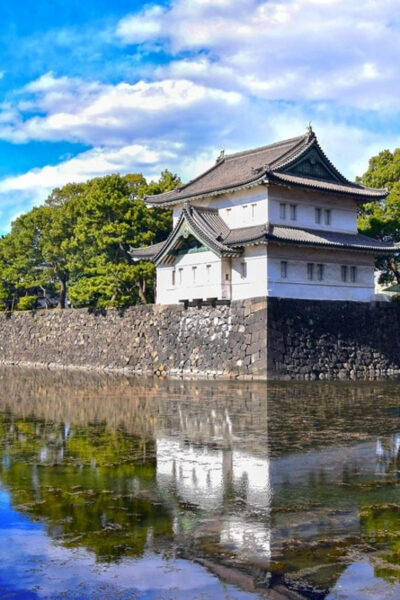
Private City Highlights Tour with Local Guide
Read our review →
Kyoto Early Morning Tour with English-Speaking Guide
Read our review →
Tokyo 4hr Private Tour with Government-Licensed Guide
Read our review →
Kyoto 6hr Private Tour with Government-Licensed Guide
Read our review →