
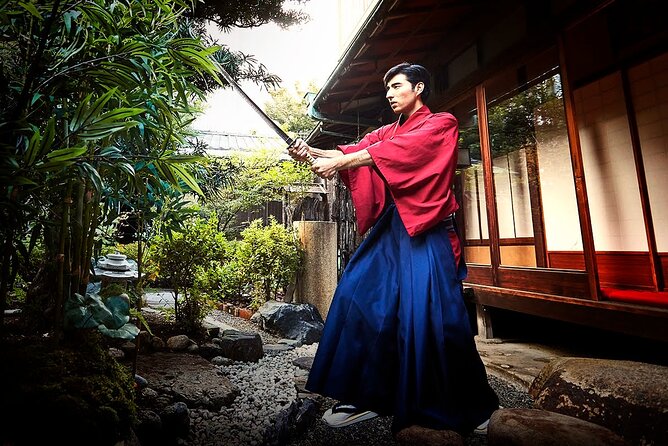
Reviewed · SAMURAI & NINJA EXPERIENCES
Kyoto Sword Experience – includes Museum Ticket/Ninja Experience
Samurai training, with training wheels. Kyoto Sword Experience lets you wear a samurai hakama and practice in a traditional dojo, with safety-first equipment and a museum component. I love the blunt replica sword training setup and the included Samurai and Ninja Museum admission and guided history tour. The main consideration is that the class can move quickly, especially during peak crowds.
Start times run multiple times per day, and you get a mobile ticket, so you can fit it between temple stops. The meeting point is the Samurai Ninja Museum, and the session ends back there. One more note: children under 7 are not allowed in the dojo venue, and the elevator is listed as out of service from Jan 24, 2026 to Feb 19, 2026, so plan on stairs during those dates.
Key Points Before You Go
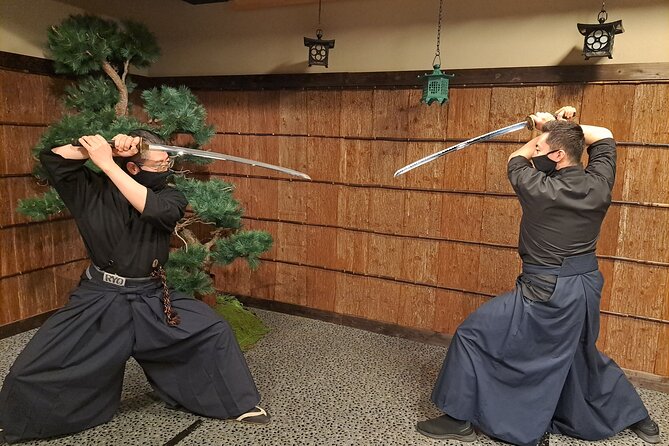
- Blunt replica sword only, designed to follow Japanese safety rules
- Hakama dress-up and Iaido-style basics taught in a traditional dojo
- Free Samurai and Ninja Museum ticket, plus a guided samurai and ninja history tour
- Ninja star throwing and photo time in samurai gear
- Group size is capped, with published limits that can be small, and schedules that can vary on busy days
- Multiple daily start times and a mobile ticket to help you plan around other Kyoto sights
Stepping Into a Traditional Dojo (And Dressing Like a Samurai)
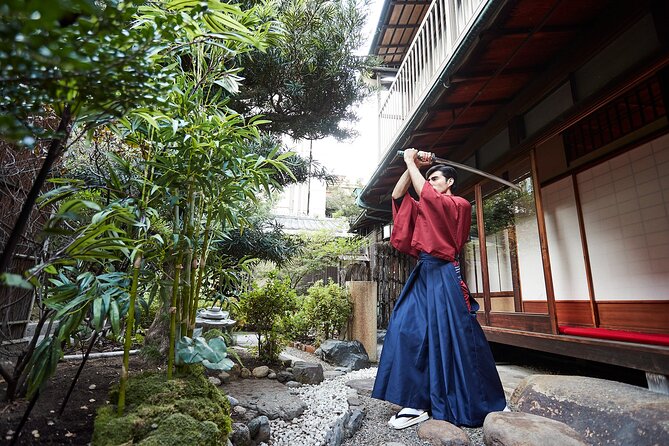
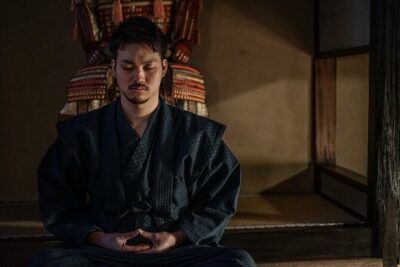
The best part of this experience is the way it gets you into the role fast. You start by putting on a samurai hakama, and you do it in a real dojo setting, not a warehouse studio. That costume piece matters because it changes how you move, how you hold yourself, and how seriously the training feels.
After that, you shift from dressing to doing. You are not just looking at weapons behind glass. You’re practicing basic sword stances and control, guided by instructors trained to keep the session safe and structured.
Photo time is also part of the deal. The moment you finish learning, you get time to take pictures in samurai gear, and that’s where the experience becomes a lot more than a lecture. If you like Kyoto culture with a hands-on side, this combo tends to hit the right note.
Still, quick reality check: the session is designed to fit into about two hours. If you hate rushing, choosing a slightly less busy start time can make a big difference.
More Samurai & Ninja Experiences in Kyoto
- Kyoto Samurai Experience
★ 5.0 · 1,294 reviews - Kyoto: Kendo and Samurai Experience with Uniform and Gear
★ 4.9 · 815 reviews - Kyoto: Samurai Sword Class by Experts in Traditional Arts
★ 4.9 · 657 reviews
Safety and Sword Reality Check: Blunt Replica, Not a Sharp Blade
This is where you should feel confident booking. The experience uses a blunt, safe replica sword, and it’s explicitly positioned to comply with Japanese law. The update is clear: you are not using a real sword or a sharp blade.
A few past comments also point out that some marketing photos can make the cutting part look more intense than what happens on-site now. One key thing to expect is that the training has a controlled, safety-first feel. If you’re the type who hates surprises, aim to go in expecting hands-on practice with replica equipment, plus a structured, instructor-led experience.
In plain terms: you should come away with that samurai-in-training feeling, without needing to worry about dangerous steel.
How Your 2 Hours Typically Runs, From Hakama On to Museum Tour
Your session is built as a sequence of activities that moves you from training to stories to photos. The duration is listed as about two hours, with multiple start times daily.
First you dress and get briefed. Then the instruction section focuses on basic Iaido techniques, followed by a simple sword fight style practice. The goal is to give you the core movement ideas, not to turn you into a tournament fighter in one afternoon.
Next comes the museum component. The experience includes a free ticket to the Samurai and Ninja Museum and a guided tour that covers how samurai and ninja culture shaped real life in Japan. One review specifically praised guided storytelling with staff like Riu leading the museum portion and Riku delivering a standout overall experience.
Finally, you add the themed fun. Depending on timing and flow, you should expect ninja star throwing and photo opportunities in samurai gear.
One practical tip: because everything is time-managed, arriving a few minutes early helps. If you start late, you can lose valuable hands-on minutes.
Iaido Techniques and the Controlled Sword Fight
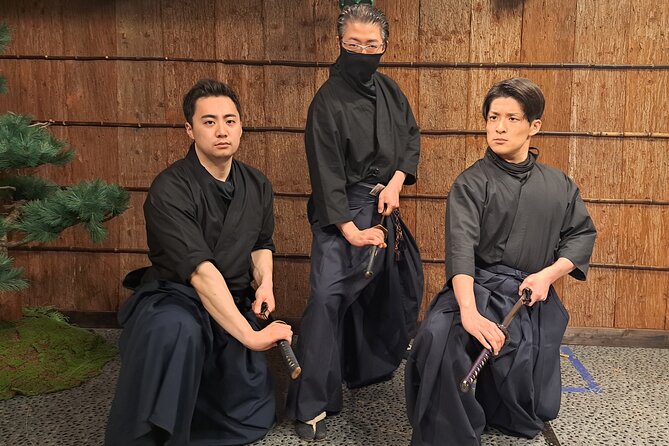
The training segment is the heart of the day, and it’s structured to be doable for beginners. You learn basic Iaido techniques under guidance, which is what makes the whole thing feel disciplined instead of random.
You also get a chance to apply those moves in a simple sword fight style activity. That part is often what people remember, because it turns technique into action. You’re still in a safe setup, but you get that adrenaline spike from doing the moves rather than watching.
Instructors get named in multiple positive comments. People highlighted Ken for explaining history and actions, and Nobu for keeping the museum tour engaging. Other feedback praised the katana class instructor for being interactive and fun, and one comment mentioned Takto as a tameshigiri instructor. Even without knowing everyone personally, those names tell you the staff focus on teaching, not just supervising.
Balanced expectation: this is beginner-level sword practice. If you’re hoping for advanced choreography or an in-depth, multi-session program, you’ll want a more specialized training course. For a first taste and a memorable Kyoto moment, it tends to land well.
More samurai and ninja experiences in Kyoto:
- Skip the lines Basic Ticket at SAMURAI NINJA MUSEUM KYOTO
★ 4.5 · 632 reviews - Ninja 1-hour Hands-on Lesson by Japanese master in Kyoto -Entry
★ 5.0 · 489 reviews - Kyoto: Ninja Weapon Forging Experience
★ 4.8 · 478 reviews - Kyoto: Samurai Kenbu Traditional Sword Dancing Show
★ 4.5 · 426 reviews
What You Do With Cutting Targets (and Why Marketing Can Mislead)
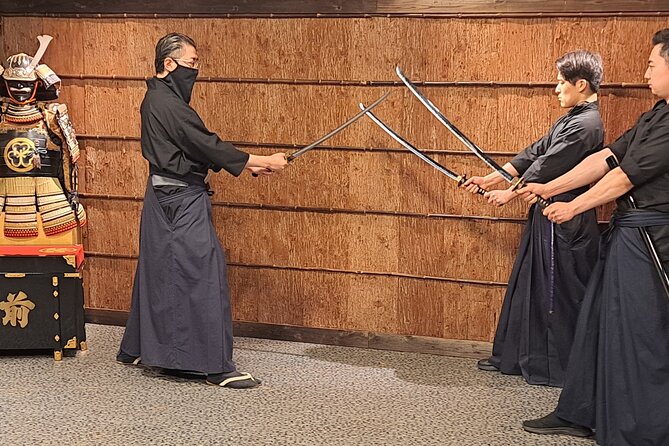
The experience description includes sword practice and a “sword fight with a safe replica sword,” and the general vibe suggests a cutting-type tradition. In real-world terms, what you do on-site can look like practice cutting or controlled target work, and some comments describe tatami mat cutting.
But here’s the important part: because the activity follows the legal safety update, you should not expect handling or cutting with a sharp blade. Some comments also note that older style photos and claims about bamboo test mats were no longer accurate during their visit.
So how do you plan?
- Go in expecting safe replica training.
- Bring a mindset of practice, control, and technique, not real combat.
- If you care deeply about the exact target type, ask on arrival what this session will include.
This kind of clarity pays off, because it keeps the experience from feeling like a mismatch.
Ninja Star Throwing and Armor Photo Time
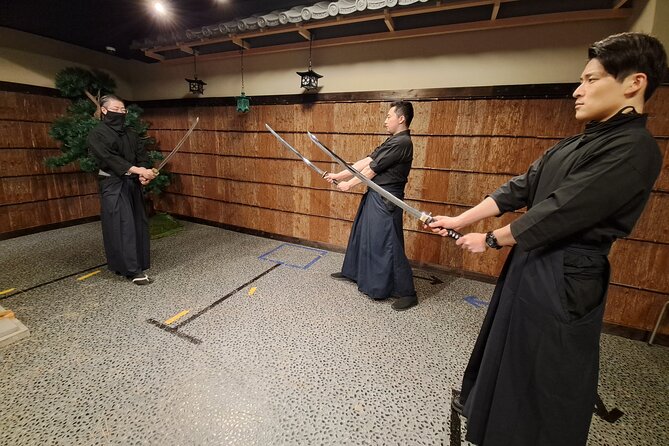
Ninja star throwing is listed as a chance you may get during the experience, and that’s one of the reasons this activity feels different from a standard sword class. It adds variety after the dojo training and helps break up the timeline.
There is also plenty of photo time in samurai gear. One theme that shows up repeatedly is that people love the camera-friendly moments, especially right after the training when you’re still in the costume and in the mindset.
Logistics matter here. Some visitors describe a setup where you move between buildings and even climb stairs to reach the ninja star area. If you’re visiting during the elevator out-of-service period (Jan 24, 2026 to Feb 19, 2026), plan your energy for stairs.
And if you are traveling with family, this matters a lot. One positive comment mentioned that a toddler son who was too young to participate could watch from the sides while the adult did the class. If you’re traveling with kids, confirm on arrival how the viewing area works for your time slot.
Price and Value: Why $83.91 Can Be Worth It
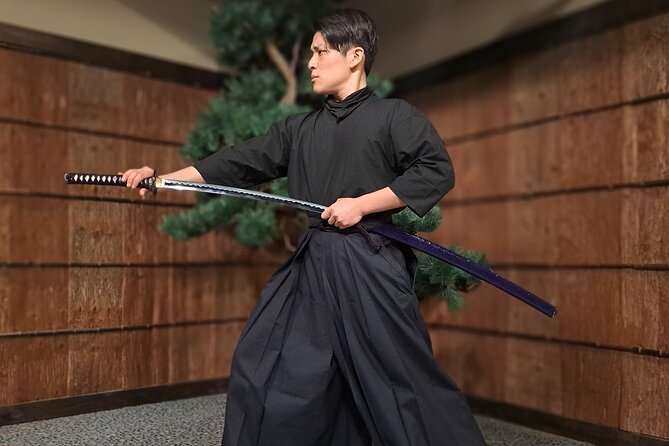
At $83.91 per person, you’re paying for a bundle: hands-on sword training, costume-up, a museum ticket, and a guided tour, plus the ninja star and photo elements.
Here’s how I think about value for this kind of experience:
- The sword practice gives you a physical memory, not just a story.
- The museum ticket prevents the experience from being only a 20-minute gimmick.
- The themed photos let you take something home that feels tied to Kyoto, not a random studio shoot.
The price can feel steep if you end up with a rushed schedule. Some negative comments mention short training windows, crowding, or parts of the experience not happening as expected. That’s the real risk with any timed, popular attraction.
On the flip side, the overall rating is strong, and many comments call it a must-do, especially when the instruction and flow line up. You’re also getting a structured combo that’s usually cheaper than piecing it together with separate ticketed activities.
My advice: if you can pick a calmer time slot and you genuinely want the full “dojo plus museum plus photos” package, the $83.91 price can feel fair.
Group Size, Timing, and Why Peak Season Matters
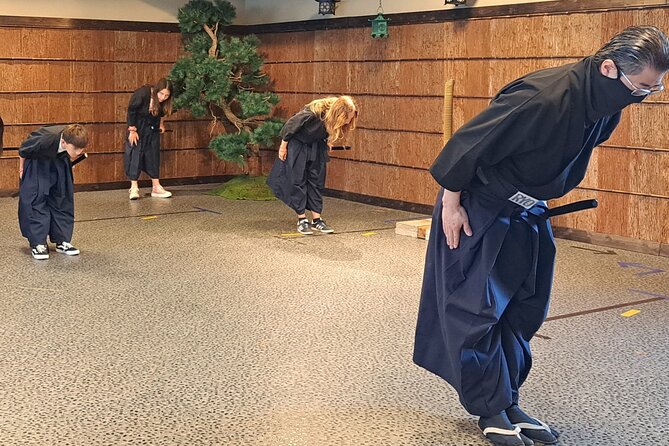
The activity lists a maximum traveler cap in the information, but the exact number appears in two places: one says the class can go up to 22, and another says maximum 4 travelers. That tells me the experience can run in different formats, or the capacity rules are communicated differently across sessions.
Either way, group size affects everything. Smaller groups mean more individual time with instructors and fewer waiting stretches. Larger groups mean a factory-like feel, where you spend more time in line and less time practicing.
Peak seasons in Kyoto can intensify the problem. One explanation provided for past issues was a technical or scheduling problem that led to larger-than-planned group sizes and conflicts. The operator also said they fixed the issue afterward and refunded people who were unhappy.
So what should you do with this information?
- Pick a start time early enough that you can arrive without stress.
- If you are sensitive to crowd flow, choose a time slot that feels less likely to overlap the biggest rush.
- If something important is part of your decision, like ninja star throwing, confirm it when you check in.
This isn’t about being paranoid. It’s about keeping your expectations aligned with how timed attractions actually run.
Tips to Pick the Right Start Time and Avoid Frustration
Here’s how to make the day run smoothly.
First, plan your arrival. The meeting point is the Samurai Ninja Museum (109 Horinouechō, Nakagyo Ward, Kyoto, 604-8117). The session ends back at the same meeting point, so you won’t need to figure out transfers during the experience itself. Still, being late can compress your hands-on time.
Second, wear clothing you can handle with costume changes. You start by dressing in the samurai hakama, and you later shift into other activity areas. Comfortable clothing and easy-on layers help you stay focused on the training.
Third, prepare for stairs. With the elevator listed out of service from Jan 24, 2026 to Feb 19, 2026, you should assume some routes involve climbing. If you have mobility concerns, consider choosing dates outside that window.
Fourth, keep the “blunt replica” safety idea top of mind. That’s a good thing. It means you get to practice without the stress of sharp blade handling. But it also means you should not expect a live-steel cutting show.
Finally, if you want the most rewarding instruction, pay attention to the guide names when you’re there. People have praised Riku, Riu, Ken, and Nobu by name. Great teaching shows up fast, and it can make the difference between a fun costume moment and a genuinely satisfying class.
Should You Book Kyoto Sword Experience (Samurai and Ninja Museum Ticket Included)?
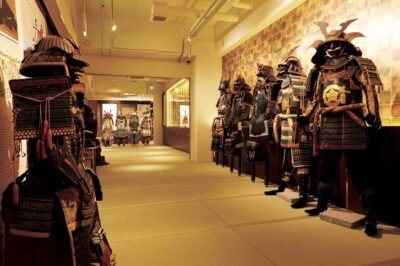
Book it if you want a Kyoto experience that is more than museum walls. You get hakama dress-up, a traditional dojo training feel, guided museum time with real storytelling, plus ninja star throwing and photo moments. For many people, it lands as a memorable, hands-on way to understand samurai and ninja culture without needing prior knowledge.
Skip it or at least be cautious if you hate rushed group flow. The experience is timed, and some past sessions had crowding or schedule hiccups. If cutting targets and ninja star throwing are the main reason you’re booking, arrive early and confirm those parts in your slot.
If you’re the type who likes learning by doing, this is an easy yes. Choose the start time you think will be calmer, and treat it as a fun, safe dojo class plus a museum visit, not a private sword training academy.
More Museums in Kyoto
- Kyoto: Tea Museum Tickets and Matcha Grinding Experience
★ 4.9 · 739 reviews - Kyoto : Geiko Maiko Dance of Kyoto & Visits of Gion Museum
★ 4.6 · 415 reviews - Kyoto: Samurai Ninja Museum guided tour
★ 4.8 · 145 reviews - Ninja Experience (Family Friendly) at Samurai Ninja Museum KYOTO
★ 4.5 · 132 reviews
Fresh options around Kyoto
- Kyoto: Zen Meditation at a Private Temple with a Monk★ 5.0 · 25 reviews
- Kyoto: Hands-on Takoyaki and Okonomiyaki Cooking (1 Hour)★ 4.7 · 25 reviews
- Kyoto & Uji: Full Day Sightseeing Tour from Osaka or Kyoto★ 5.0 · 25 reviews
- Kyoto: Gion World of the Geisha Guided Walking Tour★ 4.6 · 25 reviews
- Private Kyoto Photography and Dress up Adventure (ALL PLAN)★ 5.0 · 25 reviews
- Kyoto Custom Private Car Tour with Local Guide★ 4.5 · 26 reviews
- Matcha Grinding Experience and Walking Tour in Uji Kyoto★ 5.0 · 26 reviews
- Kyoto: Arashiyama Guided Tour, Bamboo, Monkey, Zen Temple★ 5.0 · 26 reviews
Samurai & Ninja Experiences, compared.

Samurai Ninja Museum Guided tour and Experience
Read our review →
Kendo and Samurai Experience with Uniform and Gear
Read our review →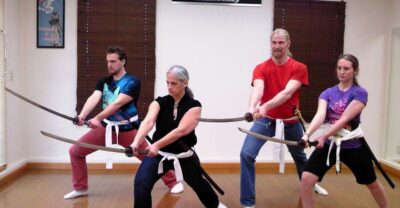
Samurai Sword Class by Experts in Traditional Arts
Read our review →
Skip the lines Basic Ticket at SAMURAI NINJA MUSEUM KYOTO
Read our review →
Samurai Sword & Archery Class from Samurai Descendant
Read our review →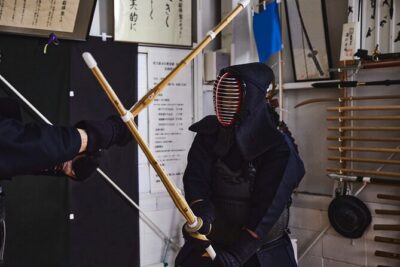
Browse the lists this tour appears in