Reviewed · GUIDED
Private Kyoto Tour with Licensed Guide & Vehicle (Max 15 persons)
Kyoto can feel like a puzzle at rush hour. This private tour keeps you moving with a licensed English guide and a private vehicle, while you choose the highlights that matter most to you in a single day.
What I like most is the easy door-to-door flow, plus the chance to tailor your stops instead of getting locked into a fixed route. One possible drawback: six hours plus multiple sights can mean a lot of walking and time in lines, so you will want to pick wisely and set a pace.
Kyoto is famous for its temples, but it is also famous for crowds, confusing stations, and bus transfers that test your patience. This tour is built to reduce that stress, so you spend your energy looking at torii gates, palaces, and gardens, not figuring out which train to take next.
Key points to know before you go
- Licensed English guide on your schedule: history, practical directions, and flexible timing between stops
- Private vehicle in Kyoto traffic: fewer transfers, less walking between distant areas
- Choose 3 to 4 sites from a menu: a smart way to see Kyoto highlights without trying to do everything
- Hotel pickup and drop-off: door-to-door transfers help especially if you are staying outside central Kyoto
- Entrance fees are mostly on you: some key stops are free, many are not, so plan for tickets and small cash
Private Kyoto transportation that actually saves your time
Kyoto’s transit can be tricky even when you are confident with directions. Between multiple train lines, bus routes, and the way tourist sites are scattered across neighborhoods, a “quick hop” can turn into a transfer marathon.
With a private vehicle, you skip most of that. The guide handles the pacing, you avoid repeated station exits, and you arrive at major stops with less friction. That matters because Kyoto’s best sightseeing moments often happen when you are not stuck in the wrong part of town at the wrong time.
A few more Kyoto days worth comparing
- PERFECT KYOTO 1-Day Bus Tour
★ 5.0 · 13,518 reviews - Kyoto: Fushimi Inari, Kinkakuji, Bamboo Grove 1 Day Bus Tour
★ 4.8 · 4,316 reviews - Kyoto: Tea Ceremony in a Traditional Tea House in Kiyomizu
★ 4.9 · 3,519 reviews
Price and value for up to two (and what you are really paying for)
The price is $634.72 per group for up to 2 people. That sounds steep until you think about what Kyoto costs in time and stress, not just money.
You are paying for a package that includes a licensed local English speaking guide, a private vehicle, and customized site selection for a 3-4 stop walking plan. If you travel as a couple or a small family unit, the cost spreads out, and the day feels less like a scavenger hunt.
You should also factor in that entrance fees are not included, and lunch is not included. Some areas you might choose, like Fushimi Inari-taisha and Nishiki Market, are free to access, but many temple and palace visits require paid tickets. A private guide cannot remove those fees, but they can help you use your limited time more efficiently once you arrive.
Pickup, mobile ticket, and the smooth-start details that matter
This experience includes pickup offered, and door-to-door hotel transfers are included. You get a mobile ticket, and the tour is private, meaning only your group participates.
A real practical advantage: meeting at your hotel can remove the “what time do we show up where” headache. Several guides connected with this kind of service are also known for staying flexible when timing shifts, like when weather changes or when you want to adjust a stop order.
Two small notes to keep in mind. First, car seats and booster seats are limited, and rear-facing car seats are not available, so you need to contact the provider if that applies. Second, service animals are allowed.
A practical 6-hour game plan: choose 3 to 4 sites
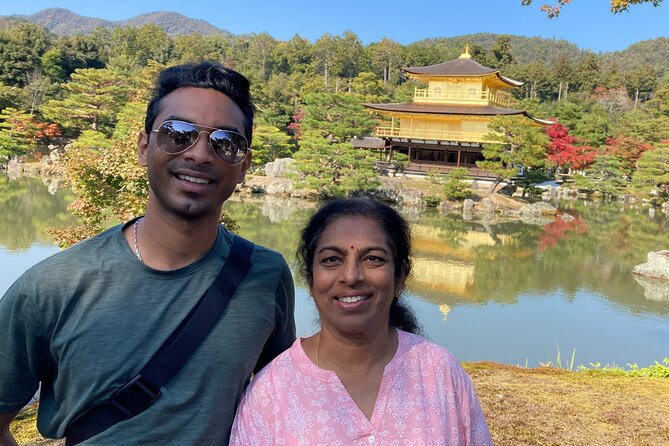
The included program is built around selecting about 3-4 walking sites from a menu of Kyoto highlights. In a city where drive time between far-flung temples adds up, that focus is the difference between a great day and a day where you feel like you barely got out of the car.
A good strategy is to pick one “icon” sight, one cultural or palace-style stop, and one neighborhood experience where you can slow down. Then add one extra temple if you are feeling strong on walking.
If you prefer fewer stairs and slower movement, tell your guide early. You can often shape the route and pacing so you spend more time where you want to be and less time fighting your own energy level.
Same corner of Japan, a different kind of day:
- Kyoto Geisha Walking Tour: Gion District & Hidden Gems
★ 4.7 · 3,273 reviews - Kyoto: Tea Ceremony Ju-An at Jotokuji Temple
★ 4.9 · 3,207 reviews - Kyoto: Gion Magical Night Walking Tour with Geisha Trivia
★ 4.9 · 2,393 reviews - Kyoto: 45-Minute Tea Ceremony Lesson Experience
★ 4.3 · 2,378 reviews
Fushimi Inari-taisha, Nijo Castle, and the Kyoto power map
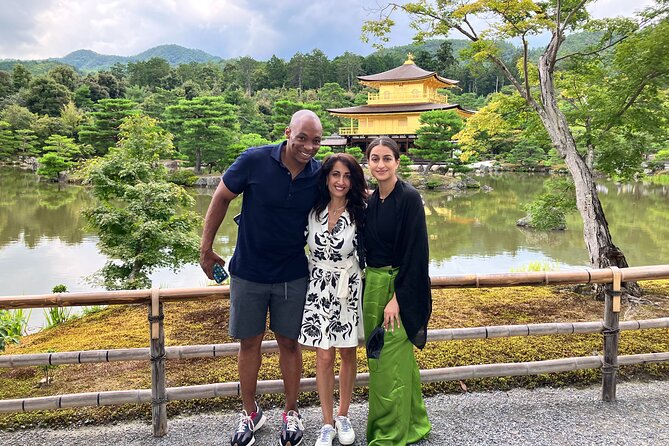
If you choose it, Fushimi Inari-taisha Shrine is a classic starting point. You get the atmosphere of those famous torii gates, and you can expect a short visit with free admission. It is the kind of place where going earlier in the day helps, not because it is empty, but because you start your Kyoto story before it turns into a full-day sprint.
Next up in the menu is Nijo Castle, a UNESCO World Heritage site built in 1603 as the Kyoto residence of Tokugawa Ieyasu. Admission is not included, but the payoff is the chance to understand how power worked in Japan’s Edo period, not just see buildings from the outside.
Then you might pivot toward the pleasure and drama of old Kyoto with Gion. This area is free to access and great for wandering narrow alleys with your guide guiding you toward respectful, low-stress routes through busy zones.
Gion, Nishiki Market, Pontocho, and Higashiyama on foot
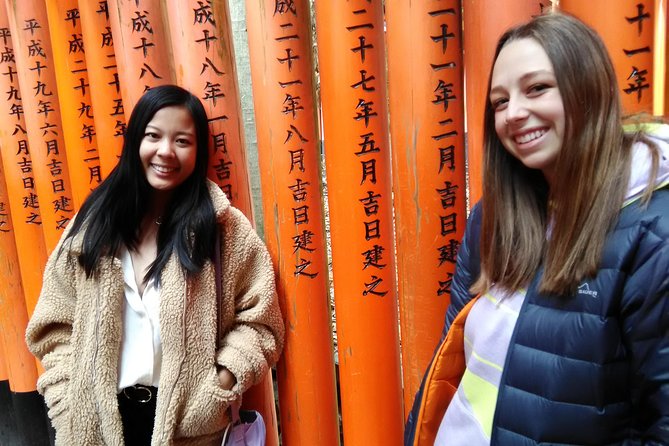
This is where Kyoto becomes more than temples. If you choose Nishiki Market, it is known as Kyoto’s kitchen, with a narrow stretch of shops and food stands. Admission is free, and it is ideal for snacks that keep you going through a long day.
A common rhythm here is: short guided orientation, quick bites, then a little shopping with time to breathe. Your guide can also help you decide what to buy if you are overwhelmed by choice.
Just a short step away in feel is Pontocho, an atmospheric dining alley running from Shijo-dori to Sanjo-dori near the Kamogawa River. Admission is free, and it is a good place to get your bearings for the city at street level, not temple-level.
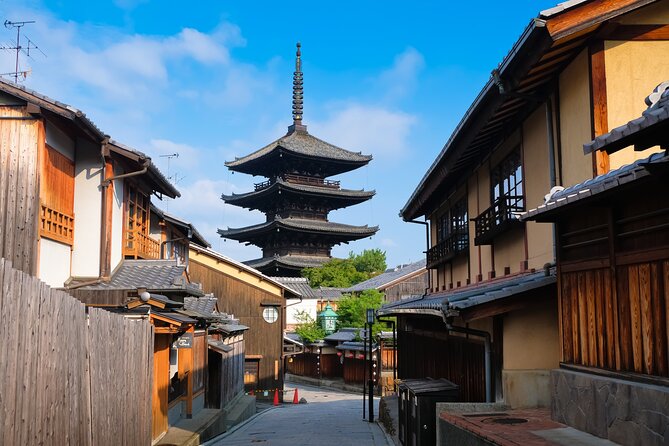
If you want more of the preserved old-city vibe, consider Higashiyama Ward. It is free to access and is one of Kyoto’s best preserved historic districts, especially along the lower slopes of the eastern mountains. This is also where weather matters. In rain or extreme heat, you will appreciate having a guide who can shift your plan so you do not get stuck in uncomfortable stretches.
Kiyomizu-dera and Kyoto Imperial Palace: big names, real meaning
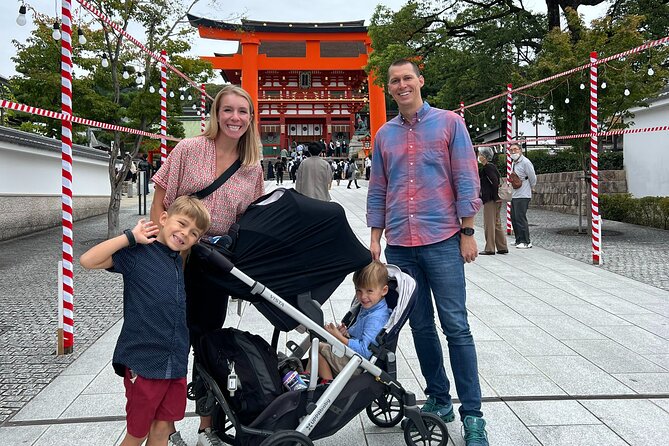
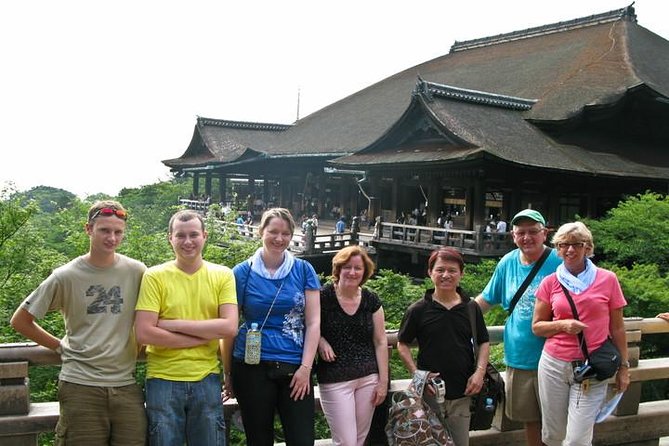
For many first-time visitors, Kiyomizu-dera Temple is the must-see temple. Admission is not included, but your guide-led time helps you understand what you are looking at beyond postcard views. This is a stop where crowds can pile up, so the route and timing decisions your guide makes can change your experience a lot.
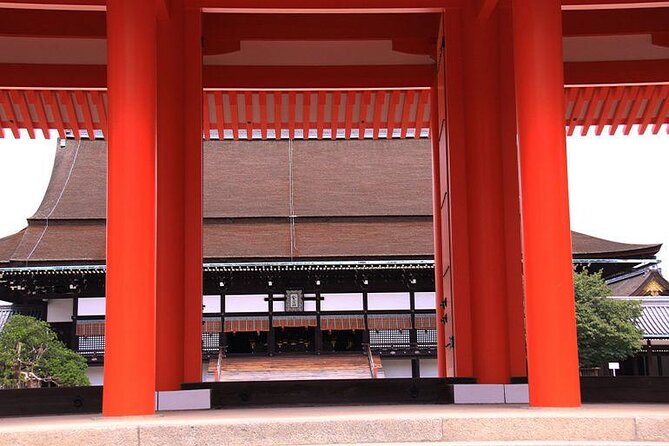
Kyoto Imperial Palace is another menu option that shifts the day from religious sites to political and historical context. It used to be the residence of Japan’s Imperial Family until 1868, when the capital moved to Tokyo. Admission is not included, and it tends to feel more spacious than temple stair-and-crowd zones.
Together, these two stops give you a balance. Temples show spiritual life. Palaces show how the state shaped daily life and ceremony.
From Ginkakuji to Nanzenji Suirokaku, the East-hills temple chain
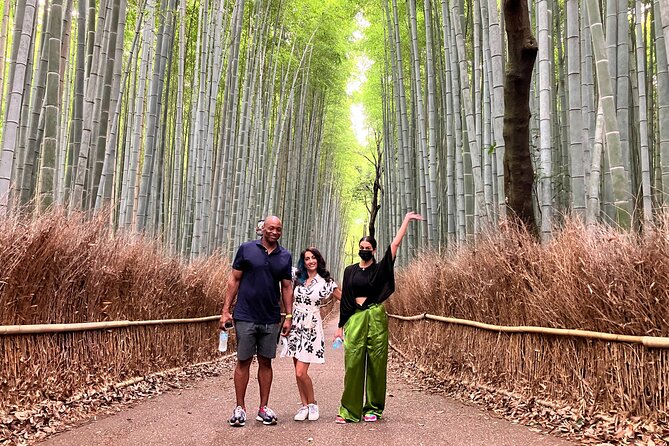
If your 3-4 stop plan includes the eastern mountain temples, you will see why this part of Kyoto feels different. Ginkakuji, also called the Silver Pavilion, is a Zen temple built as a retirement villa by Ashikaga Yoshimasa. Admission is not included, but the setting and design are what you will remember.
Then you might choose Nanzenji Suirokaku, a major Zen temple with expansive grounds at the base of the Higashiyama mountains. Admission is not included, and it is the kind of place where you can feel the pace slow, even in a busy city.
Tofuku-ji is another Zen option, famous for its autumn colors. Admission is not included, but the guide can explain how the seasons shape what you notice during different months.
Finally, you could add Toji, a temple tied to the Heian period after the capital moved to Kyoto in the late 700s. In the menu, Toji is listed as free to access, which makes it a strong value choice if you are trying to keep paid admissions lower.
Practical tip: if you are selecting multiple paid temple tickets, pick the ones that best match your interests. Zen garden design, palace-style history, and shrine architecture are different experiences, and you will enjoy the day more if your choices follow a theme.
Kinkaku-ji to Ninna-ji and Shugakuin Imperial Villa
Two of the biggest Kyoto “wow” moments often come from temple architecture. Kinkakuji, also known as the Golden Pavilion, is covered in gold leaf on the top two floors. Admission is not included. The visual impact is immediate, but your visit will be affected by crowd volume, which your guide will work around with smarter entry timing and calmer viewpoints.
Ninna-ji is another UNESCO-listed World Heritage option in the menu. Admission is not included, and it is part of the Omuro School of the Shingon sect. If you like temples that feel more like enclosed cultural spaces, this can be a strong contrast to your more famous stops.
For a different flavor, consider Shugakuin Imperial Villa. It is run by the Imperial Household Agency, and it consists of Upper, Middle, and Lower Villa areas. Admission is not included. This stop gives you a sense of how Japan’s elite used gardens and buildings as living spaces, not just scenery.
Kibune River and Kurama-dera: northern mountains for a slower mood
If you want Kyoto beyond the city center, the menu includes northern mountain options.
Kibune River is a small town in a forested valley with development around Kifune Shrine. Admission is not included. It is a good choice if you want a break from the densest tourist zones.
Kurama-dera is also in the northern mountains, less than an hour from the city center. Admission is not included, and it is known for the temple and a hot spring. This side of Kyoto feels more like a retreat from the city’s built-up pace.
A heads-up based on how the day is structured: these are more of a destination choice. If you pick them, you might need to give up one other temple so you do not rush.
Ryoan-ji and the rock garden moment
Ryoan-ji Temple is famous for Japan’s most well-known rock garden. Admission is not included. Even if you already know the iconic image, seeing the garden in person is different because you experience it from specific angles in a specific space, and the guide can point out design choices that you might otherwise miss.
If you are short on time, this is one of the better payoff stops because it rewards attention, not speed. It is also a natural fit if you want a calmer, contemplative break inside a busy day.
Arashiyama and Tenryu-ji, plus Katsura and Daikaku-ji in the Sagano orbit
Arashiyama is where Kyoto becomes greener and more relaxed, even when it is still tourist-heavy. Arashiyama itself is a district on the western outskirts, popular since the Heian period. Admission is not included, and it can work well as a walking or photo-focused stop, depending on what you choose to focus on.
Nearby options expand the architecture and garden theme. Katsura Imperial Villa is one of the finest examples of Japanese architecture and garden design, with the villa and garden completed in 1645. Admission is not included.
Daikaku-ji is a large temple originally built as a detached palace of Emperor Saga in the early 800s. Admission is not included, and it is a great companion if you like the intersection of politics, recreation, and religion.
Then there is Tenryu-ji Temple, considered the most important temple in Arashiyama. It is registered as a World Heritage site. Admission is not included, and it makes sense as a centerpiece if you want the district’s key Zen connection in one visit.
You might also see Yoshimine-dera, a temple in Kyoto’s western mountains. Admission is not included, and it can feel like a quieter add-on for people who want a break from the busiest streets.
Kennin-ji close to the action, and how to pair it
Not every strong Kyoto temple visit has to be far out. Kennin-ji Temple is located close to Hanamikoji and Shijo streets, and the grounds are described as expansive and pleasant to walk. Admission is not included, and it can fit well if your other choices are heavier on iconic sites.
If you are planning a day that includes market time and historic district wandering, adding Kennin-ji can keep the experience balanced without dragging you too far into the mountains.
Guide and driver styles: what you can expect day-to-day
One thing that comes through clearly with this tour style is that guide personality changes the feel of the day. Some guides, such as Michi, are described as flexible and energetic, even staying past the scheduled end to help with lunch or specific food requests. Yuka is described as enthusiastic, with English that is easy to follow and explanations tied to local context. Ken and Noriko are described as strong at customizing routes, including adapting for needs like reduced walking or stairs.
Haru is noted for keeping the day fun, using humor while tailoring the pacing to your needs. Shuji is mentioned for preplanning around a wheelchair, which matters if you want a smoother route that accounts for access challenges.
So here is the practical takeaway. When you book, tell the provider what matters: how many sites you want, what kind of walking you can handle, and whether you prefer architecture, gardens, food stops, or history. A good guide will use that to shape your 3-4 stop selection and how the day flows.
Who this tour fits best, and when another plan might work better
This is a great match if you hate sorting out transit. If your hotel is not perfectly positioned near train lines, if you are traveling with kids, or if you have mobility limits that make transfers tiring, private car service is often the difference between enjoying Kyoto and feeling worn out.
It also works well for couples and small groups who want a highlight day without spending days piecing together routes.
That said, it might not be your best choice if you genuinely enjoy public transport, want to wander freely with no schedule, and plan to take multiple days across different neighborhoods. Kyoto rewards slow travel, and a private car plan can turn “slow” into “efficient,” which is great for highlights, but not always what everyone wants.
Should you book this private Kyoto tour?
Book it if you want a stress-reducing way to hit Kyoto’s top sights in about six hours, with hotel pickup, a licensed English speaking guide, and a clear structure that lets you choose 3-4 sites that fit your interests. The value is strongest for couples and small groups who can split the group price and for anyone who does not want to spend half the day figuring out trains and buses.
Skip it or adjust expectations if you want to do everything on the list. Even with private transport, Kyoto’s major stops take time, and the best experience comes from choosing the right mix, then slowing down once you arrive.
FAQ
What sites can I choose for my Kyoto highlights day?
You choose a walking tour of your choice of 3 to 4 sites from the site list. The guide takes you to a selection of key sights such as Fushimi Inari-taisha Shrine, Nijo Castle, Kiyomizu-dera Temple, and Nishiki Market, depending on your selections.
Are entrance fees included for temples and palaces?
No. Entrance fees are not included, and lunch and other personal expenses are not included. Some stops are listed as free to access, while others are not.
Is pickup included, and how do I get the ticket?
Pickup is offered, and door-to-door hotel transfers are included. You receive a mobile ticket.
Is this tour private or shared?
It is private. Only your group participates.
What about car seats or boosters for children?
There are only a limited number of car seats and booster seats. Rear-facing car seats are not available. You must contact the provider directly if you need these.
Can I cancel and get a refund?
Yes, free cancellation is available if you cancel up to 24 hours in advance of the experience start time for a full refund. If you cancel less than 24 hours before, you will not be refunded.
Fresh options around Kyoto
- A Privately Guided Photoshoot in Beautiful Kyoto by a Pro★ 5.0 · 18 reviews
- Kyoto: Fushimi Inari Taisha Shrine Walking Tour with Guide★ 4.8 · 18 reviews
- Sekka Cotton Furoshiki Class★ 5.0 · 19 reviews
- Natural Indigo Dyeing with Local Masters (Private Atelier)★ 5.0 · 19 reviews
- Kyoto: Personalized Guided Private Tour★ 4.8 · 19 reviews
- Kyoto: Quiet and Graceful Tea Ceremony★ 4.5 · 19 reviews
- Oboro | Mindful Tea Ceremony in a 100-Year-Old Kyoto Teahouse★ 5.0 · 19 reviews
- Ikebana Traditional Japanese Art of Flower Arranging★ 4.5 · 19 reviews
Guided, compared.
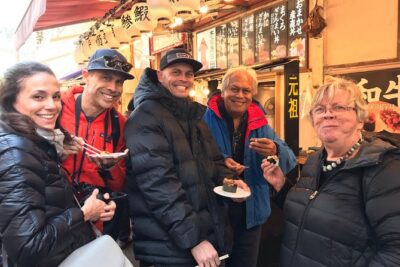
Tokyo 6hr Private Tour with Government-Licensed Guide
Read our review →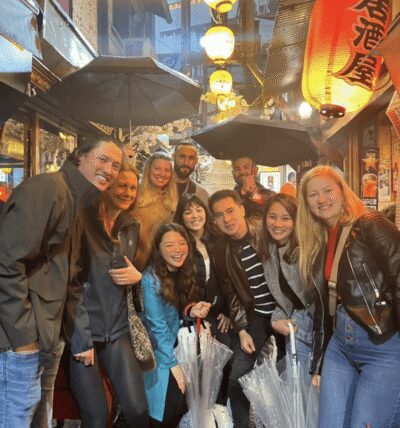
Shinjuku Local Bar and Izakaya Guided Walking Tour
Read our review →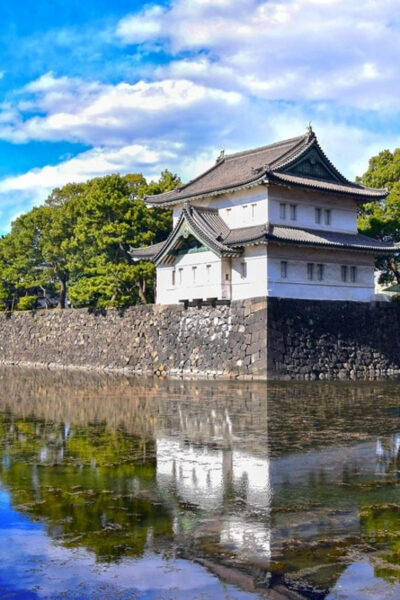
Private City Highlights Tour with Local Guide
Read our review →
Kyoto Early Morning Tour with English-Speaking Guide
Read our review →
Tokyo 4hr Private Tour with Government-Licensed Guide
Read our review →
Kyoto 6hr Private Tour with Government-Licensed Guide
Read our review →