
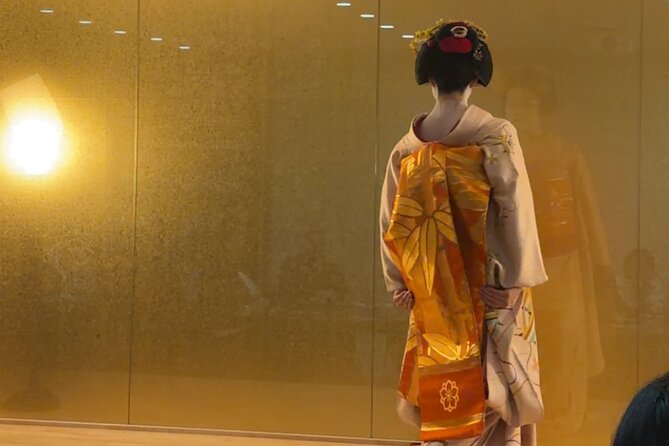
Reviewed · 1-HOUR EXPERIENCES
One Hour Geisha Show in Gion Kyoto
Kyoto has a way of making you chase details, fast. This one hour Geisha show in Gion gives you a more reliable way to learn geisha culture up close, with a maiko performance, tea and a snack, and a live Q&A. I like that it packs real cultural context into short time, and I also like the hands-on parts, including a Japanese game and photos at the end.
Still, it is a show, so if what you want is pure street spotting with zero structure, you may feel the format is a bit controlled.
Key takeaways before you go
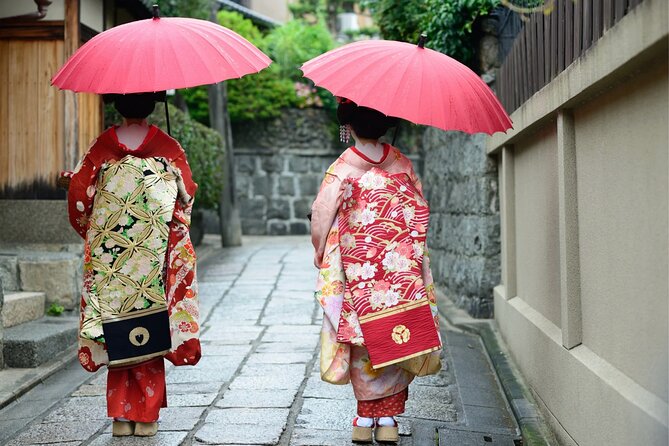
- Up-close maiko time in the Gion area, where seeing one is rare
- Two cultural layers: dance performance plus a Q&A that explains what you are watching
- Tea and a light snack included, so you are not rushing for food mid-show
- A Japanese game during the program, which makes the cultural lesson feel playful
- Photo time at the end, after the main performance and Q&A
Why a one-hour geisha show in Gion is a good use of your evening
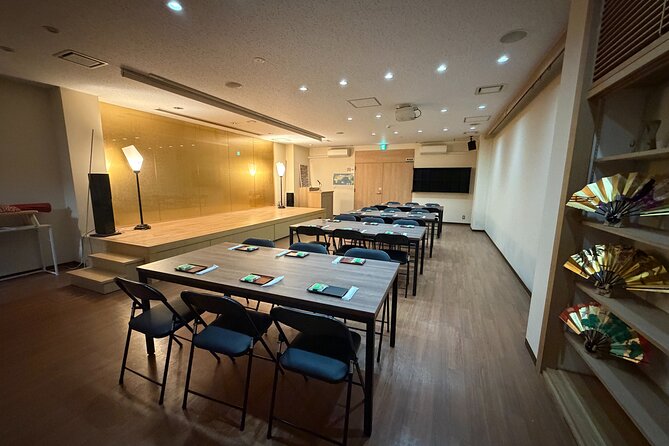
Kyoto can make you work for your wow moments. You can spend time hunting for a glimpse, then miss your window, or you can do something smarter with your schedule and book a structured, live experience.
This show is built around the idea that you do not need luck to enjoy geisha traditions. Instead of relying on chance street sightings, you get a live performance by a maiko (apprentice geisha) and you are given a chance to ask questions. The whole thing lasts about an hour, so it fits neatly into a sightseeing day without turning into a half-day project.
Another reason I like this format is pacing. You get several elements in one sitting, dance performances, tea and snack, then a Q&A, then a Japanese game, and finally photos. It is not just watching. It is watching with context.
More geisha experiences in Kyoto:
- Kyoto Geisha Walking Tour: Gion District & Hidden Gems
★ 4.7 · 3,273 reviews - Kyoto: Gion Magical Night Walking Tour with Geisha Trivia
★ 4.9 · 2,393 reviews - Kyoto: Gion Geisha District Walking Tour – Stories of Geisha
★ 4.7 · 2,187 reviews
What makes it feel “Kyoto,” not just entertainment
Kyoto is the key place for this tradition, and the show leans into that. The program is designed around the rarity of maiko appearances, noting that there are only about 40 maiko left in Kyoto. When something is that uncommon, having a timed, hosted experience is a huge advantage.
Meeting in Gion, and what to expect from the timing
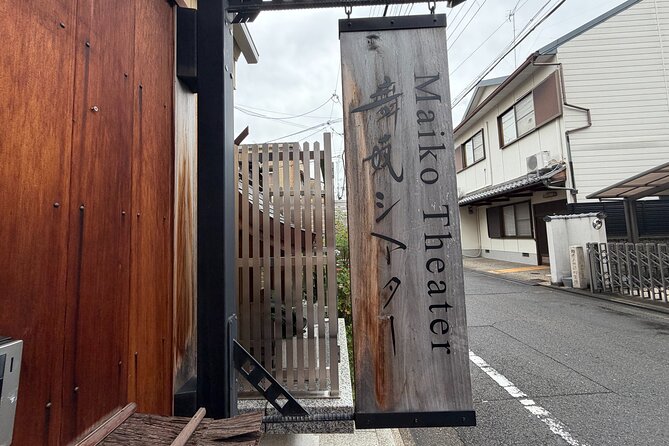
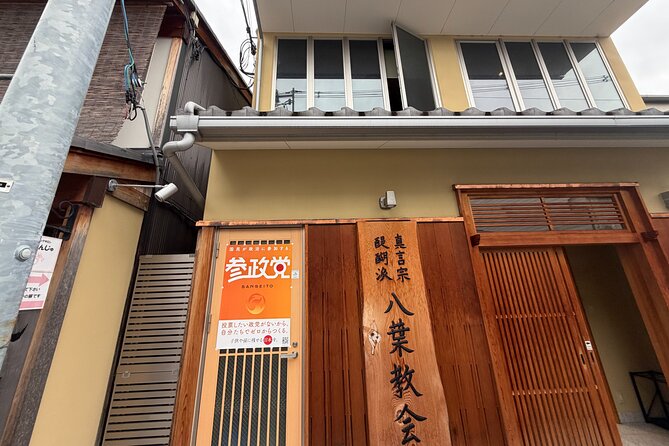
The show starts at 4:00 pm and runs for about one hour. Your meeting point is at 302-2 Daikokuchō, Higashiyama Ward, Kyoto, and the activity ends back at the same location.
That timing matters. Late afternoon in Gion tends to feel atmospheric, with people beginning to shift from daytime sightseeing toward evening routines. You also avoid the most chaotic crowd peaks you might run into later at night, which makes it easier to stay calm and pay attention.
Step 1 in the program: watching a maiko up close in Gion
The heart of the experience is the performance itself, centered on a real maiko. You watch up close, and the show highlights how special that is, given how few maiko are currently in Kyoto.
This is not a distant stage and a quick glance. The value here is access. When you can see the gestures, pacing, and dance mannerisms clearly, the performance starts to make more sense. That is where a lot of people get the most out of a short cultural show like this.
A few more Kyoto days worth comparing
- PERFECT KYOTO 1-Day Bus Tour
★ 5.0 · 13,518 reviews - Kyoto: Fushimi Inari, Kinkakuji, Bamboo Grove 1 Day Bus Tour
★ 4.8 · 4,316 reviews - Kyoto: Tea Ceremony in a Traditional Tea House in Kiyomizu
★ 4.9 · 3,519 reviews - Kyoto: Tea Ceremony Ju-An at Jotokuji Temple
★ 4.9 · 3,207 reviews
Why the maiko focus is more than a photo opportunity
A big misconception is thinking geisha culture is only about appearances. The show is built to help you understand the performance as a skill. A maiko is an apprentice, so the program is also about learning, discipline, and training.
And because the show includes a Q&A, you are not left guessing. You get answers that most tourists miss when they rely only on street-level observation.
Tea, a light snack, and the little details that make it easier to stay present
You get tea and a light snack as part of the experience. That sounds minor, but it changes how you experience the hour.
If you have been walking and trying to line up dinner plans, a snack and tea can keep the whole event from feeling like a break you rush through. It also helps the show feel like a hosted cultural moment, not just a quick ticketed performance.
One note: additional food and drinks are not included. If you want something more substantial afterward, plan to grab it near your next stop in Gion or on your route back.
The dance performances: what you are actually paying for
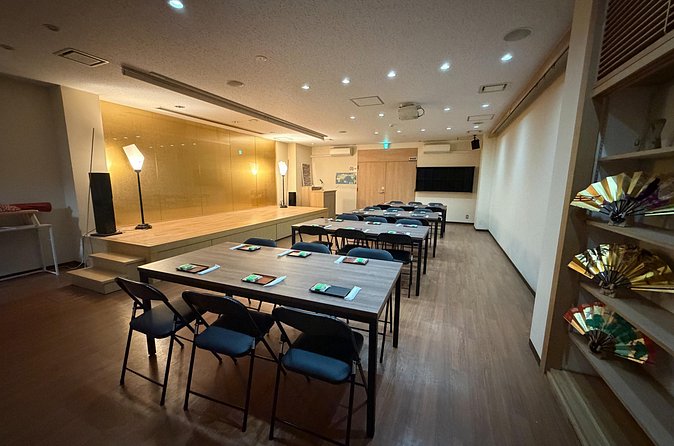
The show includes traditional dance performances performed live. This is the core attraction, and it is also the easiest part to evaluate when deciding if the experience is worth it.
Here is what makes the dancing valuable for most visitors: you can watch the body language as part of storytelling. Movement is not random. It is controlled and meant to communicate emotion, style, and meaning.
And because it is only about an hour, the dances do not drag. You get enough to feel the atmosphere, and then you get the learning portion through Q&A.
A real performer name you might hear during the show
In one set of feedback, the maiko performer was named Kosome San, and the program included two dances, followed by Q&A and a game. Your performer may be different, but that example is useful because it shows the show is interactive, not just a single dance and then you leave.
Q&A: the part that turns a show into understanding
If you like having your questions answered, this is the section to pay attention to. The program includes a Q&A session, and that is one of the most praised pieces of the experience.
The best part is that the Q&A helps you interpret what you are seeing. Instead of leaving with only memories and a few photos, you leave with language for the experience: what certain movements mean, how the performance fits into geisha culture, and what you should notice next time you encounter this world.
It is also where host communication matters. Reviews highlight that the host communicated well and helped make the setting engaging. In a format like this, good facilitation can mean the difference between a stiff Q&A and a real conversation.
The Japanese game: why the activity section is not “just extra”
After the Q&A, you play a Japanese game as part of the show. That might sound like filler, but it usually works for two reasons.
First, it shifts the event from passive to active. Your brain stays engaged. Second, it provides cultural context in a way that is memorable, because you participate instead of only watching.
If you have ever done tours where the cultural piece is stuck behind lectures, this game style can feel like relief. You learn by doing, and the hour stays light.
Photos at the end: how to get the most out of your time
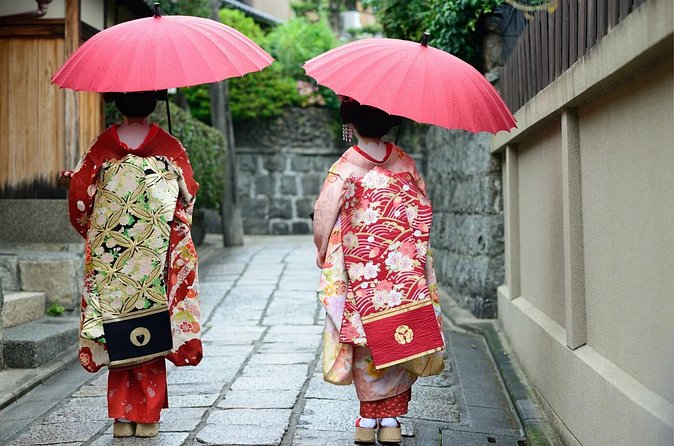
The show includes an opportunity to take photos at the end. So you should treat photos as a final step, not the goal you rush toward.
For the best experience, keep your phone ready, but be respectful of the flow. If you want better shots, stand where you can move slightly without blocking other people, and be ready to adjust settings quickly. In these kinds of performances, lighting can change once the main program ends.
Who this one-hour geisha show suits best
This is a strong fit if you want a guided, reliable introduction to Kyoto’s geisha world.
You will probably enjoy it most if:
- You want an up-close maiko experience without gambling on street sightings
- You care about learning, especially through Q&A
- You prefer shorter, structured cultural activities that fit into a normal travel day
- You like interactive moments like the Japanese game and the tea-and-snack pacing
Who might want to consider a different approach
If your main goal is to roam Gion and catch spontaneous moments with zero structure, this may feel too scheduled. The show is designed to deliver certainty, not to mimic random wandering.
Also, if you dislike group settings, you might find the format less appealing. The experience is described as a group experience with a meeting point and a timed show, so it will not feel like a private salon conversation.
Price and value: is $79.26 worth it for a geisha show?
At $79.26 per person, this is not a budget impulse buy. So the real question is what you are getting for the price.
You are paying for:
- A live geisha/maiko show in Gion
- Included tea and a light snack
- A hosted Q&A that adds context
- A Japanese game as part of the program
- Photo time at the end
When you add those pieces together, you are not just buying a performance ticket. You are buying time with the subject matter, guided learning, and multiple touchpoints that keep the hour from feeling flat.
There are also group discounts available, which can improve the value if you have travel companions. If you are coming as a couple or small group, ask yourself whether you can split the cost advantage.
My take: the smart way to add geisha culture to your Kyoto plan
If you are trying to maximize Kyoto in limited time, this kind of show is a practical tool. It takes the stress out of waiting and hoping. You get a concentrated cultural experience with a performer you can see up close, plus learning that is hard to get from casual wandering.
Just go in with the right expectation: it is a show. It is also a hosted learning moment, and that combination is what makes it effective.
Should you book the One Hour Geisha Show in Gion?
Book it if you want a high-confidence way to see a maiko and understand what you are watching, without burning time chasing street sightings. The included tea and snack, the Q&A, and the interactive game make it feel more than a quick performance.
Skip it or consider an alternative if your ideal Kyoto evening is fully freeform, with no structure at all, or if you dislike group formats.
If you want one reliable cultural anchor in Gion, this is a strong candidate.
FAQ
Where does the One Hour Geisha Show in Gion take place?
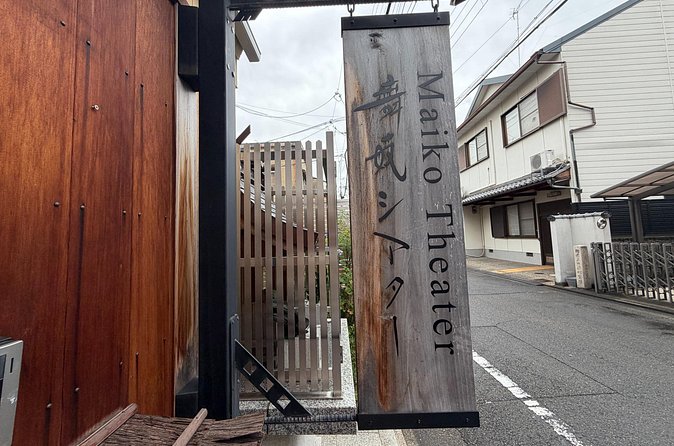
The meeting point is listed as 302-2 Daikokuchō, Higashiyama Ward, Kyoto 605-0832, Japan. The experience ends back at the meeting point.
What time does the show start?
The listed start time is 4:00 pm.
How long is the experience?
It lasts about 1 hour.
What is included in the ticket price?
Included features are the Geisha/Maiko show and light snack and tea.
Is tea and a snack provided during the show?
Yes, tea and a light snack are included.
What happens during the show besides the dances?
The program includes a Q&A session and a Japanese game. There is also an opportunity to take photos at the end.
Do I need to pay for additional food or drinks?
Additional food and drinks are not included, so you would need to pay for anything beyond the included snack and tea.
How much does it cost?
The price is $79.26 per person.
What is the cancellation policy?
Free cancellation is available up to 24 hours in advance for a full refund, based on the experience’s local time.
Fresh options around Kyoto
- Kyoto Aquarium Admission Ticket★ 4.7 · 12 reviews
- Kyoto Gion Photoshoot – Private Session | Pro Photographer★ 5.0 · 12 reviews
- Gyoza Cooking Class in Kyoto: Traditional Japanese Dumplings★ 5.0 · 12 reviews
- Kyoto: Guided Food Tour with 12 Dishes & 3 Drinks★ 5.0 · 12 reviews
- Kyoto: Avoid the Crowds at the Hidden Gems of Arashiyama★ 4.9 · 13 reviews
- Kyoto Early Bird English Tour: Gion & Higashiyama(Private opt)★ 5.0 · 13 reviews
- Otsu-e Folk Art Workshop & Local Culture Walk Near Kyoto★ 5.0 · 13 reviews
- Kyoto, Osaka, Nara Full Day tour by Car English speaking Driver★ 3.5 · 13 reviews
1-Hour Experiences, compared.
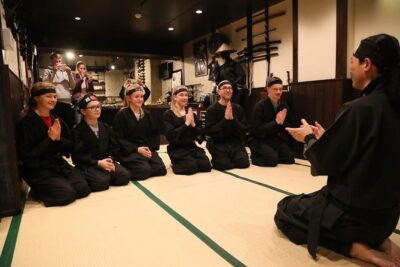
Ninja 1-hour Hands-on Lesson by Japanese master in Kyoto -Entry
Read our review →

Ring making experience Completed in about 1 hour!
Read our review →

Ninja Lesson in Tokyo – 1 Hour Hands-On with Japanese Master
Read our review →
Hands-on Takoyaki and Okonomiyaki Cooking (1 Hour)
Read our review →
Browse the lists this tour appears in