
Reviewed · DESSERT TOURS
Traditional Tea Ceremony with Matcha and Sweets in Kyoto
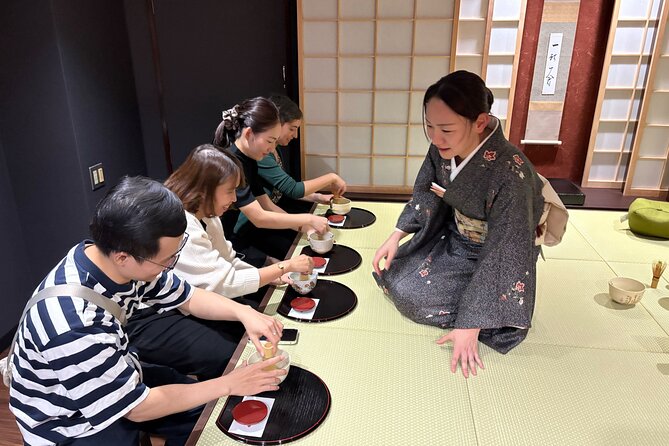
Tea in Gion, minus the stiff formality. This Kyoto experience brings the heart of a traditional chanoyu tea ceremony into a comfortable, modern setup, with a tea master teaching you the ideas and the technique up close.
I like that you get two concrete things to take home: a clear explanation of Zen philosophy and omotenashi and the chance to whisk your own bowl of matcha. One drawback to consider is the session runs about an hour, so it is a short, friendly introduction rather than a full, multi-hour ceremony.
Key Highlights You’ll Notice Fast
- Small group size (maximum 13) keeps the mood calm and lets you ask questions.
- Chair seating makes the tea experience more welcoming if floor seating is a dealbreaker.
- Guided, close-up technique from a tea master with lots of experience (you may meet instructors such as Mitsune or Yuki).
- Hands-on matcha prep using premium tea from a family-run farm.
- Traditional sweets plus matcha from long-established Kyoto-style artisan makers.
- A Q&A at the end to connect what you learned to what you saw.
Kyoto’s Gion Setting Makes the Ceremony Feel Like Part of Town
This experience takes place right in Kyoto’s historic Gion area, in Higashiyama Ward. Starting in a neighborhood you will actually walk through after your class adds weight to what you learn. Tea culture in Japan is not just a museum subject, it is lived and practiced, and Gion is a good place to feel that.
The meeting point is on Yamatochō, at the Gion Tanaka-ya building address (Kyoto 605-0802, Higashiyama Ward). The location is also described as near public transportation, which matters in Kyoto, where every ride and walk adds up. Expect to step out of your class and still feel in the middle of the city’s heritage.
More Tea Ceremonies in Kyoto
- Kyoto: Tea Ceremony in a Traditional Tea House in Kiyomizu
★ 4.9 · 3,519 reviews - Kyoto: Tea Ceremony Ju-An at Jotokuji Temple
★ 4.9 · 3,207 reviews - Kyoto: 45-Minute Tea Ceremony Lesson Experience
★ 4.3 · 2,378 reviews
The First Half: Tea History, Zen Ideas, and Omotenashi
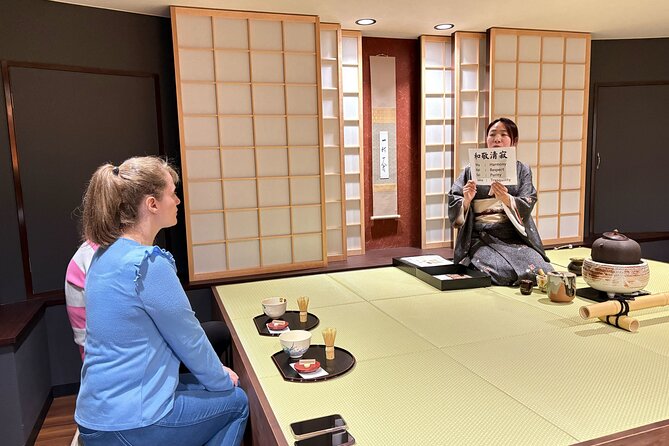
The core of a traditional tea ceremony is not only the drink. It is the mindset behind the ritual, the way each movement supports a quiet, respectful atmosphere. In this class, you explore the history of tea in Japan and how Zen philosophy shaped the heart of the ceremony.
You also learn about omotenashi, the hospitality spirit that shows up in tiny details. The idea is simple but powerful: the host and the guest both participate in creating a thoughtful moment. When a tea master explains this directly, it helps you stop treating the ceremony like a performance and start seeing it like a conversation made with actions.
You get to watch authentic techniques up close by the tea master. That up-close look is one of the best reasons to book, because you can see the refinement people talk about, not just hear about it. It is also where the small-group size helps, since you are not craning your neck with a crowd.
A practical plus: you are seated on chairs. Traditional tea ceremonies often expect floor seating, which can be tough for many people. Here, you can focus on the ritual itself, not on making your body work through it.
Whisking Matcha: The Hands-On Moment That Makes It Stick
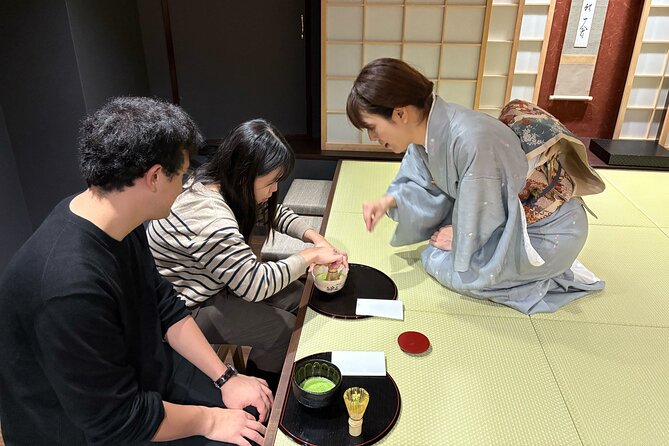
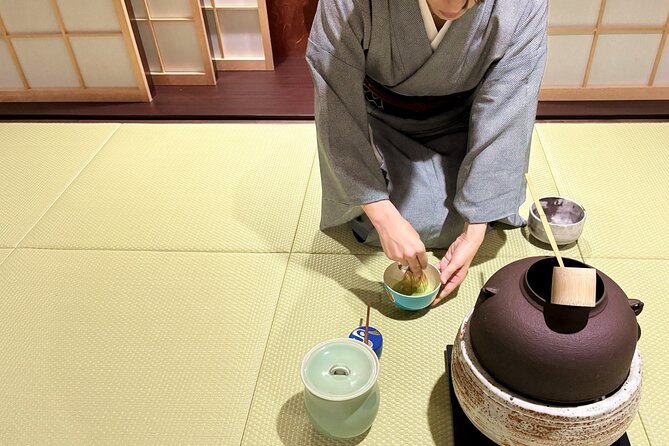
The second key part is where you stop watching and start doing. You make your own bowl of matcha using premium tea sourced from a family-run farm. That detail matters because matcha is not just a flavor, it is also a texture and a quality you can actually sense.
As you whisk, you are learning the rhythm behind the ritual. You will see how the tea master handles the motions and then try it yourself, which turns a cultural lesson into muscle memory. This is the difference between reading about tea and understanding it through your hands.
Expect the class to connect technique with meaning. Zen-based tea is often explained as calm attention, and you can feel that when you are responsible for the whisking. Even if your first attempt is imperfect, the goal is participation, not perfection.
If you care about value, hands-on instruction is where this experience justifies its price. A lot of tours show you matcha, then send you on your way. This one gives you the bowl in front of you.
Kyoto Sweets: How the Class Balances Sweet and Bitter
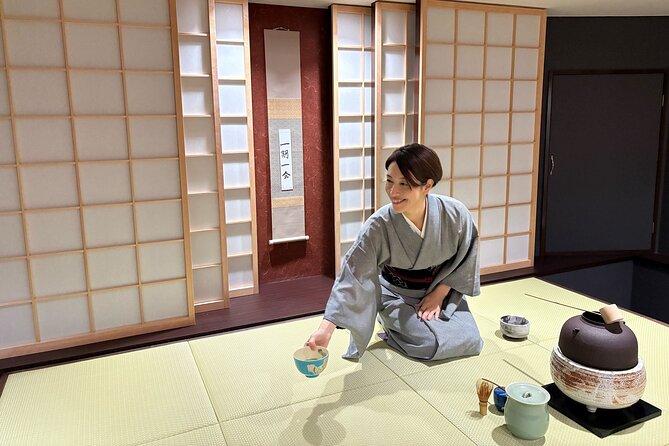
Traditional sweets are part of the ceremony, and you experience them in the second half. The sweets are described as carefully selected from long-established artisans. In Kyoto, that kind of sourcing is a big part of what makes sweets taste like Kyoto, not just like sugar.
You will savor the sweets alongside your matcha, which helps you understand how the two flavors work together. Matcha has a distinct bitterness and green depth, while classic wagashi-style sweets often bring sweetness with a softer, more subtle character. That balance is part of the ceremony’s pacing, it slows you down on purpose.
This pairing is also where the experience feels genuinely Kyoto. Even if you are new to Japanese snacks, you will likely notice that the sweets are treated as part of the ritual, not an afterthought. It turns the ceremony into a full tasting moment, not a single-drink demo.
Same corner of Japan, a different kind of day:
- PERFECT KYOTO 1-Day Bus Tour
★ 5.0 · 13,518 reviews - Kyoto: Fushimi Inari, Kinkakuji, Bamboo Grove 1 Day Bus Tour
★ 4.8 · 4,316 reviews - Kyoto Geisha Walking Tour: Gion District & Hidden Gems
★ 4.7 · 3,273 reviews - Kyoto: Gion Magical Night Walking Tour with Geisha Trivia
★ 4.9 · 2,393 reviews
What You’ll Take From the Q&A (and Why It Helps)
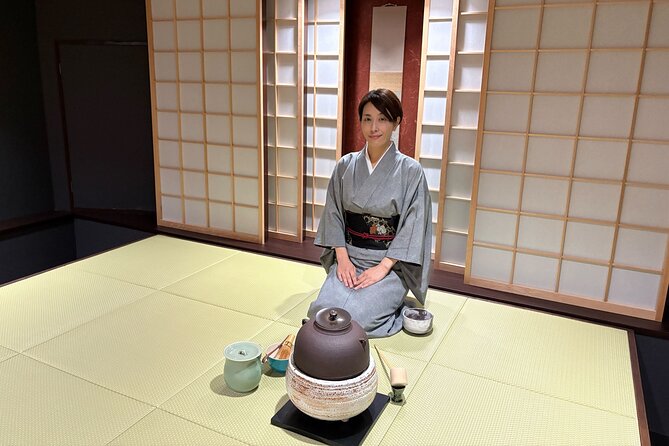
You finish with a Q&A session. That is more than a nice extra, it prevents you from leaving with half-understood terms. When someone asks you to imagine the meaning behind a gesture, you often want to know exactly what that means in real life.
This class specifically aims to make chanoyu approachable. It is designed for people who might feel intimidated by how formal tea ceremonies can look in photos or videos. So the Q&A becomes your chance to ask, clarify, and connect the philosophy to what you actually saw and did.
You also leave with a better sense of how sado, the tea way, fits into Japanese culture. The ceremony is centuries old, but the mindset behind it is practical: calm attention, respect, and thoughtful hospitality. Those are things you can apply the next time you drink tea, not just in Kyoto.
Chair Seating and Small-Group Comfort: Accessible in the Right Way
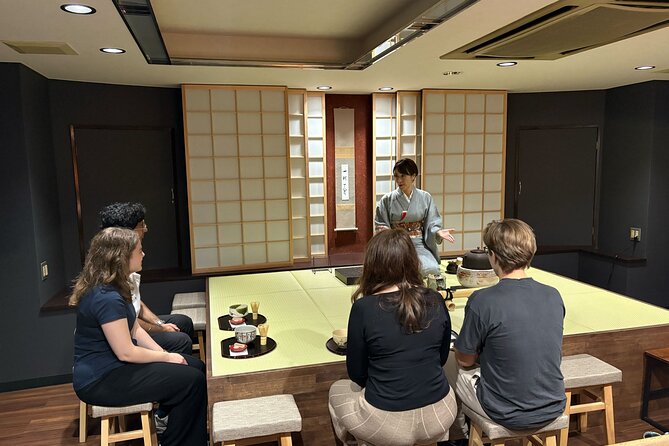
One of the strongest practical features is sitting on chairs. That is a big deal in Kyoto, where “traditional” often means “hard on knees and hips.” Here, the experience stays traditional in content, while becoming easier to access physically.
The group maximum is 13, which keeps the atmosphere manageable. In a small group, you can see what the tea master is doing and you are less likely to feel rushed. It also helps the tea master manage questions during the Q&A.
This setup also supports first-timers. If you are new to Japanese culture, you will still have room to ask basic questions without feeling out of place. The experience is described as welcoming and meaningful, and the format clearly supports that.
Price and Value: What $22.86 Buys You in Kyoto
At $22.86 per person, this is not the cheapest activity in Kyoto, but it is also not trying to be a luxury production. You are paying for instruction from a tea master, the use of materials, and a structured experience that includes both matcha and sweets.
What makes it feel like good value is the mix:
- You learn the background, including tea history and Zen philosophy.
- You watch authentic techniques up close.
- You make your own bowl of matcha.
- You taste traditional sweets from long-established artisans.
- You end with Q&A so you can turn the experience into understanding.
For a one-hour session, that is a lot packed in. If you compare it to many “see and sip” experiences, the hands-on matcha preparation is the big differentiator.
Also, the mobile ticket format is mentioned, which can reduce friction on a busy travel day. In Kyoto, small convenience wins matter.
Who Should Book This Tea Ceremony, and Who Might Skip It
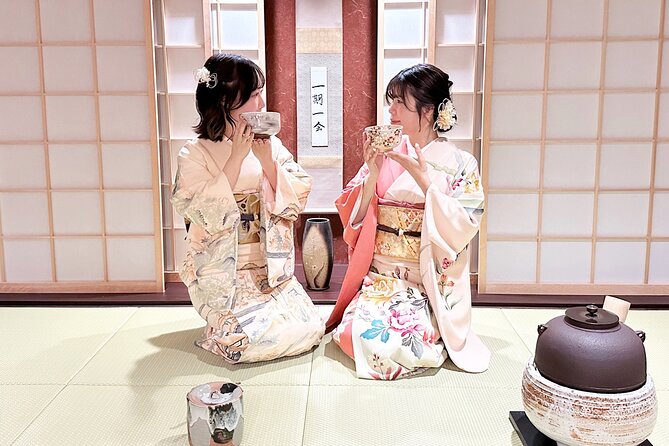
This is a strong fit if you want a meaningful introduction to Japanese tea culture without making it a huge project. If you are visiting for the first time in Japan, you get the stories, the philosophy, and the technique in a simple package.
It is also a smart choice if floor seating might be uncomfortable for you. The chair seating keeps the experience accessible while still letting you participate fully. If you are traveling with anyone who is cautious about traditional formats, this is the kind of class that can bring them in.
You might skip it if you are specifically hunting for a long, highly formal ceremony with every traditional step stretched out. This is more like a modern, approachable version that teaches the essentials and gives you hands-on matcha within about an hour.
Should You Book This Traditional Tea Ceremony in Kyoto?
If you want a calm, high-quality taste of chanoyu that includes both explanation and hands-on matcha, I think this is worth your time in Kyoto. The combination of chair seating, a small group, premium matcha, and traditional sweets makes it feel complete for the price.
Book it especially if you like learning culture through doing, not just watching. And if you enjoy questions, the Q&A at the end is a practical way to make the whole experience click.
If you only want a quick souvenir drink, you might feel it is more structured than you need. But if you want to understand why Japanese tea ceremonies look and feel the way they do, this one-hour class is a very friendly starting point.
FAQ
How long is the tea ceremony experience?
It runs for about 1 hour.
Where does the tour start in Kyoto?
The experience starts at Japan, 605-0802 Kyoto, Higashiyama Ward, Yamatochō, 1 祇園田中屋ビル.
Does the tour end anywhere else?
No, it ends back at the meeting point.
How large is the group?
The tour has a maximum of 13 travelers.
Will I sit on chairs or on the floor?
You will be seated on chairs, which makes it easier if floor seating is difficult.
What will I do during the ceremony?
You will observe techniques up close, then whisk your own bowl of matcha.
Are sweets included?
Yes. You will savor traditional sweets from long-established artisans during the second half.
Where is the matcha from?
The matcha is described as premium tea sourced from a family-run farm.
Is there a Q&A?
Yes, the session concludes with a Q&A to deepen your understanding.
Is free cancellation available?
Yes. You can cancel up to 24 hours in advance for a full refund. If you cancel less than 24 hours before the start time, the amount paid is not refunded.
Fresh options around Kyoto
- Nara Todaiji Kasuga Taisha Private Full Day Tour From Kyoto★ 5.0 · 13 reviews
- Private Sake Tasting in Central Kyoto with Sake Sommelier★ 5.0 · 13 reviews
- Kyoto: Sushi Making Experience in Kawaramachi★ 4.8 · 13 reviews
- Kyoto: KITSUNE Nightclub Admission Ticket with Drink★ 4.2 · 13 reviews
- Kyoto Shogun Cycling Tour★ 5.0 · 13 reviews
- Kyoto: Customizable Full-Day Tour with Privarte Transfers★ 3.5 · 13 reviews
- Nerikiri and Matcha Making Class in Kyoto★ 5.0 · 13 reviews
- Japan’s Rural Life & Nature: Private Half Day Cycling Near Kyoto★ 5.0 · 13 reviews
Dessert Tours, compared.

Matcha Making Class in Tokyo with Authentic Japanese Sweets Set
Read our review →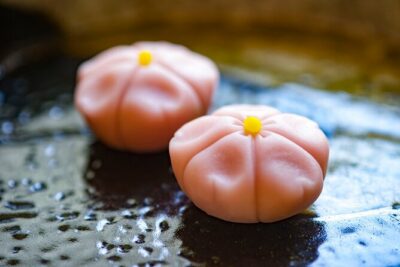
Matcha Making Class in Osaka with Authentic Japanese Sweets Set
Read our review →
Matcha Making Experience with Mochi Sweets in Asakusa
Read our review →
Japanese Traditional Sweets Making and Tea Ceremony
Read our review →
Make Traditional Nerikiri Sweets & Matcha experience in Shibuya
Read our review →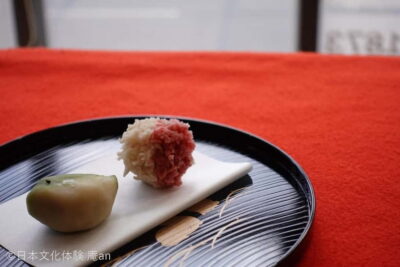
Japanese Traditional Sweets Making and Tea Ceremony
Read our review →
Private Mochi Sweets Making class near Shibuya area
Read our review →Browse the lists this tour appears in