
Reviewed · TEA CEREMONIES IN KYOTO
Kyoto Kiyomizu Tea Ceremony with Scenic Garden Views
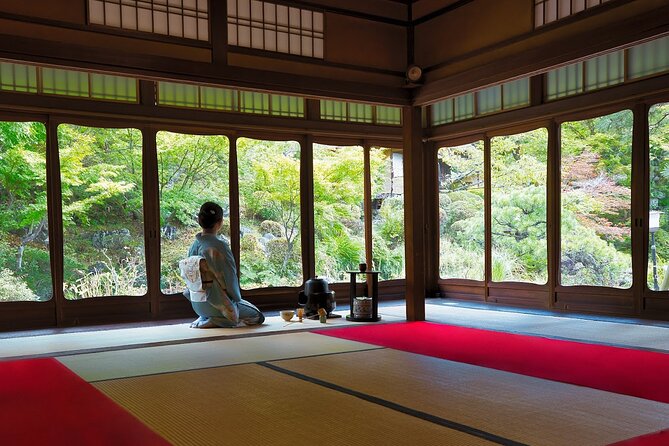
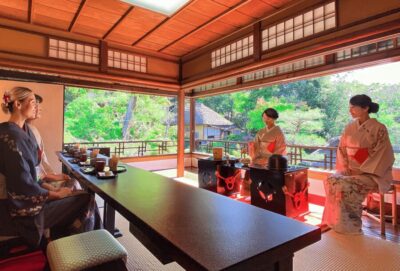
Matcha tastes better with a garden view. At Tea ceremony SAKAGUCHIAN in Kyoto’s Kiyomizu area, you watch a tea master prepare matcha from scratch and then take part in the ritual yourself, all while looking out over a peaceful Japanese garden. I love the small-group feel and the garden-view setting, which turns a short activity into a real mental break.
Two things I like a lot here. First, the tea master’s measured, exact movements make it easy to see how the ceremony works, from purifying utensils to whisking frothy matcha. Second, the host guidance and explanations add context, so you’re not just tasting, you’re understanding what you’re doing and why.
One possible drawback: the session runs about 45 minutes, so it’s not a long, multi-hour deep dive into every variation of tea culture. If you’re hoping for a very extensive ceremony, you might wish it lasted longer.
Key points at a glance
- Small group, max 12 people for a calmer, more interactive experience
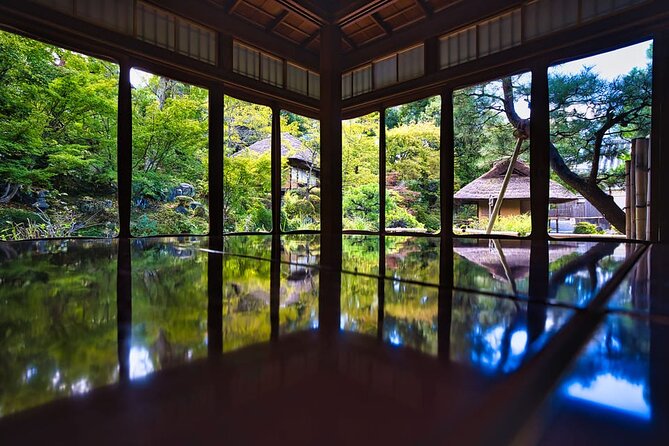
- Garden views through big windows that make matcha feel like part of Kyoto’s scenery
- Watch matcha made from scratch, including purifying tools and whisking
- You get two cups of matcha, plus wagashi sweets
- Not ideal if you have foot or knee trouble, and you may want socks for comfort
Arriving at Tea ceremony SAKAGUCHIAN in Kyoto’s Kiyomizu area
Your meeting point is Tea ceremony SAKAGUCHIAN (茶道体験 阪口庵), at 3-chōme-334 Kiyomizu, Higashiyama Ward, Kyoto. The activity ends back at the same place, so you can plan your next stop nearby without stress.
This kind of Kyoto experience works best when you slow down on purpose. The ceremony takes place in a traditional tea room, so you’re stepping away from street noise and into a quiet space where small actions matter. That is part of the value. You are not just consuming tea, you are experiencing how people treat tea as a full moment.
One practical tip: bring or wear socks. In Japan, flooring in traditional settings can be slippery or cool, and socks help you stay steady. If your feet get cold easily, this is an easy way to stay comfortable for the whole session.
Also note a basic reality of outdoor garden views. The activity requires good weather, so plan a little flexibility in your day. When the weather cooperates, the garden view is a major part of the experience.
More Tea Ceremonies in Kyoto
- Kyoto: Tea Ceremony in a Traditional Tea House in Kiyomizu
★ 4.9 · 3,519 reviews - Kyoto: Tea Ceremony Ju-An at Jotokuji Temple
★ 4.9 · 3,207 reviews - Kyoto: 45-Minute Tea Ceremony Lesson Experience
★ 4.3 · 2,378 reviews
How the 45-minute flow really feels: watch, learn, taste twice
The tour runs about 45 minutes (approx.), and it moves at a focused pace. You’re in the tea room first, then you follow guidance through the ritual, with the tea master doing the key steps while you learn what to look for and how the motions connect to taste.
Here’s the structure you can expect, in plain terms.
First, you step into the tea room with garden views. That moment matters. You’ll see the seasonal look of the Japanese garden through the room’s windows, and it sets the tone before matcha ever reaches your lips.
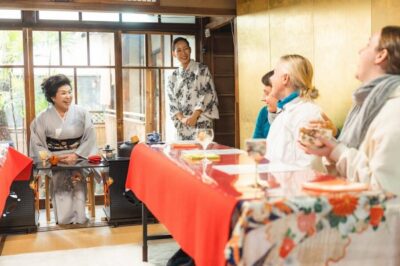
Next, the host guides you through the ancient art of tea ceremony in an intimate setting. The goal is not to overwhelm you with terms. It’s to make you understand what you’re seeing, and then help you participate.
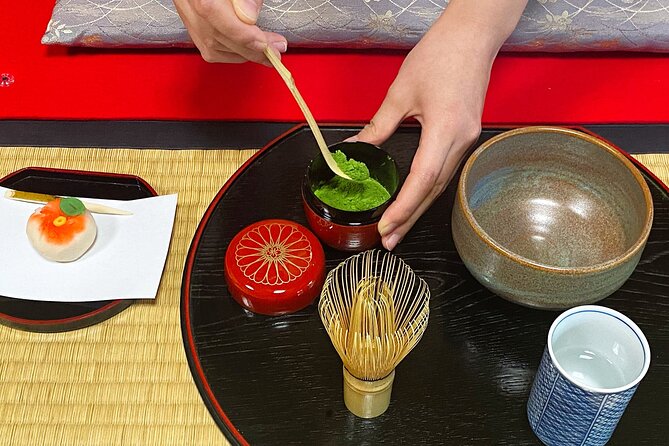
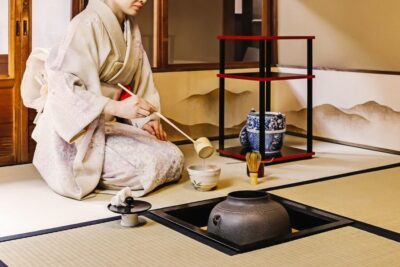
Then comes the best part for many people: watching the tea master prepare matcha from scratch. You’ll observe ritual steps such as purifying utensils, and then the whisking that creates that frothy surface. This is where the ceremony stops being a performance and starts being technique you can recognize.
After you watch, you learn proper handling techniques, including what to do with the tea bowl and how to whisk to get the right froth. You’ll get time to practice as part of the session, not only watch.
Finally, you finish with wagashi sweets. Your matcha is served with the traditional Japanese sweets as part of the ritual pacing, so you taste the whole balance, not just the tea by itself. You also receive a photo as part of what’s included.
Matcha from scratch: the ritual steps you’ll actually see
A lot of tea experiences stop at a cup and a quick explanation. This one is different because you watch the work, not just the result. The ceremony includes clear steps you can track, so your brain understands what is happening even if you are new to tea.
The ritual begins with purifying the utensils. You might wonder why this matters, but it’s a way of showing respect for the process and the tools. Even if you don’t know the symbolism, you can feel the attention to detail. That attention affects how the rest of the ceremony lands.
Then you watch the tea master whisk matcha. You’re looking for the froth and the texture, not just a color change. The ceremony teaches that whisking technique affects your final cup, and it’s not random.
You also learn how to handle the tea bowl properly. That might sound small, but it’s a big part of how the ceremony asks you to slow down. When you hold the bowl the right way, your pace changes. That makes tasting more mindful, and it helps you notice sweetness, bitterness, and how the tea finishes in your mouth.
When you’re guided to create your own matcha froth, you get that satisfying moment of learning by doing. And you still get the tea master’s cup, too, since you’ll taste two cups of matcha total.
If you enjoy hands-on cultural activities, this is the kind of event that actually teaches something practical you can carry home: how to approach matcha with technique and respect, not just speed.
Garden views through the teahouse windows: why the setting changes the tea
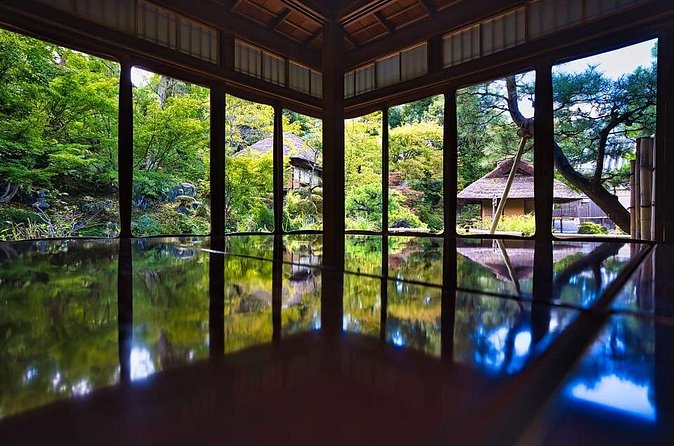
Kyoto tea culture is famous for atmosphere, and this session puts the atmosphere into your line of sight. The tea room looks out over a scenic Japanese garden, with large windows that keep the view present during the ritual.
That means the ceremony is not happening in a vacuum. Instead of staring at walls, you’re tasting while watching seasonal forms in the garden. Even a short session feels longer when your eyes have something to rest on.
The setting also helps you relax into the pacing. Tea ceremony is about quiet, controlled movements and respectful attention. When the room and garden work together, you get a calm rhythm that makes the learning easier to absorb.
This is especially helpful if you’ve spent your day doing fast sightseeing. Matcha with a view is a reset. You step into a quiet space, and the ceremony guides you toward slower breathing, gentler movement, and a better sense of how the culture treats small actions.
Same corner of Japan, a different kind of day:
- PERFECT KYOTO 1-Day Bus Tour
★ 5.0 · 13,518 reviews - Kyoto: Fushimi Inari, Kinkakuji, Bamboo Grove 1 Day Bus Tour
★ 4.8 · 4,316 reviews - Kyoto Geisha Walking Tour: Gion District & Hidden Gems
★ 4.7 · 3,273 reviews - Kyoto: Gion Magical Night Walking Tour with Geisha Trivia
★ 4.9 · 2,393 reviews
Two cups of matcha, wagashi sweets, and a included photo
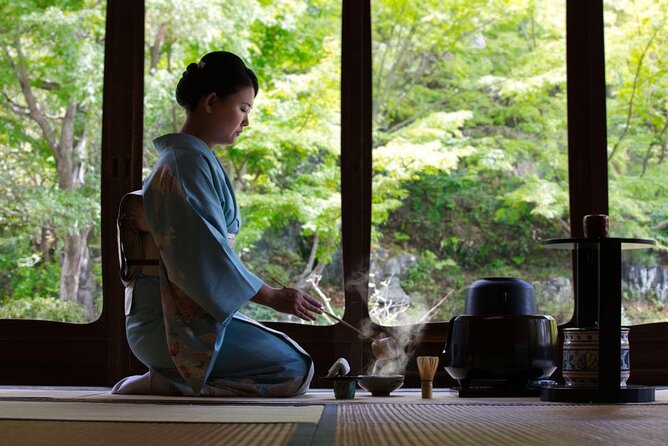
You get two cups of matcha included, plus wagashi, which are traditional Japanese sweets. That matters for value because you’re not only receiving one sample. You’ll have time to taste, then you’ll also participate and taste again as part of the experience flow.
Wagashi pairing is part of the ceremony rhythm. The sweets are served alongside matcha so the flavors balance through the session. Matcha can be intense, and the sweetness and texture of wagashi helps smooth the overall experience.
Then there’s a small but real convenience: a photo is included. If you’ve ever done cultural activities where you end up rushing to take selfies before the moment passes, this removes that stress. You can focus on the ceremony while someone captures a memory for you.
What’s not included is also worth knowing. Kimono rental is not included, and video recording is not included. If you want a kimono look or a video keepsake, you’ll need to arrange that separately. For many people, though, the tea room experience is the star, and you don’t need the extra costume.
Price and value: what $50.87 buys in a short Kyoto moment
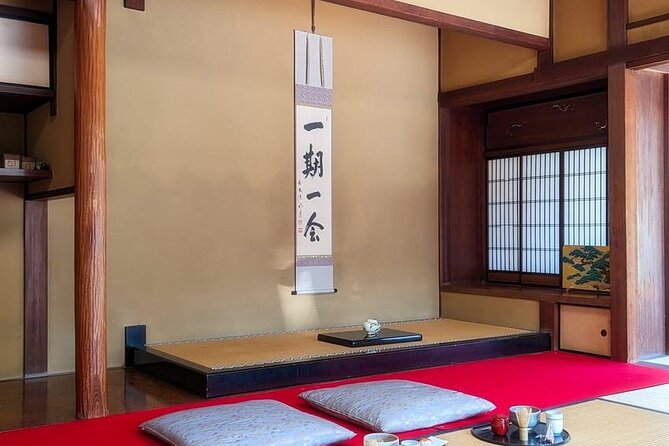
The price is $50.87 per person, and the time on the clock is about 45 minutes. That can sound quick, so the real question is what you get for the money.
Here’s the value equation that makes sense for this experience:
- Small-group setting (max 12) means more interaction and fewer people to compete with for attention.
- Two cups of matcha lets you taste more than once and compare the experience of watching versus doing.
- Wagashi is included, so you’re tasting the full pairing, not just drinking tea.
- Instruction is built into the flow, including proper handling of the tea bowl and whisking for froth.
- A photo is included, so you’re not paying extra for a keepsake.
On the flip side, yes, the session is shorter than many people imagine when they hear the phrase tea ceremony. If you want a very long, highly detailed program, you may feel it’s only a taste of the wider tradition. That is a fair consideration.
For most Kyoto visitors, the short length is actually a strength. When you’re juggling temples, markets, and neighborhoods, a focused, calming activity you can finish without losing the rest of your day has real practical value.
Who this Kyoto tea ceremony is best for
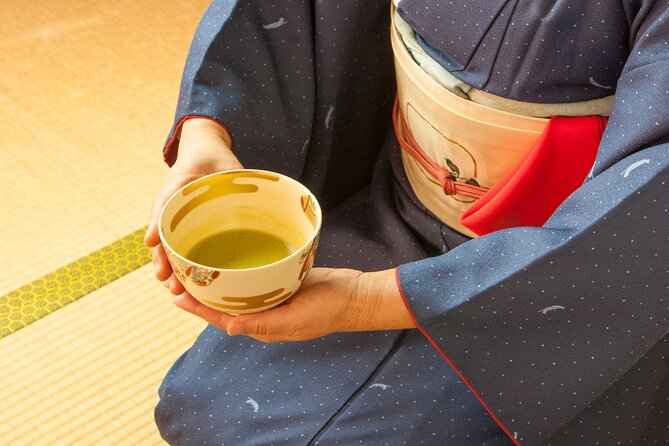
This is a good fit if you want culture that is calm, structured, and hands-on. I especially think it suits:
- People who like learning by watching and then trying
- Tea fans who want to understand technique, not just buy a drink
- Travelers who want a break from walking and crowds, even for just under an hour
- Anyone who enjoys traditional Japanese settings and ritual movements
It’s also a smart choice if you’re traveling in a small group. With a maximum of 12 travelers, the experience tends to feel personal enough for questions and guidance.
Who should think twice. The activity is not recommended for people with foot and knee issues. That doesn’t mean nobody with mobility challenges can attend, but the safest move is to respect the warning and look for an alternative activity that matches your comfort level.
Weather also matters. Since the experience requires good weather, keep an eye on conditions. If it gets canceled due to poor weather, you’ll be offered another date or a full refund.
Should you book this Kyoto Kiyomizu tea ceremony?
If you want a short, meaningful cultural pause in Kyoto, I think this is an easy yes. You get garden views, two cups of matcha, wagashi sweets, and guided technique in one compact session. The small-group cap helps the experience feel calmer and more interactive.
Skip it if you’re looking for a long, comprehensive ceremony, or if your knees and feet do not handle traditional sitting or movement comfortably. And if your schedule is tight with no flexibility, remember the experience depends on good weather.
Overall, this is the kind of activity that makes Kyoto feel human. You walk in, you slow down, you learn the ritual steps you usually miss, and you leave with a cup of matcha experience that you can actually explain.
FAQ
How long is the Kyoto Kiyomizu Tea Ceremony?
The duration is about 45 minutes.
Where is the meeting point?
You meet at Tea ceremony SAKAGUCHIAN (茶道体験 阪口庵), 3-chōme-334 Kiyomizu, Higashiyama Ward, Kyoto, 605-0043, Japan.
What is included in the price?
The experience includes 2 cups of matcha, wagashi (traditional Japanese sweets), and a photo.
Do I get a kimono rental?
No, kimono rental is not included.
Is video recording included?
No, video recording is not included.
What is the group size limit?
The activity has a maximum of 12 travelers.
Is the ceremony suitable for people with foot or knee problems?
It is not recommended for people with foot and knee issues.
Is it held in any weather conditions?
It requires good weather. If canceled due to poor weather, you’ll be offered a different date or a full refund.
Can I get a free cancellation refund?
Yes, free cancellation is available. You can cancel up to 24 hours in advance for a full refund.
What type of ticket do I receive?
You receive a mobile ticket, and confirmation is received at booking.
Fresh options around Kyoto
- Kyoto: Quiet and Graceful Tea Ceremony★ 4.5 · 19 reviews
- Oboro | Mindful Tea Ceremony in a 100-Year-Old Kyoto Teahouse★ 5.0 · 19 reviews
- Ikebana Traditional Japanese Art of Flower Arranging★ 4.5 · 19 reviews
- Kyoto Satoyama Cycling with Lunch and English Guide★ 5.0 · 19 reviews
- Kyoto International Party Solo Friendly Expats and Locals★ 5.0 · 19 reviews
- Tea Ceremony Experience in Traditional Kyoto Townhouse★ 5.0 · 19 reviews
- Kyoto: Amanohashidate Ine Funaya Tour★ 4.4 · 19 reviews
- Kyoto Private Food Tours with a Local Foodie: 100% Personalized★ 4.5 · 19 reviews
Tea Ceremonies in Kyoto, compared.
Tea Ceremony in a Traditional Tea House in Kiyomizu
Read our review →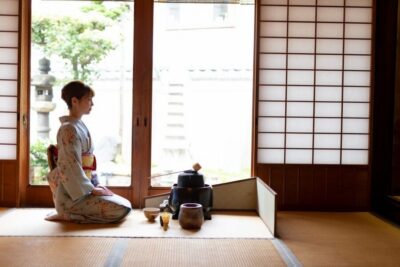
Arashiyama Bamboo Forest, Monkeys, Matcha & Temple Tour
Read our review →
Tea Museum Tickets and Matcha Grinding Experience
Read our review →
Browse the lists this tour appears in