
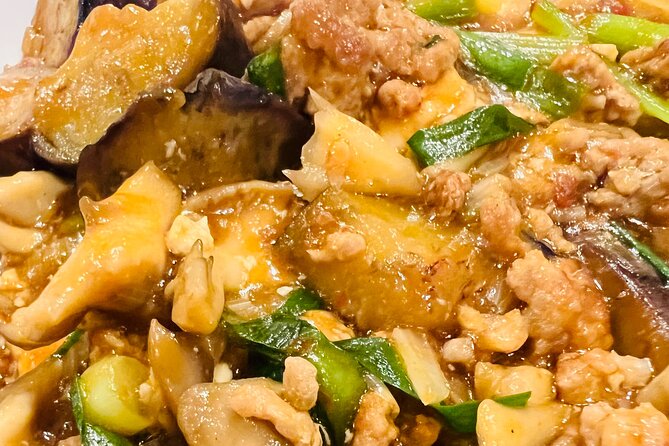
Reviewed · COOKING CLASSES
Kyoto Family Kitchen Cooking Class
Cooking dinner at a family kitchen beats tourist food. In Kyoto, you get hands-on cooking with everyday staples like dashi and mirin, then you sit down together for a real family meal. You’re also stepping into a suburban home setting where conversation, not perfection, drives the night.
I like the focus on core Japanese flavors you’ll actually use later, including soy sauce, mirin, and sake. I also like the pacing, you cook first, then you relax and eat as a group, which makes it feel like a cultural evening, not just a class. One drawback to consider is that this is more informal, “join the family for dinner” energy, so if you want a strictly structured, skills-testing course, you may feel it is light on technique drills.
Kyoto Family Kitchen: The Big Idea, In Plain English
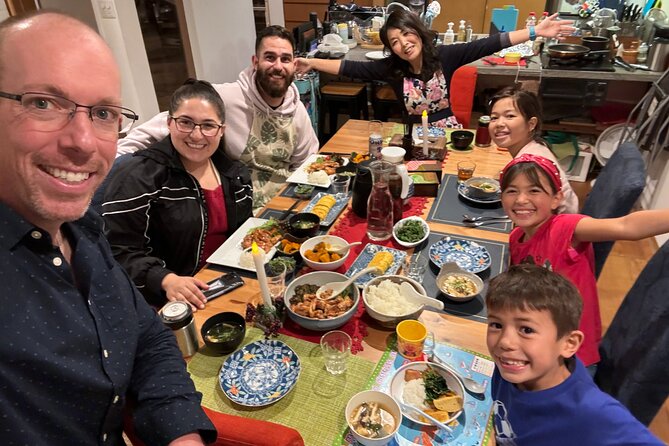
This is a private, family-style cooking experience in Kyoto that happens in a home (not a studio). You arrive, settle in, have tea, then talk about your trip before you start cooking. The hosts guide you through making Japanese dishes that rely on a handful of kitchen staples, the kind of ingredients Japanese families use night after night.
And yes, you are cooking with kids in the house, plus pets may be part of the scene too. The point is easy: you’re not only learning food, you’re experiencing daily life around the table.
Key Reasons This Class Gets Such Strong Love
- You learn the staples, not just one recipe, with ingredients like dashi, soy sauce, mirin, and sake.
- You cook and eat in the same evening, with dinner included right after cooking.
- It feels personal, because it’s hosted in a family home and often includes conversation, kids, and pets.
- The format is welcoming, with English-speaking guidance and a family-friendly rhythm.
- Vegetarian diners got real attention in past groups, with extra food prepared for the vegetarian guest.
- Transportation helps you get there, since transportation to the Kokusaikaikan subway station is included.
More Cooking Classes in Kyoto
- Ramen Cooking Class at Ramen Factory in Kyoto
★ 5.0 · 1,937 reviews - Kyoto: Ramen Cooking Class at a Ramen Factory with Souvenir
★ 4.9 · 532 reviews - Kyoto: Ramen, Gyoza, and Onigiri Cooking Class
★ 5.0 · 445 reviews
Your Evening Starts With Tea, Talk, and Getting Oriented
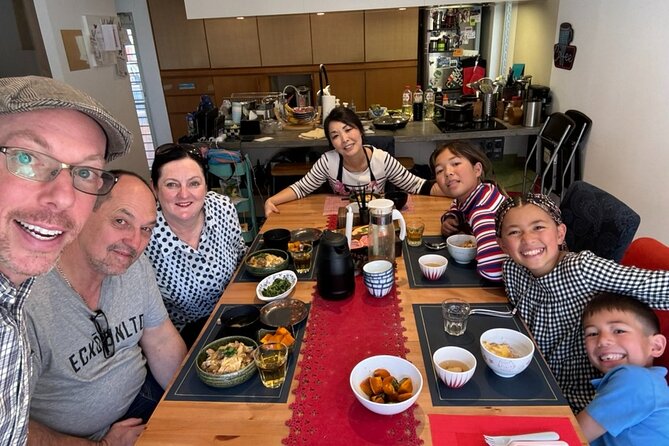
The schedule runs in the evening, Monday through Friday from 6:00 PM to 8:30 PM, and the class lasts about 2 hours 30 minutes. That timing matters because you’re not rushing through Kyoto sights. Instead, the whole night is built around a calmer pace: arriving, settling in, cooking, and then eating together.
When you start at 33-50 Kamitakano Saimyōjiyama in Sakyo Ward, you’re close to public transportation, and the experience also includes transportation to the Kokusaikaikan subway station. Practically, that means you can plan your Kyoto day without worrying too much about the last, tricky stretch back to the city.
Once you arrive, the hosts do a simple reset: tea first, then a chat about your trip. I like this part because it changes how you learn. You’re not in a classroom, you’re in someone’s home, so you feel comfortable asking questions while the evening is still “alive,” not at the end when everyone is tired.
Cooking in a Kyoto Home Kitchen, Not a Demo Studio
This is hands-on cooking around the kitchen counter. You put on aprons, then you slice, dice, and mix. The instruction is English-speaking, and it’s designed so kids can participate too. That family-friendly setup is a big reason this works as a cultural exchange. People cook at home the way they really do, not the way a stage wants it to look.
You can expect a preview of the menu before you start cooking. That helps a lot if you’re new to Japanese cooking, because you can map what you’re doing to what you’ll eat later. In many Japanese meals, the real “secret” is often a small set of flavor bases, and this class leans into that idea.
The hosts focus on staples that show up constantly in Japanese kitchens, including:
- dashi (the savory base)
- soy sauce
- mirin
- sake
If you remember nothing else, remember this: once you understand how those flavors work together, you’ll start recognizing Japanese food on menus. It also makes you less dependent on trying to replicate one dish perfectly. You’ll understand the structure behind it.
The Real Learning: How Japanese Staples Drive Flavor
Most cooking classes teach a single result. This one teaches the framework. That’s where the value lives.
Here’s why those staples matter for you as a traveler:
- Dashi is the backbone. Even if you can’t name it later, you’ll notice the broth-like depth it brings to soups, sauces, and braises.
- Soy sauce gives the salty, fermented backbone that many dishes rely on.
- Mirin adds a sweet-alcohol note that balances savoriness and helps sauces taste rounded, not sharp.
- Sake brings complexity and aroma, and it often makes flavors feel more connected.
You’re learning these in motion, because the instruction comes during prep. That’s a practical advantage: you’re not reading ingredient labels in a shop, you’re using them while someone explains what each one does in plain terms.
From the experience feedback, the atmosphere tends to be relaxed and communal. One group highlighted the feeling that it was more than just cooking, with hosts being accommodating with food preferences, including a vegetarian guest who was given plenty to eat. That tells me the class isn’t rigid. It’s adaptable, which is exactly what you want in a family setting.
Same corner of Japan, a different kind of day:
- PERFECT KYOTO 1-Day Bus Tour
★ 5.0 · 13,518 reviews - Kyoto: Fushimi Inari, Kinkakuji, Bamboo Grove 1 Day Bus Tour
★ 4.8 · 4,316 reviews - Kyoto: Tea Ceremony in a Traditional Tea House in Kiyomizu
★ 4.9 · 3,519 reviews - Kyoto Geisha Walking Tour: Gion District & Hidden Gems
★ 4.7 · 3,273 reviews
What You’ll Actually Do During Prep and Cooking

Even without a minute-by-minute itinerary, the format is clear. You arrive, tea and conversation happen first. Then you preview the food and start working at the counter. You’ll be doing active tasks like slicing, dicing, and mixing, and the hosts guide you through each step.
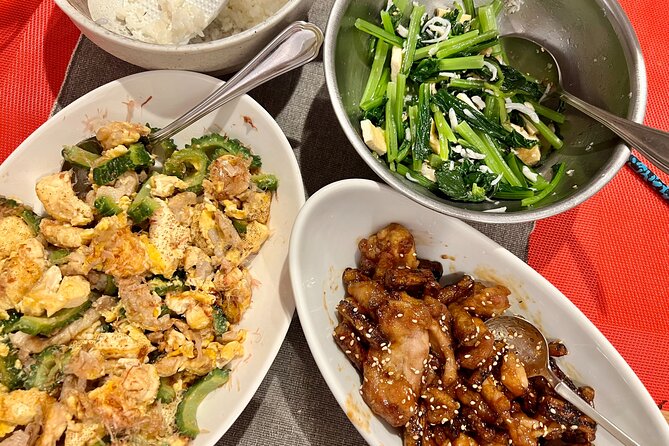
You may cook items that commonly show up in home-style Japanese meals, and past groups specifically referenced gyoza and tamago yaki. Other reviews also mentioned okonomiyaki, and teriyaki chicken. So while dishes can vary by night, the approach is consistent: family-kitchen recipes that are approachable and designed for a mixed group.
What’s especially nice for families is that tasks can be scaled. Kids can do safe, simple prep while adults handle the parts that need more focus. The goal is participation, not turning everyone into a professional line cook.
One thing to keep in mind: this is not presented as a high-pressure “finish this technique perfectly” class. If you’re the type who wants strict timing, exact measurements shouted like a competition, you might find it more casual than you expect.
The Meal Part Is the Point, and It’s Included
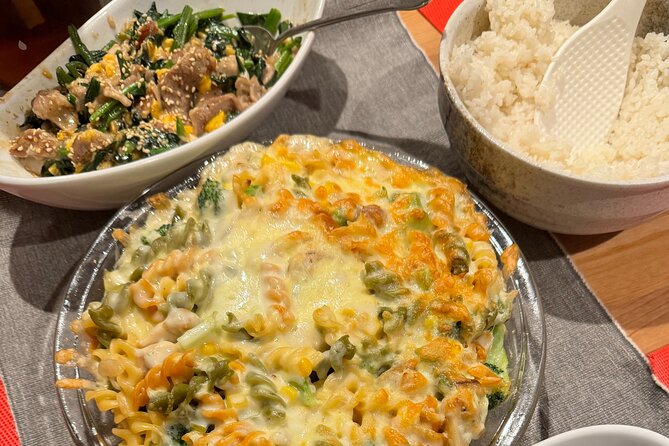
After cooking, you all sit down together for a dinner, the kind of mealtime where conversation flows because everyone worked on the same food. Reviews consistently emphasize the warmth of the hosts and the feeling of eating like locals, not like an audience.
You’ll also have coffee and/or tea with dinner. That matters because it turns the meal into a full experience, not just a tasting. When food is included and drinks are included, you can budget your evening without surprise add-ons.
Also, a big theme from past experiences is that guests often get small cultural extras alongside the food. One review mentioned the hosts sharing a few Japanese phrases to help with travel. Even if you already know some Japanese, it’s useful to learn practical bits you can use the next day.
And yes, pets show up in the story. Reviews mention a dog and a cat. The good news is that this tends to add to the home feeling, not distract from the food. Still, if you prefer a pet-free environment, it’s worth mentally preparing for a family household vibe.
Who This Kyoto Cooking Class Fits Best
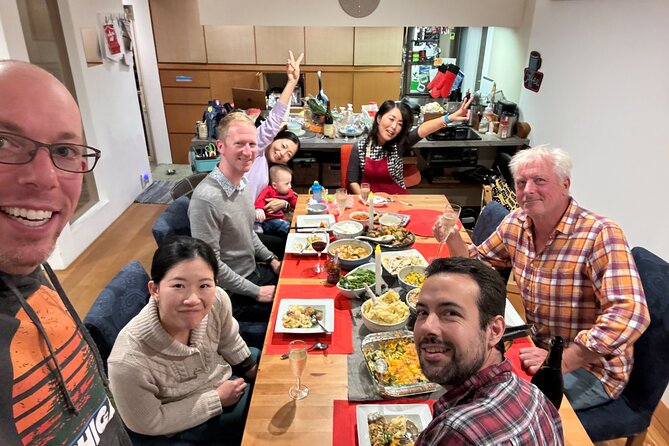
This experience is strongest for people who value human connection around food.
I think it’s a great match if you:
- travel as a family, especially with kids who enjoy hands-on activities
- want a home-cooked dinner experience outside the usual Kyoto restaurant circuit
- like learning how staples work, not just copying one recipe
- enjoy conversation and cultural exchange
It also works for couples and small groups who want something different from a guided walking tour. Since it’s private for your group, you can ask questions in a more relaxed way.
It may be less ideal if you:
- want a formal cooking course with strict technical outcomes
- dislike informal settings, kids in the kitchen, or the presence of pets
- have very specific dietary restrictions beyond what you can clearly communicate ahead of time
That one lower rating in the feedback stands out for the same reason: some people expected a more traditional structured class, and felt the format leaned toward cooking alongside the host family. If you know going in that this is “join the family for dinner,” you’re more likely to love it.
Price and Value: What $96.84 Really Buys
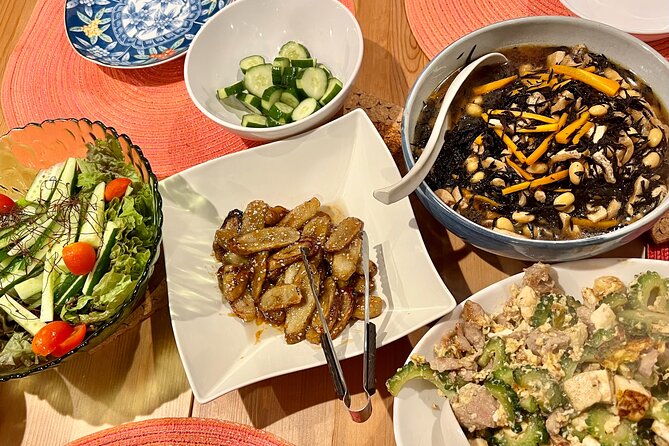
At $96.84 per person for about 2 hours 30 minutes, the price is not just paying for instruction. You’re also paying for a full home-hosted dinner plus ingredients, seasonings, and fees and taxes.
Here’s what’s included based on the info provided:
- dinner
- coffee and/or tea
- English-speaking instructor
- all seasonings and ingredients for cooking
- all fees and taxes
- transportation to Kokusaikaikan subway station
Alcoholic beverages are not included, and tips are not included.
So the value question becomes: are you getting a meal and a host experience, or just a cooking lesson? In this case, the included items push it firmly toward the meal plus cultural exchange side. If you would have otherwise spent money on dinner and a separate guided activity, this can feel like a good deal because the evening covers both.
One more practical note: this is booked on average 43 days in advance. That suggests it’s popular and limited, so if you’re traveling in a busier season, book early rather than waiting for a last-minute decision.
How to Plan Your Kyoto Day Around This
Because it runs early evening, you’ll want a lighter day plan. Kyoto gets crowded quickly, and this activity is designed for calm. I’d plan something like a morning or early afternoon sightseeing block, then head back to freshen up and get ready.
Also, you’ll want to factor in travel to the meeting address in Sakyo Ward. The included transport to Kokusaikaikan helps with the end of the night, but you still need to arrive on time for the start window.
Finally, be ready to communicate about preferences. Past feedback shows the hosts made special accommodations for a vegetarian guest. That doesn’t mean every request is guaranteed without discussion, but it does signal that they take food needs seriously.
Should You Book Kyoto Family Kitchen?
If you want Kyoto the way most people never get it, book this. This is a family-home dinner with cooking built in, guided by an English-speaking host (Anthony) and often shared with the rest of the household, including Naomi mentioned in reviews. You get instruction on core Japanese staples, then you eat what you made in a relaxed, social setting.
I’d book it if your priorities are:
- hands-on cooking with everyday ingredients
- a family-style meal where conversation matters
- a cultural evening outside tourist corridors
I would think twice if your priorities are:
- a formal, classroom-like cooking curriculum
- a quiet adult-only experience
- zero tolerance for informal home dynamics (kids and pets can be part of the scene)
FAQ
What time does Kyoto Family Kitchen run?
It runs Monday through Friday from 6:00 PM to 8:30 PM.
How long is the experience?
The cooking experience lasts about 2 hours 30 minutes.
Is dinner included?
Yes. Dinner is included, along with coffee and/or tea.
What does the price include?
It includes dinner, coffee and/or tea, an English-speaking instructor, all seasonings and ingredients, all fees and taxes, and transportation to the Kokusaikaikan subway station.
Do I need to buy tickets in advance?
You’ll receive confirmation at booking, and you get a mobile ticket. (Only your group participates since it is a private tour.)
Is this suitable for families with kids?
Yes. It is described as family-friendly and designed so kids can participate, and it is hosted in a home environment where the family relaxes and eats together.
Are there any restrictions on who can join?
There is a minimum of 2 guests. Service animals are allowed, and alcohol is not included.
If you want a Kyoto evening that feels like dinner with a local family, this is one of the best ways to make that happen.
Fresh options around Kyoto
- Kyoto Aquarium Admission Ticket★ 4.7 · 12 reviews
- Kyoto Gion Photoshoot – Private Session | Pro Photographer★ 5.0 · 12 reviews
- Gyoza Cooking Class in Kyoto: Traditional Japanese Dumplings★ 5.0 · 12 reviews
- Kyoto: Guided Food Tour with 12 Dishes & 3 Drinks★ 5.0 · 12 reviews
- Kyoto: Avoid the Crowds at the Hidden Gems of Arashiyama★ 4.9 · 13 reviews
- Kyoto Early Bird English Tour: Gion & Higashiyama(Private opt)★ 5.0 · 13 reviews
- Otsu-e Folk Art Workshop & Local Culture Walk Near Kyoto★ 5.0 · 13 reviews
- Kyoto, Osaka, Nara Full Day tour by Car English speaking Driver★ 3.5 · 13 reviews
Cooking Classes, compared.
Ramen Cooking Class at Ramen Factory in Kyoto
Read our review →
Ramen & Gyoza Cooking Class in Tokyo with Local Supermarket Visit
Read our review →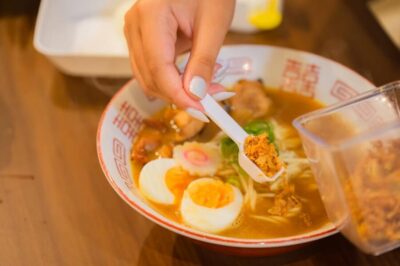
Ramen Cooking Class at a Ramen Factory with Souvenir
Read our review →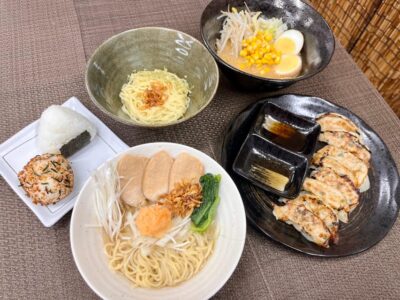
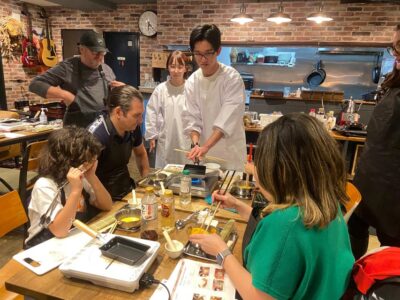
Japanese Washoku Bento Small Group Cooking Class
Read our review →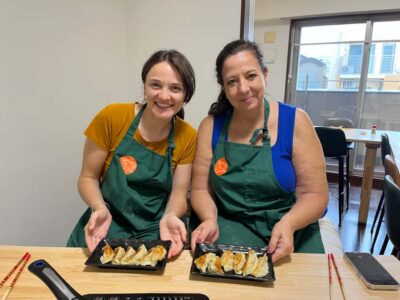
Easy Ramen Cooking Experience in Kabukicho, Shinjuku
Read our review →
Ramen and Sushi Cooking Class with Sake Pairing Set in Tokyo
Read our review →Browse the lists this tour appears in