
Reviewed · MUSEUMS
Kyomai Dance by Maiko Geiko and Visits of Gion Art Museum Kyoto
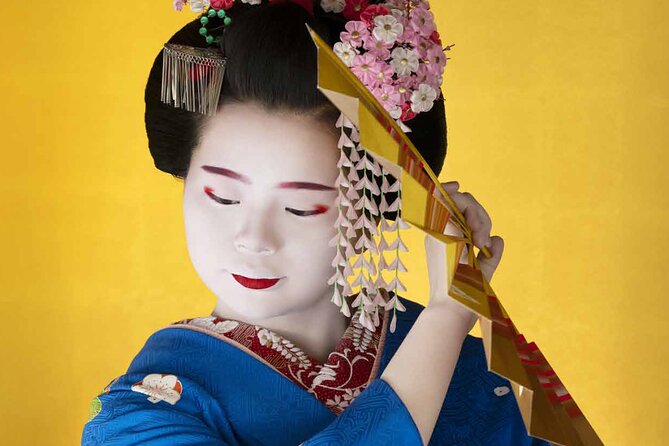
Kyomai is short, but it hits the heart of Gion. This experience pairs a live geiko or maiko dance show with admission to the Gion Kagai Art Museum, so you get culture and spectacle without hunting for separate tickets. I love the close-up feel of the performance and the chance to study objects you do not usually see in a standard Gion stroll. One heads-up: the performance window is brief, and if you expect a long, flashy show, you might feel underwhelmed.
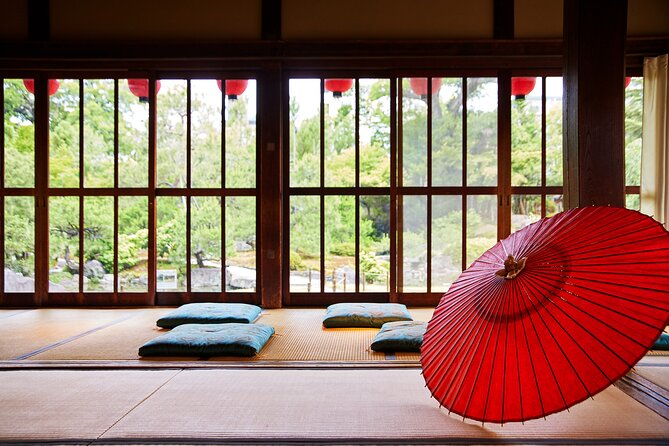
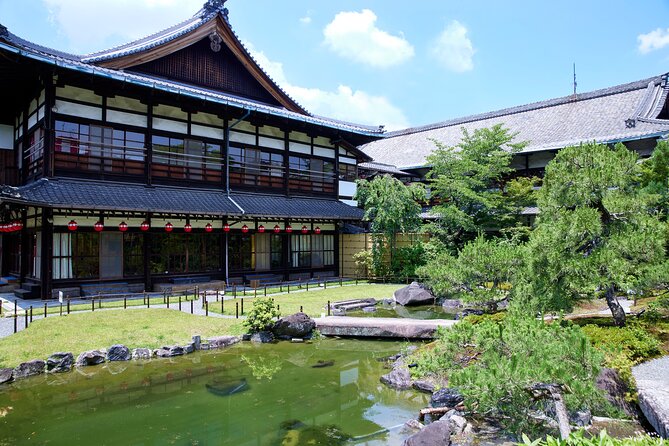
The setting helps. You watch Kyomai in a traditional, atmospheric banquet-room style space, then you shift into quiet museum time with gardens and hands-on context for how maiko culture works. It also helps that the format keeps things efficient, especially if you want to start your Kyoto trip with something unmistakably local.
Key points to know before you go
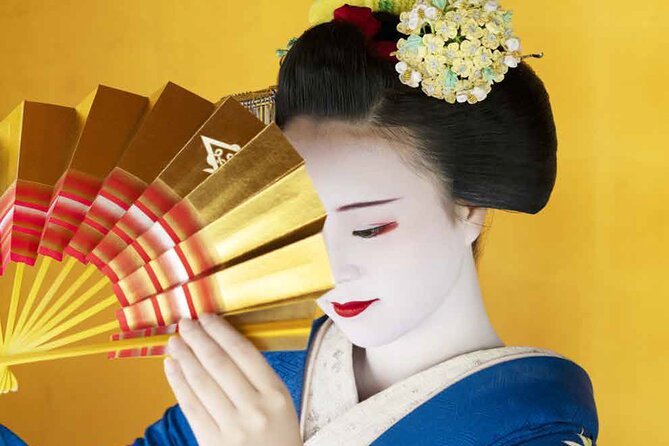
- Live Kyomai (Kyoto Mai Dance) runs about 15 minutes, usually two songs, so plan your expectations for a quick, elegant hit
- Admission is included, meaning you do not have to separately line up for museum entry
- Inoue style performance is part of the show, danced by a geiko or a maiko
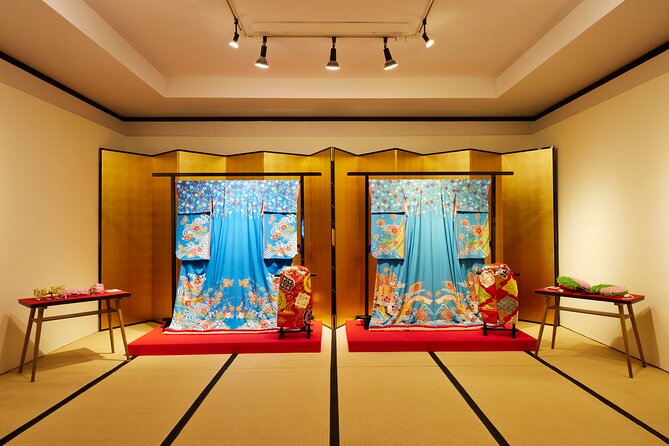
- Museum exhibits focus on Kagai art culture, with items like Yuzen kimono and Nishijin obi sashes
- No dance photos by default, but you can add a photo session for a group (2,000 yen, max 5 people)
- Small tour size (up to 25 people) helps the experience feel smooth and organized
Kyomai Dance and Gion Kagai Art Museum, in plain terms
This is a compact cultural evening in Kyoto’s Kagai district. You start in the Gion Kagai Art Museum area, then head to a theater-like space for Kyomai dancing by a geiko or maiko. The show itself is short on purpose. You are meant to catch the artistry without waiting through a long stage program.
What I like about this setup is that the museum does not feel like an afterthought. It gives you labels, context, and examples of the visual language behind what you just watched: kimono craftsmanship, seasonal hair ornaments, and the everyday objects that shape a maiko’s look and role.
The duration also makes it practical. At about 20 minutes total, it fits well as a first-night activity, or as a calm break in the middle of a Gion walk when your feet are getting loud.
More geisha experiences in Kyoto:
- Kyoto Geisha Walking Tour: Gion District & Hidden Gems
★ 4.7 · 3,273 reviews - Kyoto: Gion Magical Night Walking Tour with Geisha Trivia
★ 4.9 · 2,393 reviews - Kyoto: Gion Geisha District Walking Tour – Stories of Geisha
★ 4.7 · 2,187 reviews
Inside the show, what Kyomai actually means for your visit
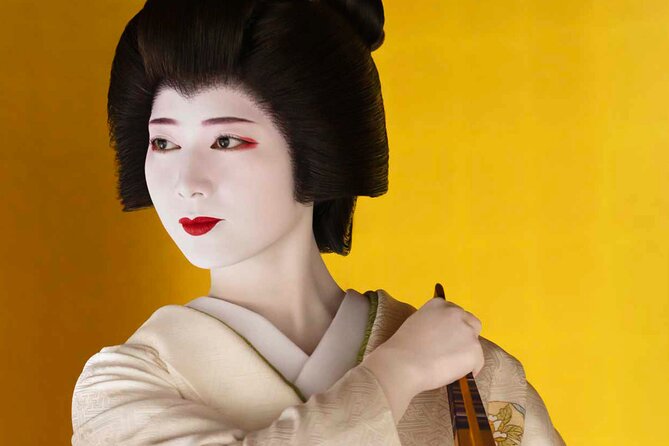
Kyomai is the Kyoto Mai Dance, and in this program it is presented in Inoue style by either a geiko or a maiko. The performance happens for about 15 minutes, and it typically includes two songs.
That matters because it changes how you should watch. You do not need a full evening mindset. You do not need to settle in for a long arc. Instead, treat it like a concentrated art lesson you can see with your own eyes. Watch how the dancer uses stillness as much as motion, and notice how the kimono silhouette and movement work together.
Also, this is designed for closeness. One review noted that each show accommodates around 40 to 50 people, so most people get a good view without feeling far away. With your tour group capped at 25, the experience should feel easy to manage.
The banquet-room vibe
The description points to an atmospheric, banquet-room style setting. That usually means the space feels intimate rather than like a huge auditorium. If you prefer theatre-scale productions, this may not scratch that itch. But if you want the feeling of being part of a traditional moment, the setting is part of the charm.
Stop at the Gion Kobu Kaburenjo Theater: the performance space
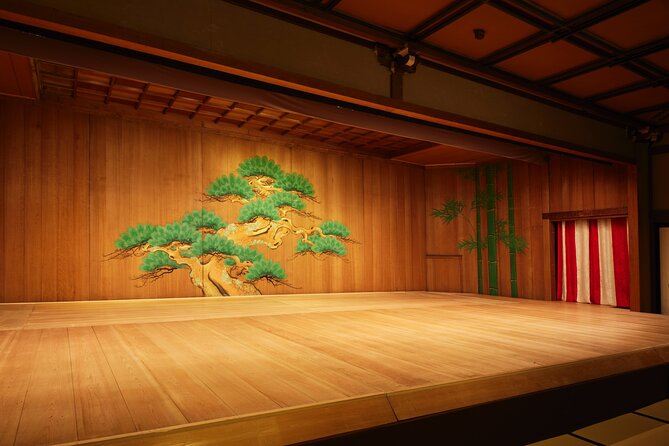
The show takes place at Gion Kobu Kaburenjo Theater. The theme here is the graceful world of geiko and maiko in Gion, with the quarter described as carrying traditions passed down carefully over centuries.
For practical purposes, what you should expect is a space built for people to sit and watch attentively. There is also one very real logistics point that can affect your comfort: shoes. One review reminded people to remove shoes before entering the building. If you are wearing socks you care about, bring extras or plan for a quick change in comfort.
If you are traveling with kids, this is another reason to prepare expectations. The dance portion is best enjoyed with quiet attention. Some families find that the museum grounds help after the show, but the show itself needs calm.
A few more Kyoto days worth comparing
- Kyoto: Tea Museum Tickets and Matcha Grinding Experience
★ 4.9 · 739 reviews - Skip the lines Basic Ticket at SAMURAI NINJA MUSEUM KYOTO
★ 4.5 · 632 reviews - Kyoto : Geiko Maiko Dance of Kyoto & Visits of Gion Museum
★ 4.6 · 415 reviews - Kyoto Sword Experience – includes Museum Ticket/Ninja Experience
★ 4.5 · 149 reviews
Gion Kagai Art Museum: why the exhibits are the real value
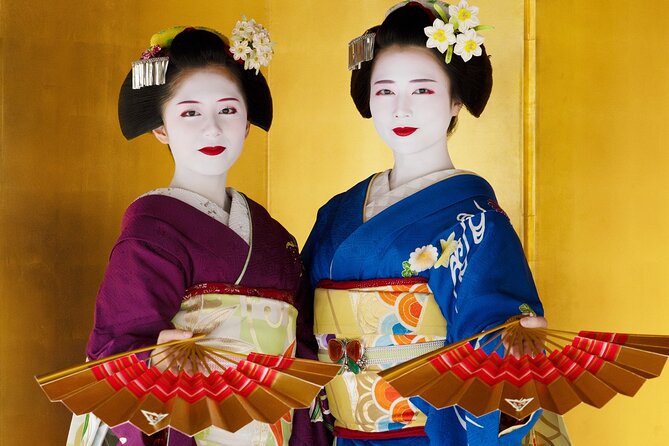
After the dance, the experience stays grounded in the museum. This is not just a decorative stop. It is an introduction to Kagai art culture, with exhibits built around the world of geiko and maiko.
I like that the museum puts the spotlight on specific objects tied to the daily and seasonal reality of this culture. Instead of generic souvenirs, you get details like:
- Yuzen kimono and Nishijin brocade obi sashes
- Personal belongings and makeup used by maiko
- Kanzashi hair ornaments for each season
- Rare-looking formal items, including a black crested kimono
Seeing these pieces in context helps you connect the dots between what you saw on stage and what you are looking at in glass or display cases. It also makes the experience more meaningful if you are the type who likes to understand what you are observing, not just watch the performance.
The garden break
More than one person pointed out the museum grounds and garden. That gives you a place to reset after the show. If you have time, use it. It is not a huge “must-see garden in Kyoto” in the grand sense, but it is a pleasant pause that makes the whole evening feel less rushed.
What the timing really feels like
The dance itself is about 15 minutes. The total experience is described at about 20 minutes. That means the whole flow is designed to be quick, efficient, and focused.
Here is the practical way to think about it:
- You come in for the live Kyomai moment
- Then you shift into museum viewing without a big gap
- You leave with new context, not just a memory of movement
One helpful suggestion that came through is to arrive early and use the museum time first, if that is possible with your schedule. The idea is simple: if you can read a few explanations before the dance, you will catch more details during the performance. If your timing only allows museum after the show, you still get a good story. You just might connect it more slowly.
Photos, shoes, and other small rules that change the experience
These details can make or break the vibe, so I treat them like part of the itinerary.
Photos during the dance
Regular dance photography is not included. The optional add-on is a photo session fee of 2,000 yen per group, with a maximum of 5 people. In plain terms, if photos matter to you, decide ahead of time. Otherwise you will walk out with dance memories only, not smartphone footage.
Shoes off indoors
Plan for shoe removal at the building. That affects how you dress and what you carry. Keep it simple. Wear socks you like, and consider something easy to slip off.
Quiet helps, especially with kids
The performance is intimate and short. Keep voices low. If you bring children, the museum garden gives you a place to redirect energy after the show, but the dance itself is best experienced in quiet.
Price and value: is $20 a fair deal?
This is priced at $20, and the key point is what you get for it: admission plus the dance performance are included.
At this price level, you are not paying separately for museum entry and then trying to find a show. You get a packaged experience, and that saves time and friction. In Kyoto, time is often the most expensive currency. If you are trying to fit Gion culture into a tight schedule, this format is a big win.
What might change the value for you is whether you want photos. If you do, the optional 2,000 yen photo session per group could be a meaningful add-on. If you do not care about dance photos, you can stay with the included experience and still get both the live performance and museum context.
Who this experience is best for
This works especially well if you want:
- A first-night Kyoto plan that does not require hours of setup
- A serious taste of geiko and maiko culture, without committing to a full dinner event
- A short activity that pairs performance with museum learning
It may not be the right fit if:
- You want a long, high-energy show with multiple acts
- You mainly want photos and are not willing to pay for the photo session
- You prefer large-scale theatre over intimate cultural spaces
For families, it can land well with kids who enjoy watching people dress up and perform, but keep the short format and the quiet expectations in mind. The garden helps afterward.
Getting the most out of it, without overthinking
If you want this to feel meaningful, do two things:
1) Slow down once you are in the museum. Read the labels, especially around seasonal items and kimono components.
2) During the dance, watch the details, not just the spectacle. Kyomai is about controlled movement, posture, and how costume and gesture communicate.
Also, treat it as a “start here” activity in Gion. Kyoto has no shortage of pretty streets. This experience gives you a clearer understanding of what you are seeing when you later wander through Gion’s neighborhoods and imagine the roles behind the traditions.
If you are flexible with timing, you might find multiple daily dance slots in the area. Having a choice can help you pick a time that fits your evening rhythm.
FAQ
FAQ
How long is the Kyomai dance and museum visit?
It is about 20 minutes total.
How long is the Kyomai performance?
The performance is approximately 15 minutes and includes two songs.
Is the museum admission included?
Yes. Admission to the Gion Kagai Art Museum is included with the experience.
Where do I meet for the experience?
You meet at Gion Kagai Art Museum, Yasaka club, 570-2 Gionmachi Minamigawa, Higashiyama Ward, Kyoto 605-0074, Japan.
Are photos allowed during the dance?
Regular photo time is not mentioned as included. A separate photo session can be purchased for 2,000 yen per group (max 5 people).
Do I need to remove shoes?
Yes. You must remove shoes before entering the building.
How many people are in a group?
The maximum is 25 travelers.
Are service animals allowed?
Yes, service animals are allowed.
Should you book this Kyomai Dance and Gion Kagai Art Museum stop?
If you want a focused, value-packed introduction to Gion culture, I think it is an easy yes. You get a live Kyomai performance by a geiko or maiko plus museum admission in about 20 minutes, and you finish with clearer context for what you will see later in the neighborhood.
Book it if you like short, thoughtful cultural experiences, and you can accept that the dance portion is brief. Skip it only if you are expecting a longer, photo-heavy show, or if you dislike sitting through a quiet performance space. For many people doing Kyoto on a tight schedule, this is exactly the kind of “small time, big meaning” stop that earns its place on day one.
Fresh options around Kyoto
- Kyoto Aquarium Admission Ticket★ 4.7 · 12 reviews
- Kyoto Gion Photoshoot – Private Session | Pro Photographer★ 5.0 · 12 reviews
- Gyoza Cooking Class in Kyoto: Traditional Japanese Dumplings★ 5.0 · 12 reviews
- Kyoto: Guided Food Tour with 12 Dishes & 3 Drinks★ 5.0 · 12 reviews
- Kyoto: Avoid the Crowds at the Hidden Gems of Arashiyama★ 4.9 · 13 reviews
- Kyoto Early Bird English Tour: Gion & Higashiyama(Private opt)★ 5.0 · 13 reviews
- Otsu-e Folk Art Workshop & Local Culture Walk Near Kyoto★ 5.0 · 13 reviews
- Kyoto, Osaka, Nara Full Day tour by Car English speaking Driver★ 3.5 · 13 reviews
Museums, compared.

teamLab Planets TOKYO Digital Art Museum Entry Ticket
Read our review →
Samurai Ninja Museum Guided tour and Experience
Read our review →
Tea Museum Tickets and Matcha Grinding Experience
Read our review →
Skip the lines Basic Ticket at SAMURAI NINJA MUSEUM KYOTO
Read our review →
Ninja Experience (Family Friendly) at Samurai Ninja Museum TOKYO
Read our review →
Tokyo Studio Ghibli Museum and Ghibli Film Appreciation Tour
Read our review →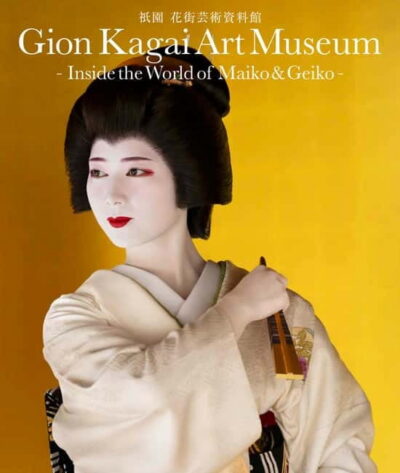
Geiko Maiko Dance of Kyoto & Visits of Gion Museum
Read our review →Browse the lists this tour appears in