
Reviewed · FOOD & DRINK
Kyoto Nishiki Market Food and Culture Walking Tour
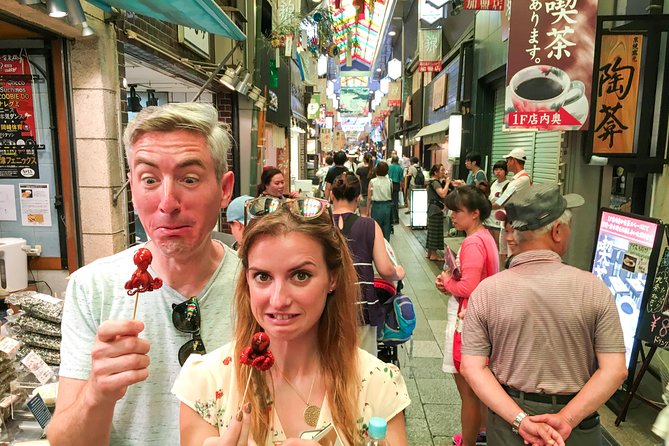
Kyoto smells like dinner here. This 3-hour food and culture walk threads tastings through Nishiki Market, plus shrines and shopping streets so you understand what you’re eating and why it matters. Small-group format means you spend less time herding and more time learning.
I love how the tour gets you eating without restaurant reservations. I also love that the guide helps you choose your way through a place that can feel overwhelming fast, so you do not waste time guessing.
One drawback to consider: this is not designed for strict diets or allergies. The tour states they are unable to accommodate many dietary restrictions, and Nishiki Market gets very crowded.
Quick hits
- Nishiki Market first, so you get your bearings in Kyoto’s “kitchen” right away
- Small group, max 6, which makes it easier to ask questions and get help choosing
- Food samples that replace a meal, not tiny bites you forget in 10 minutes
- Shrine and street stops (Nishiki Tenmangu, Takoyakushido Eifukuji Temple, and more) that explain daily life alongside food
- Rain or shine, with a weather-based alternative if conditions turn bad
- Dietary restrictions are limited, so you’ll want to check this early
Getting oriented at Nishiki Market, the place to start
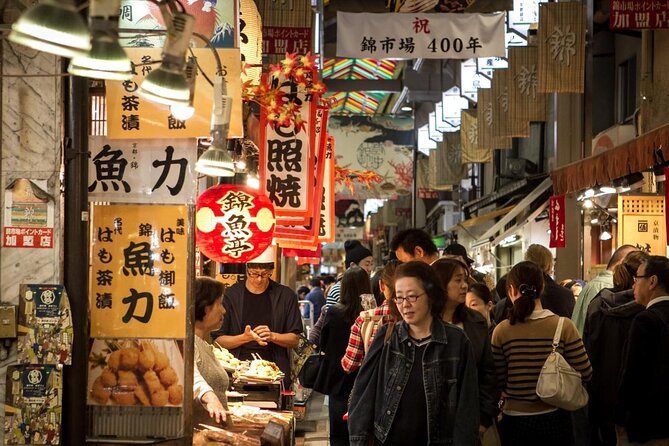
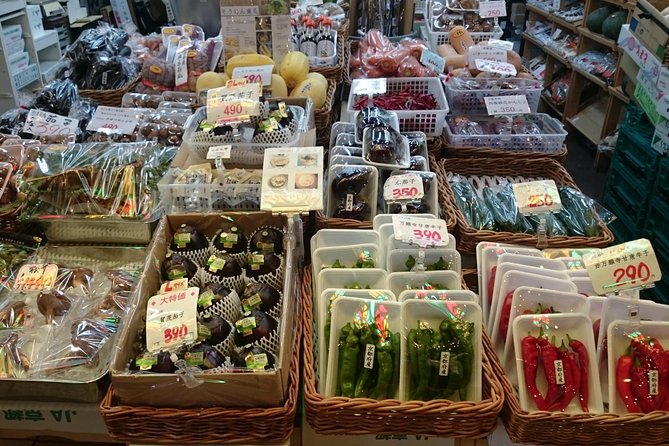
Nishiki Market is the kind of Kyoto landmark that makes you hungry just walking past it. It runs along a narrow stretch with a dense lineup of shops and stalls, and the vibe is old-school: food smells, chatter, and the clink of everyday commerce. Starting here is smart because it sets the tone. You’re not just collecting snacks, you’re learning how the market works.
The tour begins at this 400-year-old market, often described as Kyoto’s Kitchen. You get about 1 hour 40 minutes there, which is enough time to slow down, compare stalls, and actually talk to your guide instead of sprinting through.
If you hate wasting effort deciding what to buy, this is where the guided part pays off. Kyoto markets can look similar from a distance, but the details matter: what’s fresh, what’s local specialty, and what’s worth paying for on a first visit.
More Food Tours in Kyoto
- Kyoto Night Foodie Tour in Gion (9+ dishes + 6 Sake tastings)
★ 5.0 · 1,762 reviews - 3-Hour Kyoto Insider Sake Brewery Tour with Tastings & Pairings
★ 5.0 · 917 reviews - Arashiyama Bamboo, Temple, Monkeys, or Secret Sake Brewery
★ 4.8 · 886 reviews
What you’ll taste (and what to expect from the “enough for a meal” promise)
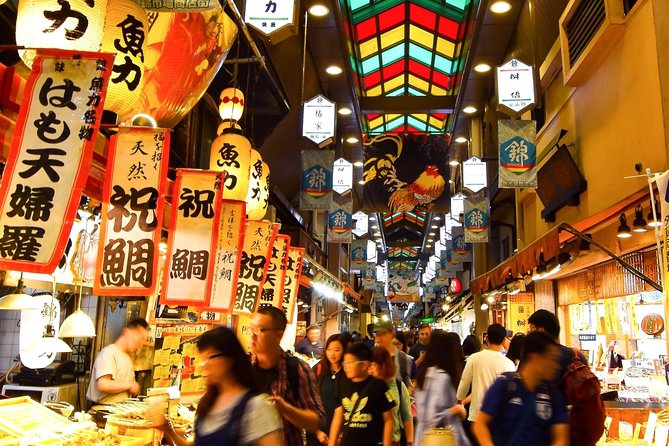
The tour is designed around food samples. The big idea is simple: you should leave satisfied, the way you would after a meal, not still searching for dinner when it’s over.
From the foods that show up in past guide-led tastings, you can reasonably expect a mix like:
- yuba (soy milk skin)
- soy doughnuts
- omelette
- pickled cucumbers
- gyoza
- wheat starch treats
- honey yuzu lemonade
- minced meat sandwich style bites
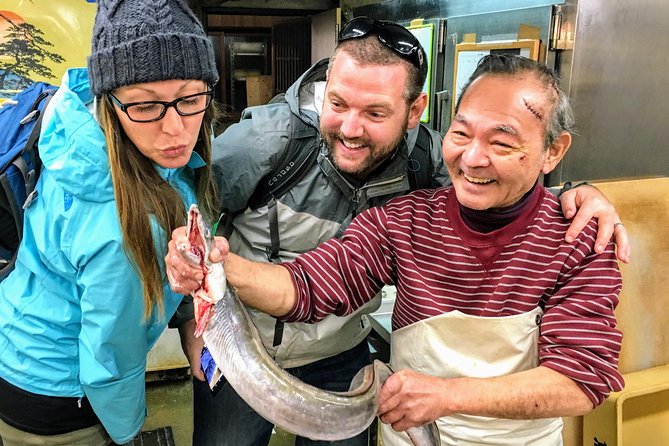
- tempura options (including eel in some tastings)
- Japanese seasonings you can take home, like matcha salt
You’ll also hear about sweets and fruits. One common comment is that people leave with snack cravings handled for the day, plus a souvenir or two they would not have known to look for.
The balanced truth here is this: “enough for a meal” usually means several tastings and a guided pace, not endless sampling at 20 different counters. Some food-tour disappointments come from expecting a big, stall-hopping buffet. This tour feels more like guided sampling plus shopping directions, with enough food to keep you comfortable through a 3-hour walk.
My practical advice: come hungry, but do not count on this replacing a full sit-down meal forever. Think of it as a smart way to test Kyoto flavors, then continue your night somewhere else if you want.
Why the food lesson includes shrines and sacred basics
After the market, the walk shifts into culture mode without getting boring. You visit Nishiki Tenmangu, a Shinto shrine, with a guide who explains the basics of how people pray at a Japanese shrine. That matters because so much of Kyoto’s atmosphere is tied to everyday religious practice, not just temples you see from the street.
You also stop near or at a small Buddhist temple, Takoyakushido Eifukuji Temple. Kyoto is full of religious sites, and seeing a smaller corner temple inside a shopping area helps you understand how ordinary life and spirituality sit side by side here.
What you gain from these stops is context. Your food is not floating in the air. It sits in a city where seasonal rituals, neighborhood routines, and respect for tradition all shape what people buy and how they gather. Even if you only catch a few key points, it changes how you interpret the market.
Also, these stops help break up the experience. Nishiki Market can be sensory overload. A short shrine and temple pause gives your brain a reset.
The shopping streets part, Shinkyogoku and Teramachi-dori
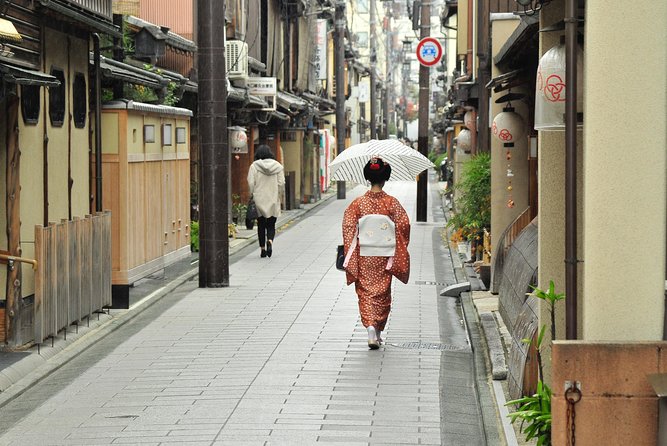
One of the best parts of this tour is that it does not end with a single famous market. After Nishiki, you move into the surrounding neighborhood with pedestrian shopping streets and traditional-commercial areas.
You spend time in the Shinkyogoku shopping district, a pedestrian-only arcade. This type of space is Kyoto’s “in between.” It’s not a tourist photo stop only. It’s where you see daily flow, shopfront rhythms, and that Kyoto blend of old patterns and newer retail.
Then you move along Teramachi-dori street, another active shopping strip lined with both long-running shops and more modern storefronts. This segment is helpful for two reasons:
1) it gives you breathing room after the tight market alleys
2) it shows you how Nishiki’s food culture fits into the wider shopping life of central Kyoto
If you like walking, this is the section that makes the whole tour feel like a neighborhood experience instead of a straight line from bite to bite.
More Market Tours in Kyoto
- Nishiki Market Brunch Walking Tour (7 Tastings + Brunch)
★ 5.0 · 1,355 reviews - Kimono Tea Ceremony at Kyoto Maikoya, NISHIKI
★ 5.0 · 911 reviews - Kyoto: Nishiki Market Tea Ceremony with Koto Performance
★ 4.8 · 294 reviews - Kyoto: Nishiki Market Brunch Walking Tour-7 Tastings+Brunch
★ 4.8 · 197 reviews
Pacing and group size, the small-group advantage
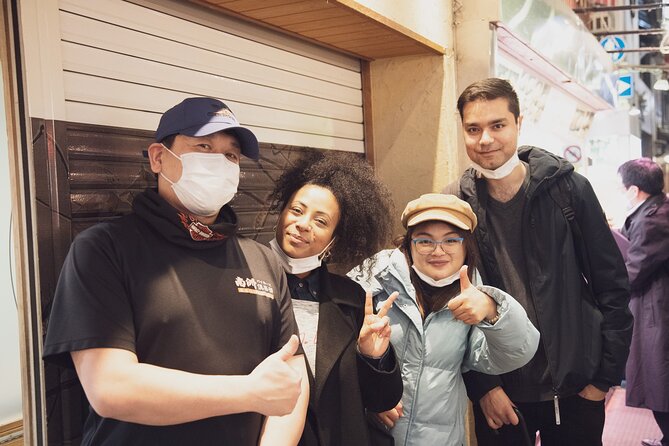
This tour runs about 3 hours. You are with a maximum of 6 travelers, which is a big deal in Nishiki Market. In a crowd, large groups mean you cannot hear explanations, and you spend your time waiting or trying to catch up.
With the small-group structure, you get more one-on-one attention. In practice, that usually means faster decisions when the guide points out what to order, and quicker understanding when you ask a question about ingredients or why something is special.
I also like that the tour includes both walking and sitting time. One review theme is that the pace works even in hot weather, and that the schedule is comfortable for people who do not want to spend hours doing nonstop steps.
A final pacing note: if you need a slow, calm visit, tell the guide at the start. Some guides adjust the flow to your interests, like focusing more on shopping for seasonings or leaning harder into cultural explanations.
Price and value: what $80.92 is really paying for
$80.92 sounds specific, and value in Kyoto is always a balancing act. Here’s the honest way I think about it: you’re paying for access to a guide who can reduce decision fatigue and point you toward foods and items that match Kyoto specialty.
If you compare this to doing everything on your own, the self-guided route can be cheaper. You can pop into stalls and buy what you like. But you might also miss the local angle your guide is there to explain, and you might spend time figuring out what’s actually worth trying.
Where the price can feel off is when expectations are set for a much larger number of tastings. Some people felt the food portion did not match their price expectations, especially compared to a more stop-heavy format.
Here’s my take: this tour is best when you see it as a guided introduction to Kyoto market food. You get helped choices plus cultural context, and you leave full enough to be happy. If your goal is maximum food quantity at minimum cost, shop around and compare formats.
Weather, rain or shine, and crowded market reality
The tour runs rain or shine. That’s helpful because Kyoto weather can flip fast, and you do not want your day hijacked by a cancelled plan.
That said, there is also a weather-based backup if conditions are poor, with an offer of a different date or a full refund. Translation: plan to go, but know there is a safety net if the weather becomes unworkable.
Now for the practical reality: Nishiki Market gets very crowded. If you’re bringing a stroller, the tour asks you to let them know in advance. Even with a guide, the narrow lanes can be tight, so plan for slower navigation and a bit of patience.
If you have back or mobility concerns, this tour is designed with a real walking time plus breaks. But you’ll still want comfortable shoes, because Kyoto streets plus market alleys are not the same as a flat sidewalk stroll.
How to make it smooth: meeting point habits and what to bring
You start at Nishiki Market. Because it’s a busy area with multiple entrances and similar-looking map pins, I recommend you confirm the exact meeting spot the day before. If your map app shows more than one likely location, message the operator to clarify.
Once you’re there, keep your expectations practical:
- Wear comfortable shoes. Market floors and arcade floors are not always grippy or level.
- Bring a small tote. You’ll likely want to carry items you buy along the way, like Japanese seasonings or drink concentrates.
- Keep some room in your stomach and your day. The tour provides enough food samples to replace a meal, so you probably do not need a heavy dinner right after.
Also, if you want alcohol, Japan’s legal drinking age is 20. The tour does not promise alcohol, but if you’re considering it, follow the local rule.
Finally, get ready for the guide-led structure. This is not a free-for-all food scavenger hunt. You’ll be moving as a group with planned stops and planned tastings.
Who should book this tour, and who should skip it
This tour is a good fit if you:
- want to try Kyoto specialties without needing reservations
- feel stressed navigating a busy market on your own
- like food plus culture context, including shrine and temple basics
- prefer a small-group format (max 6) over large pack tours
- want to leave full, not just “snacked”
You should think twice if you:
- have strict dietary restrictions or allergies. The tour states they cannot accommodate many diets, including vegetarian, halal, kosher, gluten-free, or allergy-related requests.
- want a high-volume tasting marathon where you hit dozens of counters. This is curated and paced, not endless stall sampling.
- expect total flexibility. Your route and stops are set, and the whole point is that the guide handles the “where should we go next” decisions for you.
Should you book this Kyoto Nishiki Market Food and Culture Walking Tour?
If you want a first-time, high-value introduction to Kyoto market food, I’d book it. The market start makes sense, the small-group size keeps it sane, and the shrine and street stops make the day feel like more than just eating.
Go in hungry, wear good shoes, and double-check the meeting spot so you do not lose time. If your diet is complicated or strict, pause and look for an alternative option that can actually match your needs.
For many people, this ends up being the easiest way to understand Nishiki Market fast, taste Kyoto flavors you might miss alone, and walk away with both food memories and practical shopping ideas.
More Markets in Kyoto
- Kyoto: Local Food Tasting Tour at the Nishiki Market
★ 4.7 · 135 reviews - Kyoto: Nishiki Market and Depachika Food Tour with a Local
★ 4.7 · 76 reviews - Kyoto: Nishiki Market Tour with a Local Foodie & Tastings
★ 4.5 · 67 reviews - Nishiki Market Lunch Tour
★ 5.0 · 47 reviews
More Walking Tours in Kyoto
- Kyoto Geisha Walking Tour: Gion District & Hidden Gems
★ 4.7 · 3,273 reviews - Kyoto: Gion Magical Night Walking Tour with Geisha Trivia
★ 4.9 · 2,393 reviews - Kyoto: Gion Geisha District Walking Tour – Stories of Geisha
★ 4.7 · 2,187 reviews - Night Walk in Gion: Kyoto’s Geisha District
★ 4.5 · 2,003 reviews
Fresh options around Kyoto
- Kyoto: Quiet and Graceful Tea Ceremony★ 4.5 · 19 reviews
- Oboro | Mindful Tea Ceremony in a 100-Year-Old Kyoto Teahouse★ 5.0 · 19 reviews
- Ikebana Traditional Japanese Art of Flower Arranging★ 4.5 · 19 reviews
- Kyoto Satoyama Cycling with Lunch and English Guide★ 5.0 · 19 reviews
- Tea Ceremony Experience in Traditional Kyoto Townhouse★ 5.0 · 19 reviews
- Kyoto International Party Solo Friendly Expats and Locals★ 5.0 · 19 reviews
- Kyoto: Amanohashidate Ine Funaya Tour★ 4.4 · 19 reviews
- Kyoto Private Food Tours with a Local Foodie: 100% Personalized★ 4.5 · 19 reviews
Food & Drink, compared.
Shinjuku Food Tour (13 Dishes at 4 Local Eateries)
Read our review →
Tokyo Tsukiji Fish Market Food and Culture Walking Tour
Read our review →
Shinsekai Food Tour with 13-15 Dishes at 5 Eateries
Read our review →
Osaka Food Tour: 13 Dishes at 5 Local Eateries
Read our review →
Shinjuku Food Tour (15 Dishes and 4 Eateries)
Read our review →
Best of Shinjuku: Izakaya Food Tour (4 Stops, 14+ Tastings)
Read our review →
Kyoto Night Foodie Tour in Gion (9+ dishes + 6 Sake tastings)
Read our review →
Hungry Osaka Street Food Tour:15 Tastings & 3 Drinks with a Local
Read our review →Browse the lists this tour appears in